






















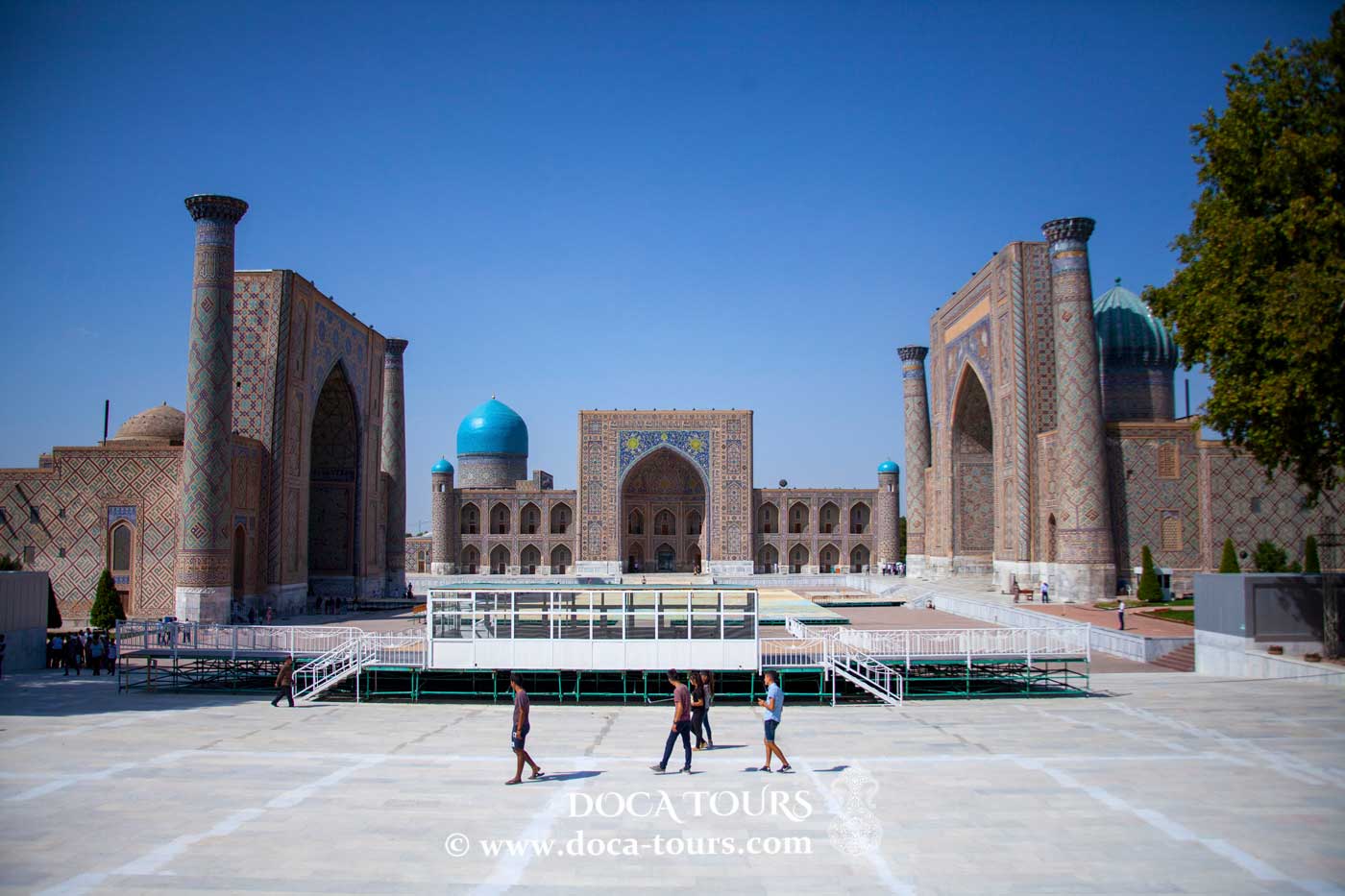

Key takeaways
- Two days is enough to see Tashkent's main sights: Chorsu Bazaar and the old town on day one, museums and parks on day two.
- The Tashkent metro is an attraction in its own right, with marble and mosaic stations you can photograph freely.
- The Khast Imam complex holds one of the world's oldest Quran manuscripts and anchors the city's Islamic old town.
- Tashkent is the natural gateway to Central Asia, with fast rail links to Samarkand and Bukhara and flights across the region.
Two days in Tashkent gives you the bazaars, the old town and the famous metro without rushing. This Tashkent city guide walks you through a route that balances the Soviet, modern and Islamic layers of Uzbekistan's capital, then sets you up to travel deeper into Central Asia.
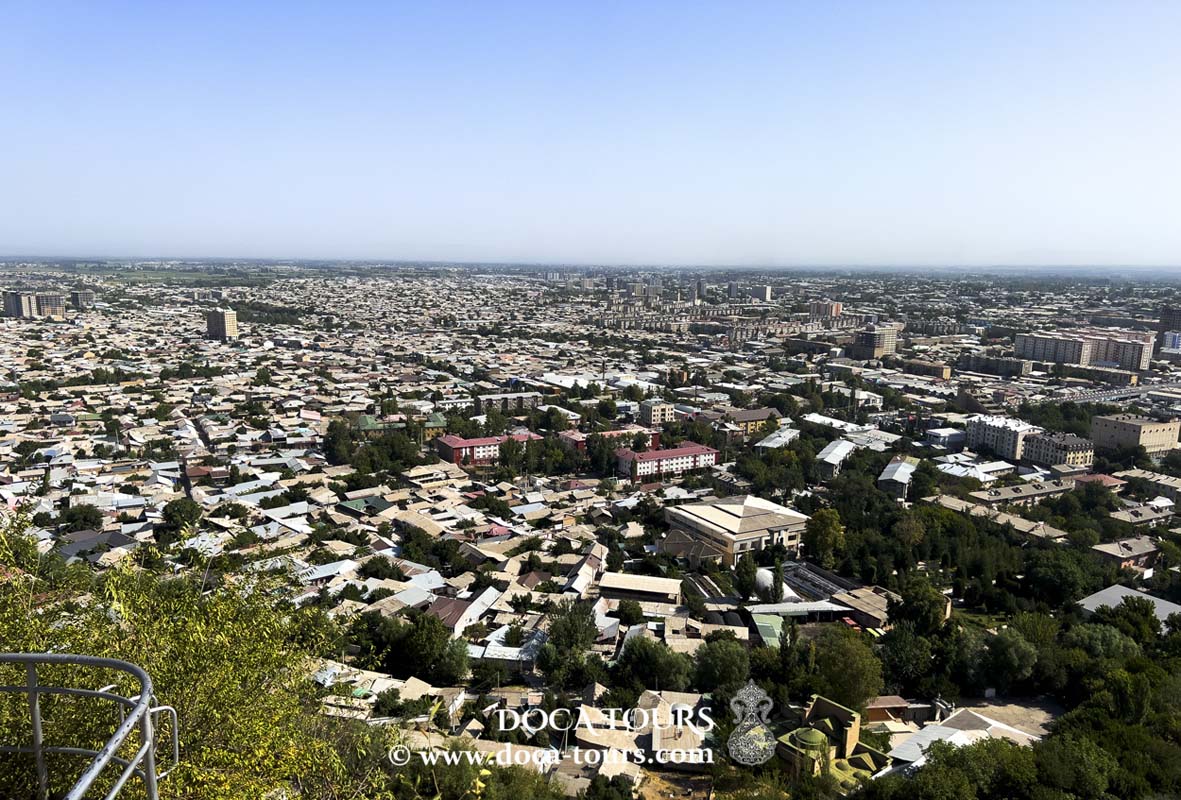
Tashkent is a city of overlapping eras. Wide Soviet boulevards and concrete apartment blocks sit beside glass towers, leafy parks and the tiled domes of its mosques and madrasahs. A 1966 earthquake flattened much of the old center, so the city you walk through today is largely a rebuilt one, which is exactly why its surviving historic quarters feel so distinct from the planned districts around them.
Three cities in one: Soviet, modern and Islamic Tashkent
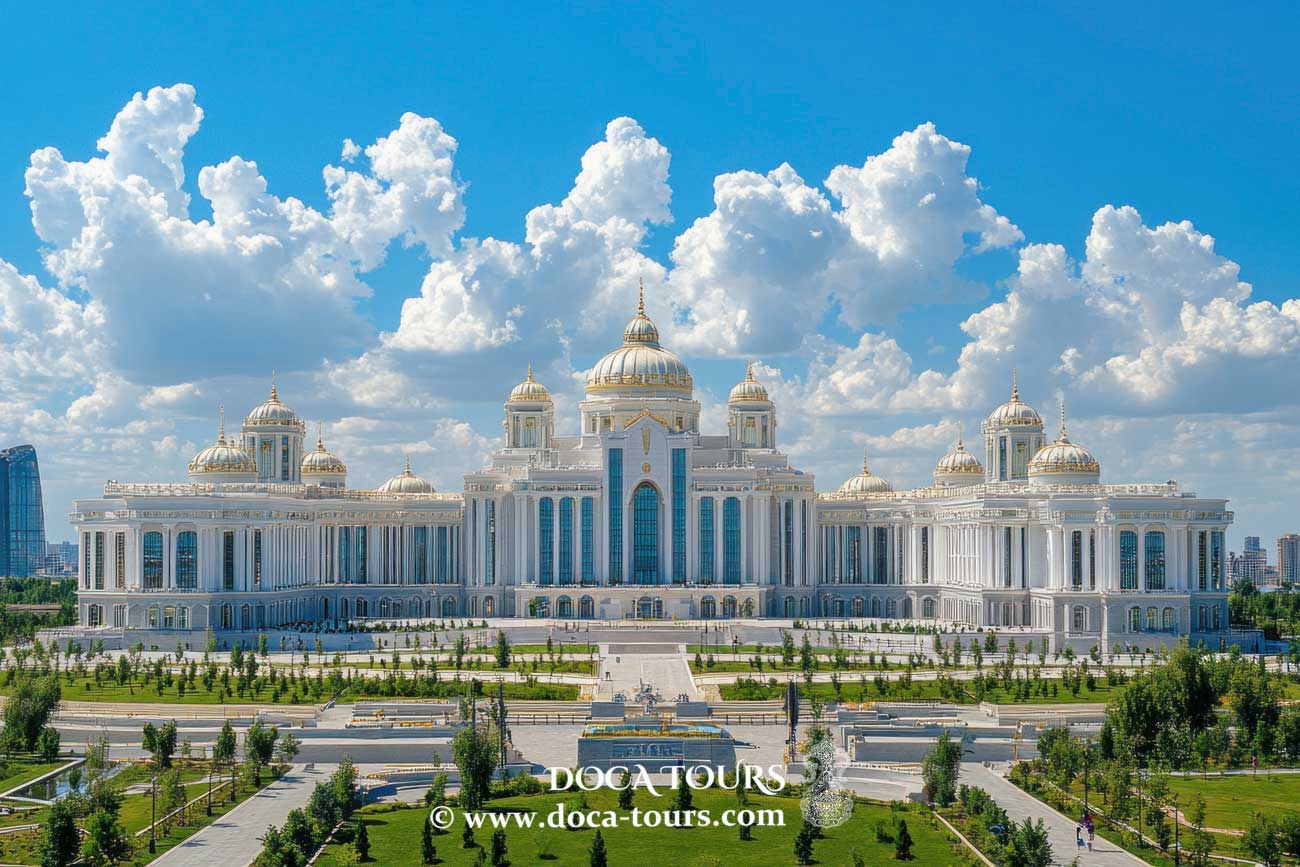
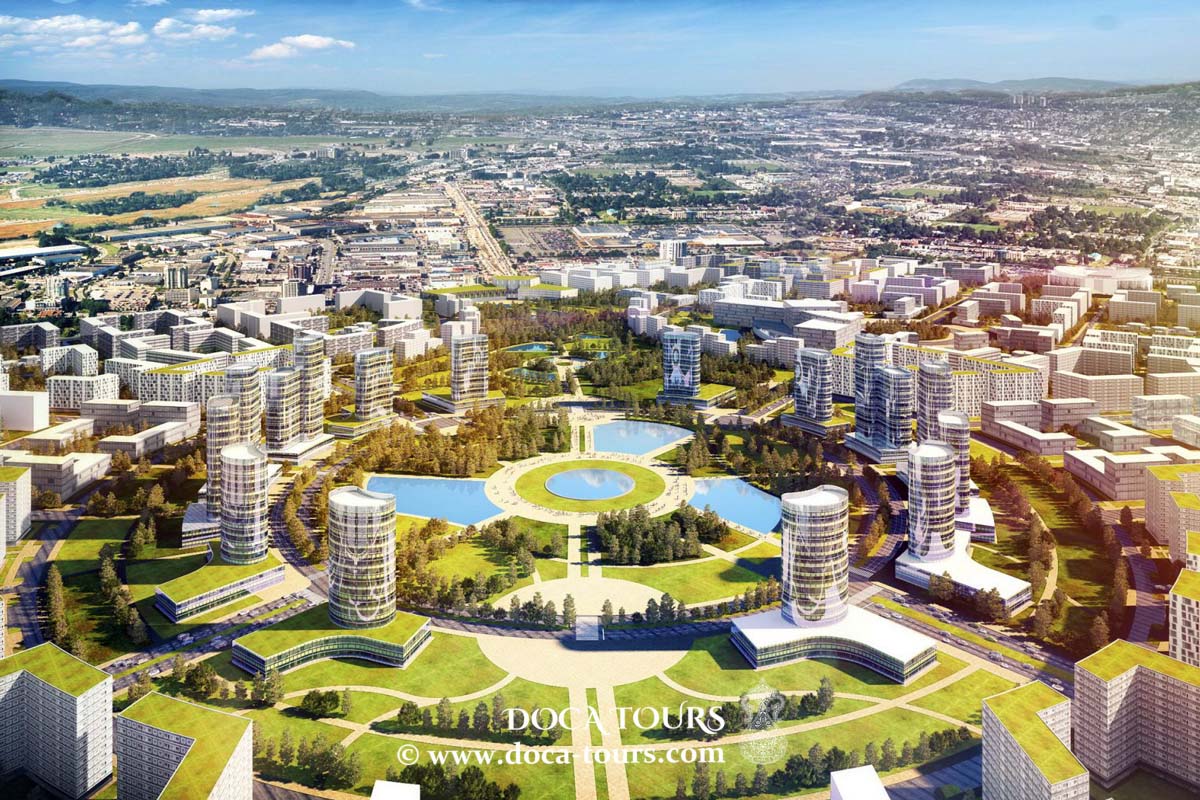
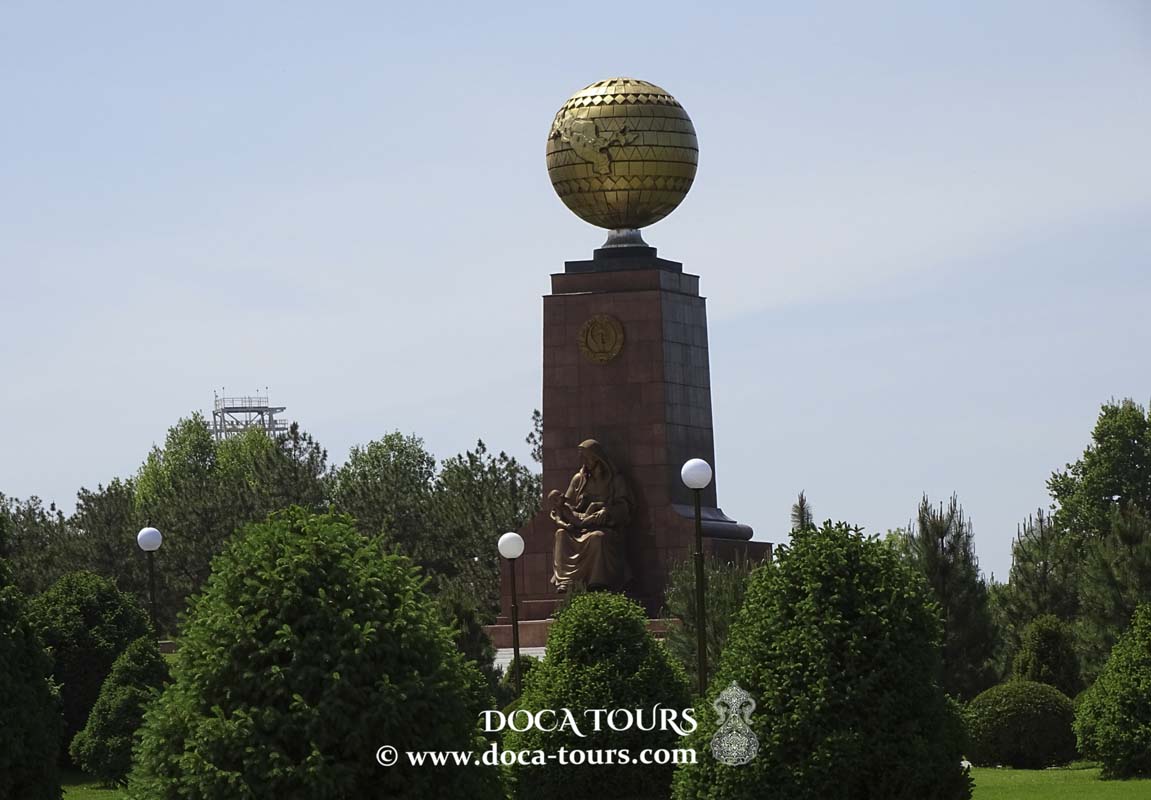
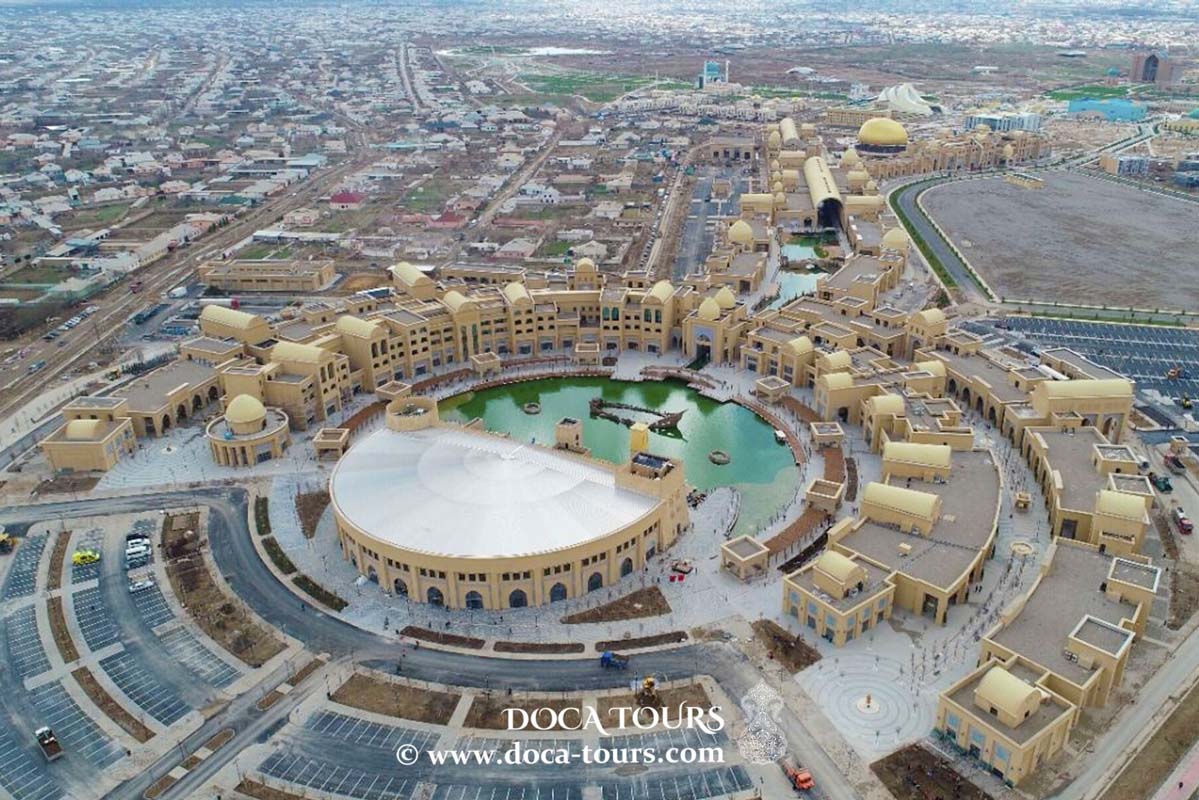
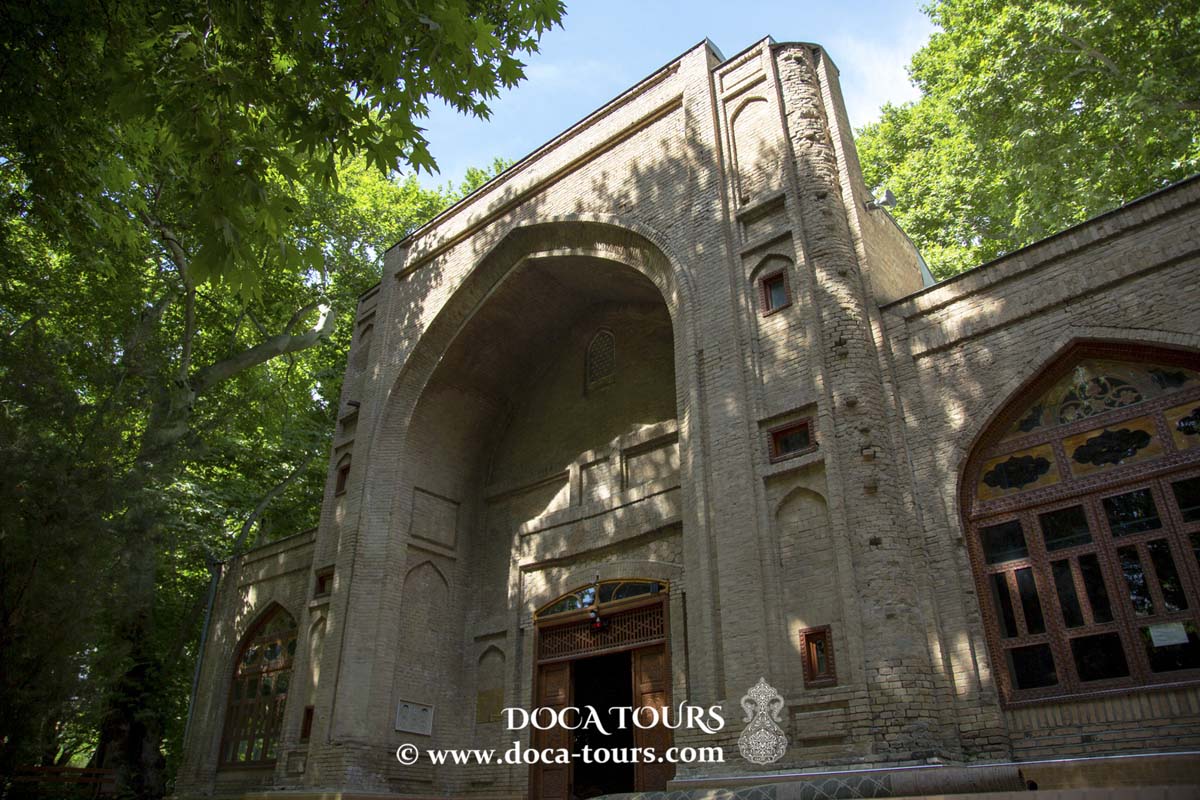
Tashkent reads as three cities stacked on the same map. The Soviet layer shows up in monumental squares, the metro and the grid of broad avenues laid out after the 1966 quake. The modern layer is the business district of Tashkent City, with its towers and manicured public spaces. The Islamic layer survives in the old town, where low mud-brick lanes wrap around mosques and the tombs of saints.
Getting your bearings around these three layers makes the rest of your visit easier. The metro ties them together, so most of the stops in this guide are a short ride or walk from a station. Give yourself a slow first morning to feel the shift from the planned center to the older quarters, and the two-day plan below falls into place.
Day one: Chorsu Bazaar, the Khast Imam complex and the old town
Start at Chorsu Bazaar, the city's oldest market and its most photographed building. The turquoise dome covers a circular hall packed with spice mounds, dried fruit, nuts and butchers' counters, while the stalls outside spill into the surrounding streets. Go early, when traders are setting up and the light is soft, and come hungry: this is a good place to try non bread, samsa and fresh pomegranate juice.
From the bazaar, walk into the old town toward the Khast Imam complex, the spiritual heart of the city. The square gathers madrasahs, a mosque and a library around a calm courtyard. Its most important treasure is the Uthman Quran, held to be one of the oldest surviving Quran manuscripts in the world. Dress modestly here, cover shoulders and knees, and keep your voice low inside the prayer halls.
Spend the rest of the afternoon wandering the lanes between the two sites. This is the quarter where the pre-earthquake character of Tashkent is easiest to feel, and it rewards slow, unplanned walking.
Practical tips for day one
- Carry small banknotes; many market stalls cannot break large notes.
- Bargaining is normal at Chorsu for souvenirs, less so for food.
- A scarf for women is useful for the Khast Imam prayer halls.
Riding the stunning Tashkent metro
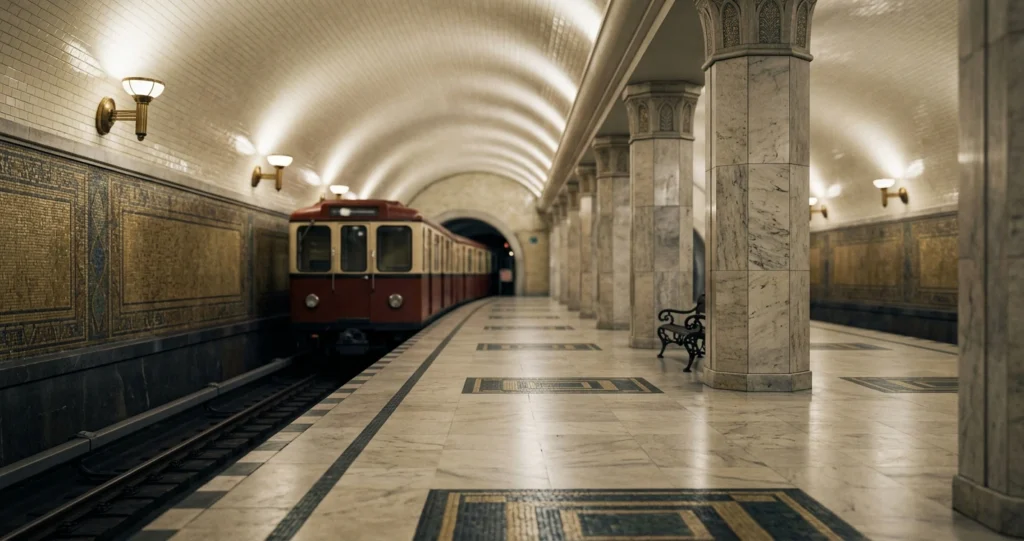
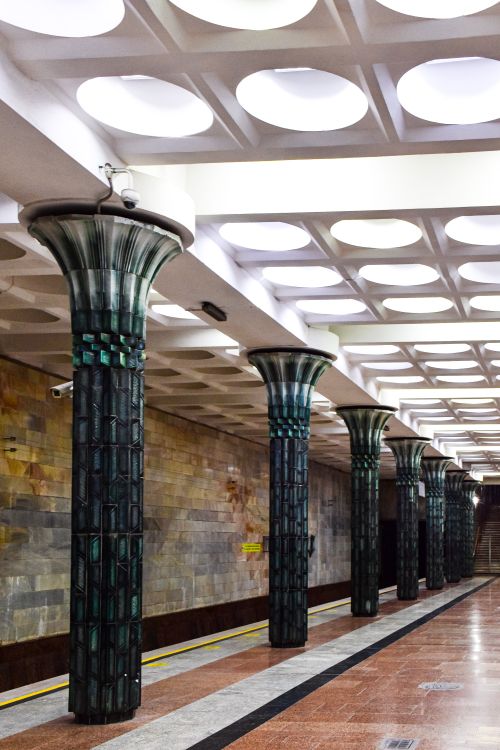
The metro is an attraction, not just transport. Opened in 1977, it was the first underground system built in Central Asia, and many of its stations are decorated like public galleries, with marble columns, mosaics, carved panels and chandeliers themed around Uzbek history and culture. Cosmonauts, poets and cotton harvests all appear in the tilework if you know where to look.
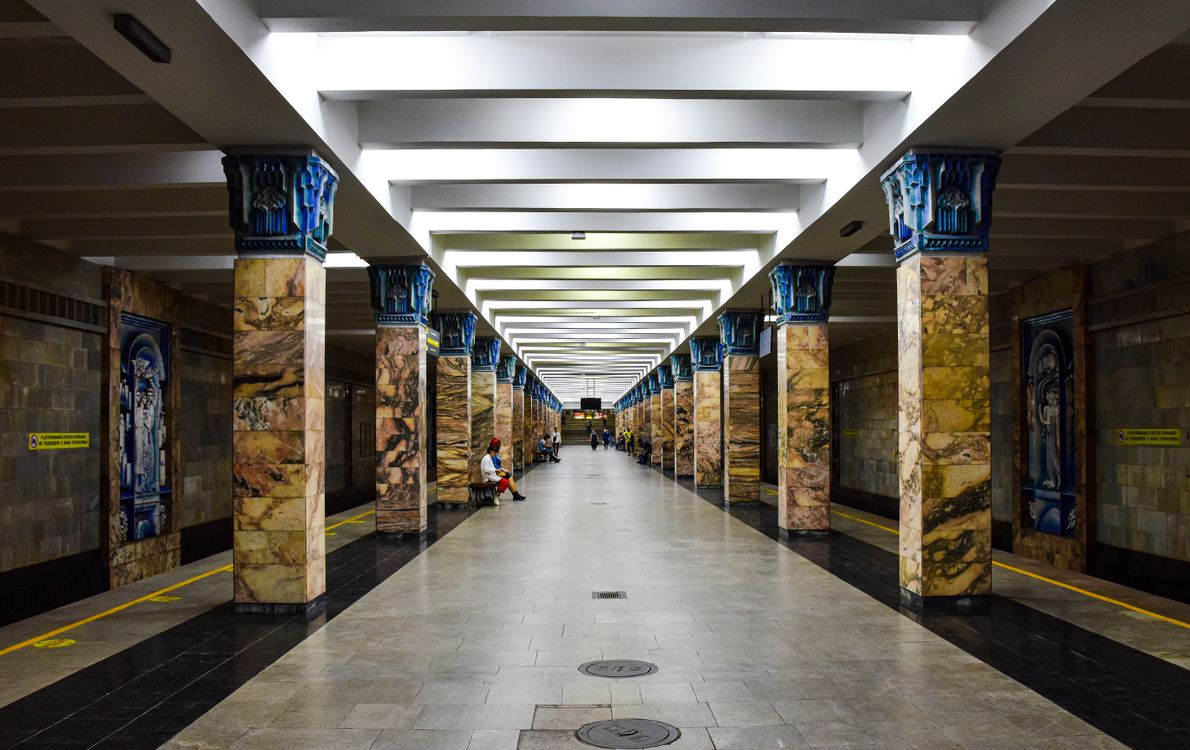
Photography inside the stations was banned for decades because the metro doubled as a civil defense shelter. That restriction has been lifted, and you can now photograph the platforms freely. A single flat fare covers any ride regardless of distance, signage uses the Latin alphabet, and trains are frequent, so it is the easiest way to hop between the sights in this guide. Treat a handful of the grandest stations as a short self-guided tour between other stops.
Day two: museums, parks and evening dining
Give day two to the city's indoor collections and green spaces. The State Museum of the History of Uzbekistan traces the region from ancient Bactria through the Silk Road, and the State Museum of Applied Arts shows off suzani embroidery, ceramics and carved plasterwork inside a richly decorated former merchant's house. If you have more interest in the region's deep past, read our overview of the Silk Road and the ancient trade route before you go, so the museum displays carry more weight.
Break the museum visits with time outdoors. Amir Timur Square and the surrounding park sit at the city's symbolic center, and the fountains and tree-lined walks near Independence Square are pleasant in the late afternoon. In warmer months, locals fill these spaces well into the evening.
For dinner, Tashkent is the best city in the country to work through Uzbek staples: plov cooked in a wide kazan, shashlik, lagman noodles and manti dumplings. The modern restaurants around the city center range from traditional halls to contemporary kitchens, and street-side cafes stay busy late.
Using Tashkent as your Central Asia gateway
Tashkent is the most practical entry point to the region. It has Central Asia's busiest airport, high-speed trains that reach Samarkand in roughly two hours and continue to Bukhara, and road and air links to neighboring countries. That makes it the natural first stop before heading to the classic Silk Road cities or crossing a border into Kazakhstan or Kyrgyzstan.
Uzbekistan has been one of the fastest-growing travel destinations in recent years. The country drew 8.2 million foreign tourists in 2024, according to figures reported by the national statistics agency, and official data has since pointed to continued double-digit growth into 2025. You can confirm current entry rules and travel updates on the official Uzbekistan tourism portal before you book.
Most visitors use Tashkent as a one or two-day opener, then move on to the monuments of Samarkand and Bukhara. If that is your plan, the perfect two-week Silk Road itinerary shows how the capital fits into a longer regional loop. Doca Tours builds guided trips around exactly this kind of route, pairing a local guide in Tashkent with onward travel across the five countries of Central Asia, which takes the logistics of trains, borders and bookings off your plate.
Once your two days are up, step onto the fast train to Samarkand with the capital's three layers fresh in mind. The contrast between Tashkent's rebuilt streets and the standing Timurid monuments down the line is one of the best reasons to keep going.
Frequently asked questions
Is two days enough to see Tashkent?
Two days covers the essentials. Spend day one on Chorsu Bazaar, the Khast Imam complex and the old town, then use day two for museums, parks and a few metro stations.
Can you take photos in the Tashkent metro?
Yes. Photography was restricted for decades because the metro doubled as a civil defense shelter, but the ban was lifted and visitors now photograph the stations freely.
What is the best way to get around Tashkent?
The metro is cheap, fast and easy to navigate with signage in Latin script. Ride-hailing apps and taxis fill the gaps for short hops and late evenings.
Is Tashkent a good starting point for a Central Asia trip?
Yes. Tashkent has the region's busiest airport and high-speed trains to Samarkand and Bukhara, making it the most practical entry point for most itineraries.