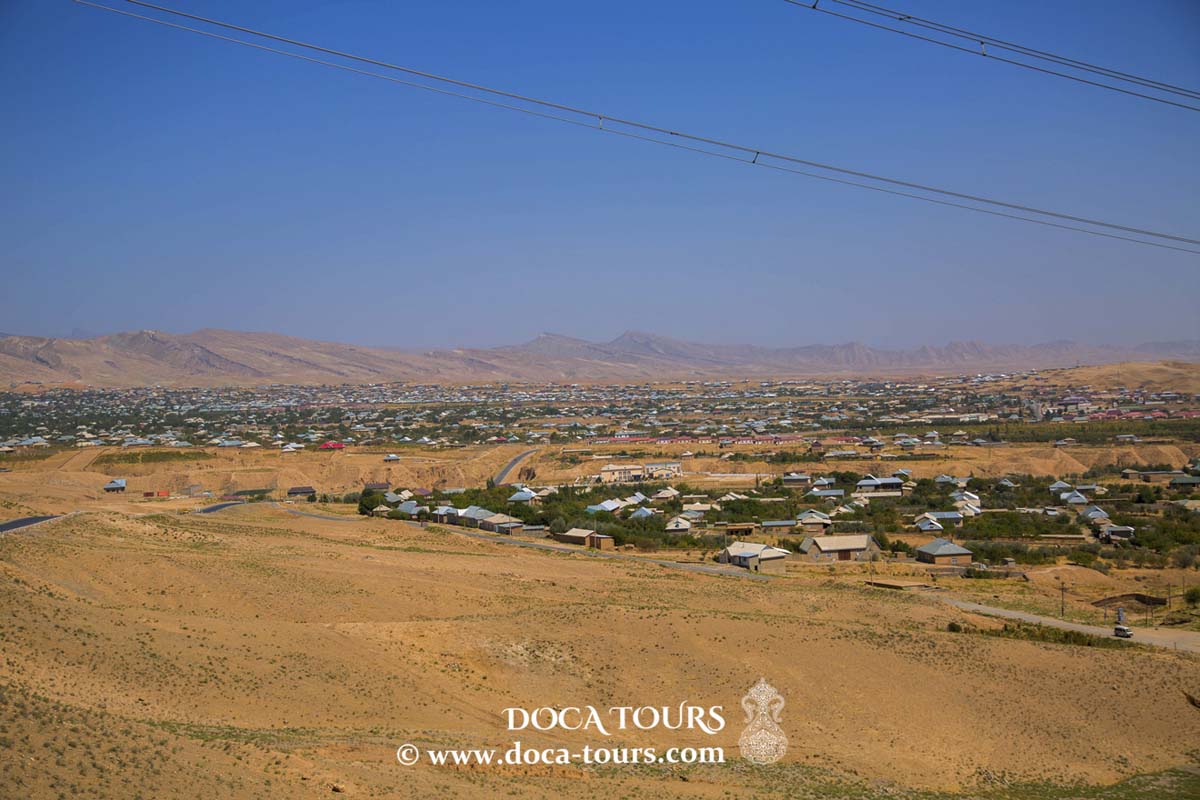
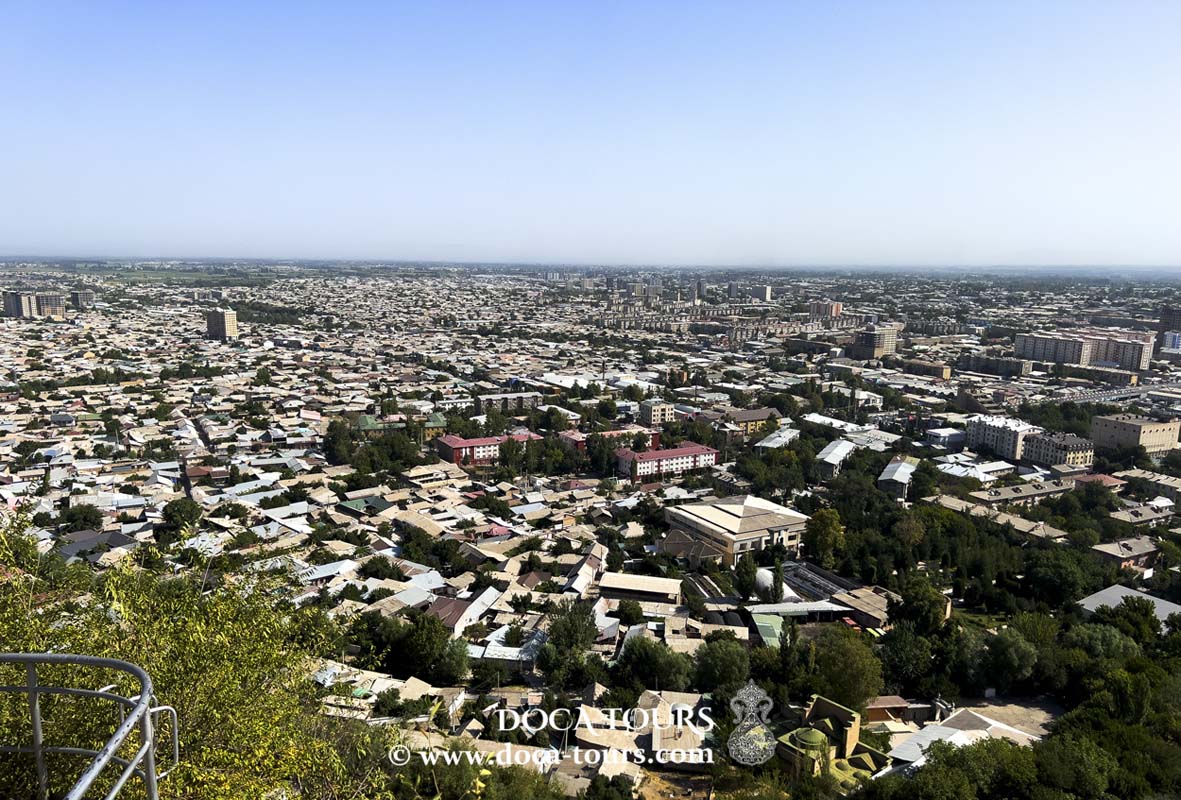
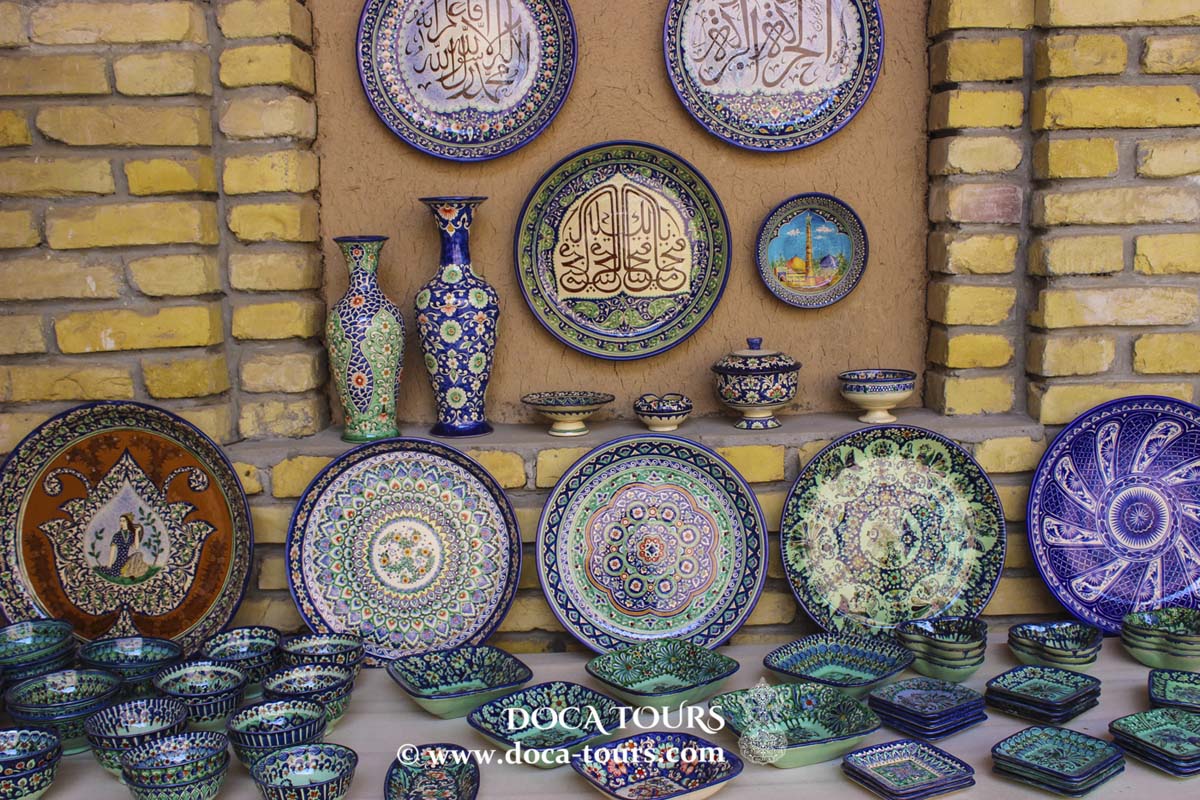
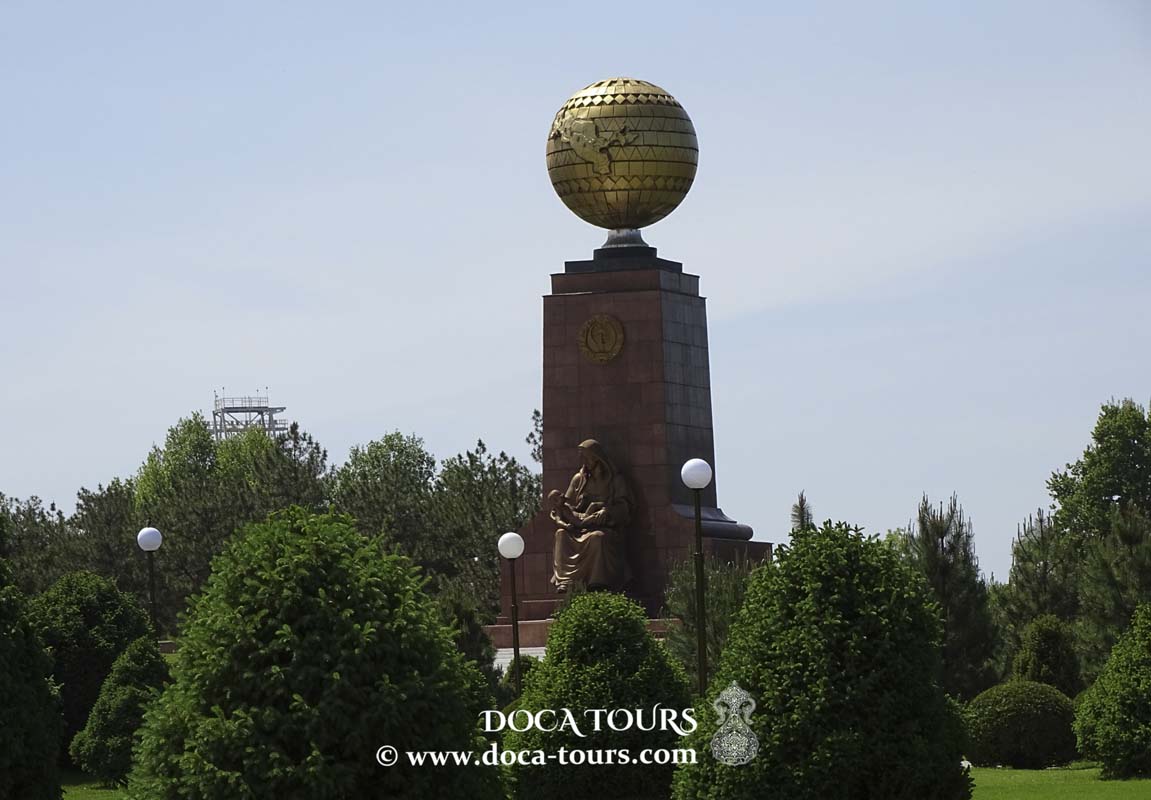
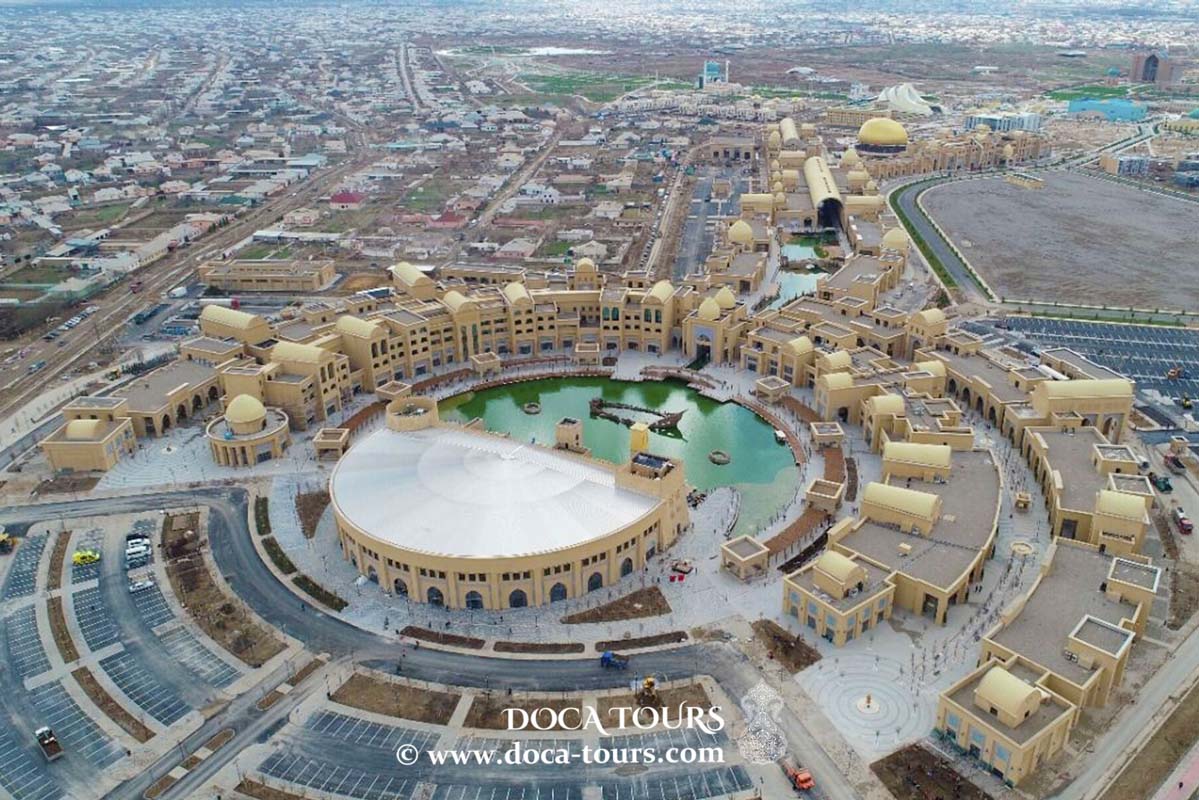
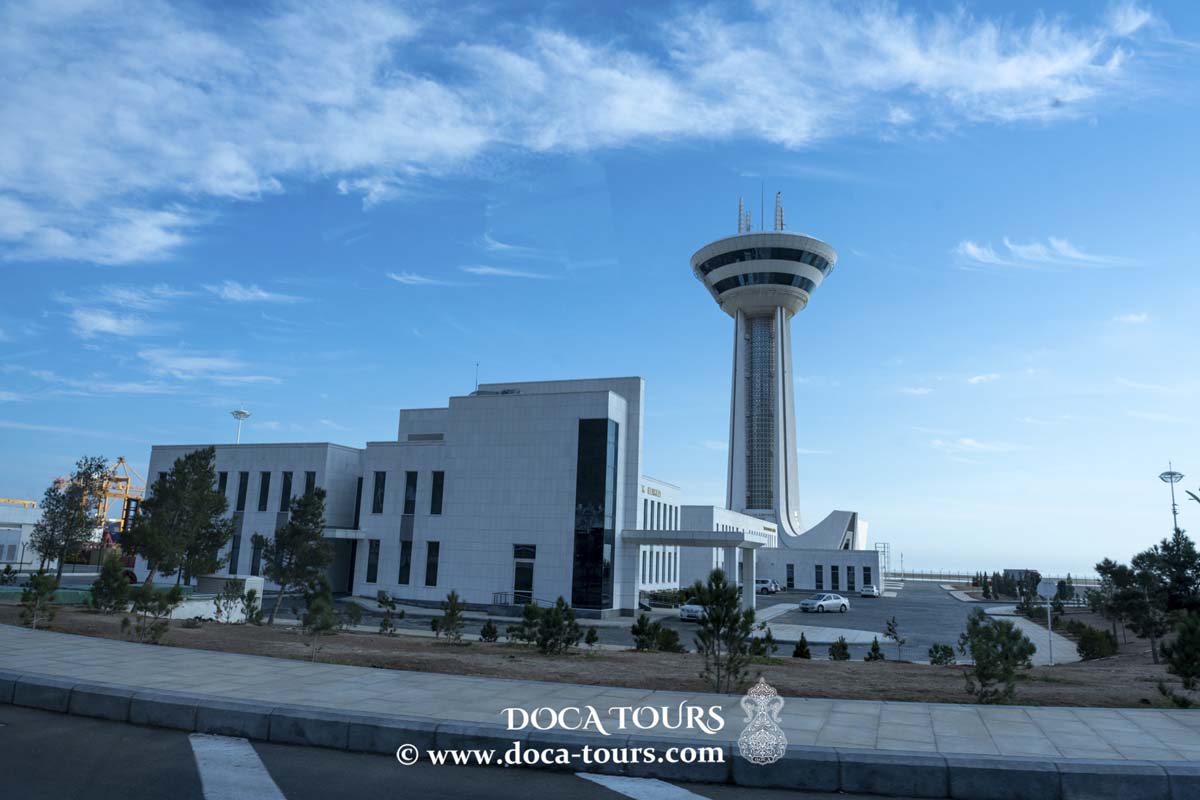
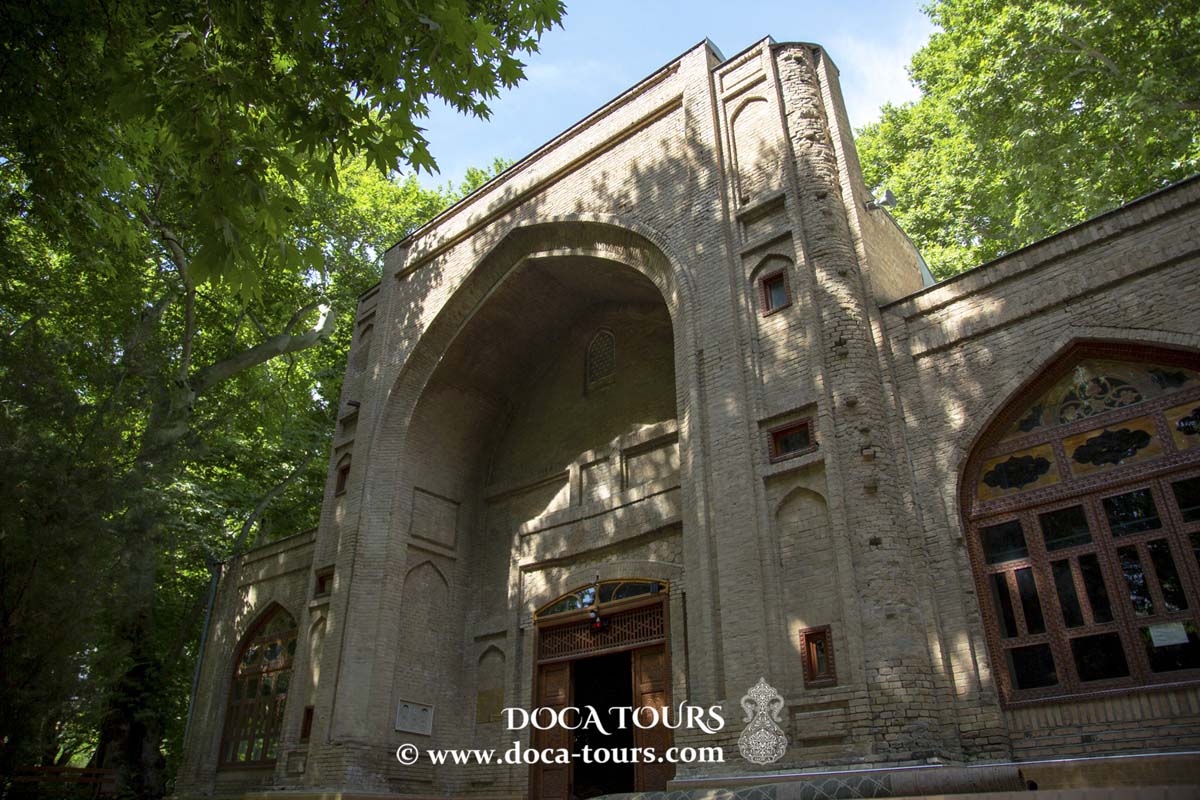
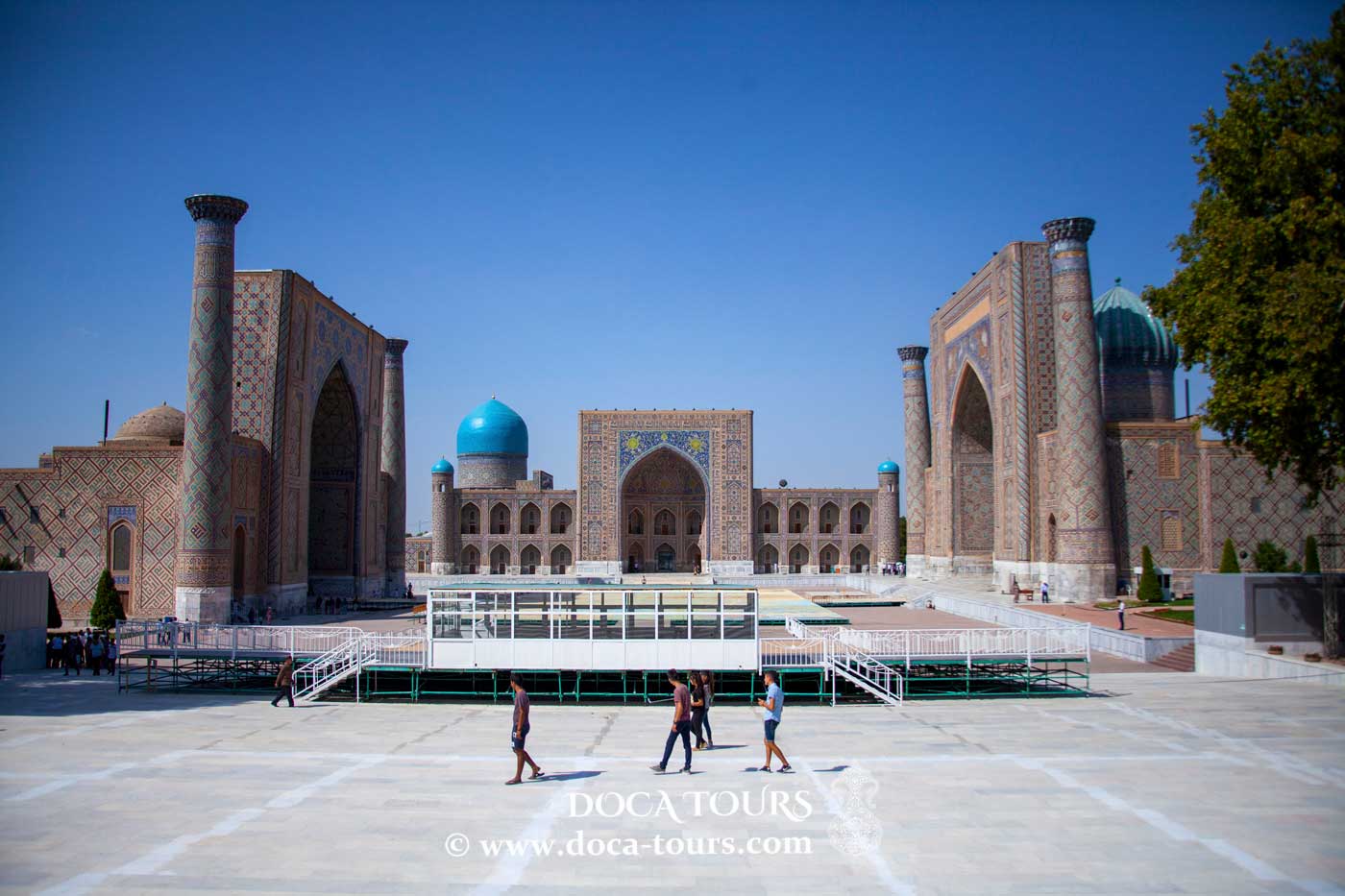
Karshi, located in southern Uzbekistan, serves as the capital of the Kashqadaryo Region. Classified as a district-level city, it also includes the urban-type settlement of Kashqadaryo. As of 2021, the city's population was approximately 278,300. Karshi is situated roughly 520 km south-southwest of Tashkent and about 335 km north of the Afghan border. Geographically, it lies at a latitude of 38° 51' 48" N and a longitude of 65° 47' 52" E, with an elevation of 374 meters above sea level. The city is a key hub for natural gas production and is renowned for its handcrafted woven flat carpets.
Settlement in Karshi first began around the 7th century BCE, when defensive walls were constructed around the ancient city. Archaeologists studied the ruins of these walls for the first time in 1999.
Historical sources suggest the city was called Navtak or Navtaka in the Sogdian language, meaning "New Building." During its time under the Greco-Bactrian Kingdom, it may have been known as Eucratideia.
In the 10th century, the historian Ibn Hawqal described Nasaf, the predecessor of Karshi:
“Nasaf is a city with a ruined citadel, a rabad with four gates: Najariya (Carpenter's Gate?), Samarkand Gate, Kish Gate, and Gubadin Gate. This city lies along the major roads to Bukhara and Balkh. The ruler’s palace is on the riverbank in a place called ‘the head of the bridge.’ Nearby are a prison, the congregational mosque near the Gubadin Gate, and the marketplace between the ruler’s palace and the mosque.”
According to the historian V.V. Bartold, Mongol Khan Kebek (1318–1326) built a palace for himself near Nasaf, naming it Karshi, meaning "palace" in the Mongolian language. The city eventually adopted this name. The term "Karshi" appeared in earlier works, such as those by Yusuf Balasaguni and Mahmud Kashgari.
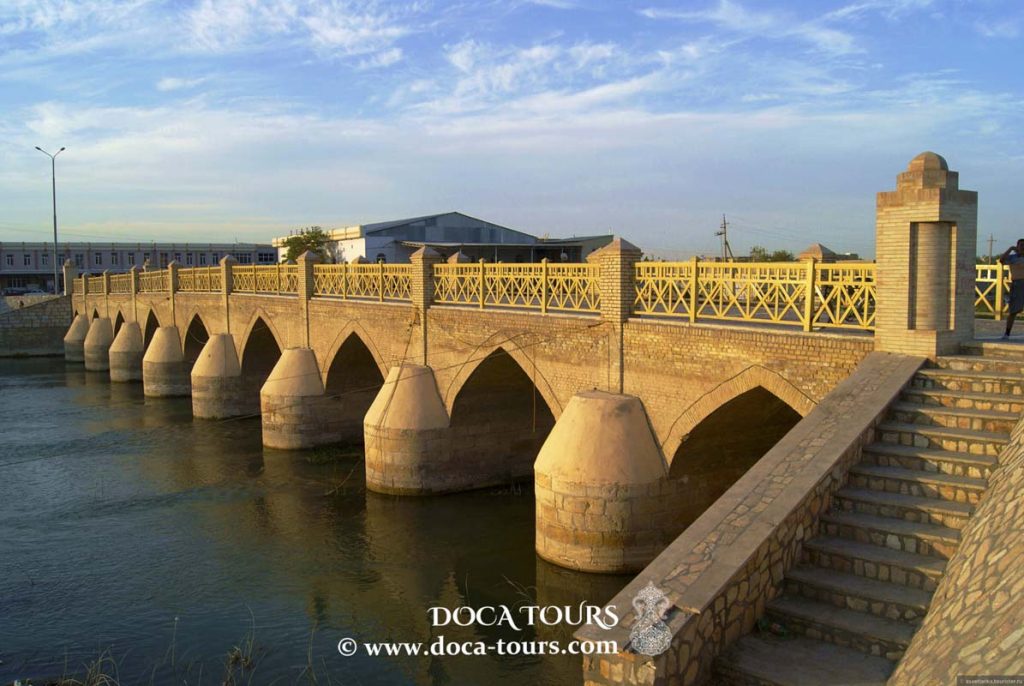
In the 16th century, Karshi became a significant administrative center under the Shaybanid dynasty. During Abdul-Aziz Khan’s reign, substantial infrastructural improvements were made, including the construction of a grand bridge—one of the largest in Central Asia. Karshi served as a key stop for trade caravans traveling between East and West.
In the 1830s, British traveler Alexander Burnes visited Karshi and described it as a city spread over a mile, with 10,000 residents and a bustling marketplace. The city boasted extensive gardens irrigated by the Kashka-Darya River, which transformed an otherwise arid region into a lush oasis.
From 1926 to 1937, the city was named Bekbudi. During World War II, it became known as Karshi Station and regained city status in 1964.
Today, Karshi is celebrated as a city with 2,700 years of history, officially recognized by UNESCO. Former Uzbek President Islam Karimov emphasized its historical significance, highlighting Karshi and nearby Shakhrisabz as key symbols of Uzbekistan's rich heritage.
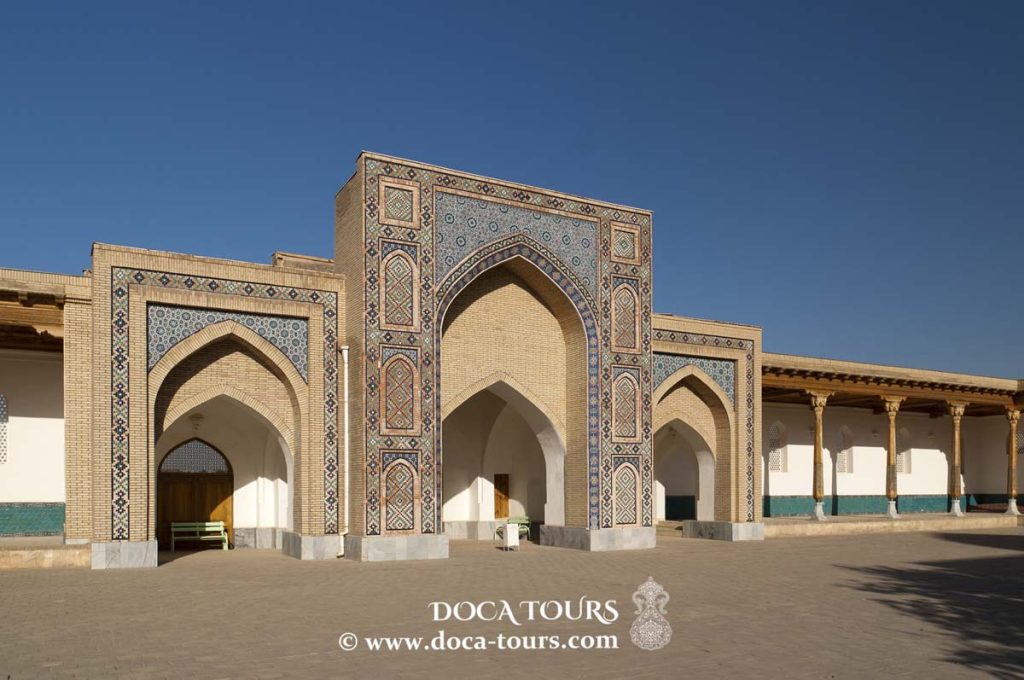
Built in the 16th century, the Odina Mosque is located on the southeastern side of Qarshi's Eski Bazaar. It stands on the site of a former Mongol palace, which also functioned as a prison. Featuring a domed exterior and a sardoba (a domed reservoir designed to prevent water contamination or evaporation), the mosque is no longer used for worship. Today, it houses Qarshi's Regional Museum.
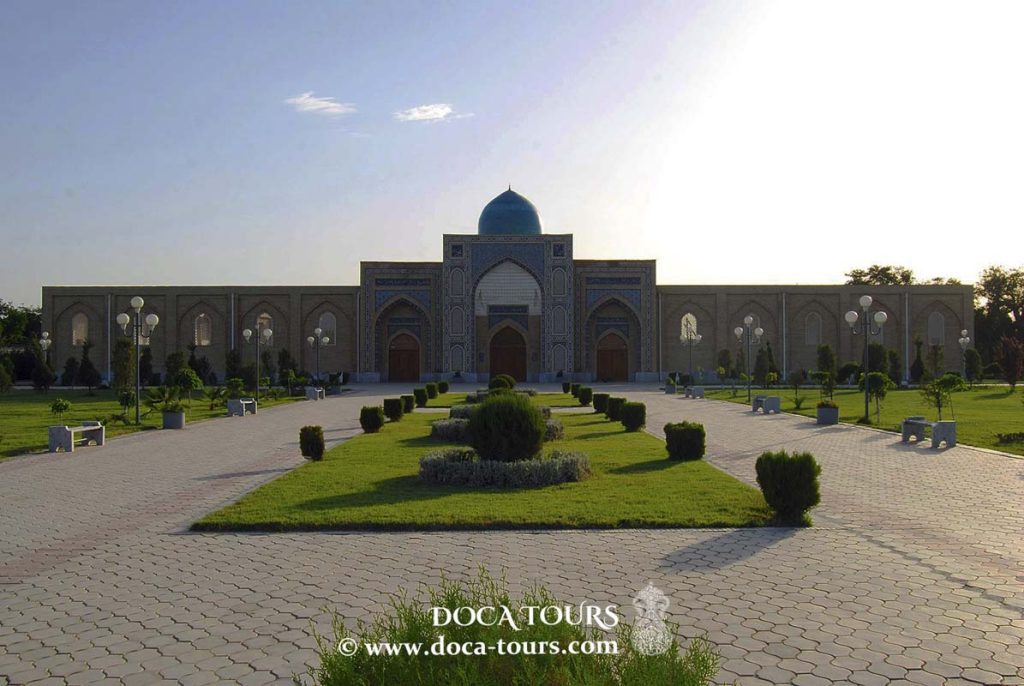
Qarshi is home to several madrassas, with three located on the same square: the Kalizbek, Bakmir, and Khodjaev Abdul Aziz Madrassas, all constructed between 1904 and 1915. While these madrassas no longer serve a religious purpose and require restoration, visitors can request access to explore them. The city also boasts the Rabiya Madrassah, a late 19th-century educational institution for women.
The Kok Gumbaz Mosque, meaning "blue dome," serves as Qarshi's main Friday mosque and is the largest mosque in the region. Built in the late 16th century by Emperor Ulugbek in honor of his father, Shah Rukh, the mosque showcases traditional Timurid architecture. Unlike heavily restored counterparts in other cities, Kok Gumbaz retains much of its original design.

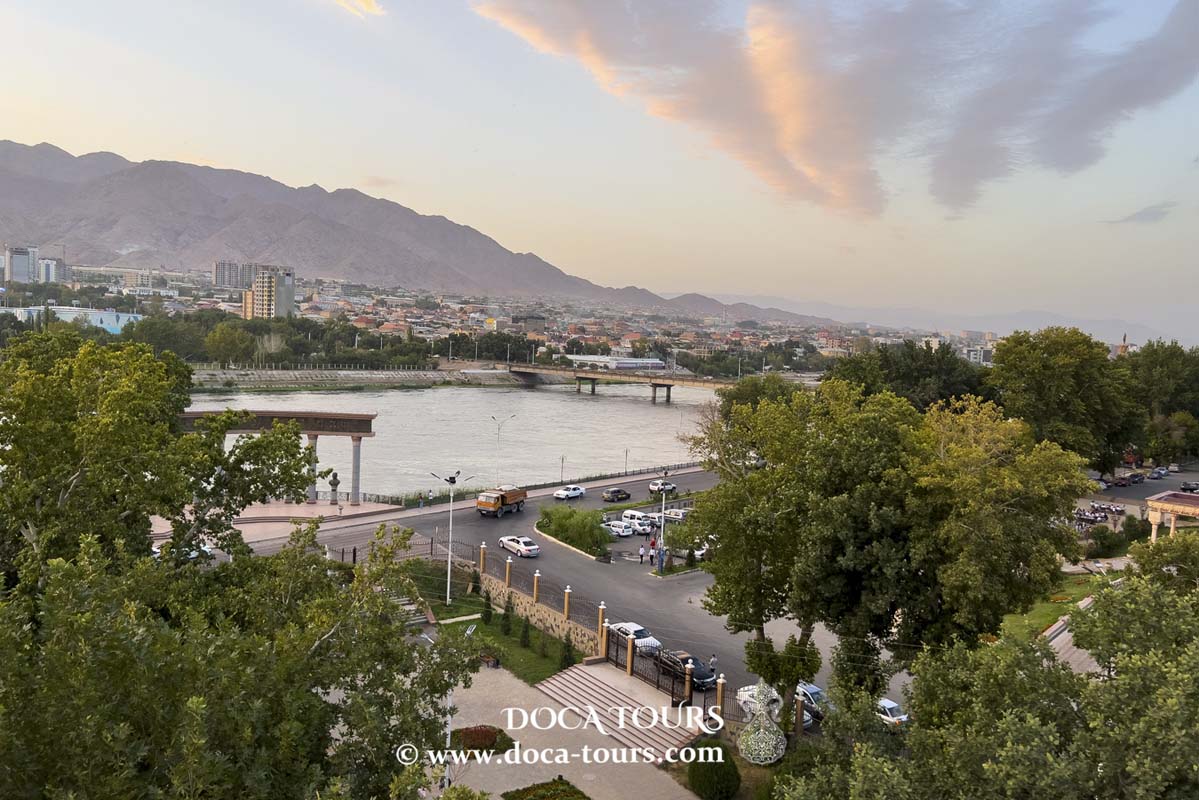
This historic brick bridge, constructed in the latter half of the 16th century, spans the Qashqadaryo River and stands as a testament to the city's architectural heritage.
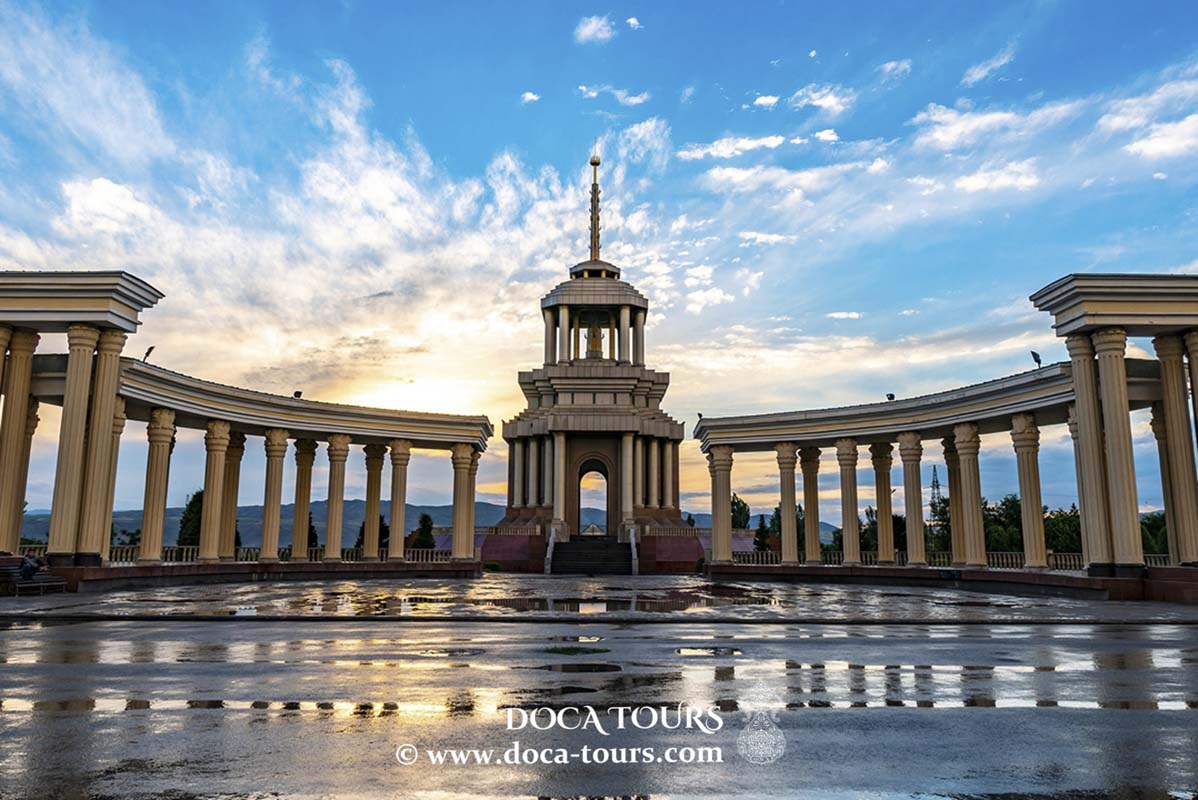
One of Central Asia's largest Soviet-era memorials, Qarshi's tribute to the Great Patriotic War includes walkways, plaques, an eternal flame, and a red star-topped tower with stained-glass windows. Visitors can access the upper levels upon request.
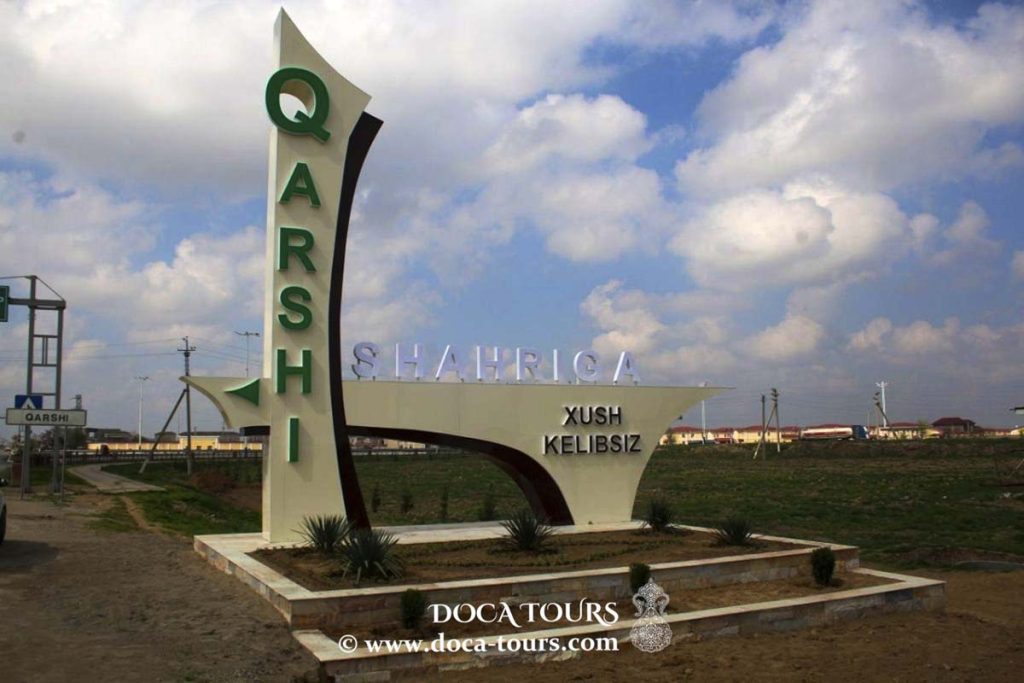
Located 40 km south of Qarshi, a state-of-the-art gas-to-liquids (GTL) plant is under construction, leveraging Sasol's advanced GTL technology. With a capacity of 1.4 million metric tons annually, the plant will produce GTL diesel, kerosene, naphtha, and liquefied petroleum gas. Valued at $4 billion, this high-tech facility is the first of its kind on the Eurasian continent. It is a joint venture between Uzbekistan’s Uzbekneftgas (44.5%), Sasol (44.5%), and Malaysia’s Petronas (11%).
Sports: Qarshi is home to FC Nasaf, a football club established in 1986. The team plays its matches at the Markaziy Stadium, inaugurated in 2006.
Education: Qarshi hosts Karshi State University, the Karshi Engineering-Economics Institute, and a branch of the Tashkent University of Information Technologies.
Infrastructure and Transportation
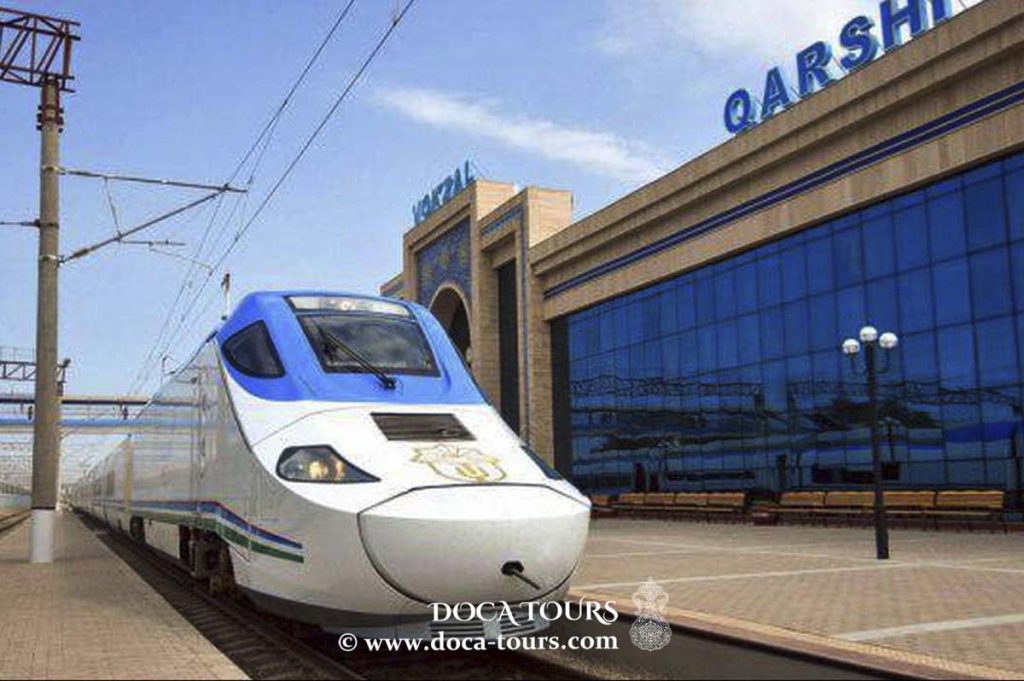
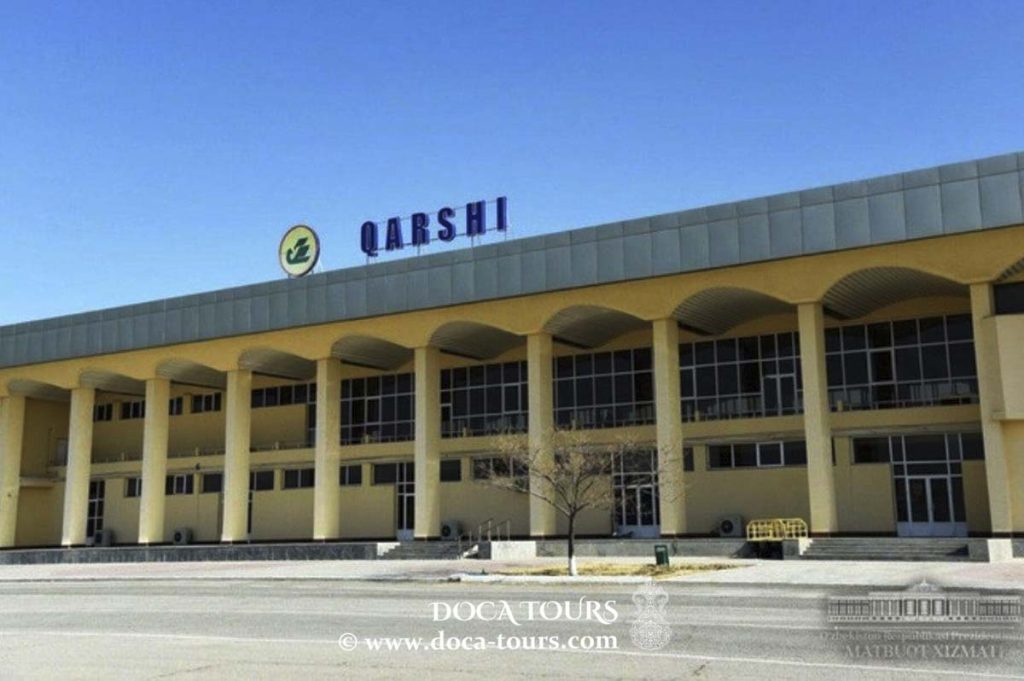
Qarshi is served by Karshi Airport, offering flights to Tashkent, Navoi, and several major Russian cities.
Prominent Landmarks: