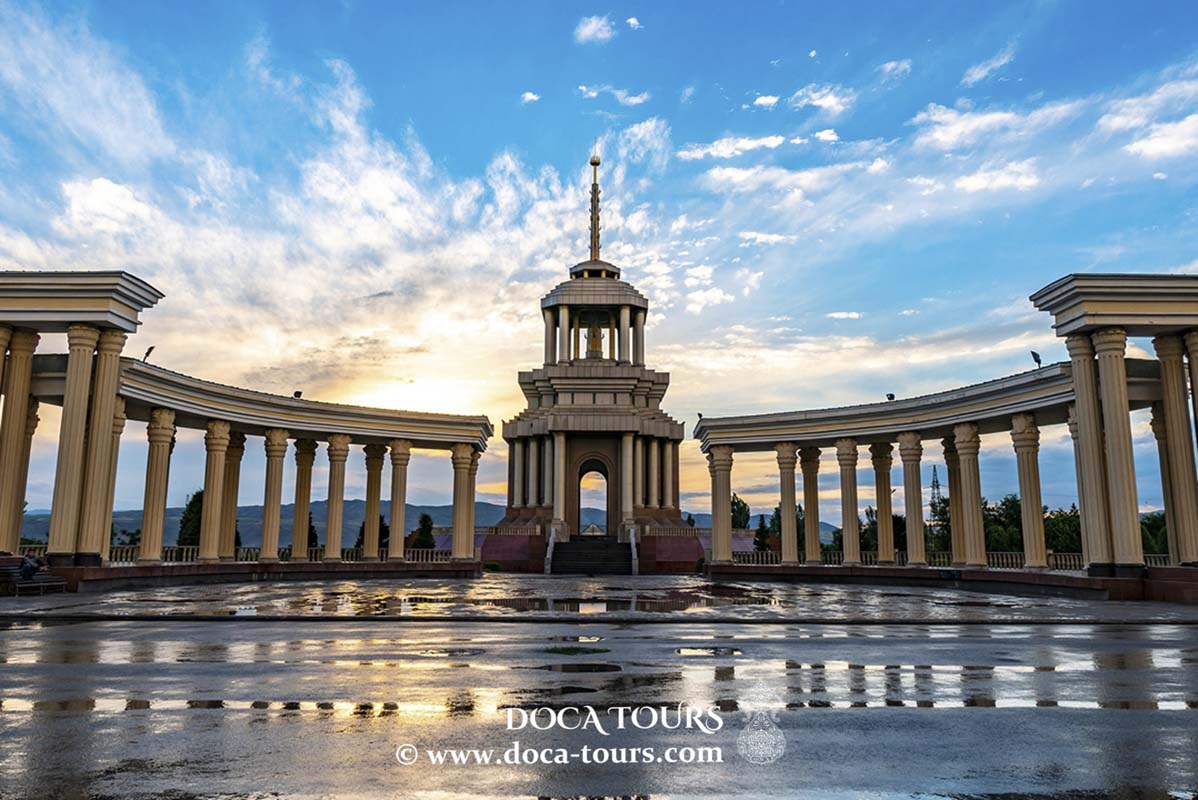
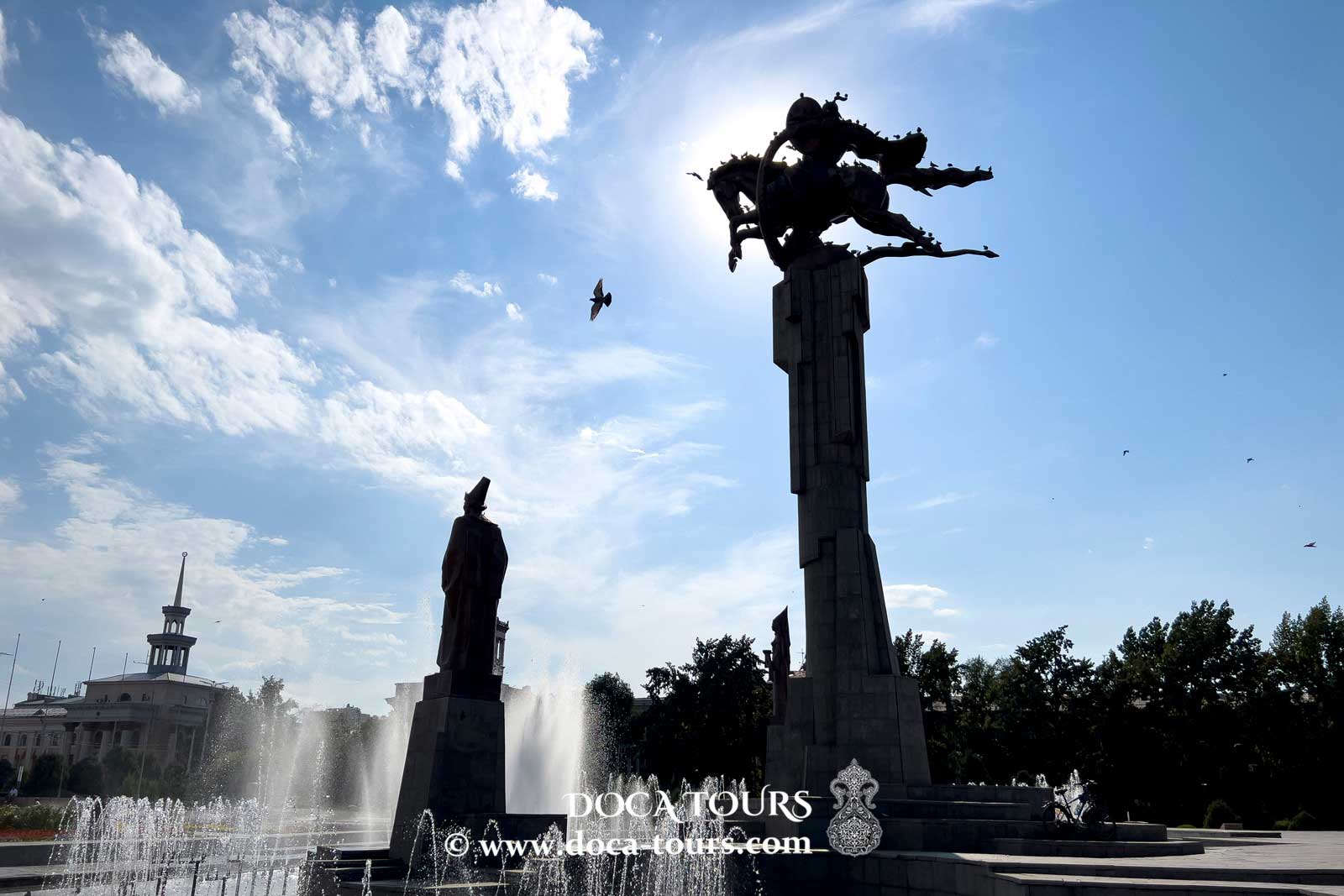
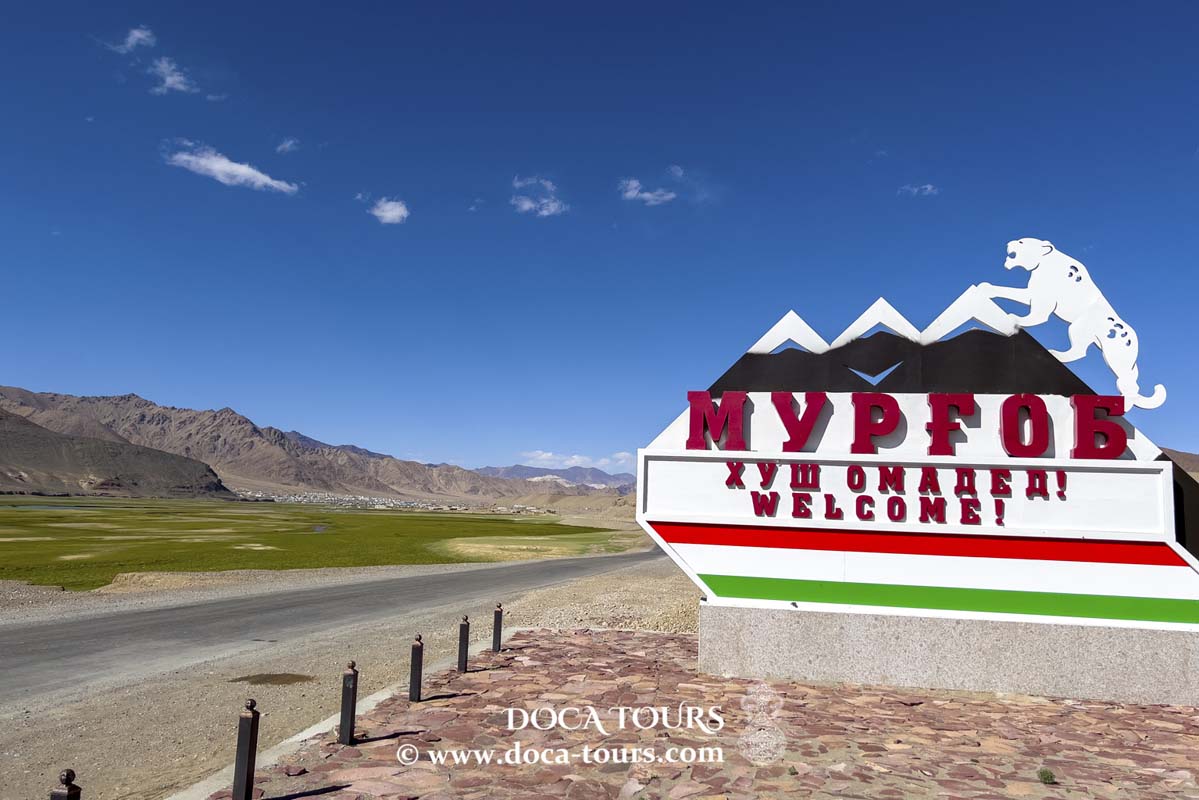
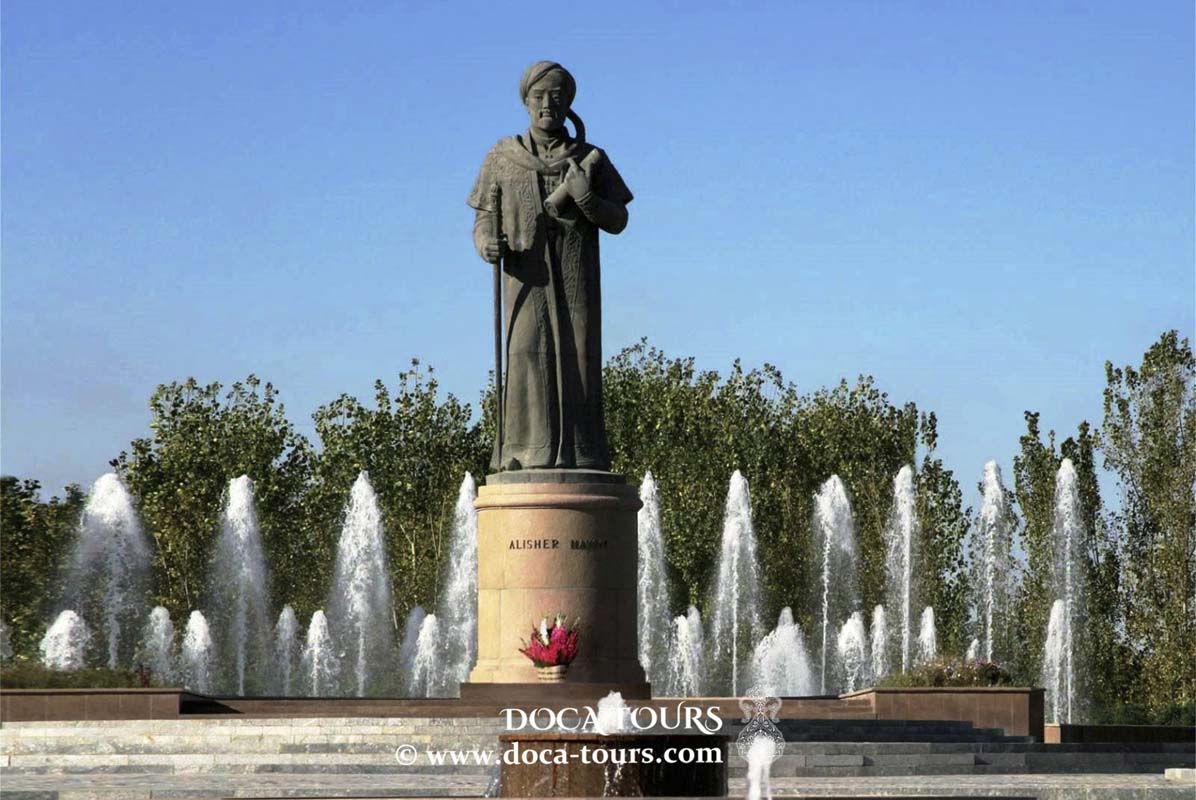
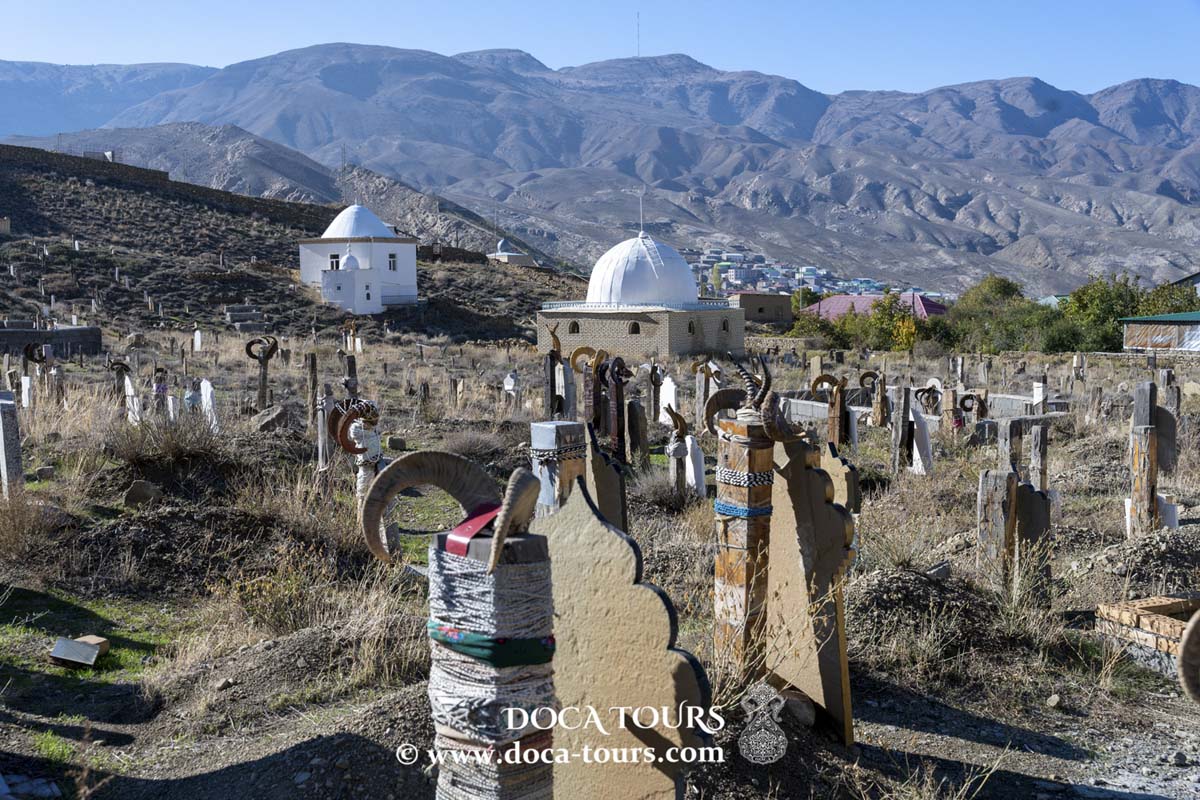
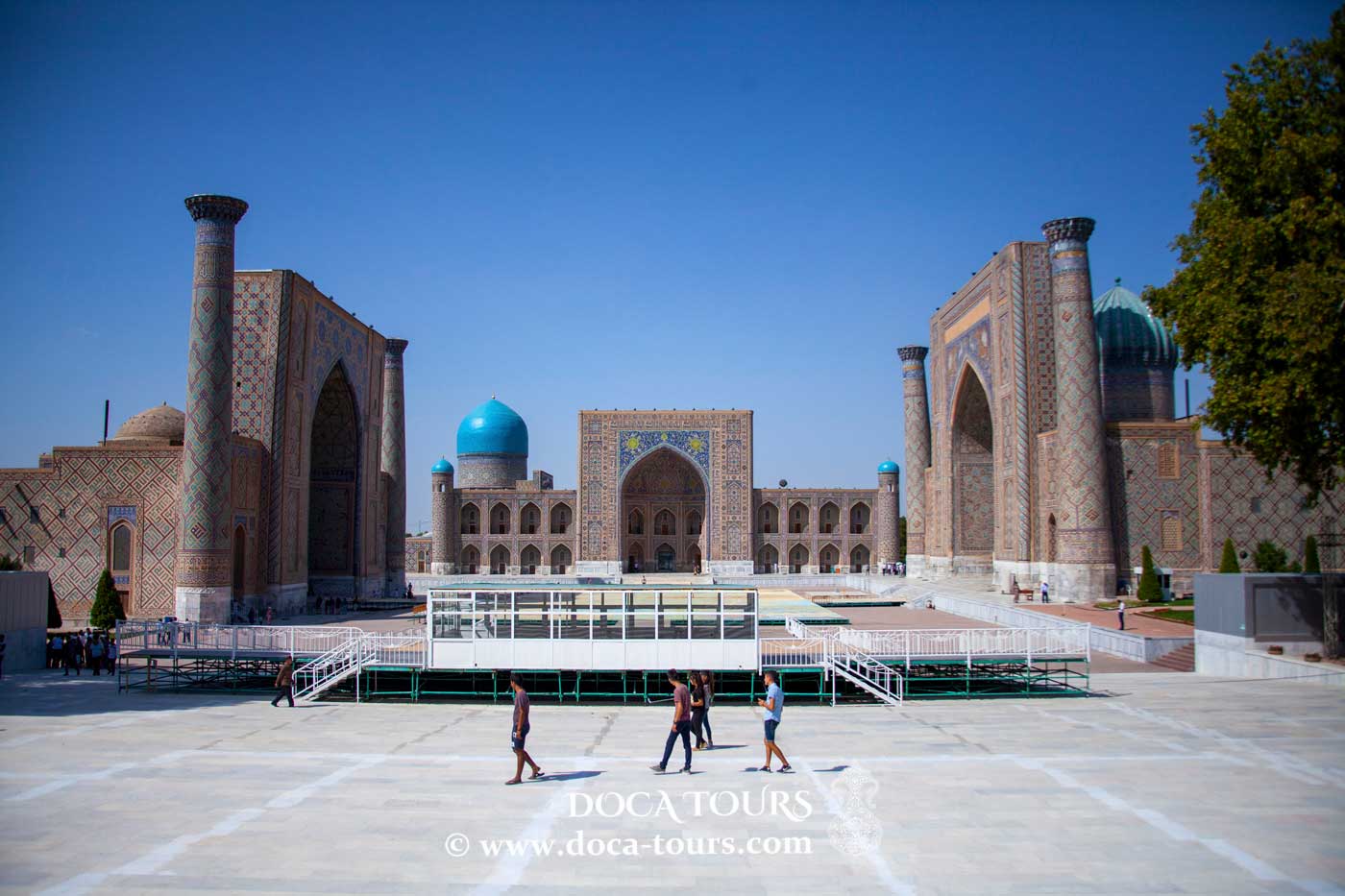
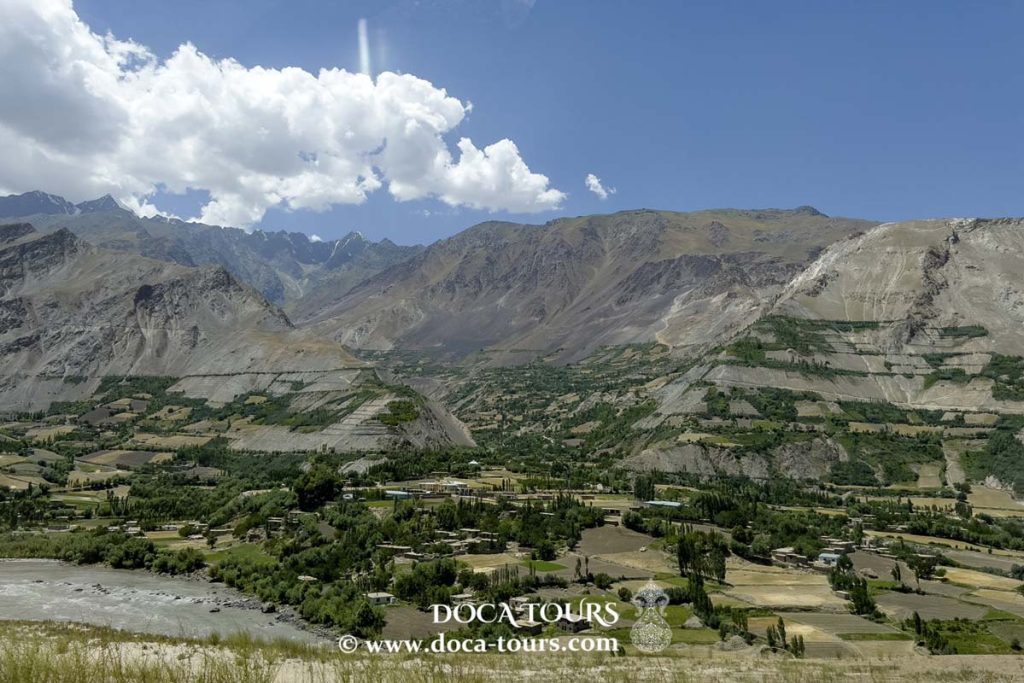
Tajikistan is a land of the highest peaks, dense glaciers, swift rivers, uniquely beautiful lakes, flora and rare animals. The mountain landscape shows the originality and uniqueness of nature in Tajikistan, the richness of its forms brought to life by a variety of climatic zones.
Tajikistan is a country of impressive natural contrasts, 93% of its territory is covered by mountains which are considered the most beautiful in Central Asia.
During just a single, short journey, you will feel all the seasons of the year, from alpine tundra with frost to blooming subtropical, fruit-bearing valleys and glaciers, with an amazing richness of colors, burnt by the heat of the desert alpine meadows.
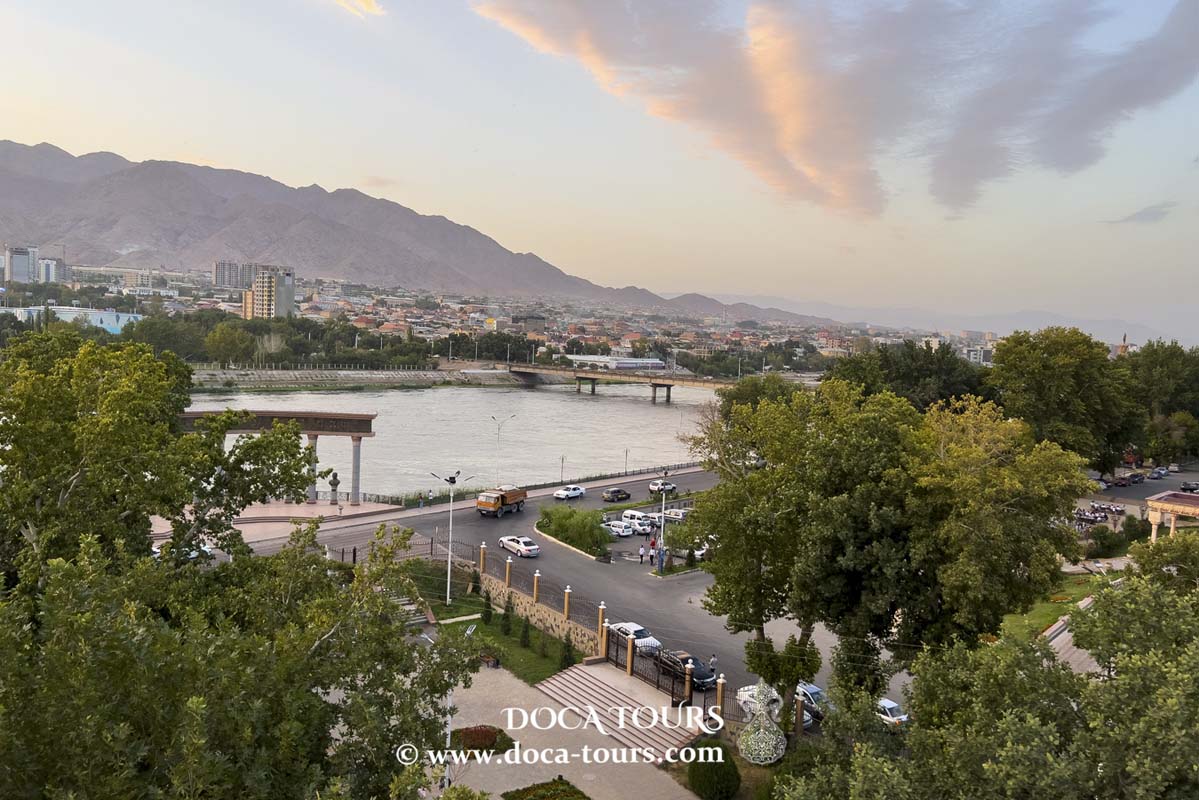
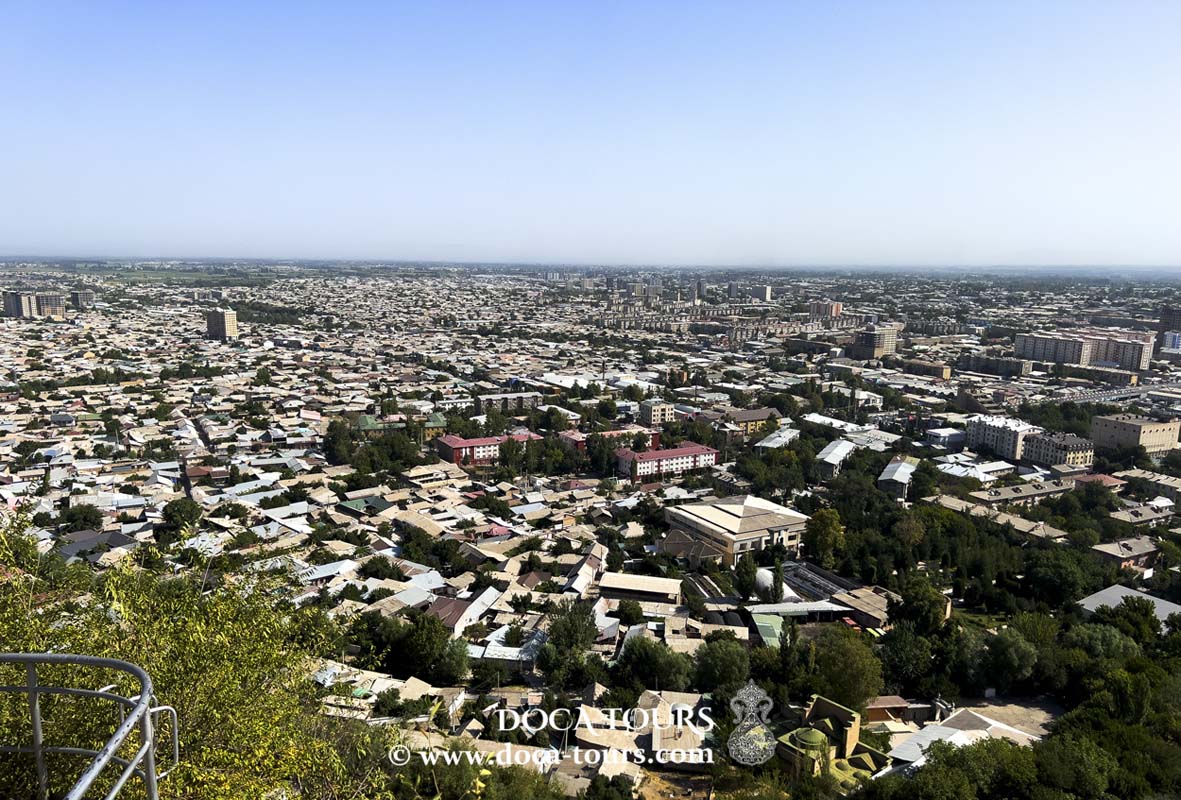
Being one of the oldest countries in the world, Tajikistan offers an abundance of historical, cultural and natural attractions. The capital of Dushanbe, the ancient cities of Khujand, Panjakent, Istaravshan, Isfara, the majestic landscapes, lakes and rivers of the Fan mountains, the highlands of Badakhshan, the "roof of the world - "the Pamirs , Karakul and Sarez lakes, Baile Obigarm.

General information
Tajikistan is located in the south-eastern part of Central Asia. The territory is 143.1 thousand square km. (93rd largest place in the world). From west to east the territory measures 700 km, from north to south 350 km. It has common borders with Kirghizstan (603 km) and Uzbekistan ( 910 km) from the north and west, with China from the east (430 km), and with Afghanistan from the south (1030 km).
The highest point from sea level is a peak called Ismail Samani 7495 m.
The lowest point from sea level is Sirdarya 300 m.
The population is more than 8,398,000 according to statistics of January 2015. The density is 57.2 people per sq.km. It is the 96th most populated place in the world. It is a multinational country: the biggest ethnical groups are Tajiks 68.8%, Uzbeks 24.9%, Russians 3%, Kyrgyzes 1.1%, with Germans, Koreans, Turkmens, Ukrainians accounting for 2.2%.
Average life expectancy: 67.6
Administrative – territorial division: The republic is divided into 3 viloyats, 17 cities.
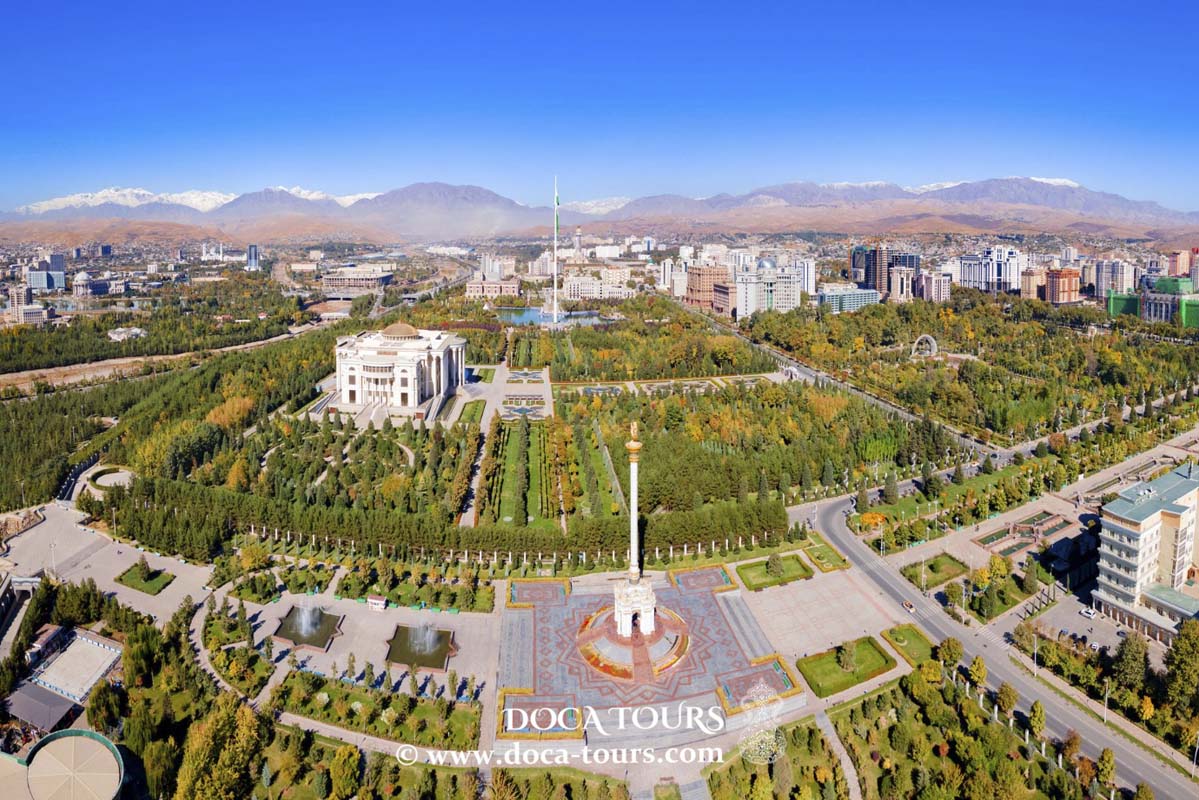
The capital is Dushanbe with a population of 764 000.
Religion: The majority of the population are Muslims: 85% are Sunnites, 5% are Shiites, 10% have other religions, mostly Orthodox Christians.
The official language is a Tajik language. The national currency is somoni.
Time zone: UTC/GMT + 5
Climate is extreme continental and dry. January temperatures vary in the valleys from 0 to +2°C, in the mountains it is cold -27°C, July temperatures vary in the valleys from 23°C to 30°C, on mountains from +4°C to +15°C. The annual rainfall is 70 mm in the plains, 1600 mm at Eastern Pamir, 3000 mm south of the Gissar range.
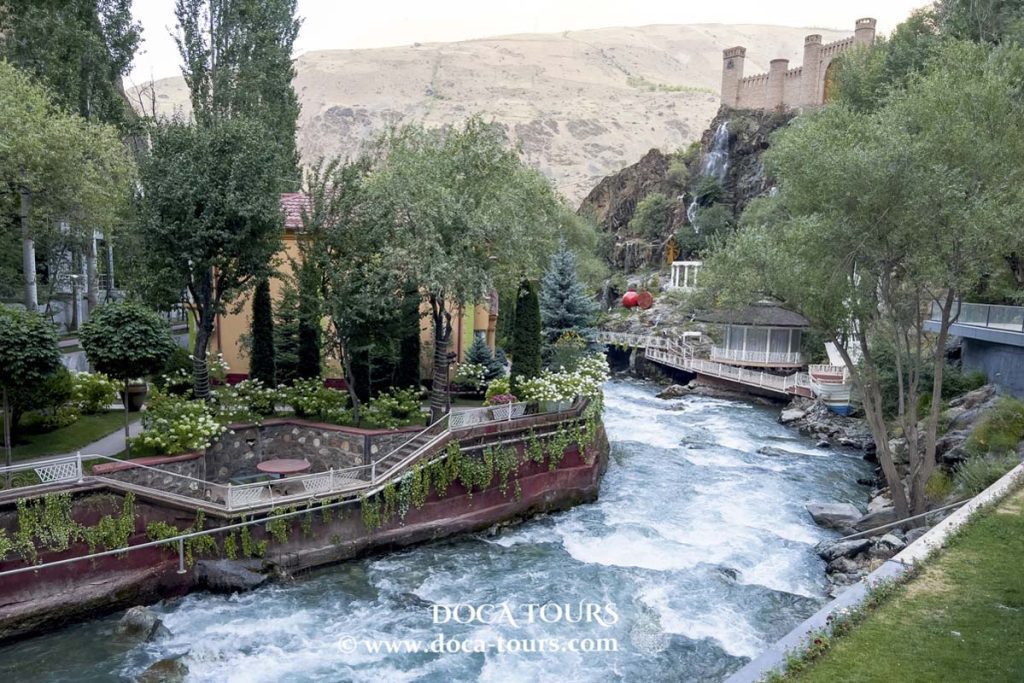
Nature: The particularity of nature in Tajikistan is that the country is far from the oceans in a Eurasian desert zone. In spite of the dry climate, the mountains provide extraordinary diversity. In summer it is hot with 30°C in the plains and cold like in the tundra in the mountains. The country has an impressive contrasting landscape. The main part is covered with mountains ranges and the plains account for only 1/10. There are the highest mountains in Central Asia at more than 6000 m.
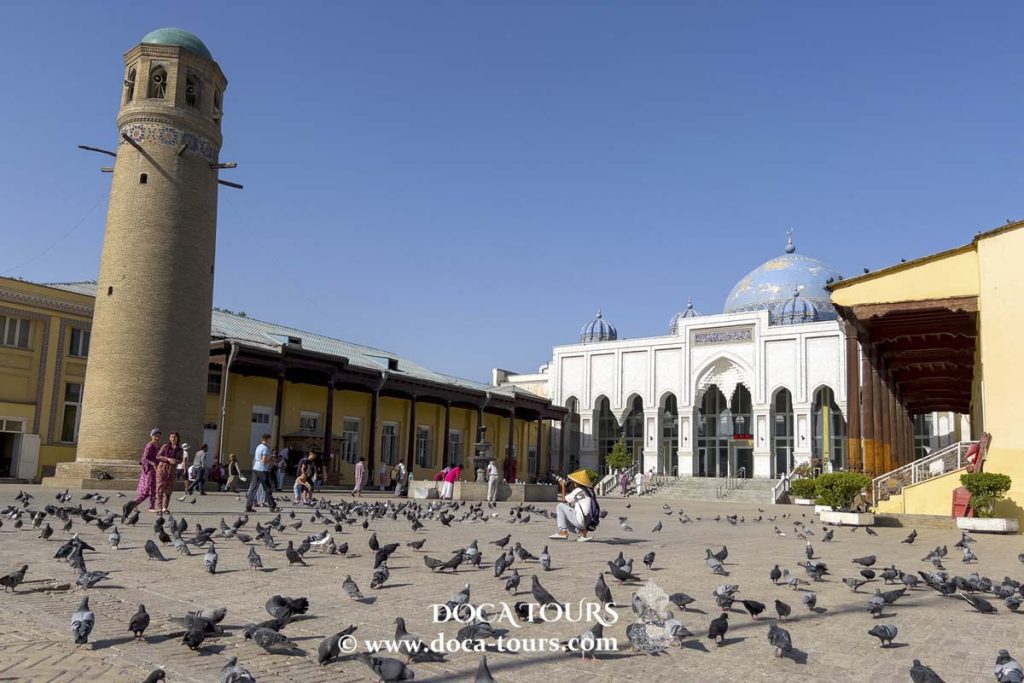
Natural resources: The natural resources of Tajikistan are very diverse. A lot of mining is carried out: polychimical, rare and precious metals: zinc, plumbum, bismuth, molybdenum, tungsten, copper, gold, silver, antimony, mercury, tin, uranium, iron, manganese, sodium chloride, magnesium and others with export potential. Famous mines in Tajikistan include the gold mines of Penjikent and Shugnan, the silver mines of Big Kanimansur, in Anzob antimony mines, marble mines in Vanj, Penjikent, Darvoz, Shakhristan and others. There are resources of coal, gas, oil, marble, building materials. The coal reserves of Tajikistan are among the most important in Central Asia. The total geological reserves amount to about 4.0 billion tons.
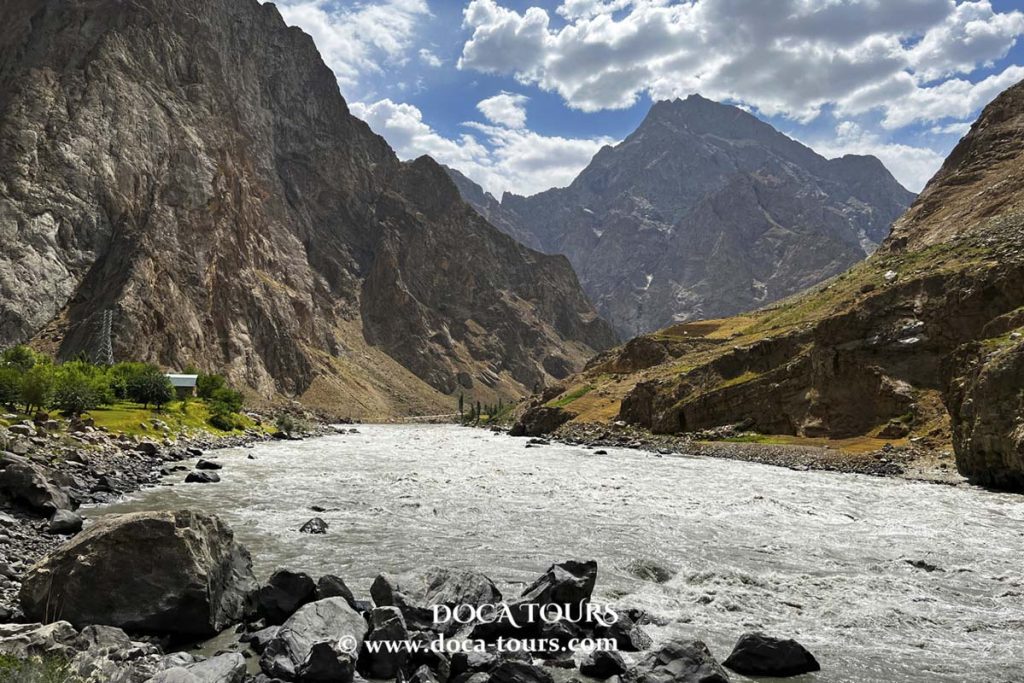
Water resources: Tajikistan is very rich in water resources. It should be noted that, taking up more than 20% of the Aral Sea basin (350 thousand sq. Km.), the mountain area provides about 90% of the surface runoff. The average water generated is 115 billion cubic m. in a year of river flow, mainly within the Amudarya and Syrdarya river systems. The main flow is provided by the rivers Panj, Vakhsh, Kafirnigan, Bartang and Zarafshan.
Tourism: Tajikistan is a picturesque combination of mountain ranges and alpine meadows with swift rivers and surprisingly beautiful lakes.
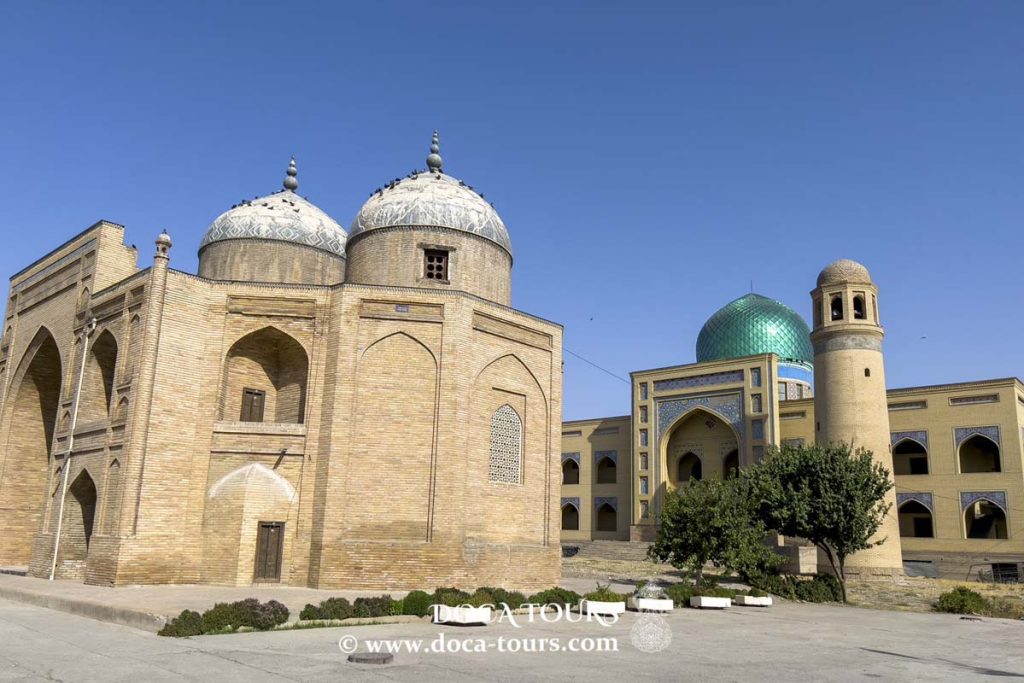
Tajikistan is ancient cities and artifacts of lost civilizations: Penjikent, Khujand, Istarafshan. The architectural composition of its palaces and temples is unique and has no analogy in Central Asia or other Oriental countries. Tajikistan is a favorite place for alpinism and extreme tourism enthusiasts, and this is possible the whole year round. Tajikistan is visited annually by 200 000 tourists.
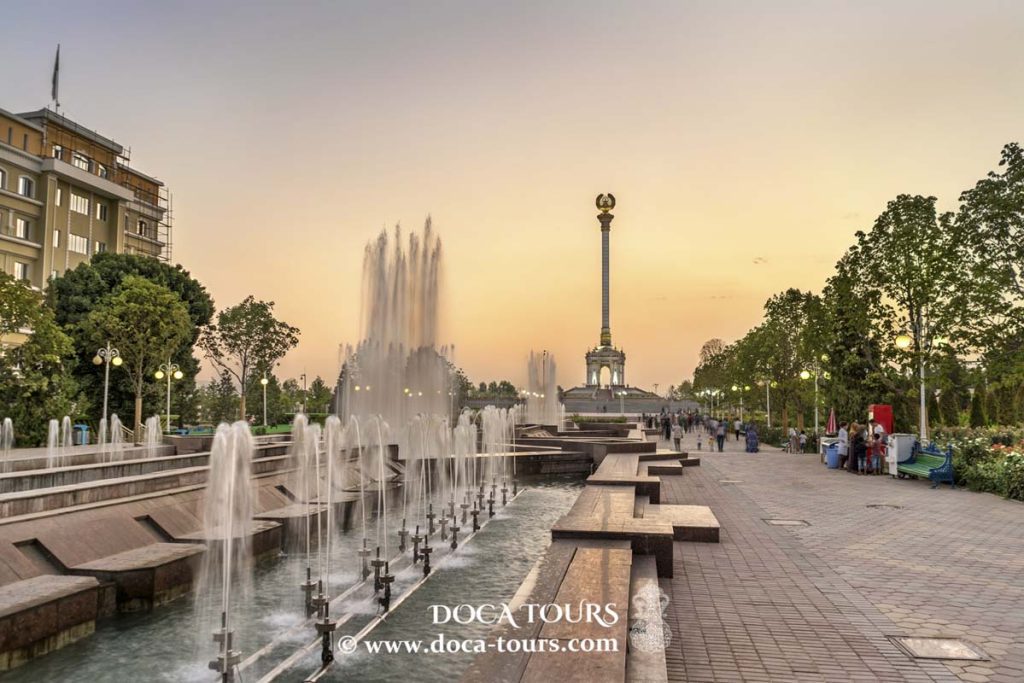
National holidays: In Tajikistan there are about 64 holidays.
The most important ones are Independence Day – September 9, Navruz – March 21-22, New Year - January 1.
Day of Knowledge – September 1, Victory day – May 9, Labor day – May 1 and the holiday of the National Army – February 23.
Religious holidays with varying dates:
Ramazan Hait; Kurban Hait.
National symbols
The National flag of Tajikistan has three wide horizontal lines: red, white and green. In the white line there is a gold crown with a semicircle and 7 stars.
The National emblem of the Republic of Tajikistan is an image of a crown and a semicircle of seven stars, above it there are rays of the sun rising from behind the mountains covered with snow and framed by a crown, there are wheat ears on the right and cotton branches with opened bolls on the left. On the top there is a crown, in the lower sector there is an open book placed on a stand.
Phone code of Tajikistan: +992 (8-10 992).
Regional codes: