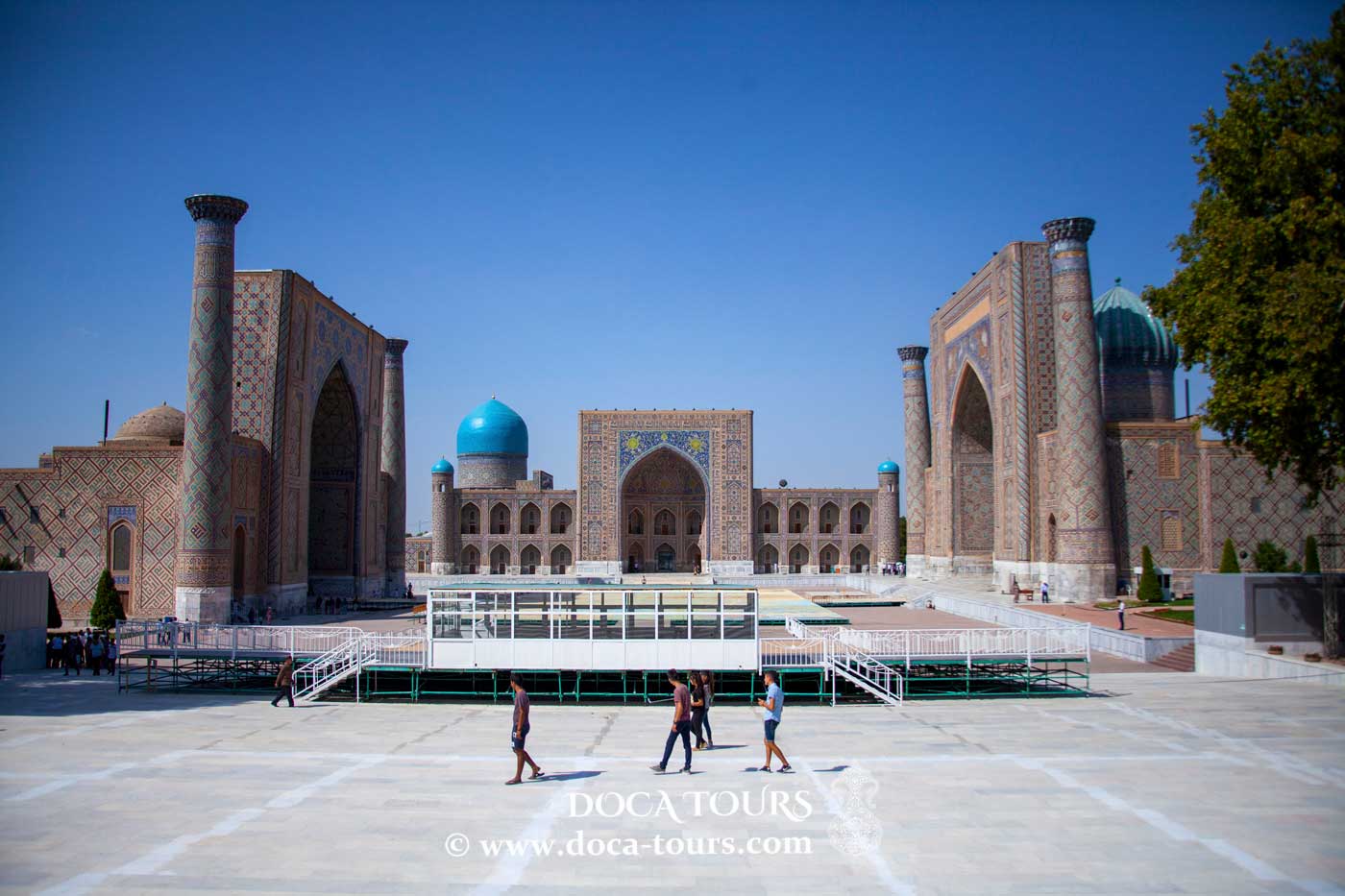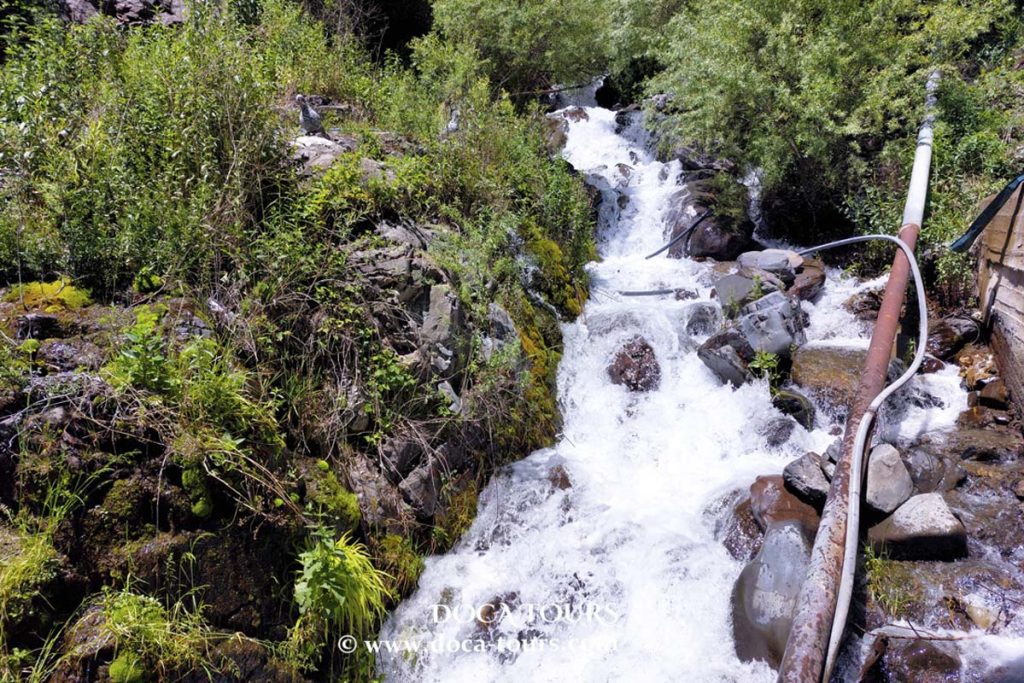
The Fann Mountains (commonly referred to as the Fanns, Tajik: Кӯҳҳои Фон) are situated in the southwestern part of the Pamir-Alay, between the Gissar and Zeravshan Ranges, whose names translate as "Fortress" and "Gold-Bearing," respectively. This area still harbors gold deposits. The majority of the range lies within the territory of Tajikistan.

The Fann Mountains are roughly bordered by the Zeravshan Range to the north, the Gissar Range to the south, the Fandarya River to the east, and the Archimaydan River to the west. The Marguzor Lakes region is often considered part of the Fanns.

The highest peak is Chimtarga, standing at 5,489 meters. Other notable peaks over 5,000 meters include Bodkhona (5,138 m), Chapdara (5,050 m), Big Ganza (5,306 m), Little Ganza (5,031 m), Zamok (5,070 m), Mirali (5,132 m), and Energia (5,120 m).

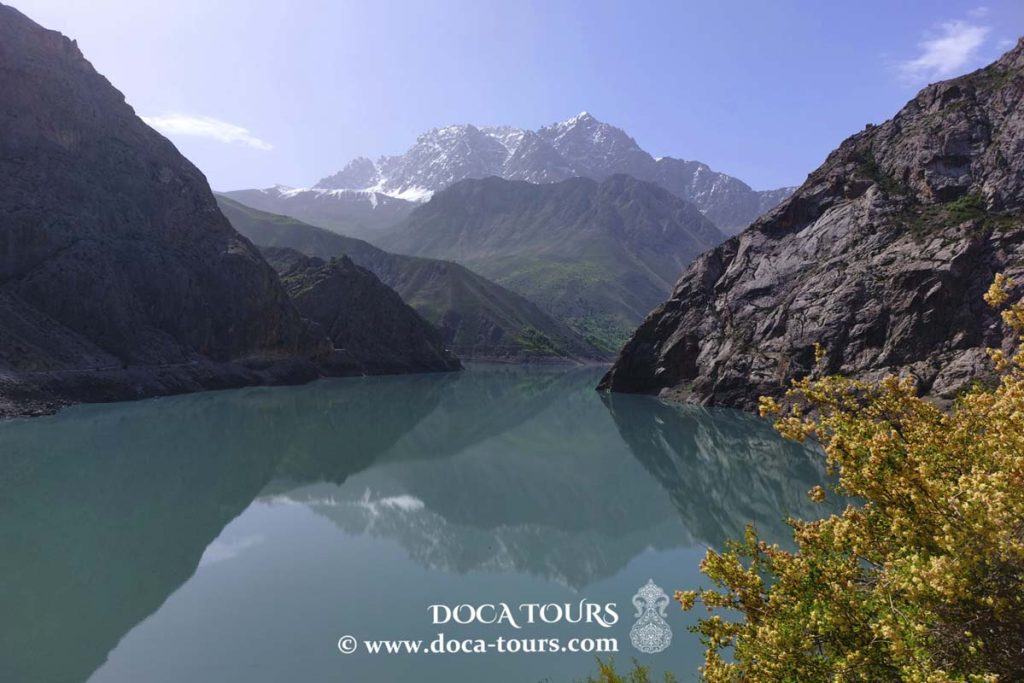
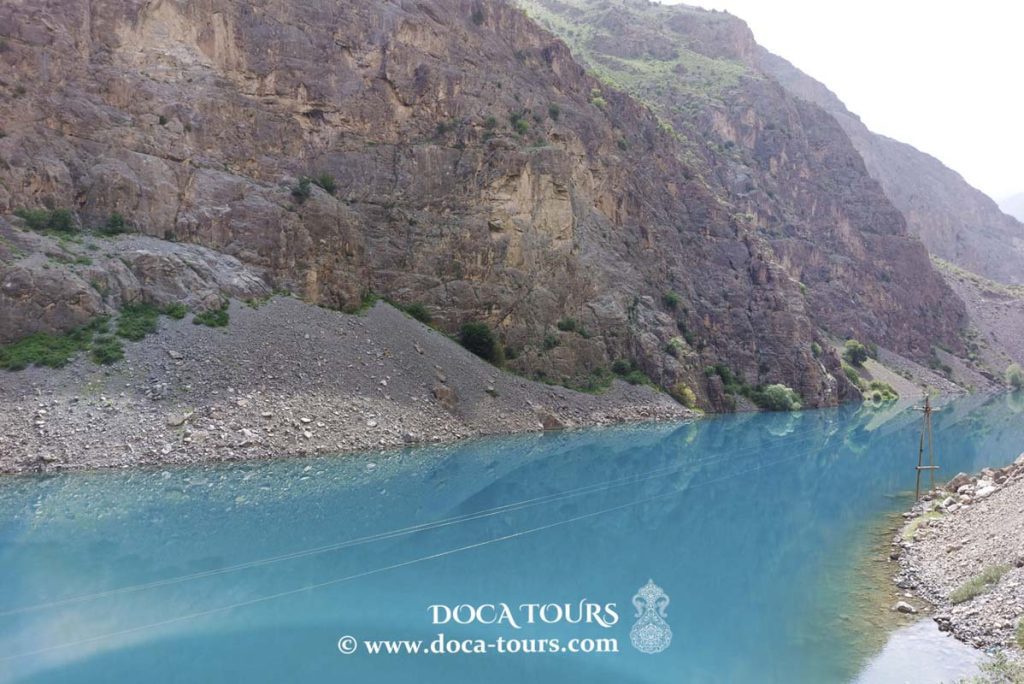
The Fann Mountains are renowned for their stunning lakes, such as the Alauddin Lakes in the Chapdara River Valley, the Kulikalon Lakes, Allo, and Iskanderkul.
In the Fan-Yagnob Valley (a part of the Zeravshan River basin in the Ayni District of Sughd Province, Tajikistan), lies one of Central Asia’s largest coal deposits—the Fan-Yagnob coal field. It holds an estimated 465 million tons of coking coal. However, due to the remote location, the deposit remains largely underdeveloped.
This area is also known for its underground coal fire, which has been documented for centuries. The ancient scholar Pliny the Elder described it, noting that "the mountain near the Bactrians blazes at night." Characteristic signs of the fire include gases heated to over 300°C that escape noisily, without smoke or visible flames, through rock fissures and dark cave openings. The cave walls are often coated with crystals of sulfur and ammonium chloride.