





























Key takeaways
- A balanced 14-day route gives roughly 9 to 10 days in Uzbekistan (Tashkent, Samarkand, Bukhara, Khiva) and 4 to 5 days in Kyrgyzstan or Tajikistan.
- Uzbekistan holds 8 UNESCO World Heritage properties, including Samarkand, Bukhara and the walled city of Khiva (UNESCO).
- The Afrosiyob high-speed train runs at 250 km/h and links Tashkent to Samarkand in about 2.5 hours (Seat61).
- Flying between distant points, such as Khiva to Tashkent, saves a full day over road travel.
- Plan one slower day per city so the pace stays enjoyable rather than rushed.
A well-built central asia itinerary for two weeks spends about nine to ten days on Uzbekistan's Silk Road cities, then adds four or five days in Kyrgyzstan or Tajikistan for mountains and nomad culture. That split lets you see the great monuments of Samarkand, Bukhara and Khiva without rushing, while still tasting the high country that makes the region feel wild.
Uzbekistan is the natural spine of any Silk Road trip. Its cities sit along a single rail corridor, the historic sites are close together, and getting around is easier than most first-time visitors expect. The sections below walk through how to divide the days, a city-by-city route, when to add a neighbor, how to move between places, and how to keep the budget and pace sensible.
How Should Your Central Asia Itinerary Split 14 Days Across Uzbekistan and Its Neighbors?
For a first trip, give Uzbekistan the lead role. It holds 8 UNESCO World Heritage properties, among them Samarkand, the historic centre of Bukhara and the walled city of Khiva (UNESCO). That density of monuments is the reason most two-week plans put the majority of nights here.
A reliable split looks like this: two nights in Samarkand, two in Bukhara, one or two in Khiva, a night in Tashkent on arrival or transit, and the remaining four or five days in a second country. Uzbekistan has drawn growing numbers of international visitors in recent years, and the tourist infrastructure has improved to match, so you rarely feel like a pioneer even in smaller towns.
If this is your only visit to the region, resist the urge to tick off all five countries. Depth beats breadth. Seeing two countries properly leaves you with real memories instead of a blur of airports.
What Is the Day-by-Day Route Through the Silk Road Cities?
The classic route runs west from Tashkent to Khiva, following the rail line and saving the longest desert stretch for last. Here is a workable 14-day skeleton that balances monuments, markets and rest.
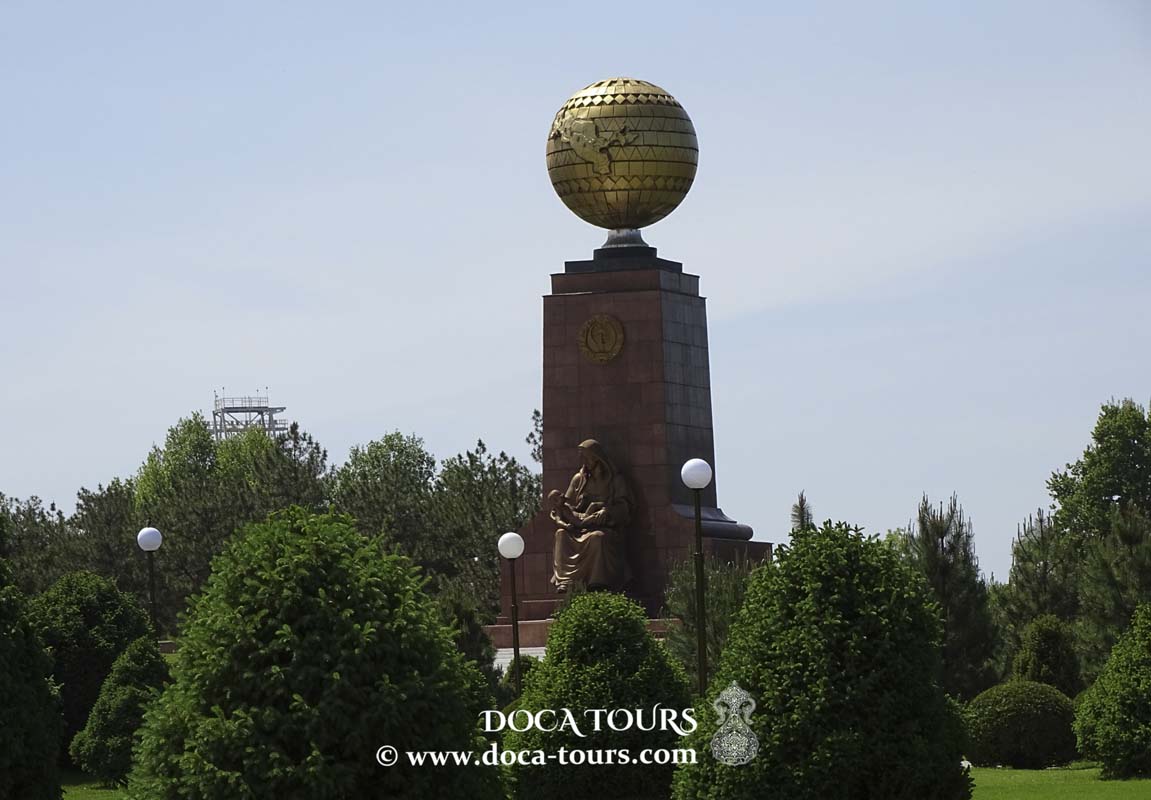
- Days 1 to 2, Tashkent: Arrive, adjust, and see the old town, the Chorsu Bazaar and the metro's mosaic stations.
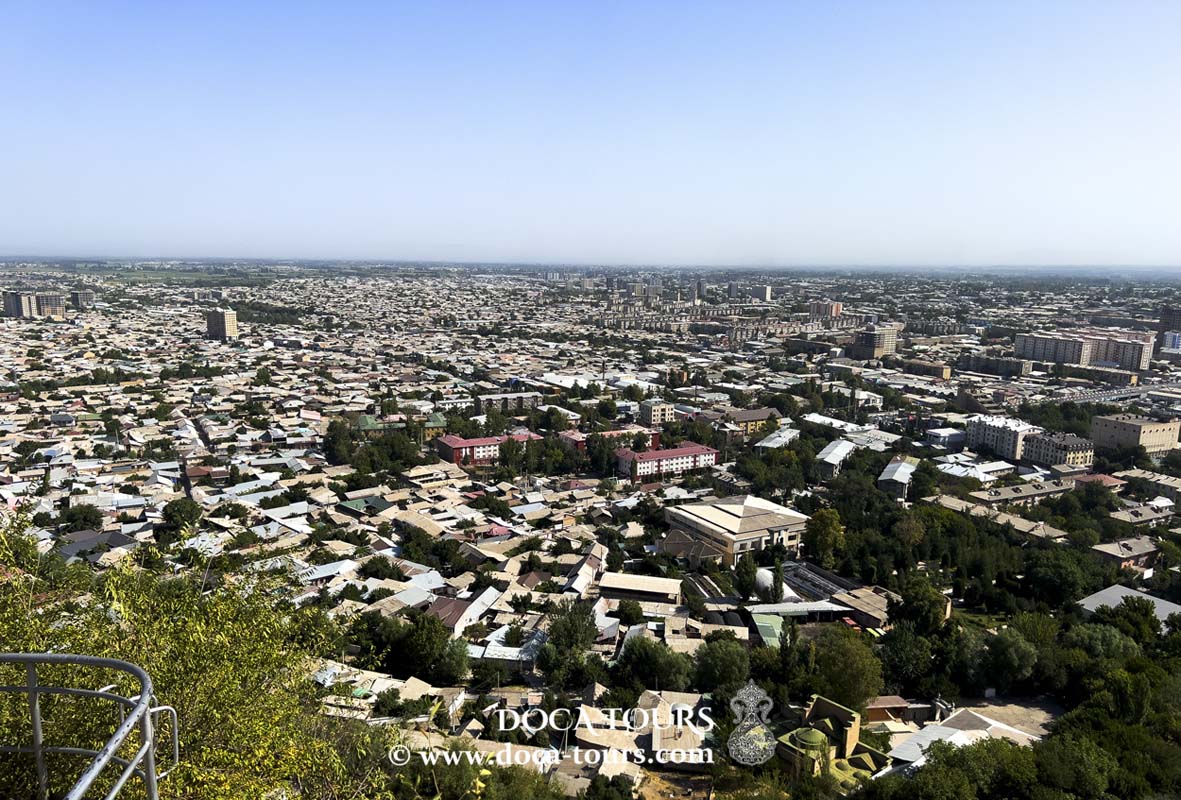
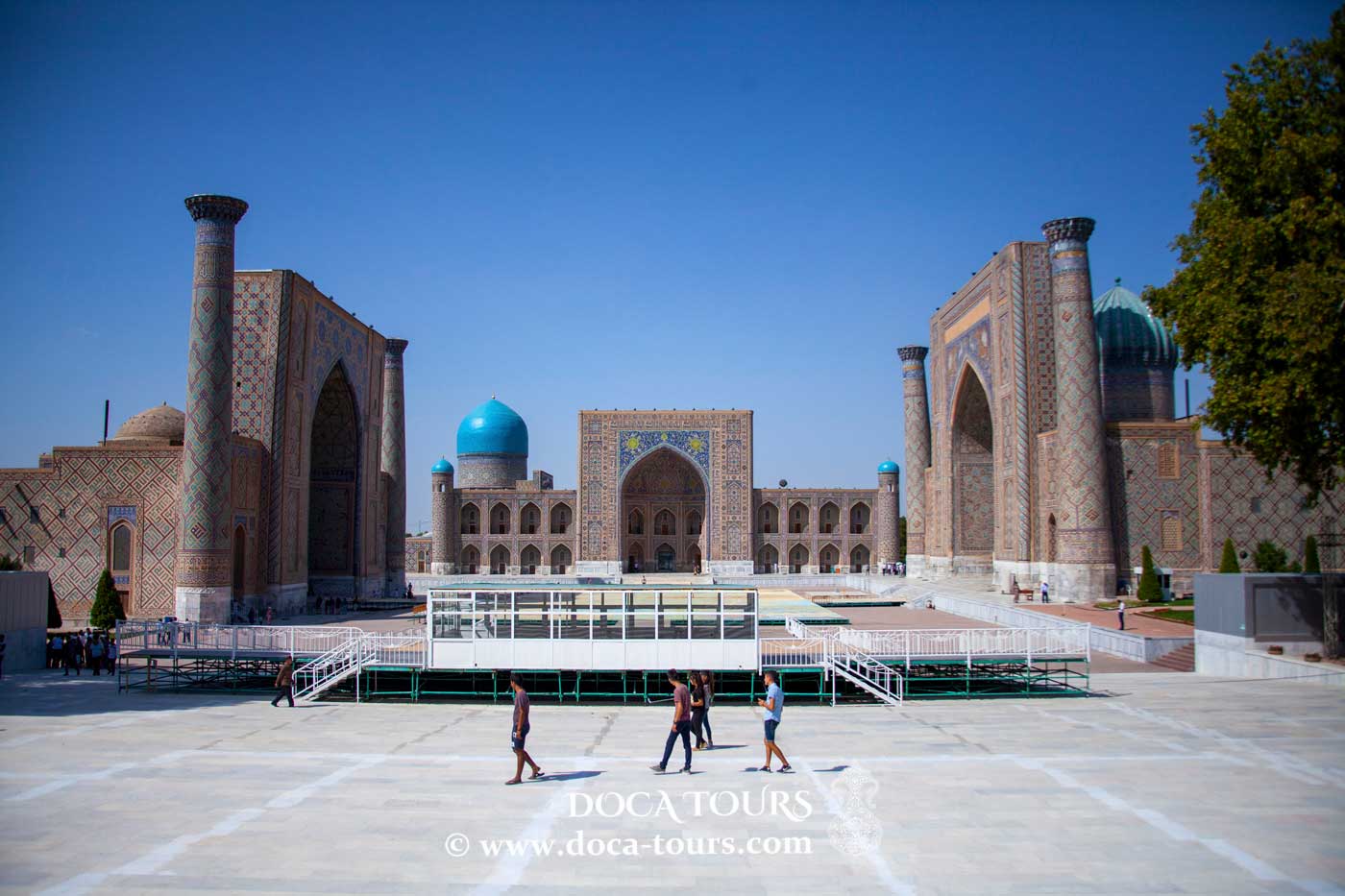
- Days 3 to 5, Samarkand: The Registan, Shah-i-Zinda and Gur-e-Amir reward two full days. For a deeper look at the city, see our guide to the top things to do in Samarkand.
- Days 6 to 7, Bukhara: A living old town of trading domes, the Poi Kalyan complex and the Ark fortress.
- Days 8 to 9, Khiva: The compact walled city of Itchan Kala feels like an open-air museum you can walk end to end in an evening.
That is nine days well spent. The remaining five go to a neighbor, which is where the trip gains its mountains and open steppe.
Two timing notes keep this route smooth. Keep Tashkent light, because its highlights take half a day and the city is mainly a transit hub. Give Samarkand the extra night, since its sites are spread out and the evening light on the Registan is worth staying for. If you land late on day one, shift the whole plan forward by a day and trim Khiva to a single night rather than squeezing Samarkand.
Should You Add Kyrgyzstan or Tajikistan for Mountains and Nomad Culture?
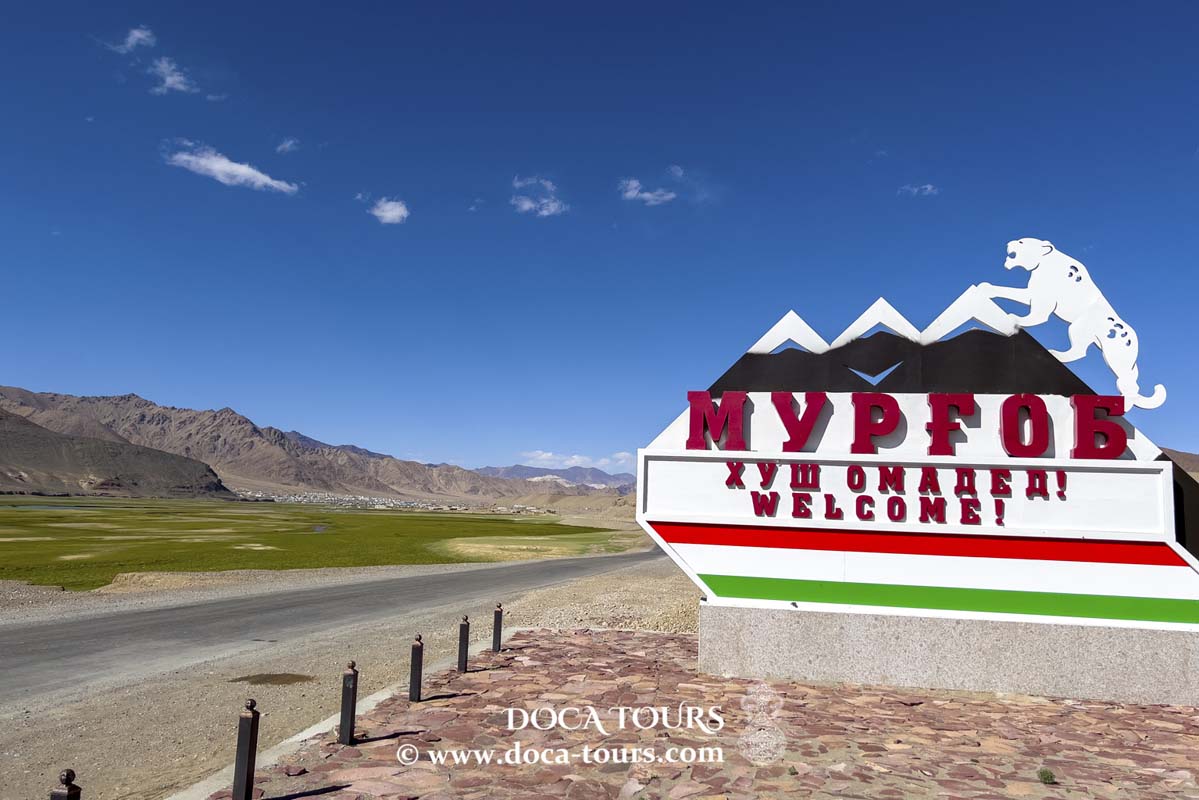
Add a mountain country to balance the monuments with wide open landscape. Kyrgyzstan suits shorter add-ons: the Tian Shan ranges, the vast Issyk-Kul lake and yurt stays are all within a few hours of the main hubs. Tajikistan rewards travelers with more time and patience, thanks to the Pamir Highway and its remote valleys.
For most two-week trips, Kyrgyzstan is the easier choice. You can fly into Bishkek, drive to a lakeside yurt camp, ride horses with a herder family, and fly back out within four or five days. The contrast with Uzbekistan's tiled domes is the whole point: one country is built heritage, the other is lived-in landscape.
Tajikistan asks for rougher roads and longer transfers, so it fits travelers who want adventure over comfort. If mountain driving and basic guesthouses appeal, the Pamirs are unforgettable. If you prefer a gentler pace, lean toward Kyrgyzstan.
How Do You Travel Between the Cities: Trains, Flights and Road?
Trains are the backbone of travel inside Uzbekistan. The Afrosiyob high-speed service runs at 250 km/h and links Tashkent to Samarkand in about 2.5 hours, continuing on to Bukhara (Seat61). Seats sell out in peak season, so book a few days ahead.
Khiva is the exception. It sits far to the west across the Kyzylkum desert, and the rail or road journey from Bukhara is long. Many travelers take an overnight train or, to save a full day, a short domestic flight. For the hop between countries, flying is almost always the sensible move, since land borders add hours and uncertainty.
Within cities, taxis are cheap and plentiful, and old towns are best walked. A rough hierarchy helps: fast train for the main corridor, flight for the long desert leg and international hops, and car with a driver for day trips into the countryside.
What Are the Best Budget and Pacing Tips for Two Weeks?
Build in one slow day per city so the trip stays a pleasure rather than a checklist. The single most common mistake is cramming a new city every day; by Bukhara, the monuments start to blur. A rest morning, a long lunch and an unhurried bazaar wander do more for the memory than another madrasa.
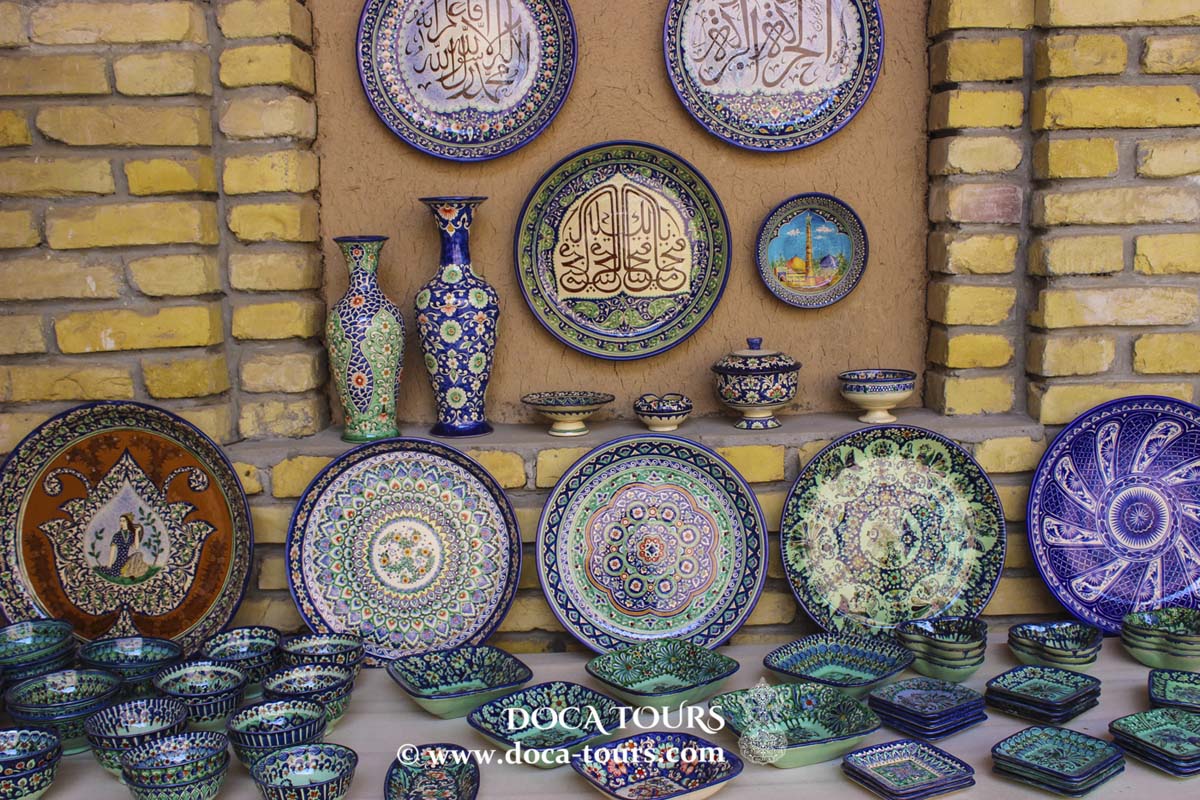
On budget, Uzbekistan is gentle on the wallet. Guesthouses, meals and train tickets cost far less than comparable trips in Europe, and the main expense is usually international flights. Spending on a good local guide in Samarkand and Bukhara pays off, because the history behind the tilework is easy to miss on your own.
A few habits stretch the budget further. Book Afrosiyob tickets in economy class, which is comfortable and much cheaper than business. Eat where local families eat, since the plov and samsa at a neighborhood canteen often beat the tourist restaurants. Carry some cash, as card payment is widespread in cities but patchy in smaller towns and at roadside stops.
If planning the logistics across two countries feels daunting, a guided package can stitch the trains, flights and guesthouses together for you. Operators like Doca Tours run two-week Silk Road routes that combine Uzbekistan's cities with a Kyrgyzstan or Tajikistan add-on, which removes the booking headache while leaving room for free time.
Planning Your Own Two-Week Trip
Start by locking the two anchors: your Uzbekistan city order and your choice of mountain country. Once those are set, the trains, flights and nights fall into place around them. Sketch the route on a calendar, mark one rest day per city, and book the Afrosiyob seats and any domestic flight early.
From there, decide whether you want to arrange it yourself or hand the moving parts to a specialist. Either way, the shape above gives you a trip that balances the Silk Road's great monuments with the open country that surrounds them.
Frequently asked questions
Is two weeks enough for Central Asia?
Two weeks covers Uzbekistan's four main Silk Road cities comfortably and leaves room for a short add-on in Kyrgyzstan or Tajikistan. It is not enough to see all five countries well, so choose depth over breadth.
What is the best order to visit Uzbekistan's cities?
Most travelers go Tashkent, Samarkand, Bukhara, then Khiva, moving west by train and road. This follows the rail line and keeps the longest desert leg near the end of the trip.
Should I add Kyrgyzstan or Tajikistan to an Uzbekistan trip?
Add Kyrgyzstan for accessible mountain lakes and yurt stays, or Tajikistan for the dramatic Pamir Highway. Kyrgyzstan is easier for a short add-on; Tajikistan rewards travelers with more time and a taste for rough roads.
How do you travel between cities in Uzbekistan?
The Afrosiyob high-speed train connects Tashkent, Samarkand and Bukhara quickly and comfortably. For Khiva, take an overnight train or a domestic flight, since the road across the desert is long.