































Key takeaways
- Most Western travelers enter Uzbekistan, Kazakhstan and Kyrgyzstan visa-free, while Tajikistan uses an e-visa and Turkmenistan still needs a licensed agency.
- Uzbekistan added US citizens to its 30-day visa-free list from 1 January 2026 (The Diplomat, 2025).
- Tajikistan's Pamir region requires a separate GBAO permit, which must be bought with the e-visa and cannot be issued at the border.
- Kyrgyzstan tightened its rule in 2026: many nationalities now get 30 days within any 60-day window instead of a flat 60 days.
- Turkmenistan launched an e-visa in October 2026, but transit visas have stopped and a travel agency is still mandatory.
Most travelers can now cross much of Central Asia with very little paperwork. Three of the five countries, Uzbekistan, Kazakhstan and Kyrgyzstan, are visa-free for the majority of Western passport holders, while Tajikistan uses a quick online e-visa and Turkmenistan remains the one real hurdle. This guide breaks down the Central Asia visa requirements for all five Stans as they stand in 2026, so you can plan a Silk Road route without last-minute surprises at a border post.
Rules here change often, and 2026 brought several updates worth knowing before you book flights. Below is a country-by-country reference, followed by practical tips for stitching several countries into one trip.
Central Asia Visa Requirements at a Glance: Who Is Visa-Free?
Three of the five are effectively open to most Western tourists. Kyrgyzstan has the broadest visa-free list of the region, Uzbekistan lets dozens of nationalities enter visa-free for 30 days, and Kazakhstan waives visas for a long list of countries including the EU, US, Canada and Australia. Tajikistan and Turkmenistan still require advance paperwork.
That split matters for route planning. You can move freely between the three visa-free countries, but Tajikistan and Turkmenistan need action before you arrive. A good rule of thumb: sort the two paperwork countries first, then treat the rest as flexible.
For travelers worried about the region generally, the visa picture is one of the clearest signs of how much easier the Stans have become to visit. If safety is also on your mind, our honest guide to whether Central Asia is safe for tourists covers that side in detail.
Uzbekistan and Kazakhstan: The Easiest Entries
Uzbekistan and Kazakhstan are the simplest countries to enter, and both expanded access in recent years. Uzbekistan added US citizens to its 30-day visa-free list from 1 January 2026, letting Americans stay up to 30 days without a visa (The Diplomat, 2025). Kazakhstan allows most Western visitors up to 90 days within any 180-day period.
Uzbekistan keeps an e-visa for nationalities outside the visa-free list. The single-entry version carries a modest fee, permits a 30-day stay and must be used within a set window after issue. The online form is straightforward and usually approved within a couple of days.
Kazakhstan runs a tiered system. Beyond the 40-plus countries on its 30-day waiver, a handful of CIS states get 90 days, while China, Hong Kong, India and Iran receive 14 days visa-free. An electronic travel authorization has been announced but is not yet active, so check its status close to departure.
What does this mean in practice? For a typical two or three week Silk Road trip, most travelers from Europe, North America or Australia will cross between these two countries without filling in a single form. That makes Uzbekistan and Kazakhstan the natural backbone of a regional route, with the trickier countries slotted in around them.
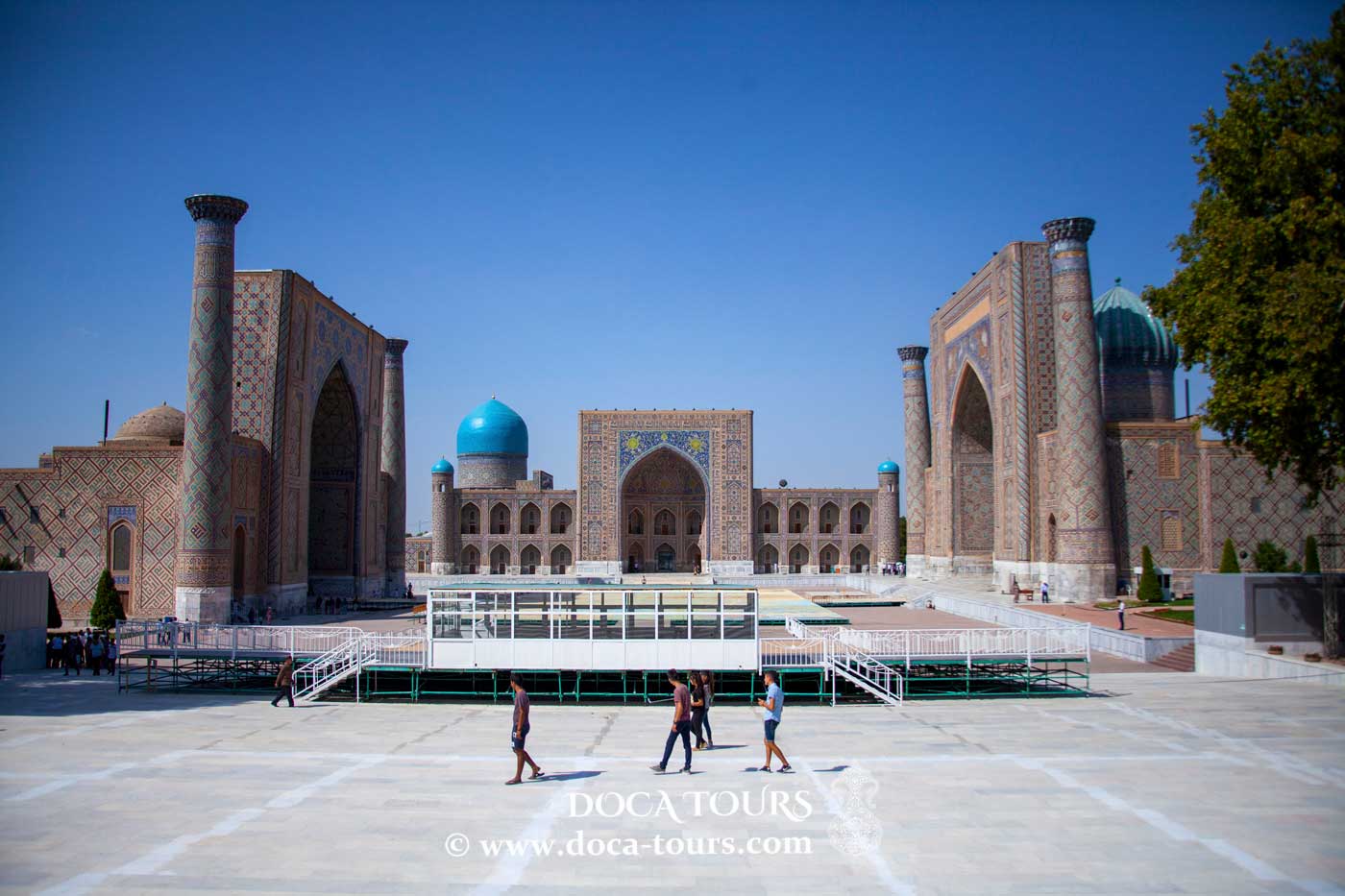
Both countries anchor the classic Silk Road loop through Samarkand, Bukhara and Khiva. If you are mapping the sequence, our 2-week Central Asia Silk Road itinerary shows how the visa-free core fits together.
Tajikistan: E-Visa and the GBAO Permit
Tajikistan is easy on paper but has one catch for mountain travelers: the GBAO permit. The standard tourist e-visa is applied for online, covers a stay of up to two months and must be used within a set window after issue. Anyone heading into the Pamir region needs a separate GBAO permit added to that e-visa.
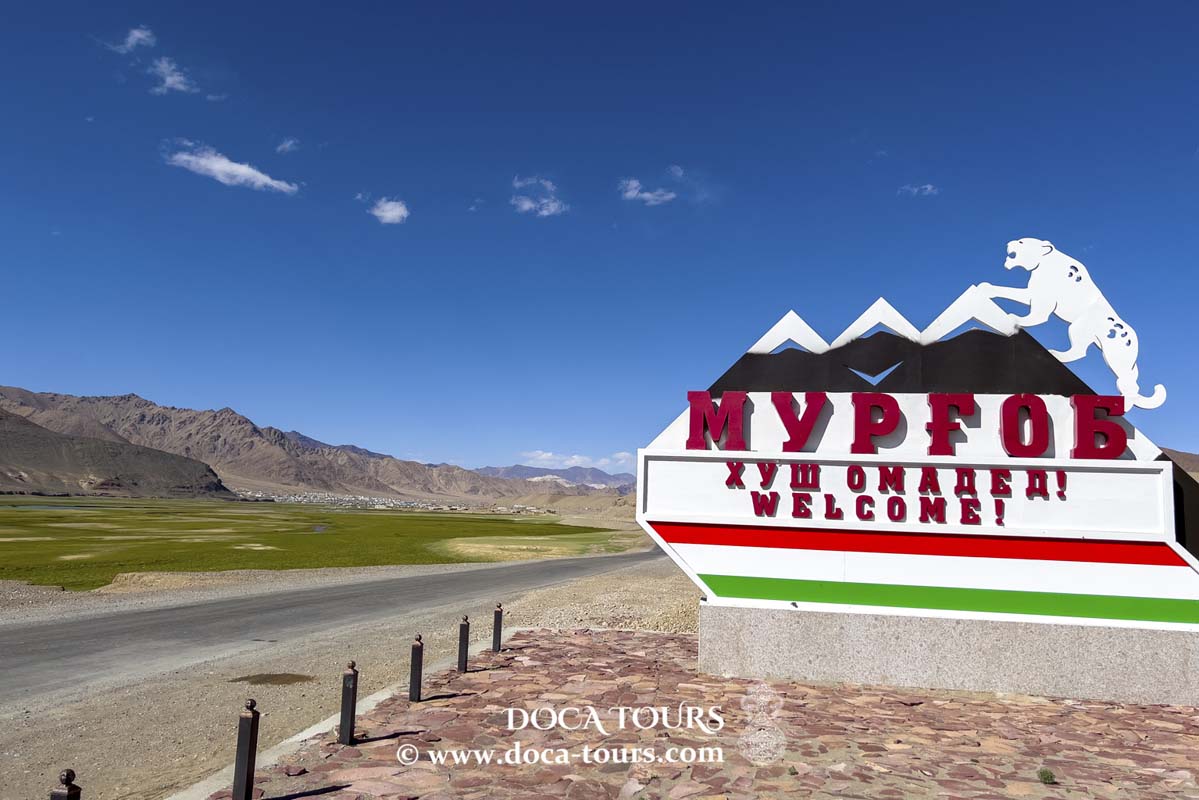
The GBAO permit covers Gorno-Badakhshan, the vast eastern province that includes the Pamir Highway, Khorog, the Wakhan Valley and Murghab. It carries a small extra fee and is selected during the same online application, under the "Tourist eVisa + GBAO Permit" option. You cannot buy it at a checkpoint, and checkpoints actively enforce it.
One practical warning: Tajik e-visa processing times swing widely, anywhere from two days to two months in reported cases. Apply well ahead, especially in the summer trekking season. Because the Pamir leg is remote and permit-sensitive, this is exactly the kind of route where a guided operator like Doca Tours handles the permit paperwork and logistics for you, rather than leaving you to gamble on processing times.
Turkmenistan: Still the Hard One
Turkmenistan remains the most restrictive country in the region, even after a notable 2026 change. An e-visa system launched in October 2026, carrying a fee and a short processing window of roughly a week. The long-standing Letter of Invitation embassy process is now obsolete, replaced by that online system.
The catch has not gone away. A licensed Turkmen travel agency is still mandatory to process any tourist visa, so you cannot simply apply alone and show up. Independent transit visas, once the backdoor for overland travelers crossing to Uzbekistan or Iran, dried up in 2026 and are no longer being issued.
In practice, visiting Turkmenistan means booking through an agency whose invitation underpins your application, with the visa duration matched to your tour length. This is the one country where going through an operator is not optional, so factor it into your budget and timeline early. An established Central Asia specialist such as Doca Tours can supply the invitation and fold the Turkmen leg into a wider regional itinerary, which saves you from chasing an agency cold.
Tips for Multi-Country Silk Road Routes
A smart multi-country plan starts with the slow paperwork and ends with the flexible, visa-free legs. Sequence your trip so Turkmenistan and the Tajik GBAO permit are locked in first, then build the Uzbekistan, Kazakhstan and Kyrgyzstan portions around them. Those three visa-free countries give you room to adjust dates without penalty.
Watch the rolling-window rules. Kyrgyzstan tightened its policy in 2026: many nationalities now get 30 days within any 60-day period rather than a flat 60 days, and repeated "visa runs" are no longer permitted. Kazakhstan's 90-day allowance is counted across any 180-day period, so back-to-back long stays can quietly add up if you re-enter.
Keep digital and paper copies of every approval. Carry your Tajik e-visa and GBAO permit printouts, your Turkmen agency confirmation and proof of onward travel. Border officers across the region still prefer something physical to scan.
Finally, confirm each rule against an official source in the week before you fly, because Central Asian visa policy shifts faster than most. The direction of travel is clearly toward easier access, but the details, fees, stay lengths and eligible nationalities, move around enough that a last check is always worth the five minutes.
Planning Your Central Asia Trip
The visa map of Central Asia in 2026 rewards a little upfront homework. Entry to most of the region is now genuinely simple, with the real effort concentrated in Tajikistan's Pamir permit and Turkmenistan's agency requirement. Handle those two early and the rest of a Silk Road itinerary falls into place.
Your next concrete step: list the exact countries on your route, check each one's current rule against its official portal, and start the Turkmenistan and GBAO applications before anything else. If that coordination feels like a lot to juggle across five borders, a guided package can carry the permit and invitation work for you, leaving you to focus on the mosques, mountains and markets that brought you here in the first place.
Frequently asked questions
Do I need a visa to travel across Central Asia in 2026?
It depends on the country. Most EU, UK, US, Canadian and Australian passport holders enter Uzbekistan, Kazakhstan and Kyrgyzstan visa-free. Tajikistan requires an e-visa, and Turkmenistan requires an agency-arranged visa.
What is the GBAO permit and do I need it?
The GBAO permit is a separate authorization for Tajikistan's Gorno-Badakhshan region, which covers the Pamir Highway, Khorog and the Wakhan Valley. You must add it to your Tajik e-visa during the same online application; checkpoints enforce it.
Is Turkmenistan still the hardest country to visit?
Yes. Even after the October 2026 e-visa launch, Turkmenistan requires a licensed local travel agency to process your application, and transit visas are no longer issued.
How many days can I stay in Uzbekistan without a visa?
Visa-free visitors from the main 30-day list, including the US as of January 2026, can stay up to 30 days per entry. Longer stays need an e-visa.
Can I do a multi-country Silk Road trip on visa-free entry alone?
Partly. Uzbekistan, Kazakhstan and Kyrgyzstan are visa-free for many travelers, but Tajikistan needs an e-visa and Turkmenistan needs agency sponsorship, so plan those two in advance.