

























Key takeaways
- Travel safety varies by country, region and current conditions. Check official travel advisories before booking and again before departure.
- The Global Peace Index provides an independent framework for comparing peacefulness, but it is not a direct measure of tourist safety.
- Common practical challenges include petty theft, taxi overcharging, altitude sickness, cash access and border paperwork.
- Solo and female travelers can explore Central Asia with sensible precautions, appropriate planning and awareness of local customs.
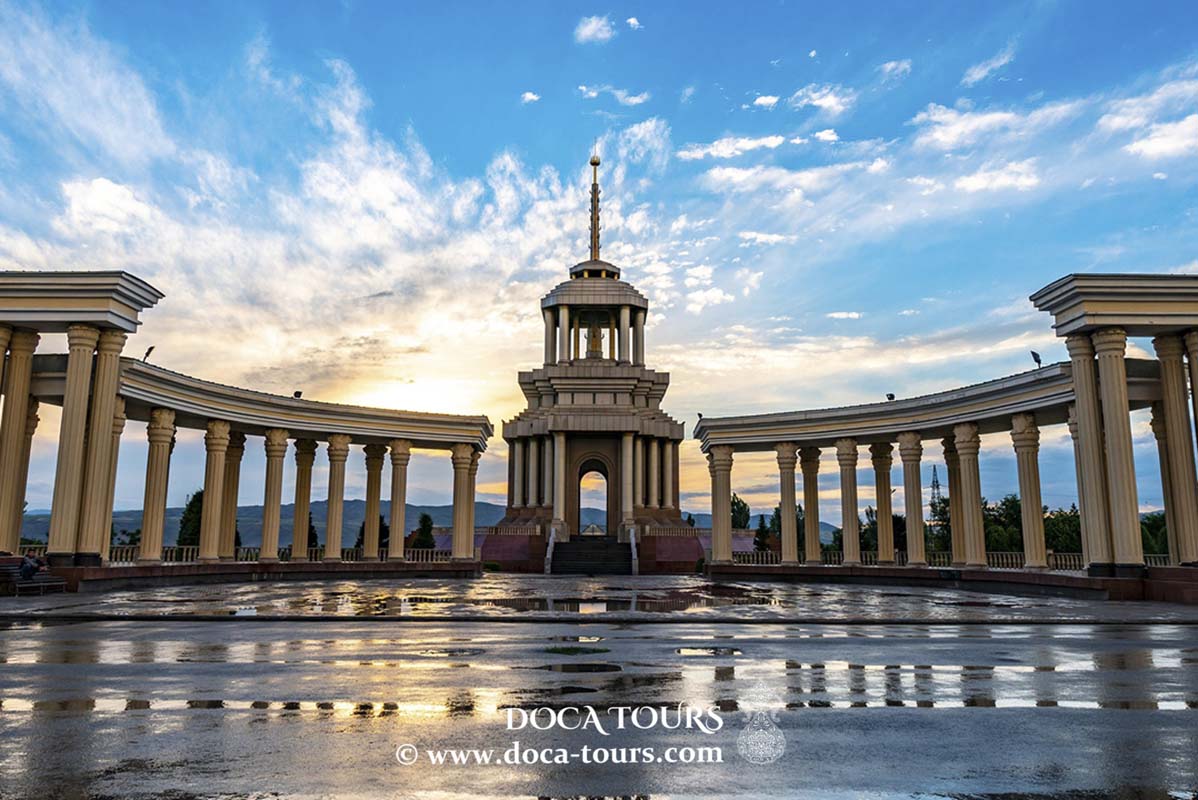
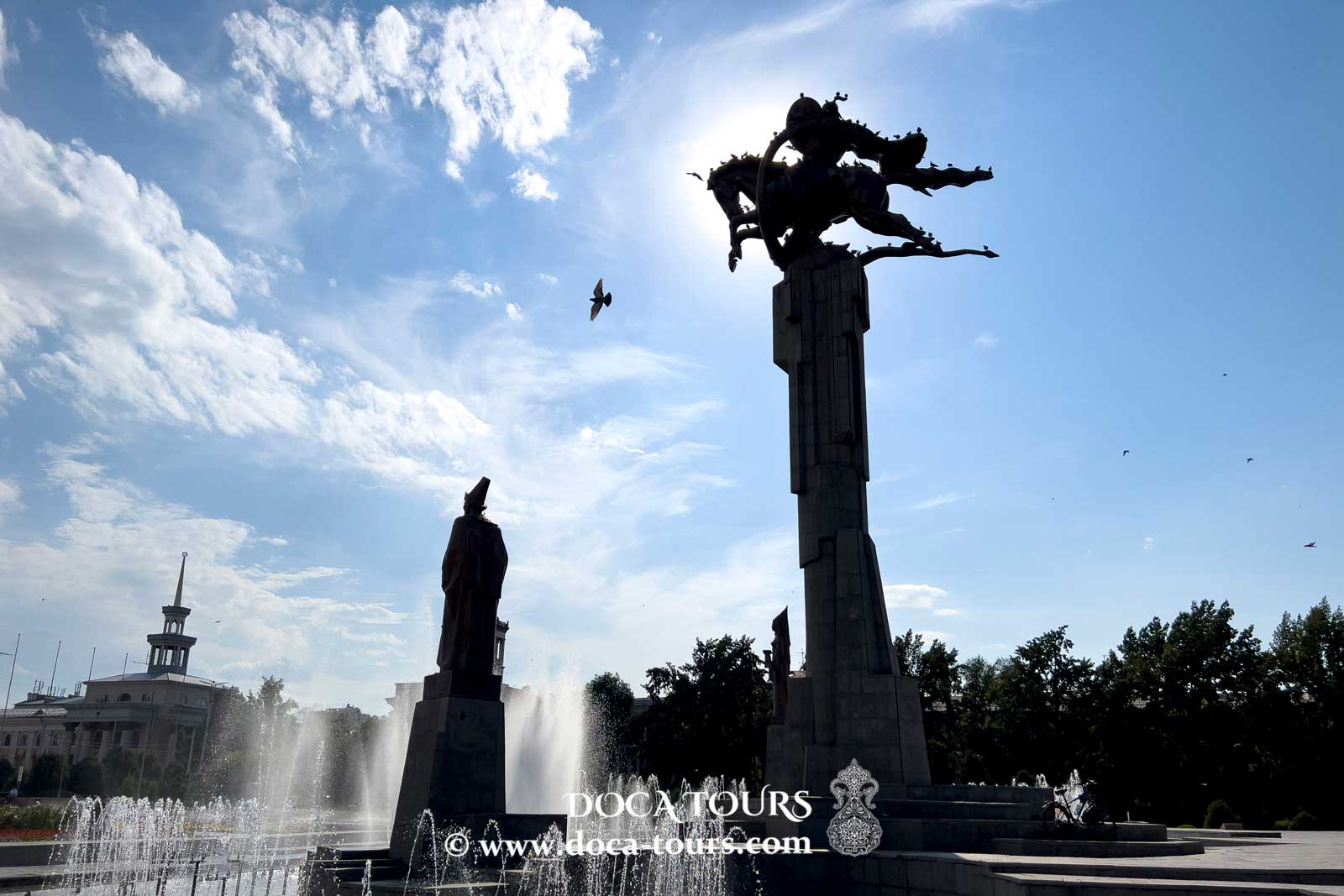
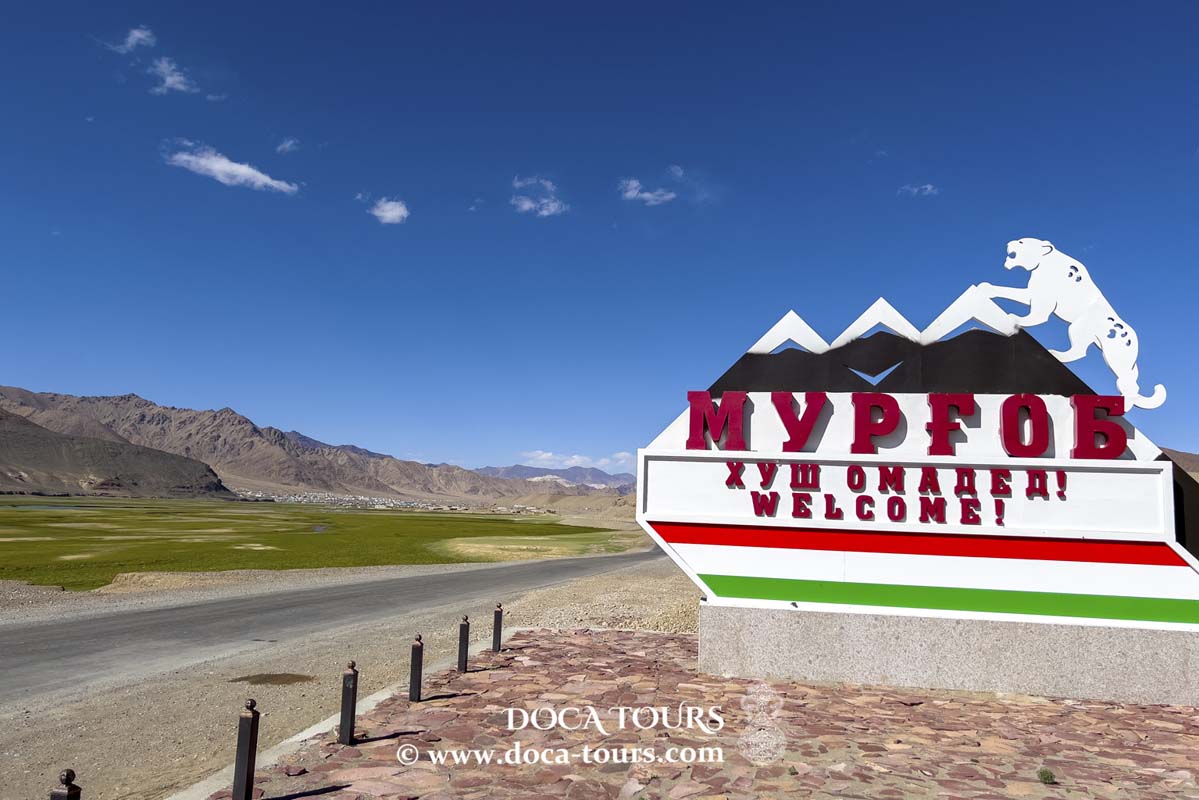
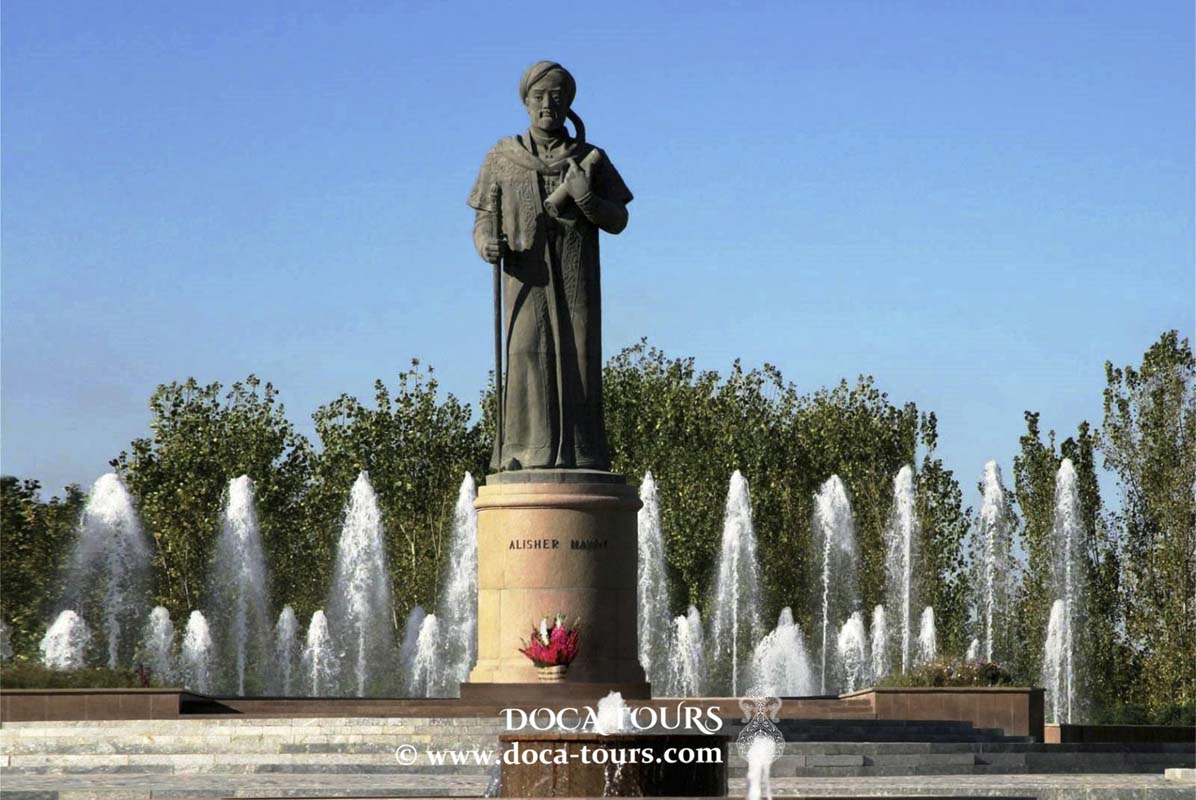
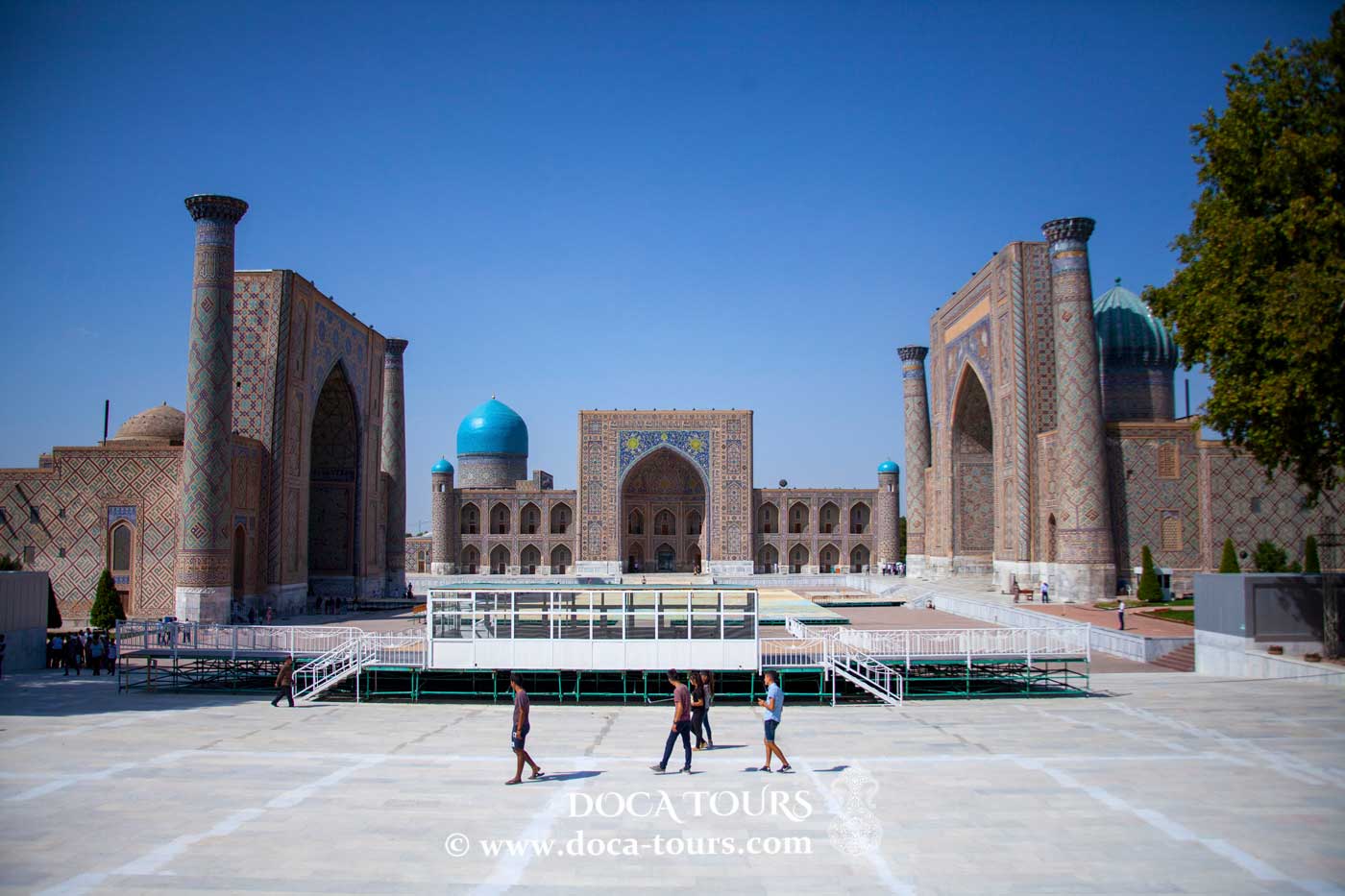
Central Asia is an appealing destination for travelers interested in Silk Road history, architecture, mountains and authentic cultural experiences. From the historic streets of Samarkand and Bukhara to the alpine lakes of Kyrgyzstan and the remote landscapes of Tajikistan, the region offers a remarkable range of journeys.
But is Central Asia safe? The honest answer is that safety depends on your destination, itinerary, activities and the latest local conditions. The main tourist routes are accessible to many independent and organized travelers, while remote mountain areas and certain border regions require additional preparation.
This guide explains the practical risks, where to find reliable travel advice and how to plan a smoother journey. If you are considering your first visit, explore our Central Asia destination guide to understand the region and its five countries.
Is Central Asia Safe Overall for Travelers?
Central Asia comprises Uzbekistan, Kazakhstan, Kyrgyzstan, Tajikistan and Turkmenistan. These countries share historical and cultural connections, but their entry rules, security conditions, infrastructure and travel requirements are not identical.
For an objective starting point, consult the Institute for Economics & Peace Global Peace Index. It compares countries using indicators related to societal safety, ongoing conflict and militarization. Remember that a country’s overall ranking cannot tell you exactly what conditions are like in a particular city or border area.
Government travel advisories are more useful when planning a specific trip. Travelers can consult the following official resources:
- US State Department: Uzbekistan
- UK Foreign Office: Uzbekistan
- UK Foreign Office: Kyrgyzstan
- UK Foreign Office: Tajikistan
- UK Foreign Office: Turkmenistan
- UK Foreign Office: Kazakhstan
For most visitors planning a cultural trip through established tourist destinations, the key is to distinguish ordinary travel precautions from specific regional warnings. Never assume that an advisory level or border crossing remains unchanged simply because it was safe on a previous trip.
For an overview of how to plan your route, read our guide to two weeks in Central Asia: the perfect Silk Road itinerary.
What Are the Common Concerns, and What Is the Reality?
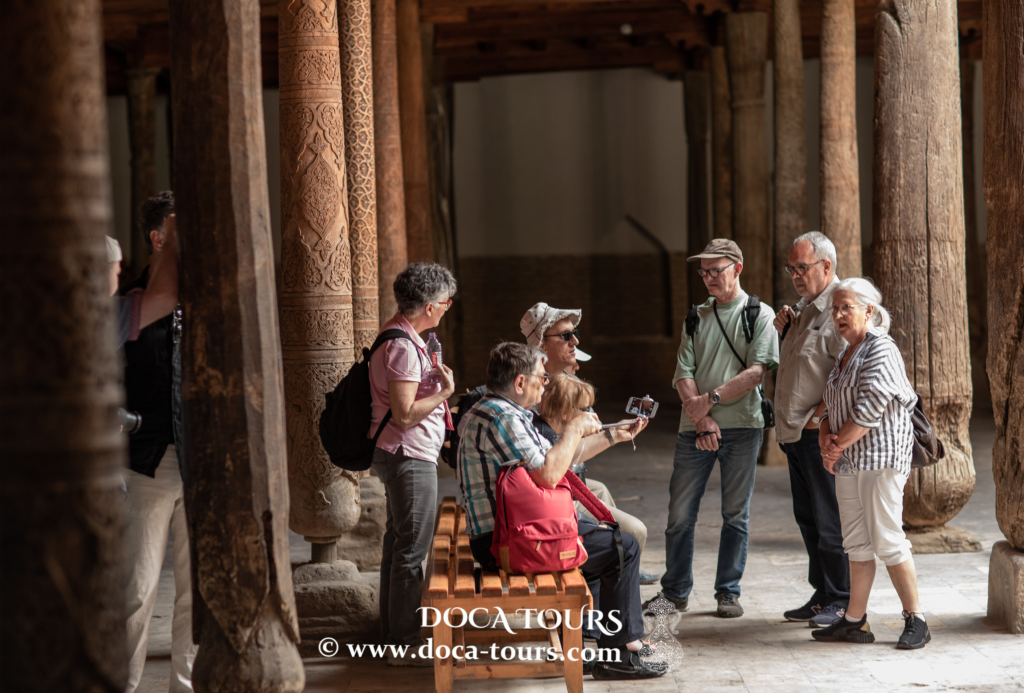
Central Asia can feel unfamiliar to first-time visitors, particularly those traveling beyond the main cities. In practice, many challenges are manageable with preparation, although it would be misleading to suggest that every destination or situation carries the same level of risk.
Here are some of the main concerns to consider:
- Petty theft and scams: Take normal precautions in crowded bazaars, transport hubs and busy tourist areas. Agree on taxi fares in advance when using a service without a fixed price.
- Police and bureaucracy: Keep your passport and any required registration or travel documents accessible. Follow local instructions and verify requirements before traveling.
- Political tension and border areas: Conditions can change, especially near certain international borders. Check official regional warnings before choosing an overland route.
- Road travel: Long distances, road conditions and driving standards can create more practical risk than visitors expect. Use reputable transport providers and allow enough time for transfers.
- Remote destinations: Mountain treks and desert expeditions require suitable equipment, reliable transport and contingency planning.
The most important principle is to assess the actual itinerary rather than making broad assumptions about an entire region. Samarkand, a remote Pamir mountain road and a crossing near a sensitive border present very different travel considerations.
To discover the region beyond its famous mon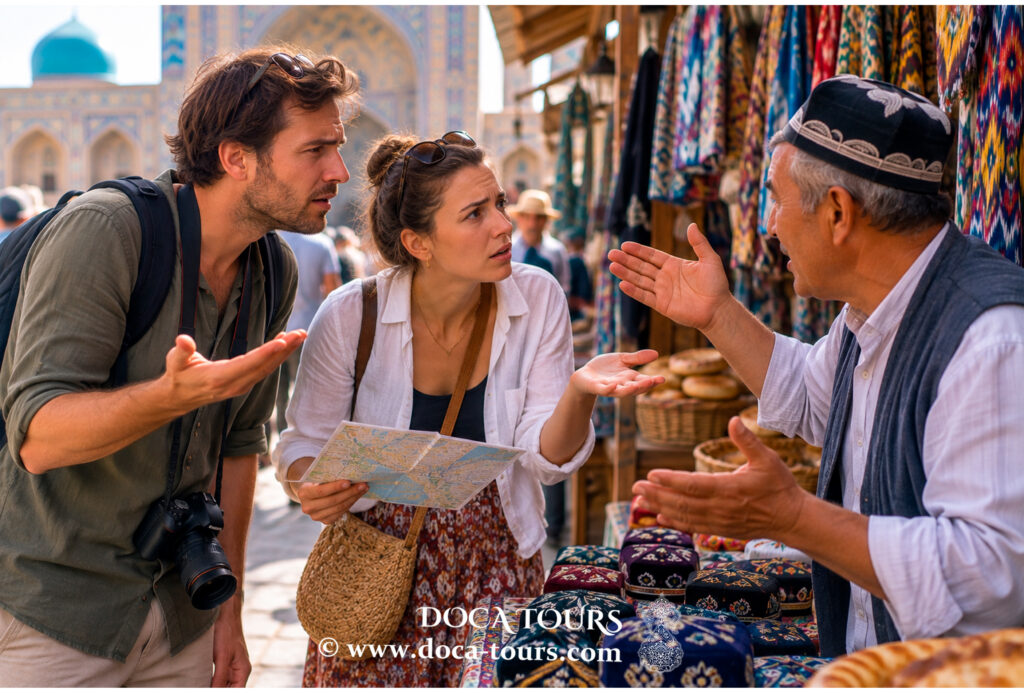 uments, watch our video:
Watch on YouTube: Uzbekistan Beyond the Tourist Trail — Discover the Real Central Asia
You can also explore our DOCA TOURS travel services to see the different ways to arrange local guides, private transport and tailor-made journeys.
Is Central Asia Safe for Solo and Female Travelers?
Solo travel is possible throughout much of Central Asia, but the experience depends on the destination, your travel style and the level of independence you prefer. Women traveling alone should apply the same basic precautions they would use elsewhere while also considering local customs, transport options and accommodation arrangements.
A few practical steps can make a trip easier:
- Use registered taxis or established ride-hailing services where available, particularly at night.
- Choose centrally located accommodation with recent, credible reviews.
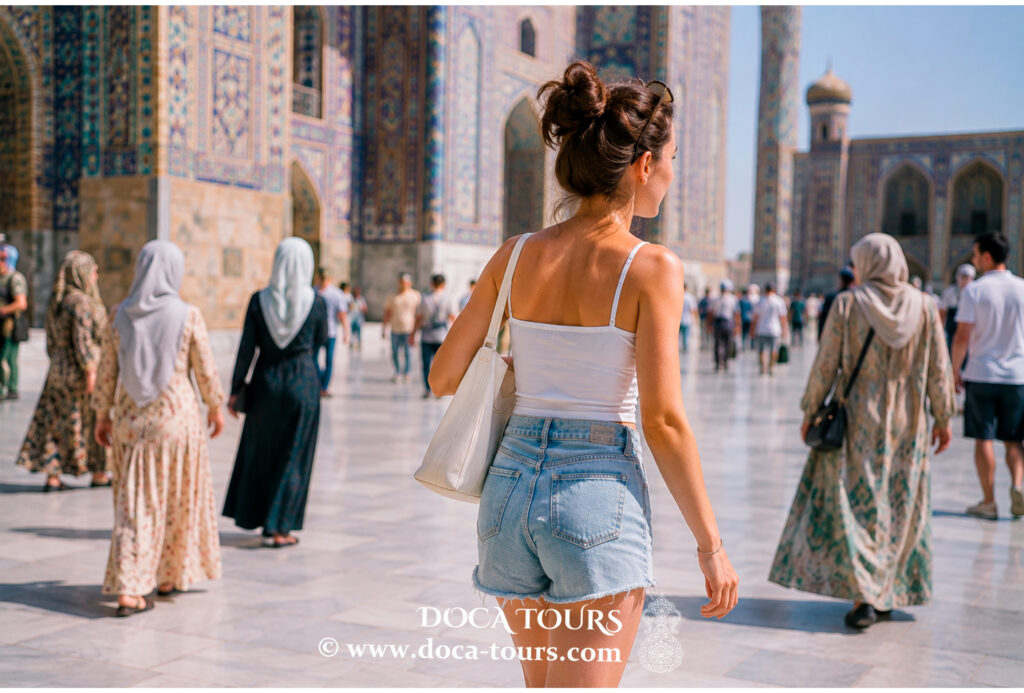
- Dress respectfully when visiting mosques, madrasahs and religious sites. Carry a scarf where appropriate.
- Keep someone informed of your plans when traveling into remote areas or going on a long-distance excursion.
- Download offline maps and keep important contact numbers available without an internet connection.
- Learn a few phrases in Russian or the local language, particularly if you plan to travel outside the main tourist centers.
Samarkand, Bukhara and Khiva are popular starting points for cultural trips, with established tourism services and well-known sightseeing routes. Travelers who prefer additional support can consider a private guided itinerary, which can simplify transport, communication and day-to-day arrangements.
Learn more in our article Uzbekistan Guided Tour: What to Expect and Why It’s Worth It.
How Do You Handle Health, Borders and Scams?
Health preparation, border formalities and transport arrangements deserve particular attention when traveling across Central Asia. Requirements vary by country and nationality, so check the latest official guidance rather than relying on a single regional checklist.
Health and altitude
Before departure, check routine vaccinations and destination-specific health recommendations with a qualified medical professional. Consider comprehensive travel insurance that covers your planned activities, including trekking or high-altitude travel where relevant.
Drink safe water, carry essential medication and take altitude seriously in mountainous areas of Kyrgyzstan and Tajikistan. Ascend gradually where possible, recognize symptoms such as headache, nausea and dizziness, and seek medical assistance if symptoms worsen. Medical services can be more limited outside major cities.
For official health guidance, consult the US Centers for Disease Control and Prevention travel health resource.
Border crossings and paperwork
Overland travel between the five countries can be rewarding, but do not assume every border crossing is open to foreign tourists or that the rules are identical for every passport. Check opening status, visa requirements, permits and transport connections before committing to a route.
Pay particular attention to the Kyrgyzstan–Tajikistan border area. Official advice notes the potential for changing security conditions and hazards in some border zones. Read the latest UK regional risk guidance for Kyrgyzstan and Tajikistan regional risk guidance before planning travel near the border.
For broader travel preparation, use the US State Department’s international travel resources.
Money and everyday scams
Carry a reasonable amount of local currency for smaller shops, markets and rural destinations. Card acceptance and ATM availability vary, particularly outside major cities. Use banks or reputable exchange providers and avoid carrying all your cash in one place.
When arranging transport independently, confirm the price, destination and any additional charges before departure. Keep copies of important documents separate from the originals and use accommodation providers that can explain the applicable registration requirements.
What Are the Best Practical Tips for a Worry-Free Trip?
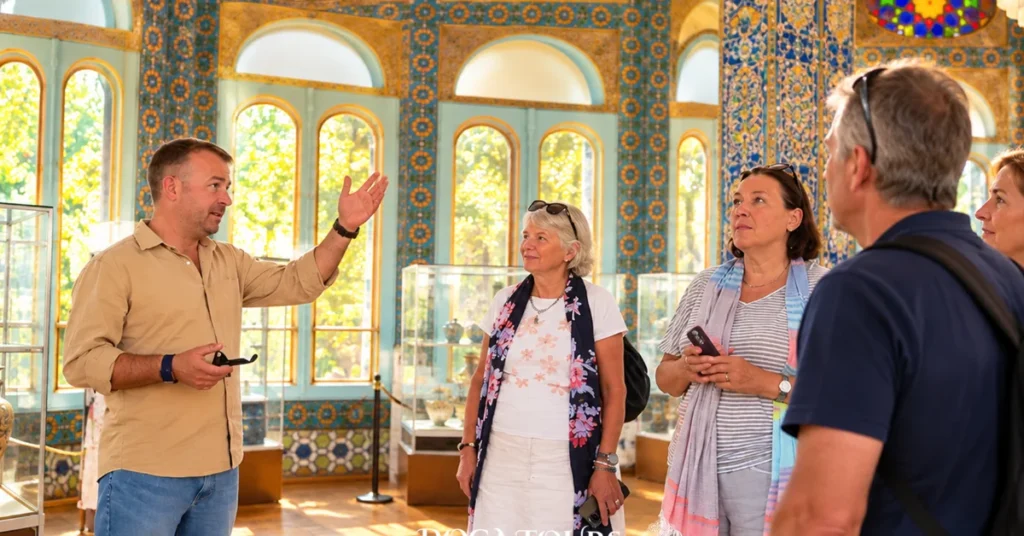
A well-planned Central Asia itinerary reduces avoidable stress. These simple measures can make a significant difference:
- Check official advisories: Review your government’s country-specific guidance before booking and shortly before departure.
- Prepare your documents: Confirm passport validity, visas, permits and any required accommodation registration.
- Keep cash available: Do not assume that cards or ATMs will be available everywhere.
- Save offline information: Download maps, accommodation details, tickets and emergency contacts.
- Respect local customs: Follow rules at religious sites and ask permission before photographing people when appropriate.
- Allow time for delays: Build flexibility into train connections, road journeys and border crossings.
- Plan remote activities carefully: Use appropriate guides and transport for mountain, desert and other isolated excursions.
- Choose the right level of support: For a multi-country trip, clarify who handles transport, accommodation, permits and contingency arrangements.
These considerations are especially important when combining several countries in a single journey. Long distances, different entry requirements and changes to transport schedules can make a tightly packed itinerary difficult to manage.
How Can DOCA TOURS Help You Plan a Central Asia Trip?
DOCA TOURS is a destination management company based in Uzbekistan that organizes tailor-made journeys across Central Asia. Depending on the itinerary, travelers can arrange local guides, private transport, accommodation and multi-country travel logistics through one local partner.
Working with a local operator does not remove every travel risk or replace official advice. Its value is practical: clear arrangements, local knowledge and assistance with itinerary details that can otherwise be difficult to coordinate independently.
Explore the following resources to start planning:
- DOCA TOURS services — an overview of private journeys, transport and travel arrangements.
- Central Asia destination guide — discover the region’s five countries.
- Two-week Central Asia itinerary — explore a multi-country Silk Road route.
- 18-Day Central Asia Expedition — a longer journey connecting all five countries, subject to current entry requirements and operational feasibility.
- Uzbekistan guided tours — understand the benefits of traveling with a local guide.
- Contact DOCA TOURS — request a personalized itinerary and discuss your travel dates.
See Central Asia before you travel
Watch more travel inspiration from our team:
- Uzbekistan Beyond the Tourist Trail — Discover the Real Central Asia
- DOCA TOURS PROJECT — Music, Journeys & the Spirit of Central Asia
- Visit the DOCA TOURS YouTube channel for more videos about Uzbekistan and Central Asia.
Ready to plan your journey? Contact DOCA TOURS to discuss a private or tailor-made trip based on your interests, schedule and preferred travel style.
Frequently asked questions
Is Central Asia safe for first-time travelers?
Many first-time visitors travel successfully through established tourist destinations in Central Asia. Check the latest official travel advice for each country, prepare your documents and arrange reliable transport. Your specific itinerary matters more than a single regional safety label.
Which Central Asian country is the safest?
There is no single answer that applies to every traveler or situation. International rankings provide useful context, but they do not measure every local risk. Compare current country-specific advisories and consider the destinations and activities on your itinerary.
Is Central Asia safe for solo female travelers?
Solo female travelers can explore many established tourist routes with sensible precautions. Choose suitable accommodation, use reliable transport, respect local customs and take additional care when traveling alone in remote areas or after dark.
Do I need vaccinations or special health preparation for Central Asia?
Recommendations depend on your health, nationality, itinerary and planned activities. Consult a healthcare professional and check current destination-specific advice. Travelers visiting high-altitude areas should also understand altitude sickness and appropriate acclimatization.
Are the borders between the five Stans difficult to cross?
Requirements and conditions vary by crossing and can change. Check visa rules, border opening status, permits and transport arrangements before traveling. Some remote or sensitive border areas require particular caution.
Can I visit all five Central Asian countries on one trip?
Yes, a multi-country itinerary is possible, but the appropriate route depends on your available time, passport, visa requirements, transport schedules and current border conditions. See our 18-Day Central Asia Expedition for an example of a longer regional journey.