
























Key takeaways
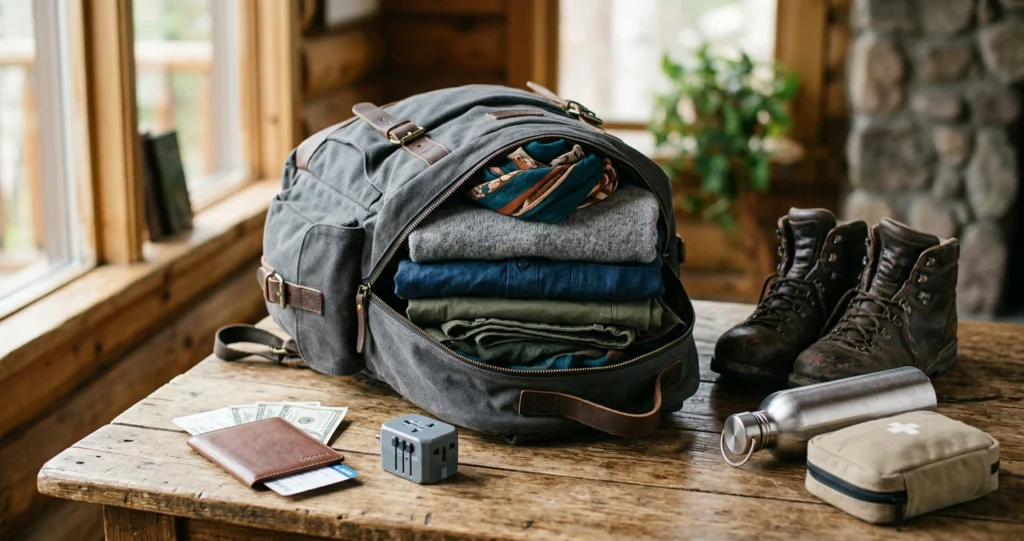
- Central Asia swings from desert heat near 40 C to freezing mountain passes, so pack layers you can add and remove through a single day.
- For mosques and madrasahs, carry a scarf to cover your head and clothing that covers shoulders and knees.
- The CDC notes altitude illness risk begins at sleeping altitudes of 2,450 metres and higher, which several Central Asian routes cross.
- Bring enough cash in US dollars, a type C or F plug adapter, and an offline map, since card use and signal can be patchy.
- A compact health kit, sun protection and broken-in footwear handle most situations across all five countries.
Pack for two climates at once: desert heat that can push toward 40 C in summer and mountain cold that drops below freezing on high passes. Knowing what to pack for Central Asia comes down to flexible layers, modest clothing for sacred sites, and a small kit of documents, cash and health items that keep a long Silk Road trip running smoothly.
This checklist walks through clothing, dress etiquette, paperwork, health and trekking gear for Uzbekistan, Kazakhstan, Kyrgyzstan, Tajikistan and Turkmenistan. Use it as a starting point, then trim to match your route and season.
What to Pack for Central Asia's Desert Heat and Mountain Cold
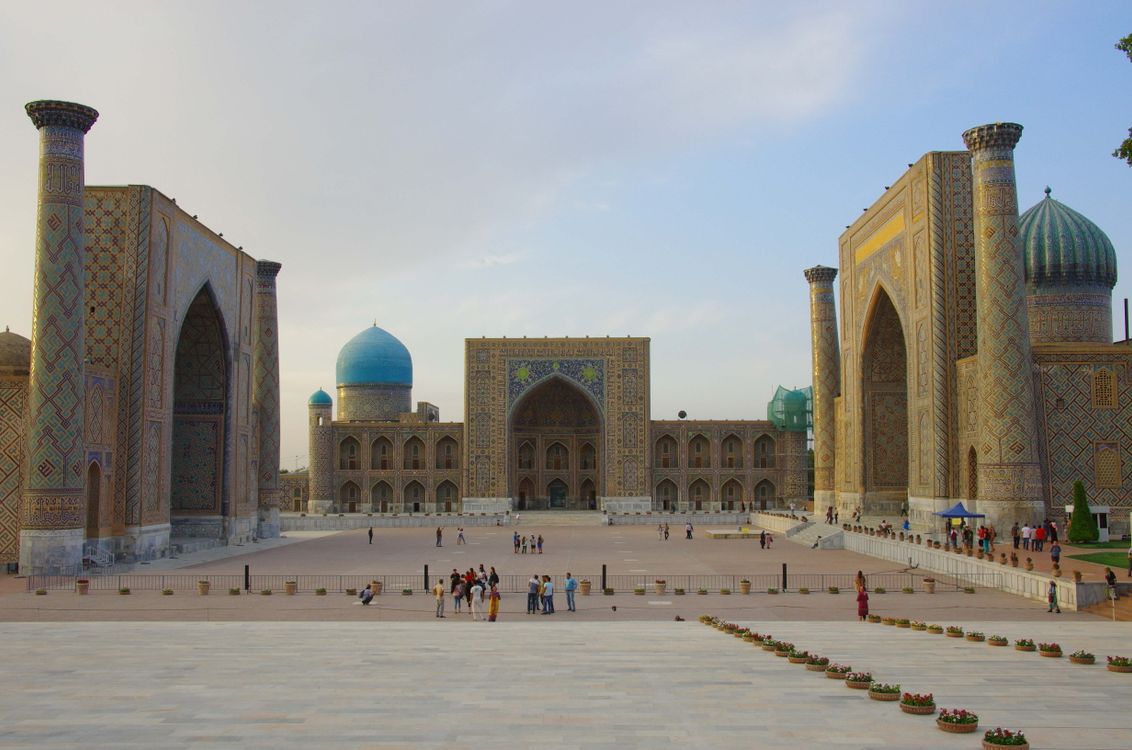
The single hardest part of packing for Central Asia is the temperature range. A morning in a Samarkand bazaar can feel like a sauna, while a night at a mountain lake can leave frost on your tent. The answer is layering, not more clothes.
Build around breathable base layers in natural or technical fabrics. Loose, light-coloured cotton or linen handles desert cities like Bukhara and Khiva, where summer highs sit in the high 30s. A wide-brim hat, sunglasses and high-SPF sunscreen matter as much as any shirt.
For the mountains, add insulation. A fleece or light down jacket, a warm hat, gloves and a windproof shell cover cold evenings and high passes. Even in summer, nights above 3,000 metres get cold. If your trip mixes both worlds, as many Silk Road itineraries do, you need the desert and the mountain kit in the same bag.
Season matters too. Spring and autumn are gentler across the region, while July and August bring fierce lowland heat. Our best time to visit Uzbekistan guide breaks the year down month by month so you can match your packing to the weather you will actually meet.
A short packing core for clothing:
- Two or three breathable tops and loose trousers
- One fleece or light down jacket
- A windproof, water-resistant shell
- Warm hat, sun hat, gloves and a buff or scarf
- Comfortable walking shoes already broken in
What Should You Wear at Mosques and Madrasahs?
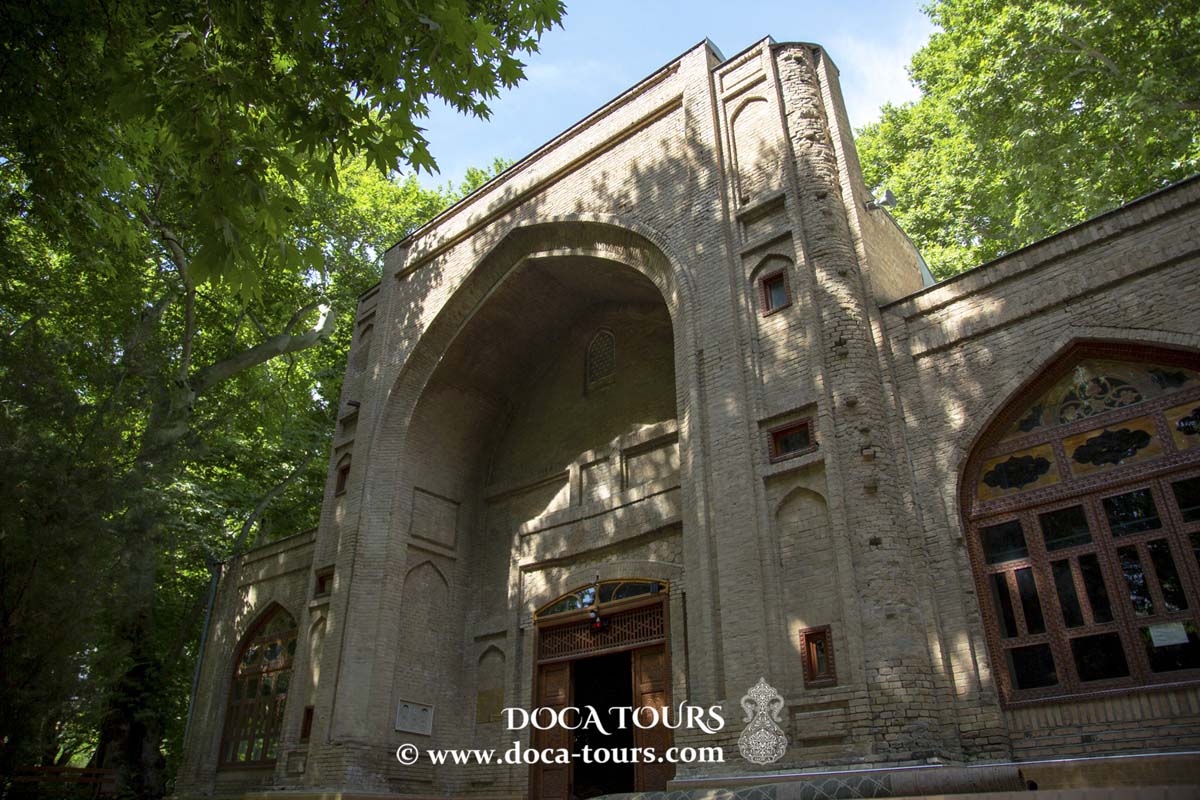
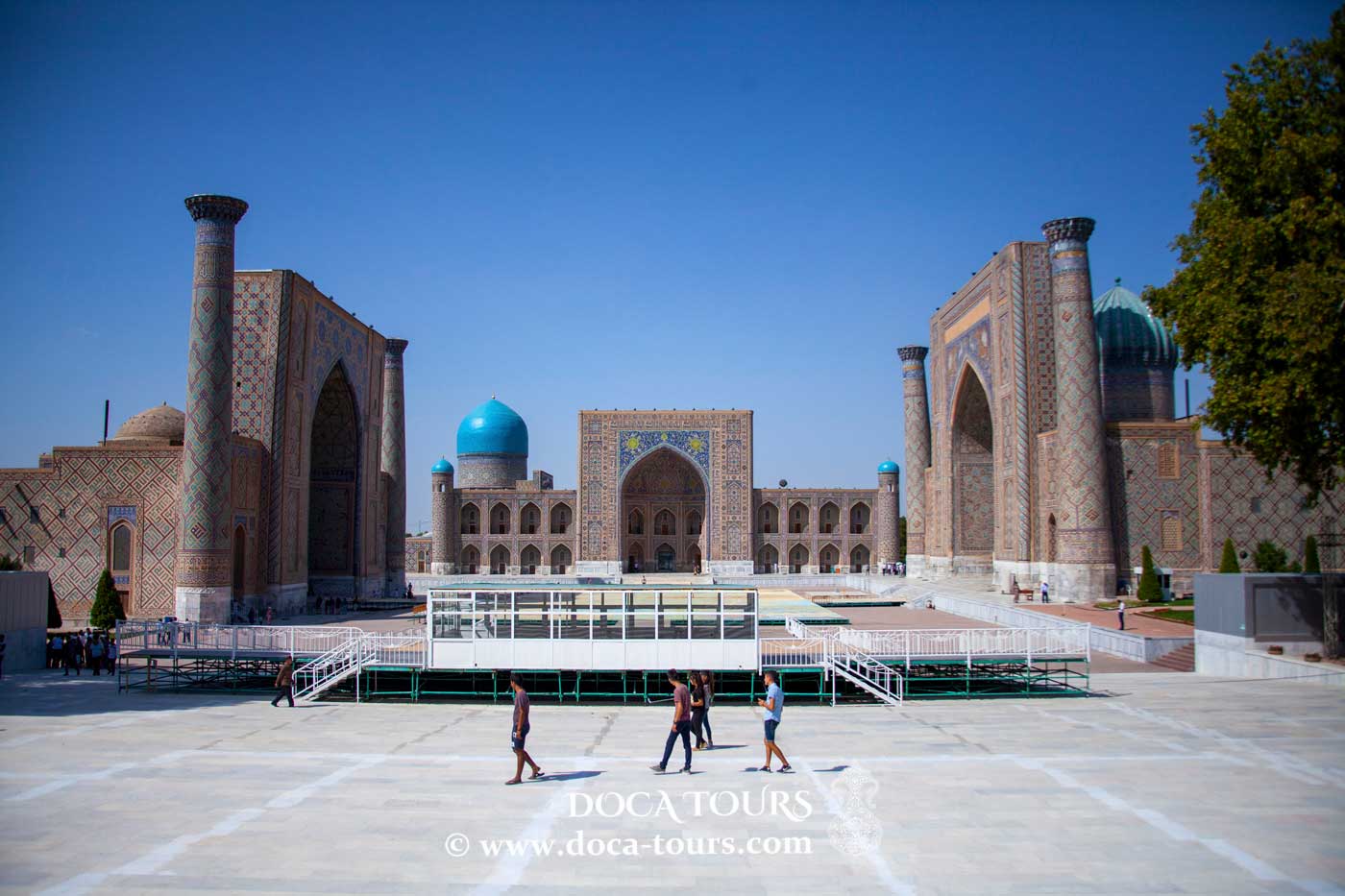
Central Asia sits at the heart of the Islamic world's architectural history, and many of its headline sites are active places of worship. Dress modestly at mosques, shrines and madrasahs: cover shoulders and knees, and keep clothing loose rather than tight.
Women should carry a lightweight scarf to cover the head when entering a working mosque or shrine. A scarf folds into nothing and doubles as sun protection in the desert, so it earns its place in any bag. Men should avoid shorts and sleeveless tops at religious sites.
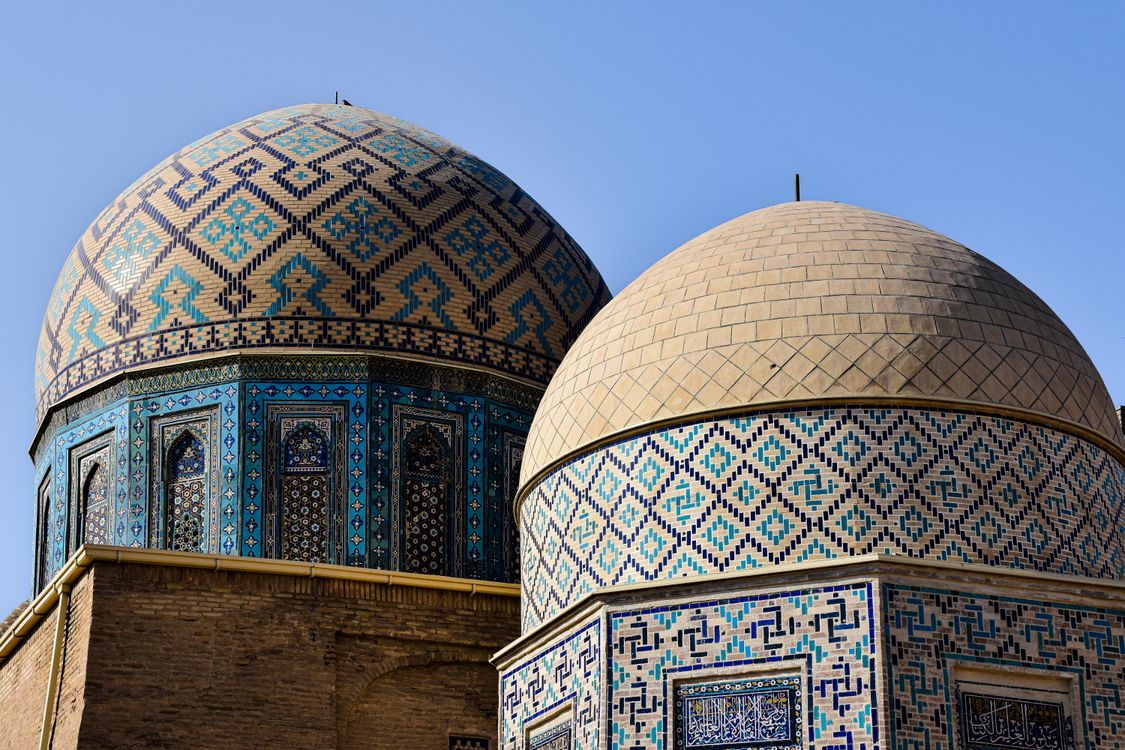
Everyday street dress is relaxed in most cities, and you will see locals in a full range of styles. The courtesy is situational: dress up your modesty when you step into a sacred space, then dress for the climate the rest of the time. Slip-on shoes help, since you remove footwear before entering many prayer halls and shrines.
Which Documents, Cash and Devices Are Essential?
Carry your passport, printed and digital copies of key bookings, any required visas, and travel insurance details. Keep a photo of your passport in your phone and a paper copy in a separate bag, so one lost item does not strand you.
Cash is king across much of the region. Bring enough US dollars in clean, uncreased notes to cover bazaars, shared taxis and rural guesthouses, where cards are rarely accepted. City hotels and larger restaurants take cards, but do not count on them once you leave the main centres. Small denominations help with tipping and market haggling.
For connectivity, the region runs on 220 volts with type C and F round-pin sockets, so a single European-style adapter covers all five countries. Most modern chargers handle the voltage without a converter. A local SIM or eSIM, downloaded offline maps and a power bank keep you moving when signal fades in the mountains and deserts.
Entry rules differ by country and change often, so check them before you book flights. Many travellers underestimate how much the paperwork varies between the five states.
A quick documents and tech list:
- Passport, visas and printed booking copies
- Travel insurance that covers high altitude and trekking
- US dollars in small, clean notes plus one bank card
- Type C or F plug adapter and a power bank
- Offline maps and a local SIM or eSIM
How Do You Plan a Health Kit and Handle Altitude?
Pack a compact health kit and take altitude seriously on high routes. Rehydration salts, basic painkillers, plasters, blister care, sunscreen, lip balm and any personal prescriptions cover the everyday. Stomach remedies are worth their weight after a few bazaar meals.
Altitude is the part most first-timers overlook. The CDC reports that altitude illness can begin at sleeping altitudes of 2,450 metres and higher, and advises against going directly from low ground to a sleeping altitude above 2,750 metres in a single day (CDC Yellow Book, High-Altitude Travel and Altitude Illness, 2026). Several Central Asian routes, from Kyrgyz mountain lakes to the Pamir passes of Tajikistan, cross that line.
The same CDC guidance recommends a graded ascent above 3,000 metres, moving your sleeping altitude up gradually rather than racing to the top in one push. Talk to your doctor before departure about acetazolamide if your itinerary gains height fast. Warm layers and good hydration do the rest.
Keep medicines in original packaging with a copy of any prescription, since some countries are strict about imported drugs. A thermometer and a small supply of face masks round out a sensible kit.
What Gear Do You Need for Trekking and Yurt Stays?
Pack for self-sufficiency when your trip includes mountains and nomad camps. A comfortable daypack, a reusable water bottle with a filter or purification tablets, a headlamp and a sleeping bag liner handle most conditions. Yurt camps provide bedding, but a liner adds warmth and a hygiene layer.
Footwear decides your comfort. Sturdy, broken-in trekking boots with ankle support suit the Tien Shan and Pamir, while lighter shoes work for valley walks. Trekking poles ease long descents, and gaiters help on scree and snow patches.
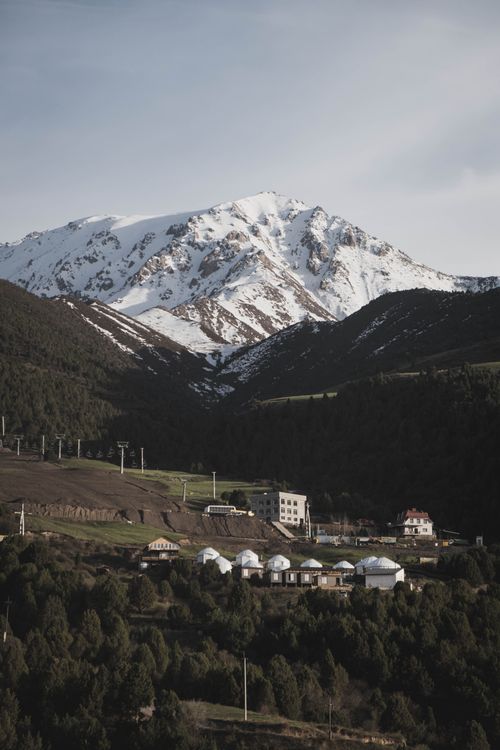
Mountain nights are cold even in high summer, so bring thermal layers, a warm hat and gloves alongside your rain shell. A power bank matters more here than anywhere, since yurt camps rarely have reliable electricity. Pack biodegradable soap, wet wipes and a quick-dry towel for places with no plumbing.
For a sense of what a nomad stay involves, our guide to yurt stays at Song-Kol Lake describes the setting, the altitude and the rhythm of camp life, which makes packing decisions much easier.
A trekking and yurt add-on list:
- Broken-in boots, poles and a daypack
- Sleeping bag liner and quick-dry towel
- Water filter or purification tablets
- Headlamp, power bank and spare batteries
- Thermal layers, warm hat and gloves
Pulling Your Central Asia Packing List Together
The through-line is adaptability. One bag has to serve 40-degree afternoons and sub-zero nights, bustling bazaars and silent mountain camps, so favour versatile layers over single-purpose items and leave slack for the things you will buy along the way.
Before you finalise anything, map your packing to your exact route and season, then confirm which days cross high ground. If you would rather hand the logistics to a team that runs these regions year-round, talk to the Doca Tours crew about a guided itinerary, and pack light knowing the on-the-ground details are handled.
Frequently asked questions
Do I need to cover my head in Central Asia?
Women should carry a scarf to cover the head when entering a working mosque or shrine. On the street, everyday clothing is fine in most cities, though modest dress is appreciated.
What is the best footwear for a Central Asia trip?
Bring one pair of broken-in walking shoes for cities and cobbled old towns, plus sturdy trekking boots if your trip includes mountains or yurt stays in Kyrgyzstan or Tajikistan.
Can I pay by card or do I need cash?
Carry enough cash, ideally clean US dollars, to cover bazaars, taxis and rural stops. Cards work in larger hotels and city restaurants, but acceptance drops fast outside the main centres.
Do I need an altitude sickness plan?
If your route crosses high passes, yes. The CDC advises a graded ascent and discussing acetazolamide with a doctor before you travel. Pack warm layers for the cold that comes with elevation.
What power adapter works in Central Asia?
The region runs on 220 volts with type C and F round-pin sockets. A single European-style adapter covers all five countries, and most phone and laptop chargers handle the voltage without a converter.