

























Key takeaways
- Navruz marks the spring equinox around March 21 and is a public holiday in Uzbekistan, Kazakhstan, Kyrgyzstan, Tajikistan and Turkmenistan.
- UNESCO inscribed Nowruz on its Representative List of the Intangible Cultural Heritage of Humanity in 2009, with the multinational inscription extended in 2016.
- The dish sumalak, made from sprouted wheat and cooked overnight by whole communities, is the signature food of the holiday.
- Celebrations run for several days, so a trip timed to mid-to-late March gives travellers the best chance to join the festivities.
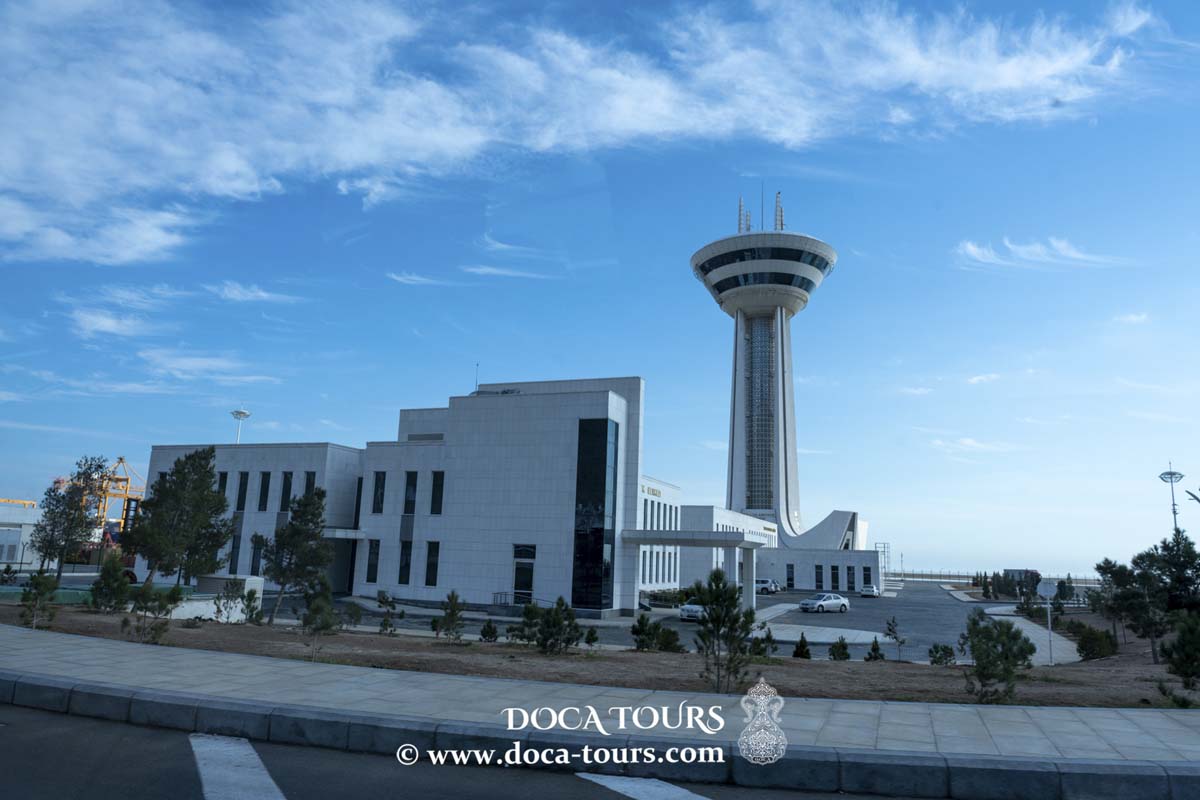
The Navruz festival is the spring new year celebrated across Central Asia on 21 March, when families gather to cook sumalak, musicians fill the squares, and whole towns turn out to welcome the first day of the warm season. For a traveller, it is an excellent opportunity to experience Uzbekistan, Kazakhstan, Kyrgyzstan, Tajikistan and Turkmenistan at their most open and festive, with public holidays and streets filled with colour.
The holiday is ancient and deeply shared. Nowruz, the wider name for the festival, is celebrated by millions of people worldwide. UNESCO inscribed it on its Representative List of the Intangible Cultural Heritage of Humanity in 2009, with the multinational listing extended in 2016. Read more on the official UNESCO Nowruz page and the United Nations International Nowruz Day page.
This guide explains where Navruz comes from, how each of the five Stans celebrates it, what you will eat, what you will see, and how to plan a trip around it. If you are considering a journey through the region, explore the DOCA TOURS website for inspiration and information about travelling across Central Asia.
The Origins and Meaning of Navruz
Navruz means “new day” in Persian, and that is exactly what it marks: the astronomical first day of spring, when day and night are approximately equal at the equinox. The name is spelled in different ways across the region, including Navruz, Nauryz, Nooruz and Nowruz, but the meaning remains the same across borders.
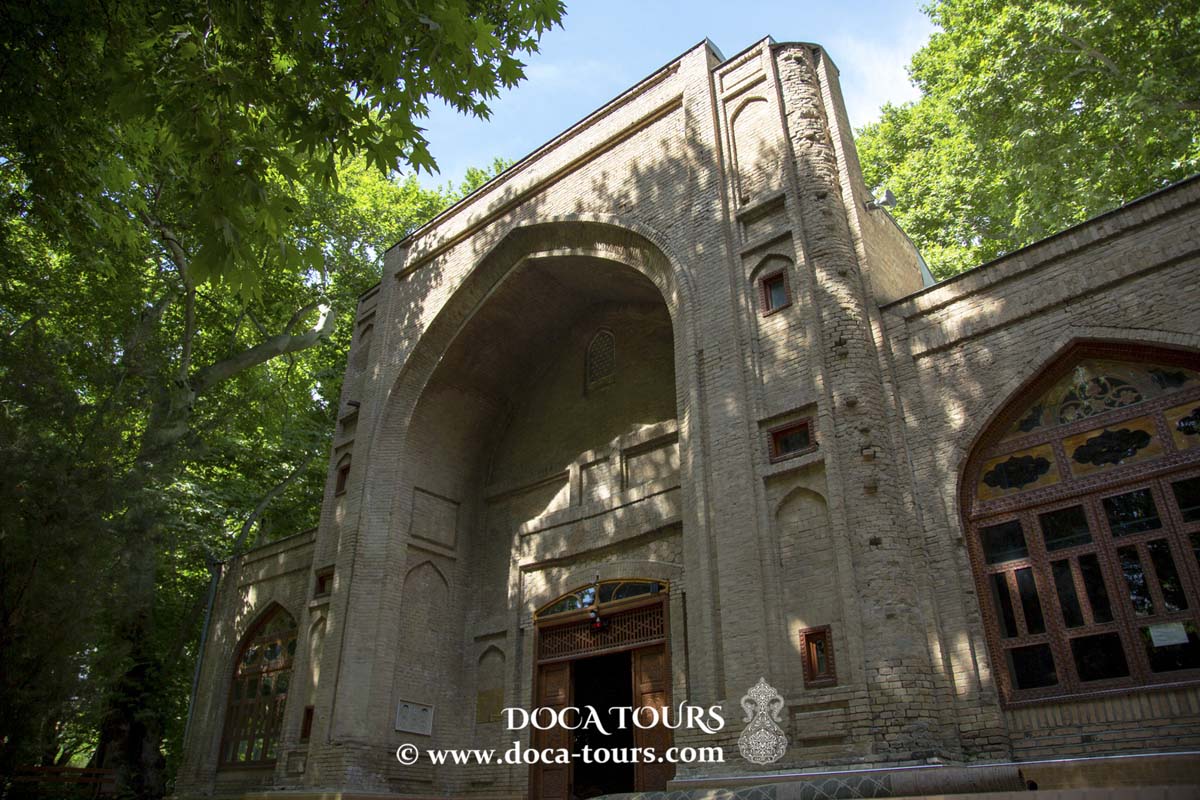
Its roots reach back thousands of years to ancient Persian traditions and Zoroastrianism, which existed long before Islam arrived in Central Asia. The festival has survived empires, conquests and the Soviet era, when it was discouraged in various places, and returned to public life after the Central Asian republics gained independence. Today, Navruz is widely celebrated as a cultural and seasonal new year by people from different religious and cultural backgrounds.
The spirit of the day is renewal. Homes are cleaned from top to bottom, debts are settled, quarrels are set aside, and tables are laid for neighbours and relatives. Wheat sprouts grown on windowsills symbolise the return of green life to the land.
If you want to explore the historical connections between the peoples of the region, read our guide to the history of the Silk Road. The ancient trade routes connected communities across Central Asia and helped ideas, customs, goods and traditions travel between different cultures.
How the Five Stans Mark the Holiday
Navruz is a public holiday in all five Central Asian countries, and celebrations traditionally centre on 21 March, although the timing and programme of public events vary by location.
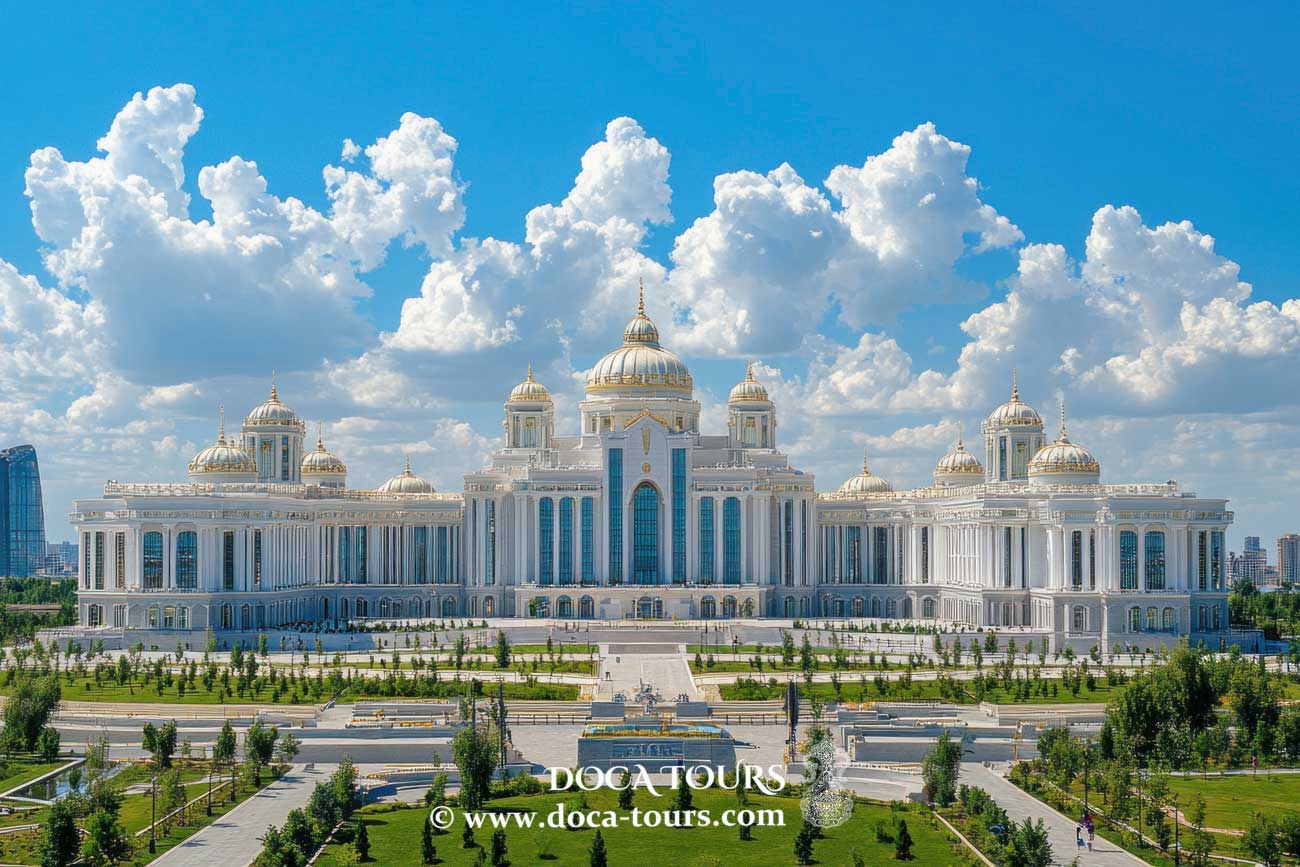
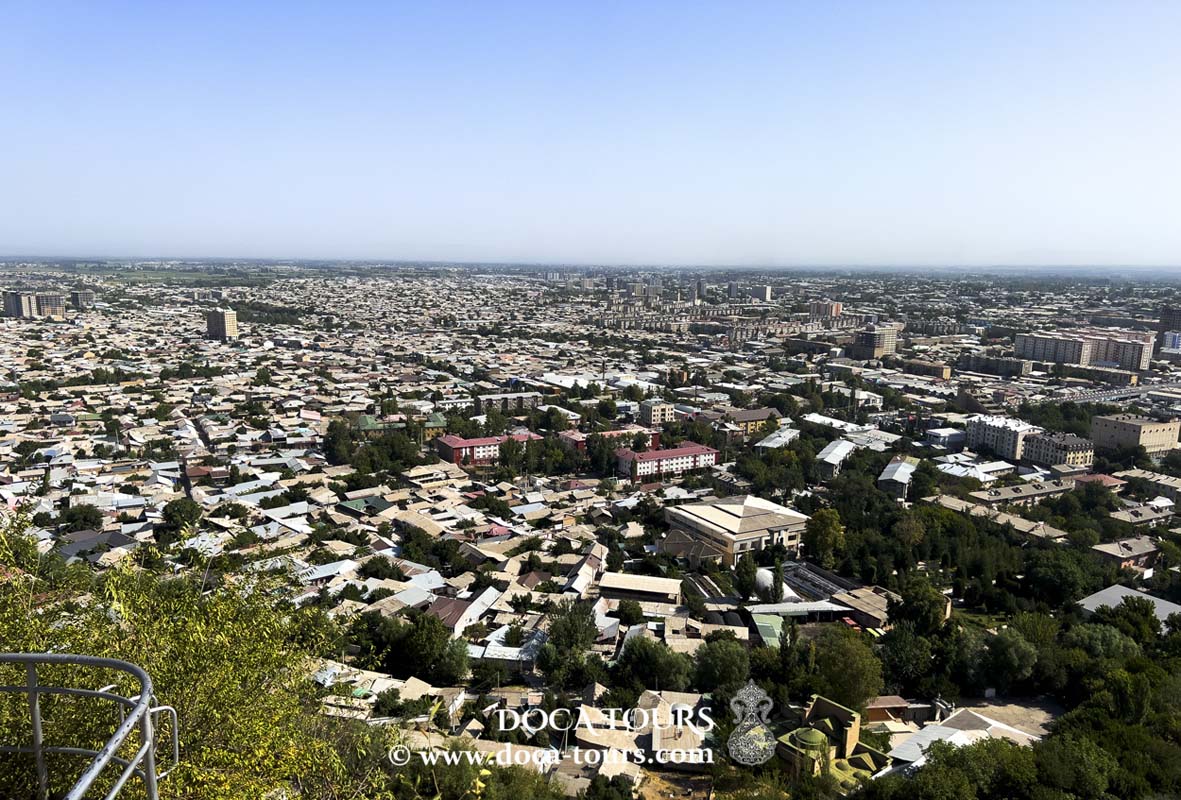
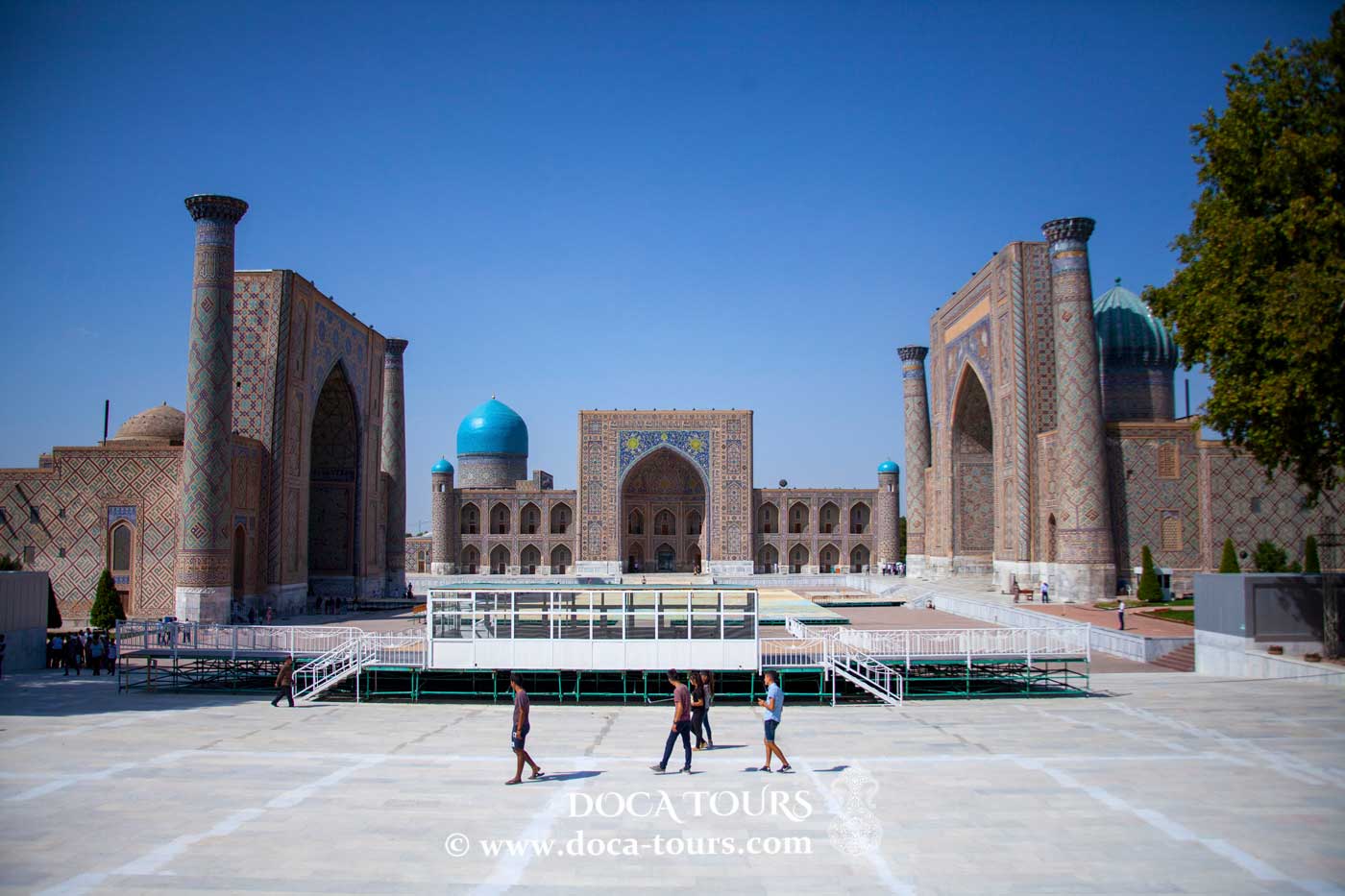
Uzbekistan stages major public celebrations. Squares in Tashkent, Samarkand and Bukhara host concerts, food stalls and folk performances, while preparing sumalak becomes a neighbourhood event in its own right. The region’s historic cities provide a dramatic setting for the festivities.
Visitors planning a spring holiday can explore our Central Asia destination guide or browse the DOCA TOURS website to discover travel possibilities across Uzbekistan and neighbouring countries.
Kazakhstan calls the holiday Nauryz and treats it as one of the most important dates on the calendar. Cities may set up festival yurts in public parks, families serve the traditional soup Nauryz kozhe, and horseback games and other cultural activities bring people together.
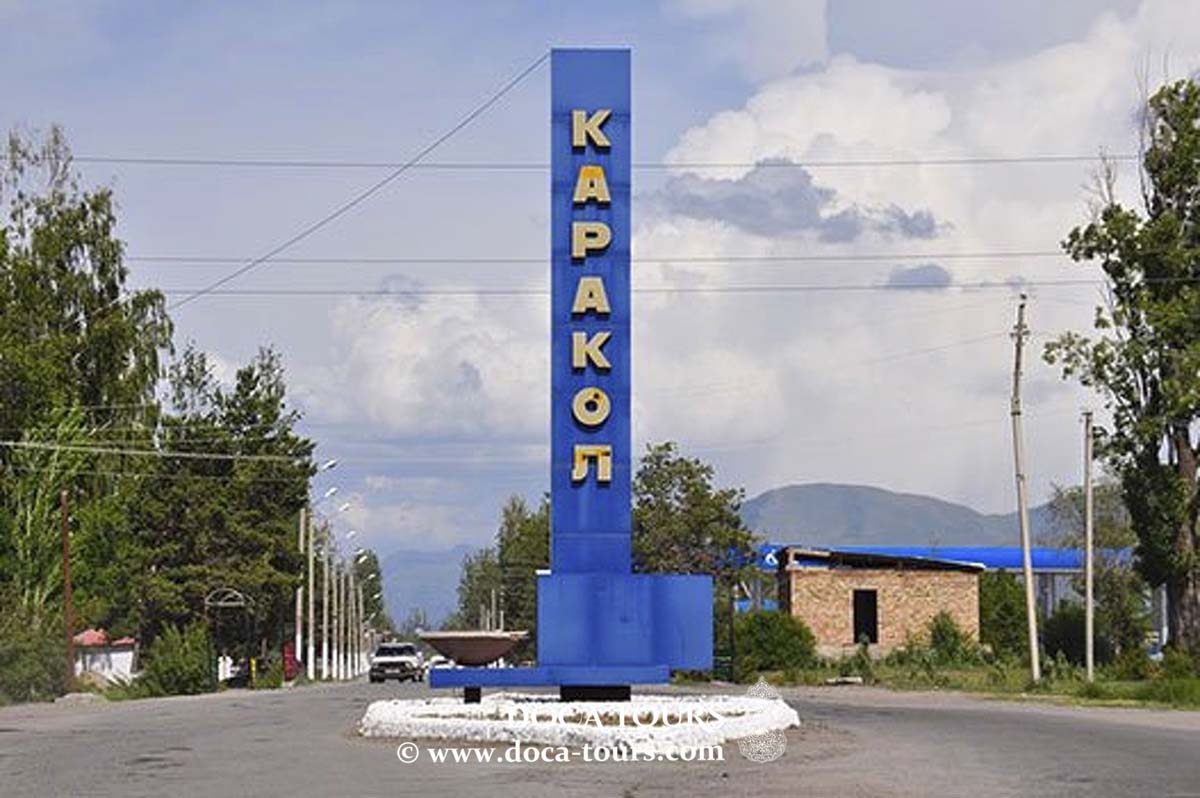
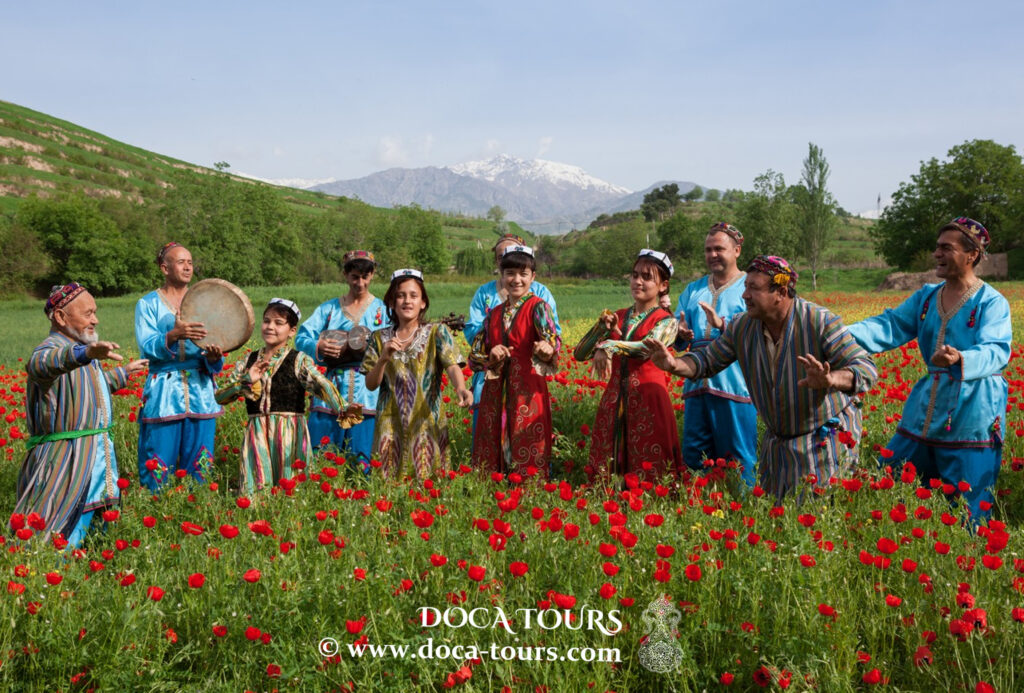
Kyrgyzstan blends the festival with its nomadic heritage. Depending on the location and annual programme, visitors may encounter yurts, traditional games, folk performances and celebrations set against spectacular mountain landscapes.
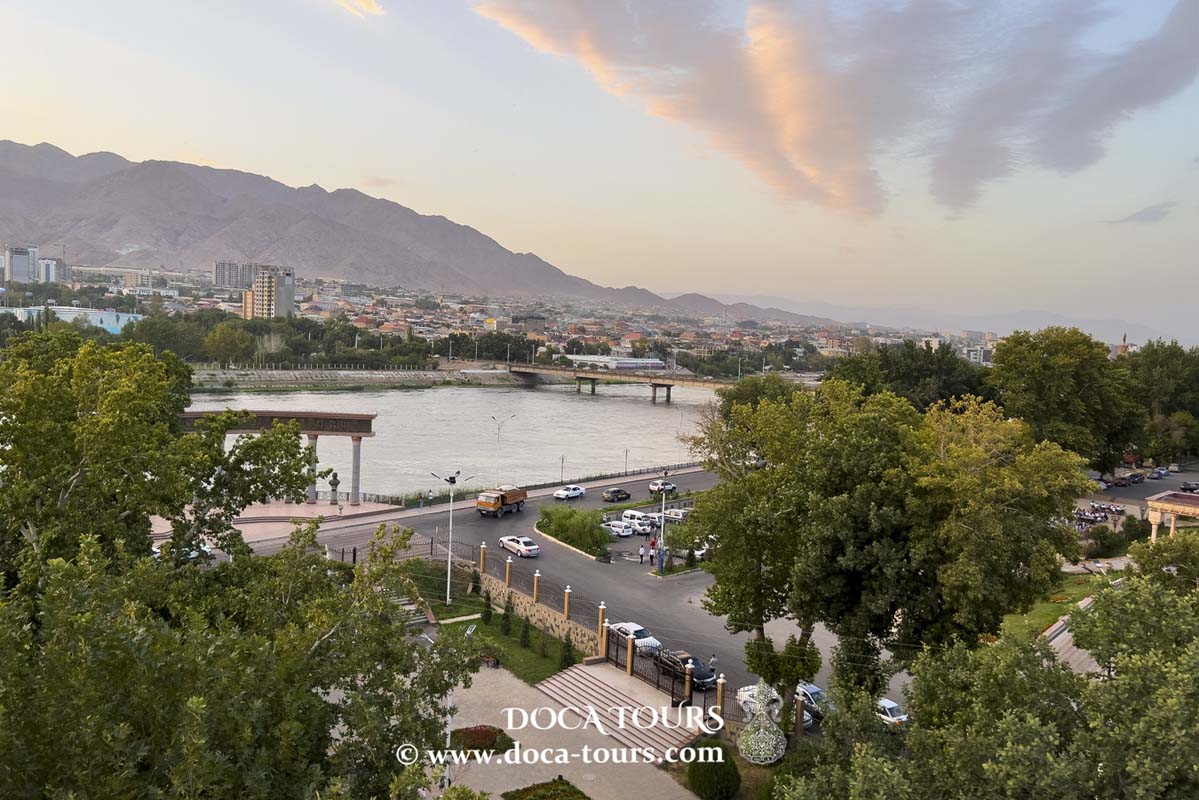
Tajikistan holds public celebrations featuring traditional music, dance, community gatherings and sporting events. The holiday reflects the country’s strong Persian cultural heritage and its longstanding connections with other Nowruz-celebrating communities.
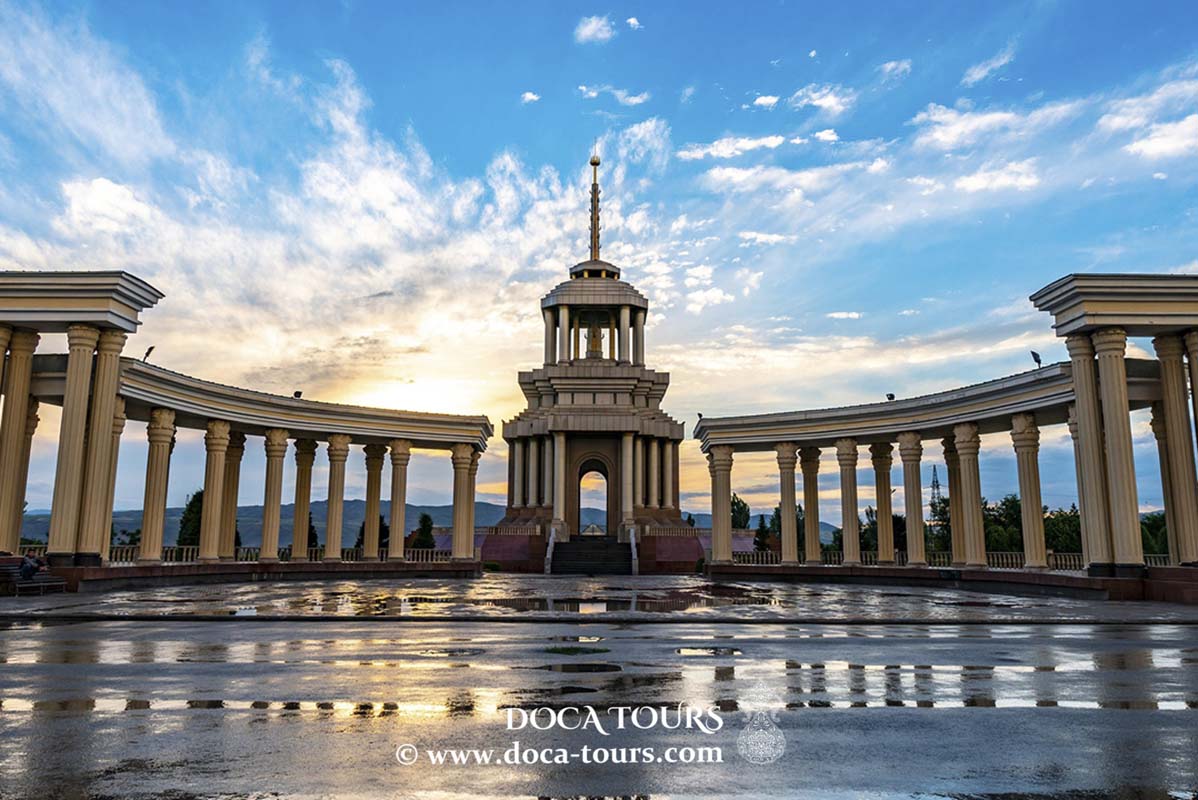
Turkmenistan marks the day with concerts, folk games and open-air celebrations, often organised through public cultural programmes.
Wherever you are, the common thread is food shared in public and a willingness to welcome others into the celebration. The scale and format of events differ from town to town, so checking local programmes before travelling is worthwhile.
Traditional Foods: Sumalak and the Festive Table
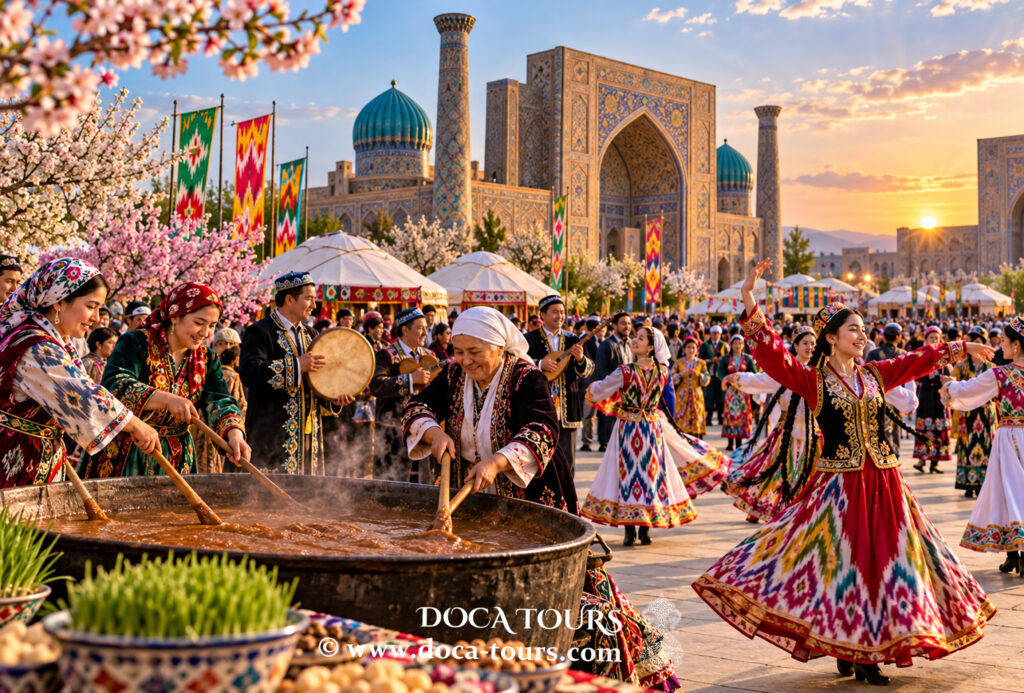
No dish carries Navruz quite like sumalak. It is a thick, sweet paste made from germinated wheat and cooked for many hours in a large cauldron over a fire. The work is communal. People take turns stirring through the night, singing and talking to keep one another going. Small stones or nuts are sometimes placed in the cauldron to help prevent the mixture from sticking. According to local tradition, finding a small stone in your serving may bring good luck or grant a wish.
The rest of the festive table is generous. In Kazakhstan, Nauryz kozhe is a traditional soup prepared with seven ingredients, a number associated with abundance and good fortune. Across Central Asia, you may also encounter halim, a slow-cooked dish made with wheat and meat, alongside plov, samsa, flatbreads, dried fruit and nuts.
If you want to discover more about the region’s culinary traditions before your trip, read our guide to Central Asian cuisine and the dishes every traveller should try.
The point of the food is sharing. Dishes travel between houses, and visitors may be invited to taste local specialities wherever they are welcomed. Accepting a cup of tea or a small serving of traditional food is a lovely way to experience Central Asian hospitality.
https://www.youtube.com/watch?v=HVSxVF5neAk
Music, Games and Street Festivities
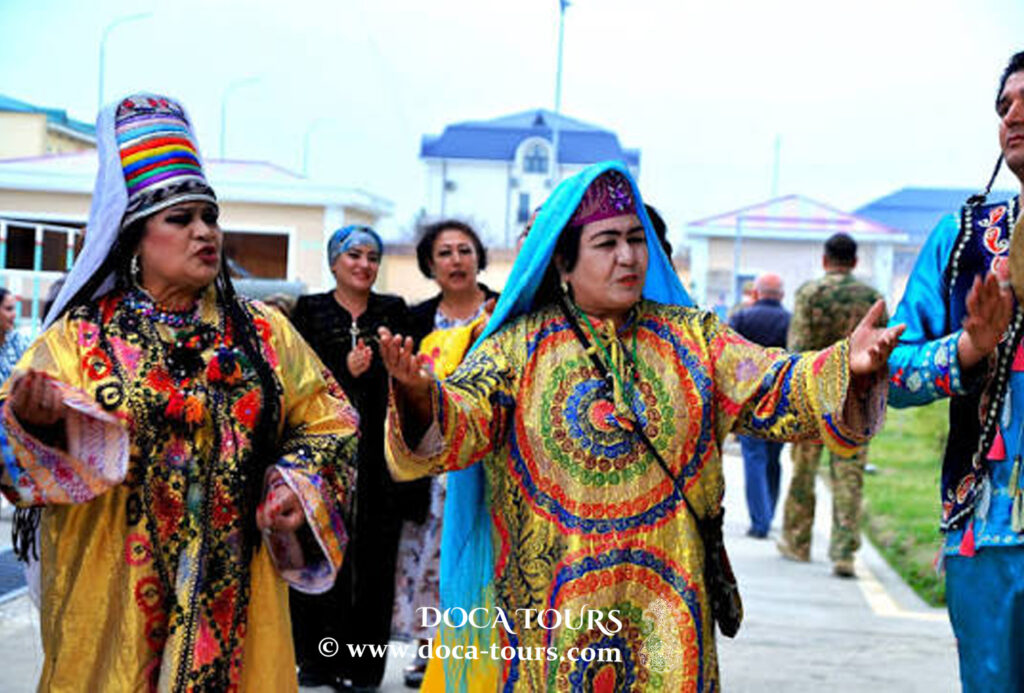
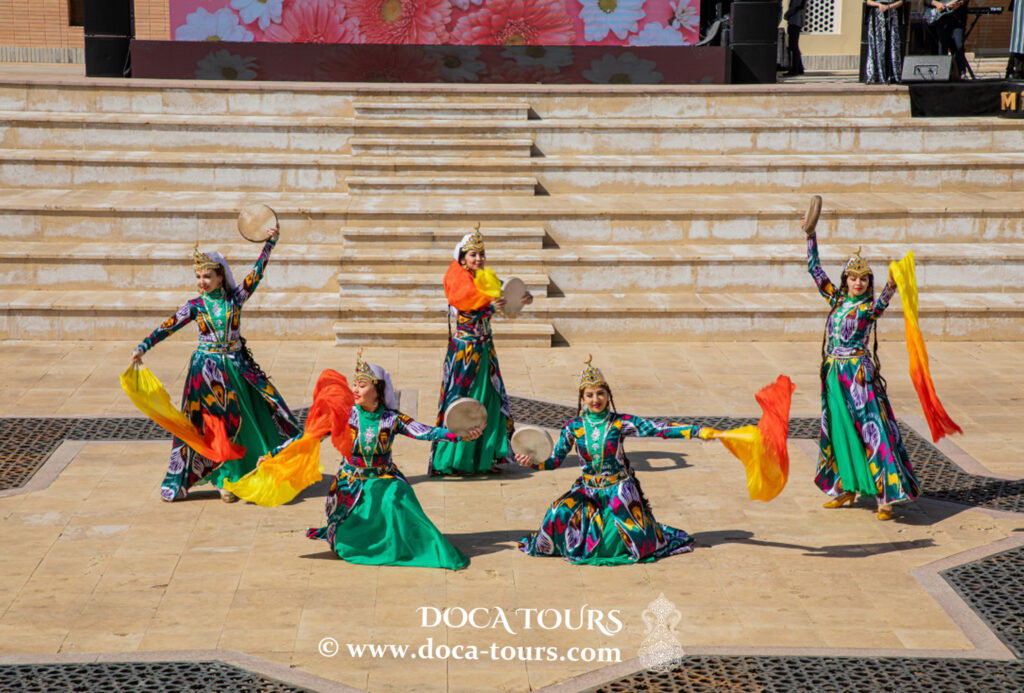
Navruz spills out of the home and into the street. Public squares host live music, folk dancing and performances by children in bright traditional dress. In historic cities, the architecture adds to the atmosphere: a concert set against the backdrop of tiled madrasahs and monumental squares can be a memorable sight.
Traditional games are another important part of the spectacle. One of the region’s best-known horseback competitions is kok-boru, also known in some contexts as buzkashi. Riders compete in a demanding contest involving a goat carcass or a weighted substitute, depending on the rules and local tradition. The game requires considerable horsemanship and attracts enthusiastic crowds.
Other festivities may include wrestling, tug of war, folk games, music, dancing and performances by traditional entertainers. The exact programme varies, so not every activity will be available in every destination.
For travellers, the atmosphere is part of the appeal. People dress for the occasion, gather with family and friends, and often enjoy explaining their traditions to visitors. Navruz offers an opportunity to experience local culture beyond the usual sightseeing stops.
To discover more ways to experience the region’s living traditions, explore the travel services offered by DOCA TOURS, including private journeys and tailor-made cultural experiences across Central Asia.
Planning a Trip Around Navruz in March
March can be a rewarding month to travel through Central Asia. Spring begins to transform the landscapes, temperatures are often milder than in summer, and Navruz adds a special cultural dimension to the journey. However, weather conditions vary considerably between cities, deserts and mountain regions, so it is important to plan your route according to the destinations you want to visit.
Navruz can also be a busy travel period. Local residents travel to visit relatives, and popular destinations may experience increased demand for accommodation and transport. Book your hotels, guides, drivers and intercity transport well in advance, especially if you plan to visit several cities during the holiday.
A few practical notes: the main celebration takes place around 20 or 21 March, but festivities may continue for several days on either side. Aim to spend the third week of March in the region rather than planning your entire experience around a single date. Pack for cool evenings and potentially warmer afternoons, and check the forecast for each destination.
Public holidays may affect the opening hours of government offices, banks, museums, shops and other services. Check opening times before your visit and arrange any necessary travel documents, cash and transport in advance.
Because some Navruz traditions take place in homes, courtyards and neighbourhood gatherings, a knowledgeable local guide can help you understand the customs and identify public celebrations that visitors can respectfully attend. A carefully planned journey with DOCA TOURS can combine historic Silk Road cities, local cuisine, cultural experiences and the landscapes of Central Asia.
Every year’s celebrations are different, and access to private family gatherings cannot be guaranteed. For the best experience, ask your tour operator which towns are expected to host public events during your travel dates.
If Navruz is the main reason for your visit, build the rest of your itinerary around the festival. Choose your destinations, reserve accommodation for the third week of March, and check local event programmes as your departure approaches. Planning ahead can turn a spring visit into a memorable introduction to Central Asia’s rich cultural heritage.
Ready to plan your trip? Discover our Central Asia tours, learn more about DOCA TOURS and our local expertise, or contact our team to discuss a tailor-made itinerary.
Frequently Asked Questions
When is the Navruz festival celebrated?
Navruz falls on the spring equinox, usually on 20 or 21 March. In Central Asia, the main celebrations traditionally take place on 21 March, with additional festivities organised before or after the date depending on local customs and public programmes.
Which countries celebrate Navruz?
All five Central Asian countries celebrate Navruz as a public holiday: Uzbekistan, Kazakhstan, Kyrgyzstan, Tajikistan and Turkmenistan. The festival is also observed in many other countries across the Middle East, South Asia, the Caucasus and beyond. For further information, consult the UNESCO overview of Nowruz.
What is sumalak?
Sumalak is a thick, sweet food made from germinated wheat and slow-cooked for many hours in a large cauldron. Communities traditionally prepare it together, often stirring throughout the night while singing, talking and sharing stories.
Is Navruz a religious holiday?
Navruz has historical connections with ancient Persian traditions and Zoroastrianism. Today, it is widely celebrated as a cultural and seasonal new year by people of different religious backgrounds. Its emphasis on renewal, hospitality and community makes it an important shared tradition across many countries.
Is March a good time to visit Central Asia?
March can be an excellent time to visit Central Asia, particularly if you want to experience Navruz celebrations. Spring brings changing landscapes and generally milder conditions than the height of summer, although temperatures vary by destination. Plan for cool evenings, check local weather forecasts and book popular services in advance.
Can I experience Navruz during a private tour of Uzbekistan?
Yes. A private tour can be planned around public Navruz celebrations, local food experiences and sightseeing in destinations such as Samarkand, Bukhara and Tashkent. The exact experiences available depend on the dates, local programmes and access arrangements. Contact DOCA TOURS to discuss a tailor-made itinerary.
How can I plan a Navruz trip across Central Asia?
Start by choosing the countries and cities you want to visit, then confirm your travel dates, accommodation and transport. Because the holiday can increase demand for popular services, early planning is recommended. Explore the Central Asia destination guide and DOCA TOURS travel services for inspiration, or contact our team for assistance with your itinerary.