
























Key takeaways
- Song-Kol lake sits at 3,016 meters and is the classic destination for multi-day horse riding tours in Kyrgyzstan.
- Most tours accept complete beginners, pairing nervous riders with calm, surefooted mountain horses and a guide who leads the pace.
- July and August give the warmest, driest conditions on the high pastures, when yurt camps are fully set up and trails are clear of snow.
- Overnight trips stay in working yurt camps, a living tradition recognised on UNESCO's intangible heritage list.
The best horse riding tours in Kyrgyzstan take you across high alpine pastures to Song-Kol lake, a route built for riders of any ability. You join a small group, ride a calm mountain-bred horse, and sleep in yurt camps run by herder families, with a local guide setting the pace and handling the logistics.
Kyrgyzstan is one of the few places where horseback travel remains a working part of daily life. Herders move their animals up to summer pastures, cover ground on horse, and host travellers in the same yurts they live in. That daily reality is what gives a riding trip here its weight.
This guide walks through the nomadic riding tradition, the most popular routes, what beginners can expect, how overnight camps work, and the best months to go.
Why Kyrgyzstan Is Built for Horseback Travel
Kyrgyzstan sits almost entirely in the Tian Shan range, and for centuries the horse was the only practical way to cross it. The country's national epic, the Manas trilogy, was inscribed on UNESCO's Representative List of the Intangible Cultural Heritage of Humanity in 2013, and it is a horseback saga at heart (UNESCO, 2013). Riding here connects you to that living culture.
Horses still shape the summer rhythm of the high country. Families drive their herds up to the jailoo, the seasonal alpine pastures, and spend the warm months there. Visitors ride the same trails herders use to check on animals and visit neighbouring camps.
The horses themselves are the reason beginners can do this. Kyrgyz mountain horses are small, steady and surefooted, bred over generations to handle loose scree, river crossings and steep passes without panic. They read the terrain better than most riders ever could.
If you want the cultural background before you book, our guide to nomadic culture in Kyrgyzstan and Kazakhstan explains how herding life still works today.
Popular Horse Riding Tours in Kyrgyzstan: Routes to Song-Kol
Song-Kol lake is the headline destination, sitting at 3,016 meters above sea level and covering roughly 270 square kilometres, which makes it the largest freshwater lake in the country (Wikipedia, 2026). Its shoreline turns into a ring of yurt camps each summer, and most riding tours point here.
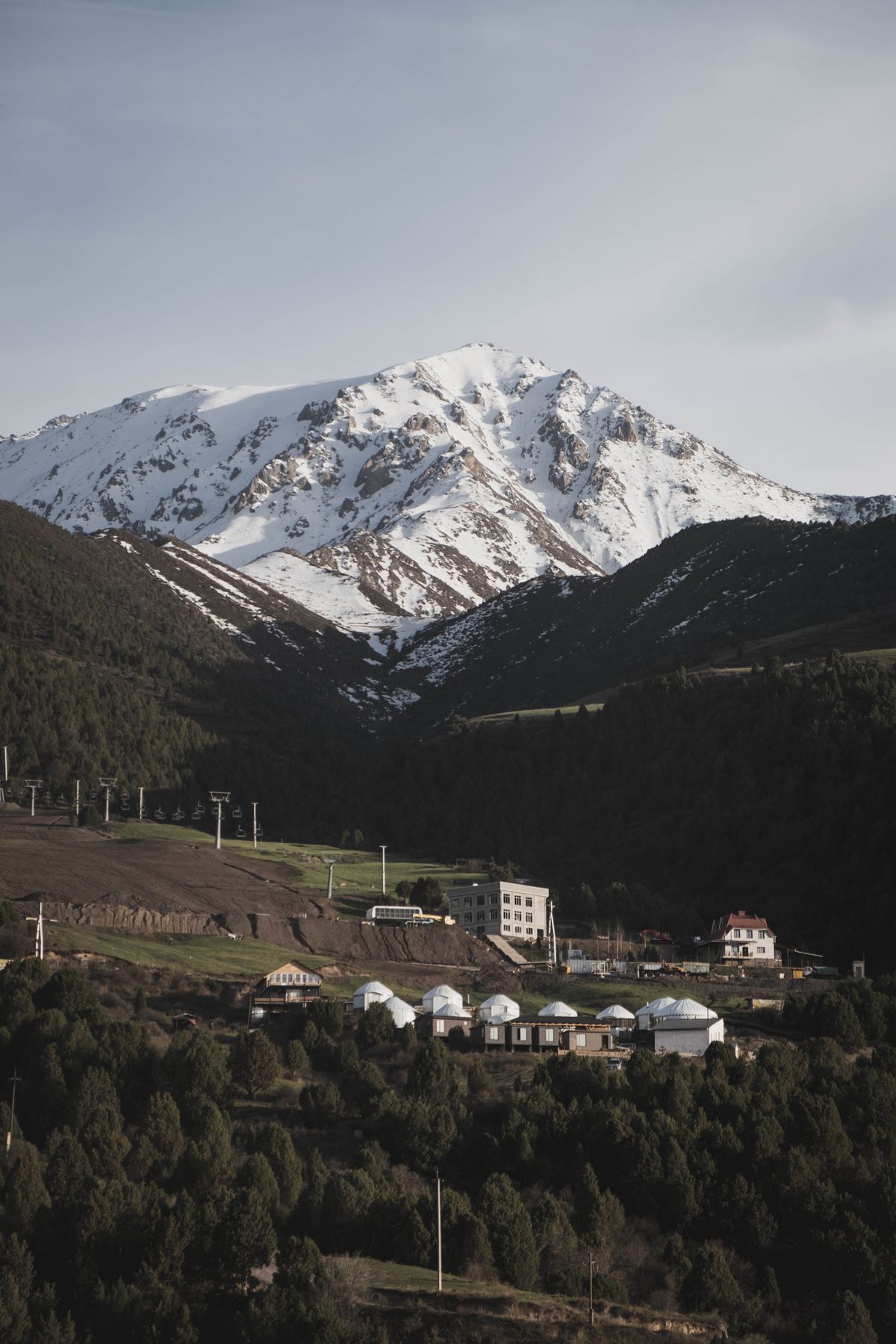
A typical Song-Kol ride starts from a village such as Kyzart or Juuku, climbs through juniper valleys, and crosses a high mountain pass before dropping to the lake. The classic loop runs two to three riding days, with each day covering a manageable stretch at a walking and trotting pace.
Song-Kol is also a serious wildlife area. It was designated an Important Bird Area in 2011 and is recognised as a Key Biodiversity Area of global significance (Wikipedia, 2026). Riders often spot large flocks on the water and marmots on the slopes.
For travellers who want to mix riding with walking, these same valleys overlap with the country's best trekking terrain. Our Kyrgyzstan hiking tours guide covers the trails that run alongside the horse routes.
What Beginners Should Know About Handling a Horse
A rider with no experience can complete a Song-Kol tour, because guides build the first day around teaching the basics. You learn how to mount, hold the reins, start, stop and steer before the real climbing begins. The horses are trained to follow the lead animal, so they largely do the hard thinking.
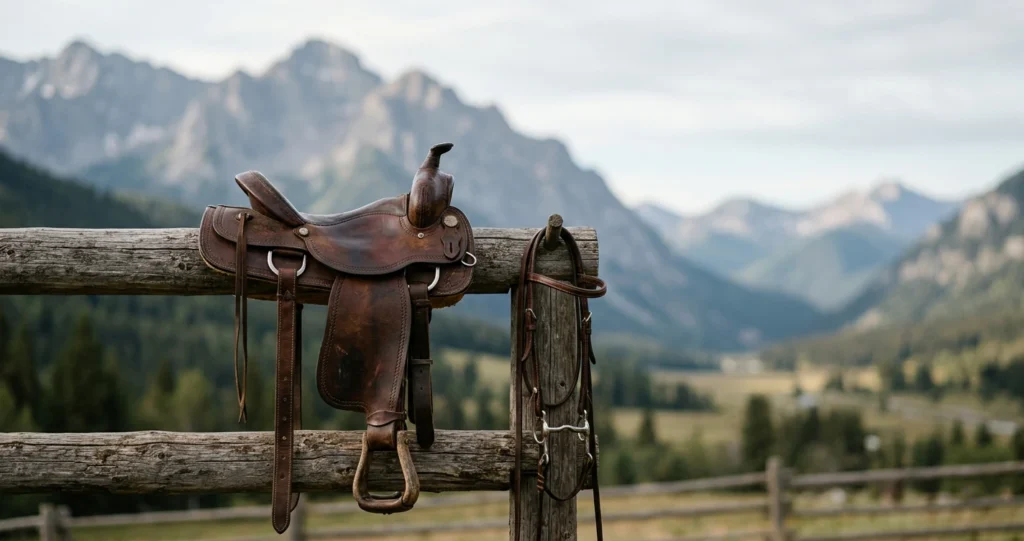
Comfort matters more than skill. Most saddles on these tours are traditional wooden-framed saddles softened with blankets, so riders often bring padded cycling shorts or ask about a modern saddle in advance. A short lesson on sitting correctly saves a lot of soreness later.
Doca Tours matches nervous first-timers with the calmest horses in the string and keeps groups small, so a guide can ride beside anyone who needs a hand. Experienced riders can request livelier horses and longer trotting stretches on the open pasture.
Fitness helps but does not need to be athletic. If you can spend four to six hours a day on a slow-moving horse and handle camp life at altitude, you are ready. First-time Central Asia travellers often find a guided riding tour the simplest way to reach this landscape without organising transport, horses and camps themselves.
How Yurt Camps and Overnight Riding Work
Overnight riding tours stay in working yurt camps rather than hotels, and that is the core of the experience. You sleep inside a traditional felt yurt on padded bedding, share meals cooked on a central stove, and wake up on the pasture. The yurt itself is a UNESCO-recognised craft: the knowledge and skills for making Kyrgyz yurts were inscribed on the intangible heritage list in 2014 (Wikipedia, 2026).
Camps are basic and honest. Expect a long-drop toilet, washing with water heated on the stove, and no mains electricity, though many camps now run small solar panels for charging a phone. Nights are cold even in midsummer because of the altitude, so a warm sleeping bag earns its weight.
Meals lean on what the herders produce: bread, fresh and fermented dairy, rice and meat dishes, and endless tea. Vegetarians can be accommodated with notice, but the menu is simple by design.
A practical note on logistics: your gear travels separately. Most tours use a support vehicle or pack horses to move duffel bags between camps, so you ride with only a daypack holding water, a layer and a camera.
When Is the Best Time to Saddle Up?
July and August are the best months for horse riding tours in Kyrgyzstan, because the high passes are clear of snow and the yurt camps are fully operational. Daytime riding is warm and the pastures are green, which is exactly when herder families occupy the jailoo.
June is a shoulder month. The valleys are at their greenest and wildflowers peak, but early-summer snow can still block the highest passes and some camps open late. Early September offers crisp, stable weather and thinner crowds, though nights near Song-Kol turn sharply colder.
Outside roughly mid-June to mid-September, high-altitude riding to Song-Kol is not practical. Snow closes the passes, the camps pack up, and the lake can freeze under a thick layer of ice. Lower-elevation day rides near Issyk-Kul run a little longer into the season.
Kyrgyzstan's wider tourism season has been growing fast, which means popular Song-Kol camps now fill in peak summer. Booking a riding tour a few months ahead is the safest way to secure the dates and camps you want.
Planning Your Ride
Pick your dates first, aim for July or August if this is your first mountain ride, then choose a two to three day Song-Kol loop that matches your comfort in the saddle. Tell your operator honestly how much riding you have done so they pair you with the right horse and set a realistic daily pace.
To turn this into a booked trip, send Doca Tours your travel window and group size, and ask for a Song-Kol riding itinerary with yurt-camp overnights. From there you can add trekking days, a cultural stop in the valleys, or transfers from Bishkek, and ride into the Tian Shan the way it has been crossed for centuries.
Frequently asked questions
Do I need riding experience to join a horse riding tour in Kyrgyzstan?
No. Most operators, including Doca Tours, welcome first-time riders and match them with calm, trained horses. You get a short lesson on handling and braking before the ride, and guides keep the pace slow on day one.
When is the best time for horse riding tours in Kyrgyzstan?
July and August are the safest bet for warm, dry days on the high pastures. June and early September also work, though nights near Song-Kol stay cold and some passes may still hold snow in early summer.
How high is Song-Kol lake?
Song-Kol sits at 3,016 meters above sea level and covers about 270 square kilometres, making it Kyrgyzstan's largest freshwater lake and a centrepiece of most riding itineraries.
Where do riders sleep on a multi-day horse trek?
Overnight trips stay in yurt camps run by herder families on the summer pastures. You sleep on felt mats and padded bedding inside a traditional felt yurt, with home-cooked meals shared around the stove.
How many hours a day will I spend in the saddle?
Plan for roughly four to six hours of riding per day on a standard tour, split by a lunch stop. Routes are built around a relaxed walking and trotting pace, not endurance racing.