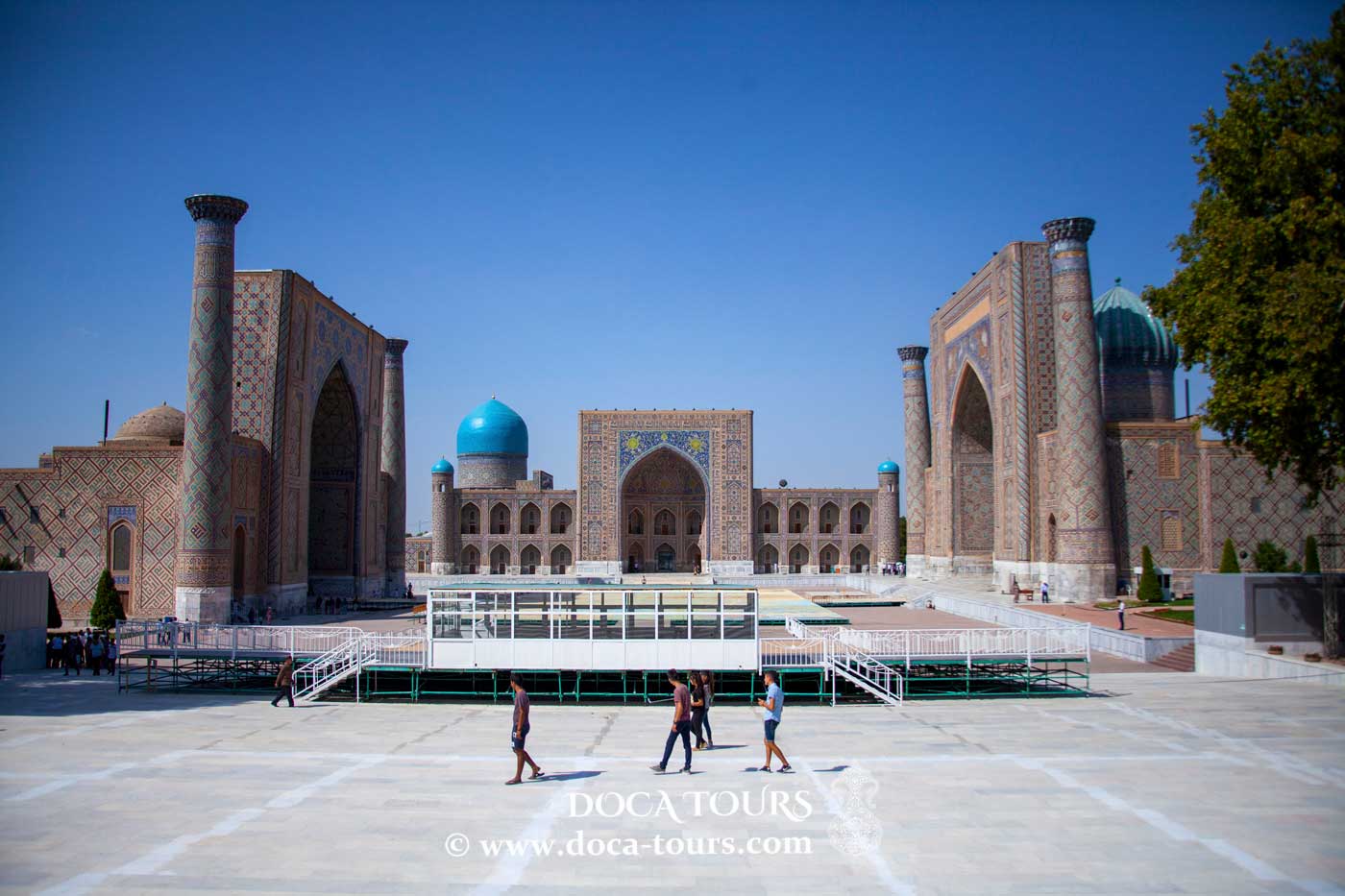
TURKESTAN
- Geographical coordinates: 43°17′N 68°16′E
- Area: 196,27 km2
- Former Names: Shavgar, Yassy
- Elevation: 214 m
- Common Languages: Kazakh, Russian
- Ethnic Groups: Kazakh, Uzbek, Russian, Turkey, Tatar, Korean
- Population: 164 746 (2019)
- Nationals: Kazakhs, Russians, Azerbaijanis, Karakalpaks, Uzbeks
- Time Zone: UTC+5
- Telephone Code: +7 72533
- Postal Codes: 161200
- Vehicle Registration Code: 13
Turkestan, also spelled Turkistan, is a historic region in Central Asia corresponding to the areas of Transoxiana and East Turkestan (Xinjiang). The region spans northwest China and extends northwestward beyond its borders, reaching as far as the eastern shores of the Caspian Sea. Turkestan is predominantly inhabited by Turkic peoples, along with Russian and Tajik-Persian minorities. It is traditionally divided into Afghan Turkestan, Russian Turkestan, and East Turkestan (Xinjiang Uyghur Autonomous Region in China).

Throughout history, the region has been conquered and reconquered by various groups and empires, including the Huns, Chinese dynasties, Arab armies, the Persian Empire, different Turkic powers, and the Mongols. The Kara-Khitai empire also ruled over much of Turkestan's territory at its height.
Overview
Known to the Persians as Turan, western Turkestan has also been historically referred to as Sogdia, Ma wara' al-nahr (by its Arab conquerors), and Transoxiana by Western travelers. The latter two names highlight the region’s location beyond the Oxus River when approached from the south, emphasizing its deep historical connections with Iran, the Persian Empire, and the Umayyad and Abbasid Caliphates.
The Oghuz Turks (also known as Turkmens), Kyrgyz, Uzbeks, Kazakhs, Khazars, Uyghurs, and Hazaras are among the Turkic peoples of the region who, over the course of history, spread further into Eurasia. This migration led to the formation of Turkic nations such as Turkey and subnational regions like Tatarstan in Russia and Crimea in Ukraine. Tajiks and Russians represent significant non-Turkic minorities in the area.
The region is divided into Afghan Turkestan and the historic Russian Turkestan—extending south to Persia, west to the Aral and Caspian Seas, and northeast to Lake Balkhash and Lake Zaysan—as well as Chinese Turkestan, or East Turkestan, in the east.
Etymology and Terminology
The term Turkestan originates from Persian (see -stan), and historically, it never referred to a unified nation-state. Persian geographers first used the word to describe the lands inhabited by Turkic peoples. According to ethnographer David Somfai Kara, prior to Russian conquest, the term Turkestan specifically referred to the western part of Central Asia:
The eastern section of Central Asia, inhabited by the nomads of the Tian Shan and the settled peoples of the Tarim Basin, was historically known as Moghulistan ("land of the Mongols").
The western section, home to the nomadic populations of the Syr Darya region and the settled peoples of Khwarezm, was called Turkestan ("land of the Turks"), despite both regions being populated predominantly by Turkic-speaking groups.
From the 19th century onward, the term Turkestan was also adopted by the Russians to describe areas such as the Fergana Valley and Transoxiana.
During their southward campaign to conquer Central Asia in the 19th century, Russian forces under Nikolay Aleksandrovich Verevkin captured the city of Turkestan (located in present-day Kazakhstan) in 1864. Mistakenly assuming the city’s name represented the entire region, they adopted the term "Turkestan" (Russian: Туркестан) for their newly acquired territory.
In 1969, a Turfan document dated to 639 CE was discovered near the Turfan area. This artifact contained a Sogdian bill of sale for a female slave from the period of the Gaochang Kingdom, ruled by the Qu clan. The document referenced the Sogdian term twrkstn, which likely referred to lands east and north of the Syr Darya within the First Turkic Khaganate.
In 2024, the Turkish Ministry of Education revised history textbooks to replace the term Central Asia (Turkish: Orta Asya) with Turkestan (Turkish: Türkistan).
History
The history of Central Asia, later known as Turkestan, dates back at least to the third millennium BCE. During this period, the region became a hub of cultural exchange and active trade, serving as a central link in the Silk Road network. Numerous artifacts from this era highlight its significance in early commerce and cultural diffusion.
Turkic sagas, such as the legend of Ergenekon, and written sources like the Orkhon inscriptions from the 8th century CE, assert that Turkic peoples originated in the Altai Mountains. From there, they began their westward migration as nomadic settlers. Long before the Göktürks or their Orkhon inscriptions, groups like the Huns conquered the region, including Kashgaria, in the early 2nd century BCE.
Following the collapse of the Hunnic Empire, Chinese rulers seized control of Eastern Central Asia, which centuries later came to be known as Turkestan. In the 8th century, Arab forces conquered the area, introducing Islam. Subsequently, the Persian Samanid dynasty ruled the region, fostering economic prosperity.
Over time, the area was held by various Turkic powers, including the Göktürks, before being overtaken by Genghis Khan and the Mongols in 1220. Genghis Khan assigned the territory to his son Chagatai, and it became the Chagatai Khanate. In 1369, Timur (Tamerlane) conquered the western part of Turkestan, integrating it into the Timurid Empire. The eastern region, known as Moghulistan, remained under the rule of Genghis Khan’s descendants.
Chinese Influence
In Chinese historiography, the Kara-Khitan are often referred to as the "Western Liao" and are recognized as a legitimate Chinese dynasty, similar to the Liao dynasty. The history of the Kara-Khitan was incorporated into the History of Liao, one of the Twenty-Four Histories, officially compiled during the Yuan dynasty by Toqto’a and others.
Following the fall of the Tang dynasty, various non-Han ethnic dynasties sought to elevate their prestige by presenting themselves as legitimate Chinese rulers. The monarchs of the Kara-Khitan adopted the title "Chinese Emperor" and were also referred to as the "Khans of China." They leveraged the "image of China" to legitimize their authority in Central Asia. In Islamic literature, the Chinese emperor, along with the rulers of the Turks, Arabs, India, and Byzantine Rome, were collectively referred to as the "five great kings" of the world.
The Kara-Khitan retained many attributes of a Chinese state, such as issuing Chinese-style coins, adopting imperial Chinese titles, utilizing Chinese writing, and employing plaques, seals, and Chinese-crafted goods like porcelain, mirrors, and jade. These practices aligned with Chinese traditions and customs. Their adherence to Liao-Chinese traditions is often cited as a reason for their non-adoption of Islam.
Despite these Chinese influences, the Han Chinese population under Kara-Khitan rule was relatively small. Many of these Han Chinese had lived in Kedun during the Liao dynasty and migrated in 1124 alongside the Khitan under the leadership of Yelü Dashi. This migration also included other groups from Kedun, such as Bohai, Jurchen, and Mongol tribes, as well as other Khitans and members of the Xiao clan, the imperial consort lineage.

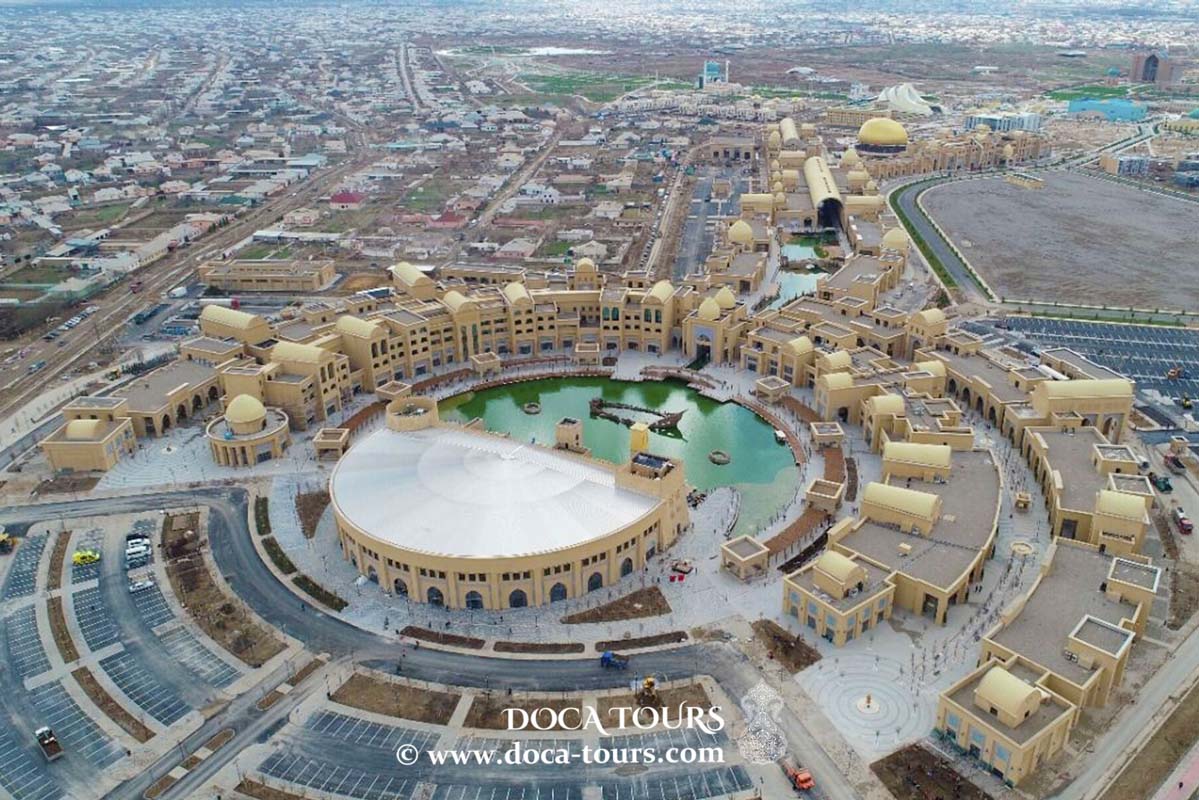
 Throughout history, the region has been conquered and reconquered by various groups and empires, including the Huns, Chinese dynasties, Arab armies, the Persian Empire, different Turkic powers, and the Mongols. The Kara-Khitai empire also ruled over much of Turkestan's territory at its height.
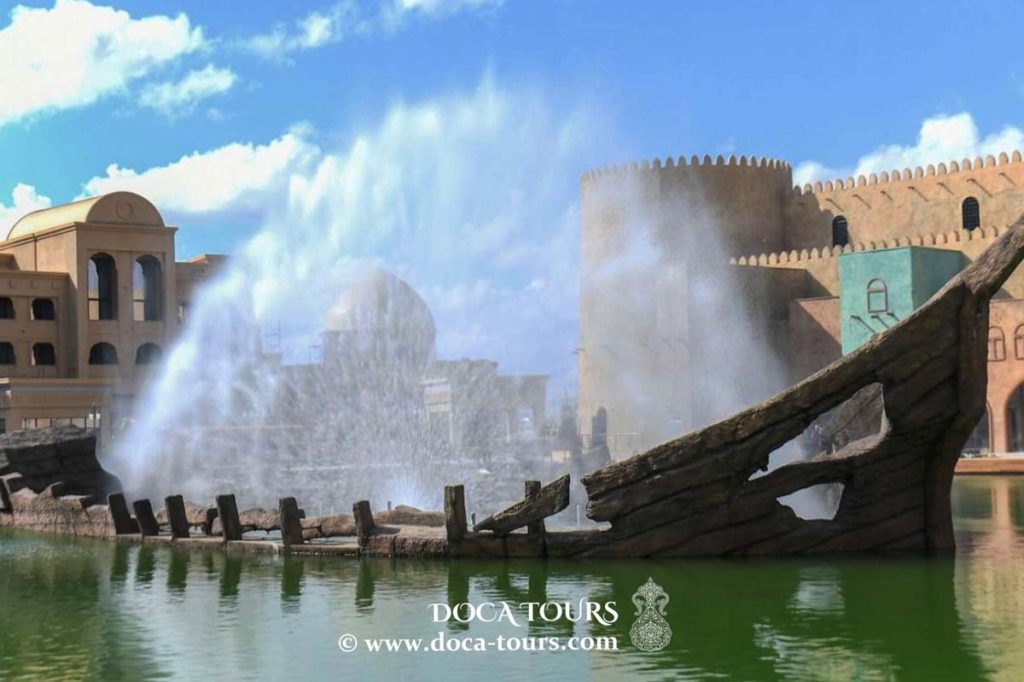 The Oghuz Turks (also known as Turkmens), Kyrgyz, Uzbeks, Kazakhs, Khazars, Uyghurs, and Hazaras are among the Turkic peoples of the region who, over the course of history, spread further into Eurasia. This migration led to the formation of Turkic nations such as Turkey and subnational regions like Tatarstan in Russia and Crimea in Ukraine. Tajiks and Russians represent significant non-Turkic minorities in the area.
The region is divided into Afghan Turkestan and the historic Russian Turkestan—extending south to Persia, west to the Aral and Caspian Seas, and northeast to Lake Balkhash and Lake Zaysan—as well as Chinese Turkestan, or East Turkestan, in the east.
The Oghuz Turks (also known as Turkmens), Kyrgyz, Uzbeks, Kazakhs, Khazars, Uyghurs, and Hazaras are among the Turkic peoples of the region who, over the course of history, spread further into Eurasia. This migration led to the formation of Turkic nations such as Turkey and subnational regions like Tatarstan in Russia and Crimea in Ukraine. Tajiks and Russians represent significant non-Turkic minorities in the area.
The region is divided into Afghan Turkestan and the historic Russian Turkestan—extending south to Persia, west to the Aral and Caspian Seas, and northeast to Lake Balkhash and Lake Zaysan—as well as Chinese Turkestan, or East Turkestan, in the east.
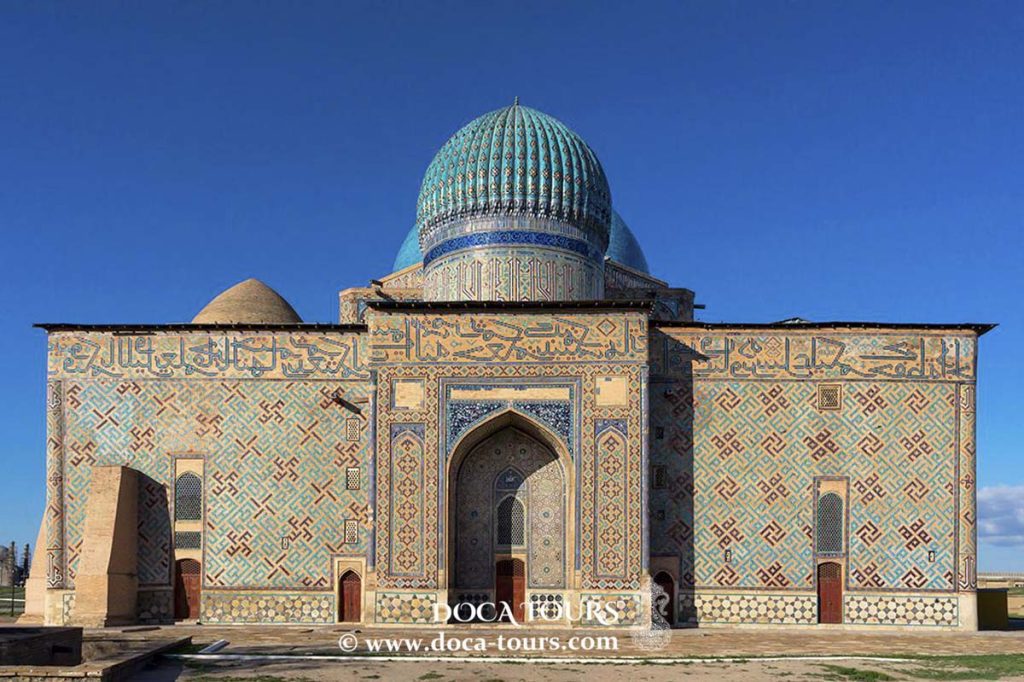
 During their southward campaign to conquer Central Asia in the 19th century, Russian forces under Nikolay Aleksandrovich Verevkin captured the city of Turkestan (located in present-day Kazakhstan) in 1864. Mistakenly assuming the city’s name represented the entire region, they adopted the term "Turkestan" (Russian: Туркестан) for their newly acquired territory.
In 1969, a Turfan document dated to 639 CE was discovered near the Turfan area. This artifact contained a Sogdian bill of sale for a female slave from the period of the Gaochang Kingdom, ruled by the Qu clan. The document referenced the Sogdian term twrkstn, which likely referred to lands east and north of the Syr Darya within the First Turkic Khaganate.
In 2024, the Turkish Ministry of Education revised history textbooks to replace the term Central Asia (Turkish: Orta Asya) with Turkestan (Turkish: Türkistan).
During their southward campaign to conquer Central Asia in the 19th century, Russian forces under Nikolay Aleksandrovich Verevkin captured the city of Turkestan (located in present-day Kazakhstan) in 1864. Mistakenly assuming the city’s name represented the entire region, they adopted the term "Turkestan" (Russian: Туркестан) for their newly acquired territory.
In 1969, a Turfan document dated to 639 CE was discovered near the Turfan area. This artifact contained a Sogdian bill of sale for a female slave from the period of the Gaochang Kingdom, ruled by the Qu clan. The document referenced the Sogdian term twrkstn, which likely referred to lands east and north of the Syr Darya within the First Turkic Khaganate.
In 2024, the Turkish Ministry of Education revised history textbooks to replace the term Central Asia (Turkish: Orta Asya) with Turkestan (Turkish: Türkistan).

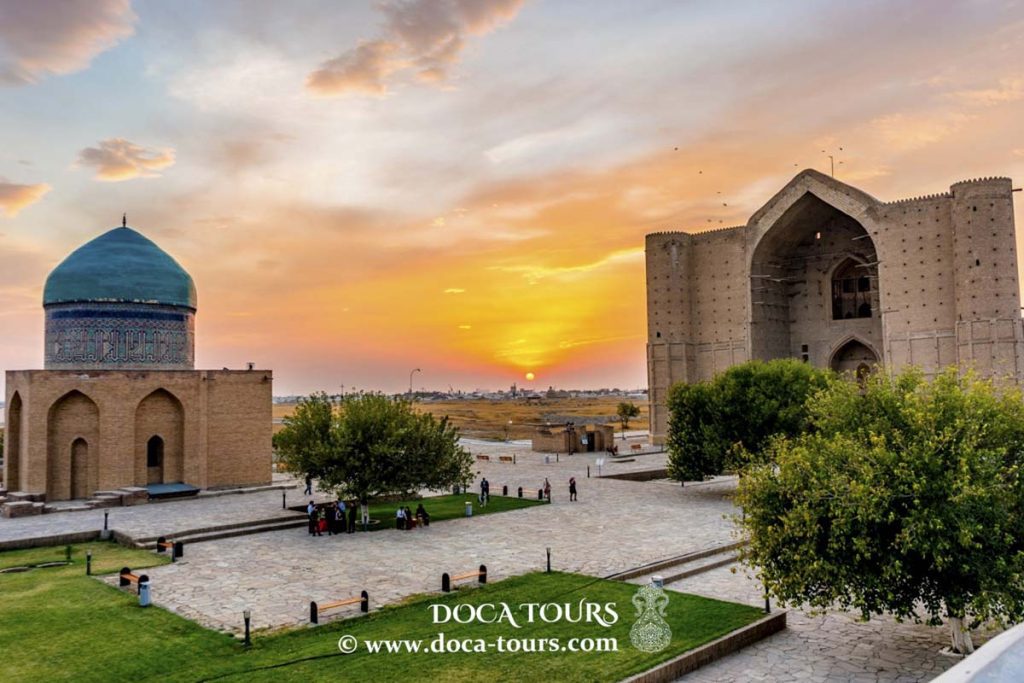 Following the collapse of the Hunnic Empire, Chinese rulers seized control of Eastern Central Asia, which centuries later came to be known as Turkestan. In the 8th century, Arab forces conquered the area, introducing Islam. Subsequently, the Persian Samanid dynasty ruled the region, fostering economic prosperity.
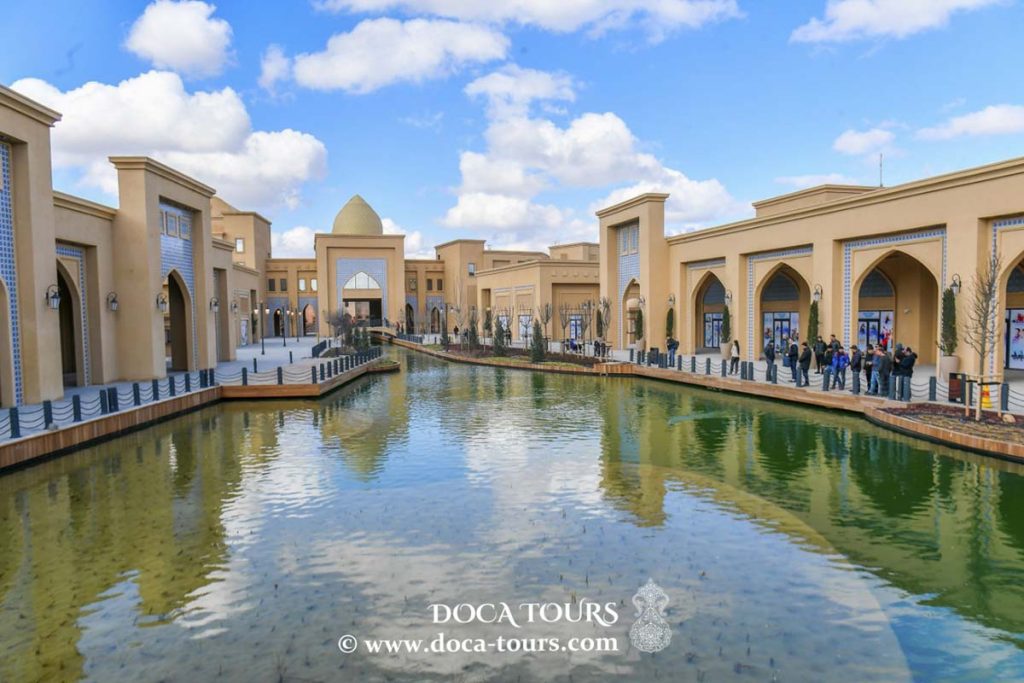 Over time, the area was held by various Turkic powers, including the Göktürks, before being overtaken by Genghis Khan and the Mongols in 1220. Genghis Khan assigned the territory to his son Chagatai, and it became the Chagatai Khanate. In 1369, Timur (Tamerlane) conquered the western part of Turkestan, integrating it into the Timurid Empire. The eastern region, known as Moghulistan, remained under the rule of Genghis Khan’s descendants.
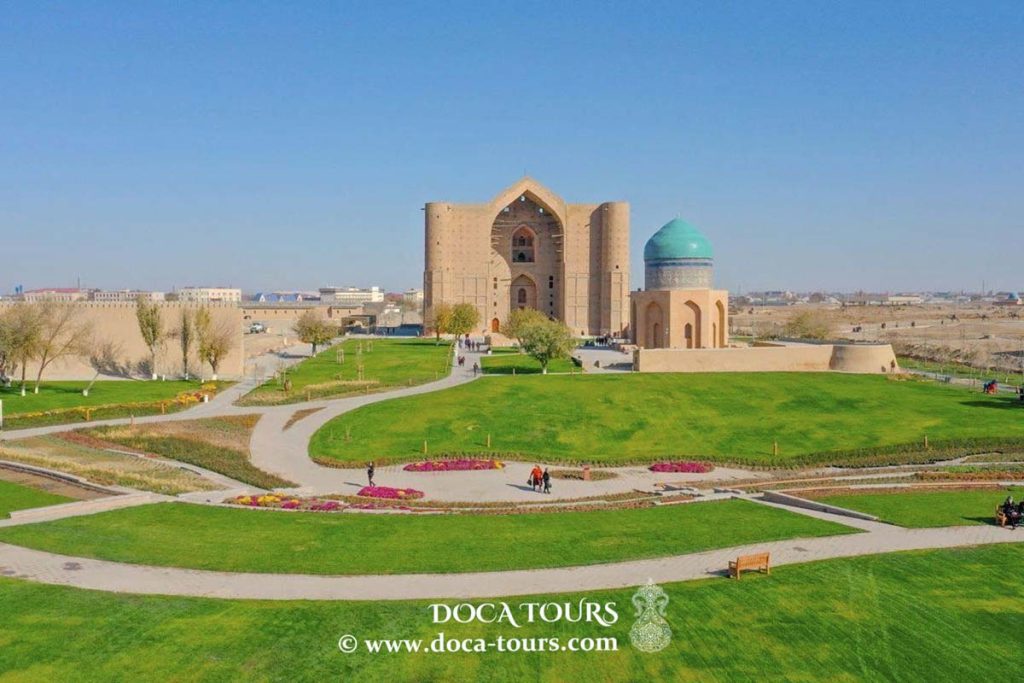 The Kara-Khitan retained many attributes of a Chinese state, such as issuing Chinese-style coins, adopting imperial Chinese titles, utilizing Chinese writing, and employing plaques, seals, and Chinese-crafted goods like porcelain, mirrors, and jade. These practices aligned with Chinese traditions and customs. Their adherence to Liao-Chinese traditions is often cited as a reason for their non-adoption of Islam.
 Despite these Chinese influences, the Han Chinese population under Kara-Khitan rule was relatively small. Many of these Han Chinese had lived in Kedun during the Liao dynasty and migrated in 1124 alongside the Khitan under the leadership of Yelü Dashi. This migration also included other groups from Kedun, such as Bohai, Jurchen, and Mongol tribes, as well as other Khitans and members of the Xiao clan, the imperial consort lineage.