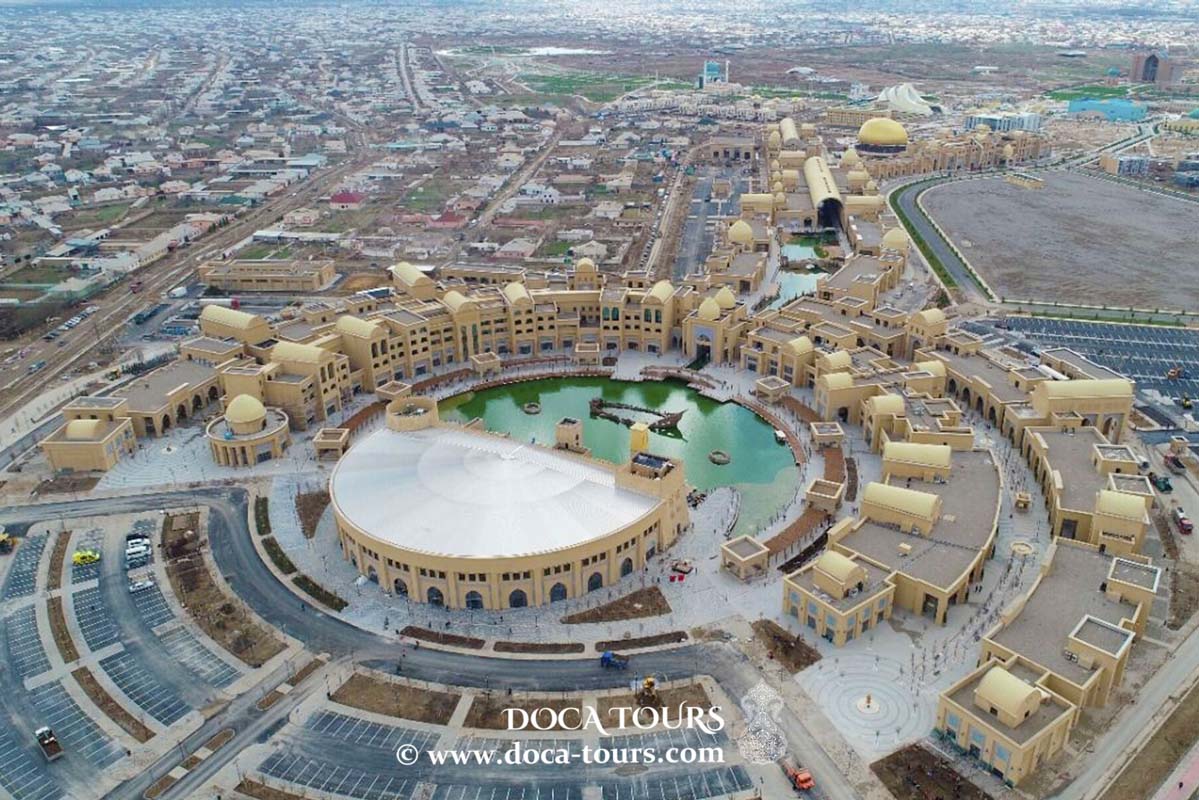
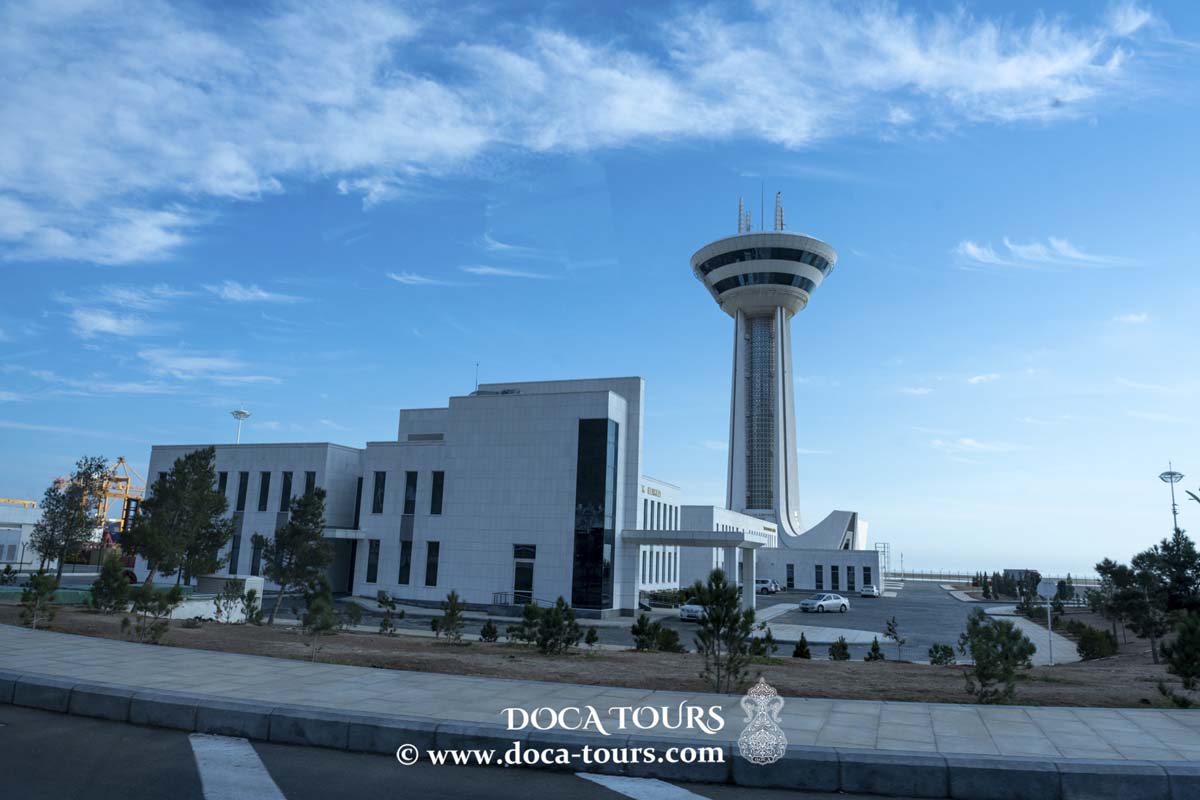
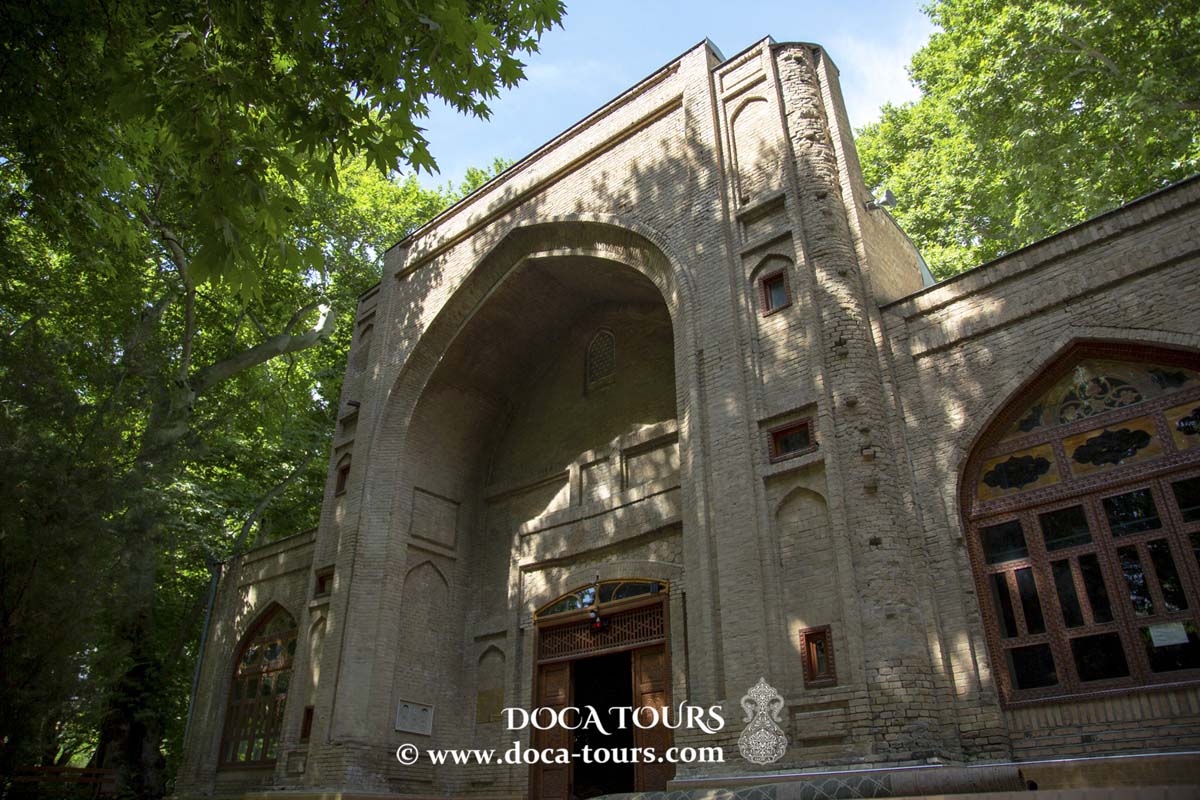
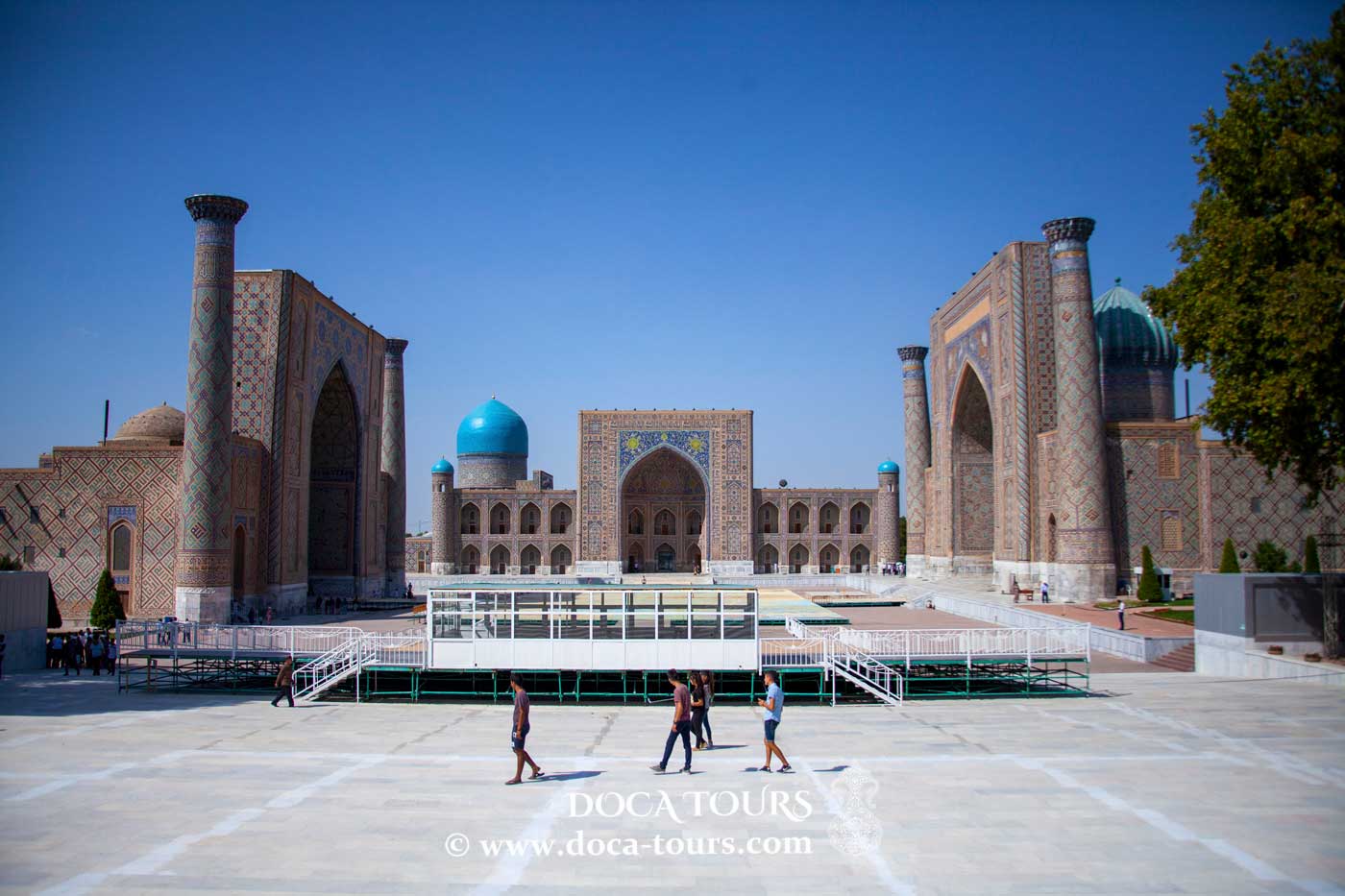
MERV
- Geographical coordinates: 37.6644°N, 62.1747°E
- Former names: Merv (New Merv)
- Elevation: 223 m
- Region: Mary
- Official language: Turkmen
- Population: 500 000 (2022)
- Time Zone: UTC+5
- Telephone Code: +993 522
- Postal Codes: 745400
- Vehicle Registration Code: MR
Merv: A Historical Hub of Central Asia
Merv (Turkmen: Merw, Мерв), once a thriving city along the ancient Silk Road, was a major center of Iranian civilization. Situated near modern-day Mary in Turkmenistan, the Merv Oasis was continuously inhabited from the 3rd millennium BCE until the 18th century CE. The city changed hands numerous times, coming under the control of the Achaemenids, Hellenistic rulers, Parthians, Sasanians, Arabs, Ghaznavids, Seljuks, Khwarazmians, and Timurids.
Merv as a Political and Cultural Capital
Throughout its history, Merv served as the capital of various empires. In the early 9th century, it became the seat of Caliph al-Ma'mun and the capital of the Islamic Caliphate. It later served as the center of the Tahirid governors of Khorasan and, during the 11th and 12th centuries, was the capital of the Great Seljuk Empire. During this period, Merv emerged as a hub of Islamic science, culture, and education.
Renowned figures such as the Persian polymath Omar Khayyam worked in Merv’s observatories. The city boasted numerous libraries, with the largest housing 12,000 volumes within a mosque. As noted by the geographer al-Istakhri, Merv’s residents were distinguished by their education and talent, while Yaqut al-Hamawi counted as many as ten significant libraries.

A Religious and Cultural Crossroads
Merv held religious significance for various faiths. In Zoroastrianism, Merv (Mouru) was one of the 16 perfect lands created by Ahura Mazda. From the 5th to the 11th century, it served as the seat of an East Syrian metropolitan province. The city was also home to Ali ar-Ridha, the 8th Imam of Twelver Shia Islam, who lived there for several years. Additionally, Al-Muqanna, the "Veiled Prophet," who claimed divine status, started his movement in Merv.
Merv’s Golden Age and Mongol Destruction
During the 12th and 13th centuries, Merv reached its zenith, with a population estimated at 500,000, potentially making it the world’s largest city at the time. Known as Marw al-Shāhijān ("Merv the Great"), it was frequently referred to as the "capital of the eastern Islamic world." According to Yaqut al-Hamawi, the city’s impressive structures could be seen from a day’s journey away.
However, in 1221, Merv’s prosperity was shattered when it opened its gates to the invading Mongols, who devastated the city. Historical records claim that Tolui Khan slaughtered 700,000 people, including refugees. Though partially rebuilt after the Mongol invasion, Merv never regained its former prominence. In 1788–1789, Shah Murad of the Emirate of Bukhara destroyed the city again, marking its final decline. By the 1800s, the area around Merv was deserted due to pressure from the Russians.
Preservation as a Cultural Landmark
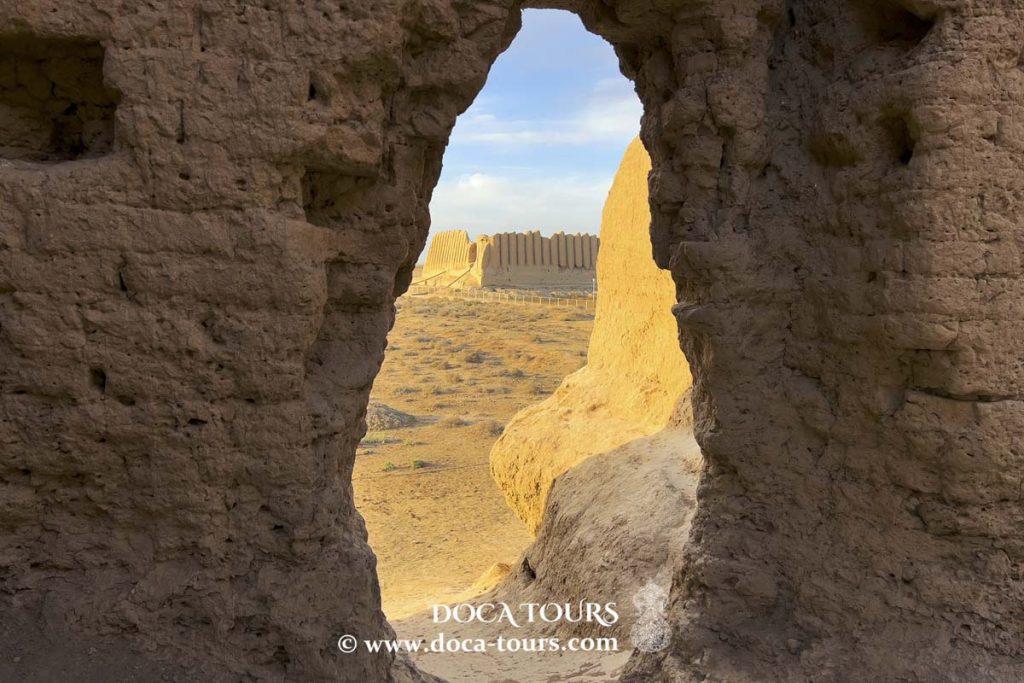
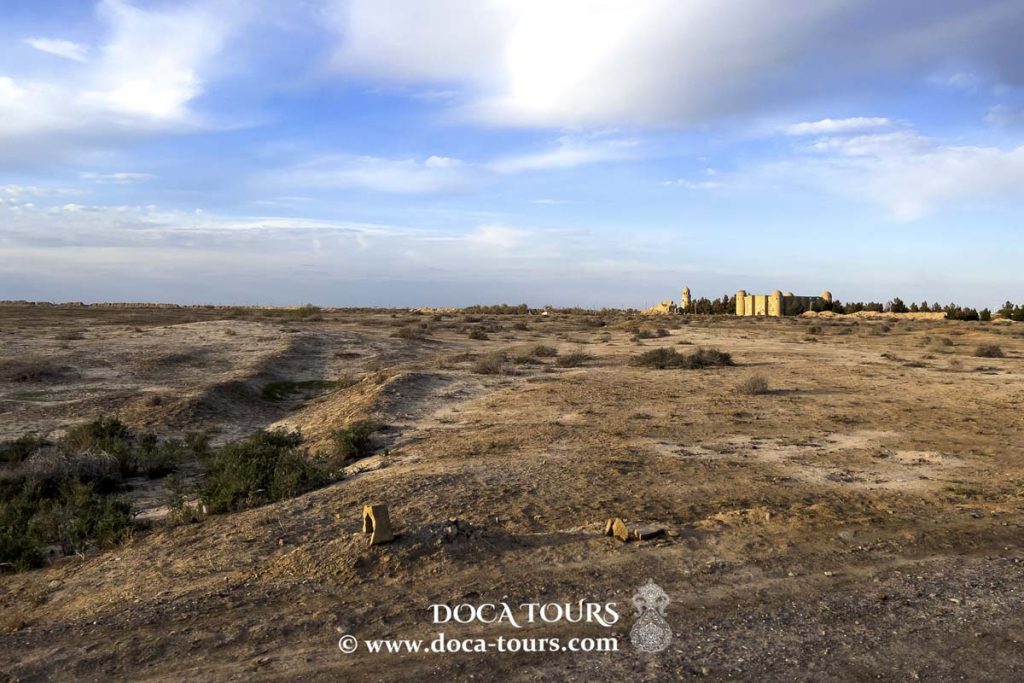
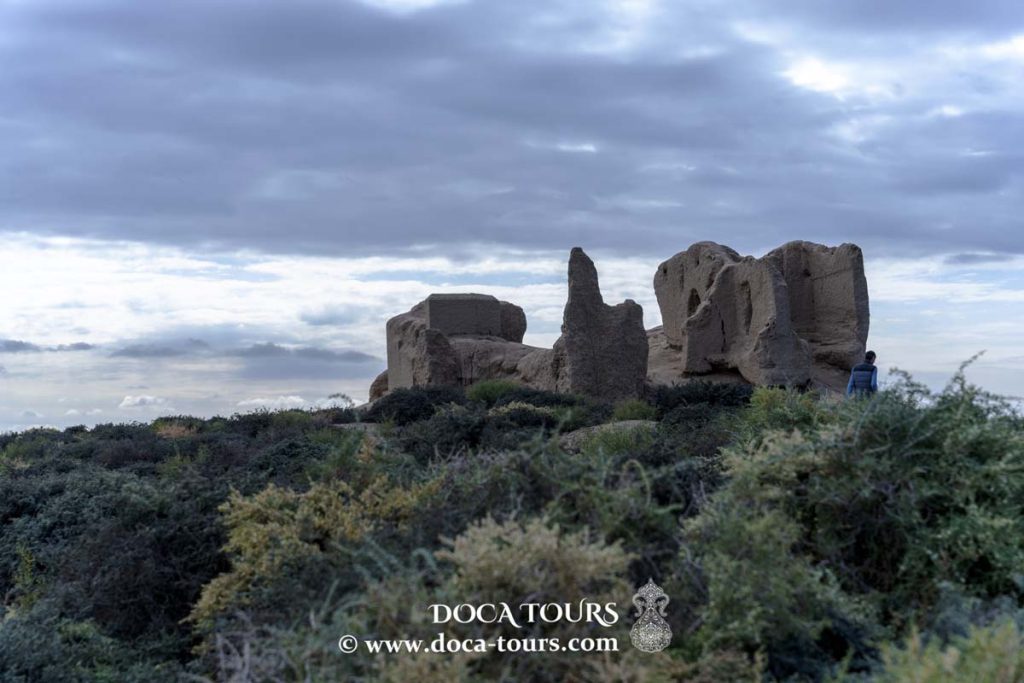
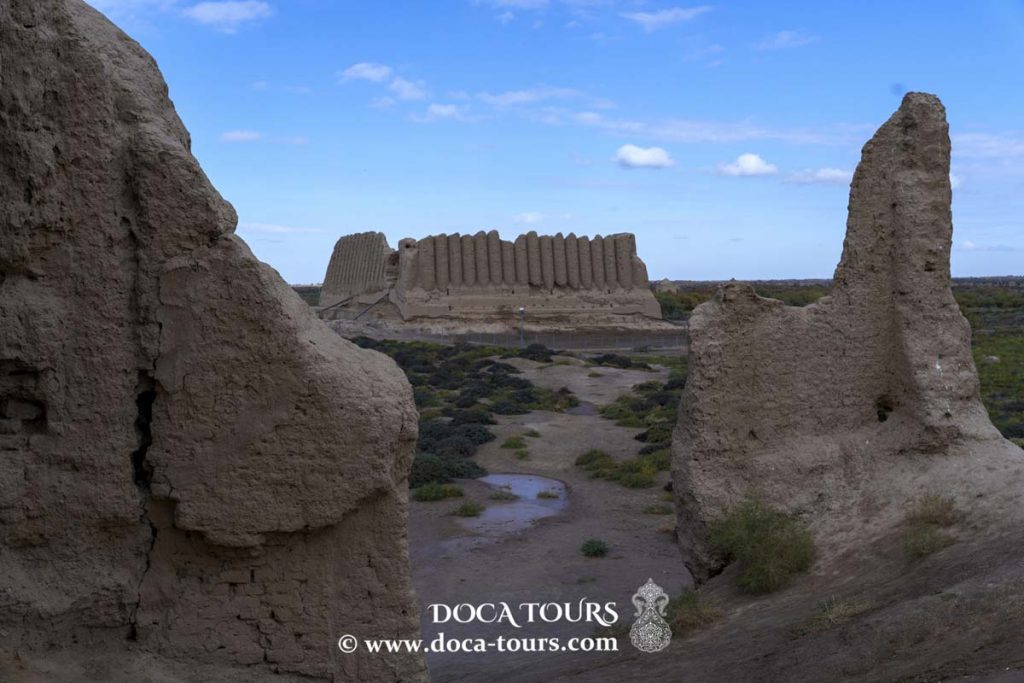
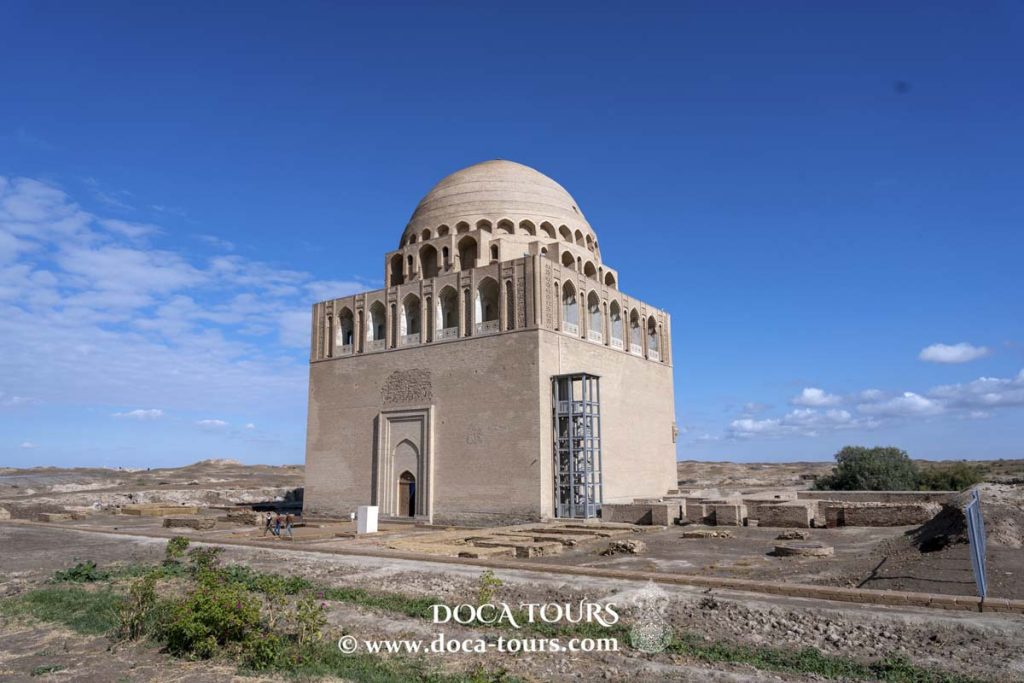
Today, the ancient site of Merv is preserved as the State Historical and Cultural Park "Ancient Merv", established in 1987. It is one of the most intact Silk Road oasis cities in Central Asia and features ruins of structures spanning over two millennia. In recognition of its historical and cultural significance, UNESCO designated Merv as a World Heritage Site.
Historical Overview
Prehistoric Era
Archaeological excavations have uncovered evidence of human settlement at Merv dating back to the 3rd millennium BCE. The area is associated with the Bactria-Margiana Archaeological Complex. The Zend-Avesta mentions Merv (Mouru) as one of the perfect lands created by Ahura Mazda.
Achaemenid Period
Under the Achaemenid Empire (c. 550–330 BCE), Merv was known as Margu and served as the center of the satrapy of Margiana, as mentioned in the Behistun inscription of Darius the Great. The city was likely established during the reign of Cyrus the Great (559–530 BCE).
Hellenistic Era
Although Alexander the Great is said to have visited Merv, this remains a legend. Following his death in 323 BCE, the city was renamed Alexandria for a time and later became part of the Seleucid, Greco-Bactrian, Parthian, and Sassanid states. Antiochus Soter (281–261 BCE) rebuilt the city, renaming it Antiochia Margiana, and expanded it significantly.
Parthian and Sasanian Periods
Under the Parthians and later the Sasanians, Merv continued to flourish. During the Sasanian era, the city was home to practitioners of multiple religions, including Zoroastrians, Buddhists, Manichaeans, and Christians. It remained under Sasanian control for nearly four centuries until the Arab conquest.
Arab Conquest and Abbasid Rule
The Arab conquest ended Sasanian rule, and Merv became the capital of the Umayyad province of Khorasan. By the 8th century, it was a critical base for Islamic expansion into Central Asia. In 748, the Iranian general Abu Muslim launched the Abbasid Revolution from Merv, which marked the city’s resurgence as a key political and cultural hub.
Merv remained a vital center for Abbasid power and culture. The influential Barmakid family, based in Merv, played a pivotal role in transferring Greek knowledge into the Islamic world.
Merv’s legacy as a center of trade, culture, and religion is unmatched in Central Asia, making it a treasure trove for historians and archaeologists alike.
Arab Conquest and Islamic Influence in Merv
The fall of the Sassanian Empire marked the beginning of Arab rule in Merv. After the last Sassanian ruler, Yazdegerd III (632–651), was killed near the city, its Sassanian governor surrendered to the advancing Arab forces. Representatives of Caliph Umar occupied Merv, establishing it as the capital of the Umayyad province of Khorasan. In 671, Ziyad ibn Abi Sufyan sent 50,000 Arab settlers to Merv, forming a colony that retained its Kufan loyalties and became the nucleus of Khurasan. From 705 to 715, Arab forces led by Qutayba ibn Muslim used Merv as a base to subjugate major Central Asian cities, including Balkh, Bukhara, and Fergana. This marked Merv, along with Khurasan, as one of the first Persian-speaking regions to become predominantly Muslim.
Arab immigration to Merv was significant, creating a diverse population. A Chinese captive, Du Huan, who toured the caliphate, noted the mixed Arab and Persian communities living in Merv.
Merv and the Abbasid Revolution
Merv became a pivotal city during the Abbasid Revolution. In February 748, the Iranian general Abu Muslim proclaimed the Abbasid dynasty in Merv, turning the city into a base for his rebellion against the Umayyads. Following the Abbasid consolidation of power in Baghdad, Abu Muslim ruled Merv as a semi-autonomous governor until his assassination in 755. The city remained a hub of Abbasid loyalty throughout the revolution and beyond, with its governorship of Khurasan becoming one of the caliphate’s most influential positions.
The Barmakid family, based in Merv, played a critical role in transferring Greek knowledge—preserved since the days of the Seleucids and Greco-Bactrians—into the Islamic world.
Merv’s Abbasid Era
Under the Abbasids, Merv retained its prominence as the capital of Khurasan. Arab historian Al-Muqaddasi (945/946–991) described Merv as "delightful, fine, elegant, brilliant, extensive, and pleasant." The city’s architectural innovations influenced the layout of Baghdad, the Abbasid capital. Another historian, Ibn Hawqal, praised Merv’s palaces, gardens, and waterways, highlighting its urban sophistication.
Merv was also renowned for its high-quality textiles. The 12th-century geographer al-Idrisi noted the production of soft and luxurious silk and cotton fabrics, particularly the famed "Merv cotton." These textiles were highly sought after throughout the Islamic world, with Merv’s silk turbans and robes epitomizing elegance.
Cultural and Religious Significance
Between 813 and 818, Caliph al-Ma'mun temporarily resided in Merv, effectively making it the capital of the Muslim world. The city also became a spiritual hub. The 8th Imam of Twelver Shia Islam, Ali ar-Ridha, lived in Merv for several years. It was also the center of the 8th-century Neo-Mazdakite movement, led by al-Muqanna, the "Veiled Prophet," who claimed divinity and gained a substantial following. The Khurramiyya, inspired by his teachings, remained active in Merv until the 12th century.
Merv rivaled cities like Samarqand and Bukhara as a center of Islamic scholarship, producing renowned scholars in law, hadith, history, and literature. The celebrated historian Yaqut al-Hamawi (1179–1229) studied in Merv’s libraries, which housed vast collections of manuscripts. Persian polymath Omar Khayyam also worked in the city’s observatories. Persian geographer al-Istakhri praised Merv’s people for their intellect and education, while Yaqut noted the city had at least ten major libraries, including one within a mosque containing 12,000 volumes.
Transition to Persian Rule
As the Abbasid Caliphate weakened, Tahir ibn al-Husayn, a Persian general, established the Tahirid dynasty in Merv in 821, marking the end of direct Arab rule. The Tahirids governed Merv until 873, followed by successive Persian dynasties, including the Saffarids, Samanids, and later the Ghaznavids.
Merv’s enduring role as a political, cultural, and intellectual hub underscores its historical significance in Central Asia and the Islamic world.
Demographics
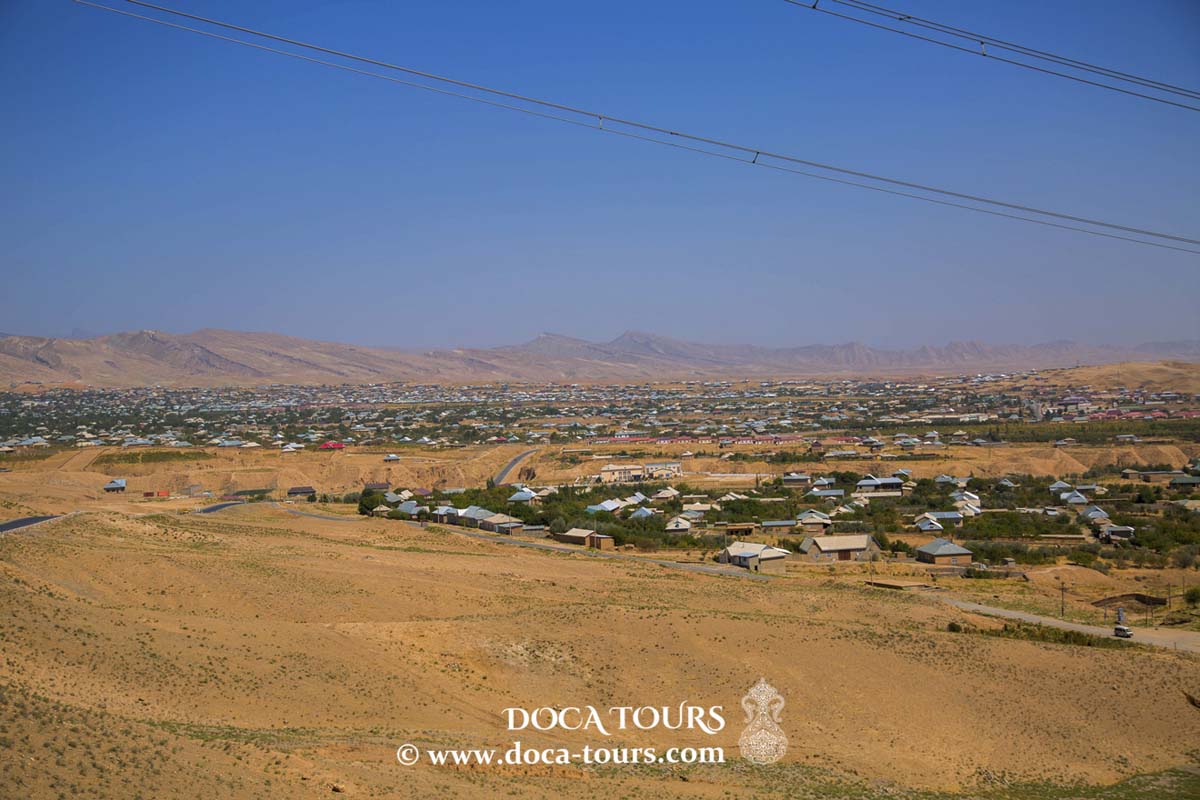
The ancient site of Merv lies near the modern city of Baýramaly in Mary Province, Turkmenistan, approximately 27 km east of the provincial capital, Mary. As of 2009, Baýramaly's population was estimated at 88,486, a significant increase from 43,824 recorded in the 1989 census.
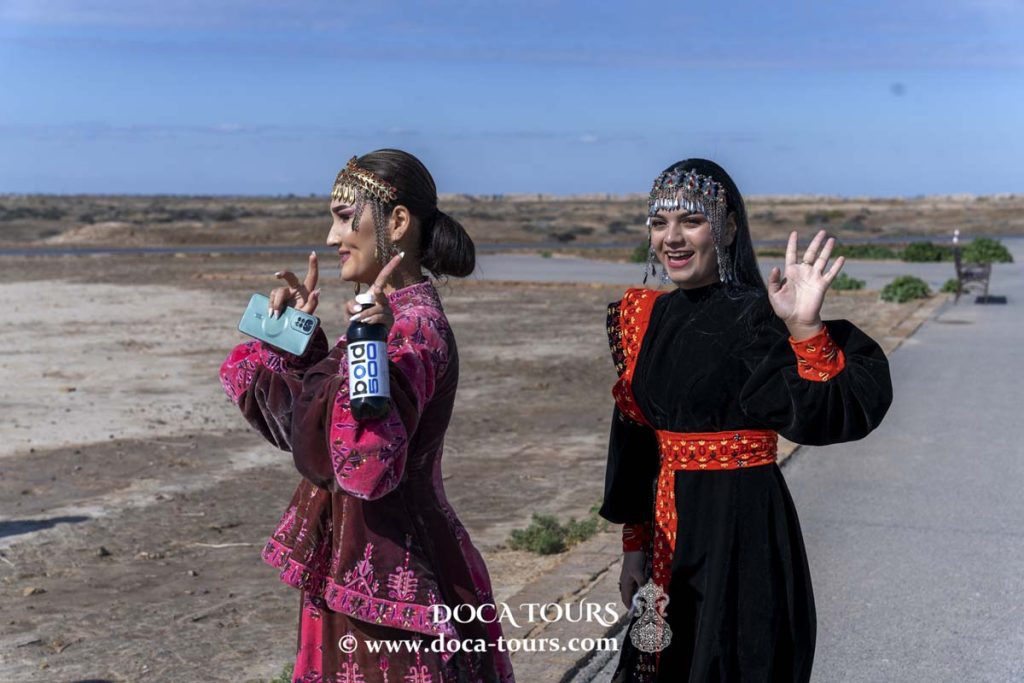
The current inhabitants of the Merv Oasis are predominantly Turkmens from the Teke tribe, with smaller communities of Persians (or Tajiks). Additionally, the area is home to notable minorities of Beluch and Brahui peoples.
Economy
Agriculture and Irrigation
The oasis thrives on an intricate canal system fed by the Murghab River, which irrigates the fertile land. Merv has long been renowned for its agricultural productivity, cultivating cereals like wheat, millet, and barley, as well as rice, melons, and cotton. Evidence from archaeological layers dating back to the 5th century indicates that cotton was already an essential economic asset during the Sassanian era.
Silk and Textiles
Silk production has historical roots in Merv, with silkworm breeding being a longstanding practice. The city’s skilled Turkmen population also breeds the famed Turkoman horses and raises camels, sheep, cattle, donkeys, and mules. Additionally, they are known for crafting intricate silver jewelry and producing high-quality armor.
A remarkable discovery during excavations in the 1990s was a 9th- to 10th-century workshop used for manufacturing crucible steel, corroborating Islamic scholar al-Kindi’s writings about steel production in the Khorasan region.
Geography
Situated in the Murghab River Delta, Merv lies on the southern edge of the Karakum Desert, approximately 230 miles (370 km) north of Herat and 280 miles (450 km) south of Khiva. The oasis spans an area of about 1,900 square miles (4,900 km²).
The region’s geography includes the Tejen and Murghab Rivers, which flow northward from the Hindu Kush mountains and vanish into the Karakum Desert. This strategic location makes Merv a natural gateway between Afghanistan and the Central Asian lowlands, offering a vital link along trade routes connecting northeast Persia, Bukhara, and Samarkand.
Historically, Merv served as a critical Silk Road hub, where merchants could trade and restock on horses or camels while traveling between major trade centers.
Climate
Merv has a continental desert climate characterized by hot summers and cold winters. Summers can reach scorching temperatures of 45°C (113°F), while winter lows dip to -7°C (19°F). The annual rainfall rarely exceeds 125 mm (4.9 inches), with little to no precipitation from June to October. Despite the harsh summer heat, winters are relatively mild, with rare and short-lived snowfall. The average annual temperature is approximately 16°C (61°F).
Twin Towns and Sister Cities
Merv is twinned with several cities worldwide, reflecting its historical significance and cultural ties:
- Aleppo, Syria
- Balkh, Afghanistan
- Baghdad, Iraq
- Bukhara, Uzbekistan
- Damascus, Syria
- Dubai, UAE
- Gaza City, Palestine
- Jerusalem, Israel
- Karbala, Iraq
- Khujand, Tajikistan
- Kirkuk, Iraq
- Konye-Urgench, Turkmenistan
- Kuwait City, Kuwait
- Lahore, Pakistan
- Mecca, Saudi Arabia
- Medina, Saudi Arabia
- Nisa, Turkmenistan
- Nishapur, Iran
- Samarkand, Uzbekistan