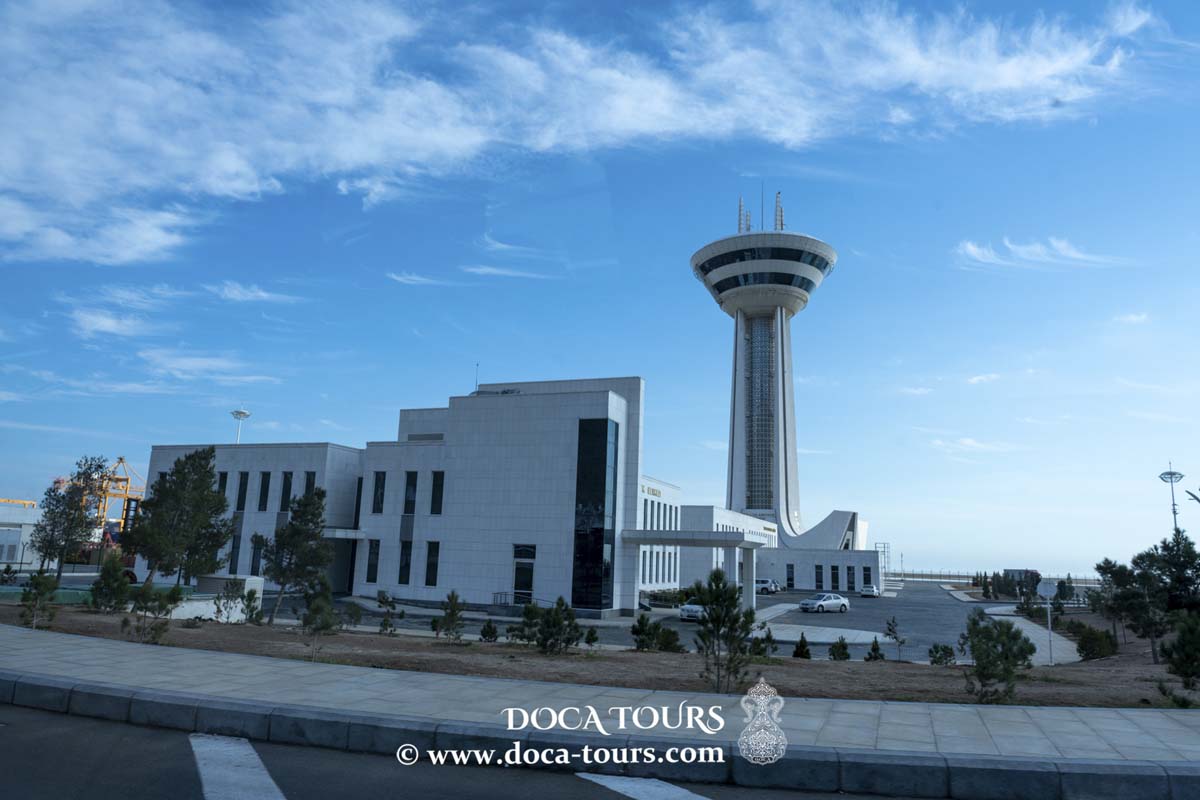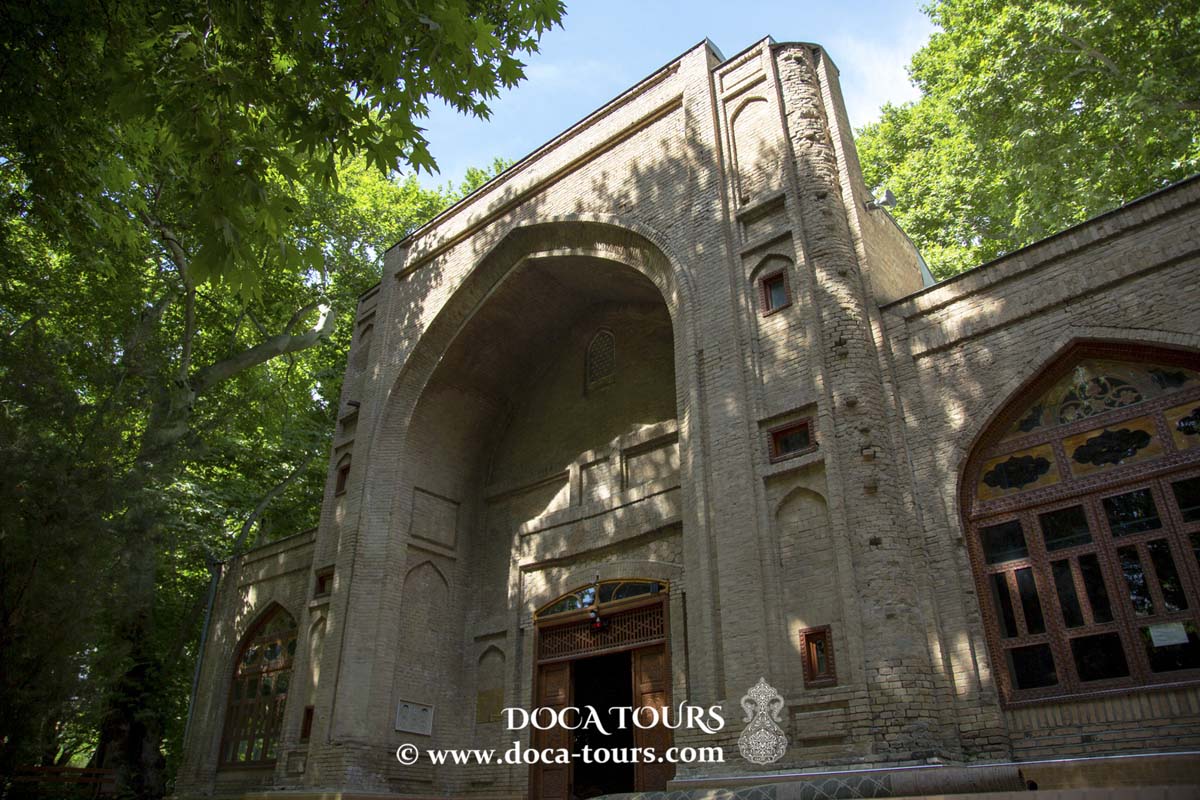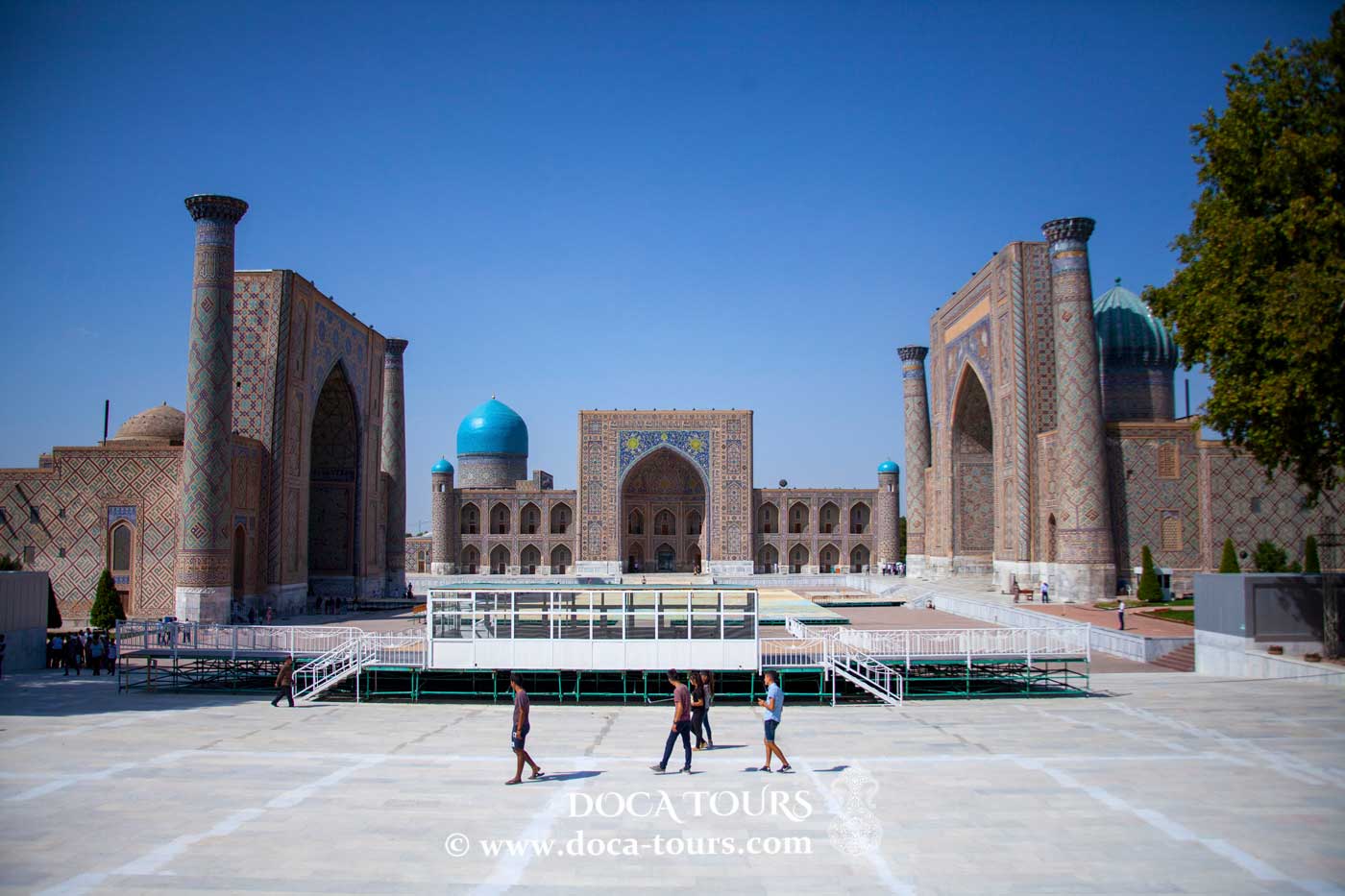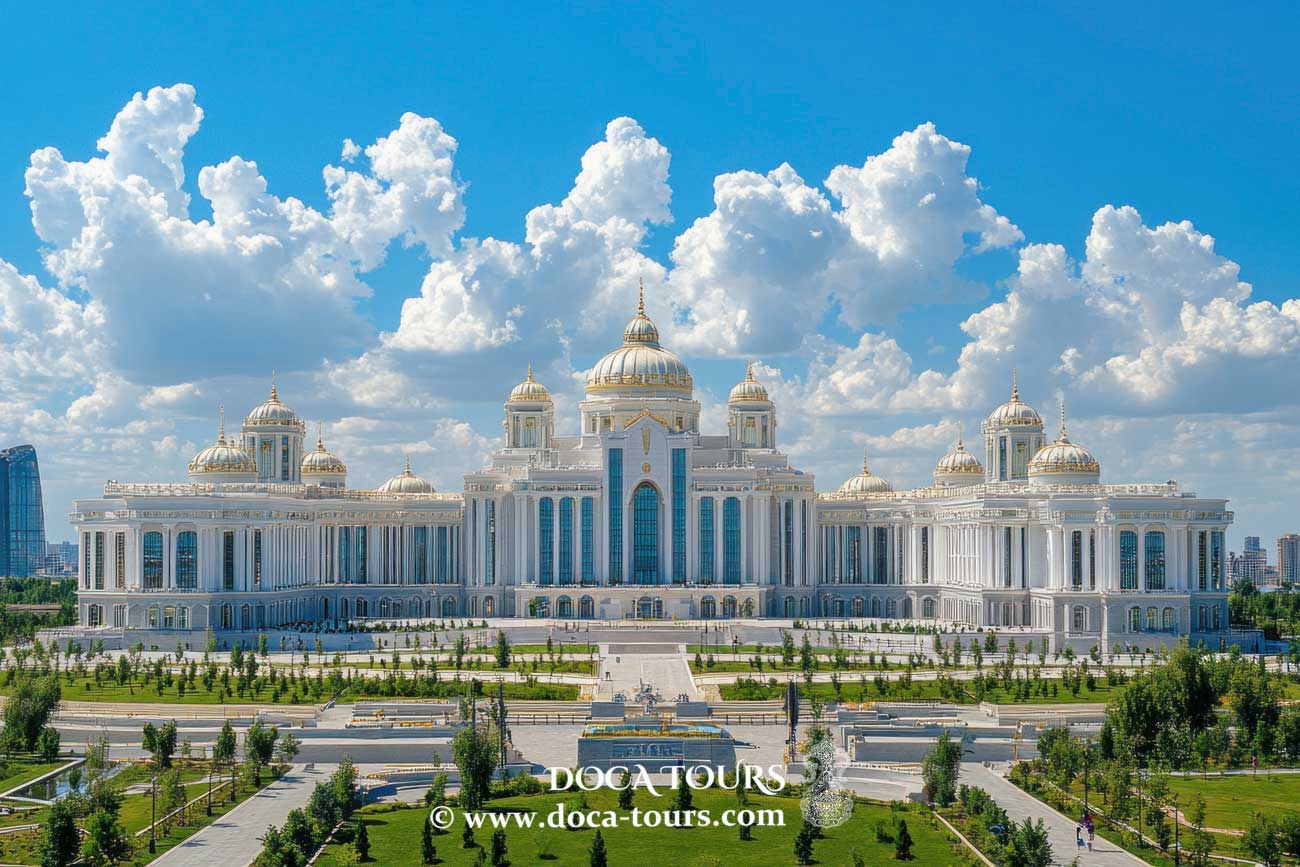
Kazakhstan is located in the heart of Eurasia, to the south of the Ural Mountains. Ancient and modern history, Eastern traditions and Western modern ways are intertwined here. Boundless southern steppes, mountains and lakes, the Great Silk Road, and the Baikonur Cosmodrome are all part of Kazakhstan. Today, the country offers visitors various travel options: sightseeing itineraries around the country, cultural and eco-tours, as well as medical, hunting, fishing and climbing tours. The ancient culture and unique nature of Kazakhstan will certainly delight you.  The largest of the former Soviet republics by area, Kazakhstan is also the world's ninth-largest country by area and is rich in natural resources. Since its independence, the country has developed considerably. The modern capital, Astana, illustrates this development. In remote regions, travelers can discover Kazakhstan's diverse landscapes, including deserts, ancient cities, and mountain scenery. Explore Kazakhstan with DOCA TOURS and discover its cities, cultural heritage and natural attractions.
Kazakhstan is located in Central Asia, with a small portion of its territory west of the Ural River in Europe. The territory covers approximately 2,724,900 square kilometers. The length of the territory from west to east is about 3,000 km, and from north to south about 1,700 km. Kazakhstan shares borders with Russia to the north and west, China to the east, and Kyrgyzstan, Turkmenistan, and Uzbekistan to the south. The highest point is Khan Tengri, whose elevation is commonly reported at approximately 6,995 m including its ice cap. The lowest point is the Karagiye Depression, approximately 132 m below sea level.
The population: The figures in the original text refer to January 2015, when Kazakhstan had more than 17.5 million inhabitants. The country is multinational, with Kazakhs, Russians, Uzbeks, Ukrainians, Uyghurs, Tatars, and other communities. For current population figures and ethnic composition, consult the Bureau of National Statistics of Kazakhstan.

Average life expectancy: The figure of 68 in the original text is historical and should be updated using current statistics.
Administrative-territorial division: Kazakhstan is divided into regions and cities of republican significance. Consult the official Government of Kazakhstan portal for current administrative information.
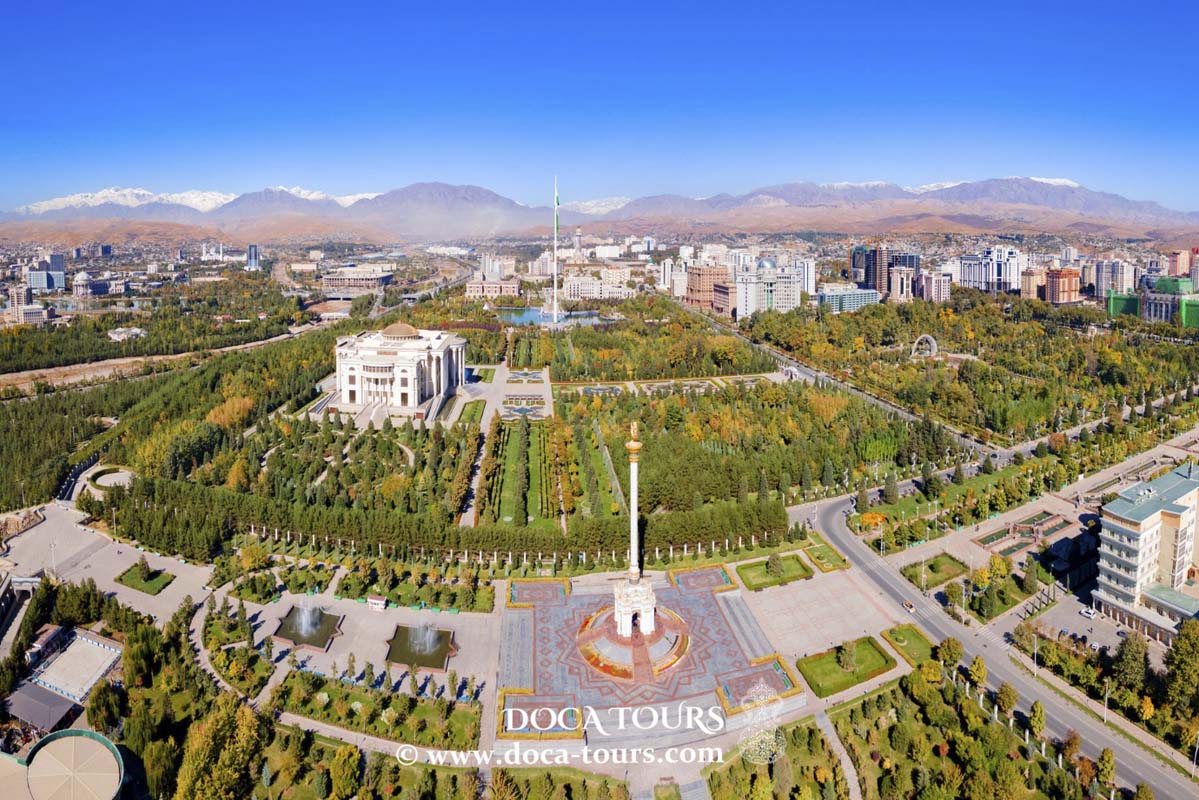
The capital: Astana. The population figure of 868,000 in the original text is historical.
Religion: Kazakhstan is a secular country. Islam is the largest religion, while Christian communities, including Orthodox Christians, are also present. For current demographic information, consult the Government of Kazakhstan.
The official language: Kazakh. Russian is also widely used in public life and is officially used alongside Kazakh in state institutions and local self-government bodies.
National currency: The Kazakhstani tenge.
Time zone: Kazakhstan uses a single time zone, UTC+5, throughout the country since March 1, 2024. See the official government announcement about Kazakhstan's time zone.
Climate: Kazakhstan has a strongly continental climate, with cold winters and hot summers in many areas. Temperatures vary considerably between northern and southern regions. The extreme temperature records and monthly averages in the original text should be checked against current meteorological data before publication.
Nature: Kazakhstan contains a wide range of landscapes, including forest-steppe, steppe, semi-desert, desert, lakes, and mountain regions. The country borders the Caspian Sea to the west and includes parts of the Altai Mountains and the Tian Shan mountain system. Major rivers include the Irtysh, Tobol, and Ishim. Other rivers flow toward the Caspian Sea, the Aral Sea, and Lake Balkhash. The western part of the country includes extensive plains, while the east and southeast contain mountain ranges such as Tarbagatay and Saur. Kazakhstan's flora and fauna are diverse, making it suitable for nature and ecotourism.

DOCA TOURS features the following cities and sights in its Kazakhstan destination guide. Travelers can use these destinations to explore the country's cities, landscapes and cultural heritage.
For a guided journey through Kazakhstan, explore the Uncharted Kazakhstan in 6 Days, the Kazakhstan World Heritage Tour, or the Kazakhstan Express Tour.
Natural resources: Kazakhstan has substantial reserves of oil, natural gas, uranium, gold, copper, chromium, iron ore, and other minerals. The country is an important producer of energy and mineral resources. Historical global rankings, reserve estimates, and the number of explored deposits may have changed. For current information, consult the Government of Kazakhstan and the International Energy Agency's Kazakhstan country profile.

Water resources: Kazakhstan has numerous lakes and rivers. The west and southwest border the Caspian Sea, while the Aral Sea lies to the east of the Caspian region. Lake Balkhash is one of the country's largest lakes. Other important lakes include Lake Zaysan and Alakol. The country has thousands of natural lakes and an extensive river network. Major rivers include the Irtysh, Ishim, Ural, Syr Darya, Ili, Chu, and Tobol. Water-surface areas and river-length figures should be verified against current hydrological sources.

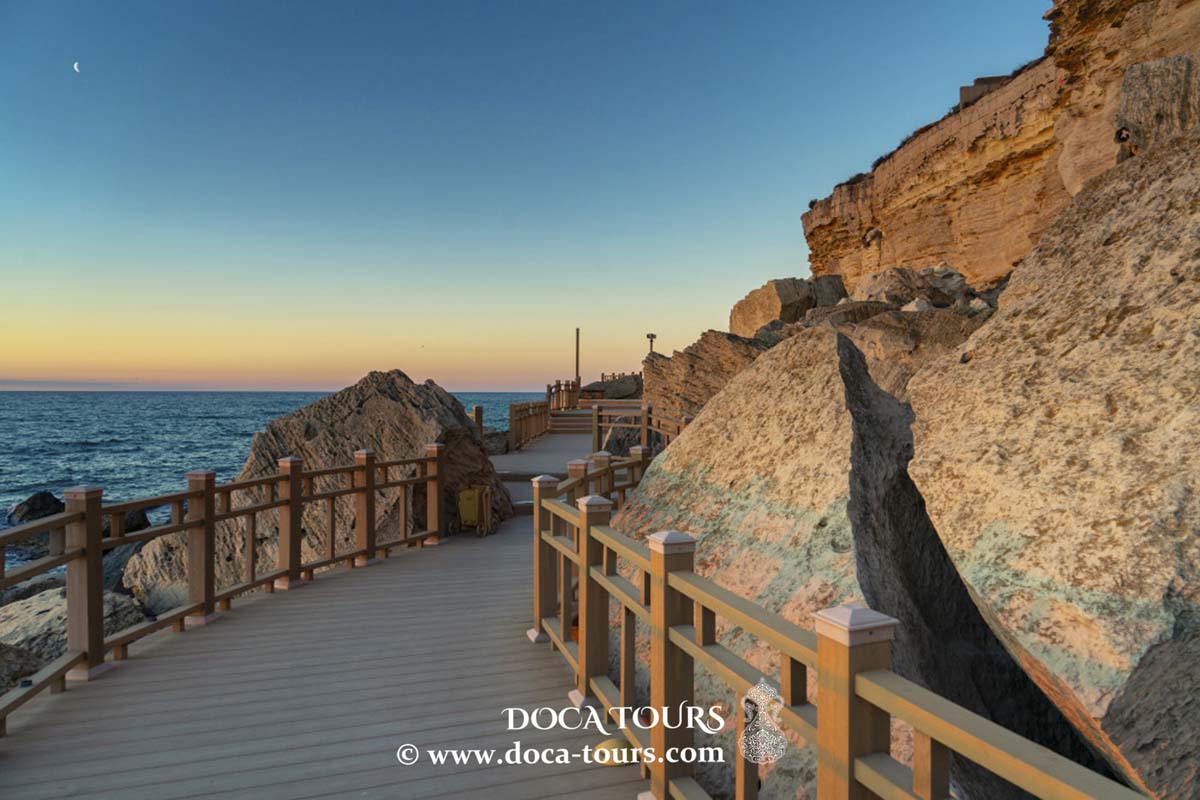
Tourism: Kazakhstan offers a broad range of travel experiences, including sightseeing, cultural tourism, leisure travel and ecotourism. Travelers can explore cities such as Astana, discover the Caspian coast near Aktau, visit the natural landscapes of Borovoye, or learn about the heritage of Turkestan. The southern regions are particularly important for the history of the Great Silk Road. Ancient towns such as Otrar, Sairam, Sygnak and Sauran were associated with trade, cultural exchange and scholarship along historic caravan routes connecting China with Central Asia and regions farther west.

Explore Kazakhstan with DOCA TOURS through the Kazakhstan World Heritage Tour, which includes historic and cultural destinations, or the Kazakhstan Express Tour. Travelers who want to visit more than one Central Asian country can consider the 8-Day Tour of Uzbekistan and Kazakhstan or the Gems of Central Asia: A 16-Day Exploration. For more destinations and travel options, visit the Kazakhstan destination page on DOCA TOURS.
Public holidays in the Republic of Kazakhstan include New Year's Day, Orthodox Christmas, International Women's Day, Nauryz, the Unity Day of the People of Kazakhstan, Defender of the Fatherland Day, Victory Day, Capital Day, Constitution Day, and Independence Day. The first day of Kurban Ait is observed according to the Islamic calendar. Holiday dates and official non-working days can change; consult the official Government of Kazakhstan portal for the current calendar.
National Flag
The National Flag of the Republic of Kazakhstan is blue, with a golden sun and a soaring steppe eagle in the center and a vertical strip of national ornament along the flagstaff. The flag was officially adopted in 1992 and designed by Shaken Niyazbekov. According to the official description, the blue background symbolizes the clear sky, peace, unity, and cultural values, while the eagle is associated with freedom, strength, and the aspirations of the country. The national ornament reflects Kazakhstan's artistic and cultural traditions.
National Emblem
The National Emblem of the Republic of Kazakhstan features a shanyrak, the upper circular structure of a traditional yurt, against a blue background. Its supporting elements extend outward like sunrays, and mythical winged horses appear on either side. A five-pointed star sits above the central design, and the name of the country appears below. The emblem uses blue and gold. The shanyrak symbolizes a shared home and unity, while the winged horses represent courage and aspirations for the future. These descriptions follow the official explanation of Kazakhstan's state symbols.

The horse has a significant place in Kazakh culture and traditional poetry. In the context of the national emblem, the mythical winged horses symbolize courage, aspiration, and the country's development. The shanyrak also represents the home, family, and shared heritage of the people of Kazakhstan. For an official description of the flag, emblem, and anthem, see the official website of the President of Kazakhstan.
Phone code of Kazakhstan: +7
Regional telephone codes: The regional telephone codes below are from the original text and should be checked against a current telecommunications directory before publication.