BISHKEK
- Geographical coordinates: 42°52′29″ N 74°36′44″ E
- Meaning in Ancient Sogdian: pishagakh - a place beneath the mountains
- Elevation: 800 m
- State language: Kyrgyz
- Official language: Russian
- Ethnic Groups: Kyrgyz, Uighurs, Uzbek, Russian, etc.
- Population: 1 027 200 (2019)
- Time Zone: UTC + 6
- Telephone Code: +996) 312
- Postal Codes: 720000–720085
- Vehicle Registration Code: 01
Bishkek, formerly known as Frunze and earlier as Pishpek, is the capital and largest city of Kyrgyzstan. It also serves as the administrative center of the Chuy Region. Located near the border with Kazakhstan, Bishkek had a population of 1,074,075 as of 2021.
The Kokand Khanate established the Pishpek fortress in 1825 to control caravan routes and collect taxes from Kyrgyz tribes. On September 4, 1860, with the support of the Kyrgyz, Russian troops led by Colonel Apollon Zimmermann destroyed the fortress. Today, remnants of the fortress can be found north of Zhibek Zholu Street, near the new central mosque. A Russian settlement was established in 1868 on the site of the fortress, retaining its original name, Pishpek. This settlement became part of the Russian Empire's General-Governorship of Turkestan and the Semirechye Region.

In 1925, the Kara-Kyrgyz Autonomous Region was created within Russian Turkestan, designating Pishpek as its capital. In 1926, the Communist Party of the Soviet Union renamed the city Frunze in honor of the Bolshevik military leader Mikhail Frunze (1885–1925), who was born there. Frunze became the capital of the Kyrgyz Soviet Socialist Republic in 1936 during the final stages of Soviet national delimitation. In 1991, the Kyrgyz Parliament renamed the city Bishkek.
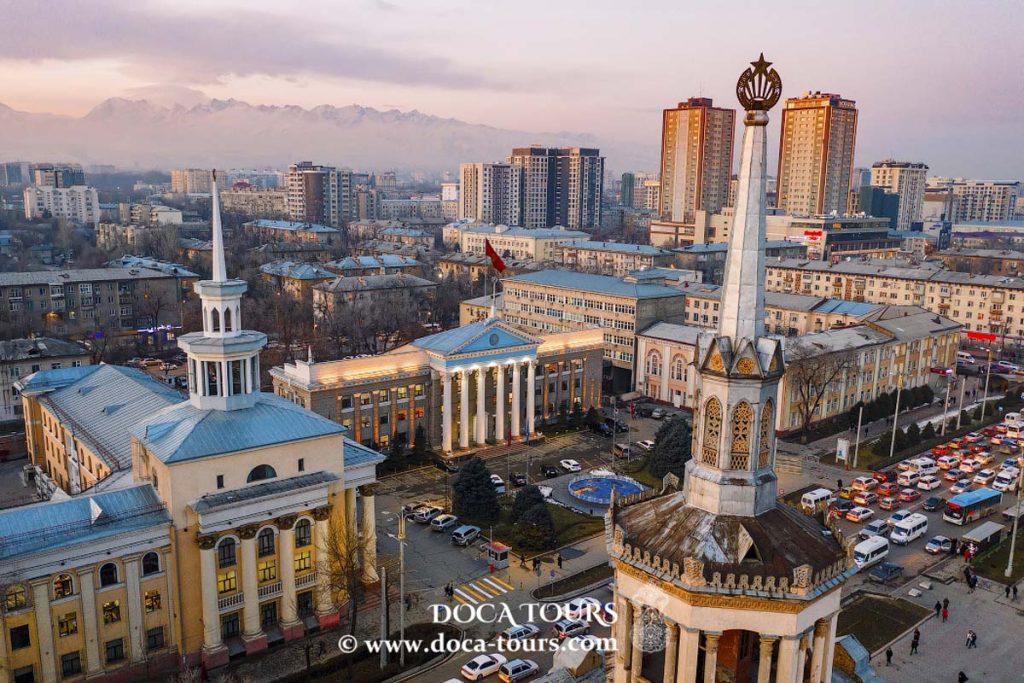
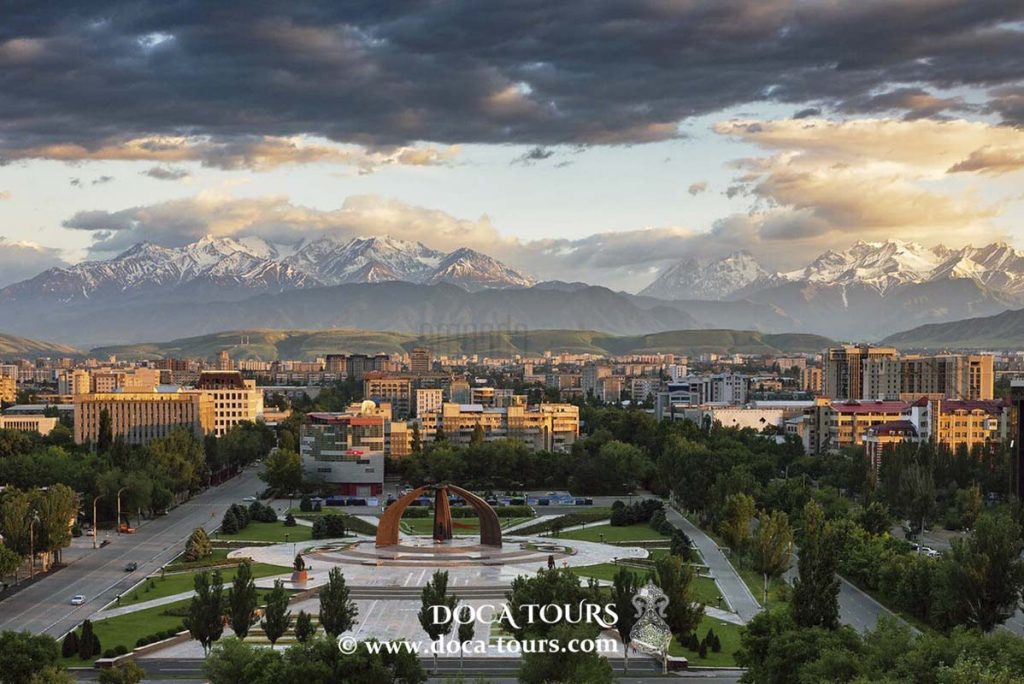
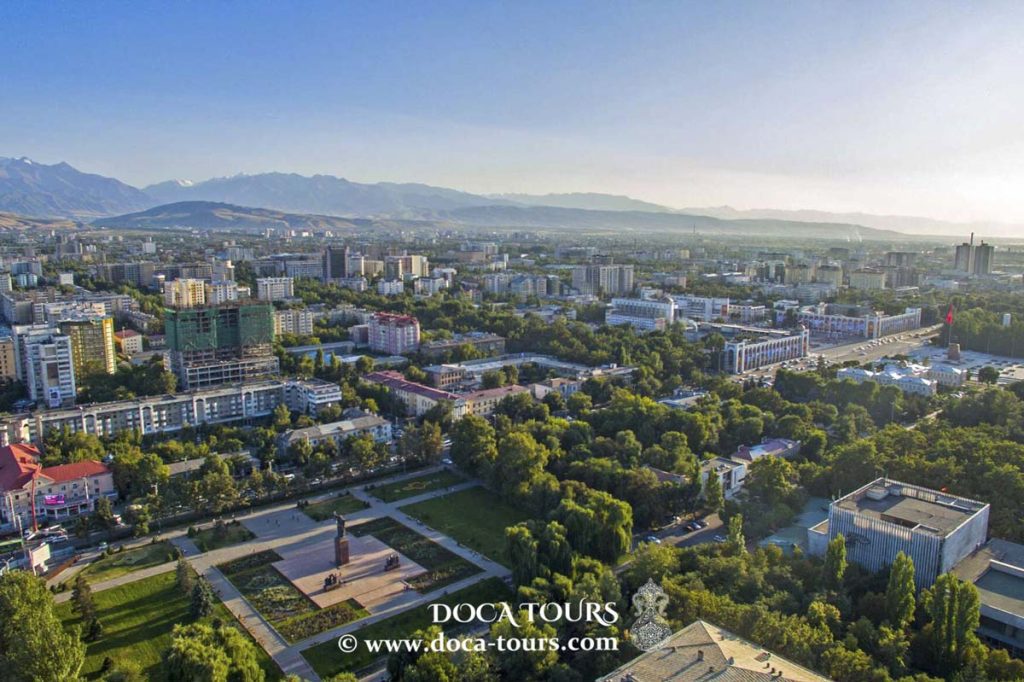
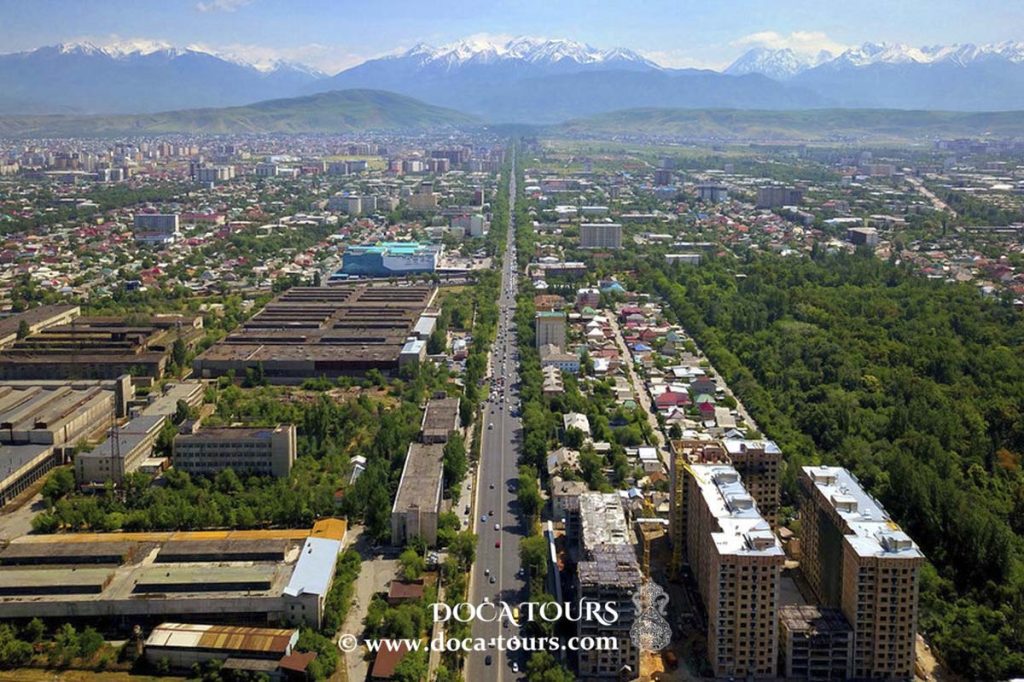
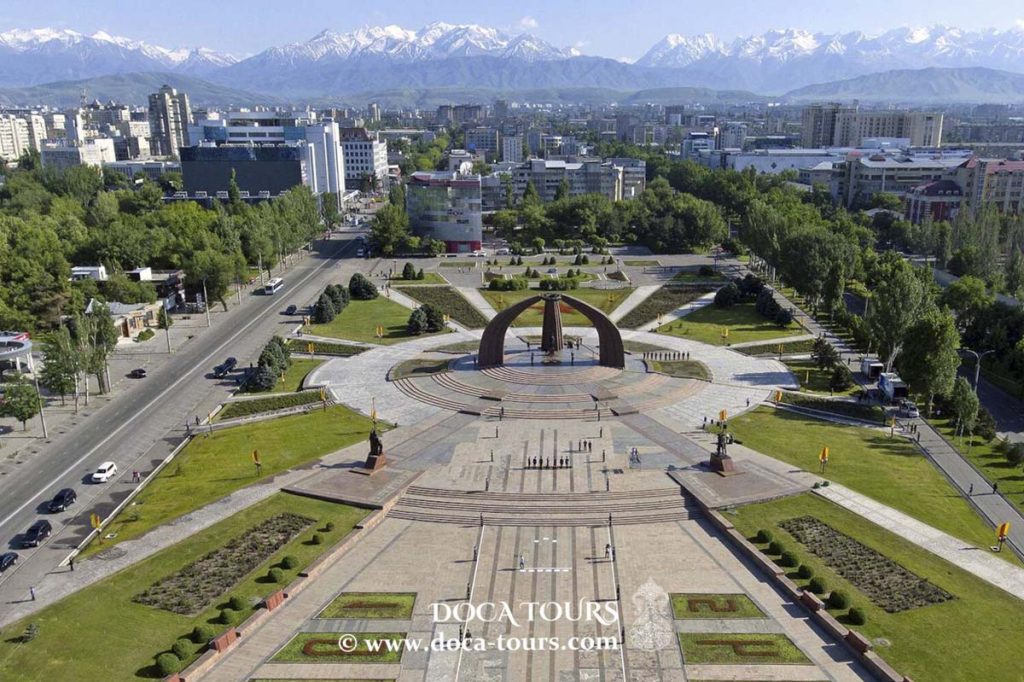
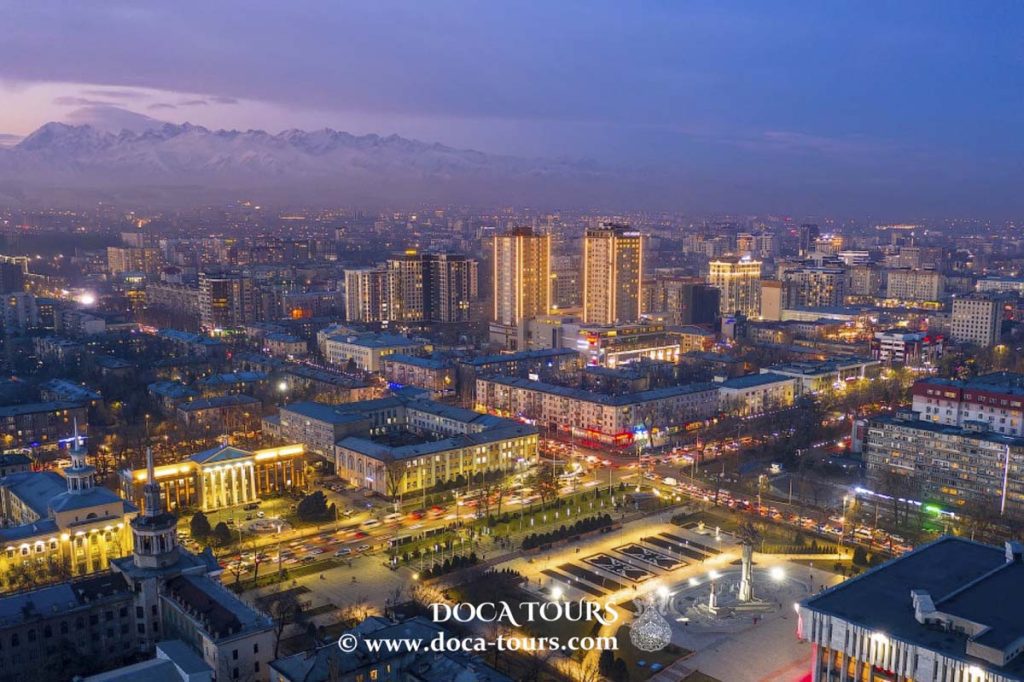
Bishkek lies at an altitude of approximately 800 meters (2,600 feet) near the northern edge of the Kyrgyz Ala-Too Range, a segment of the Tian Shan Mountains. These peaks reach elevations of up to 4,895 meters (16,060 feet). To the north of the city stretches a fertile and gently rolling steppe that extends deep into neighboring Kazakhstan, with the Chuy River draining much of the area. Bishkek is connected to the Turkestan-Siberian Railway via a branch line.
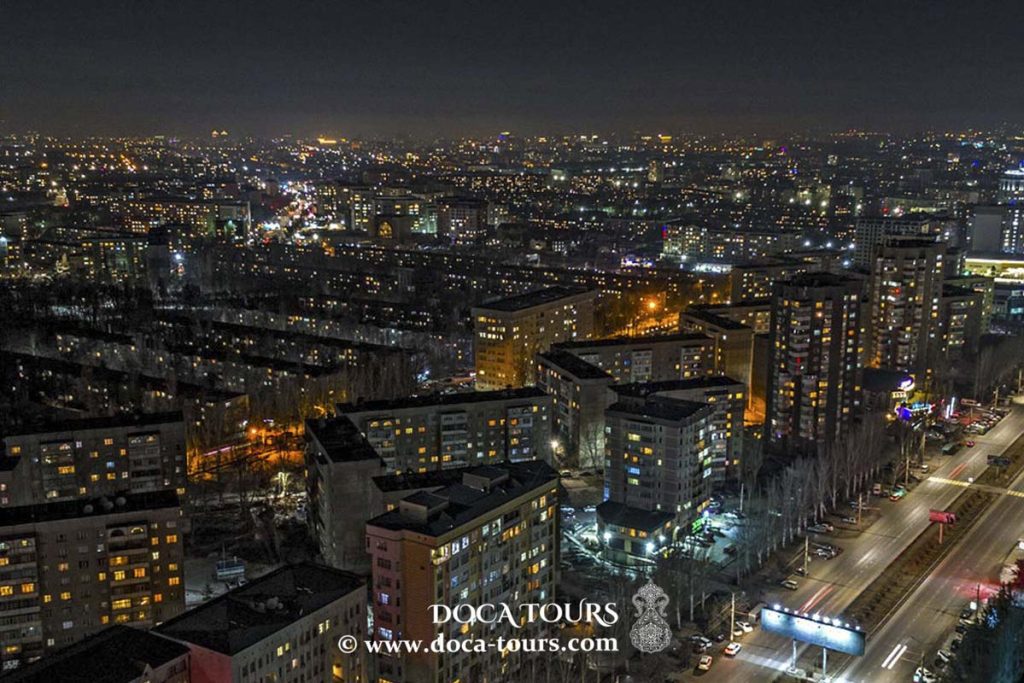
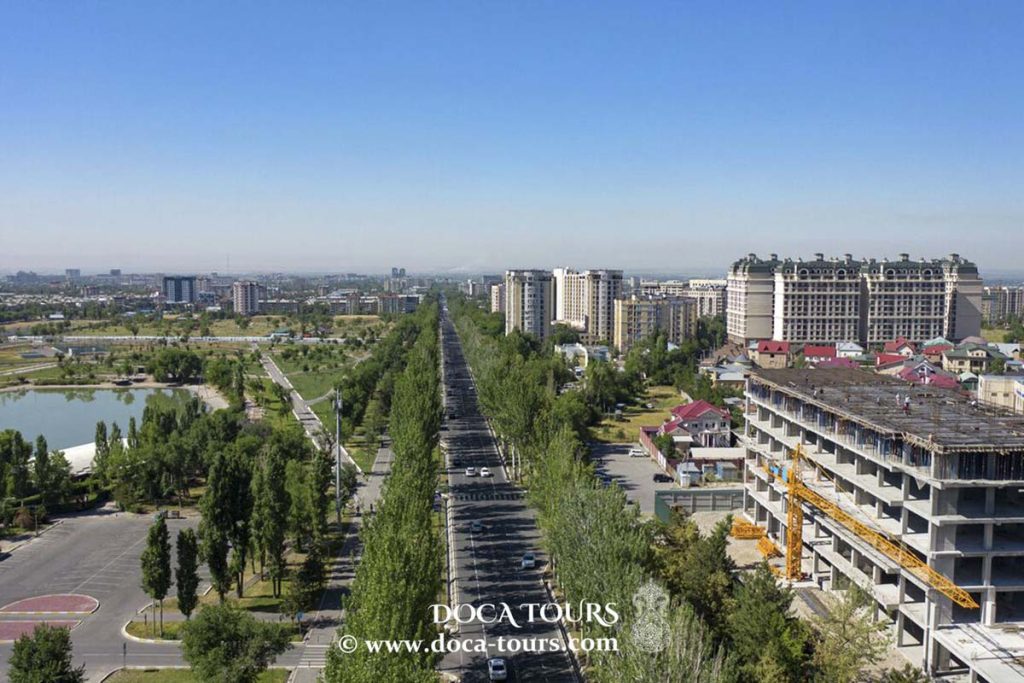
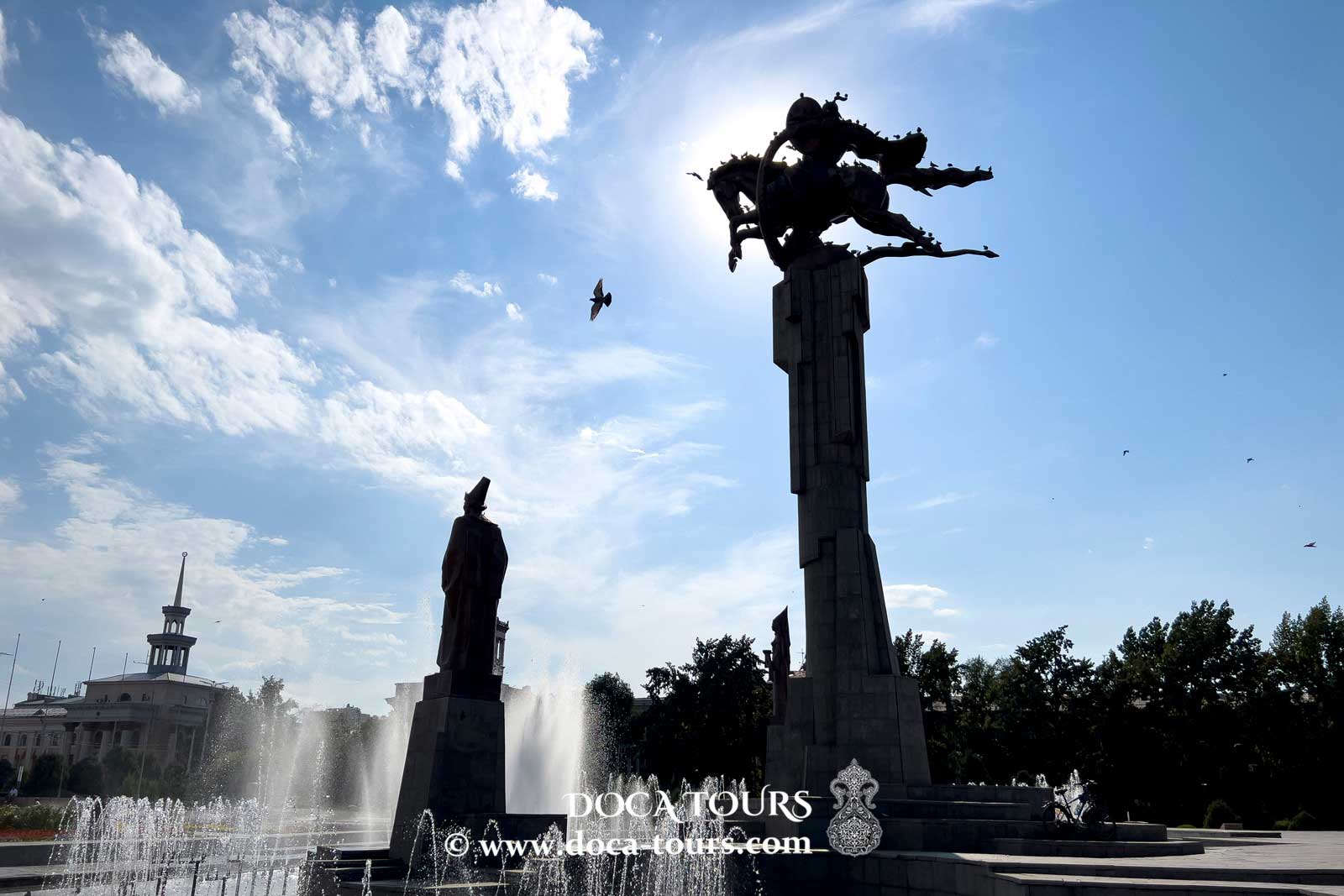
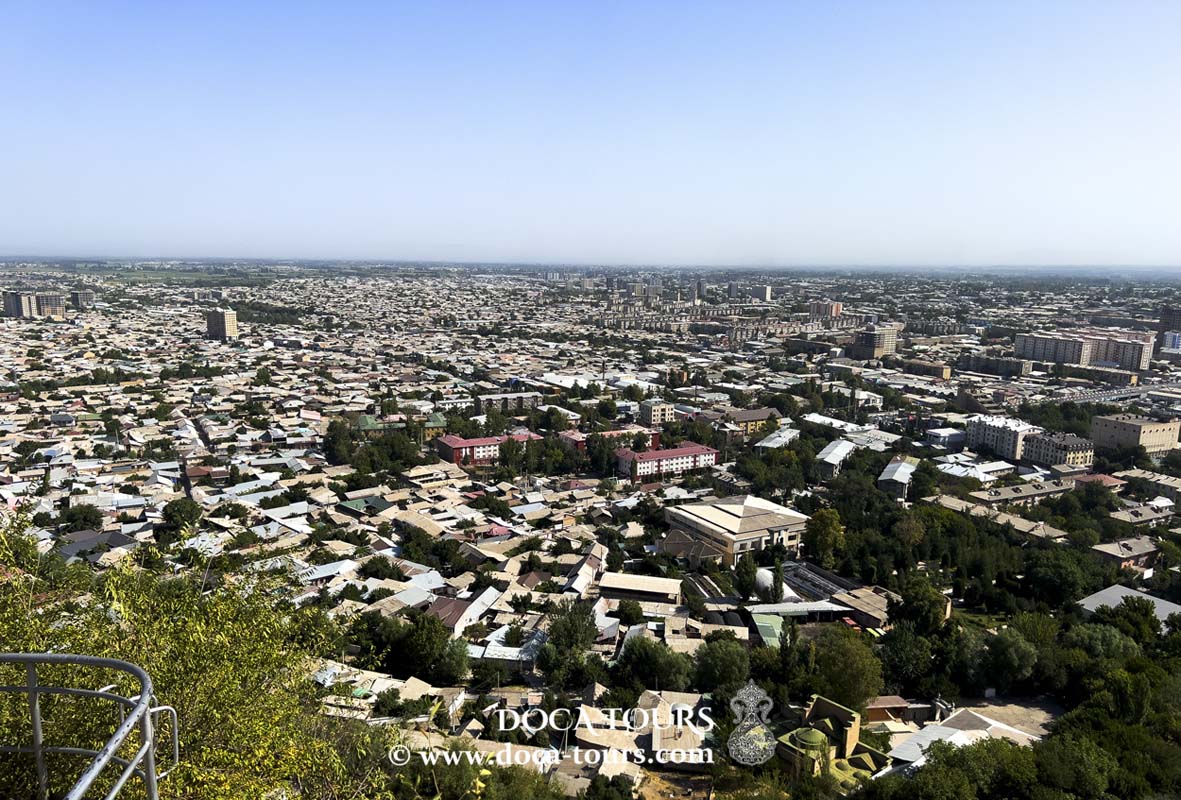
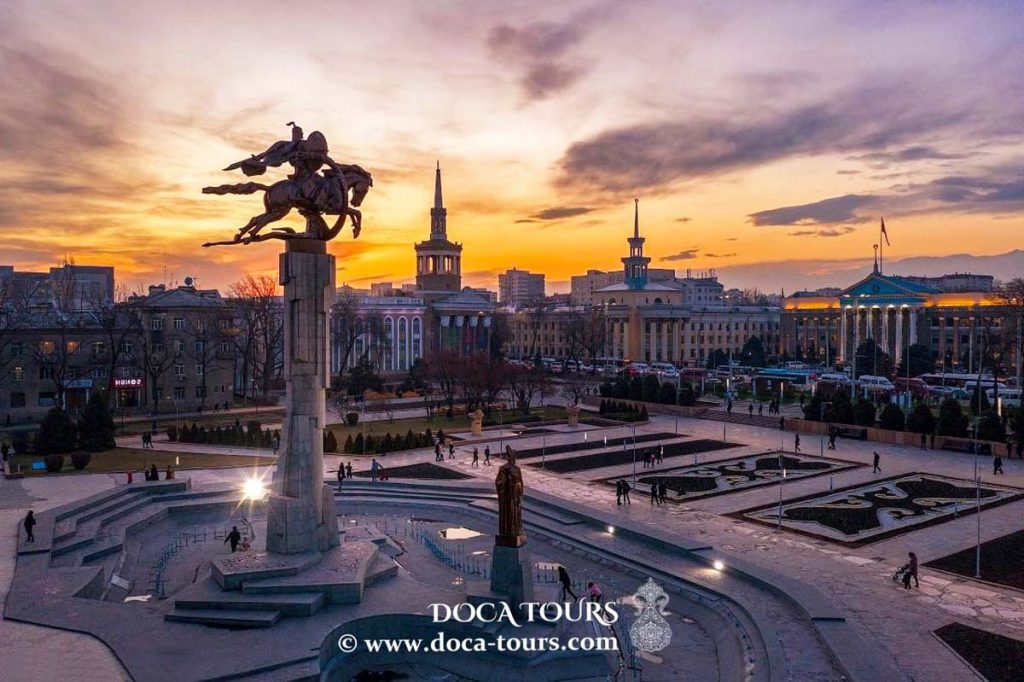
The city is characterized by broad boulevards and public buildings clad in marble, alongside numerous Soviet-era apartment complexes arranged around inner courtyards. Beyond the city center, thousands of small private homes can be found. The streets follow a grid pattern, most of which are lined with narrow irrigation channels that supply water to trees, offering shade during the hot summer months.
Etymology
The name Bishkek is believed to refer to a tool used for churning fermented milk.
The official website of the Bishkek mayor’s office provides a legend explaining the name’s origin: A hero’s pregnant wife lost the tool used to churn kumis. While searching for it, she unexpectedly gave birth to a son, whom she named Bishkek. As an adult, Bishkek became a prominent figure, and after his death, he was buried in a mound near the banks of the Alamudun River. A tombstone was erected in his honor, and this site was reportedly seen and described by travelers in the 17th and 18th centuries.
History
Based on DNA evidence, the region near Bishkek is considered one of the potential origins of the Black Death, which occurred between 1346 and 1353 CE.
Kokand Rule
Initially a caravan stop, possibly established by the Sogdians on a branch of the Silk Road traversing the Tian Shan mountains, the site was fortified in 1825 by the Kokand Khanate with a clay fortress. In the later years of Kokand rule, the Pishpek fortress was governed by an atabek, or datka. In 1844, the forces of Ormon Khan, leader of the Kara-Kyrgyz Khanate, temporarily captured the fortress.
Imperial Era
In 1860, the Russian Empire annexed the area, and Colonel Apollon Zimmermann's forces captured and demolished the fortress. Colonel Zimmermann subsequently rebuilt the settlement at the site of the destroyed fort and appointed Lieutenant Titov as the head of the new Russian garrison. Starting in 1877, the Imperial Russian government actively redeveloped the settlement, encouraging the migration of Russian peasants by granting them fertile farmland.
Soviet Era
In 1926, the city became the capital of the newly formed Kyrgyz Autonomous Soviet Socialist Republic and was renamed Frunze in honor of Mikhail Frunze, a close ally of Lenin. Frunze was born in Bishkek and played pivotal roles in the revolutions of 1905 and 1917, as well as during the Russian Civil War in the early 1920s.
Independence Era
The early 1990s were a turbulent period for Bishkek. In June 1990, a state of emergency was declared following severe ethnic unrest in southern Kyrgyzstan, which threatened to spread to the capital. On February 5, 1991, the city was renamed Bishkek, and Kyrgyzstan declared independence later that year with the dissolution of the Soviet Union.
Prior to independence, the majority of Bishkek's population was ethnically Russian. By 2004, Russians made up about 20% of the city’s population, which declined further to 7–8% by 2011.
Economy
Bishkek is Kyrgyzstan's financial hub, home to all 21 commercial banks in the country. During the Soviet era, the city housed numerous industrial enterprises, many of which either closed after 1991 or now operate on a much smaller scale. Today, one of Bishkek’s largest employment centers is the sprawling Dordoi Bazaar, an open market selling a vast array of Chinese goods exported to other CIS countries.
Climate
Bishkek experiences a humid continental climate with Mediterranean influences, characterized by average winter temperatures dropping below 0°C (32°F). Annual precipitation is approximately 440 millimeters (17 inches). Daily high temperatures range from 3°C (37.4°F) in January to around 31°C (87.8°F) in July. Summers are typically dry, interrupted by occasional thunderstorms that bring strong gusty winds and, rarely, dust storms. The southern mountain ranges act as a natural boundary and shield against extreme weather, while a smaller mountain chain stretching northwest to southeast provides additional protection. Winters see sporadic snowfall and frequent dense fog, with occasional temperature inversions causing fog to persist for several days.
Demographics
Bishkek is the most populous city in Kyrgyzstan, with an estimated population of 1,074,075 as of 2021. From its founding until the mid-1990s, the city’s population was predominantly composed of ethnic Russians and other European-origin groups, including Ukrainians and Germans. In the 1970 census, ethnic Kyrgyz accounted for only 12.3% of the population, while Europeans made up over 80% of Frunze's residents. Today, Bishkek has become predominantly Kyrgyz, with Kyrgyz people comprising 75% of its inhabitants, while European ethnic groups represent around 15%. Despite this demographic shift, Russian remains the dominant language, while Kyrgyz continues to lose prominence, particularly among the younger generation.
Economy
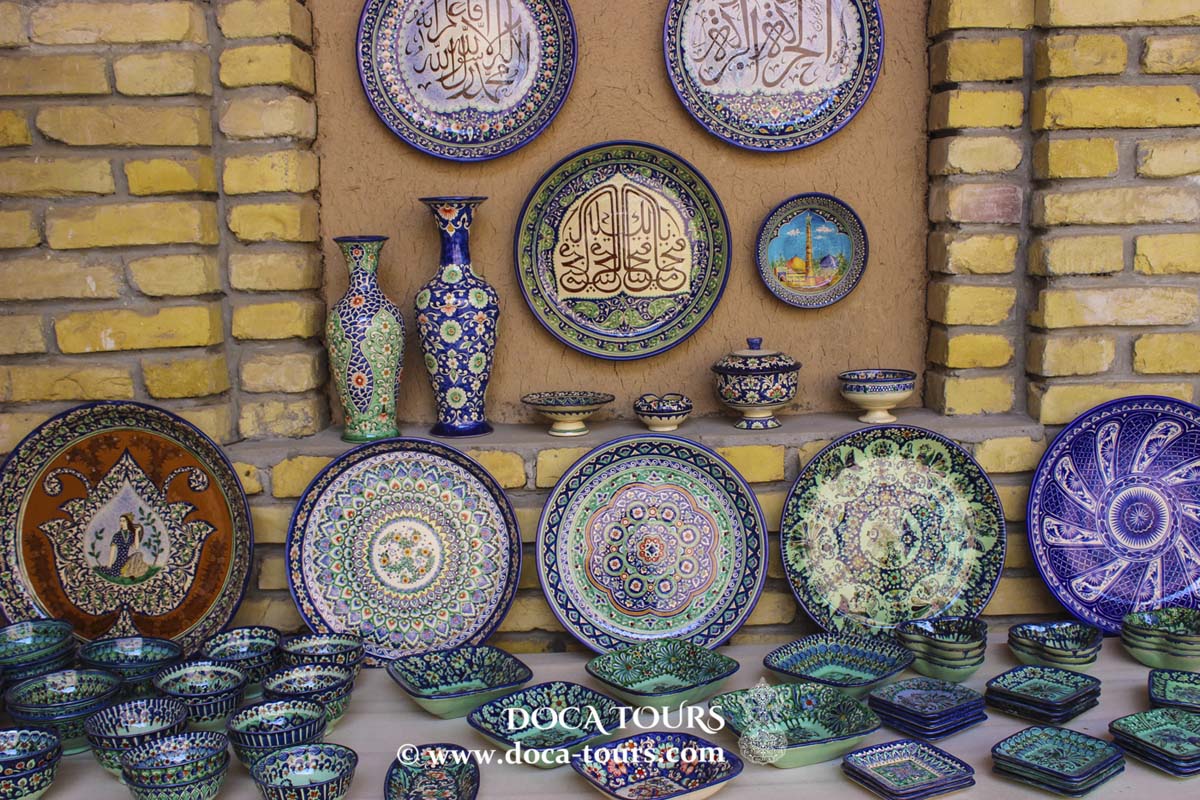
The official currency in Bishkek is the Kyrgyz som. While its value fluctuates, as of November 2024, the average exchange rate is approximately 86 soms per US dollar. Bishkek's economy is largely agricultural, with products sometimes exchanged in remote areas through bartering. The city’s streets are often bustling with food vendors operating at local markets. The central part of Bishkek has a more urban landscape, featuring banks, shops, markets, and shopping centers. Popular goods include handcrafted items such as statues, carvings, paintings, and various nature-inspired sculptures.
Government
The city’s administration is managed by the Bishkek mayor's office. Askarbek Salymbekov served as mayor until his resignation in August 2005, after which his deputy, Arstanbek Nogoyev, assumed the role. Nogoyev was removed from office in October 2007 by presidential decree from Kurmanbek Bakiyev and replaced by Daniyar Usenov, a businessman and former first deputy prime minister. In July 2008, Nariman Tuleyev, a former head of Kyrgyz Railways, was appointed mayor, but he was dismissed by the interim government following the events of April 7, 2010. From April 2010 to February 2011, Isa Omurkulov, also a former head of Kyrgyz Railways, served as acting mayor and was re-elected on February 4, 2011, holding office until December 14, 2013.
Kubanychbek Kulmatov was nominated by the Social Democratic Party of Kyrgyzstan's parliamentary group in the city council and was elected mayor on January 15, 2014, serving until his resignation on February 9, 2016. His successor, Albek Sabirbekovich Ibraimov, was also nominated by the Social Democratic Party and elected by the Bishkek City Council on February 27, 2016. The current mayor is Emil Abdykadyrov, who was elected on February 24, 2022.
Culture
Bishkek stands as the cultural epicenter of the country. It hosts the National Library of the Kyrgyz Republic along with several museums, such as the Kyrgyz State Historical Museum and the M.V. Frunze Museum. The Kyrgyz National Television and Radio Broadcasting Corporation (KTRK) is headquartered in Bishkek. Newspapers in Bishkek include the English-language Bishkek Observer, the world's only Dungan-language newspaper Huimin bao, and the Russian-language Vecherniy Bishkek.
Religion
Sunni Islam is the predominant religion, but the significant Russian population also supports a large Russian Orthodox community. Bishkek's Central Mosque is one of the largest in Central Asia. The city is also home to the Roman Catholic Apostolic Administration of Kyrgyzstan.
Sports
Bishkek houses the Dolon Omurzakov Stadium, the largest football stadium in Kyrgyzstan and the only one authorized to host international matches. Several football teams from Bishkek, including the six-time Kyrgyzstan champion Dordoi Bishkek, play on this field. Other teams include Alga Bishkek, Ilbirs Bishkek, and RUOR-Guard Bishkek.
In 2014, Bishkek hosted the IIHF Challenge Cup of Asia – Division I.
Transport
Public Transport
Bishkek’s public transport system includes buses, electric trolleybuses, and shared minivans (similar to Russia's marshrutkas). The city's first buses and trolleybuses started operating in 1934 and 1951, respectively. Taxis are also readily available throughout the city. There are plans to design and build a light rail transit system in the future.
Suburban and Intercity Buses
Bishkek has two main bus terminals. The smaller, older East Bus Station primarily serves minivans traveling to various destinations within or beyond the eastern suburbs, such as Kant, Tokmok, Kemin, Issyk-Ata, or the Kor-Dobe border crossing. Regular long-distance bus and minivan routes to all parts of the country, as well as to Almaty (Kazakhstan's largest city) and Kashgar in China, mainly depart from the new, larger West Bus Station. Only a few routes leave from the East Station.
Additionally, the Dordoi Bazaar on the northeastern outskirts of the city has makeshift terminals for frequently running minivans to suburban towns in all directions (from Sokuluk in the west to Tokmok in the east) and for some buses transporting traders to Kazakhstan and Siberia.
Railway Transport
As of 2007, Bishkek-2 railway station handles only a few trains per day, including a popular three-day journey from Bishkek to Moscow. There are also long-distance trains traveling to Siberia (Novosibirsk and Novokuznetsk) via Almaty on the TurkSib route, and to Yekaterinburg (Sverdlovsk) in the Ural region via Astana. These services are notably slow (taking over 48 hours to reach Yekaterinburg) due to lengthy border stops and indirect routes. For instance, in autumn 2008, the train № 305 from Bishkek to Yekaterinburg took 11 hours to reach the Shu junction, a distance of about 269 kilometers (167 miles) by rail, which is less than half that distance by road.
Air Transport
The city is served by Manas International Airport (IATA code FRU), located about 25 kilometers (16 miles) northwest of the city center. In 2001, the United States gained the right to use Manas International Airport as an airbase for military operations in Afghanistan and Iraq. Subsequently, in 2003, Russia established its own airbase near Kant, approximately 20 kilometers (12 miles) east of Bishkek. This base is located on the site of a former major Soviet military pilot training school, which once had Hosni Mubarak, who later became the President of Egypt, as one of its trainees.
Twin towns – sister cities
Bishkek is twinned with:
- Kazakhstan Almaty, Kazakhstan (1994)
- Turkey Ankara, Turkey (1992)
- Turkmenistan Ashgabat, Turkmenistan (2018)
- United States Colorado Springs, United States (1994)
- Qatar Doha, Qatar (2014)
- South Korea Gumi, South Korea (1991)
- Turkey İzmir, Turkey (1994)
- Ukraine Kyiv, Ukraine (1997)
- China Lianyungang, China (2015)
- Kazakhstan Astana, Kazakhstan (2011)
- Iran Qazvin, Iran (2003)
- Turkey Samsun, Turkey
- Belgium Liège, Belgium (2012)
- China Shenzhen, China (2016)
- Uzbekistan Tashkent, Uzbekistan
- Iran Tehran, Iran (1994)
- Turkey Trabzon, Turkey (2014)
- Russia Ufa, Russia (2017)
- China Ürümqi, China (1993)
- China Wuhan, China (2016)
- China Yinchuan, China (2000)


 In 1925, the Kara-Kyrgyz Autonomous Region was created within Russian Turkestan, designating Pishpek as its capital. In 1926, the Communist Party of the Soviet Union renamed the city Frunze in honor of the Bolshevik military leader Mikhail Frunze (1885–1925), who was born there. Frunze became the capital of the Kyrgyz Soviet Socialist Republic in 1936 during the final stages of Soviet national delimitation. In 1991, the Kyrgyz Parliament renamed the city Bishkek.
Bishkek lies at an altitude of approximately 800 meters (2,600 feet) near the northern edge of the Kyrgyz Ala-Too Range, a segment of the Tian Shan Mountains. These peaks reach elevations of up to 4,895 meters (16,060 feet). To the north of the city stretches a fertile and gently rolling steppe that extends deep into neighboring Kazakhstan, with the Chuy River draining much of the area. Bishkek is connected to the Turkestan-Siberian Railway via a branch line.
The city is characterized by broad boulevards and public buildings clad in marble, alongside numerous Soviet-era apartment complexes arranged around inner courtyards. Beyond the city center, thousands of small private homes can be found. The streets follow a grid pattern, most of which are lined with narrow irrigation channels that supply water to trees, offering shade during the hot summer months.
In 1925, the Kara-Kyrgyz Autonomous Region was created within Russian Turkestan, designating Pishpek as its capital. In 1926, the Communist Party of the Soviet Union renamed the city Frunze in honor of the Bolshevik military leader Mikhail Frunze (1885–1925), who was born there. Frunze became the capital of the Kyrgyz Soviet Socialist Republic in 1936 during the final stages of Soviet national delimitation. In 1991, the Kyrgyz Parliament renamed the city Bishkek.
Bishkek lies at an altitude of approximately 800 meters (2,600 feet) near the northern edge of the Kyrgyz Ala-Too Range, a segment of the Tian Shan Mountains. These peaks reach elevations of up to 4,895 meters (16,060 feet). To the north of the city stretches a fertile and gently rolling steppe that extends deep into neighboring Kazakhstan, with the Chuy River draining much of the area. Bishkek is connected to the Turkestan-Siberian Railway via a branch line.
The city is characterized by broad boulevards and public buildings clad in marble, alongside numerous Soviet-era apartment complexes arranged around inner courtyards. Beyond the city center, thousands of small private homes can be found. The streets follow a grid pattern, most of which are lined with narrow irrigation channels that supply water to trees, offering shade during the hot summer months.
 Kubanychbek Kulmatov was nominated by the Social Democratic Party of Kyrgyzstan's parliamentary group in the city council and was elected mayor on January 15, 2014, serving until his resignation on February 9, 2016. His successor, Albek Sabirbekovich Ibraimov, was also nominated by the Social Democratic Party and elected by the Bishkek City Council on February 27, 2016. The current mayor is Emil Abdykadyrov, who was elected on February 24, 2022.