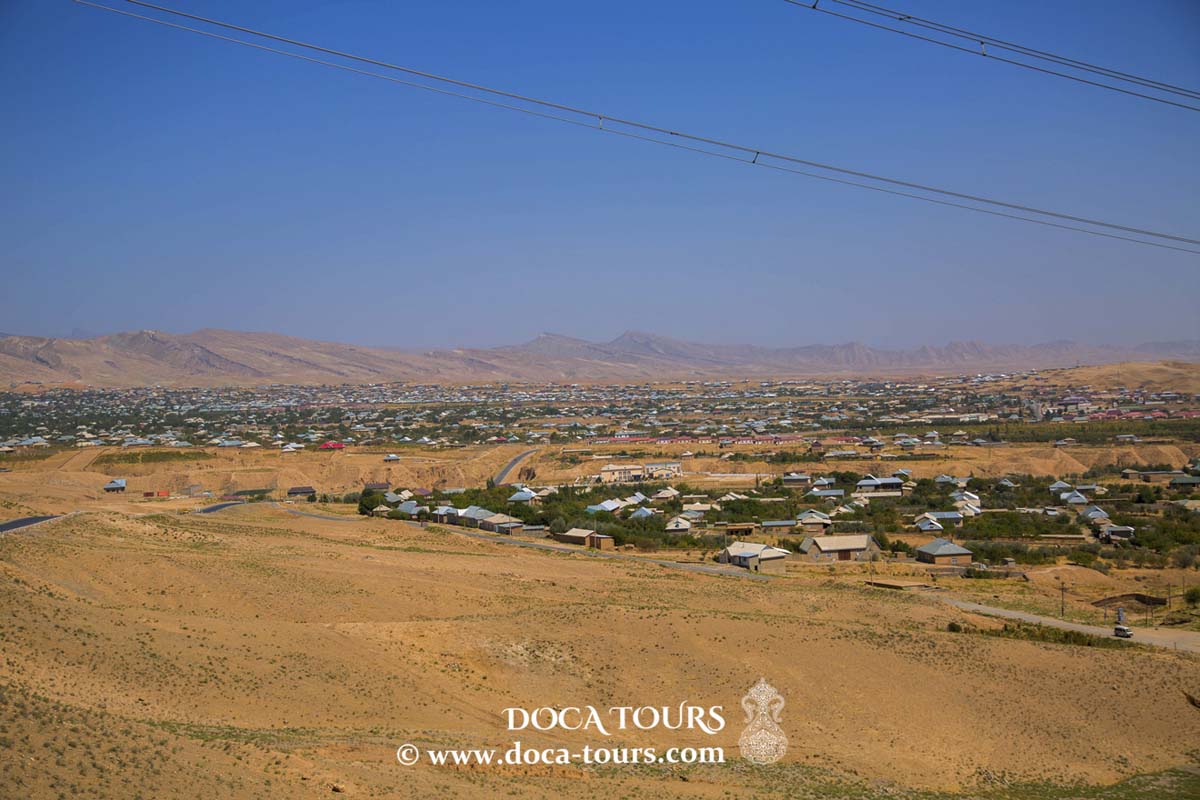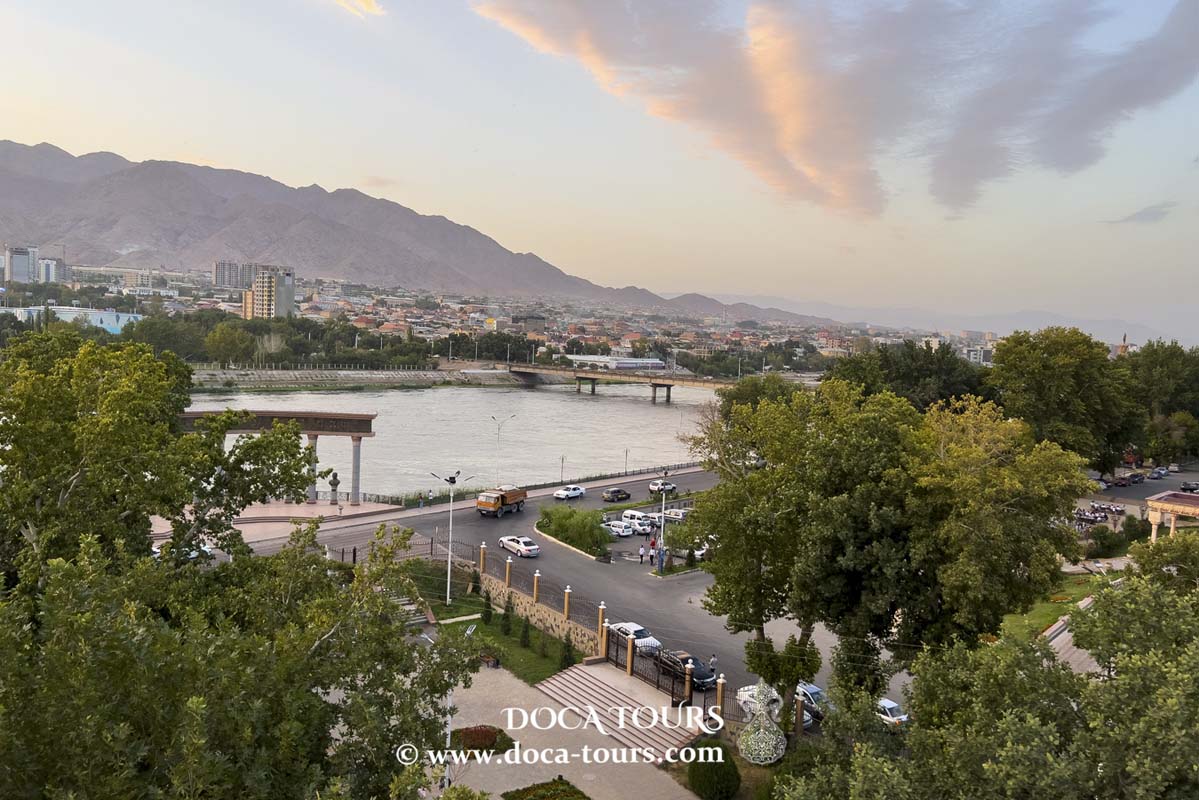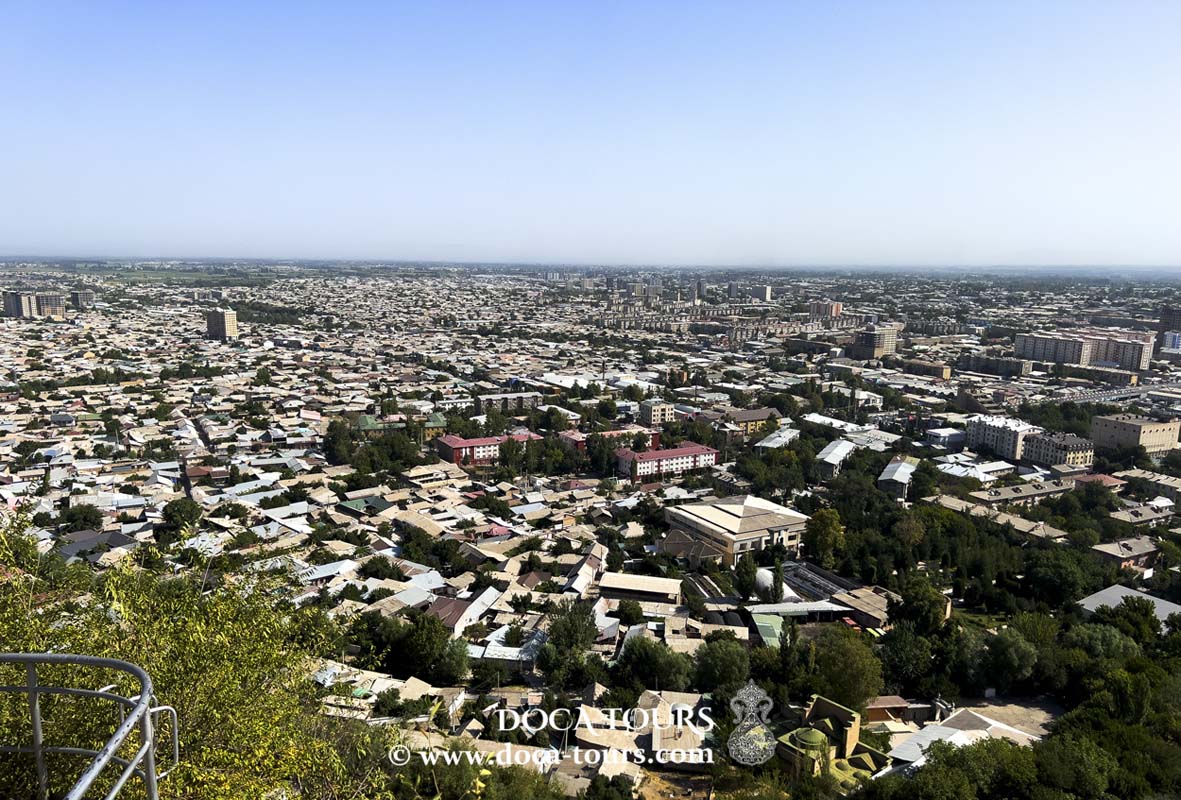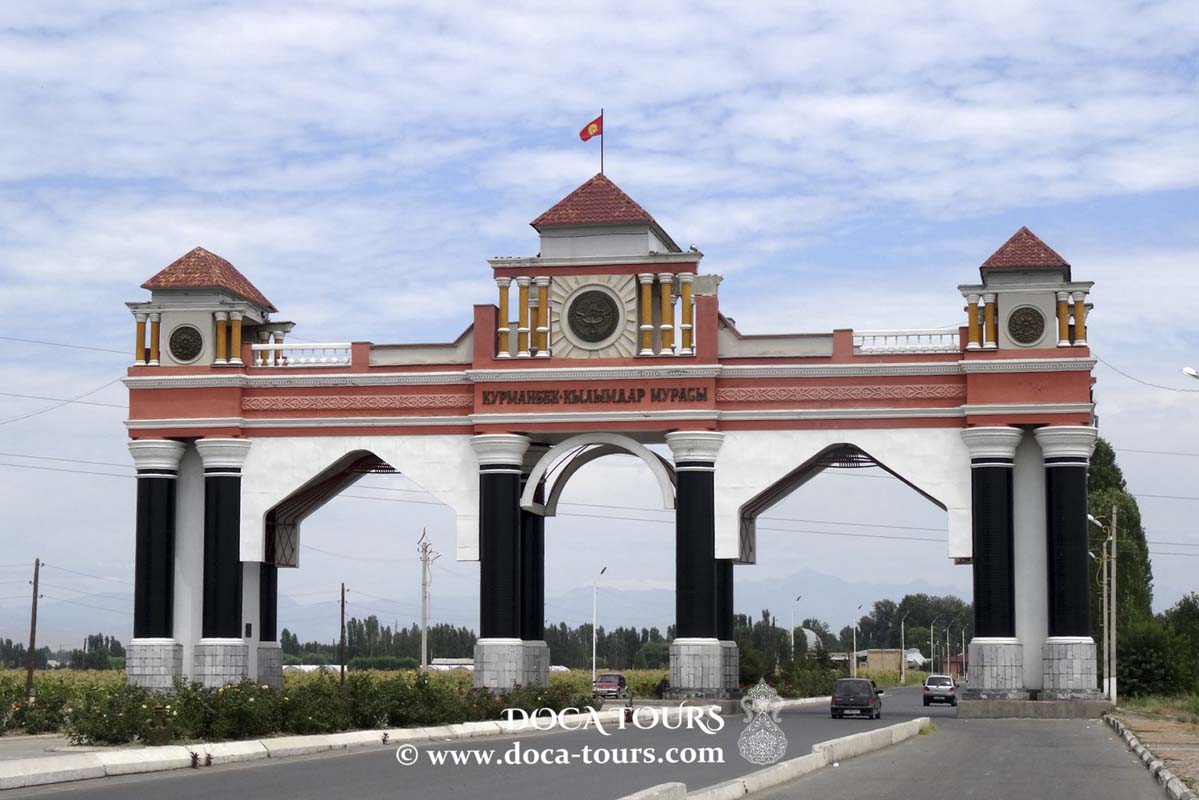
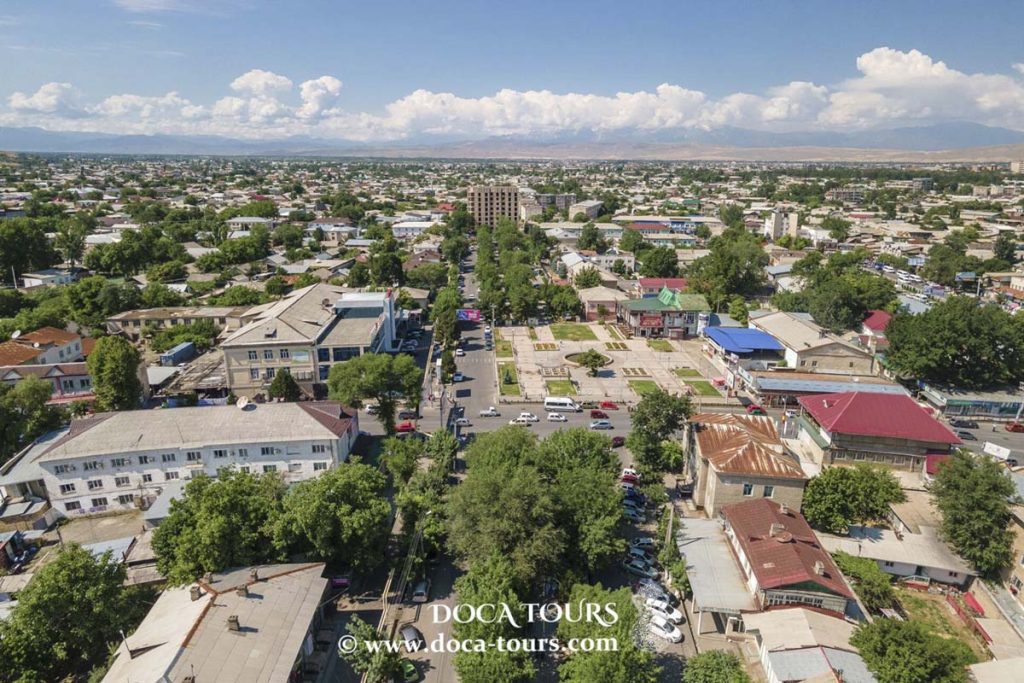
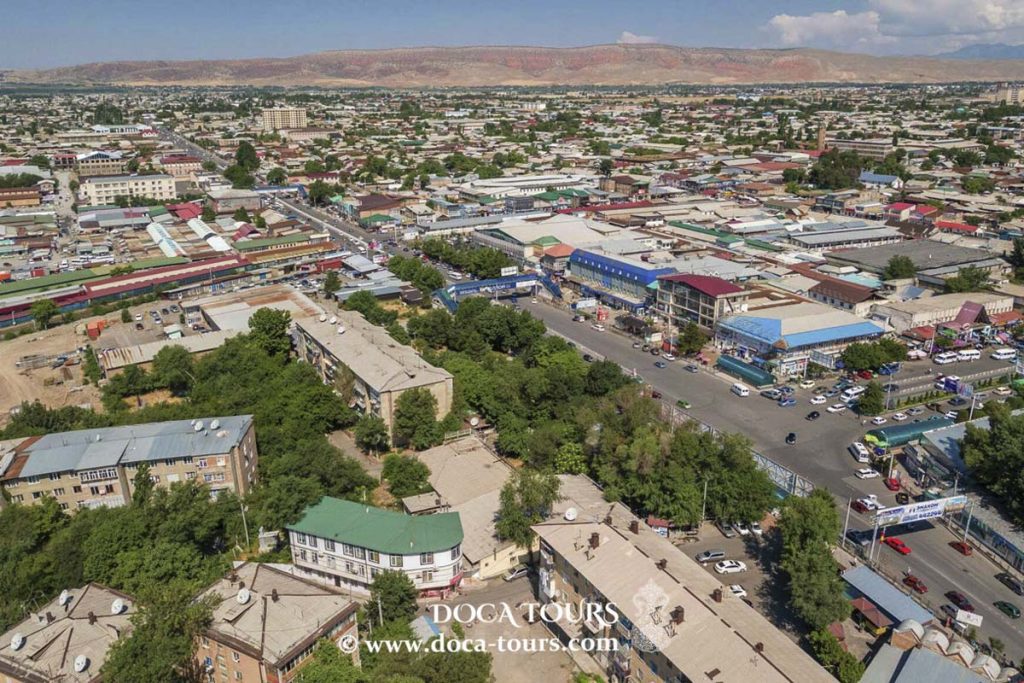
Jalal-Abad serves as the administrative and economic hub of the Jalal-Abad region in southwestern Kyrgyzstan. Covering an area of 88 square kilometers (34 square miles), it had a population of 123,239 residents in 2021. The city is situated in the northeastern part of the Fergana Valley along the Kögart River valley, nestled in the foothills of the Babash-Ata Mountains, close to the Uzbekistan border.
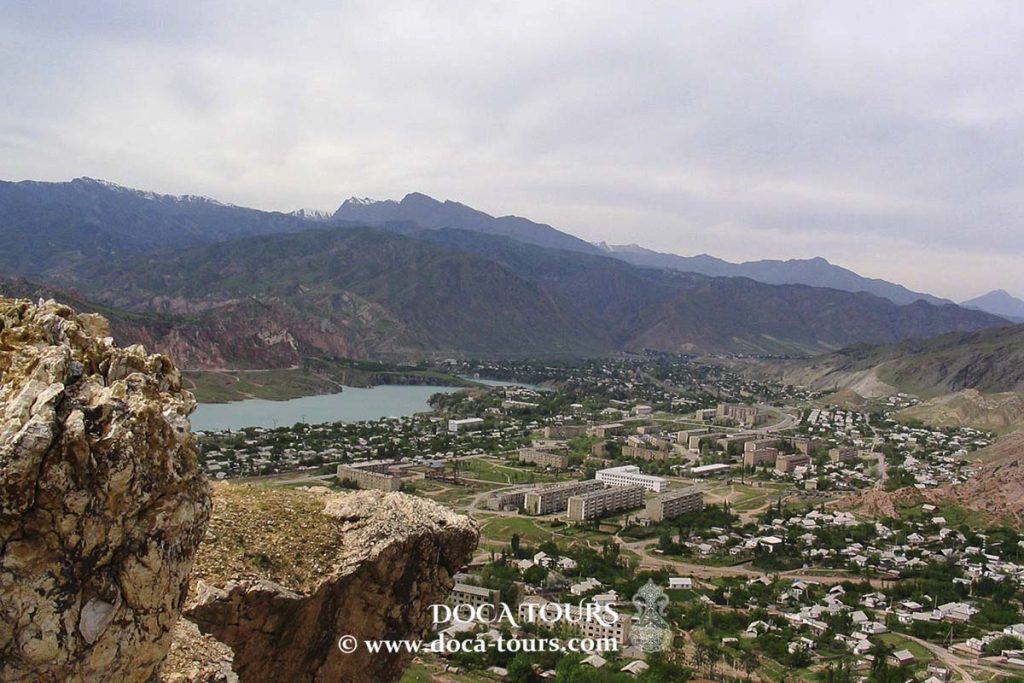
Jalal-Abad is renowned for its mineral springs in the surrounding areas. The water from the nearby Azreti-Ayup-Paygambar spa has long been believed to cure leprosy. Several Soviet-era sanatoriums offer mineral water treatment programs for individuals with various chronic illnesses. Bottled mineral water from this region is sold nationwide and internationally.
The earliest known name of the city is Jelalabad.
From 1870 to 1936, it was referred to as Jalyal-Abad. In the Proceedings of the Turkestan Department of the Russian Geographical Society from 1900, it is mentioned as the village of Jalyal-Abad in the Jalyal-Abad volost of the Andijan district. In the official administrative-territorial reference guide as of September 1, 1935, the city appears under the traditional name Jalyal-Abad. The spelling of the city’s name was altered following the transformation of the Kyrgyz ASSR into a union republic and its separation from the RSFSR.

From 1936 to 2002, the city was known as Jalal-Abad.
In 2002, it was renamed Jalalabat in accordance with the "New Edition of the Kyrgyz Language Orthography" adopted by the Jogorku Kenesh on June 28, 2002, under No. 830-11.
In June 2008, the name was reverted to Jalal-Abad following a resolution of the Jogorku Kenesh of Kyrgyzstan to restore the hyphenated spelling of place names across the country.
Since ancient times, one of the routes of the Silk Road passed along Ayub-Too. This allowed the residents of the Ferghana Valley, as well as the Kokand khans who ruled these lands during the founding of Jalal-Abad, to actively interact with Afghanistan and China. This could explain the similarity in names between this city and the Afghan city of Jelalabad. Interestingly, Jalal-Abad was also called Jelalabad until 1917. Naming different settlements with the same name was a common practice in Central Asia and the Middle East. Over 30 settlements named Jalalabad exist in the region. The Afghan Jelalabad, in turn, was named after Jalal ad-Din Muhammad Akbar (1542–1605), who founded the city in the late 1560s.
"Abad" translates from Persian as "place" or "a place where people live." Additionally, "jelal" in Urdu, Persian, and Arabic means "glory," "sanctity," or "majesty." Thus, the city’s name may be interpreted as "place of glory," "holy place," or "place named after Jalal." Considering that the city’s origins are tied to pilgrims from the Ferghana Valley, the name is likely associated with a Muslim shrine on the Ayub-Too mountain.
One of the main branches of the Silk Road in Kyrgyzstan passed through Jalal-Abad, welcoming travelers for thousands of years. Although few archaeological remains survive today, some distant parts of the region, like Saimalu-Tash and the Chatkal Valley, still hold historical significance. Over the centuries, Jalal-Abad has hosted travelers, merchants, tourists, and pilgrims visiting various sacred sites, as well as patients seeking the healing properties of the area's resorts, such as Mount Ayub-Tau, which rises 700 meters above sea level, approximately three kilometers from the city.
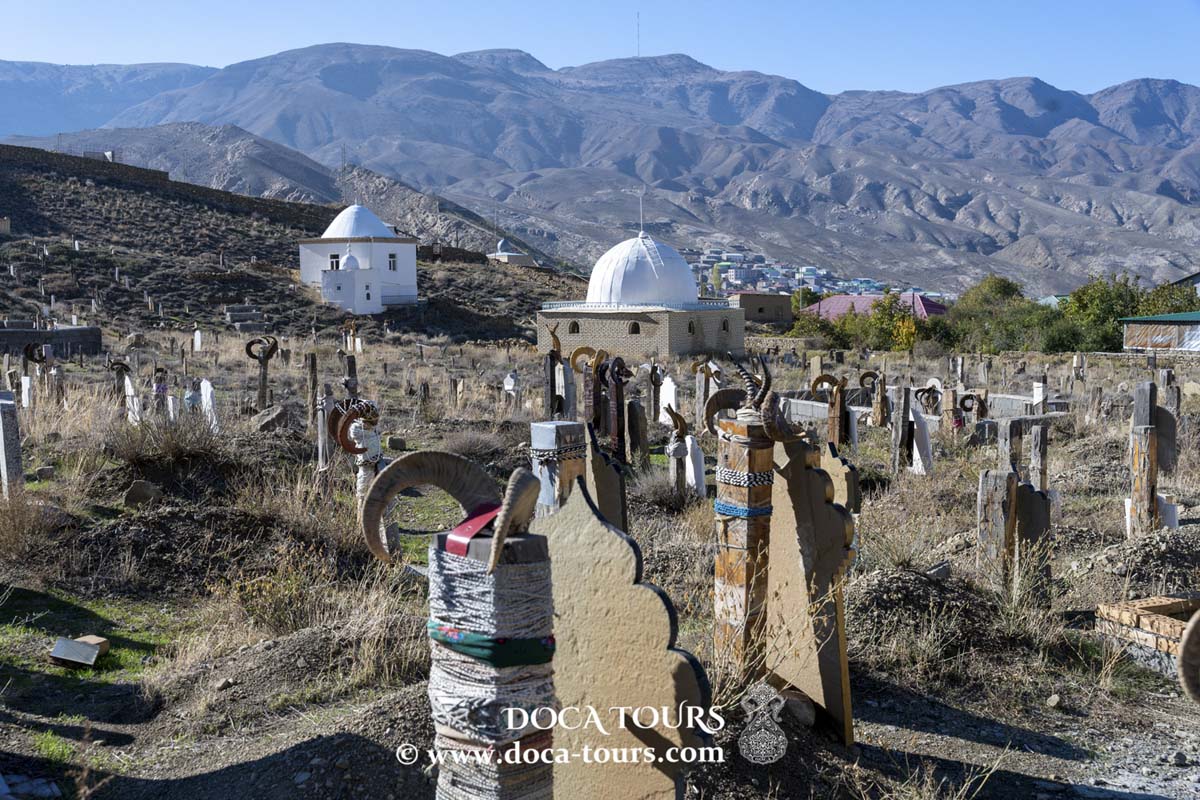
The settlement originated as a kishlak (village) near healing springs located on Mount Ayub-Too. Beside these springs stands a mausoleum marking the grave of Hazrat Ayub Sabrullah (commonly known as Job the Long-Suffering), a revered Muslim saint. According to local legend, he lived on the mountain 5,000 years ago and was cured of leprosy through his devotion to Allah. This saint is often associated with Job, the central figure of the Biblical Book of Job. As the story goes, after his miraculous recovery, Hazrat Ayub created two hot springs by striking the ground with his feet. He then drove his staff into the worms that had fallen from his sores, and the staff grew into a mulberry tree. The worms that climbed onto the tree transformed into silkworms, and Hazrat Ayub’s wife, Bibi Rahim, spun silk from their cocoons. One of the springs, Kyz-Bulak (translated as "Girl's Spring"), is named after her and is believed to have restored her youth. Pilgrims visited these springs for worship and to treat ailments such as rheumatism, scrofula, malaria, and various skin and digestive disorders.
Several other mausoleums dedicated to Saint Job exist across Central Asia and the Middle East, including in Bukhara, Syria, Oman, Turkey, and Lebanon.

A historic postcard from the Tashkent publishing house of I. A. Bek-Nazarov depicts the Jalal-Abad livestock market during the imperial period.
In the early 19th century, a fortress of the Kokand Khanate was constructed in this area. The local villagers tended to pilgrims visiting the holy mineral springs and engaged in agriculture, livestock breeding, and the cultivation of rice, melons, and fruits. As the kishlak grew in population, artisans (such as potters and craftsmen) established small workshops, which later evolved into minor processing enterprises. With the arrival of Russian troops, cotton cultivation was introduced to the region.

The official founding date of the city is October 1877, when Russian forces established a fort at the foot of Ayub-Too. At the time of the Ferghana Valley's annexation by the Russian Empire, Jalal-Abad was a relatively insignificant settlement. It was not marked on either Skyler's map (1875) or Lyusilin's map (1876), unlike the neighboring village of Suzak, which in 1909 had a larger population than Jalal-Abad.
The rise of Jalal-Abad began only after the establishment of a Russian administrative center in the village, which became the seat of the Jalal-Abad district of the Andijan uyezd in the Ferghana region. By 1909, the population of the village had reached 1,100, predominantly consisting of Uzbeks. In 1903, the head of the Jalal-Abad volost, Min-Bashi Kambar-Ali (Ahmatkul Kambar Aliyev), served under Colonel Korytov, the head of the Andijan district.
In 1902, Russian officer N. L. Korzhenevsky, with the support of his military command, developed and installed two heliograph stations to establish communication between Osh and Jalal-Abad. The mineral springs in Jalal-Abad were a popular treatment site for many soldiers, making reliable communication with the district center in Osh essential.
On June 1, 1916, the first postal office was opened in the city.

In 1924–1925, the Jalal-Abad Pedagogical College was established. During the 1920s, efforts to eradicate illiteracy among the adult population began, and by 1940, this initiative was largely successful.
By 1939, the city’s population had grown to 15,000 residents.
On the eve of World War II, Jalal-Abad’s population exceeded 22,000. In 1941, 8,000 residents were sent to the front. By February 1942, the city’s population had dwindled to no more than 13,000, primarily composed of elderly individuals, women, and children.
During the war, units of the 5th Infantry Division of General Anders' Polish Army were temporarily stationed in the city and its surroundings.
In the post-war years, the transition to universal seven-year education was completed.
In 1961, a drama theater was constructed in the city.
By 1970, the population had reached 44,000. According to the 1970 census, literacy rates were 99.8% among men and 99.6% among women.
By 1975, universal secondary education had been implemented nationwide.
By 1991, Jalal-Abad had become an industrial and educational hub. The city hosted a cotton processing plant, garment, footwear, and furniture factories, fruit and vegetable canning and meat processing plants, dairy and brewing factories, a confectionery plant, a construction materials factory, and an asphalt-bitumen plant. It also had facilities for metalworking. The city was home to veterinary, cooperative, medical, and pedagogical colleges.
Jalal-Abad’s health resort attracted patients from across the USSR, offering treatment for musculoskeletal disorders, peripheral nervous system diseases, digestive conditions, gynecological issues, kidney problems, and skin diseases.
A local legend tells of a spring associated with Hazrat Ayub Paygambar (Prophet Job), whose waters were believed to cure leprosy. According to the tale, the site once included a grave, a mosque, and a royal palace.
The suffix "-abad" in Persian names commonly signifies a settlement established by an individual. It is said that Jalal-Abad was named after Jalal ad-Din, renowned for building caravanserais to serve travelers and pilgrims heading to the sacred mountain.
In the early 19th century, a small Kokand fortress was constructed in the area, around which a modest village developed. The inhabitants engaged in agriculture, trade, and provided services for pilgrims visiting the sacred springs. By the 1870s, Russian settlers arrived, establishing a garrison town and a military hospital.
Jalal-Abad experiences a hot, dry-summer continental climate (Dsa) according to the Köppen climate classification. Winters are wetter than summers, with an annual average temperature of 12.3°C (54.1°F) and approximately 416 mm (16.38 inches) of precipitation each year.
A rare railway line in Kyrgyzstan connects the Fergana Valley to the northeast, reaching Kokjanggak, about 30 kilometers away.
Prominent companies in Jalal-Abad include the Kyrgyz-Canadian joint venture "Kyrgyz Petroleum Company," AO "Kelechek," and AO "Nur." Cotton processing is undertaken by AOZT "KyrgyzKhlopok" and the joint venture "Ak-Altyn." Tobacco firms such as OsOO "Tura-Ay" and OsOO "Aziz-Tabak" export 90% of their products to 17 countries. Additionally, the city has flour mills like AO "Azrat Ayib," AOZT PTK "Intershak," LLC "Mariam & Co," and a liquor producer, AOZT "Jalalabad Vodka Plant."
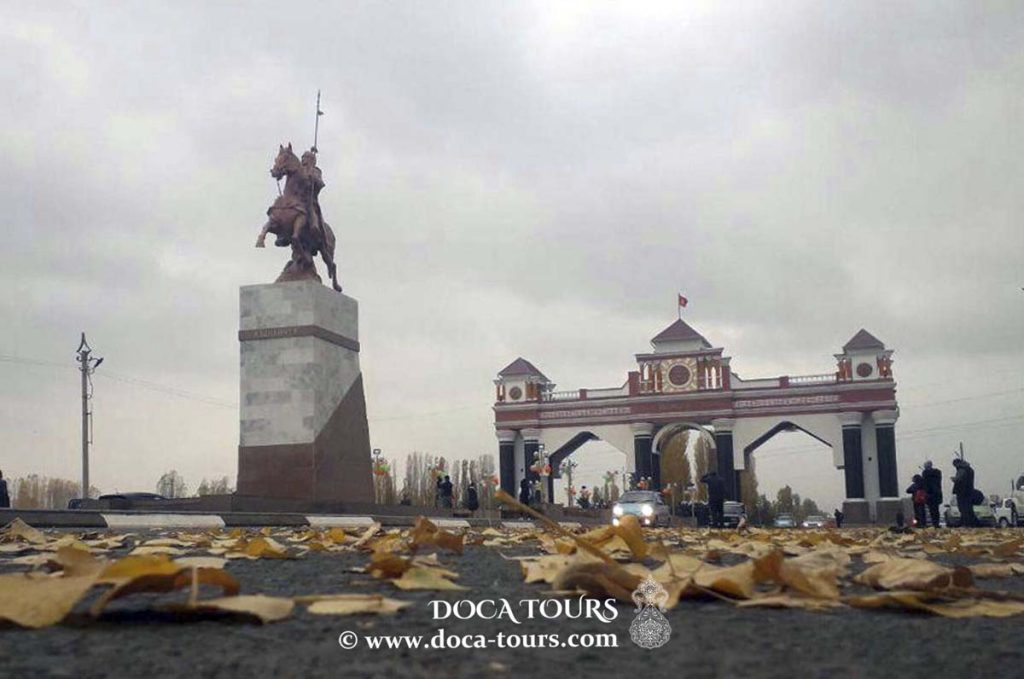
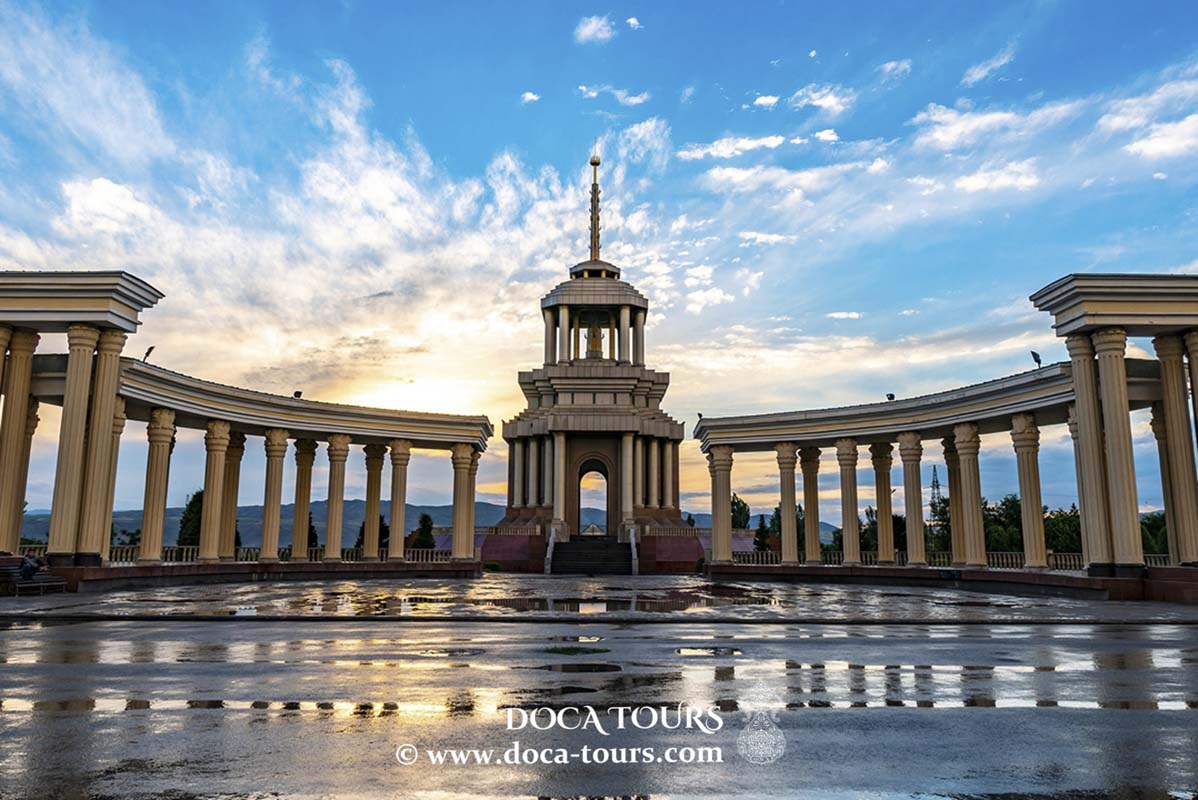
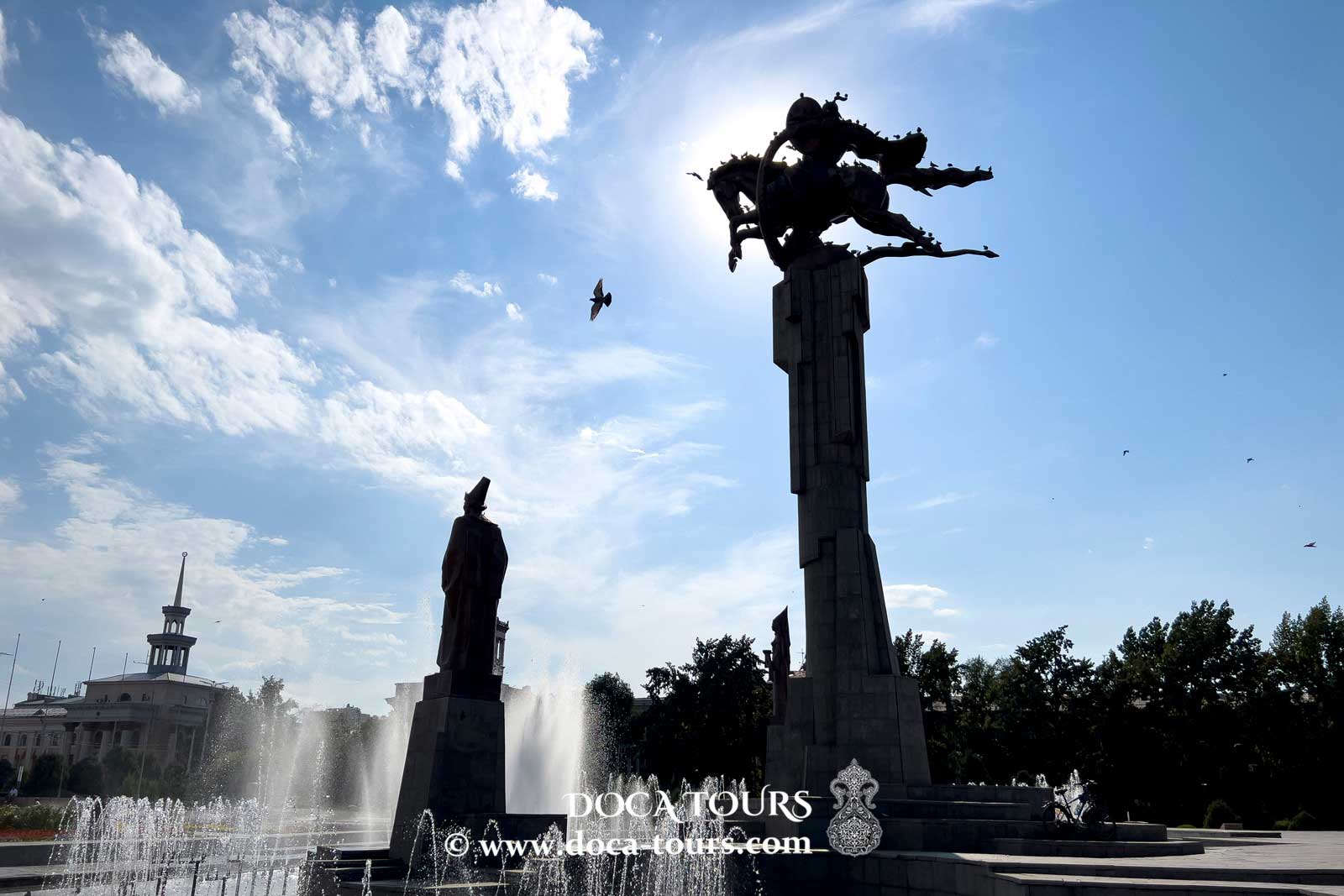
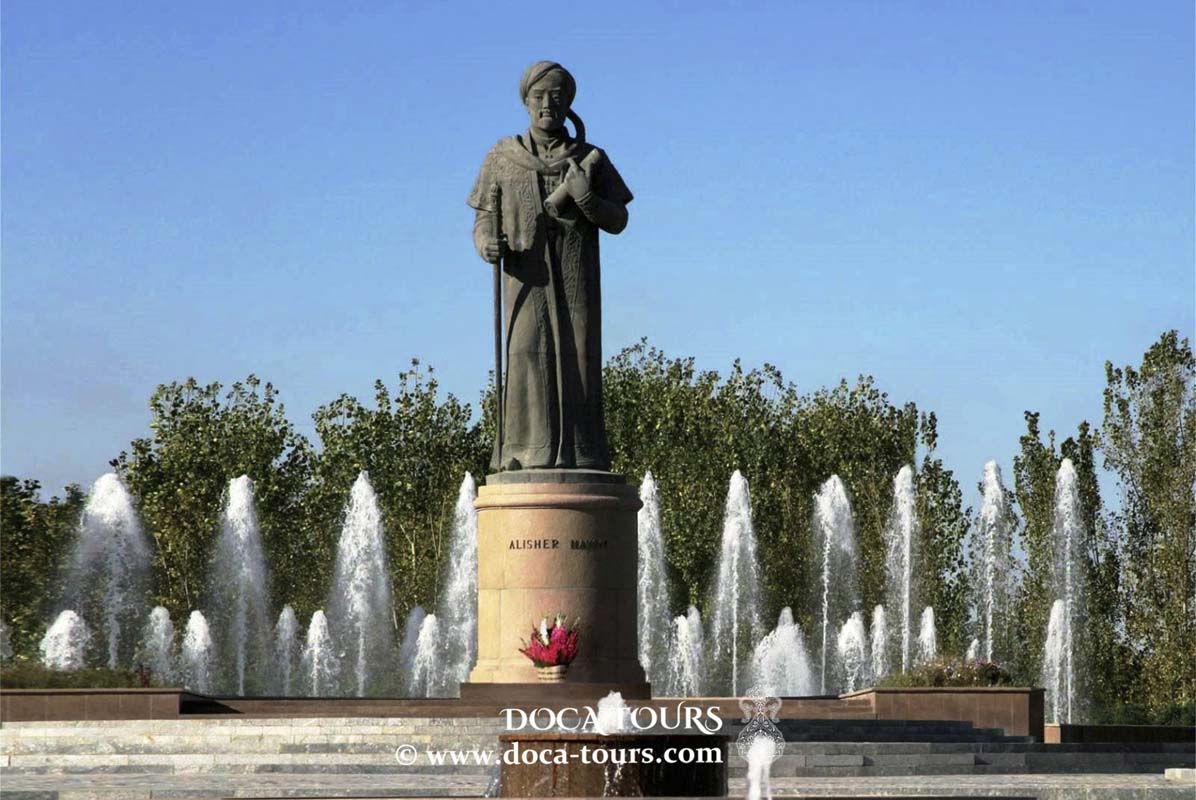
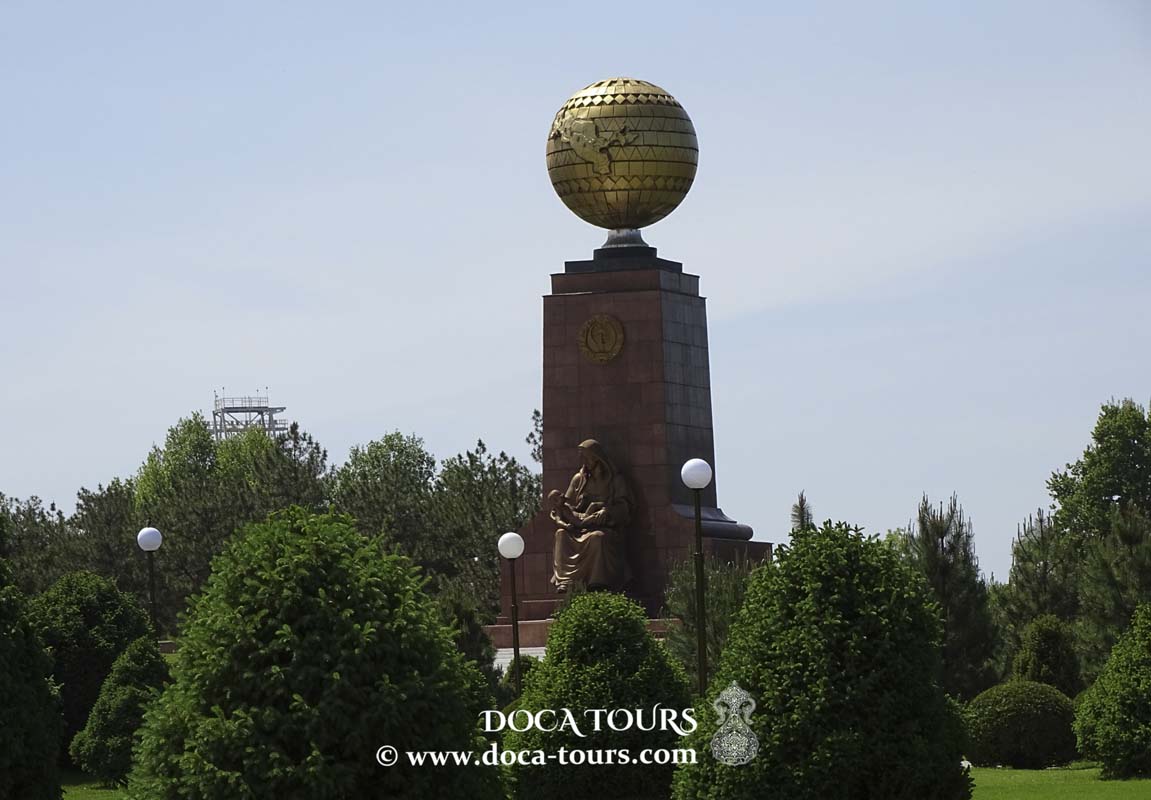
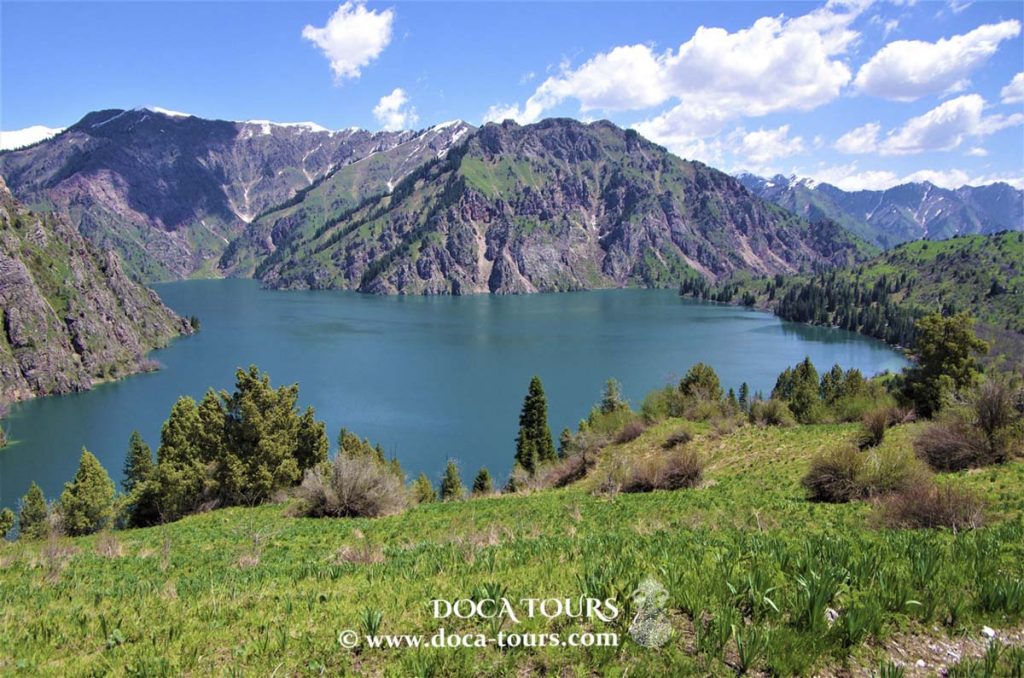
Jalal-Abad Region is celebrated for its walnut forests and picturesque landscapes. Key attractions include the Arslanbob waterfalls, the Sary-Chelek Reserve, and Lake Sary-Chelek. In the city, visitors can explore the main square, cultural park featuring various sculptures, and the Jalalabad Theater.
Since 1935, the city has been home to a pedagogical college. Later, the Cooperative College of Kyrgyzpotrebsoyuz and a medical college were also established. During the Soviet era, Jalal-Abad had 10 secondary schools and one vocational training school.
Today, there are 22 secondary schools, as well as separate Turkish lyceums for boys and girls, and a medical college. The city also hosts several universities, including Jalal-Abad State University, the International University named after Kantoro Sharipovich Toktomamatov, and the Academy of Law and Business.
During the Soviet period, the Jalal-Abad resort was considered a premier health destination, attracting thousands of visitors from across the USSR for treatment of gastrointestinal, skin, and gynecological conditions. To this day, tourists are drawn to the resort’s mineral springs and therapeutic muds. The resort is accessible by bus from the city center.
The main therapeutic resources include thermal, weakly to highly mineralized sulfate-bicarbonate sodium-calcium waters, used for baths and drinking therapies. Additionally, peat-illite mud is utilized for treatments. Other therapeutic options include balneotherapy, mud therapy, electro-light therapy, therapeutic exercise, massage, climatotherapy, a therapeutic swimming pool, dietary treatments, herbal teas, and acupuncture.
The resort operates a sanatorium with a capacity of 450 beds in summer and 150 in winter. Guests are accommodated in three main buildings and four smaller cottages designed for 2-4 people. Treatment indications include disorders of the digestive system, musculoskeletal system, nervous system, as well as gynecological, urological, and dermatological diseases.
Altyn Balalyk Camp: Located 57 km from the city in the Kara-Alma mountain range, this children's health camp was built in 1972.
Regional Library: The library features six branches across the city and houses a collection of 126,000 books and periodicals.
Children's Library: Located in the House of Creativity, its collection includes 25,000 books and magazines.
City Historical Museum: Situated at the base of Ayub-Tau near the road to the resort, this museum was established in 1972 by Vasily Filippovich Trunov, who later became an honorary citizen of Jalal-Abad. The museum spans 199 m², with nine exhibit halls, making it one of the oldest in the region. It attracts up to 10,000 visitors annually.
Parks: The city is home to three parks for culture and recreation, including Toktogul Park (7.5 hectares) and Jenish Park (formerly the Komsomol Park, 14.5 hectares).