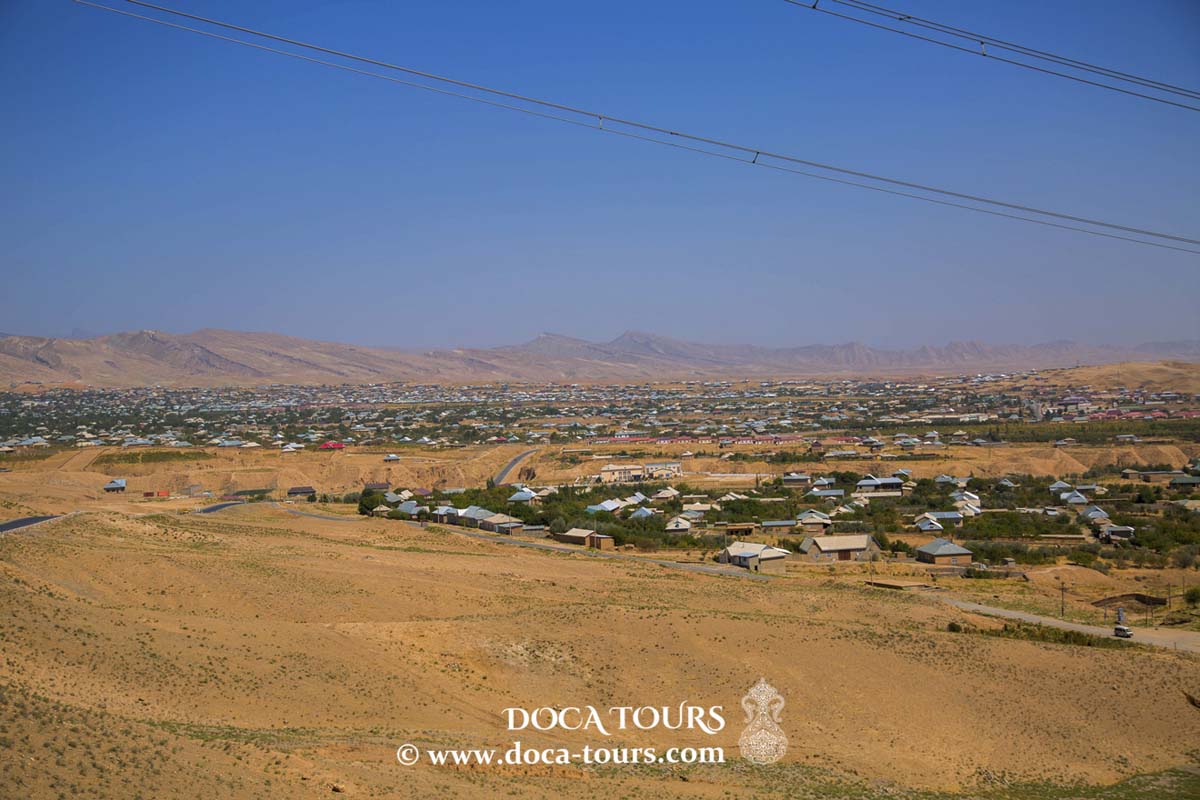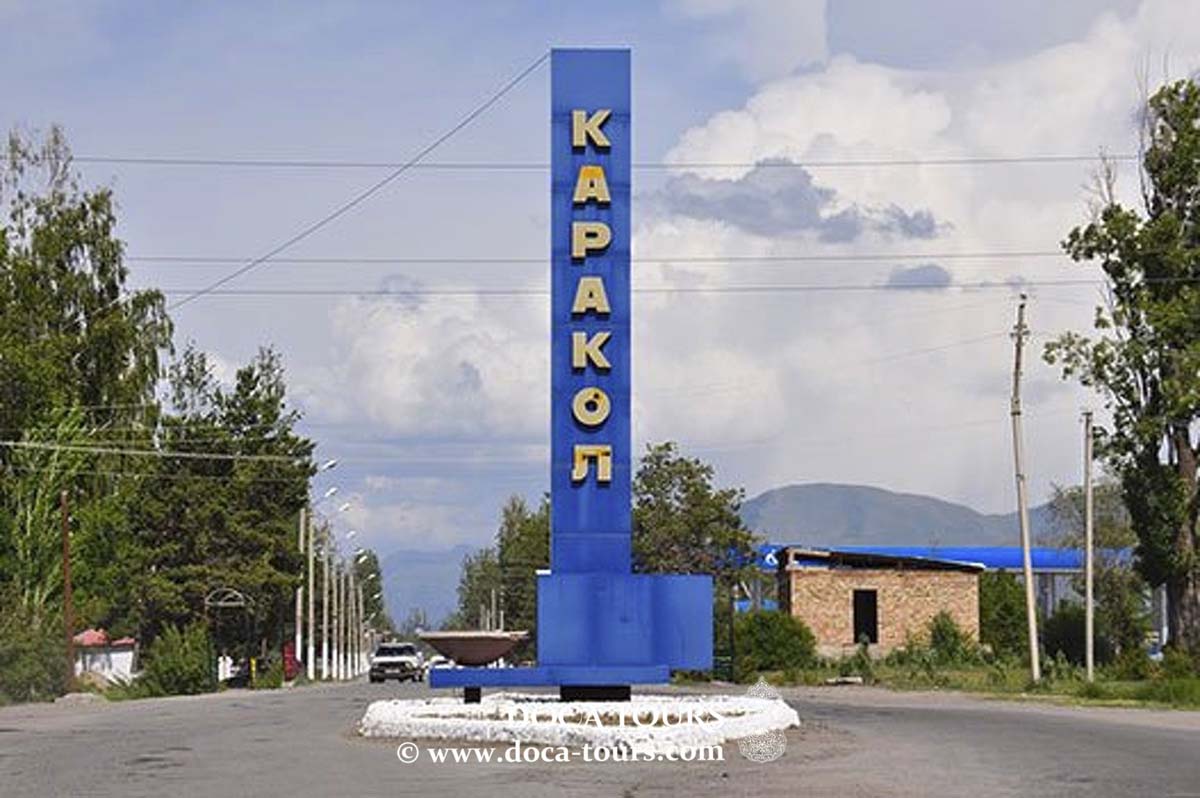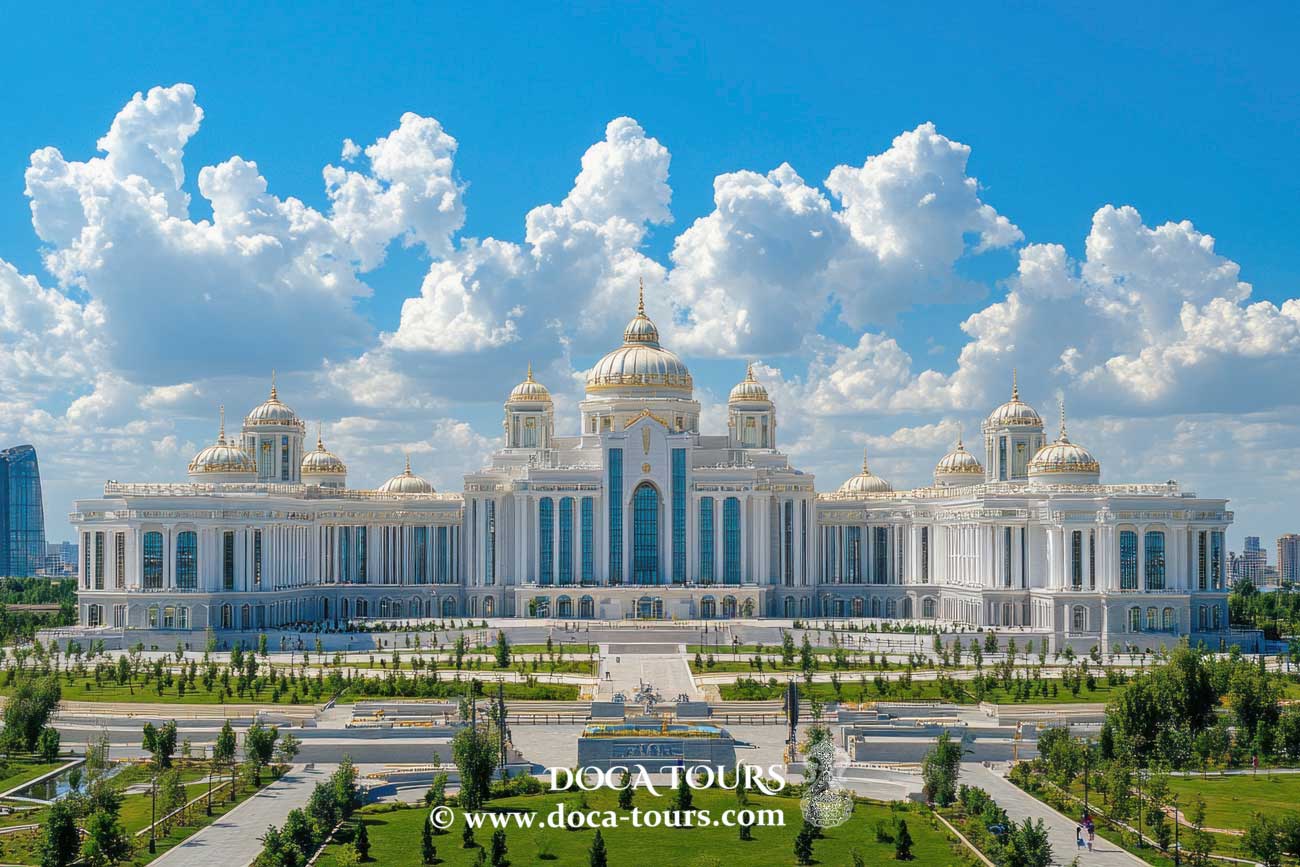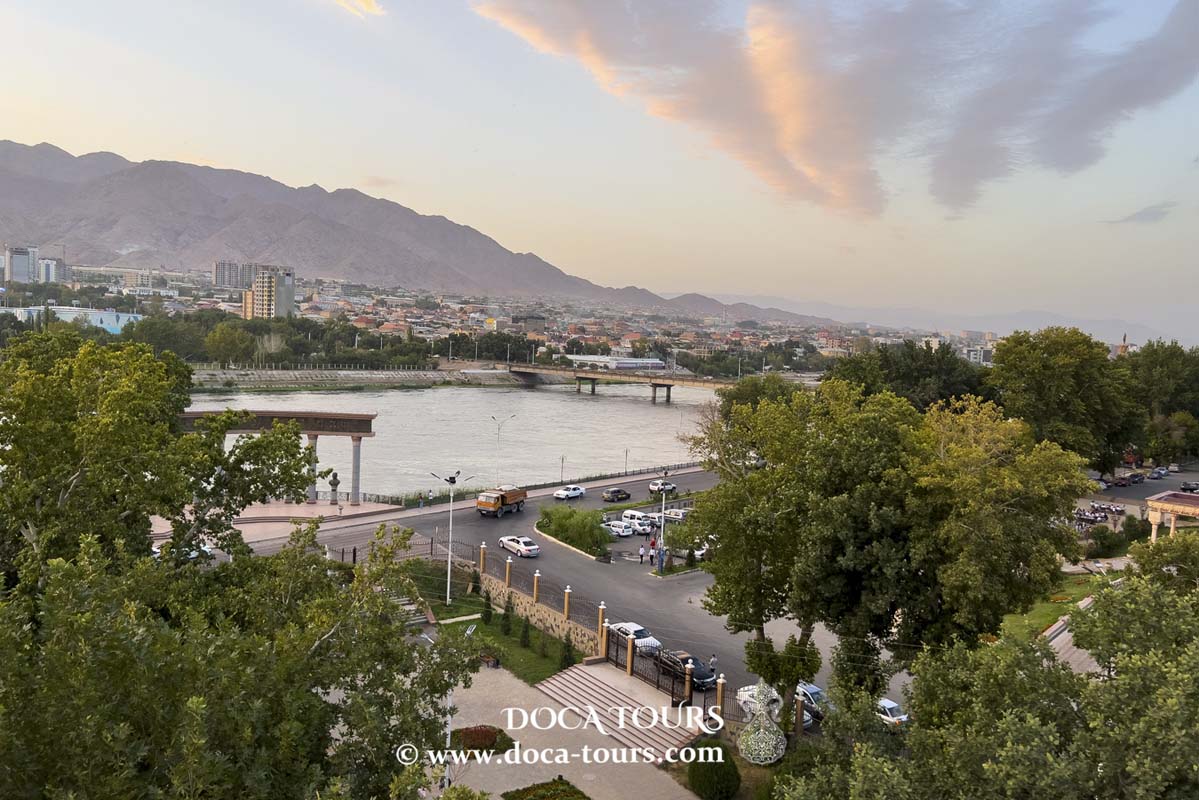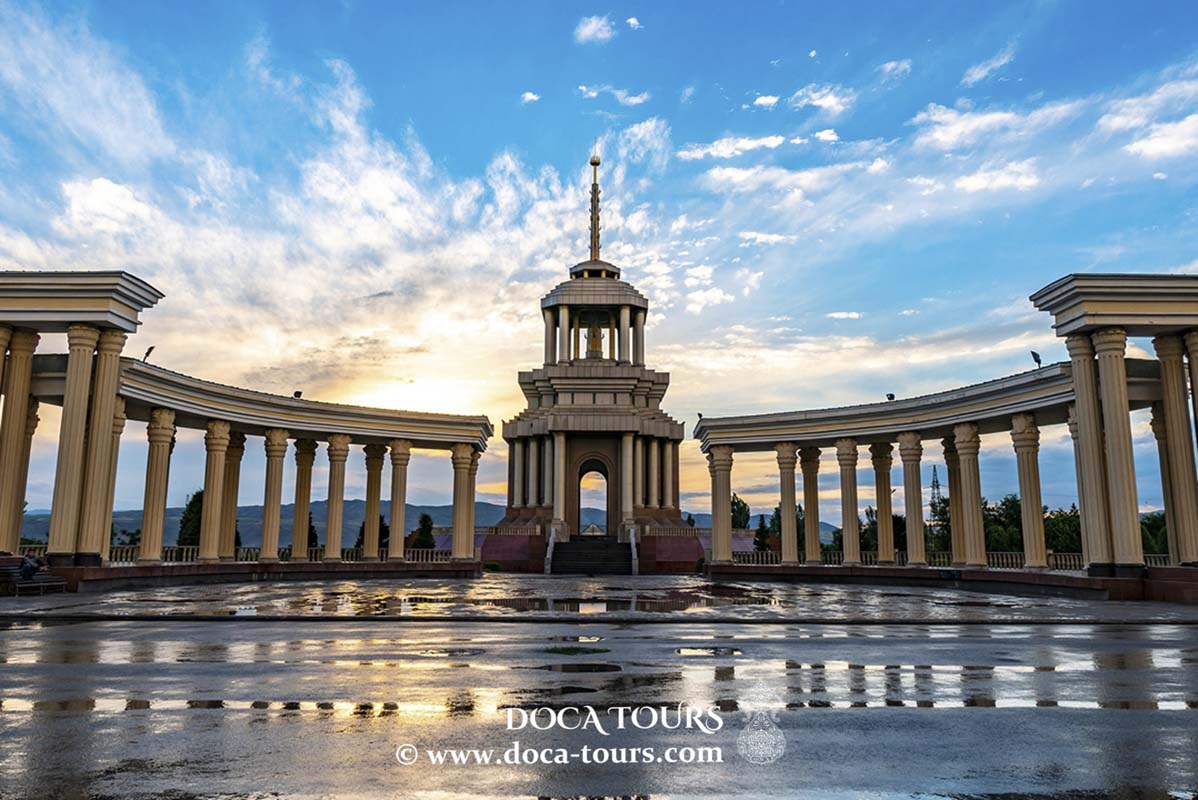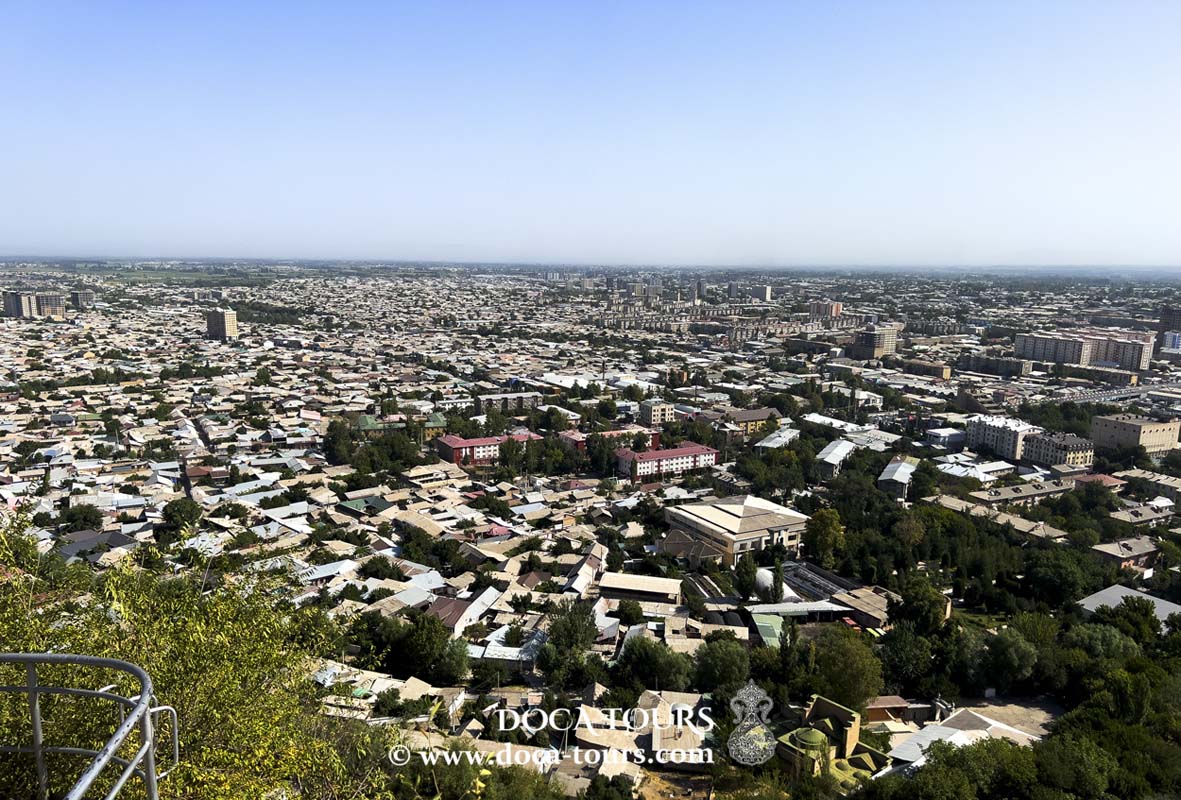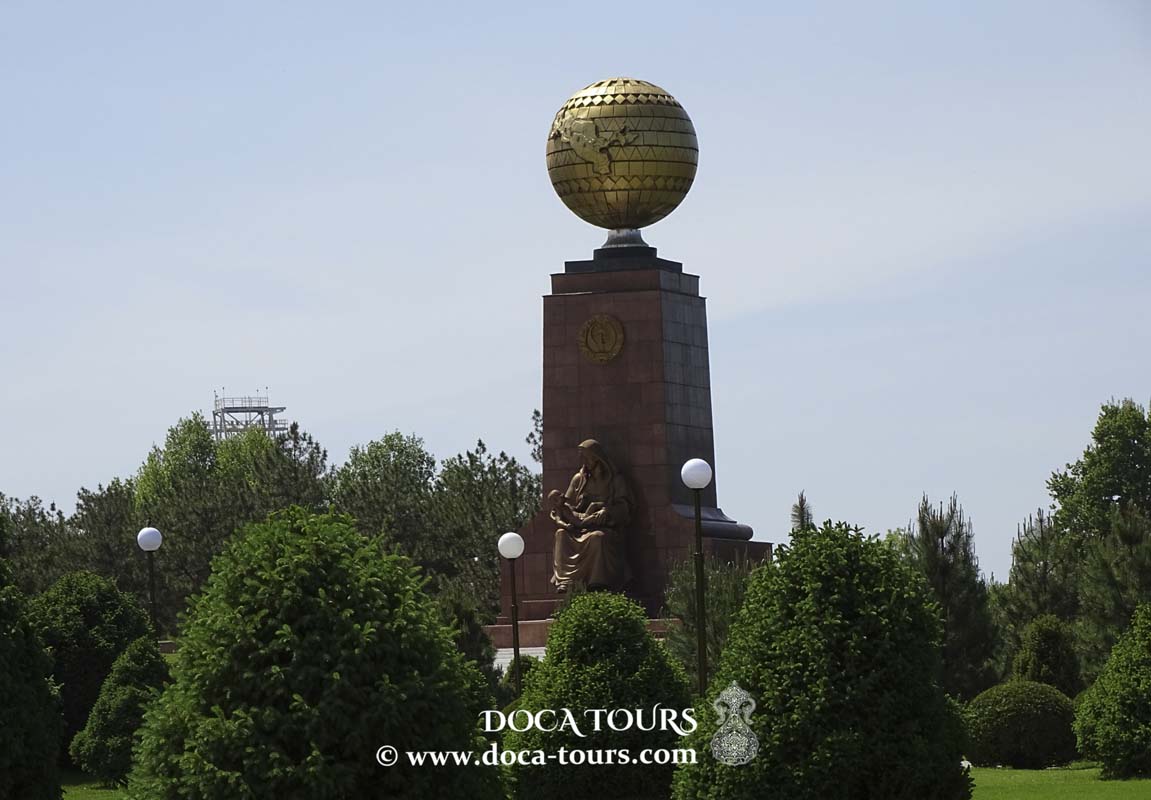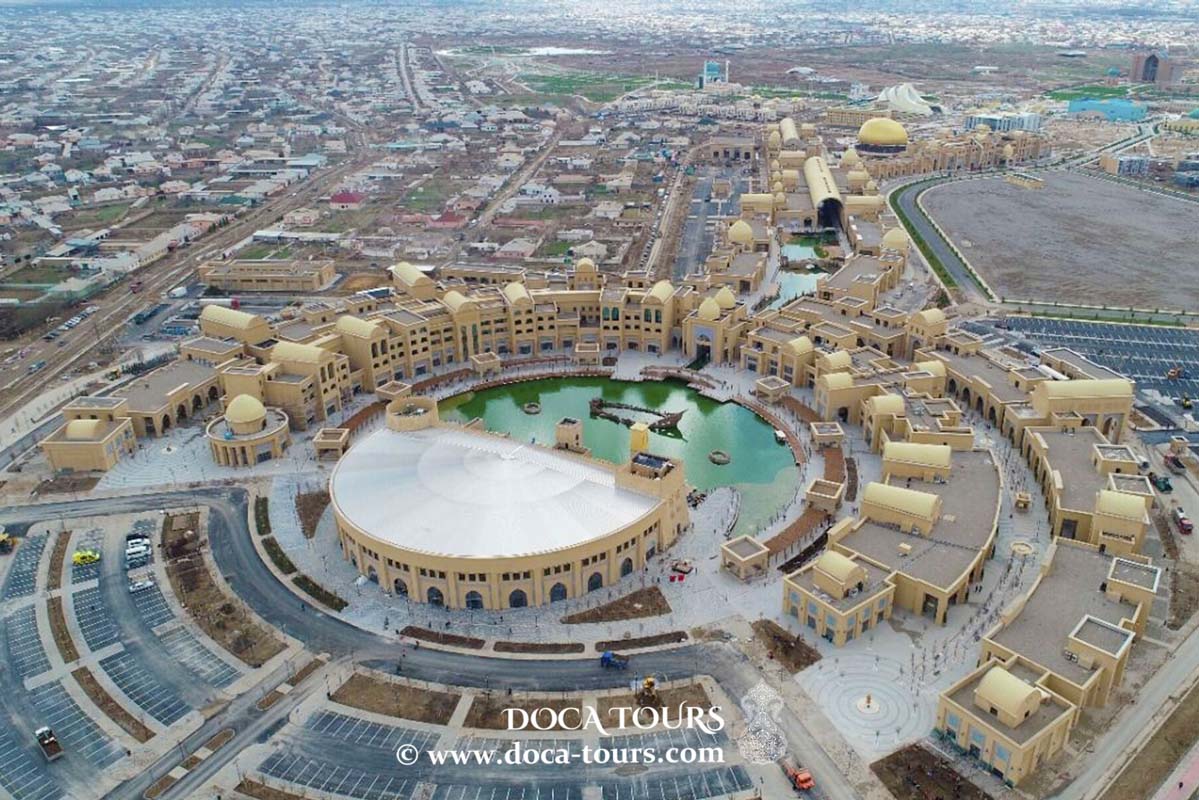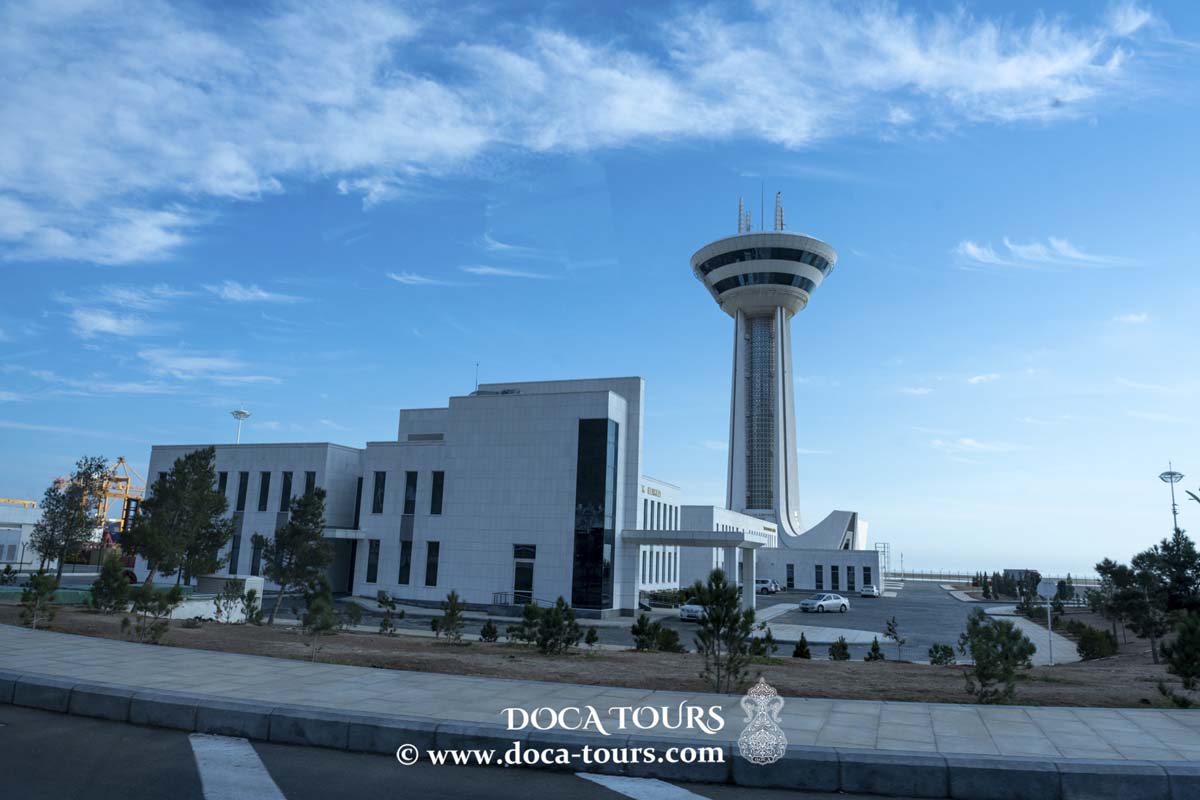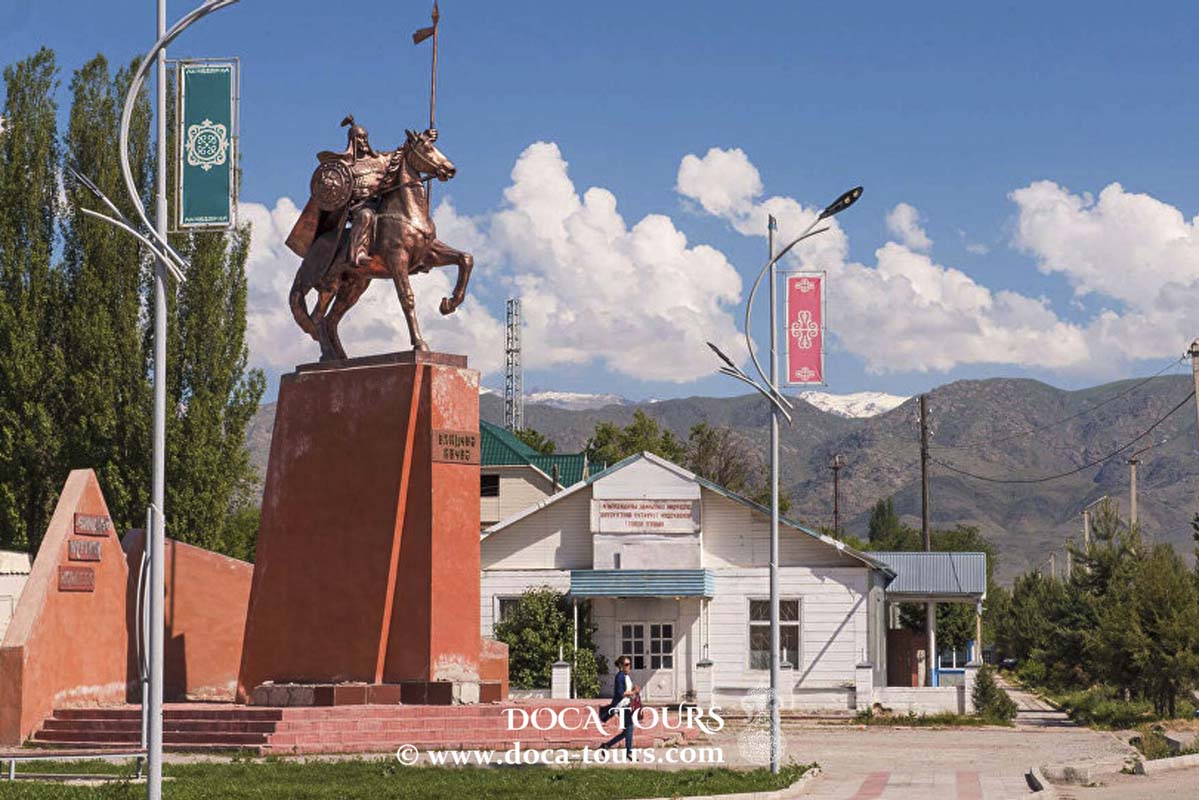
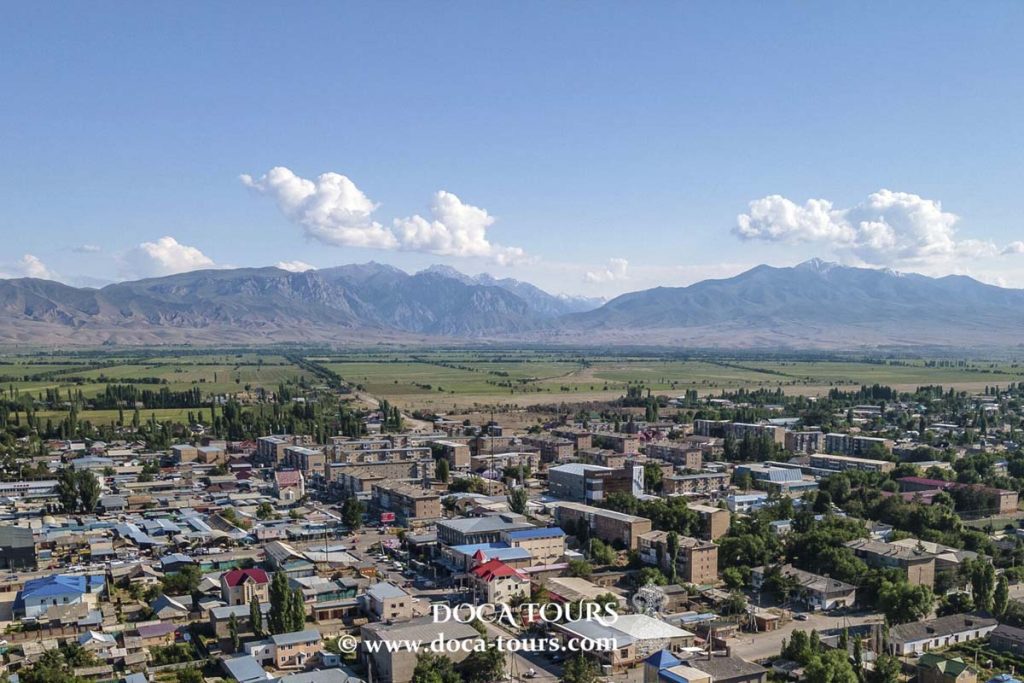
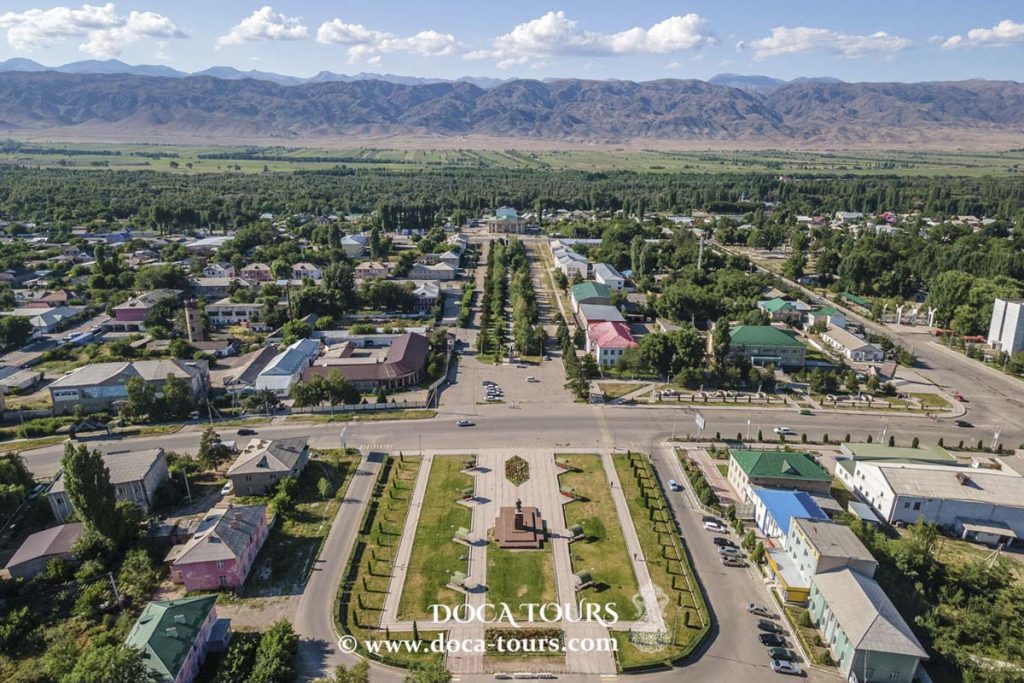
Talas is a city in northwestern Kyrgyzstan, located in the Talas River valley between two mountain ranges. The city covers an area of 13 square kilometers (5.0 square miles) and had a permanent population of 40,308 as of 2021. It serves as the administrative center of Talas Region. Talas was established in 1877 by East Slavic settlers. To the south lies the Besh-Tash Valley ("Five Rocks"), home to the Besh-Tash National Park.
In 751, the Battle of Talas took place nearby, where the forces of the Abbasid Caliphate and Tibet allied against the Tang Dynasty. The Abbasids and Tibet emerged victorious over the Chinese Empire.
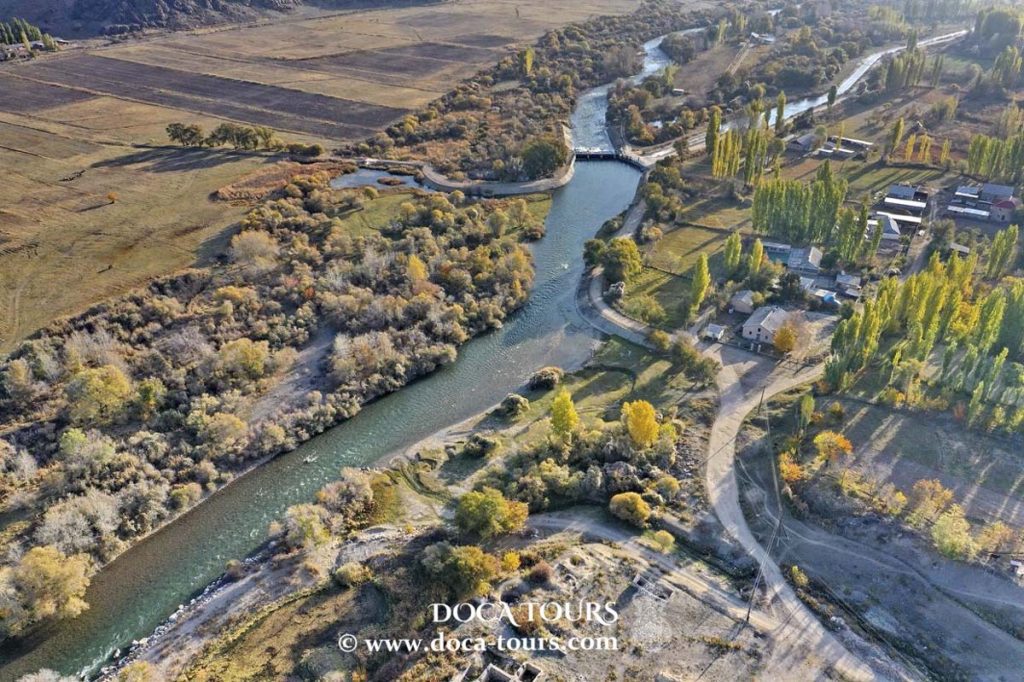
The city was founded in 1877 by Russian settlers in the central part of the Talas Valley, on the left bank of the Talas River, at the site of an ancient settlement dating back to the Eastern Turkic Khaganate. It is situated at an elevation of 1,200 meters (3,937 feet) above sea level.

Previously called Dmitrievka, Talas was granted city status in 1944. On October 29, 1958, it lost its status as a city under regional jurisdiction. On February 2, 1987, the village of Jany-Chek from the Sorok Let Oktyabrya rural council in Talas District was incorporated into Talas.
The economy of Talas has traditionally been tied to the ancient city of Taraz (formerly known as Talas and Dzhambul) in present-day Kazakhstan. Following the collapse of the Soviet Union, the Talas Valley faced significant challenges due to the introduction of strict border controls by Kazakhstan. These restrictions disrupted transportation and trade routes, isolating the valley from the rest of Kyrgyzstan, as it is separated by mountains from the Chuy Valley and Bishkek. [Citation needed] Most transit between Bishkek and Talas now passes through Kazakhstan, via the Chaldybar border crossing in Chuy, and then reenters Kyrgyzstan's Talas Valley near Taraz. The only internal route within Kyrgyzstan connecting Talas to Bishkek and other regions crosses two high mountain passes—Ötmök Pass and Töö Ashuu Pass—both over 3,000 meters above sea level.
Talas is located in the northeastern part of the Talas Valley at an elevation of 1,280 meters above sea level, in the floodplain of the Talas River. It lies 360 kilometers west of Kyrgyzstan's capital, Bishkek, 90 kilometers east of the railway station in Taraz (Kazakhstan), and 90 kilometers west of the Bishkek–Osh highway.

The climate is continental and arid. The hottest average monthly temperature occurs in July, reaching +30°C, while the coldest is in January, averaging −9.6°C. Annual precipitation ranges from 300 to 400 millimeters.

The Talas airport, operational since 1979, is situated at an altitude of 1,266 meters above sea level.
As of 2018, the airport had one asphalt-concrete runway but lacked certification. Despite financial challenges, the regional airport was maintained by the joint-stock company "MAM" through its own resources.
In 2022, the airport underwent a comprehensive renovation, which was completed in December 2023. In 2024, the airport was fully refurbished and reopened.

Talas serves as the administrative center of the region, with its economy primarily driven by the food and processing industries, which focus on local agricultural products.
The city is home to over 24% of the region's enterprises. Currently, Talas hosts six small bakeries producing bread and pastries, four mini-mills producing various grades of flour, two furniture workshops, six sawmills, two slaughterhouses, a pasta factory, two mini-dairy plants, two sewing workshops, and several other small and medium-sized businesses.
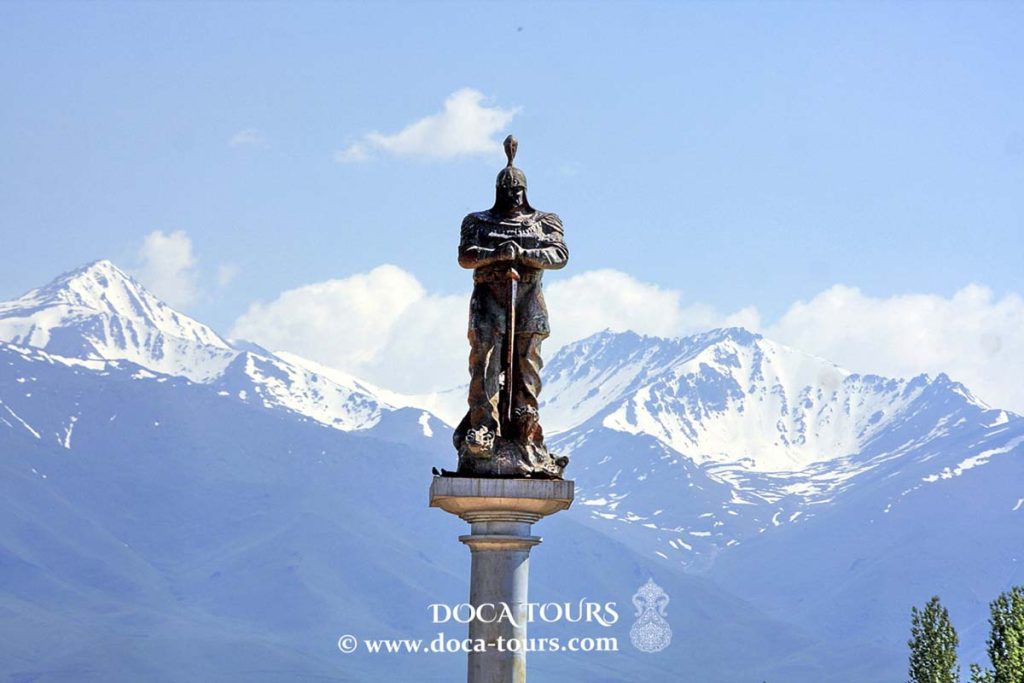
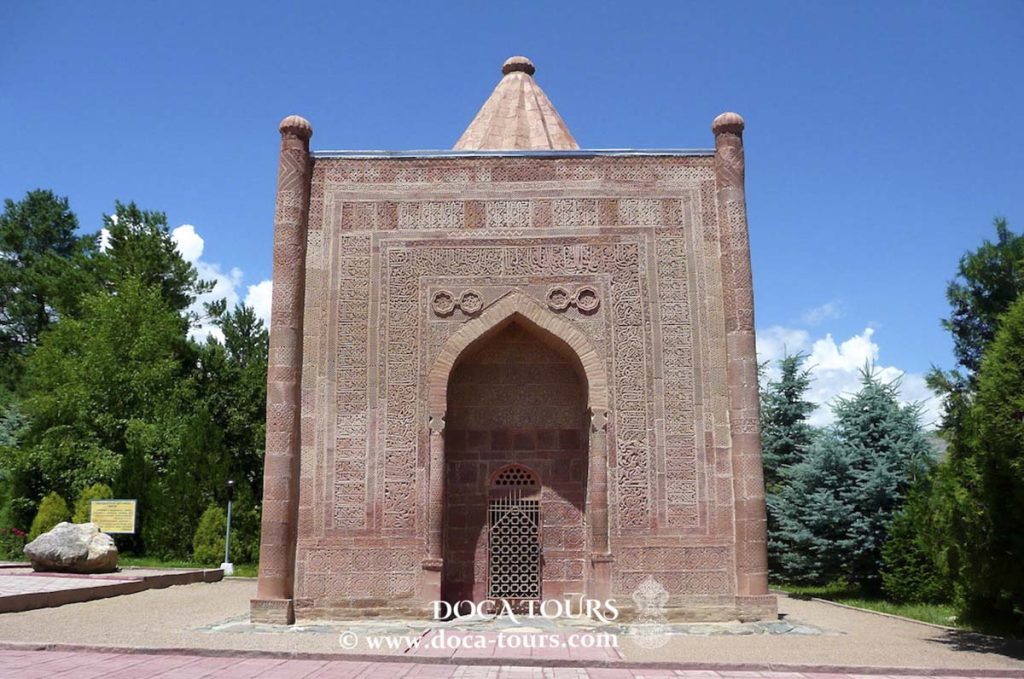
Talas offers a range of tourist attractions, including scenic spots like Besh-Tash, Manas, Kirovskoye, Chandy-Lash, and Toktogul. In nearby villages, family-run guesthouses such as Koksay, Karabuur, Bakayyr, Chonkapka, Kainda, Karaarcha, Tasharyk, Karakol, and Taldybulak cater to tourists. Besh-Tash also features a sports and tourism complex with a swimming pool.
One of the city's notable landmarks is a former forest park of poplar, willow, and birch trees, located alongside the Talas River, which branches to the north. The valley’s gorges are home to wildlife reserves like the Kirov State Reserve, which focuses on wild birds and hares, and the specialized Uzunakmat State Wildlife Reserve in the Urmaral Gorge. The area is renowned for its unique gorges, fishing rivers, karst and landslide-formed alpine lakes, forested areas, mineral springs, healing mud, natural caves, and waterfalls.