Astana, formerly known as Nur-Sultan, Akmolinsk, Tselinograd, and Akmola, is the capital of Kazakhstan.
Located along the Ishim River in the northern-central region of Kazakhstan, Astana is part of the Akmola region but is governed as a separate city with special status. As of 2022, the population stands at around 1,350,228, making it the second-largest city in the country, after Almaty, which held the capital status until 1997. Since becoming the capital, Astana has undergone remarkable growth and development, emerging as one of the most modern cities in Central Asia. In 2021, the Kazakh government included Astana among its top 10 priorities for tourism development.
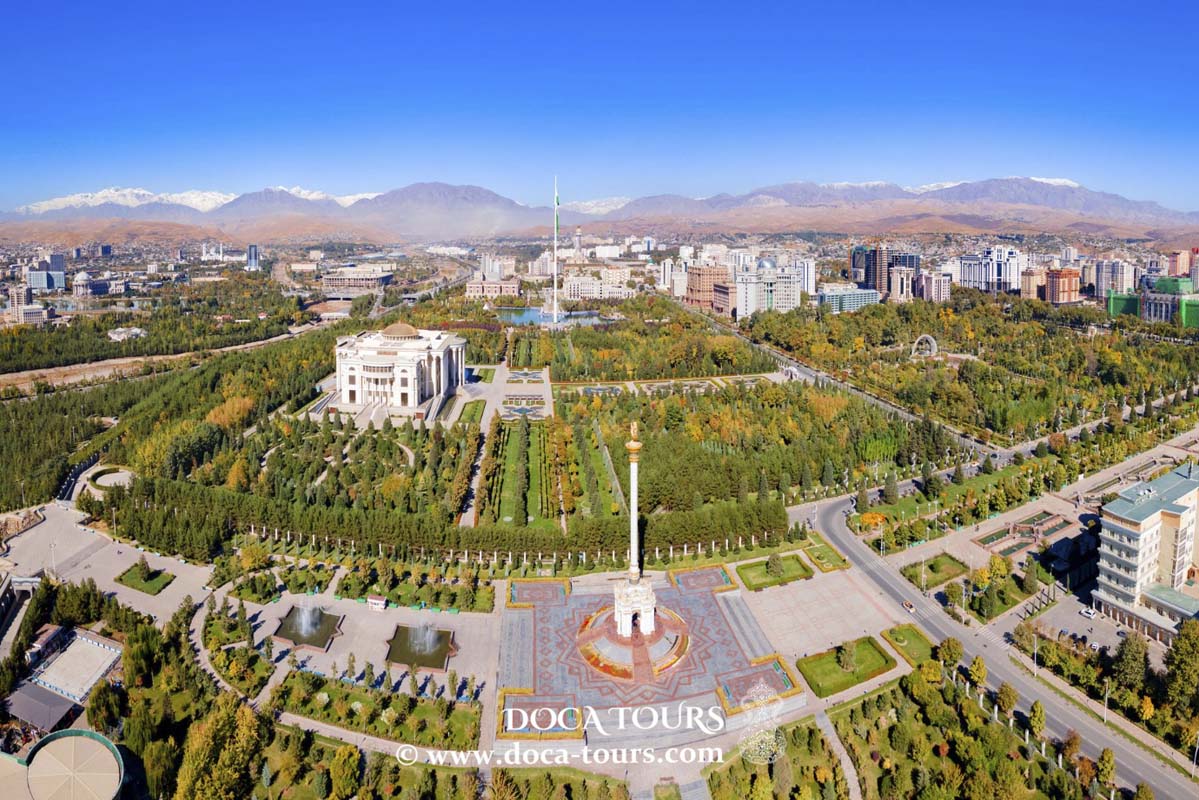
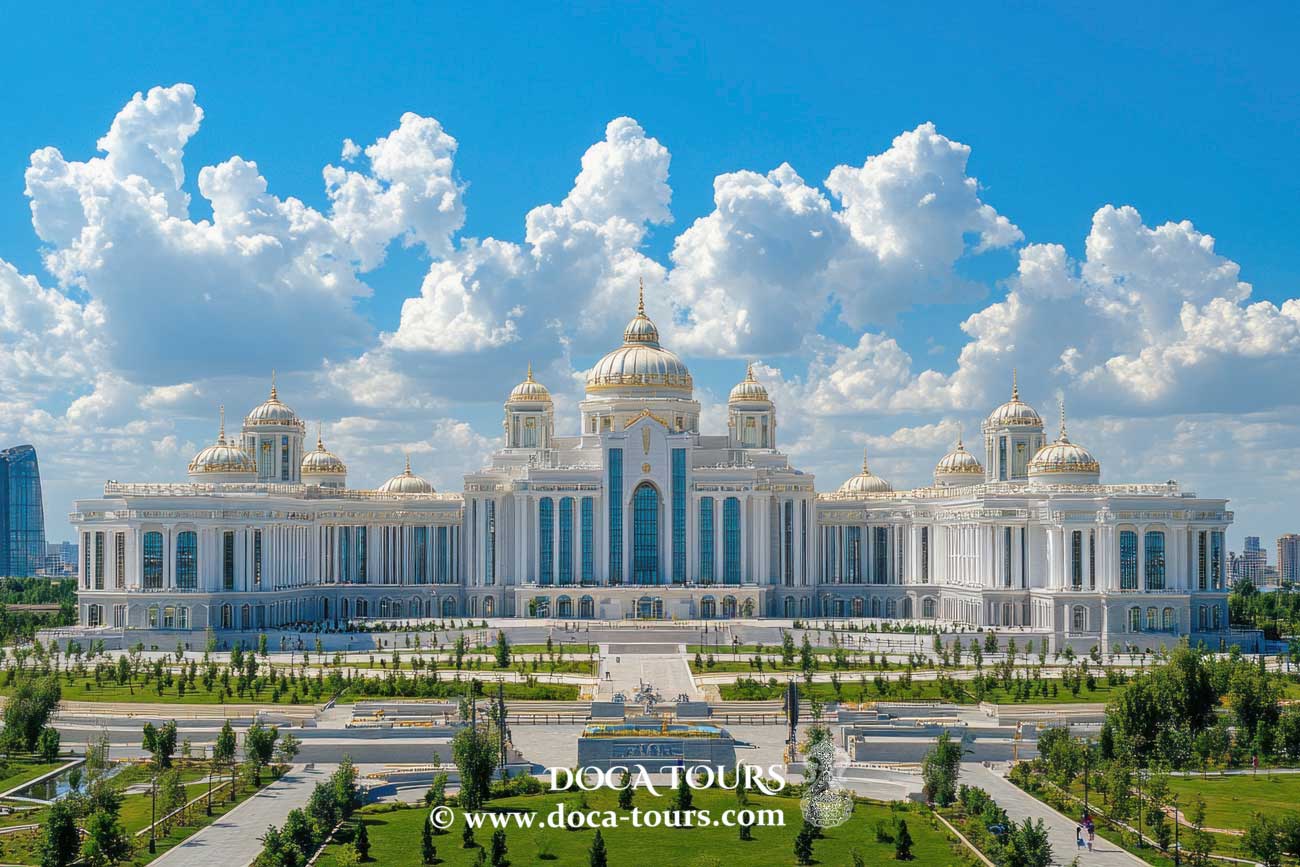
Astana today is a purposefully designed city, following the concept of other planned capitals. After its selection as the capital, the city was completely transformed according to a master plan created by renowned Japanese architect Kisho Kurokawa. As the administrative heart of Kazakhstan, Astana hosts essential government institutions, including the Parliament, the Supreme Court, the Presidential Palace Ak Orda, and several government agencies. The city's skyline is marked by a series of futuristic buildings and towering skyscrapers.
The settlement of Akmola was founded in 1830, possibly named after a local landmark—"Ak Mola" literally means "white tomb" in Kazakh—though this theory is not universally accepted. In 1832, it was granted city status and renamed Akmolinsk. In 1961, under Nikita Khrushchev, the city was renamed Tselinograd, meaning "City of the Virgin Lands" in Russian. After Kazakhstan gained independence in 1991, the name was changed back to Akmola.
In December 1997, the city replaced Almaty as the capital of Kazakhstan, and in May 1998, it was renamed Astana, which means "capital" in Kazakh. In March 2019, the capital was renamed Nur-Sultan in honor of the long-serving president Nursultan Nazarbayev shortly after his resignation. In September 2022, President Kassym-Jomart Tokayev signed an amendment to the constitution, restoring the name Astana. As of 2022, the capital holds a Guinness World Record for having the most name changes in the modern era.
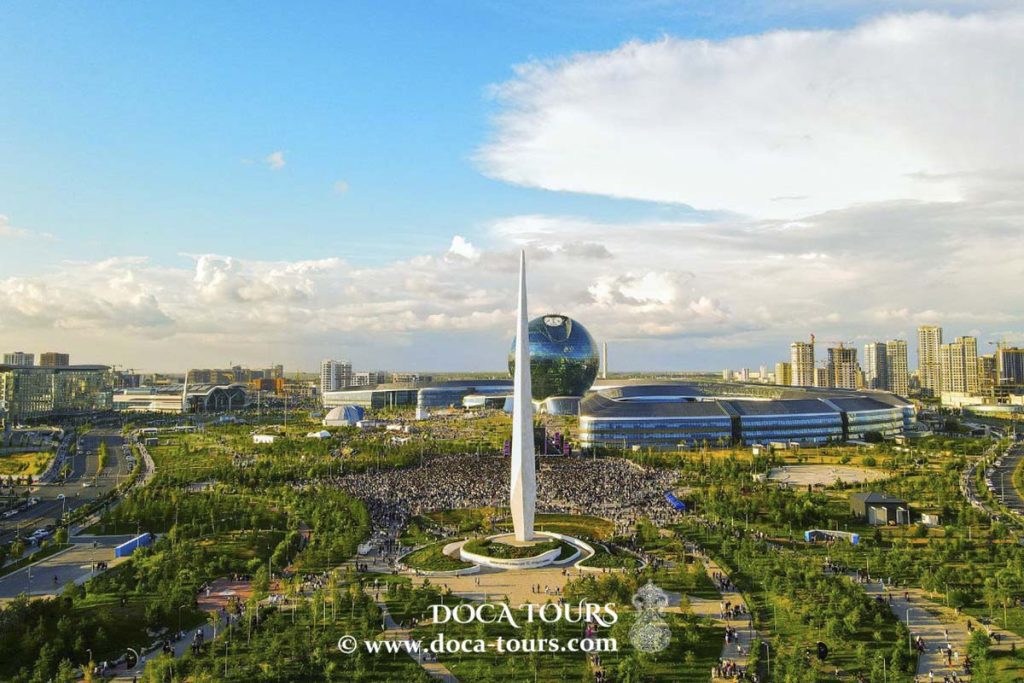
Centuries ago, the area of present-day Astana was home to the settlement of Bozok. It served as a military fortress on the steppe section of the Great Silk Road. The Turkic word "Boz" has several meanings, including "untouched land," "virgin soil," and "feather grass." This was a major settlement during the 12th to 14th centuries. Today, Astana is expanding into the territory of the ancient Bozok.
The settlement of Akmola was established on the Ishim River in 1830 as the center of the district. In 1832, it was granted city status and named Akmolinsk. The strategic advantages of the city were evident as early as 1863. It was described how the picket roads and lines connected this geographical center to Kargaly in the east, Fort Aktau in the south, and via Atbasar to Kokshetau in the west. In 1838, during the height of the great national liberation movement led by Khan Kenesary, the Akmolinsk fortress was burned down. After the suppression of the liberation movement, the fortress was rebuilt. On July 16, 1863, Akmolinsk was officially declared a district city.
In 1869, the external district and division of Akmolinsk were abolished, and Akmolinsk became the center of the newly formed Akmolinsk region. In 1879, Major General Dubelt proposed to the Russian Ministry of Communications the construction of a railway between Tyumen and Akmolinsk. During the first 30 years of its existence, the population of Akmola was just over 2,000 people. However, over the next 30 years, the population of the city tripled due to the surrounding volosts and villages of the Akmolinsk region. By 1893, Akmolinsk was a district with a population of 6,428 people, 3 churches, 5 schools and colleges, and 3 factories.
During World War II, Akmolinsk served as a route for transporting engineering tools and equipment from evacuated factories in the Ukrainian SSR, Belarusian SSR, and RSFSR, which were relocated to areas within the Kazakh SSR. Local industries were designated to meet military needs, helping the country supply the front lines and the home front with all necessary materials. In the post-war years, Akmolinsk became a beacon of economic revival in the western Soviet Union, which had been devastated by the war. Additionally, many Russian Germans were resettled here following their deportation under Joseph Stalin.
In 1954, the northern regions of the Kazakh SSR became part of the Virgin Lands Campaign, aimed at transforming the region into the second-largest grain producer for the Soviet Union. In December 1960, the Central Committee decided to establish the Virgin Lands Territory, which included five districts from the northern regions of the Kazakh SSR. Akmolinsk Oblast ceased to exist as a separate administrative unit, and its districts were directly subordinated to the new territorial administration. Akmolinsk became the center of the territory and the administrative center of the new Virgin Lands Economic Region.
On March 14, 1961, Khrushchev proposed renaming the city to reflect its role in the Virgin Lands Campaign. On March 20, 1961, the Supreme Soviet of the Kazakh SSR renamed Akmolinsk to Tselinograd. On April 24, 1961, the region was transformed into Tselinograd Oblast. In the 1960s, Tselinograd underwent a complete transformation. Work began in 1963 on the first three new multi-story residential areas. Additionally, the city received several new monumental public buildings, including the Palace of Virgin Lands, the Palace of Youth, the House of Soviets, a new airport, and several sports facilities. In 1971, the Virgin Lands Territory was abolished, and Tselinograd became the new capital of the oblast.
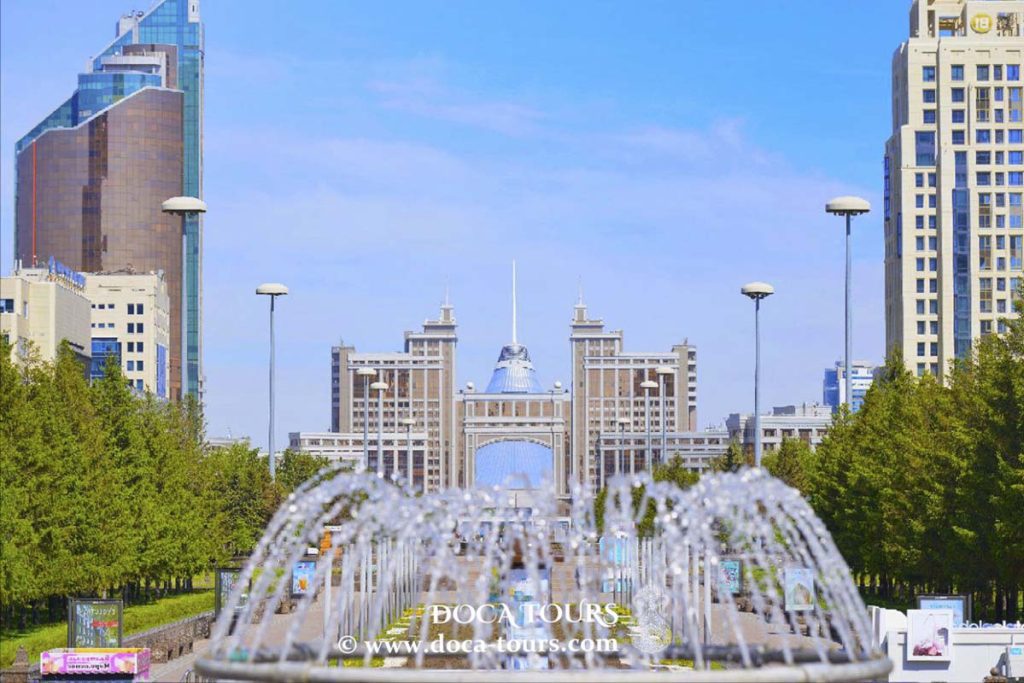
Following the collapse of the Soviet Union and Kazakhstan's declaration of independence, the city's original name was restored in a modified form as Akmola. On July 6, 1994, the Supreme Council of Kazakhstan issued a decree to transfer the capital of Kazakhstan. After the capital was moved from Almaty to Akmola on December 10, 1997, the city was subsequently renamed Astana in 1998. On June 10, 1998, Astana was officially presented as the capital on an international level. Astana was chosen as the capital due to several key advantages: ample urban space, favorable geographic location, proximity to major economic centers in the region, significant demographic potential, good transportation capabilities, and a relatively favorable climate. On July 16, 1999, Astana was awarded the title of City of Peace by UNESCO.
In March 2019, the government of Kazakhstan renamed the city to Nur-Sultan in honor of the outgoing long-term authoritarian president, Nursultan Nazarbayev. In September 2022, following a series of disputes and unrest leading to Nazarbayev's resignation from the Security Council of Kazakhstan, the capital's name was changed back to Astana.
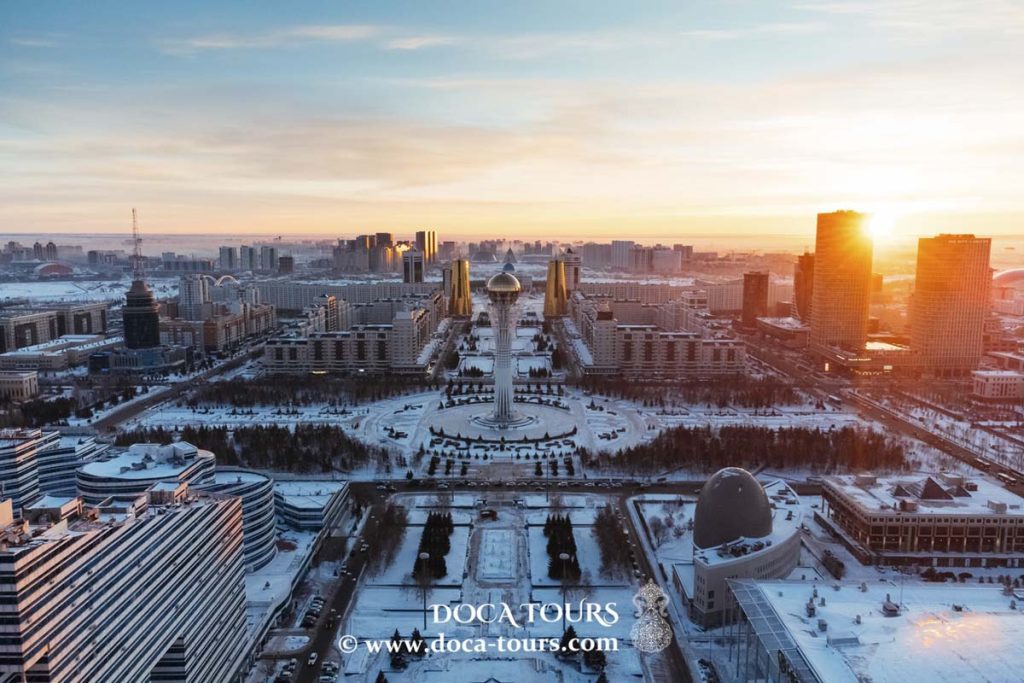
Astana is the second coldest capital city in the world, after Ulaanbaatar, Mongolia, a position previously held by Ottawa, Canada, until Astana became the capital in 1997. Astana experiences a sharply continental climate with warm summers (with occasional brief heavy rains) and long, very cold, dry winters. Summer temperatures can sometimes reach 35 °C (95 °F), while temperatures between -30 to -35 °C (-22 to -31 °F) are not uncommon from mid-December to early March. The city’s river typically freezes between the second week of November and early April. Astana is well known among Kazakhs for its frequent strong winds, the effects of which are especially felt in the rapidly developing but relatively exposed left bank part of the city.
Overall, Astana has a continental climate classification according to the Köppen scale (Dfb). The average annual temperature in Astana is 3.9 °C (39.0 °F). January is the coldest month with an average temperature of −14.5 °C (5.9 °F), and the record low temperature was recorded in January 1893, when it dropped to −51.6 °C (−60.9 °F). July is the hottest month with an average temperature of 20.6 °C (69.1 °F).

Astana's economy is based on trade, industrial production, transport, communications, and construction. The city's industrial production is mainly focused on manufacturing construction materials, food products, and machinery.
Astana is a major hub for the Belt and Road Initiative (BRI), particularly in financial services and legal services related to BRI projects.
In 2022, Astana led the CIS region in the Global Financial Centers Index.
The Astana International Financial Centre (AIFC) was inaugurated in July 2018 to serve as a financial services hub in Central Asia.
Astana is home to the headquarters of major state-owned corporations such as Samruk-Kazyna, Kazakhstan Temir Zholy, KazMunayGas, KazTransOil, Kazatomprom, KEGOC, Kazpost, and Kazakhtelecom.
The Astana New City Special Economic Zone (SEZ) was established in 2001 to develop industry and enhance the city's attractiveness to investors. The SEZ planned to commission five projects worth 20 billion tenge (approximately USD 108 million) in Industrial Park No. 1 in 2015. These projects included the construction of a diesel engine plant, a fast food complex, temporary storage warehouses and a business center, a furniture factory, and the production of military and civilian equipment. The new Astana International Financial Centre opened in July 2018.
The Akimat of Astana fosters the development of small and medium-sized enterprises (SMEs) through cooperation with the Samruk-Kazyna National Welfare Fund and the National Chamber of Entrepreneurs. Support is provided via a special loan program. As a result, the number of SMEs increased by 13.7%, reaching over 96,000 as of July 1, 2015, compared to the previous year. Additionally, the number of people employed in SMEs rose by 17.8%, totaling over 234,000 as of April 1, 2015.
Astana was listed among the world's 21 smartest communities, according to a report published by the Intelligent Community Forum in October 2016. The ranking includes cities, regions, and communities that use digital tools to build their local economies and societies.
In 2018, Astana attracted over three trillion tenge (USD 7.91 billion) in foreign direct investment, setting a record for the city. This growth was driven by a significant number of construction projects.
Tourism is becoming a key factor in the city's economic growth. Astana ranks among the top ten most attractive cities for tourists in the Commonwealth of Independent States (CIS).
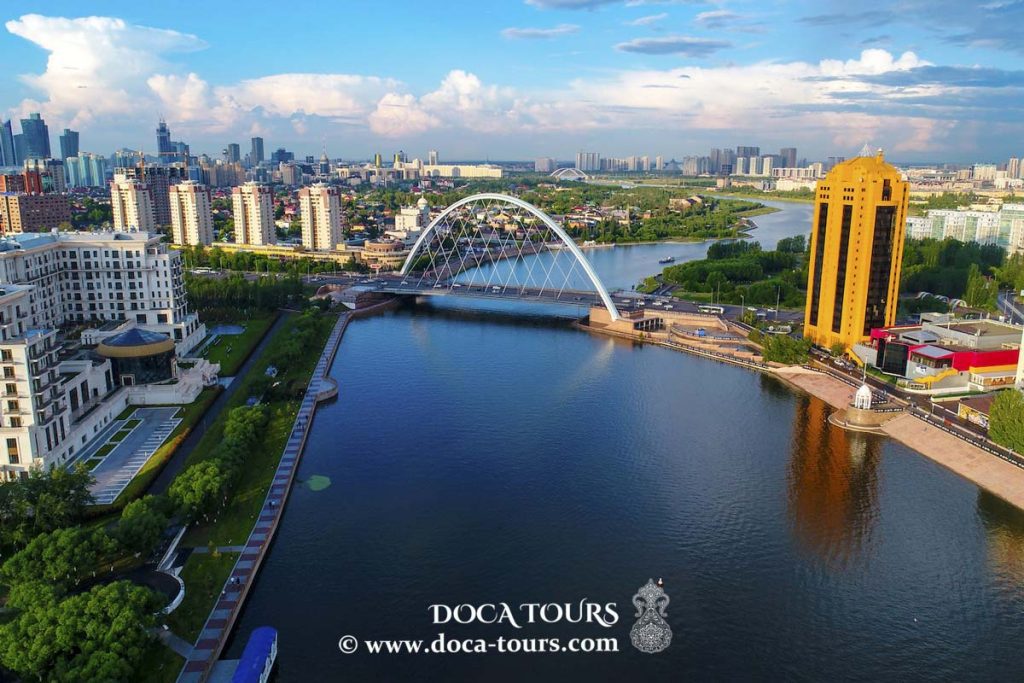
Astana is home to many universities and colleges. In the 2013/2014 academic year, 53,561 students were enrolled in 14 higher education institutions in Astana, representing a 10% increase from the previous year. The L.N. Gumilyov Eurasian National University is the largest university in Astana, with 16,558 students and 1,678 faculty members. It was established on May 23, 1996, through the merger of the Akmola Civil Engineering Institute and the Akmola Pedagogical Institute. The oldest university in Astana is the S. Seifullin Kazakh Agro Technical University, founded in 1957. Nazarbayev University is an autonomous research university established in 2010 in partnership with some of the world's leading universities. The Kazakh University of Economics, Finance and International Trade is an economic institute in Astana. The Kazakh Humanities and Law Institute is a law school founded in 1994 on the initiative of the Ministry of Justice. Astana Medical University was the only medical school in Astana until the School of Medicine at Nazarbayev University opened in 2014. The Kazakh National University of Arts is the leading music institution, providing Astana with highly qualified professionals in the arts.
In Astana, approximately 103,000 students are enrolled in 83 schools, including 71 public and 12 private schools. The Miras International School, established in 1999, was the first private secondary school founded in Astana. Haileybury Astana, established in 2011, is a branch of the Haileybury and Imperial Service College, an independent school in the United Kingdom. Kazakh-Turkish secondary schools in Astana are managed by the International KATEV Foundation. These include separate Kazakh-Turkish boarding schools for gifted boys and girls, and the Nurorda International School. Astana is also home to two Nazarbayev Intellectual Schools (NIS), including the Physics and Mathematics School and the International Baccalaureate School. The QSI International School of Astana offers an American curriculum and is a branch of Quality Schools International, which began its operations in the Middle East.
Astana's public transport system comprises buses and taxis. More than 720,000 people use public transport daily. The public transport sector operates over 60 bus routes with more than 1,000 vehicles, employing over 3,000 people. Like buses, minibuses (marshrutkas) have their own predetermined routes and operate collectively. There are three marshrutka routes in total.
Trolleybus routes were introduced in 1983, initially with three routes. However, by 2006, only one route remained. In 2008, the only trolleybus depot was deemed unprofitable by a special state commission due to debts to the energy supply company, leading to its complete closure.
The AstanaBike bike-sharing program has been operating in Astana since 2014. As of 2017, the system included 40 stations with 1,000 bicycles. Registration for the system costs 5,000 tenge (approximately $28) per season, plus a deposit for the RFID card (around $5.50). The first half-hour of bicycle rental is free, with subsequent hours costing 100 tenge ($0.55) per hour. Rentals over four hours cost 1,000 tenge.

Nursultan Nazarbayev International Airport (IATA: NQZ, ICAO: UACC), located 17 kilometers (11 miles) southeast of the city center, is the primary gateway for both domestic and international air travel in the city. It is the second-busiest airport in Kazakhstan, with 7.5 million passengers passing through in 2023. The airport serves 21 airlines that operate regular passenger flights within the country and abroad. Air Astana maintains its second-largest hub at the airport. The anticipated 50% increase in passenger traffic by 2017 led to the construction of a new terminal covering approximately 40,000 square meters (430,000 square feet).
Astana is located in the center of the country, serving as a convenient transport hub for both railway and road networks.
The city's railway station is the main train station, handling about 7,000 passengers daily. The new "Nurly Zhol" railway station, built during the "Expo-2017" exhibition, has a capacity of 12,000 passengers. The "Tulpar Talgo" is a daily express train to Almaty. Short-term plans include the construction of a new railway station in the industrial area, and a new terminal for freight wagons will be built near the TPP-3 (Thermal Power Plant-3).
The city is served by the M-36 highway from Chelyabinsk to Almaty and the A-343 highway from Astana to Petropavlovsk. Astana's strategic geographical location makes it a transport and transit hub for goods flowing from neighboring stations in the region.
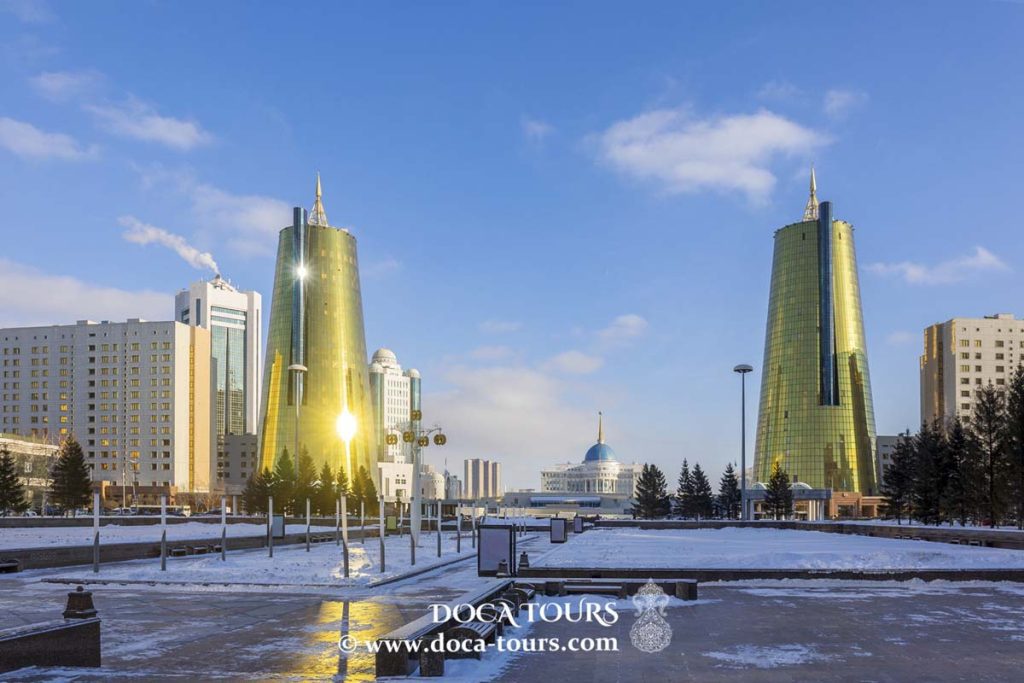
Astana is home to 27 libraries, which served 153 people for every thousand residents in 2011. The city also boasts 8 state museums, which were visited by 415,500 people that year and hosted 68,514 guided tours. Additionally, Astana has 10 recreational parks, which attracted 1.5 million visitors in 2011, and hosted 99 events. The city is also home to 6 state museums and 6 cinemas.
- Central Concert Hall Kazakhstan: A unique venue designed for a variety of events, including concerts by international and local stars, official ceremonies, exhibitions, conferences, and presentations. Designed by architect Manfredi Nicoletti.
- Astana Circus: One of Kazakhstan's three main circuses, and one of the newest in the former USSR. It is housed in a distinctive "flying saucer" style building, one of only two of its kind (the other being in Kazan).
- National Opera and Ballet Theater named after K. Baiseitova: The youngest musical theater in Kazakhstan, upholding both Kazakh and global musical traditions, exploring classical heritage while addressing the cultural needs of modern Kazakhstani society.
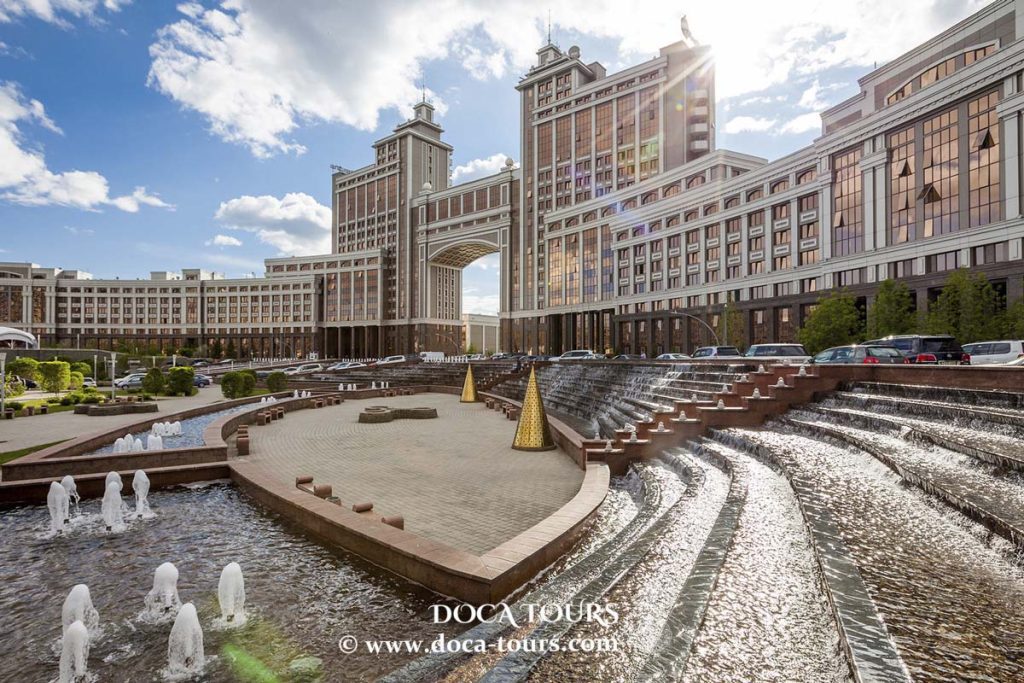
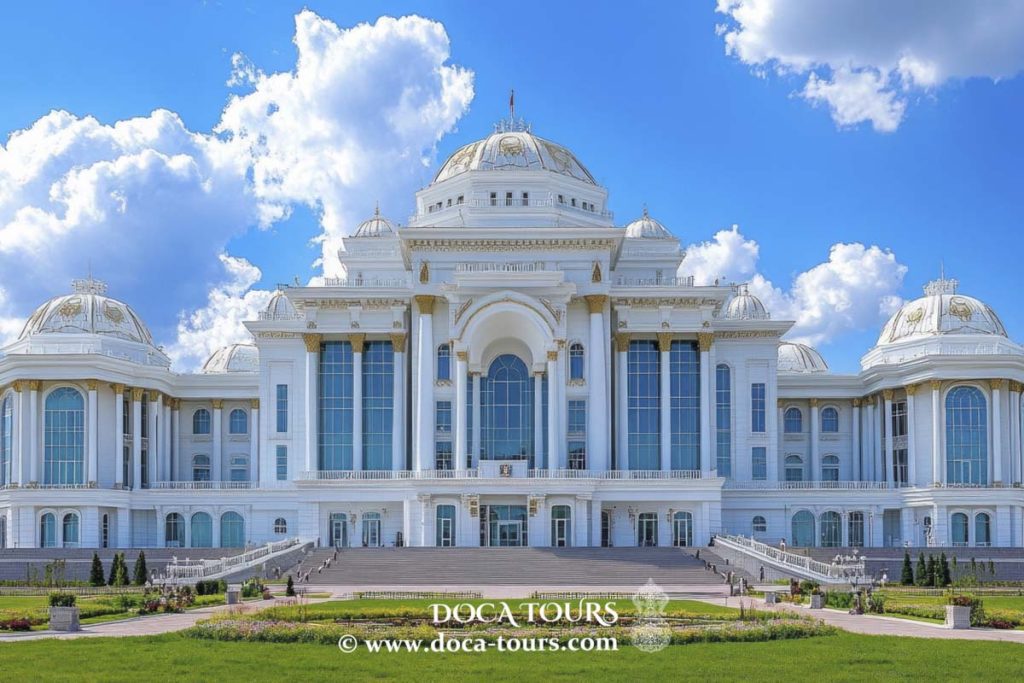
- Astana Opera: Founded on the initiative of Kazakhstan’s first president, Nursultan Nazarbayev, the opera house, completed in 2013, is a Parthenon-style building and one of the city's key cultural centers. It hosts both classical and original works and is recognized as a national architectural landmark.