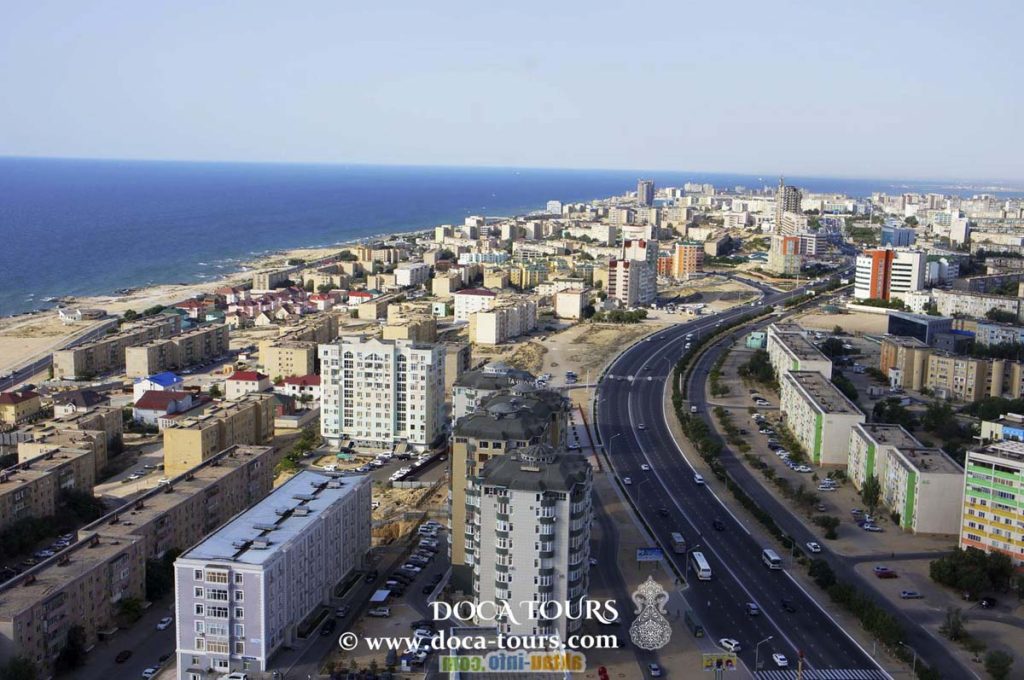
Aktau is a city in southwestern Kazakhstan, situated on the eastern shore of the Caspian Sea. It is the administrative center of Mangystau Region and an important destination for travelers interested in coastal scenery, regional history, and the landscapes of western Kazakhstan.
Its name, meaning "White Mountain" in Kazakh, likely refers to the cliffs that rise along the Caspian coastline. From 1964 to 1991, the city was known as Shevchenko, a name honoring the Ukrainian poet Taras Shevchenko, who was exiled to this region.
Located on the Mangyshlak Peninsula, Aktau serves as the capital of the Mangystau Region. For local sightseeing, travelers can explore the Day Tour in Aktau offered by DOCA TOURS.
The Mangystau region has a long history of settlement, trade, and cultural exchange. Archaeological discoveries have revealed evidence of ancient communities and historic settlements. During the era of the Silk Roads, routes across Central Asia connected trading communities and helped spread religious and cultural traditions. The wider Mangystau region is also known for its historic underground mosques, pilgrimage sites, and Sufi heritage.
Before the Soviet era, the area had a relatively sparse population and few large urban settlements, partly because freshwater resources were limited in this arid environment.

In 1958, uranium prospectors settled at the site of present-day Aktau, founding the village of Melovoye, named after the bay on which it was located. The settlement subsequently developed around uranium mining and associated industrial activities.
In 1963, the settlement was granted city status. In 1964, it was renamed Shevchenko in honor of Ukrainian poet Taras Shevchenko, who spent 1850–1857 in political exile in Novopetrovsk, in the wider region. The city developed as an industrial center, attracting workers from different parts of the Soviet Union.
After the dissolution of the Soviet Union and Kazakhstan's independence, the name Aktau was restored in 1991. The city's airport retains the IATA code SCO.

Aktau experiences a cold desert climate, characterized by hot or warm, dry summers and relatively cold winters. The average temperature in January is reported at approximately −0.5°C (31.1°F), while July averages around 25.5°C (77.9°F); actual conditions vary by year and data source.
The city lies in the Caspian lowland, where some areas are below sea level. The nearby Karagiye Depression is one of Kazakhstan's lowest geographical points. Visitors planning a trip can consult the official Kazakhstan tourism guide to Mangystau Region for destination information.
Aktau is an important industrial center in western Kazakhstan. The wider Mangystau Region has a significant role in the country's oil and gas sector. The city's position on the Caspian coast also supports maritime transport, logistics, and services related to regional trade.
Companies operating in Kazakhstan's energy and industrial sectors have included international oilfield-service and engineering businesses. Company operations and local facilities can change over time, so historical company lists should be checked against current corporate and official sources before publication.
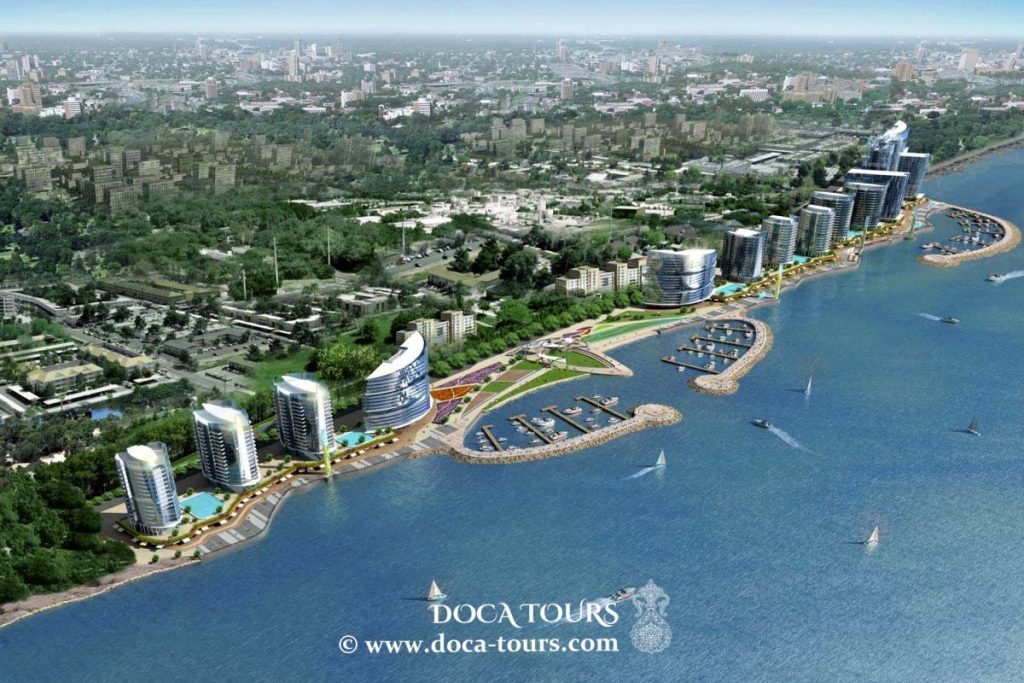
Aktau was once home to the BN-350 fast reactor, which began operating in 1973 and was shut down in 1999. The facility generated electricity and provided heat for desalination, helping supply the city with fresh water. Its history reflects the importance of energy and water infrastructure in this arid part of Kazakhstan.
Proposals for future nuclear energy development in Kazakhstan have changed over time. For current information about energy policy and infrastructure, consult the official Government of Kazakhstan portal and the International Energy Agency's Kazakhstan country profile.
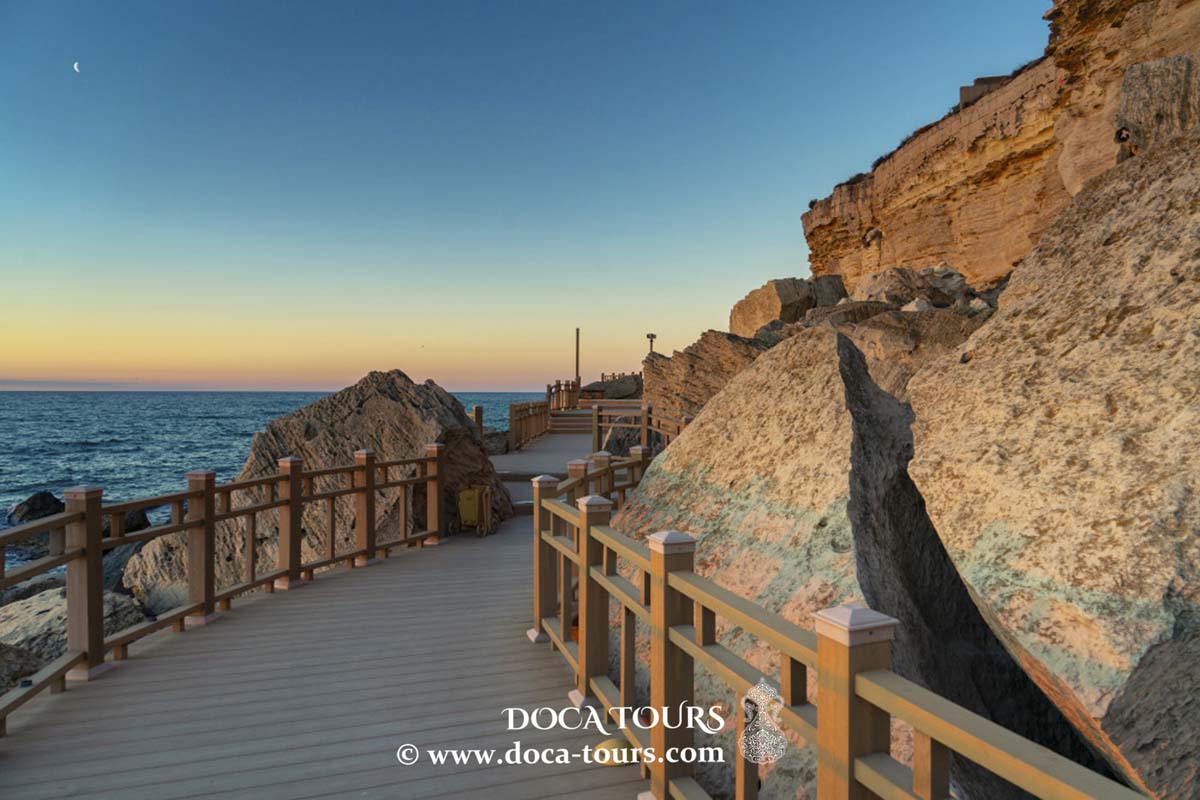
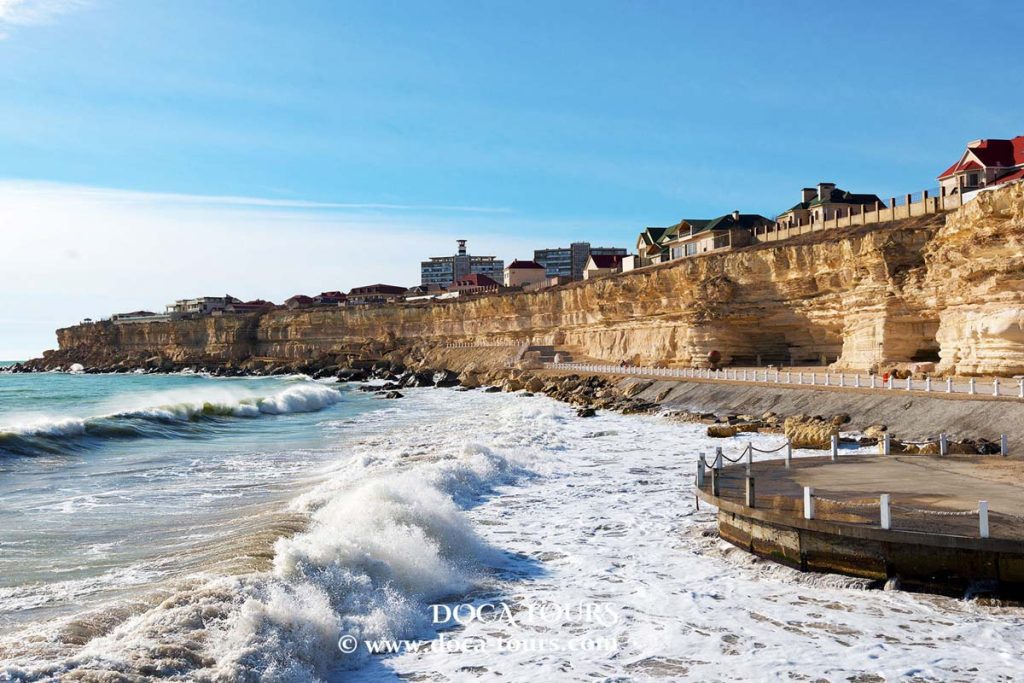
The beaches and Caspian coastline are among Aktau's main attractions. The warmer months, especially from late spring to late summer, are generally the most popular period for coastal visits. The city offers both rocky coastal scenery and sandy beaches, with views across the Caspian Sea.
Visitors can explore the waterfront, discover local history, and learn about the cultural heritage of Mangystau Region. For organized sightseeing, see the DOCA TOURS Day Tour in Aktau, which includes local historical and cultural attractions.
Hotels and accommodation options in the city have included Aktau Hotel, Renaissance Aktau, Caspian Riviera Grand Palace, Grand Hotel Victory, Grand Nur Plaza, and Holiday Inn Aktau. Availability and hotel names may change, so travelers should confirm current details before booking.
In 2021, an experimental project to cultivate frost-resistant palm varieties in the Aktau region was reported by local sources. The project was associated with the Mangystau Experimental Botanical Garden.
Other attractions in the area include:
For further destination information, visit the official tourism guide to Mangystau Region or explore the Aktau destination page on DOCA TOURS.
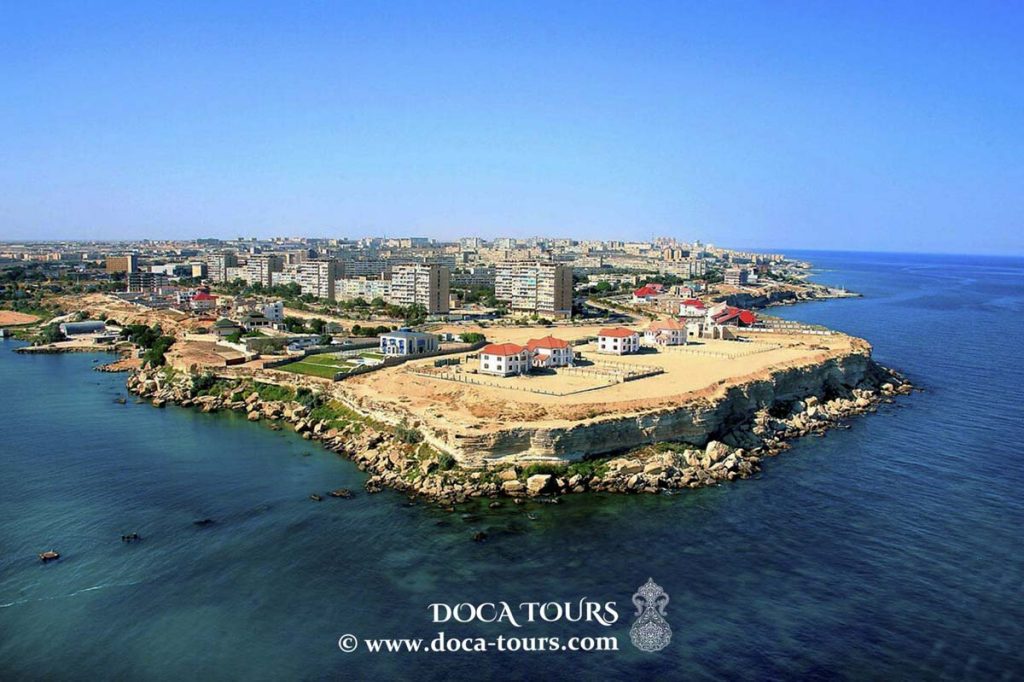
Aktau is home to Caspiy Football Club, which has represented the city in Kazakhstan's professional football competitions. The club's historical results include promotion to the Kazakhstan Premier League after finishing second in the First Division in 2019. League participation and stadium details may change from season to season.
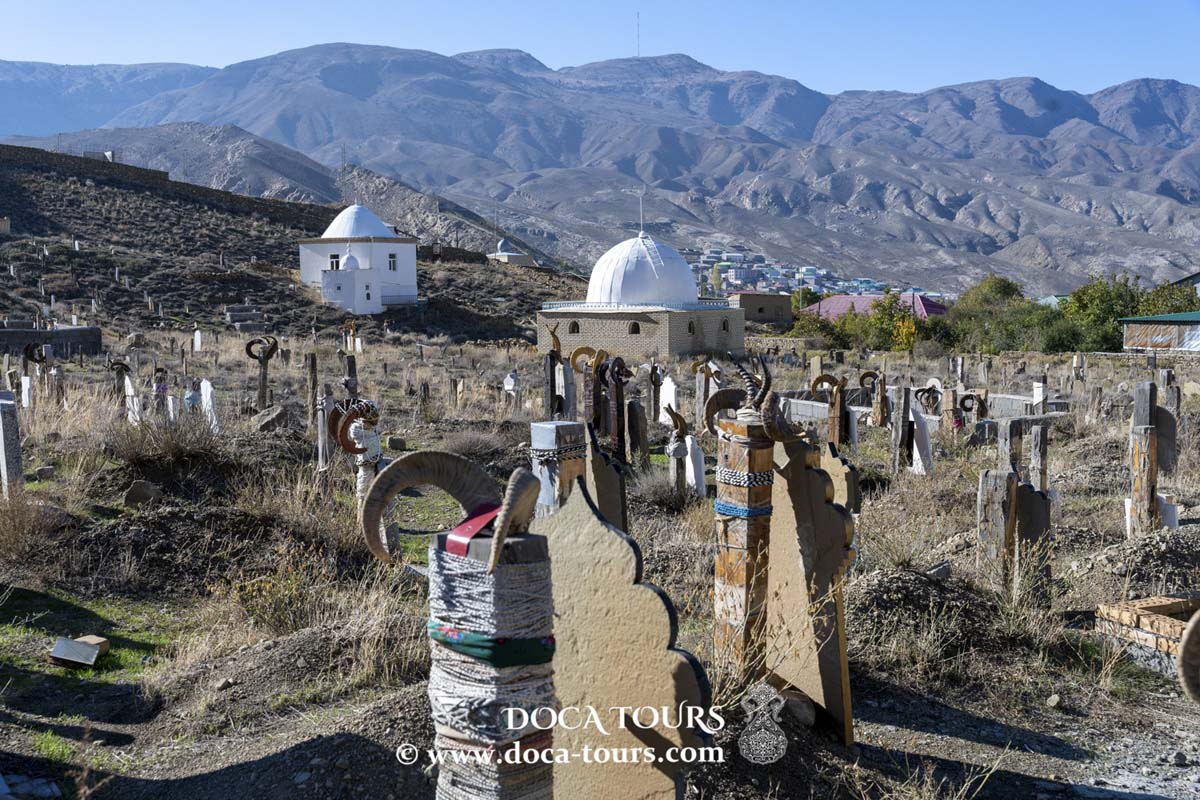
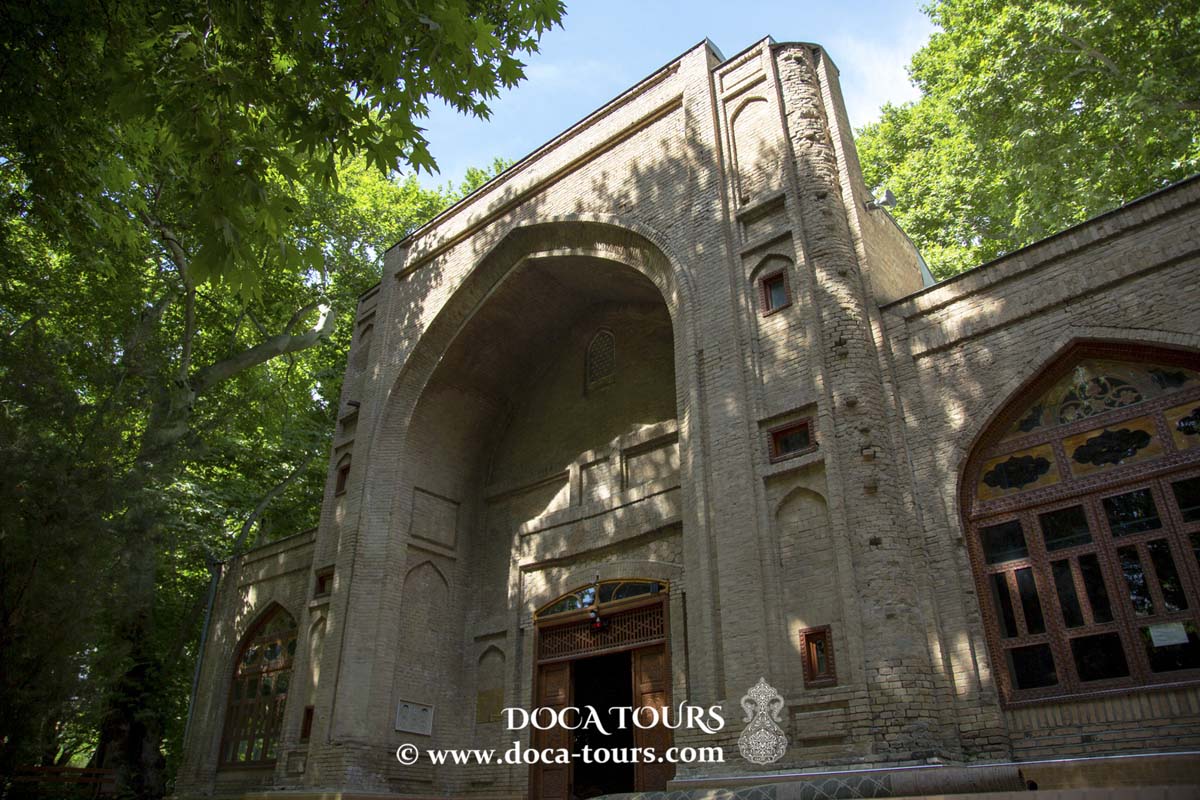
Aktau and the wider Mangystau Region contain religious and cultural landmarks reflecting the area's diverse history. One notable site mentioned in local accounts is Chakhbagot Mosque, known for its distinctive decorative design. The region is also associated with underground mosques and pilgrimage sites that form part of Mangystau's spiritual heritage.
Aktau is served by Aktau International Airport, which connects the city with domestic and international destinations. Flight routes and schedules vary by season and airline, so travelers should check current information before departure.
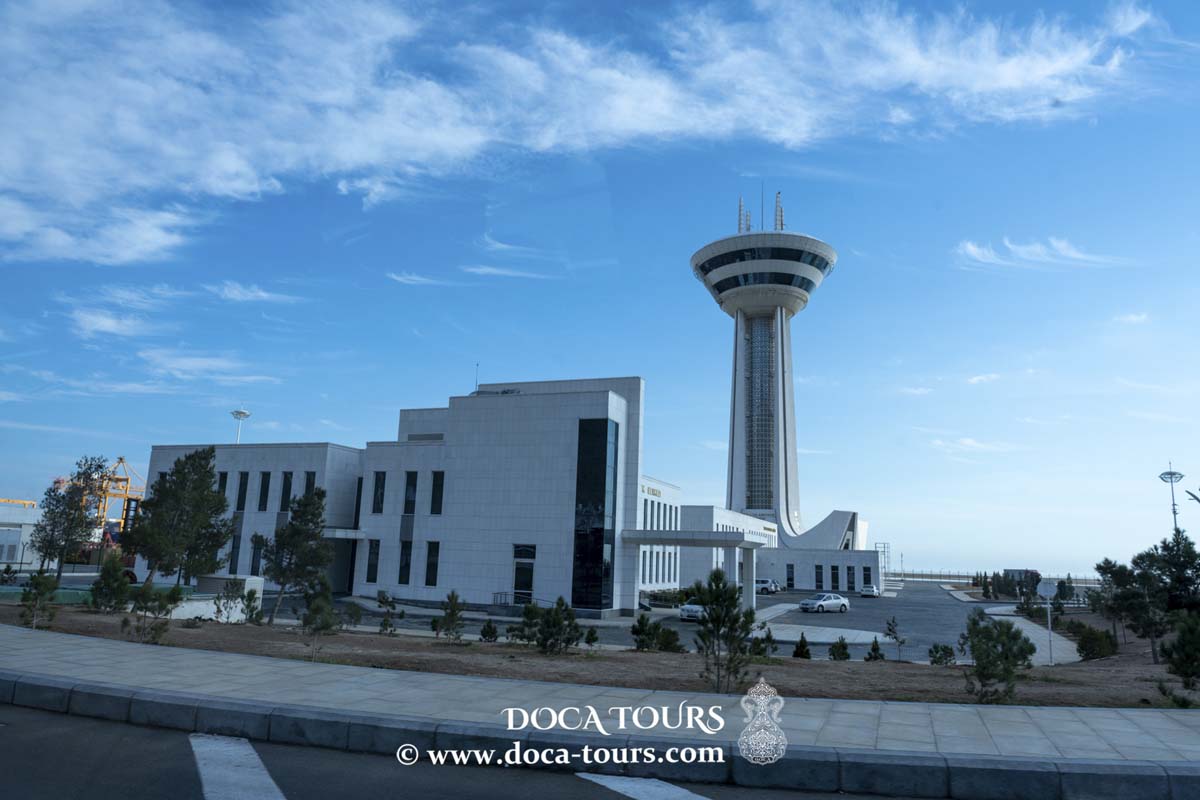
Aktau Port is an international seaport on the Caspian Sea and an important part of Kazakhstan's transport infrastructure. It supports cargo movements across the Caspian region and contributes to trade links between Central Asia, the Caucasus, and destinations farther west.
The port has undergone development and expansion at different times to accommodate cargo and improve logistics. Plans announced for expansion by 2025 were historical targets; current port capacity and development plans should be checked against recent official port and government announcements.
Transport routes across the Caspian Sea can connect Kazakhstan with Azerbaijan and onward rail networks through the South Caucasus. These links have attracted interest as part of broader efforts to diversify regional trade routes. For official regional tourism information, see the Department of Tourism of Mangystau Region.
The nearest major railway station serving Aktau is Mangistau station, located outside the city center. Connections between the station and Aktau may be available by bus, taxi, or other local transport. Travel times to cities such as Astana and Almaty depend on the route, service, and timetable. Check current schedules with the relevant railway operator before planning a journey.
Aktau has a local bus network and taxi services. Visitors can use these options to travel around the city, reach the waterfront, and access local attractions. For a planned sightseeing experience, consider the Day Tour in Aktau by DOCA TOURS.
Discover Aktau's Caspian coastline, local history, and cultural landmarks with DOCA TOURS' Aktau destination guide. For a guided introduction to the city, explore the Day Tour in Aktau. You can also browse the full range of destinations on the Kazakhstan page.