
























Key takeaways
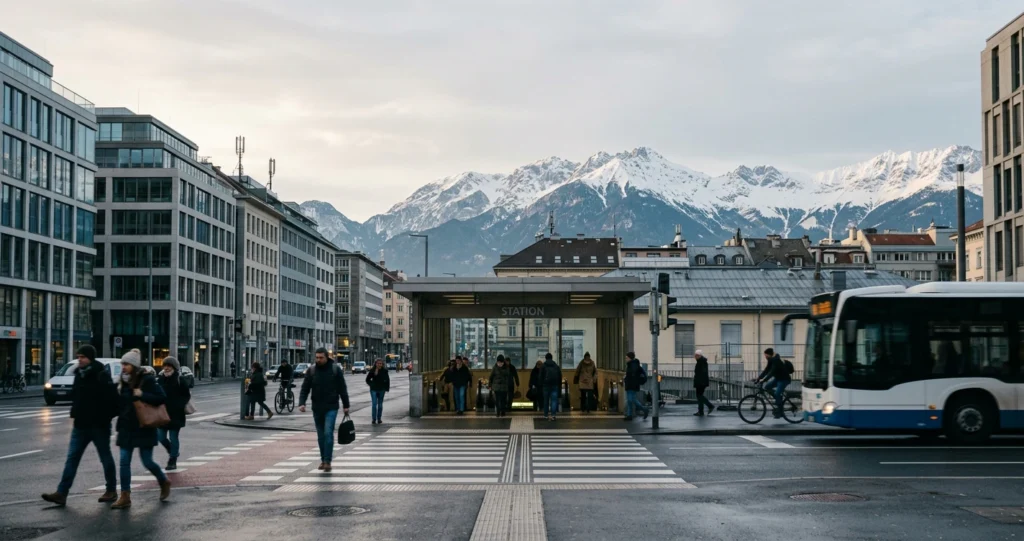
- Almaty sits in the foothills of the Trans-Ili Alatau, so snow-capped peaks are visible from almost any street in the city center.
- Charyn Canyon stretches 154 km and lies about 195 km east of Almaty, making it a long but rewarding day trip (UPenn REES).
- Kazakhstan's foreign visitor numbers have been rising, and Almaty is the main gateway for most arrivals.
- Spring and early autumn give the most comfortable weather for both city walking and mountain excursions.
- The city is compact and walkable, with a cheap metro, buses and ride-hailing covering everything else.
Almaty rewards travelers with a rare combination: a leafy, cafe-filled metropolis pressed right against glacier-topped mountains. You can browse a Soviet-era bazaar in the morning and stand on an alpine trail by lunch. This Almaty travel guide walks through the sights worth your time, the day trips that justify the drive, and the practical details that make a visit smooth.
Kazakhstan's largest city is not the capital, but it is the cultural and commercial heart of the country. It sits in the foothills of the Trans-Ili Alatau, so the skyline is backed by peaks that stay white for much of the year. That setting shapes everything, from the apple orchards the city is named after to the ski slopes a short ride from downtown.
Why this Almaty travel guide starts with the mountains
Almaty works as both an urban destination and a mountain base because the Trans-Ili Alatau range begins at the edge of the city. The foothills sit around 700 to 900 meters, and the peaks climb far higher just minutes away. Few large cities put serious alpine terrain this close to their coffee shops.
Kazakhstan has been drawing more of these travelers lately, with foreign visitor numbers rising year on year. Almaty is the main entry point for most, with the country's busiest airport and the widest range of hotels.
The city itself is green and grid-planned, laid out with wide boulevards and tree-lined canals fed by mountain snowmelt. You feel the altitude shift quickly. A single afternoon can take you from street-level markets to viewpoints high above the rooftops, which is part of why many Silk Road travelers now start or finish a regional trip here.
What are the top sights in Almaty?
Three sights anchor most first visits: Panfilov Park, the Green Bazaar and Kok-Tobe hill. Together they cover the city's history, its food culture and its best urban views, and all three sit within easy reach of the center.
Panfilov Park is a shaded public garden built around the Ascension Cathedral, a tall wooden Orthodox church painted in bright colors. The park honors Soviet war veterans and stays busy with locals, so it is a good place to watch daily life unfold. A few blocks away, the Green Bazaar packs rows of traders selling horse meat, dried fruit, nuts, cheeses and spices under one roof. It is loud, crowded and the fastest way to understand local tastes.
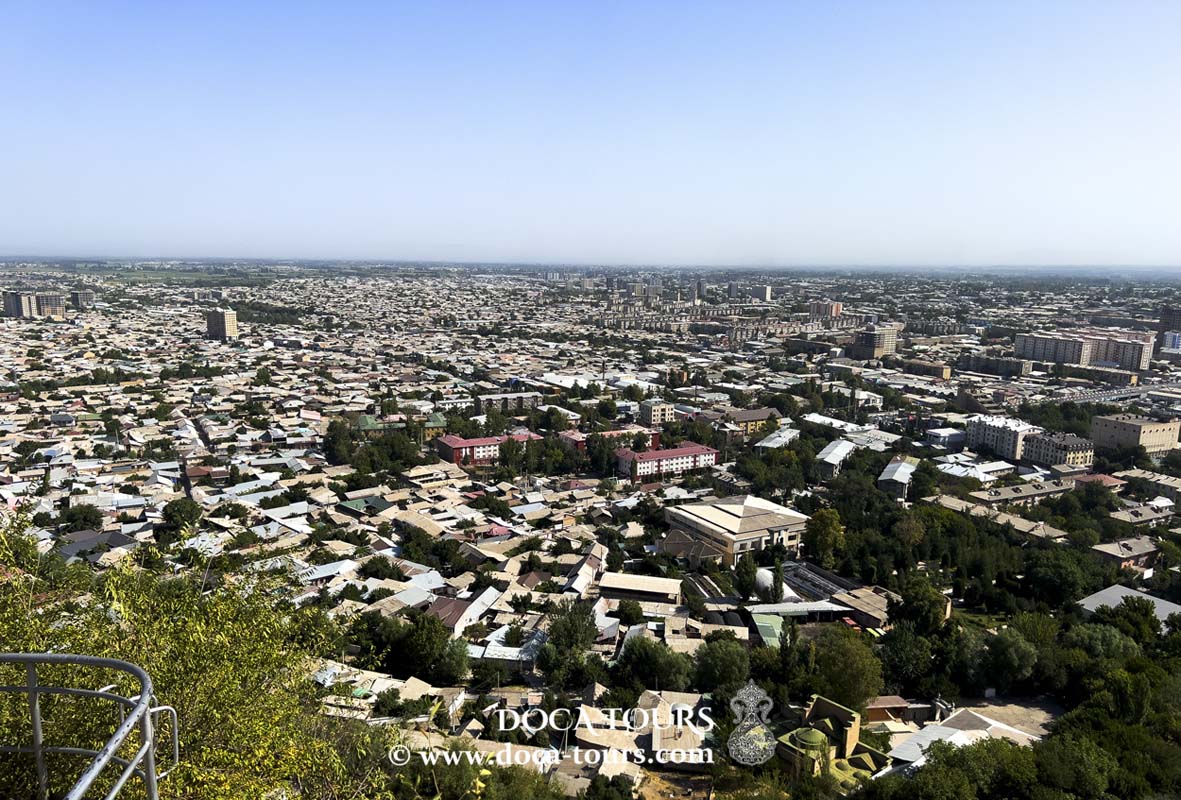
Kok-Tobe rises on the southern edge of the city and is reached by cable car. From the top you get a wide view over Almaty with the mountains behind, plus a small park and food stalls. Go near sunset when the light softens and the city starts to glow.
Which day trips from Almaty are worth it?
The two standout day trips are Big Almaty Lake and Charyn Canyon, and both show a completely different side of the region. The lake offers high-altitude alpine scenery close to town, while the canyon delivers dramatic desert rock formations a few hours out.
Charyn Canyon is the bigger commitment and the bigger payoff. The canyon runs about 154 kilometers in total, cuts 150 to 300 meters deep, and sits roughly 195 kilometers east of Almaty (University of Pennsylvania REES, 2026). Its most visited stretch, the Valley of Castles, is a walkable gorge of red sandstone towers shaped over millions of years. Plan for a long day, since the drive runs three to four hours each way.
Big Almaty Lake is far closer, tucked into the mountains south of the city. The water glows turquoise against bare peaks, and the surrounding road climbs steadily into the Trans-Ili Alatau. Because access rules and road conditions change with the season, a guide or driver removes most of the guesswork. For planning the wider region, our two-week Silk Road itinerary shows how Almaty fits alongside Uzbekistan and Kyrgyzstan.
Cafes, culture and the city's Soviet heritage
Almaty has one of the strongest cafe and dining scenes in Central Asia, layered on top of visible Soviet-era architecture. The city blends Kazakh, Russian and broader regional influences, and that mix shows up on menus, in museums and across its wide planned streets.
Coffee culture here is genuine, with independent roasters and brunch spots filling the central districts. Food ranges from Kazakh staples like beshbarmak and plov to Korean, Uyghur and Georgian kitchens brought by the city's many communities. If you want to know what to order before you arrive, our guide to Central Asian dishes every traveler should try is a useful primer.
The Soviet legacy is everywhere once you look. Grand civic buildings, mosaics, the metro stations and monuments all date from that era, and the Central State Museum lays out the longer history of the region. Spend an afternoon simply walking, and the different layers of the city reveal themselves without any planning.
When is the best time to visit Almaty, and how do you get around?
The best time to visit Almaty is late spring and early autumn, roughly late April to June and September to early October. Those windows give mild city weather and open mountain trails at the same time. Winter belongs to skiers, while midsummer can turn hot and hazy in the lowland streets.
The mountains hold snow long into the year. Shymbulak, the resort above the city, climbs from its base to a high alpine summit, which keeps its upper runs cold well past the city thaw. If you come for skiing, December through March is prime, and the resort connects to the Medeu skating rink below.
Getting around is simple. The city center is walkable, and a clean metro line plus extensive buses cover longer hops cheaply. Ride-hailing apps work well and are inexpensive for trips the metro misses. For the mountains and the canyon, though, a driver or organized tour is far more practical than piecing together sparse public transport.
Almaty makes an easy, comfortable start to a wider regional trip, and that is exactly how many travelers use it. If you would rather have the lake roads, canyon logistics and border crossings handled for you, Doca Tours builds guided Central Asia packages that fold Almaty into longer Silk Road routes. The simplest next step is to sketch your rough dates against the seasons above, then decide which day trips matter most to you.
Frequently asked questions
How many days do you need in Almaty?
Three to four days works well. Spend one or two days in the city for Panfilov Park, the Green Bazaar and Kok-Tobe, then use the remaining days for mountain trips to Shymbulak, Big Almaty Lake or Charyn Canyon.
Is Almaty expensive for travelers?
Almaty is affordable by European or North American standards. Public transport, local meals and museum entry are inexpensive. Costs rise mainly for guided day trips to remote sites like Charyn Canyon and for ski passes at Shymbulak in winter.
Do I need a visa to visit Almaty?
Many nationalities enter Kazakhstan visa-free for short stays, including citizens of the EU, UK, US, Japan and others. Rules change, so confirm your country's current allowance and permitted length of stay before booking.
What is the best time to visit Almaty?
Late April to June and September to early October offer mild city weather and accessible mountain trails. Winter from December to March suits skiers heading to Shymbulak, while July and August can be hot in the city.
How do you get from Almaty to Charyn Canyon?
Charyn Canyon is about 195 km east of Almaty, roughly a three to four hour drive each way. Most visitors join an organized day tour or hire a driver, since public transport to the canyon is limited and infrequent.