

























Key takeaways
- Navruz marks the spring equinox around March 21 and is a public holiday in Uzbekistan, Kazakhstan, Kyrgyzstan, Tajikistan and Turkmenistan.
- UNESCO inscribed Nowruz on its Representative List of the Intangible Cultural Heritage of Humanity in 2009, extended in 2016.
- The dish sumalak, made from sprouted wheat and cooked overnight by whole communities, is the signature food of the holiday.
- Celebrations run for several days, so a trip timed to mid-to-late March gives travellers the best chance to join the festivities.
The Navruz festival is the spring new year celebrated across Central Asia on 21 March, when families gather to cook sumalak, musicians fill the squares, and whole towns turn out to welcome the first day of the warm season. For a traveller, it is the single best window to see Uzbekistan, Kazakhstan, Kyrgyzstan, Tajikistan and Turkmenistan at their most open and festive, with public holidays clearing the calendar and the streets filling with colour.
The holiday is ancient and deeply shared. Nowruz, the wider name for the festival, is celebrated by around 300 million people worldwide, and UNESCO inscribed it on its Representative List of the Intangible Cultural Heritage of Humanity in 2009, with the listing extended in 2016 (UNESCO Courier). What follows is a plain guide to where Navruz comes from, how each of the five Stans marks it, what you will eat, what you will see, and how to plan a trip around it.
The Origins and Meaning of Navruz
Navruz means "new day" in Persian, and that is exactly what it marks: the astronomical first day of spring, when day and night fall into balance at the equinox. The name is spelled many ways across the region, Navruz, Nauryz, Nooruz, Nowruz, but the meaning holds steady from one border to the next.
Its roots reach back thousands of years to Zoroastrianism, the religion of ancient Persia that took hold long before Islam arrived in Central Asia. The festival has survived empires, conquests and the Soviet era, when it was discouraged, and came back into full public life after the five republics gained independence. Today it is secular and cultural rather than religious. People of every background in the region observe it.
The spirit of the day is renewal. Homes are cleaned top to bottom, debts are settled, quarrels are set aside, and tables are laid for neighbours and relatives. Wheat sprouts grown on windowsills stand in for the return of green life to the land. If you want the deeper backdrop to the region's shared traditions, the Silk Road history that connected these peoples helps explain why one festival binds so many cultures together.
How the Five Stans Mark the Holiday
Navruz is a public holiday in all five Central Asian countries, and each celebrates on 21 March, but the flavour shifts as you cross borders.
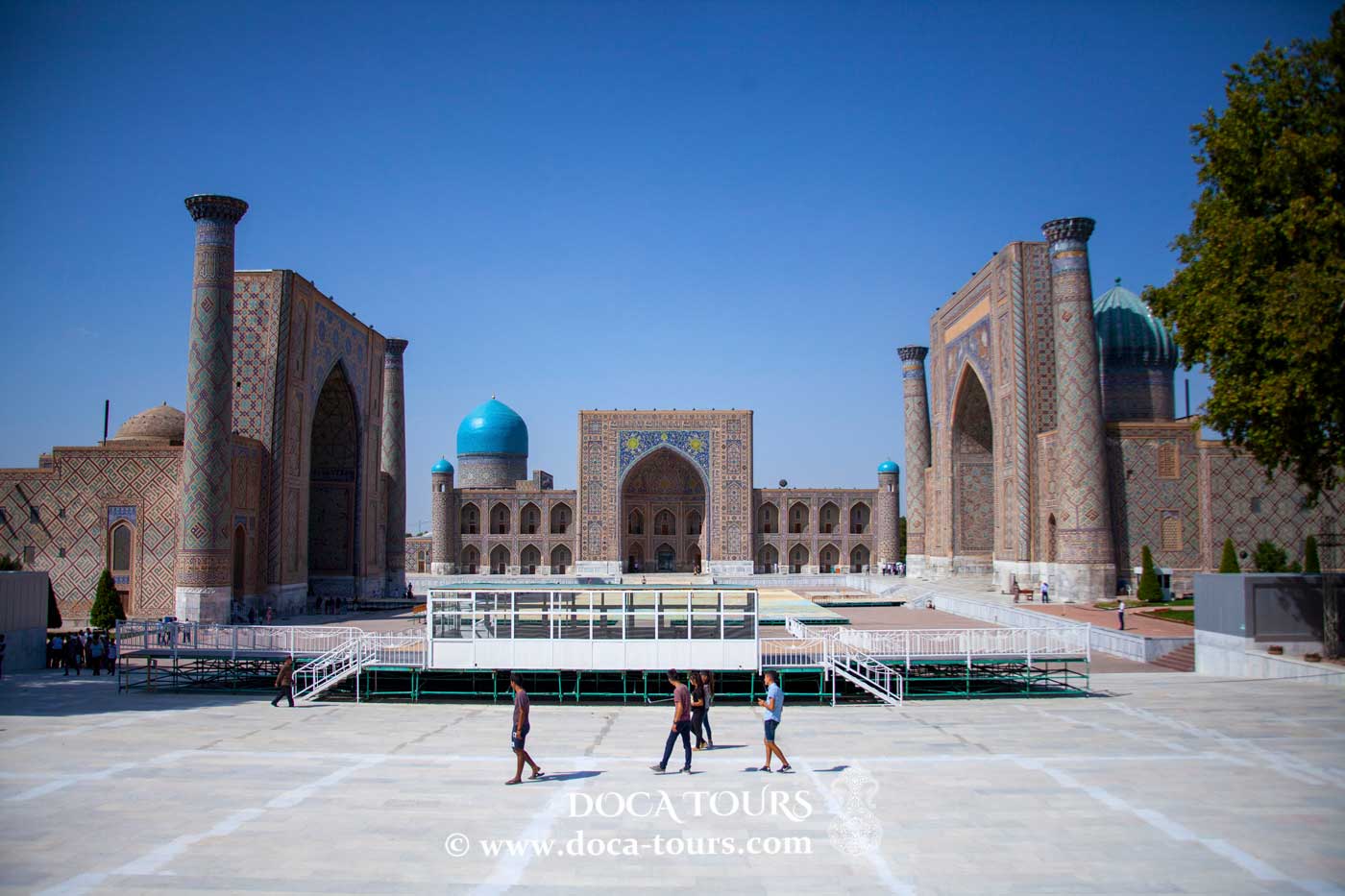
Uzbekistan stages the largest public events. Squares in Tashkent, Samarkand and Bukhara host concerts, food stalls and folk performances, and the preparation of sumalak becomes a neighbourhood event in its own right. The historic cities make a dramatic stage for it.
Kazakhstan calls the holiday Nauryz and treats it as one of the biggest dates on the calendar. Cities raise festival yurts in public parks, families serve the signature soup Nauryz kozhe, and horseback games draw crowds onto the steppe outside town.
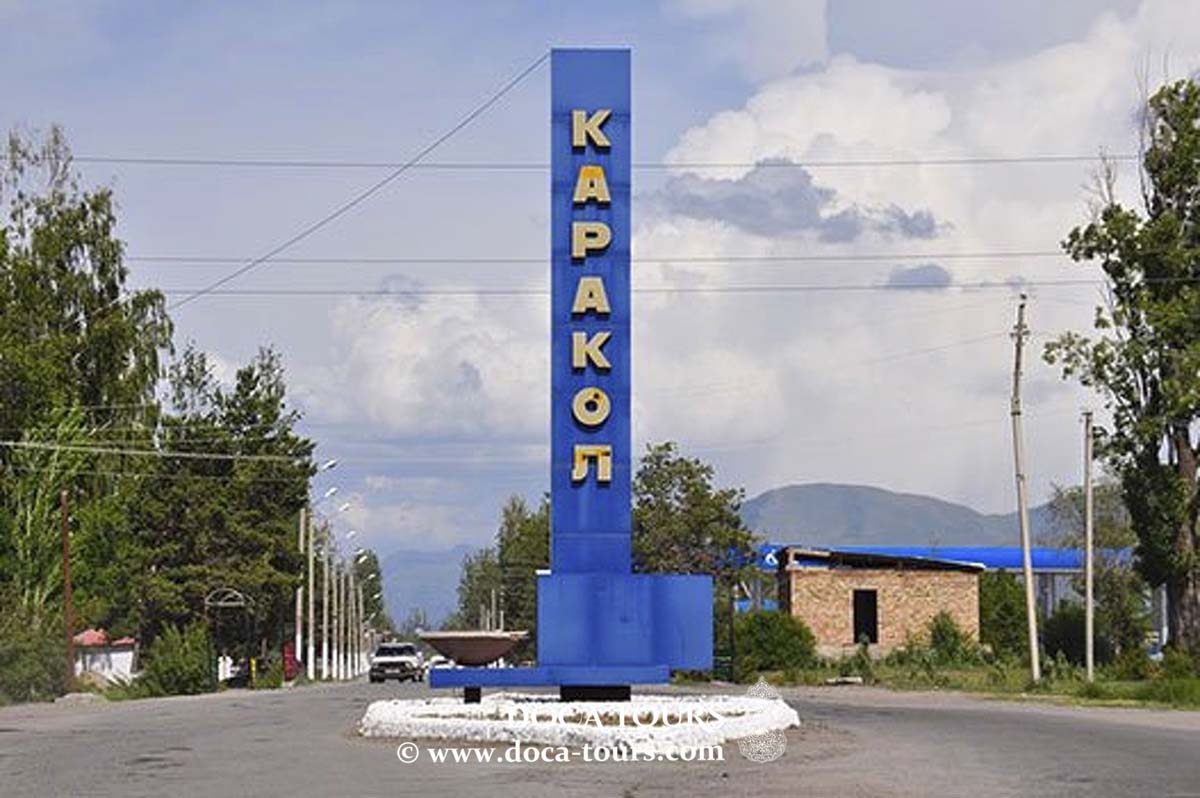
Kyrgyzstan blends the festival with its nomadic heritage. Expect yurts, horse games and mountain settings, a natural fit with the country's living traditions.
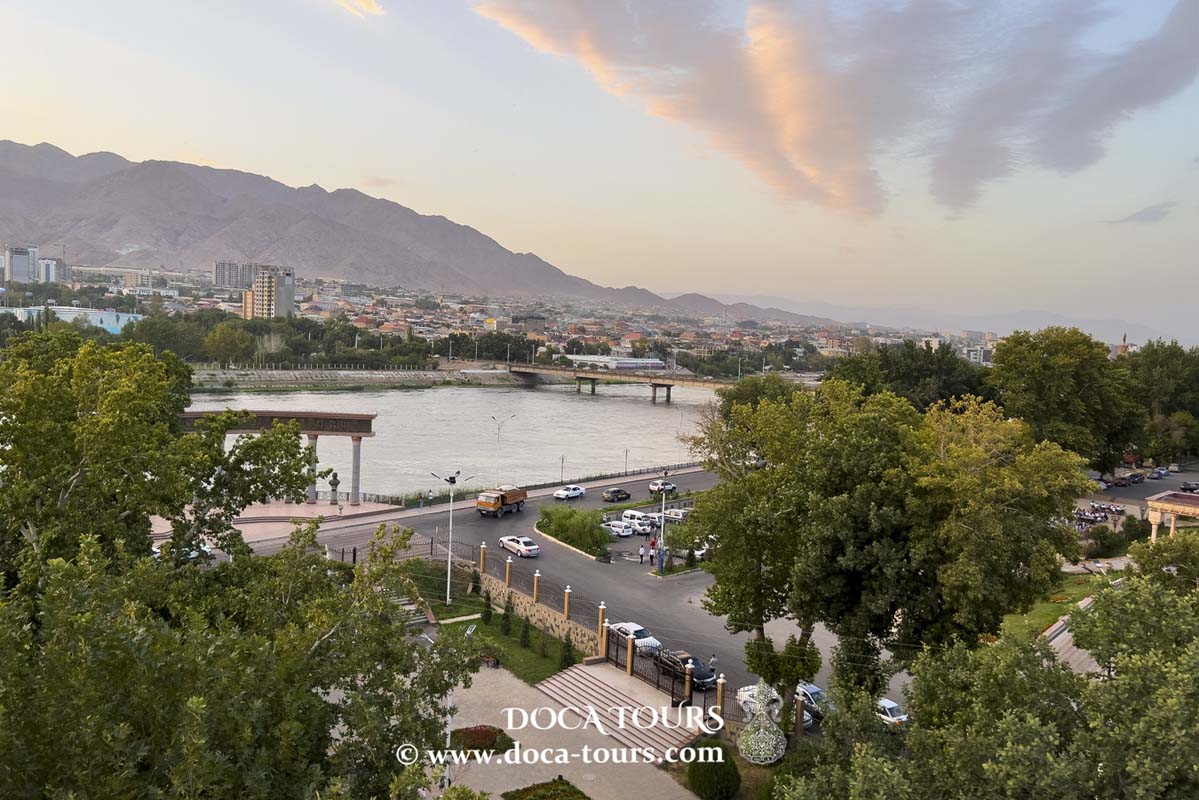
Tajikistan holds some of the most elaborate state celebrations, with large organised gatherings, traditional music and sports, reflecting the country's strong Persian cultural thread.
Turkmenistan marks the day with concerts, folk games and open-air feasts, often in a formal, state-organised style.
Wherever you are, the common thread is food shared in the open and a willingness to pull strangers into the celebration.
Traditional Foods: Sumalak and the Festive Table
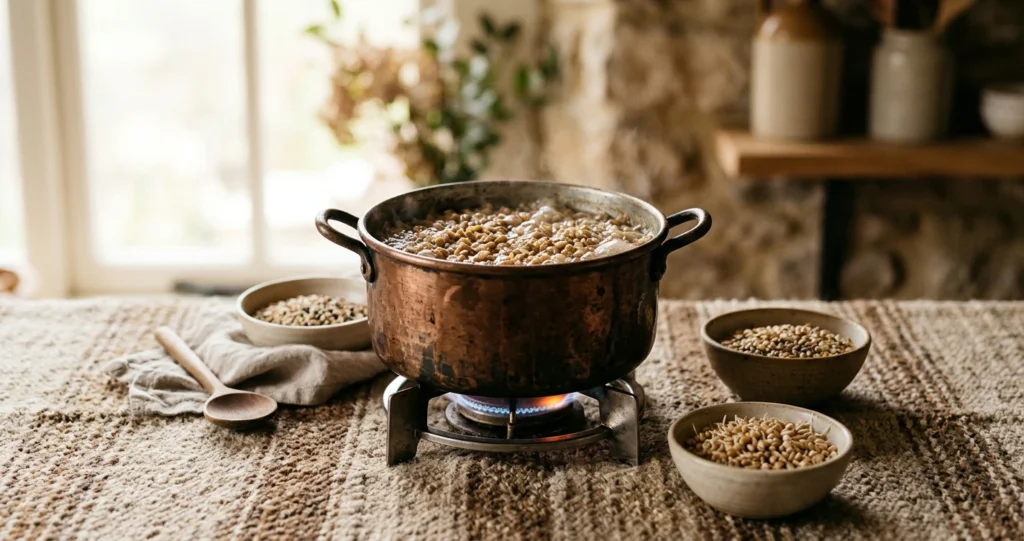
No dish carries Navruz the way sumalak does. It is a dark, sweet paste made entirely from germinated wheat, with no added sugar, cooked for anywhere from ten to twenty-four hours in a huge cauldron over a fire. The work is communal. Women and men take turns stirring through the night, singing and talking to keep each other going, and small stones or nuts are sometimes dropped in to stop it catching on the bottom. Finding a stone in your bowl is said to grant a wish.
The rest of the table is generous. In Kazakhstan, Nauryz kozhe is a soup built from seven ingredients, the number seven standing for luck and plenty. Across the region you will also meet halim, a slow-cooked porridge of wheat and meat, alongside plov, samsa, flatbreads and mounds of dried fruit and nuts. If you want to arrive knowing what is on the plate, our guide to Central Asian food covers the staples you will meet again and again.
The point of the food is sharing. Dishes travel between houses, and visitors are expected to eat something everywhere they are welcomed.
Music, Games and Street Festivities
Navruz spills out of the home and into the street. Public squares host live music, folk dancing and performances by children in bright traditional dress. In the historic cities, the architecture does half the work: a concert set against tiled madrasahs is a sight on its own.
The games are the other half of the spectacle. The region's most famous is kopkari, also called buzkashi, a fierce horseback contest where riders compete to carry a goat carcass to a goal. It is loud, fast and utterly local, and it draws the biggest crowds of the day on the open ground outside towns. Smaller events fill the squares too: tug of war, wrestling, egg-tapping games and tightrope walking by traditional performers.
For a traveller, the atmosphere is the draw. People are relaxed, dressed up and happy to explain what is going on, and the normal reserve you might meet on an ordinary day gives way to open hospitality.
Planning a Trip Around Navruz in March
March is one of the best months to travel Central Asia. The heat of summer has not arrived, the landscapes are green and blooming, and the Navruz holiday layers festivity on top of mild weather. The caveat is that it is also a popular time, so book guides, drivers and rooms well ahead, since locals travel for the holiday too.
A few practical notes. The festival peaks on 21 March, but events run for several days on either side, so aim to be in the country for a mid-to-late March window rather than a single date. Pack for cool evenings and warmer afternoons, since the layering matters this time of year. Public holidays mean some offices and banks close, so sort visas, cash and transport before the dates arrive.
Because so much of Navruz happens in homes, yards and neighbourhood gatherings, a local guide is the difference between watching from the edge and being invited in. A guided trip with Doca Tours can time your route to catch the sumalak cooking in one city and the horseback games in another, and get you through the door of celebrations that are easy to miss on your own.
If Navruz is the reason you are coming, build the rest of the trip around it now: pick your cities, lock in the third week of March, and ask your operator which towns will have the liveliest festivities in the year you travel. That one decision, made early, is what turns a spring visit into a front-row seat at Central Asia's oldest party.
Frequently asked questions
When is the Navruz festival celebrated?
Navruz falls on the spring equinox, usually 20 or 21 March. In Central Asia it is marked on 21 March, with festivities spread over several days before and after.
Which countries celebrate Navruz?
All five Central Asian countries celebrate it as a public holiday: Uzbekistan, Kazakhstan, Kyrgyzstan, Tajikistan and Turkmenistan. It is also observed widely across West and South Asia and the Caucasus.
What is sumalak?
Sumalak is a sweet paste made from germinated wheat, slow-cooked for many hours in a large cauldron. Communities prepare it together through the night, taking turns to stir and sing.
Is Navruz a religious holiday?
Navruz has roots in Zoroastrianism and ancient Persian tradition, but today it is celebrated as a secular, cultural new year rather than a religious observance.
Is March a good time to visit Central Asia?
March brings mild spring weather and blooming landscapes, and the Navruz holiday adds music, food and festivities. It is one of the most rewarding times of year to travel the region.