


























Key Takeaways: Tian Shan Trekking in Kyrgyzstan
- Tian Shan trekking in Kyrgyzstan centers on Karakol, with the 3–4 day Ala-Kul trek as the signature route over a pass near 3,860 m. Discover more about travel in Kyrgyzstan with DOCA TOURS.
- The reliable trekking window runs from mid-June to mid-September, when high passes are generally clear of snow.
- Jyrgalan suits newer trekkers with lower passes, while Ala-Kul and the wider Terskey Alatau demand good altitude fitness.
- Kyrgyzstan is one of the few countries where independent trekking is genuinely feasible, but guides add safety and logistical support on glaciated or remote routes.
- Pack for four seasons in one day: sub-zero nights above 3,000 m are normal even in July.
Yes, you can trek across passes reaching nearly 3,900 m, explore glacier-fed valleys, and discover turquoise alpine lakes in Kyrgyzstan. On popular routes, you can even do so without a guide during summer. Start from the town of Karakol in the country’s east and make the Ala-Kul trek your first target: a 3–4 day loop that reasonably fit hikers can usually complete between June and September.
Kyrgyzstan packs a huge mountain range into a country smaller than many expect, which is what makes Tian Shan trekking so rewarding. The range, whose name means “Mountains of Heaven,” stretches across Central Asia, and its highest summits sit on Kyrgyz soil. This guide covers the range itself, the treks worth your time, their difficulty levels, whether to hire a guide, and what to pack. For help planning a wider Central Asian adventure, explore DOCA TOURS, a travel company specializing in tailor-made journeys across the region.
What Is the Tian Shan Range in Kyrgyzstan?
The Tian Shan is one of the largest mountain systems in Central Asia, and Kyrgyzstan holds its highest peaks. Jengish Chokusu, also called Peak Pobeda, reaches 7,439 m on the Kyrgyzstan–China border, while the pyramid-shaped Khan Tengri rises to about 7,010 m, according to geographic records of the Tian Shan range. Most trekking takes place far below those summits, between roughly 2,500 and 3,900 m.
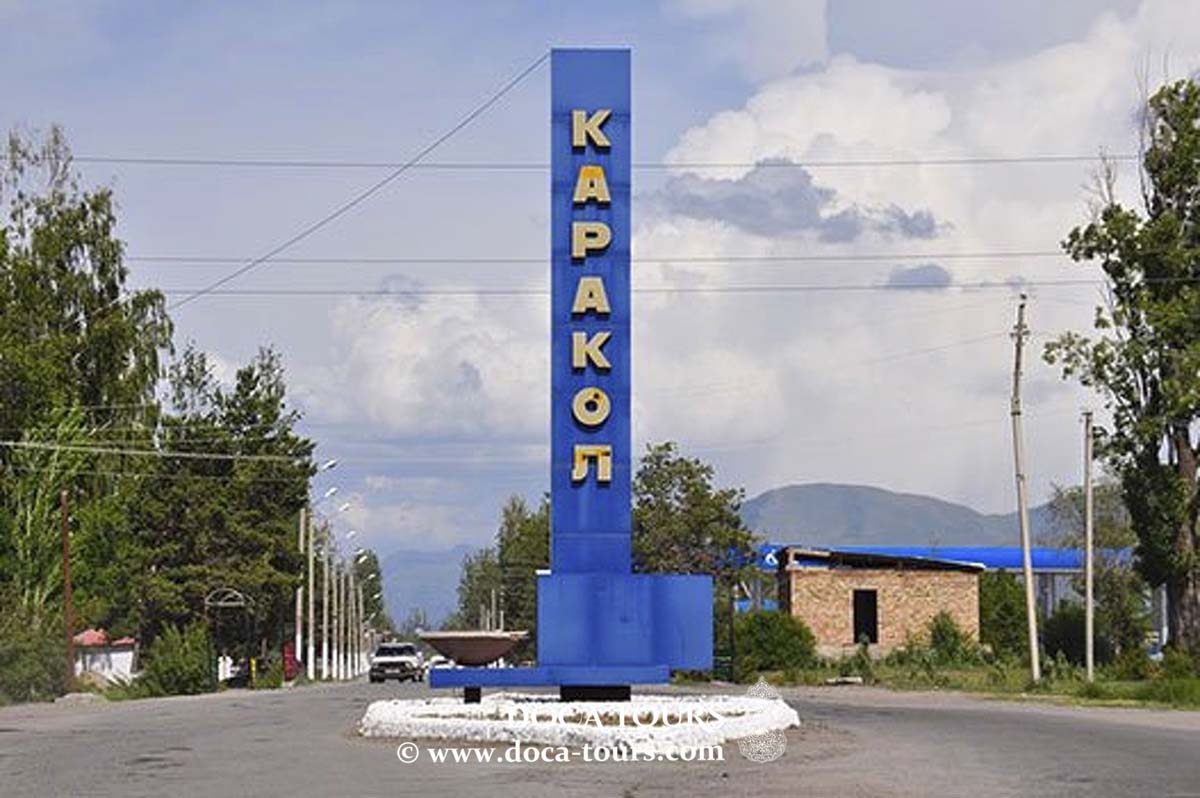
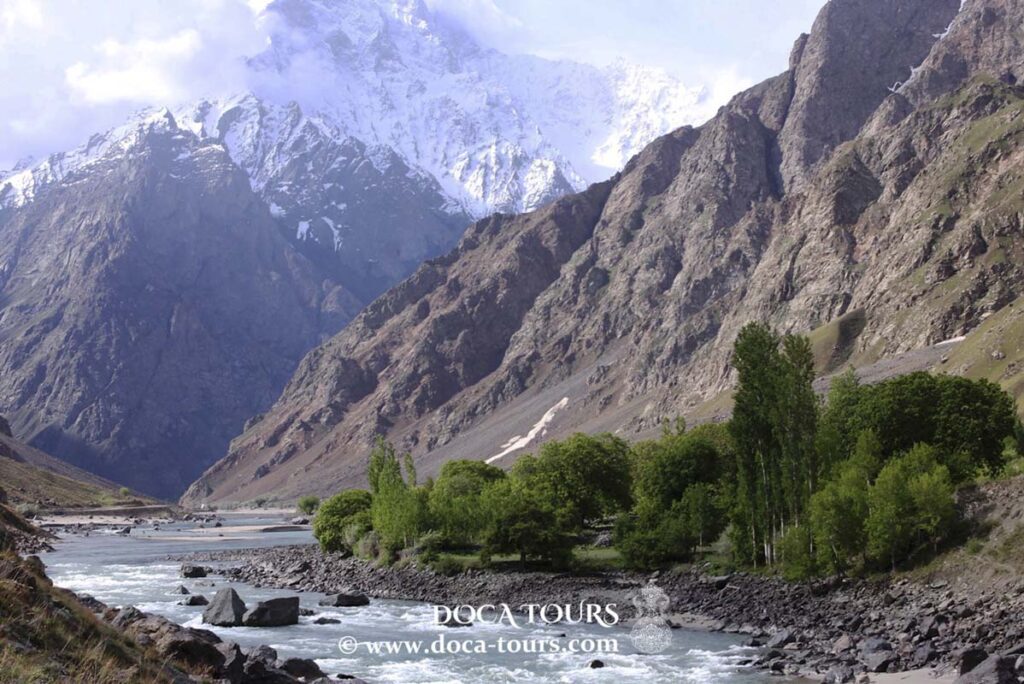
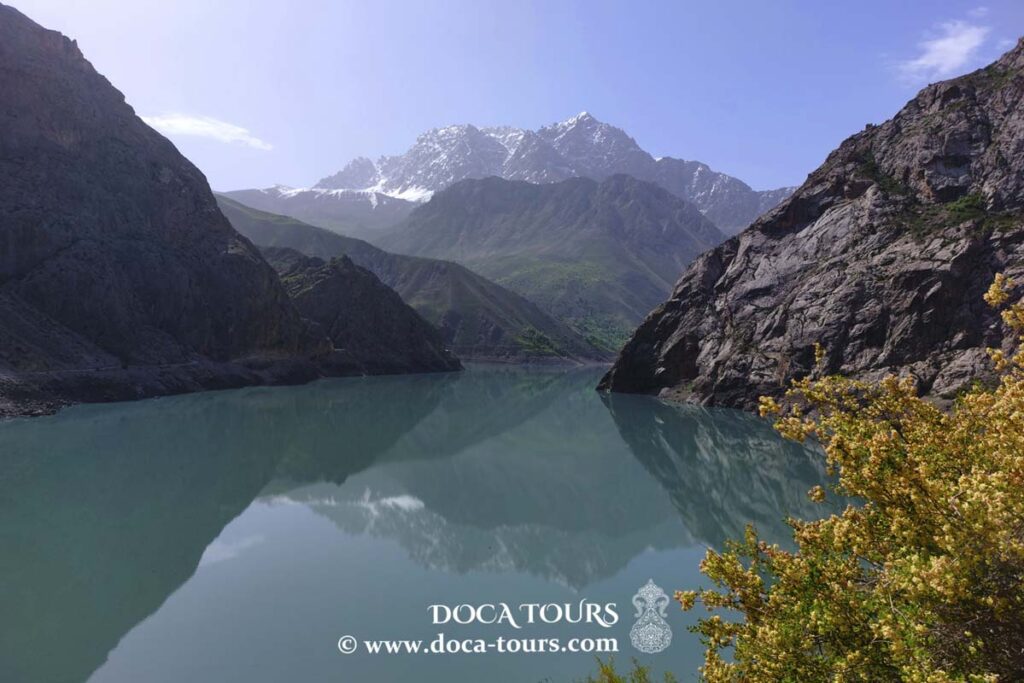
For walkers, the practical heart of the range is the Terskey Alatau, the chain of peaks south of Lake Issyk-Kul. These mountains feed dozens of valleys with meltwater, carve out turquoise lakes, and stay snow-capped well into summer. Karakol, at the eastern end of Issyk-Kul, is the launch point for most trips.
The landscape shifts quickly as you climb. Spruce forest gives way to open summer pasture, then to bare rock and scree, and finally to snow and ice near the passes. Semi-nomadic herders still bring livestock to high meadows each summer, so a yurt and a herd of horses are part of the scenery rather than a staged attraction. To experience the region’s culture alongside its mountains, consider a tailor-made trip with DOCA TOURS.
Which Are the Top Tian Shan Treks?
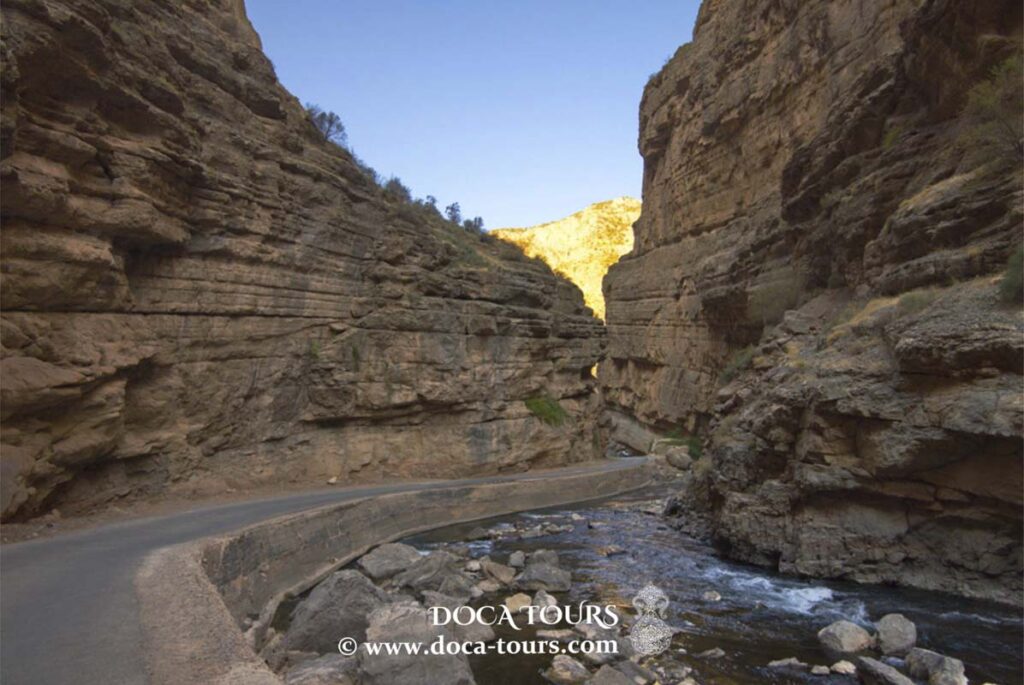
The three routes most worth planning around are Ala-Kul, the Jyrgalan Valley, and the wider Terskey Alatau traverses. Each offers a different balance of difficulty, scenery, and solitude, and all start within easy reach of Karakol or the Issyk-Kul shore. For advice on incorporating Kyrgyzstan into a broader Central Asian itinerary, visit DOCA TOURS.
Ala-Kul Trek
Ala-Kul is the signature Tian Shan trek and the one most first-time visitors choose. The route typically takes 3–4 days from Karakol, climbing through forest and meadow to the Ala-Kul Lake basin before crossing the Ala-Kul Pass at roughly 3,860 m and descending to the hot springs at Altyn-Arashan, according to route information from the Kyrgyzstan tourism website. The reward is a milky-blue lake surrounded by glaciers and a mountain pass with sweeping views across the range.
The trek is demanding but not technical. Expect long days, a steep and loose climb to the pass, and cold mornings at the lake camp. Many hikers add a rest day at Altyn-Arashan to soak in the hot springs before heading out.
Before setting off, check local trail conditions and weather forecasts. For travelers who prefer help with transport, accommodation, and route planning, DOCA TOURS can help organize a customized trip in Kyrgyzstan and other Central Asian destinations.
Jyrgalan Valley
Jyrgalan is the gentler, quieter option and a strong choice for newer trekkers. A former coal-mining village northeast of Karakol, it has reinvented itself around community-based tourism, with marked day hikes and multi-day routes over passes that stay lower than Ala-Kul. Trails here lead through rolling pasture, larch forest, and summer herder camps.
Because Jyrgalan sees fewer trekkers, it is a good place to meet local hosts and stay in family-run guesthouses or yurts. It also works well as a warm-up before attempting a bigger objective. For background on the country and travel inspiration, consult the Kyrgyzstan tourism website.
Terskey Alatau Traverses
For experienced trekkers, longer traverses through the Terskey Alatau link several valleys and passes into week-long itineraries. These routes reach remote basins with no road access, demand solid navigation skills, and often include river crossings and steep snow early in the season. This is backcountry walking where self-sufficiency matters.
Trekkers considering remote routes should carefully assess their experience, navigation skills, equipment, and ability to respond to rapidly changing mountain conditions. On demanding routes, a qualified local guide can provide valuable support.
How Hard Is Tian Shan Trekking?
Most Tian Shan treks rate as moderate to strenuous, with difficulty driven by altitude, daily distance, and rough ground rather than technical climbing. The Ala-Kul route covers considerable distance over 3–4 days and reaches approximately 3,860 m, which is high enough to slow you down and cause mild altitude symptoms if you ascend too quickly.
Fitness matters more than mountaineering skill on the standard routes. You should be comfortable walking 6–8 hours a day on uneven terrain while carrying a daypack, with a heavier pack if you camp without porter support. Steep scree on the approach to high passes is one of the most common challenges, and trekking poles can help considerably.
Altitude deserves respect. An extra day to acclimatize before tackling a high pass can help reduce the risk of altitude-related symptoms, and a gradual ascent is safer than a rushed one. If you have never been above 3,000 m, Jyrgalan is a sensible place to test how your body responds before committing to a high pass. For official health guidance on altitude, see the CDC Yellow Book travel health guidance.
Guided or Self-Guided: Which Should You Choose?
Kyrgyzstan is one of the few countries where independent trekking on popular routes is genuinely feasible, so the right choice depends on your experience and the route. Ala-Kul and Jyrgalan are reasonably well marked and can be hiked independently in high summer, while remote Terskey Alatau traverses are often better suited to trekkers with a guide.
Self-guided trekking works best when you have solid trekking experience, can navigate using a map and GPS track, and are prepared to handle changing weather and river crossings on your own. You carry your own food and shelter or use the simple camps and guesthouses along the way. The advantages are flexibility and lower costs; the trade-off is that help may be far away if something goes wrong.
A guided trip removes much of the logistical burden and adds a safety margin. Guides monitor the weather, know where rivers can be crossed safely, arrange horse support for your gear when available, and organize transfers to and from trailheads. For glaciated objectives, a first high-altitude trek, or anyone short on planning time, that support can be worth the cost.
A regional operator such as DOCA TOURS can help organize a tailor-made Central Asian itinerary that includes Kyrgyzstan, with transport arrangements, local support, and time for acclimatization built into the schedule where appropriate. Explore the company’s travel services or contact the team to discuss your plans.
When Is the Best Season and What Should You Pack?
The reliable trekking season in the Tian Shan runs from mid-June to mid-September, when high passes are generally clear of snow. July and August bring the warmest, most settled weather and the largest number of trekkers, while early September often delivers stable days and thinner crowds. However, nights turn cold quickly as autumn sets in.
Weather at altitude changes fast. Afternoon storms, sudden temperature drops, and overnight frost above 3,000 m are normal even in midsummer, so plan for four seasons in a single day.
Essentials to carry:
- Layered clothing: base layers, an insulating mid-layer, and a waterproof outer shell
- A warm sleeping bag rated for sub-zero nights if camping
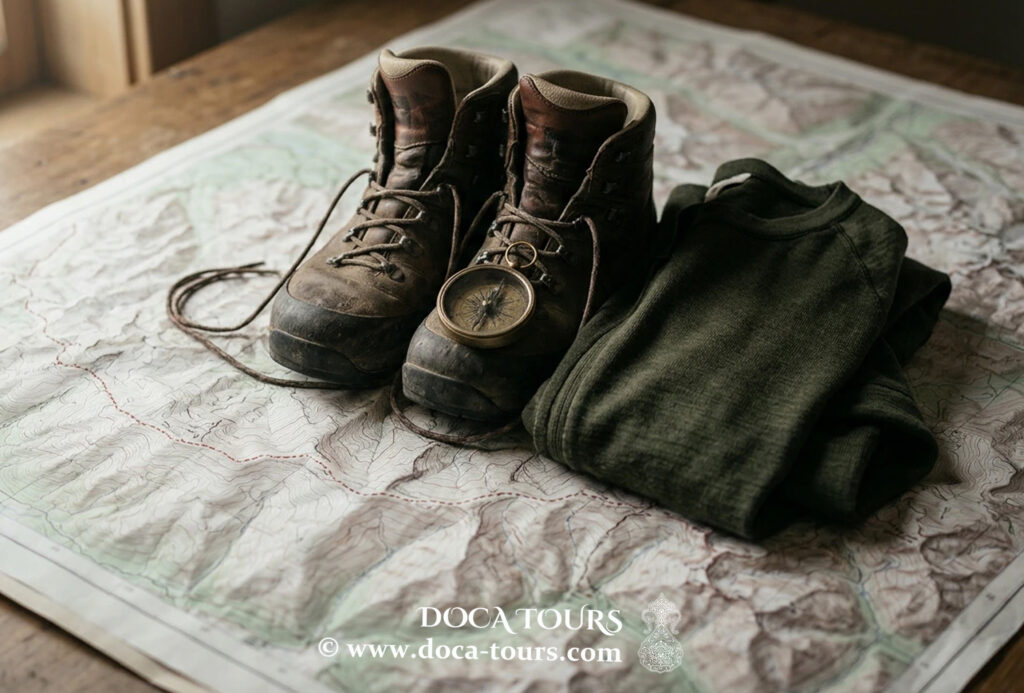
- Broken-in waterproof hiking boots and trekking poles for scree
- Sun protection: high-SPF sunscreen, lip balm, sunglasses, and a sun hat
- A reliable water filter or water-purification method
- A basic first-aid kit and any personal medication
- Offline maps or a GPS track, plus a power bank
- Snacks and enough food for the planned route, with extra supplies in case of delays
- Cash for local guesthouses, yurt camps, and services in remote areas
For a more comprehensive regional list covering clothing, documents, and electronics, our Central Asia packing checklist pairs well with the equipment listed above.
Trekking the Tian Shan rewards preparation more than daring. Choose a route that matches your fitness: Jyrgalan is a good place to build confidence, while Ala-Kul offers the classic experience. Plan your trip for the mid-June to mid-September window, and decide early whether you want the freedom of independent trekking or the additional support of a guide. From there, the Mountains of Heaven do the rest.
Frequently Asked Questions About Tian Shan Trekking
Do I need a guide to trek in the Tian Shan?
No. Popular routes such as Ala-Kul and Jyrgalan can be hiked independently during summer by suitably prepared trekkers. A guide can be valuable for safety, river crossings, weather assessment, and glaciated or off-trail objectives. For help organizing a trip, visit DOCA TOURS.
How hard is the Ala-Kul trek?
It is a moderate-to-strenuous multi-day trek. The main challenges are the Ala-Kul Pass at roughly 3,860 m, long daily distances, and steep sections of loose scree.
When is the best time to trek in Kyrgyzstan?
Mid-June to mid-September is generally the most reliable trekking period. July and August are the warmest and busiest months. Early September often brings stable weather and fewer crowds, although temperatures at night can drop quickly.
How high are the Tian Shan mountains?
The highest peak, Jengish Chokusu (Peak Pobeda), reaches 7,439 m on the Kyrgyzstan–China border. Khan Tengri rises to approximately 7,010 m. Most trekking routes stay between 2,500 and 3,900 m.
Is altitude a problem on these treks?
It can be. Passes at approximately 3,800–3,900 m are high enough to cause altitude-related symptoms in some people. Build in time to acclimatize, ascend gradually, and learn to recognize symptoms of altitude sickness. For more information, consult the CDC travel health guidance.
Can I combine trekking in Kyrgyzstan with a wider Central Asia tour?
Yes. Kyrgyzstan can be combined with destinations such as Uzbekistan, Kazakhstan, and Tajikistan, depending on your available time, preferred activities, and transport connections. Explore DOCA TOURS for tailor-made travel across Central Asia, or get in touch with the team to discuss an itinerary.