
























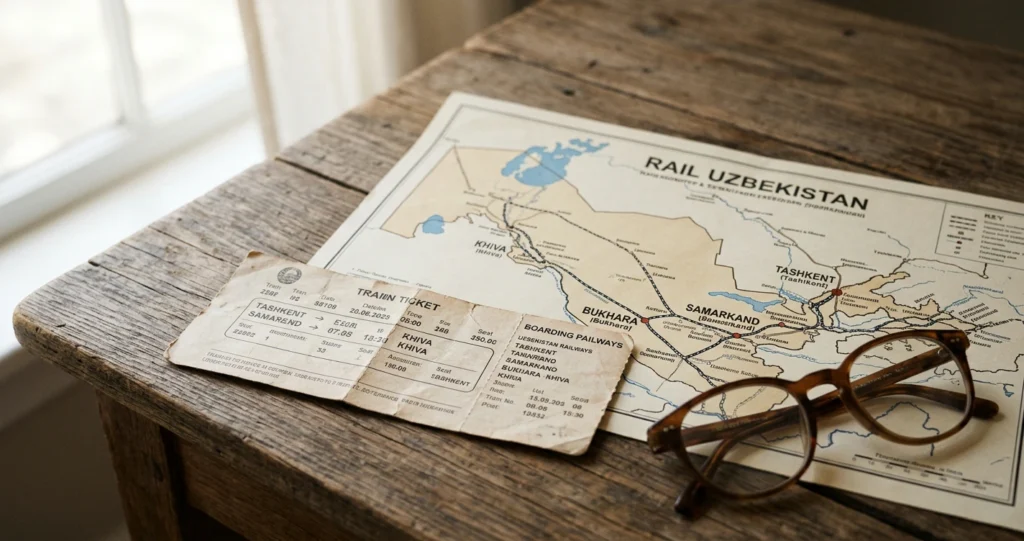
Key takeaways
- The flagship Afrosiyob is a Talgo-built high-speed train that runs at up to 250 km/h and links Tashkent with Samarkand in about two and a half hours.
- Trains connect the three main Silk Road cities, Tashkent, Samarkand and Bukhara, with Khiva now reachable by rail on a longer service.
- Book through the official Uzbekistan Railways portal at eticket.railway.uz, which accepts foreign cards, rather than waiting until you arrive.
- Afrosiyob seats come in three tiers, Economy, Business and VIP, so you can match comfort to budget.
- Pairing rail between cities with a local guide inside each city gives you fast transfers and context once you arrive.
Uzbekistan train travel is the easiest and most comfortable way to move between the country's great Silk Road cities. Fast, modern trains link Tashkent, Samarkand and Bukhara, so you can watch the desert slide past a window instead of enduring long road transfers. This guide covers the routes that matter, how to buy tickets, which class to pick and what the ride is actually like.
Rail here has changed enormously in recent years. The flagship high-speed service turned a day on the road into a short, scenic hop, and the network keeps extending toward the historic walled city of Khiva in the far west. For most visitors, the train is now the backbone of any Uzbekistan itinerary.
Why the Afrosiyob high-speed train matters
The Afrosiyob is the centerpiece of Uzbekistan train travel, a Talgo-built high-speed train that runs at speeds of up to 250 km/h and connects Tashkent with Samarkand in about two and a half hours, according to the independent rail guide Seat61. That single route transformed how travelers plan a trip. What was once a tiring drive became a relaxed morning journey with time to spare for the afternoon.
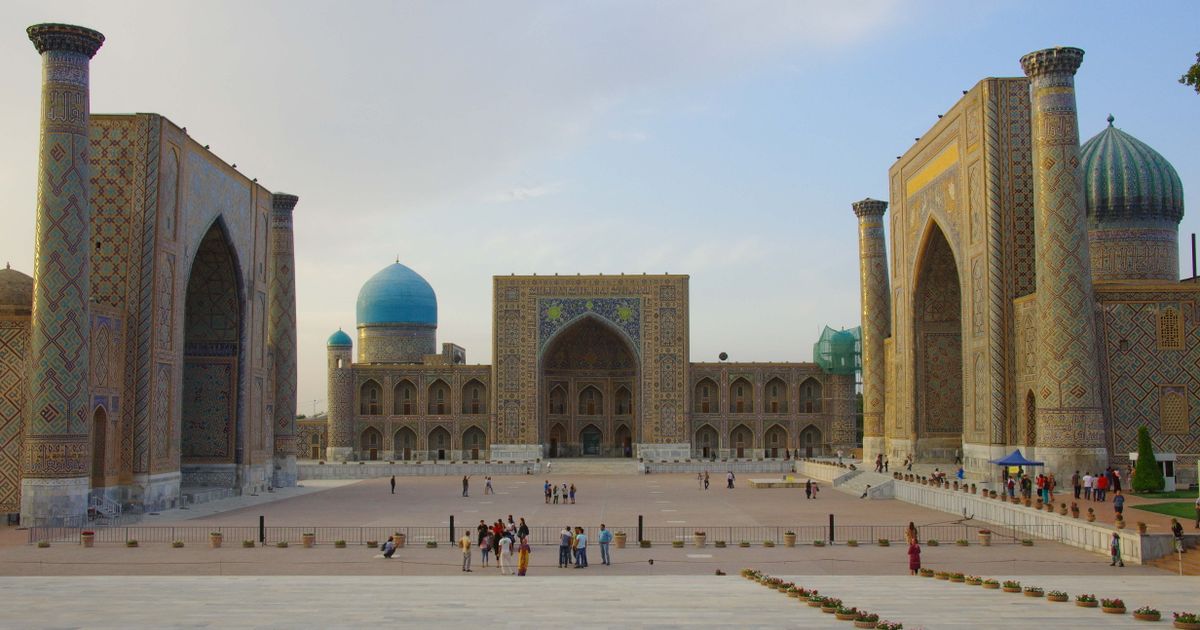
The train is named after Afrosiyob, the ancient site on the edge of Samarkand, and the branding fits. You step off a sleek, Spanish-engineered train straight into one of the oldest cities on the Silk Road. Seats are assigned, the ride is smooth, and a trolley service comes through with tea, coffee and snacks.
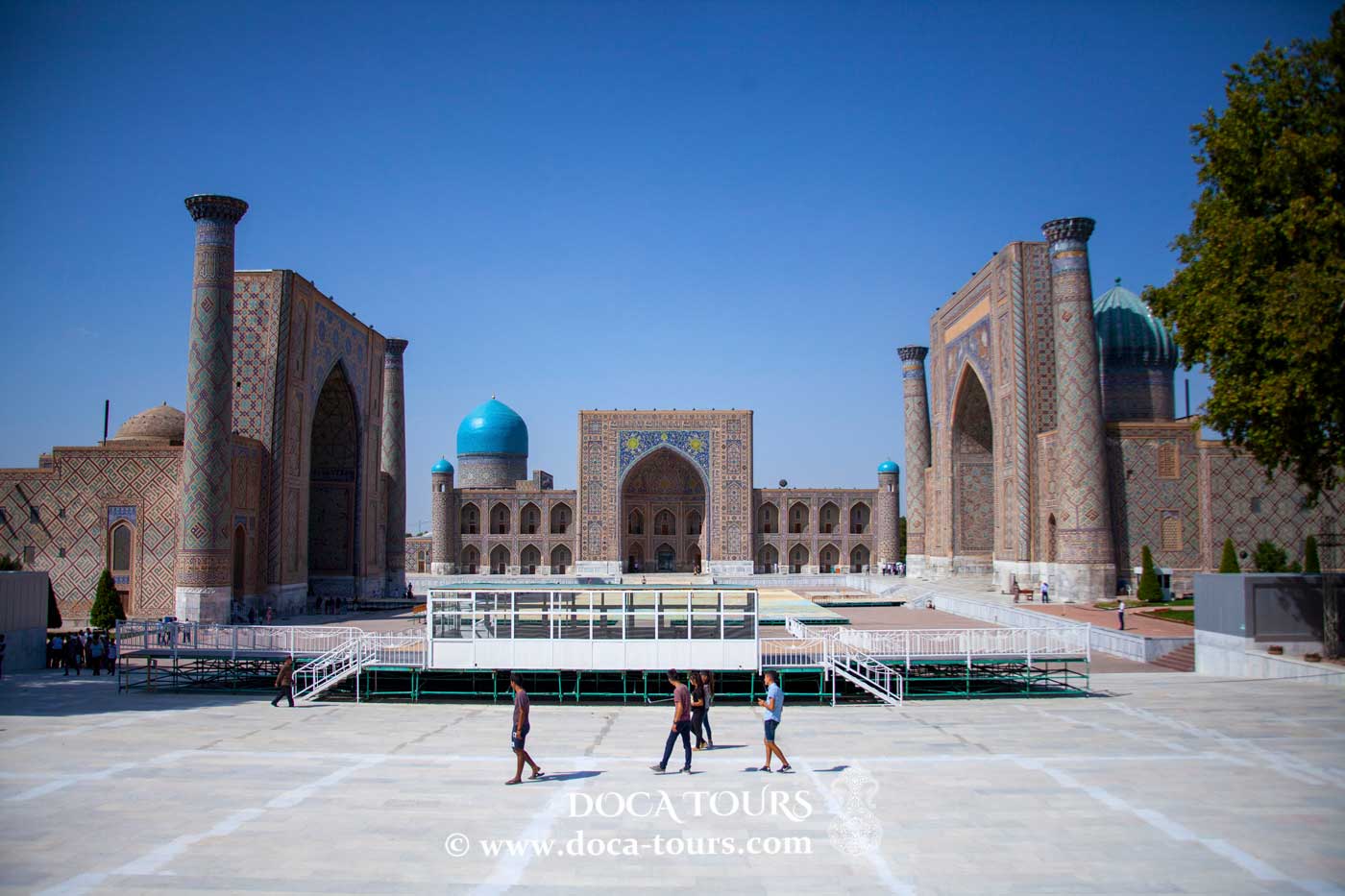
Because demand is high, especially in spring and autumn, the Afrosiyob books out well ahead of slower services. If Samarkand is on your list, and it should be, treat this train as the one to reserve first. The payoff lands the moment you reach the Registan, Samarkand's jewel, with a full day still ahead of you.
How does rail connect Bukhara, Khiva and Samarkand?
Uzbekistan's rail spine runs roughly east to west, stringing together the Silk Road's headline cities in one logical line. From Tashkent you ride to Samarkand, continue to Bukhara, and now carry on toward Khiva, the beautifully preserved walled city in the far west. Each leg shortens the gaps that used to make this circuit exhausting.
Samarkand to Bukhara is a short, comfortable hop, which makes it simple to see two monumental cities in the space of a few days. The classic traveler's route follows the trains in sequence: Tashkent first, then Samarkand, then Bukhara, saving the long western run to Khiva for last.
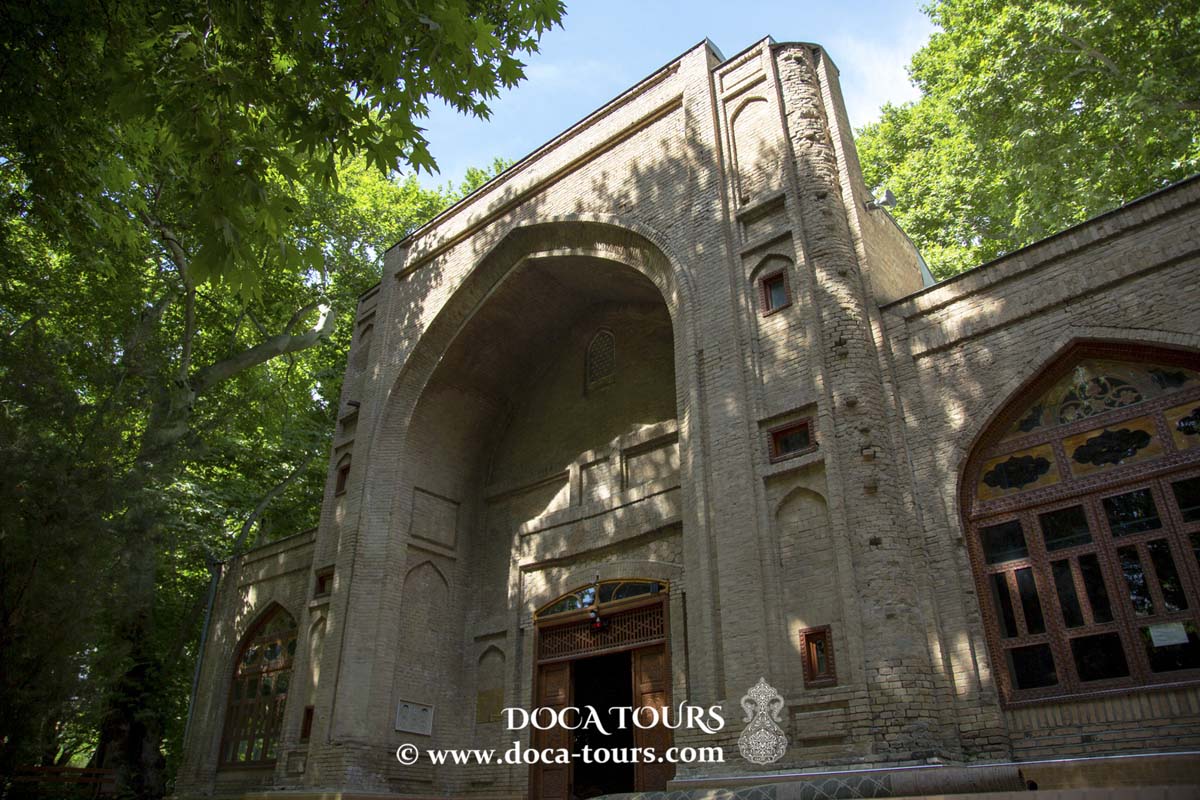
The Khiva connection is the newest and the longest of the lot. Reaching the far west by rail takes most of a day rather than a couple of hours, so many visitors break the journey with an overnight stop or combine it with a short internal flight. Once you arrive, the reward is total: the mud-brick lanes of the walled city of Itchan Kala in Khiva feel like stepping into a living museum. In the middle of the circuit, Bukhara rewards a slow walk through its old town between trains.
How do you book tickets and choose a class?
Book through the official Uzbekistan Railways portal at eticket.railway.uz, which sells tickets online and accepts foreign credit and debit cards (Seat61, 2026). Booking ahead is the single most useful habit for a smooth trip. Popular trains sell out, and arriving to find no seats on the day is a real risk in peak months.
Tickets typically open for sale several weeks before departure. As soon as your dates are fixed, reserve the Afrosiyob legs first, since those fill fastest. Save your confirmation and print the e-ticket on plain A4 paper, because stations sometimes check a printed copy at the entrance.
The Afrosiyob offers three classes: Economy, which is second class, Business, which is first class, and VIP, which is premium first (Seat61, 2026). For the short Tashkent to Samarkand hop, Economy is perfectly pleasant and the cheapest option. Business buys you wider seats and a bit more space, while VIP is the quietest. On a two-hour ride, many travelers happily stick with Economy and spend the savings on experiences in each city.
One practical note on stations: Tashkent has more than one. Check whether your departure is from the central station or the southern one, since they sit several kilometers apart, and build in buffer time to find the right platform.
What is it like onboard?
Expect clean, modern carriages, air conditioning and a calm atmosphere, closer to a short-haul flight than a rattling old sleeper. Seats are reserved and numbered, so there is no scramble for space. On the high-speed services the ride stays quiet and steady even at full speed, which makes it easy to read, nap or simply watch the scenery.
Bring your passport, since staff may check it against your ticket, and keep water and a light snack to hand even though a trolley usually passes through. The landscape between cities is a draw in itself, open steppe and desert broken by irrigated green belts, so a window seat earns its keep. For the longer western leg toward Khiva, pack as if for a half-day journey, with water, snacks and a layer for the air conditioning.
Timing is the quiet advantage of rail here. Morning departures let you arrive with a full day for sightseeing, while the fast cadence between cities means less time in transit and more time on your feet. That rhythm is exactly why so many Silk Road itineraries are built around the timetable.
Combining trains with guided city tours
Trains handle the distance between cities brilliantly. What they cannot do is explain the layers of history waiting at each stop. The strongest approach pairs fast rail transfers with a local guide inside each city, so you move efficiently and still understand what you are looking at once you arrive.
This is where a planned itinerary earns its place. At Doca Tours we build Silk Road trips around the train network, booking your Afrosiyob seats, arranging station transfers and placing a knowledgeable guide in Samarkand, Bukhara and Khiva. You get the speed and value of rail without the admin, and far richer context at every monument. Our Uzbekistan guided tour overview explains how the pieces fit together.
The combination also solves the Khiva problem neatly. A guide can advise whether to take the long train west, break it with an overnight stop or swap in a short flight, depending on your dates and stamina. However you travel, the trains give you the thread. The next step is simple: map your city dates, then reserve your Afrosiyob seats as early as you can, because the best trains on the Silk Road fill up fast.
Frequently asked questions
How fast is the Afrosiyob train in Uzbekistan?
The Afrosiyob is built by the Spanish manufacturer Talgo and runs at speeds of up to 250 km/h. It covers the Tashkent to Samarkand route in roughly two and a half hours.
Where do I buy Uzbekistan train tickets online?
The official channel is Uzbekistan Railways at eticket.railway.uz. It accepts foreign credit and debit cards, so you can book before you arrive rather than queuing at a station.
Can I travel from Tashkent to Khiva by train?
Yes. Rail now reaches Khiva through an extension of the network, though the journey is much longer than the short hops between Tashkent, Samarkand and Bukhara. Many travelers break the trip with an overnight stay.
What train classes are available on the Afrosiyob?
The Afrosiyob offers three classes: Economy, which is second class, Business, which is first class, and VIP, which is premium first. All three are comfortable for the short intercity journeys.
Is train travel a good way to see Uzbekistan?
For the main Silk Road cities, yes. Fast, affordable trains link Tashkent, Samarkand and Bukhara, letting you spend more time sightseeing and less time on the road between them.