
























Key takeaways
- Silk Road tours for seniors work best when built around flat old-town sights, rest days and private transport instead of long transfers and stairs.
- The CDC Yellow Book 2026 notes travelers over 50 have slightly less risk of altitude illness, so Central Asia’s heights are manageable with gradual ascent.
- Samarkand, Bukhara and Khiva deliver the richest Silk Road history with the least physical strain, since their main monuments sit close together.
- A good operator handles visas, hotel standards, pacing and medical readiness so older travelers can focus on the culture, not the logistics. Explore DOCA TOURS travel services.
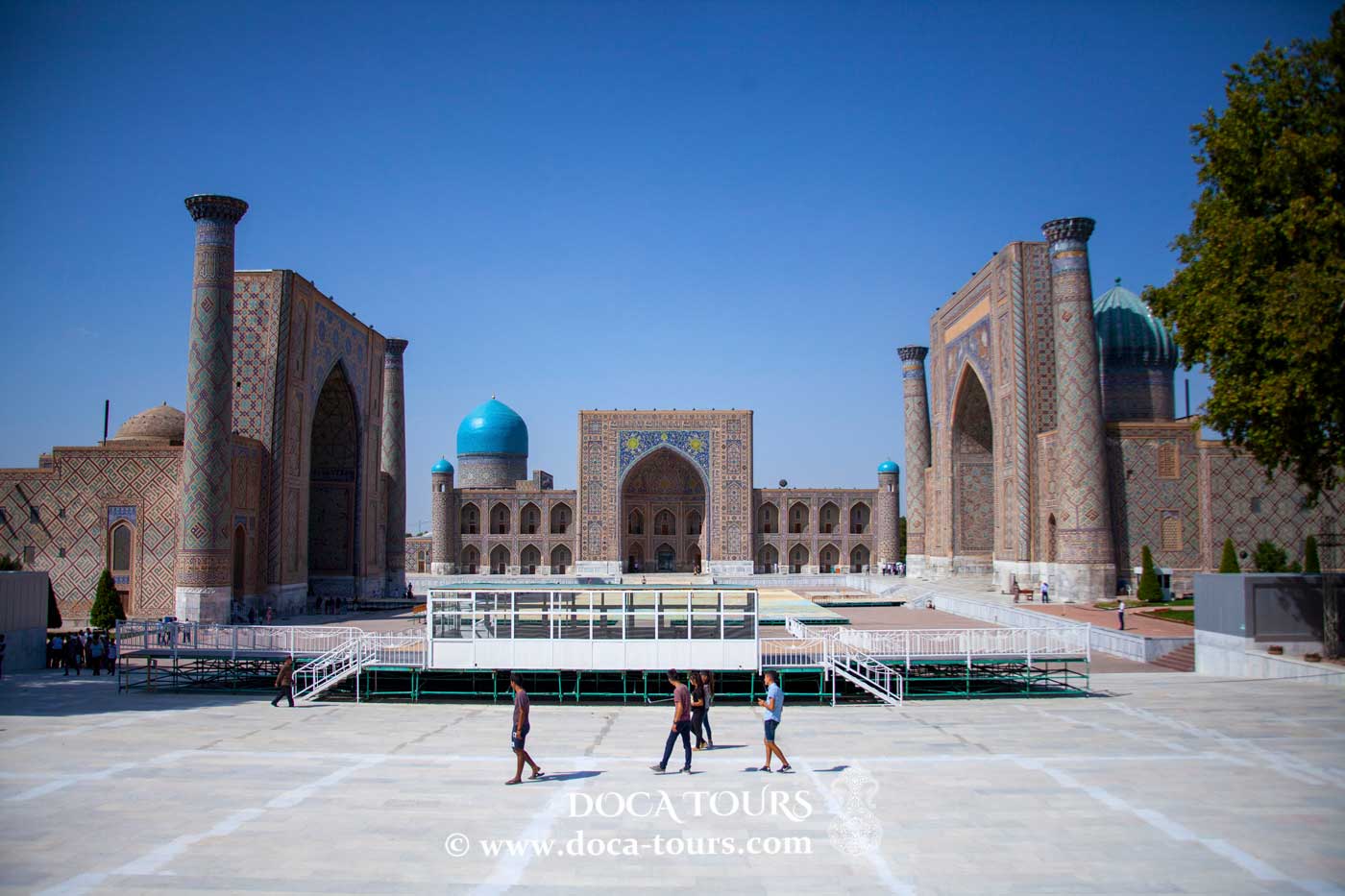
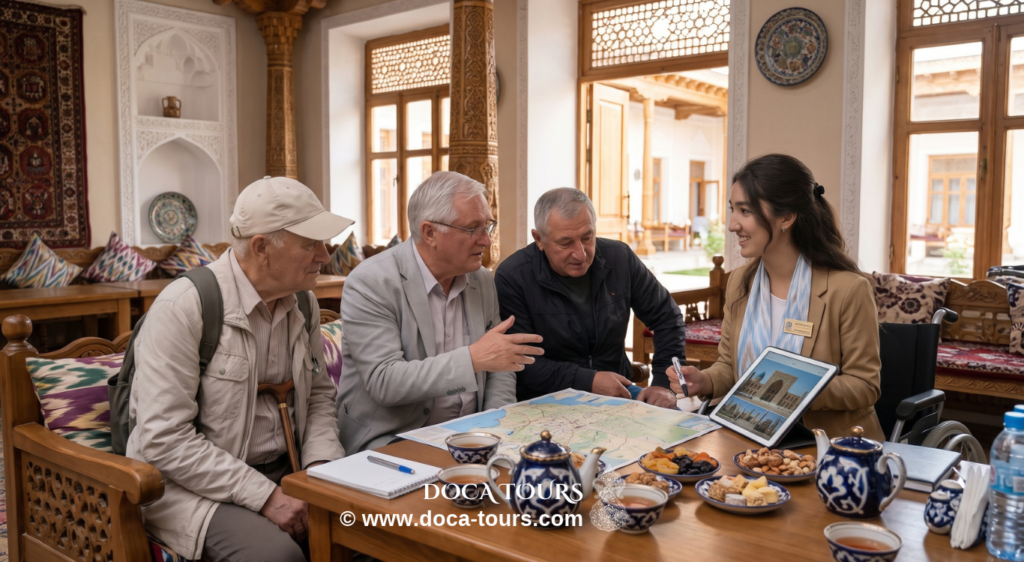
You can see Samarkand’s turquoise domes, Bukhara’s old quarter and Khiva’s walled city without rushing, climbing endless stairs or enduring long cross-country drives. Silk Road tours for seniors are built to put the culture first and the strain last, with flat sightseeing, comfortable hotels, private vehicles and guides who set an unhurried pace.
Uzbekistan rewards travelers who like to linger. The region’s most famous monuments were trading hubs, not mountain fortresses, so the headline sights tend to sit on level ground in the heart of walkable old towns. That is good news for anyone who wants depth of history without a demanding physical schedule. Below is a practical guide to what makes these trips comfortable, how itineraries are shaped for a relaxed pace, and how to prepare so the only thing you focus on is the place itself.
Why Silk Road tours for seniors suit a relaxed pace
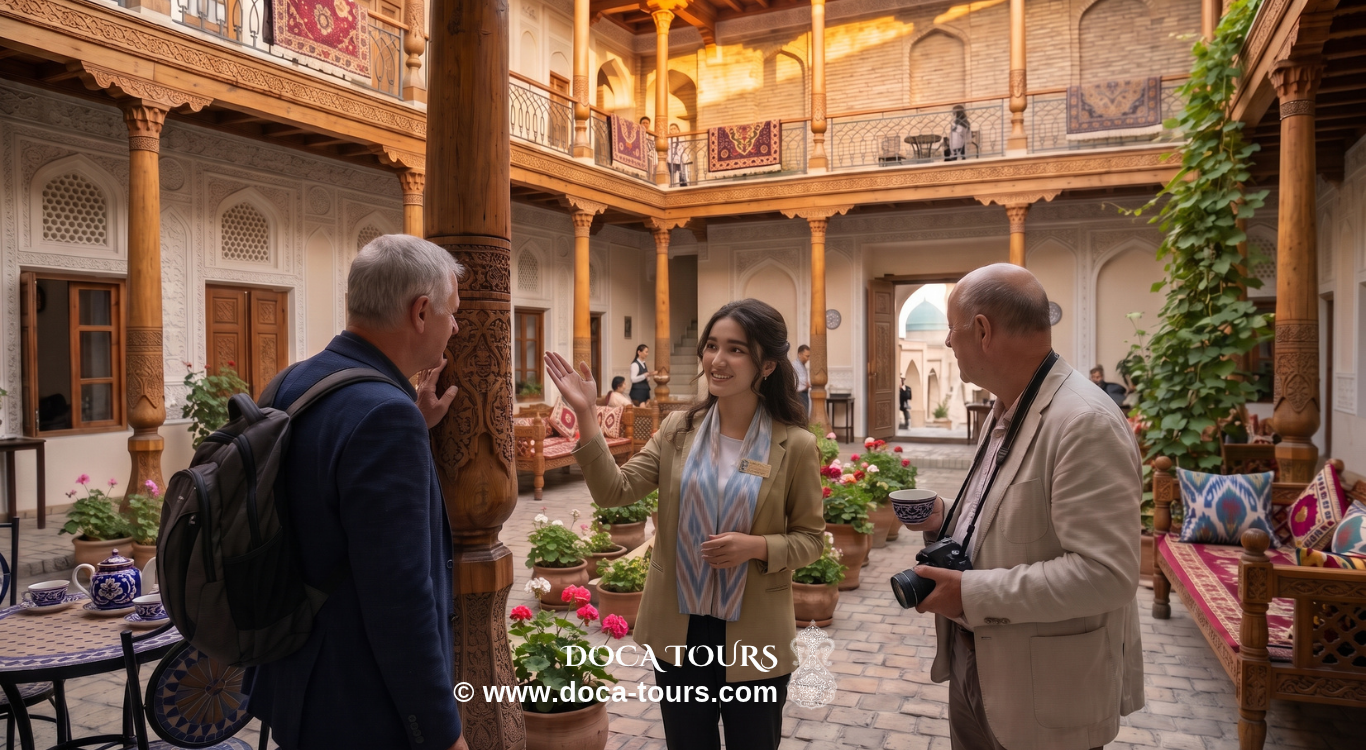
Silk Road tours for seniors suit a relaxed pace because the region’s greatest sights are concentrated, historic and flat rather than scattered or steep. In cities like Samarkand and Bukhara, you can stand in one square and take in several centuries of architecture without walking far. The experience is about looking, listening and absorbing, which is exactly the kind of travel that rewards patience over speed.
Interest in this style of trip is strong. According to Uzbekistan’s Statistics Agency, reported by Kun.uz, 8.2 million foreign nationals visited Uzbekistan for tourism in 2024, up from 6.6 million in 2023. Rising visitor numbers have pushed the country to improve hotels, roads and guide services, and that infrastructure benefits older travelers directly through better rooms, smoother transfers and more trained English-speaking guides. Discover Uzbekistan with DOCA TOURS.
Cultural density is the real draw. A single afternoon in Bukhara can cover a working minaret, a covered bazaar and a centuries-old madrasa, all within a short, level stroll. For travelers who want meaning over mileage, few destinations pack this much history into such a compact footprint, and that is why the region rewards an unhurried visit.
Low-walking itineraries and accessible sights
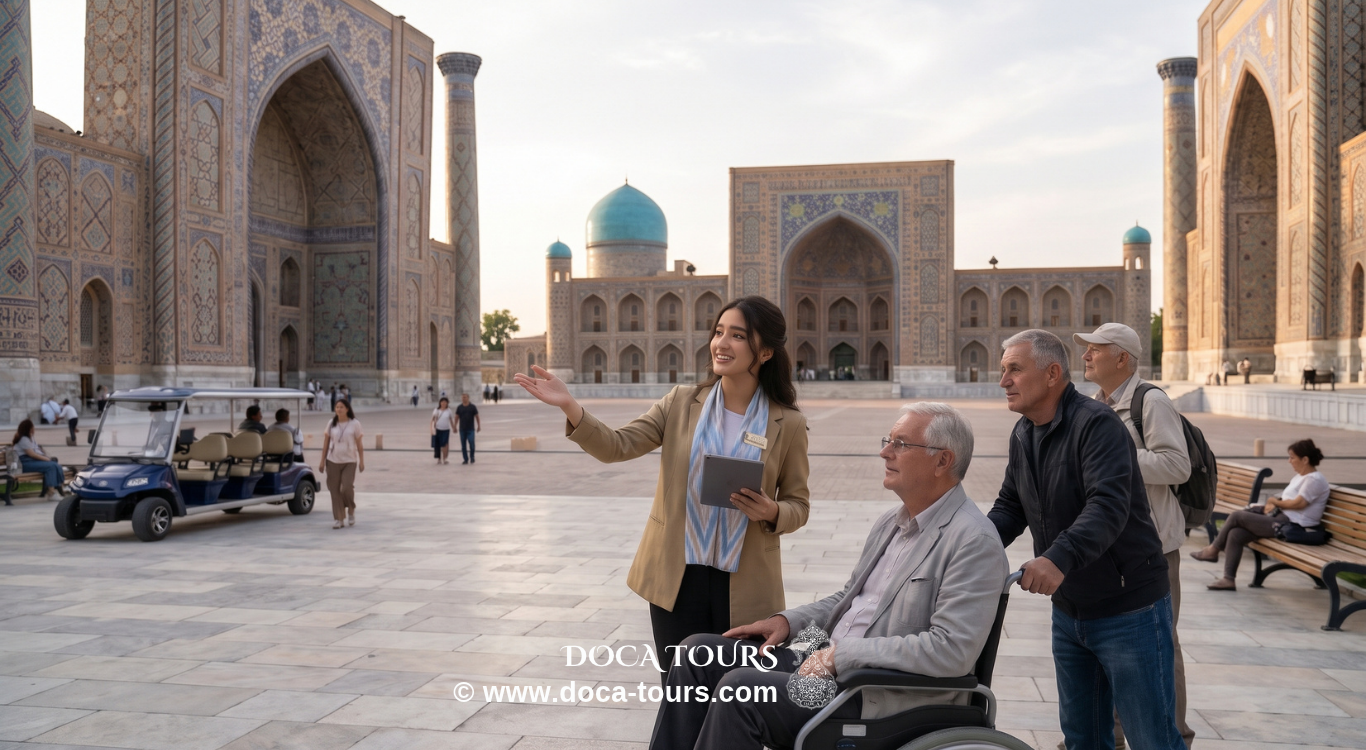
A low-walking Silk Road itinerary concentrates on compact old-town sites, uses the vehicle to cover distance, and builds in frequent seated breaks. The aim is simple: keep the walking gentle, flat and optional, so the day feels like a series of short visits rather than one long march.
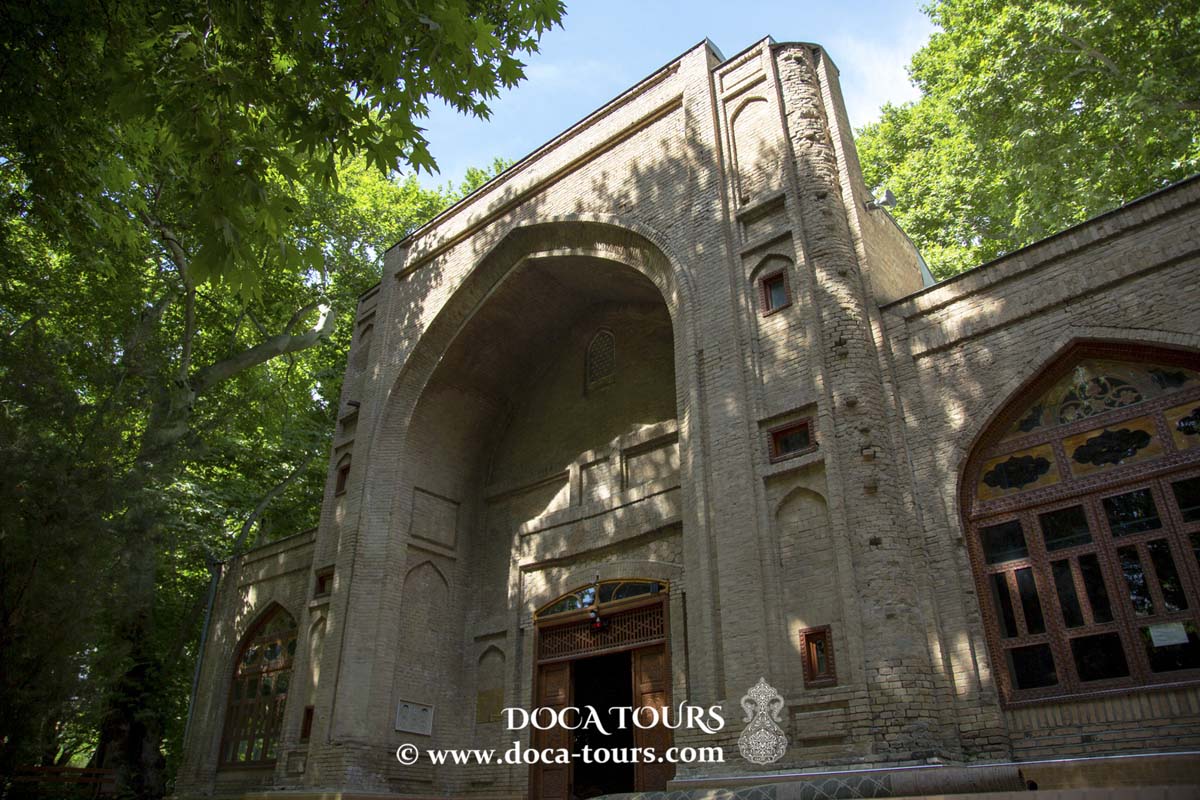
The classic triangle of Samarkand, Bukhara and Khiva is ideal for this. Each city’s signature monuments cluster together, which means you spend your energy on the sights themselves, not on getting between them. Bukhara’s historic center, shown below, is largely level and easy to explore in short loops.
Practical features of a comfort-first itinerary include:
- Flat, paved walking routes of roughly one to three hours a day, split into shorter segments
- The vehicle positioned close to each entrance to cut the distance on foot
- Rest stops, tea houses and shaded benches scheduled between visits
- Optional add-ons (an extra climb, a longer bazaar loop) that you can skip without missing the main story
- A later start and a longer lunch so the day never feels compressed
Train travel can replace tiring road transfers between cities, with level boarding and comfortable seating. Our overview of Silk Road train tours across Central Asia explains how high-speed rail links the main Uzbek cities and reduces time spent in a vehicle. You can also explore DOCA TOURS’ Colourful Uzbekistan tour and other Uzbekistan tour packages.
Comfort-first hotels and transport choices
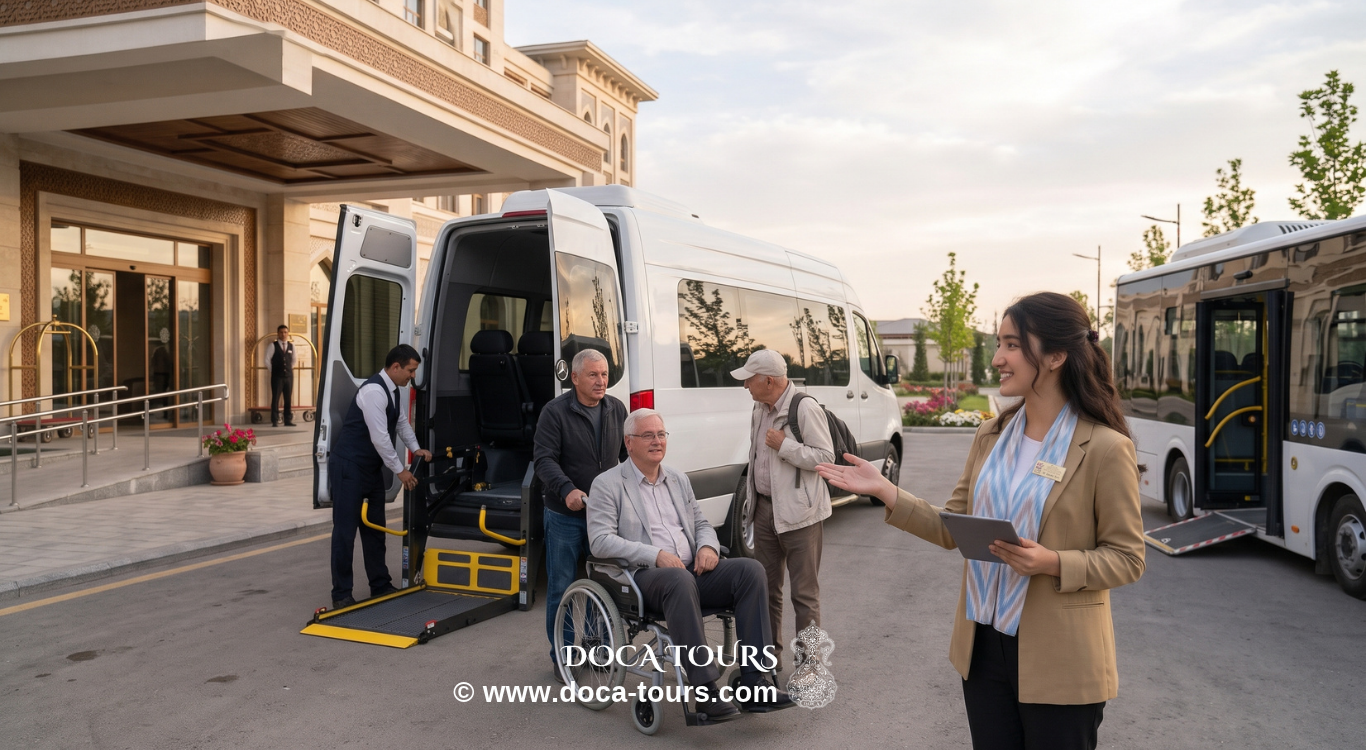
Comfort-first Silk Road tours pair well-rated hotels with private, air-conditioned vehicles so travelers avoid crowded transfers, long waits and rooms without lifts. The difference between a tiring trip and an easy one often comes down to these two choices: where you sleep and how you move.
On the accommodation side, a senior-friendly tour prioritizes properties with elevators or ground-floor rooms, reliable air conditioning, step-free entrances where possible, and central locations that keep you close to the main sights. Boutique hotels set inside restored Silk Road buildings are atmospheric, but it is worth confirming they also offer the practical comforts that matter day to day. See DOCA TOURS’ hotel options in Uzbekistan.
Transport is where a tour operator earns its keep. A private vehicle with a dedicated driver means you leave when you are ready, rest when you need to, and never stand at a roadside waiting for a group bus. For a sense of how a higher comfort tier is built, our guide to premium Silk Road travel outlines the hotel and transport upgrades that make the biggest difference on a relaxed-pace trip. You can also learn more about DOCA TOURS transportation services.
Doca Tours arranges both sides of this equation as part of its guided Central Asia tour packages, handling hotel selection, private transfers and the daily rhythm so the logistics stay invisible and the focus stays on the destinations.
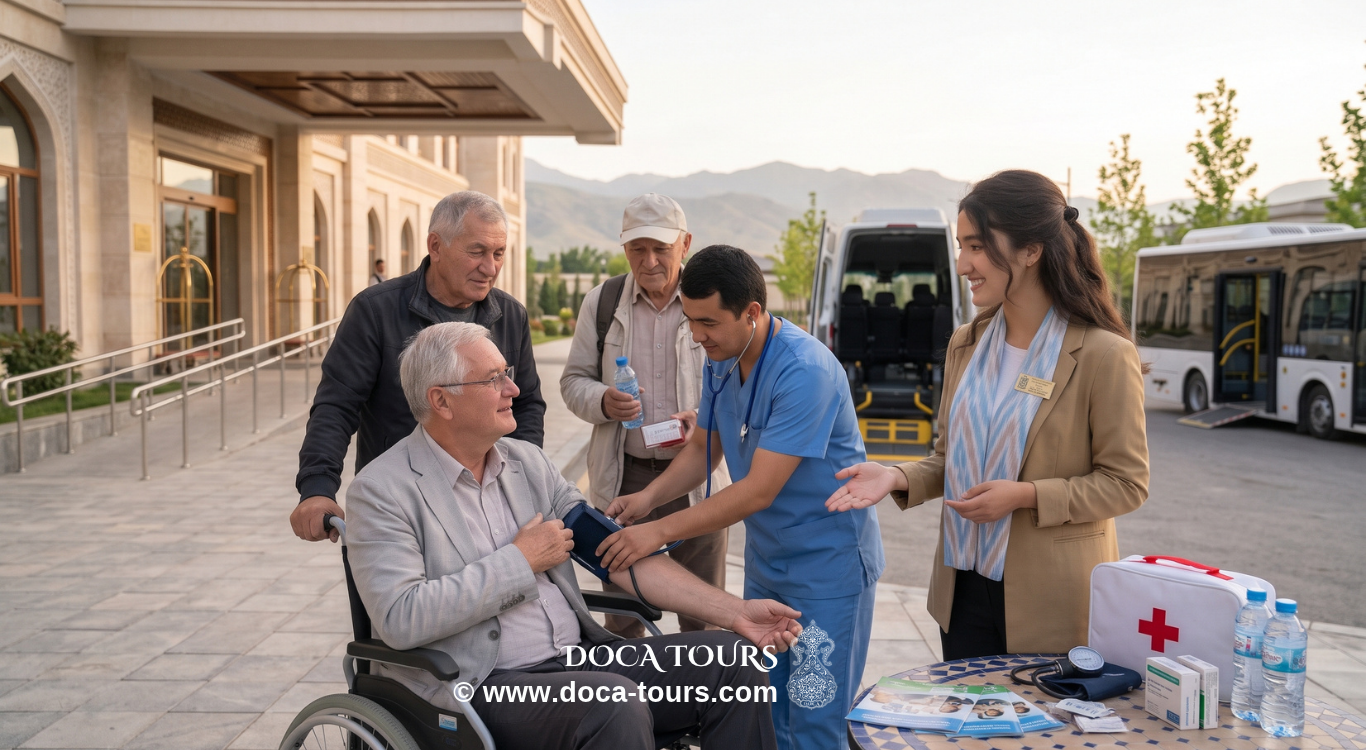
Health, altitude and medical preparation
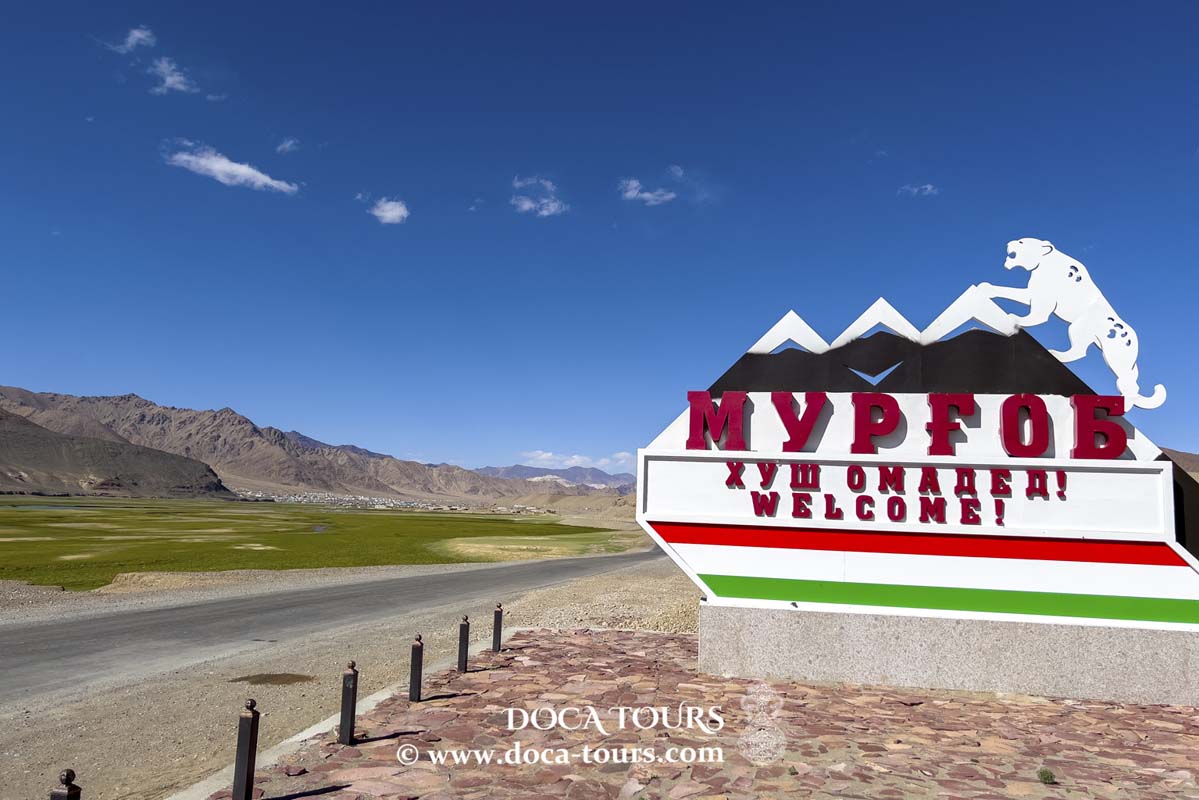
Preparing for a Silk Road tour is mostly straightforward, since the classic Uzbek route stays at low elevation and altitude is rarely a concern. Where mountain extensions into Kyrgyzstan or Tajikistan are involved, a sensible plan and gradual ascent keep the risk low for older travelers.
There is reassuring guidance on age and altitude. The CDC Yellow Book 2026 states that people aged over 50 have slightly less risk of altitude illness than younger travelers, and it recommends ascending no faster than 500 meters per night in sleeping altitude once above 3,000 meters. A well-designed itinerary builds in rest days and moderate overnight stops rather than racing to a high pass, which is the single most effective way to stay comfortable at elevation. You can read the full guidance in the CDC Yellow Book high-altitude chapter.
A few practical steps make any Central Asia trip smoother:
- Carry enough prescription medication for the full trip, plus a few spare days, in original packaging
- Bring a short written summary of your conditions and medications, ideally with a translated copy
- Pack sun protection and stay hydrated, as the desert cities can be dry and bright
- Check routine vaccinations are current and discuss your itinerary with your doctor before departure
- Confirm your travel insurance covers your age, any pre-existing conditions and medical evacuation
None of this is unusual for international travel. The point is to handle it calmly in advance so the trip itself stays relaxed.
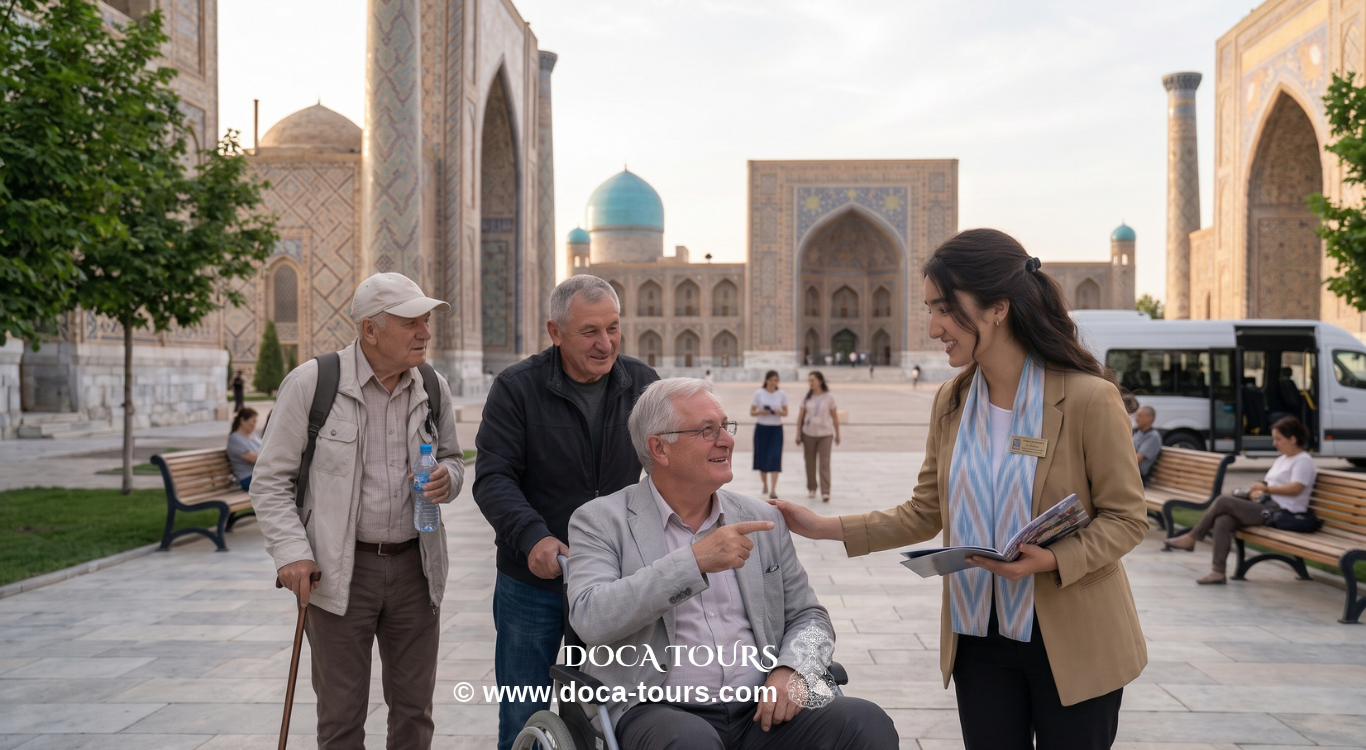
How guides support older travelers
A good guide is what turns a comfortable itinerary into an easy one. On senior-focused Silk Road tours, the guide manages pace, logistics and access so travelers can concentrate on the history rather than the practicalities.
In practice, that support looks like reading the group’s energy and adjusting the schedule, finding seating during longer explanations, positioning the vehicle to shorten walks, and smoothing the small frictions of travel such as tickets, queues and directions. A guide who knows the sites can also tell you where the shade is, which entrance has the fewest steps, and when a quieter hour will give you the monument almost to yourself.
Guides also carry the cultural weight of the trip. The Silk Road is a layered story of trade, faith, conquest and craft, and a knowledgeable local guide makes those connections vivid in a way a guidebook cannot. When the logistics are handled for you, that storytelling becomes the heart of the day.
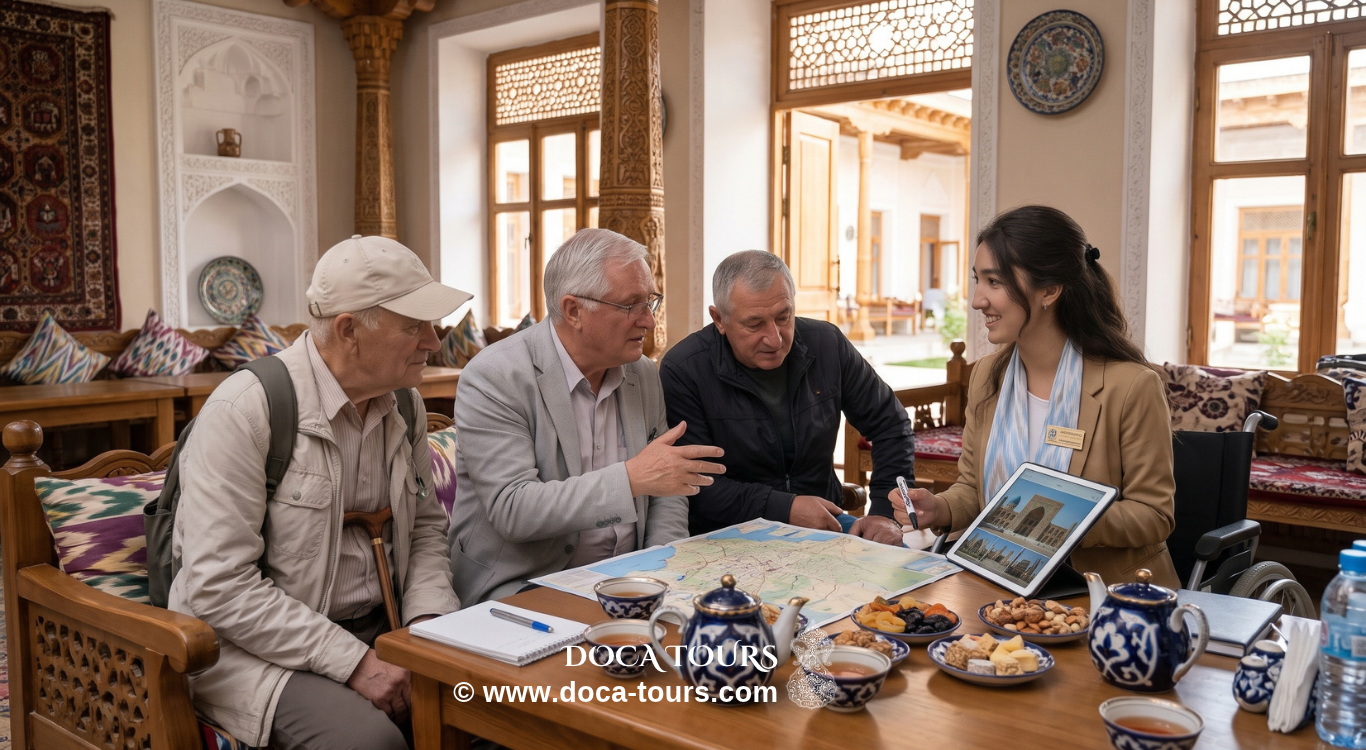
Doca Tours builds its Central Asia tour packages around this kind of guided support, with local guides who tailor the daily pace to the travelers in front of them. Travelers can choose a route through Uzbekistan or combine several countries through DOCA TOURS’ Central Asian tours. If you are ready to plan, start by choosing the cities and comfort level that suit you, then let the operator shape the pacing, hotels and transport around a route you will genuinely enjoy at the speed you prefer. Contact DOCA TOURS to plan your journey.
Frequently asked questions
Are Silk Road tours suitable for seniors with limited mobility?
Yes. Many of the best Silk Road sights sit on flat, compact ground in Samarkand, Bukhara and Khiva. With private transport, lift-equipped hotels and a slower daily pace, travelers who tire easily or use a cane can still see the highlights comfortably.
Is altitude a problem on Central Asia tours for older travelers?
Most classic Silk Road routes through Uzbekistan stay at low elevation, so altitude is rarely an issue. On mountain extensions in Kyrgyzstan or Tajikistan, gradual ascent and rest days keep risk low. The CDC Yellow Book 2026 notes travelers over 50 face slightly less altitude risk than younger ones.
How much walking is involved in a senior Silk Road tour?
On a comfort-focused itinerary, most days involve one to three hours of gentle walking on flat surfaces, broken up by seated breaks, vehicle transfers and rest stops. Tours can be adjusted so you skip optional climbs and long bazaar loops.
What is the best time of year for a relaxed-pace Silk Road tour?
Spring (April to May) and autumn (September to October) offer mild temperatures that suit older travelers, avoiding the summer heat of the desert cities and the cold of winter. These shoulder seasons also bring thinner crowds at the main monuments.