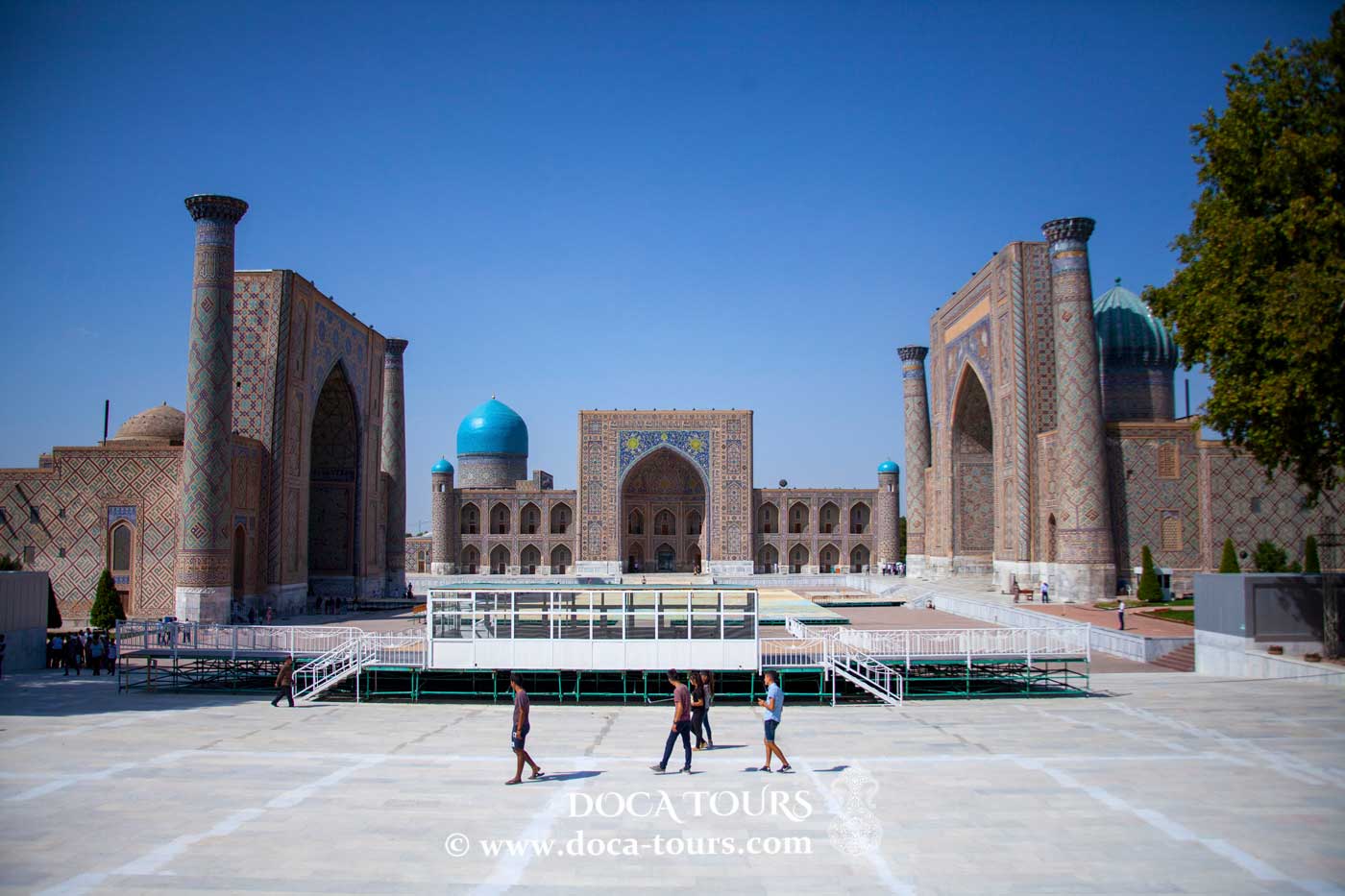
Turkmenistan is a country of deserts and oases, of distinctive historical and cultural traditions. Turkmenistan is perhaps one of the most interesting countries in Central Asia. As the cradle of many cultures and civilizations and as an ancient center on the Great Silk Road, Turkmenistan boasts many monuments of history and culture. The country is home to a distinctive population with carefully preserved old traditions. Here you can discover very diverse forms of landscape, from picturesque mountain ridges to desert sands which seem at first glance to be lifeless, from green oases to the many kilometers of sea coast.
Across modern Turkmenistan there are a number of architectural monuments which in ancient times were the most important stops along the "Silk Road" – ancient cities like Mashad-Mesrian in Dehistan Parau near Kizil Arvat, Shahrislam in the Bahard region, Nisa, Annau, Abiverd, Namazga Tepe, Altyn-Tepe near Ashgabat, Seraks, ancient Merv, Margush, Amul near Turkmenabat, Kunya Urgench, Shakhsanam near Dashoguz.
The "Great Silk Road" crossed the territory of modern Turkmenistan which was a symbol of the cultural integration of East and West. Already in 2000 BC, trade caravans along the Great Silk Road began their itinerary in Xi'an, crossed Central Asia and India to the shores of the Black and Mediterranean seas.

Turkmenistan is located in the south-western part of Central Asia.
The territory is 488,100 sq.km. (52nd place). The length of the territory from west to east is 1100 km, from north to south 650 km. It has common borders with Afghanistan (744 km) and Iran (992) from the south, with Kazakhstan (379 km) and Uzbekistan (1621) from the north, with the Caspian Sea from the west - the country has no access to the ocean.
The highest point from sea level is the Ayribaba peak with 3139 m.
The lowest point from sea level is in the Karakum desert 81 m.

The population counts more than 5.24 million people according to statistics from 1 January 2013, 48 % of the population is urban, and 52 % rural. The density is 10 people to 1 sq.km. It is in 117th place in the world with its population. 85% are Turkmens, 5% are Uzbeks, 4% are Russians and 6% are others.
Average life expectancy: 74
Administrative-territorial division of Turkmenistan is divided into 5 regions, and one city with the rights of a region.
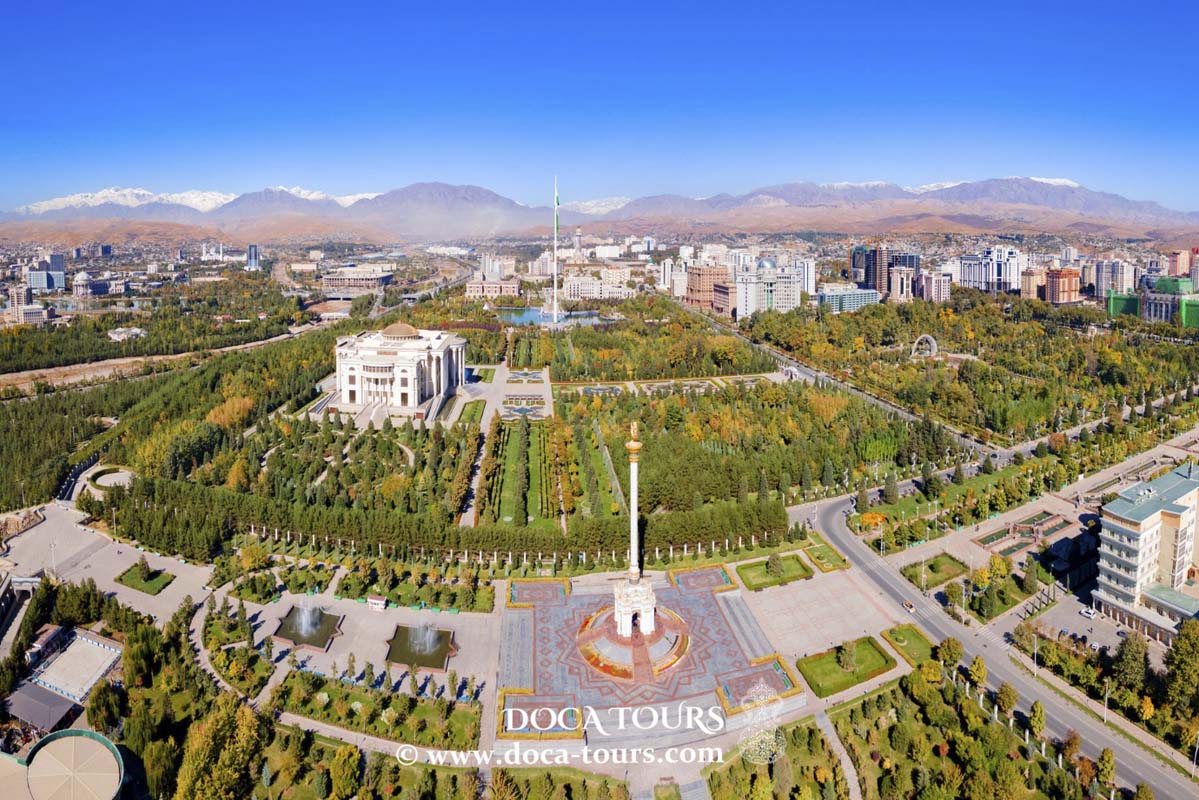
The capital is Ashgabat with a population of more than 900,000.
Religion: 89% Muslims, 9% Christians and 2% other religions.
National currency is manat: 100 tenge.
Time zone: UTC/GMT +5

Climate: Turkmenistan is the hottest country in Central Asia. In July and August the temperature in Ashgabat can reach 50°. In general, the climate is extreme continental and dry, with permanent northern winds bringing cold air in winter and hot air in summer with sandstorms. The normal temperature in January is -5° in northern regions, +4° in southern regions, in the Karakum desert -25°-30°. In July the average temperature is +35° in the south, in the north +27°, and in the desert it reaches +50°.
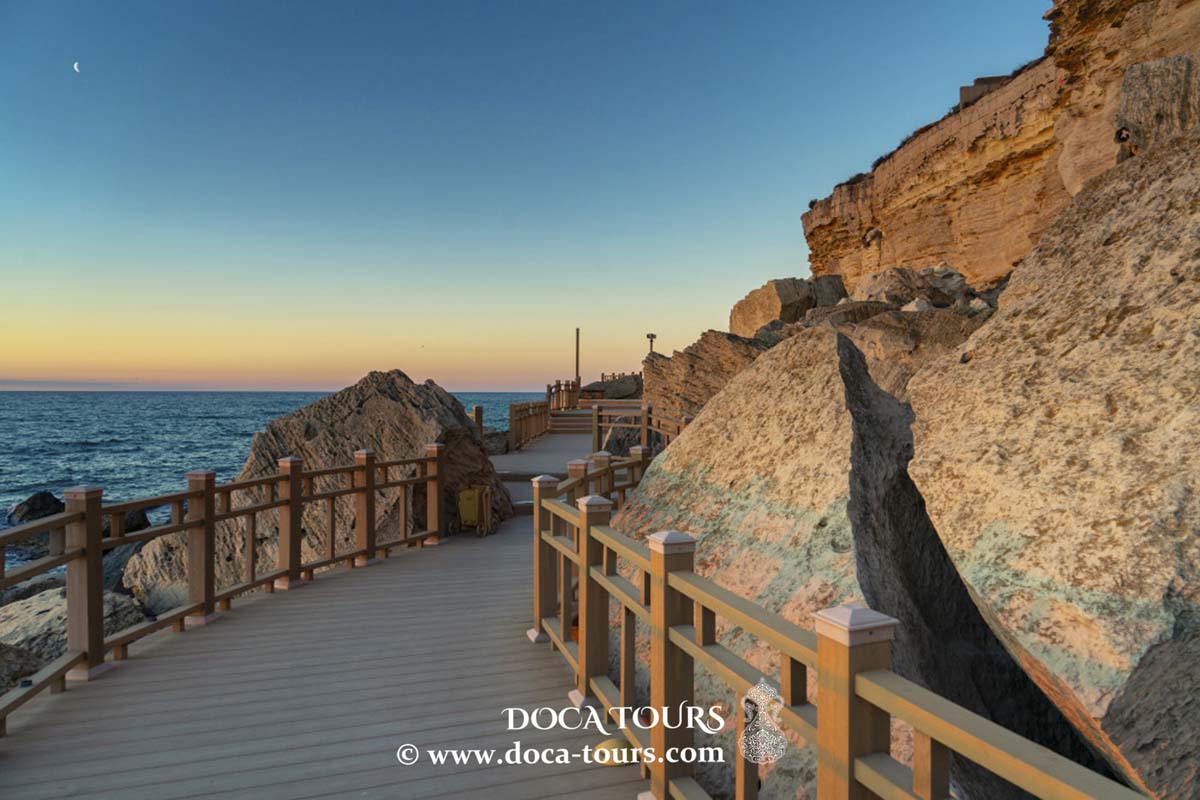
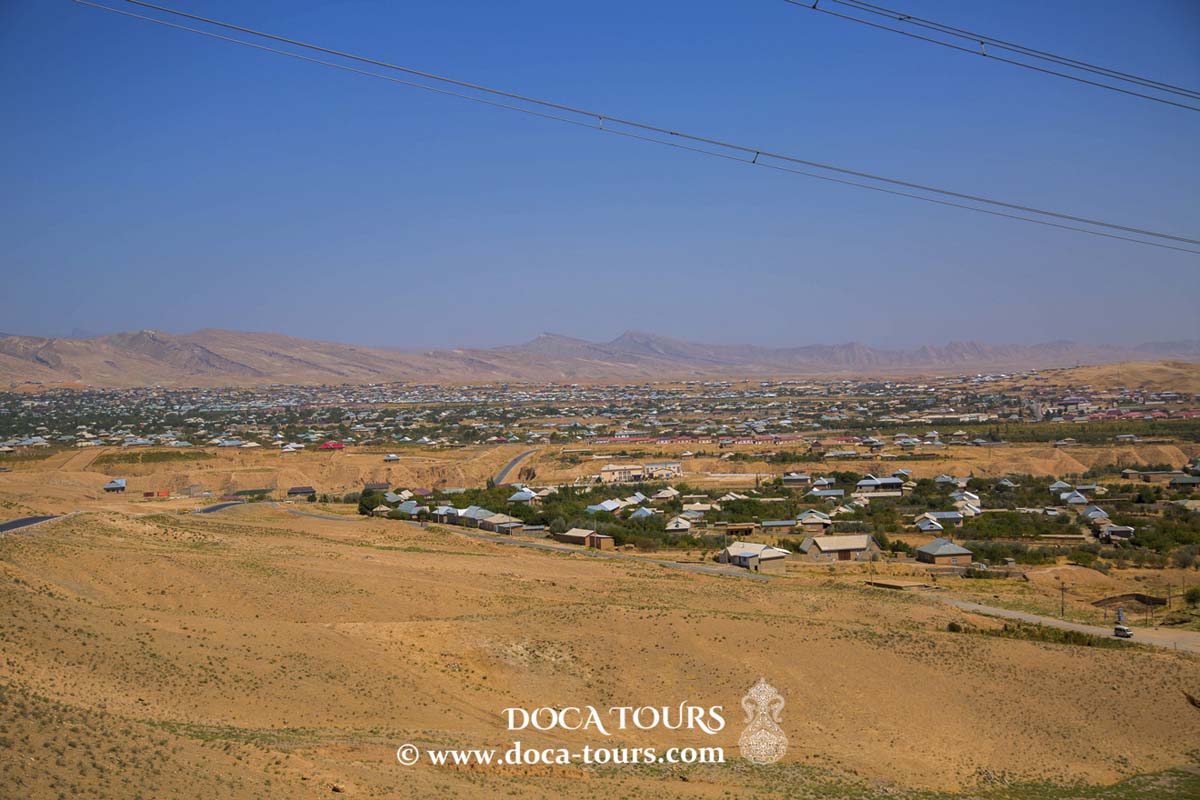
Nature: Three landscapes predominate in Turkmenistan: Desert plains, oases and mountains. The main rivers are the Amudarya, Murghab and Tedjen. Inside a famous Bakharden cave there is a lake Kou-Ata which is 60 meters underground and where it is possible to swim during the whole year as it is fed with warm hydrogen sulfide sources. 80 % of the territory is covered with desert. The diversity of natural climatic zones attracts tourists with different interests. There are magnificent sea coasts, subtropics of Kopetdag Mountains, traces of dinosaurs in the Kugitanga plateau, beautiful stalactites caves, and the untouched nature of Karri-Kala with its waterfalls gives the impression of being in paradise.

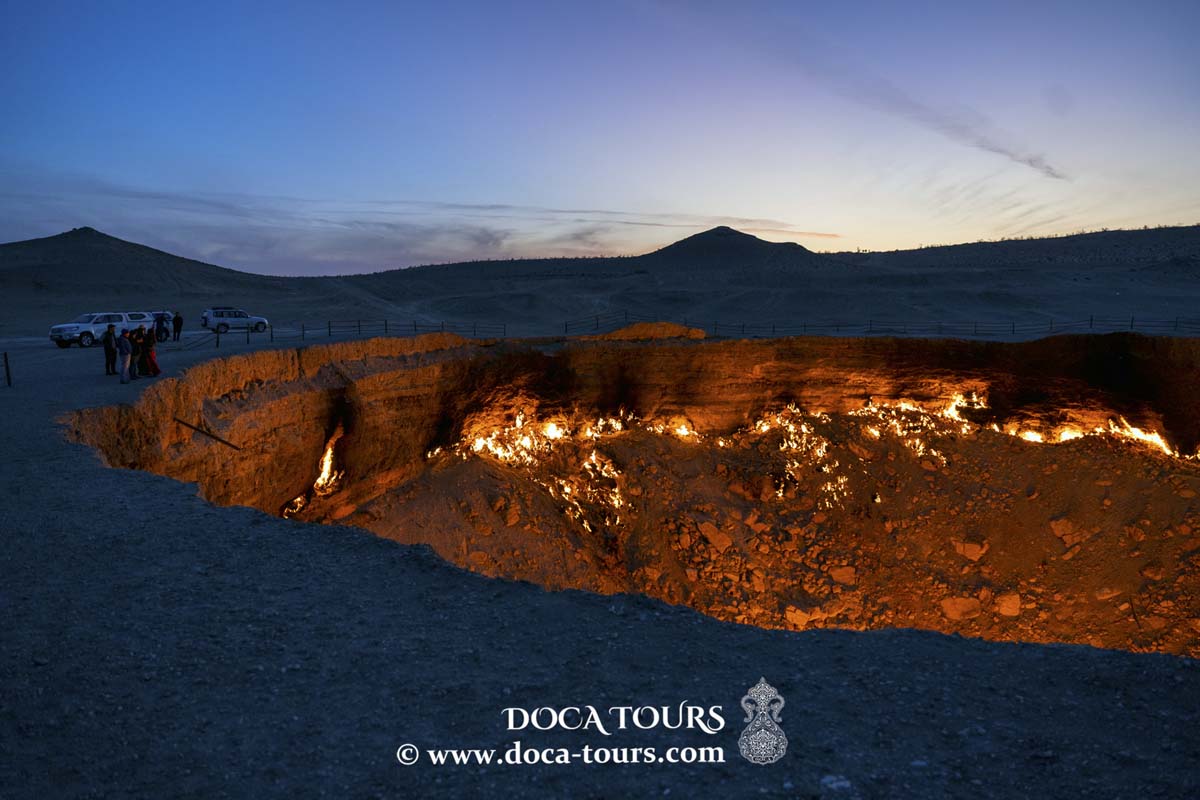
Natural resources: These natural resources are an important element of Turkmenistan’s economy. Natural gas and oil lead the way (Turkmenistan has the fifth largest natural gas reserves of 10 countries of the world). According to Turkmen scientists, the gas reserves in the country are estimated at about 23 trillion m3, and oil at more than 12 billion. Nowadays there are 144 oil and gas fields, 40 of them are in operation. Four major oil fields are located on the shores of the Caspian Sea.
Today Turkmenistan has, in addition to the gas pipeline to Russia, pipelines to Iran and China. It is also an exporter of electricity, supplied to Iran, Turkey and Afghanistan. The country has significant reserves of mirabilite, stone, glauber, sodium, potassium salts, and mineral wax, iodine, bromine, sodium, sulphate and other substances that contribute to the development of the chemical industry.

Turkmenistan, like the rest of Central Asia, is poor in water resources, and reliant on large water reservoirs. The only major river of Turkmenistan, which has its roots outside the country, is the Amu Darya. Karakum Canal – the largest irrigation building in the world, is of great importance as, without it, agriculture would not be possible due to the lack of large river systems.
There are also small rivers: the Murghab and the Tejen. In the west, the river Atrek flows into the Caspian Sea. Most of the rivers are shallow, with dried-up riverbeds. The country significantly lacks water. A major portion of the water is used for irrigation, but water also evaporates or is filtered into the soil.
The Caspian Sea as the largest reservoir of the country is used for navigation and fishing, as well as being a source of water (after desalination) for coastal cities.
Among other water resources we can note a few salt lakes. The largest of them is Sarykamysh Lake in the north-west of the country, which arose on the site of the almost dried-up reservoir as a result of the overflow of irrigation water from the oasis located in the lower reaches of the Amu Darya.

Tourism: Many tourists planning to travel to Turkmenistan are interested in uncovering the mystery of Oriental civilization in the ancient city of Margiyana which is famous for its architectural monuments and sensational archaeological findings. The mausoleum of Sultan Sanjar located in the cultural park “Ancient Merv” is included in the UNESCO world heritage list. Spa, wellness and medical tourism is also well developed.