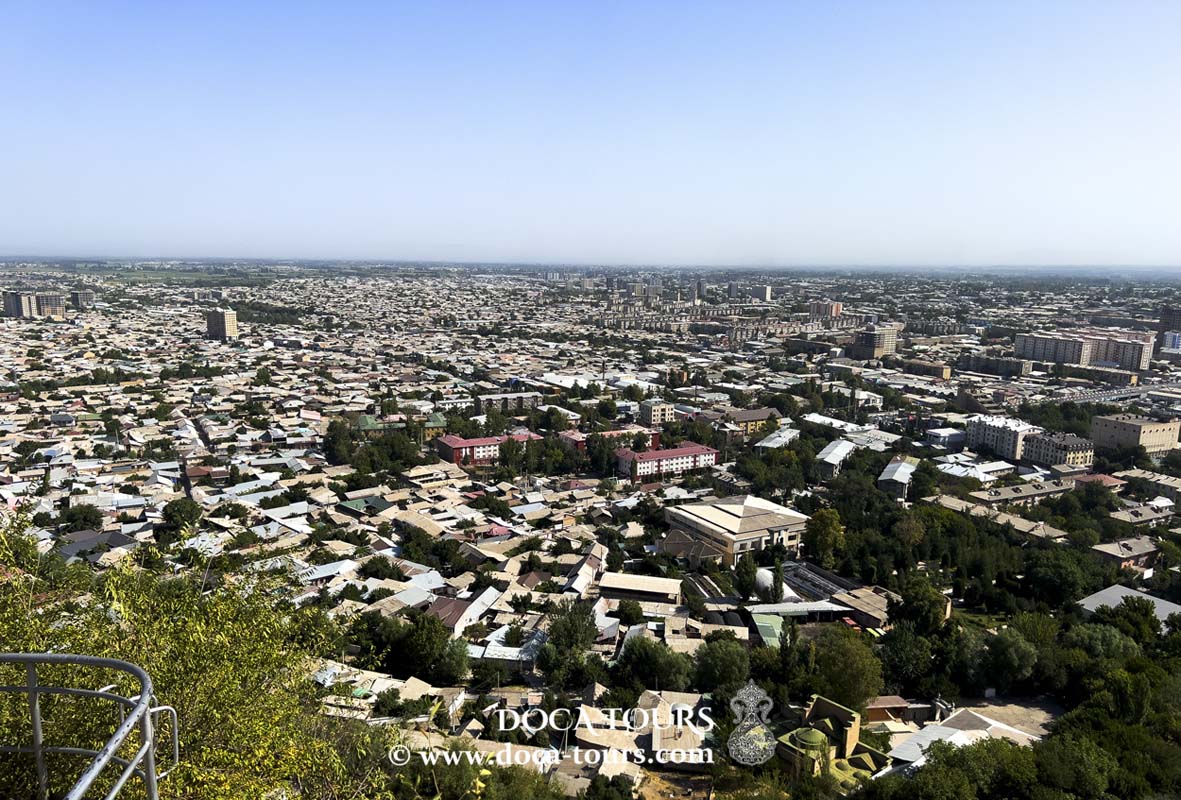
Bukhara, the seventh-largest city in Uzbekistan, had a population of 280,187 as of January 1, 2020. It serves as the administrative capital of the Bukhara Region.
With a history of human settlement spanning over 5,000 years and the city itself existing for at least half that time, Bukhara has been a significant hub along the Silk Road. It played an important role in trade, culture, scholarship, and religion. The city was once the capital of the Khanate of Bukhara and later the Emirate of Bukhara. It is also the birthplace of the renowned scholar Imam Bukhari and is often referred to as "Noble Bukhara" (Bukhārā-ye sharīf).
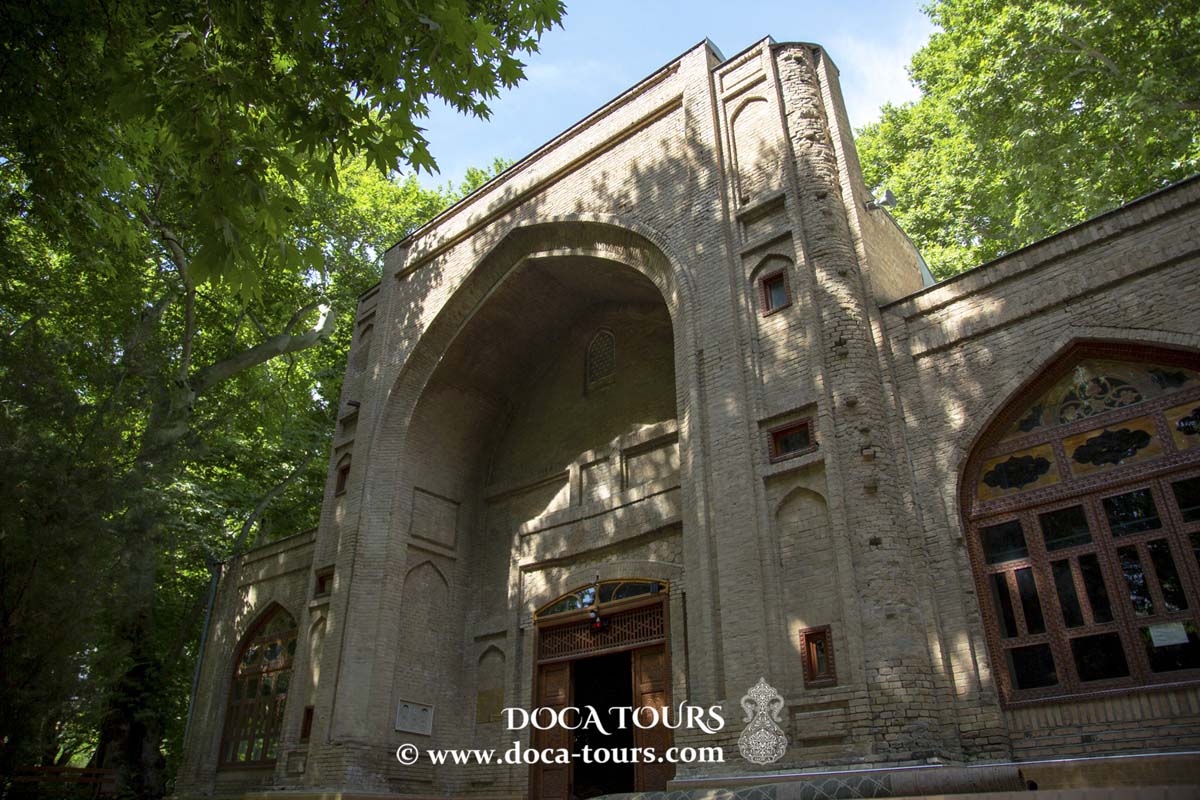
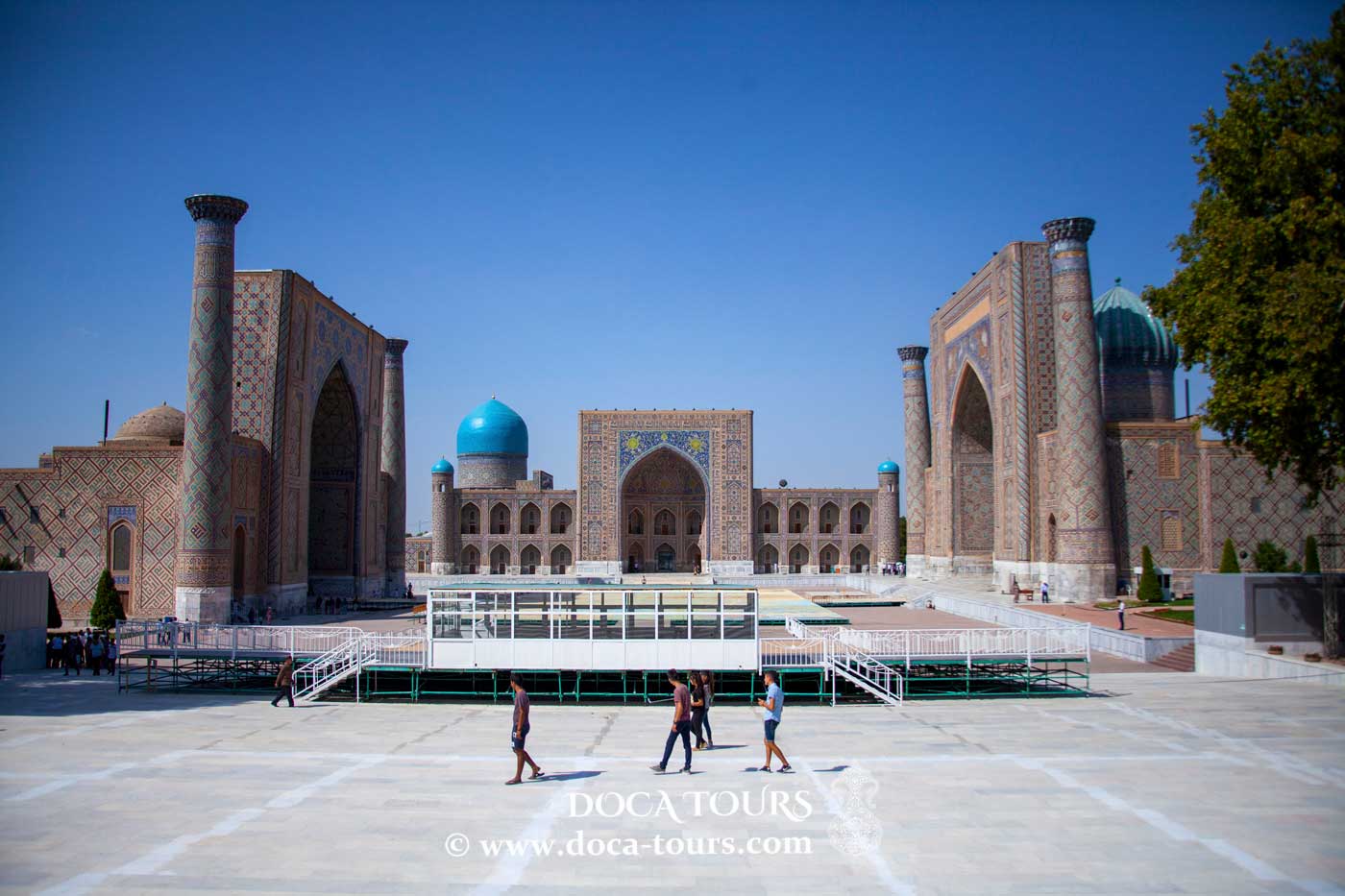
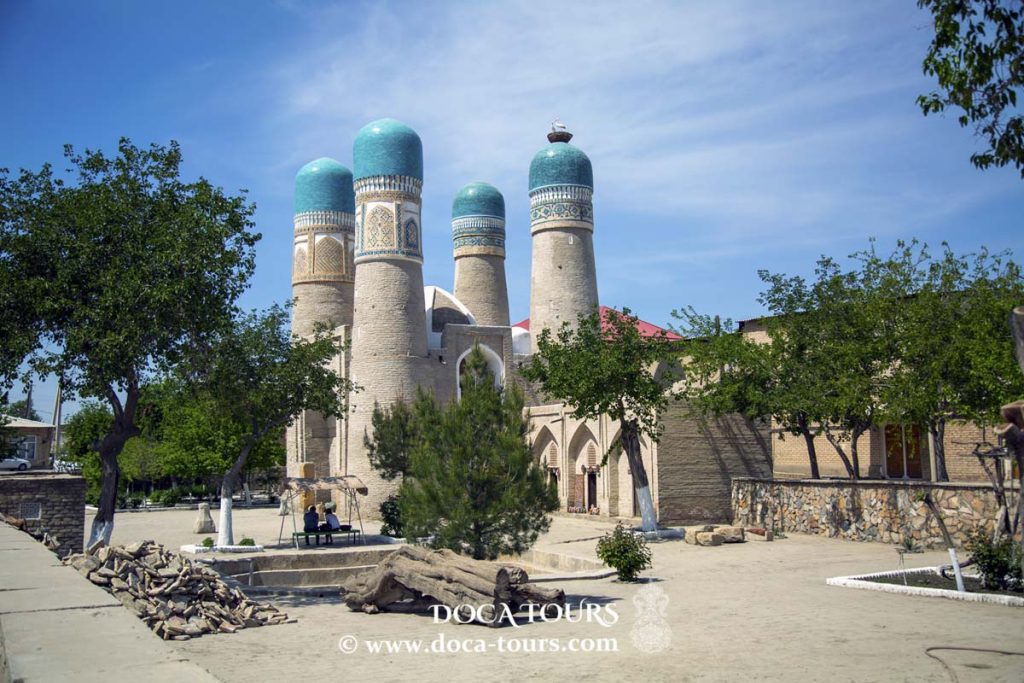
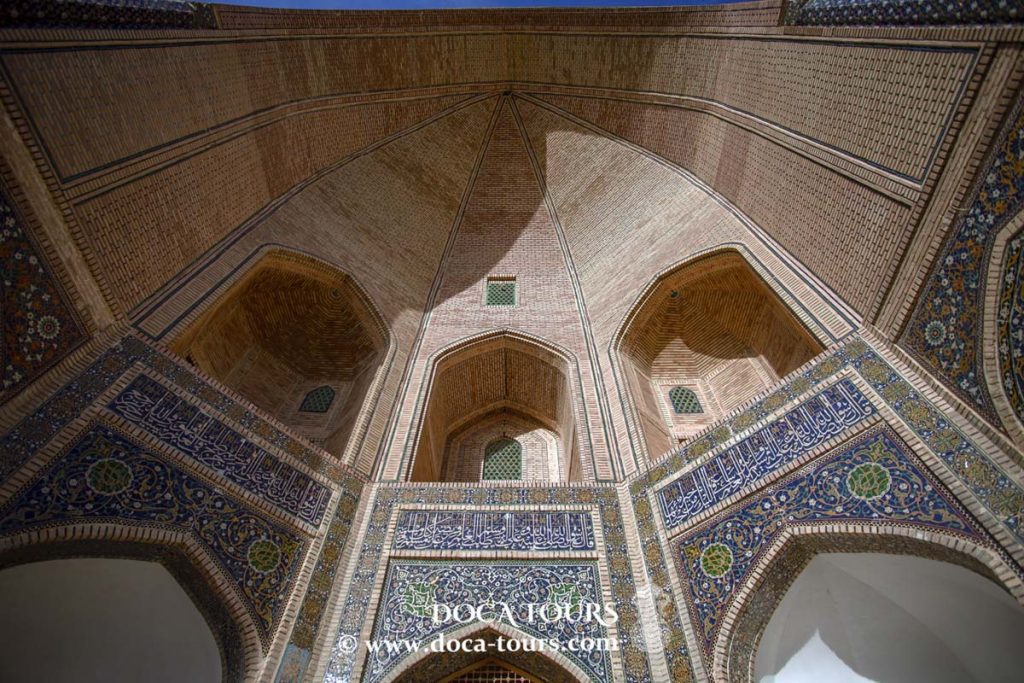
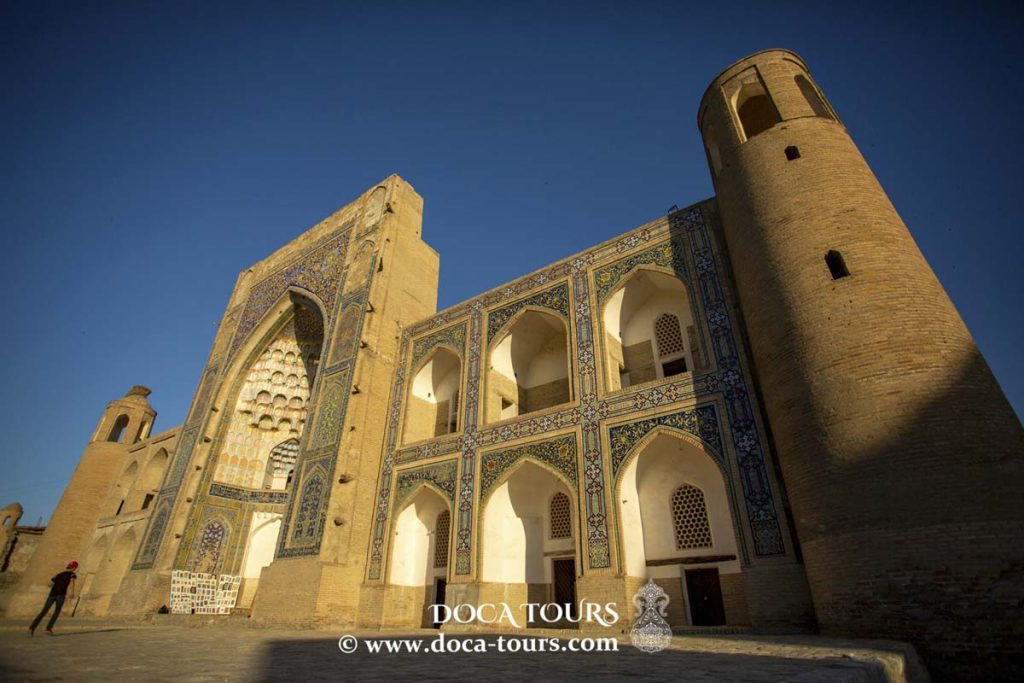
The city is home to around 140 architectural monuments, and its historic center, filled with mosques and madrasas, is a UNESCO World Heritage Site.
The original name of Bukhara in ancient times remains uncertain. The term "Bukhara" originally referred to the surrounding oasis and may have only been associated with the city itself in the 10th century.
Some historians trace the name back to the Sanskrit word vihāra, meaning "Buddhist monastery," which aligns with the practices of Uyghur and Chinese Buddhists who also used this term for their religious sites. While few Buddhist artifacts remain in modern-day Bukhara, historical records from Arabic, Persian, European, and Chinese sources describe the region as predominantly Buddhist and Zoroastrian before the Islamic conquests.
The first Islamic mention of Bukhara comes from Ubaidullah bin Ziyad, an Arab invader who described it as a Buddhist territory ruled by a queen regent.
Alternatively, the name might originate from the Sogdian word βuxārak, meaning "Place of Good Fortune," which was commonly used for Buddhist monasteries.
During China's Tang dynasty, the city was referred to as Bǔhē, later evolving to Bùhālā (布哈拉) in modern Chinese transliteration.
Between the 19th and 20th centuries, English sources often referred to the city as Bokhara, particularly in the context of the Great Game and the Emirate of Bukhara.
The historian Muhammad ibn Jafar Narshakhi noted in his History of Bukhara (completed 943–44 AD) that the city had several names over time, including Numijkat and Bumiskat. In Arabic, it was known as Madinat al-Sufriya ("City of Copper") and Madinat al-Tujjar ("City of Merchants"). However, Bukhara remained the most widely recognized name.
By the Middle Ages, the city was consistently referred to as Bukhārā (بخارا) in Arabic and Persian texts, while modern Uzbek uses the spelling Buxoro.
Bukhara's name was even mythologized in European literature, appearing as "Albracca" in Matteo Maria Boiardo’s 1483 Italian epic poem Orlando Innamorato.
Bukhara boasts a history spanning thousands of years, emerging as a central hub of Persian culture in medieval Asia alongside Samarkand, particularly before the decline of the Timurid dynasty.
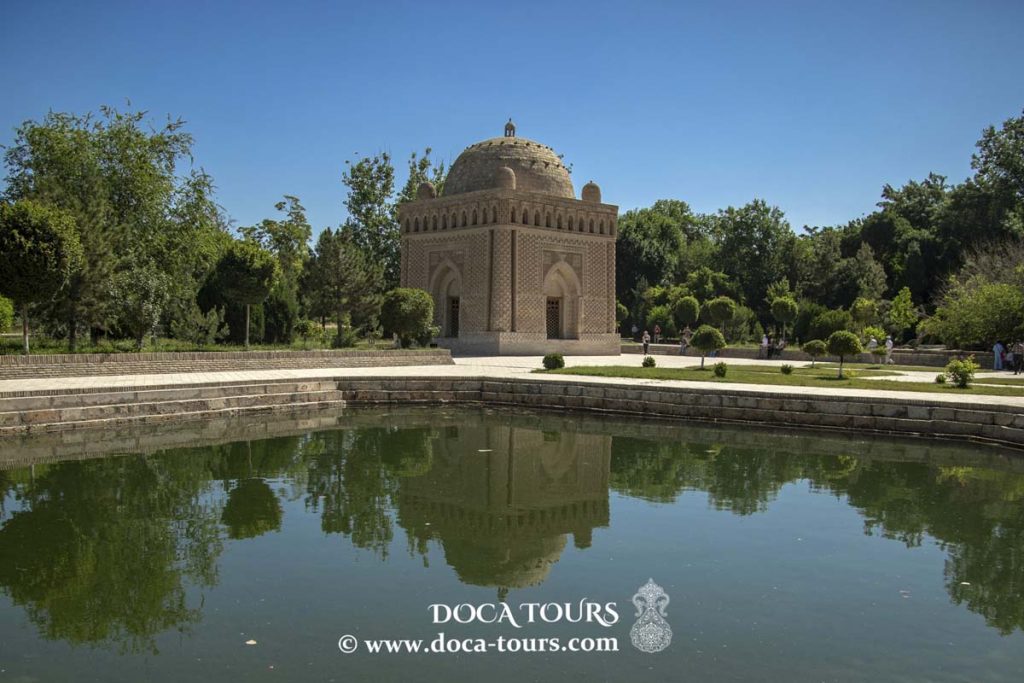
During the Abbasid Caliphate, Bukhara fell under its control until 861 AD. By 850, it rose to prominence as the capital of the Samanid Empire and was the birthplace of the renowned scholar Imam Bukhari. The Samanids, claiming lineage from Bahram Chobin, revitalized Persian culture, positioning Bukhara as a cultural beacon far from Baghdad, the Islamic world’s heart. This city became a cradle for New Persian literature, with Rudaki, the father of Persian poetry, composing odes celebrating Bukhara's beauty. Its prominence persisted under various Persianate empires, including the Samanids, Karakhanids, Khwarazmids, and Timurids.
However, Bukhara's influence began to wane with the arrival of the Uzbek dynasty in the 16th century. Agha Mohammad Khan Qajar, the last Persian emperor to attempt reclaiming the city, was assassinated before succeeding. By the 19th century, Bukhara had become a peripheral city under the rule of local emirs, who were the last Persianate rulers before the Red Army's conquest.
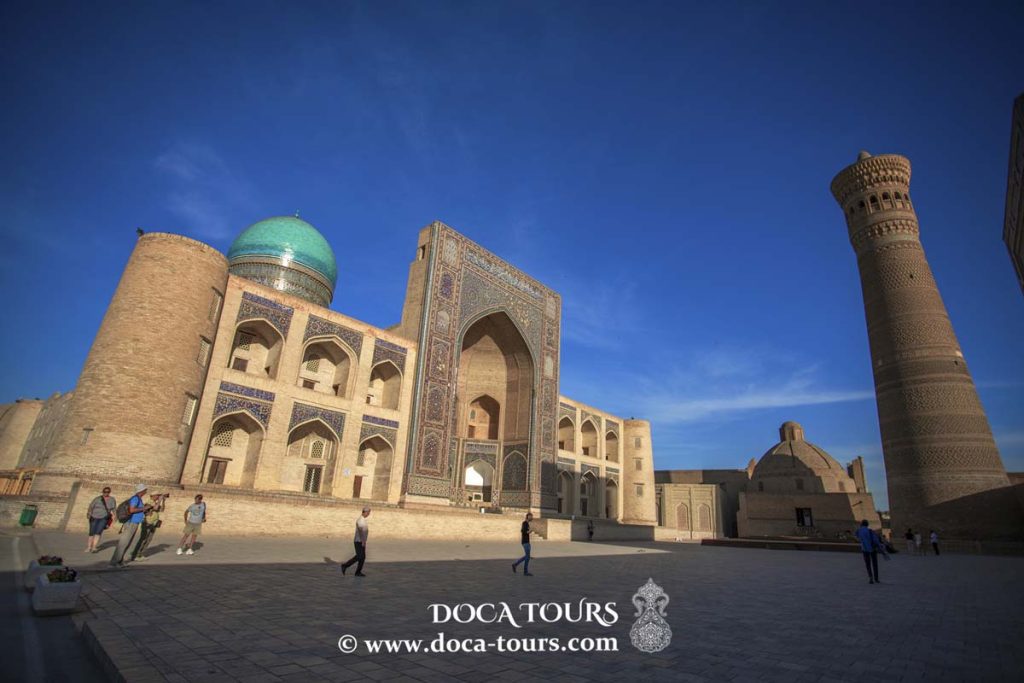
In the 11th century, the Turkic Karakhanid dynasty incorporated Bukhara into its domain. The Karakhanids left a lasting architectural legacy, including the Kalyan Minaret, Magoki Attori Mosque, palaces, and parks.
Situated west of Samarkand, Bukhara was a beacon of learning and intellectual thought throughout the Persian and Islamic worlds. It was the birthplace of the great Sheikh Naqshbandi, a pivotal figure in Sufi philosophy and the spiritual dimensions of Islam.
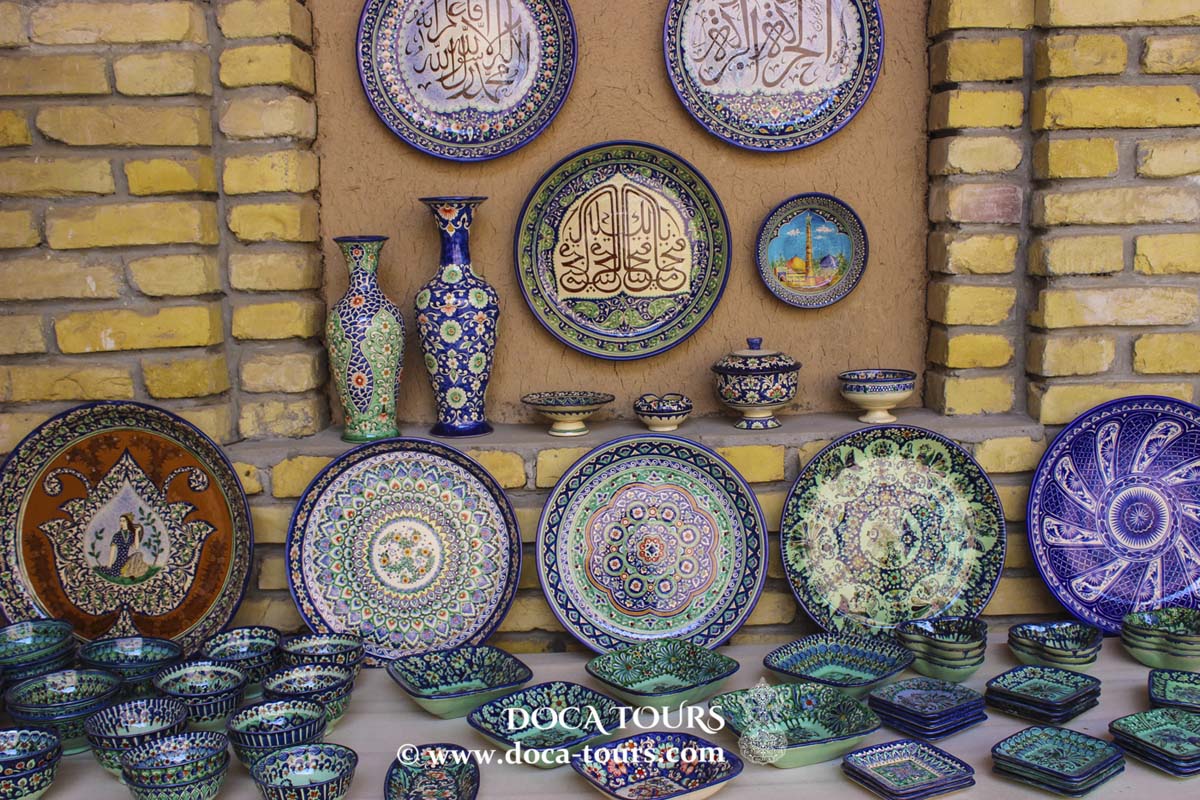
The city's artisans also contributed to its fame. Bukhara's suzani textiles, crafted before 1850, are renowned worldwide for their intricate designs and craftsmanship.
Today, as the capital of Uzbekistan's Bukhara Region, the city remains a vital center of trade, culture, religion, and scholarship. During the Samanid golden age, Bukhara flourished as an intellectual hub of the Islamic world, renowned for its vast libraries. Its historic center, brimming with mosques and madrassas, is a UNESCO World Heritage Site.
Bukhara has faced numerous invasions throughout its history. In 1220, Genghis Khan laid siege to the city for 15 days. During its time as a trading hub, Bukhara hosted a community of Indian merchants from Multan (modern Pakistan), who even owned property in the city. However, Bukhara and nearby Khiva were also infamous for their involvement in the slave trade, earning them the grim moniker of "slave capitals of the world."
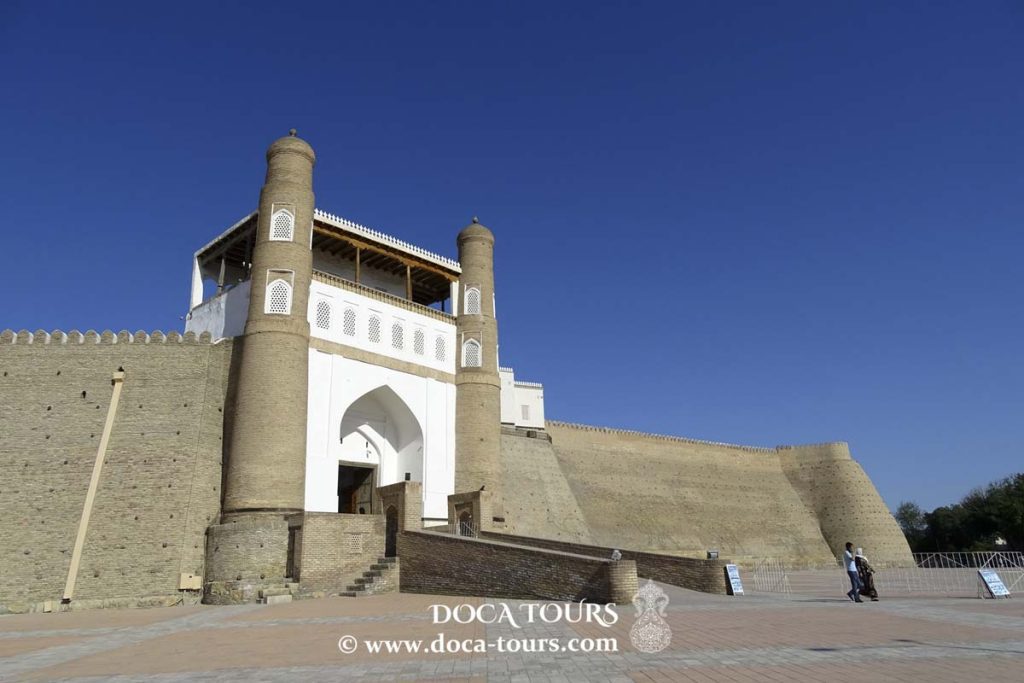
In the 20th century, Bukhara became the focus of military conflict. It was the last capital of the Emirate of Bukhara and fell to the Red Army during the Russian Civil War. In the Bukhara Operation of 1920, Bolshevik General Mikhail Frunze led an assault on the city. On August 31, 1920, Emir Alim Khan fled to Dushanbe and later to Kabul, Afghanistan. By September 2, after intense fighting, the emir's Ark Fortress was destroyed, and the Red Army raised its flag atop the Kalyan Minaret. Shortly after, the All-Bukharan Revolutionary Committee was established, and a Soviet government led by Fayzulla Xoʻjayev took power.
From 1920 to 1924, Bukhara existed as the Bukharan People's Soviet Republic before its integration into the Uzbek Soviet Socialist Republic. British diplomat Fitzroy Maclean, who visited Bukhara clandestinely in 1938, described it as an "enchanted city" with architecture rivaling the finest works of the Italian Renaissance.
The late 20th century brought further upheaval, as wars in Afghanistan and Tajikistan drove Dari- and Tajik-speaking refugees into Bukhara and Samarkand. These migrations sparked calls for the annexation of these cities into Tajikistan, despite the lack of a shared border.
Through its enduring architecture, rich history, and cultural influence, Bukhara continues to symbolize a storied legacy that bridges centuries of trade, scholarship, and spirituality.
Bukhara experiences a classic Central Asian arid climate (Köppen BWk), with cool winters and hot summers. January sees average afternoon highs of 6.6°C (43.9°F), while July temperatures peak at an average of 37.2°C (99.0°F). Annual precipitation is minimal, averaging only 135 millimeters (5.31 inches).
Due to the region’s arid nature, irrigation farming has been a necessity since ancient times. Cities like Bukhara were established near rivers, with networks of water channels and open reservoirs (hauzes) to sustain urban populations. Along caravan routes, covered reservoirs, known as sardobas, were constructed to supply water to travelers and their animals. However, the heavy use of agrochemicals during the Soviet era, the diversion of irrigation water, and inadequate water treatment facilities have led to significant health and environmental challenges.
Bukhara International Airport connects the city with major destinations across Uzbekistan and Russia. The city is also accessible by train, forming a key node in Uzbekistan’s rail network.
Bukhara is located approximately 80 km from the Turkmenistan border, with Türkmenabat being the closest Turkmen city, connected via the M37 highway. This highway extends further into Turkmenistan, reaching cities like Ashgabat. Bukhara is also linked to Mazar-i-Sharif in Afghanistan through the M39 highway. Samarkand, another major city, lies 215 km to the east.
As Uzbekistan's second-largest transportation hub after Tashkent, Bukhara boasts an extensive bus network with over 45 routes. Modern ISUZU buses form the bulk of the fleet, complemented by newer vehicles imported from China.
As of 2025, Bukhara's population stood at 304,000. The city, alongside Samarkand, serves as a cultural hub for Uzbekistan’s Tajik minority. Historically, Bukhara was also home to the Bukharan Jewish community, whose ancestors arrived during Roman times. However, between 1925 and 2000, most Bukharan Jews emigrated.
Officially, the population consists of 82% Uzbeks, 6% Russians, 4% Tajiks, 3% Tatars, and smaller percentages of Koreans, Turkmens, Ukrainians, and others. However, independent observers suggest that Tajik-speaking residents form the majority, with Uzbeks being a growing minority. The ambiguity stems from historical practices where Tajik speakers were often registered as Uzbeks by the government.
Islam is the dominant religion in Bukhara, with Christian and Jewish communities also present.
Bukhara’s name is often translated as "full of knowledge," highlighting its historical status as a center of science and scholarship. The Italian epic Orlando Innamorato by Matteo Maria Boiardo refers to Bukhara as Albracca, describing it as a fortress city reminiscent of its siege by Genghis Khan in 1220.
Bukhara maintains sister city relationships with several cities worldwide:
Bukhara continues to symbolize cultural exchange and historical depth, maintaining its relevance in the modern era.