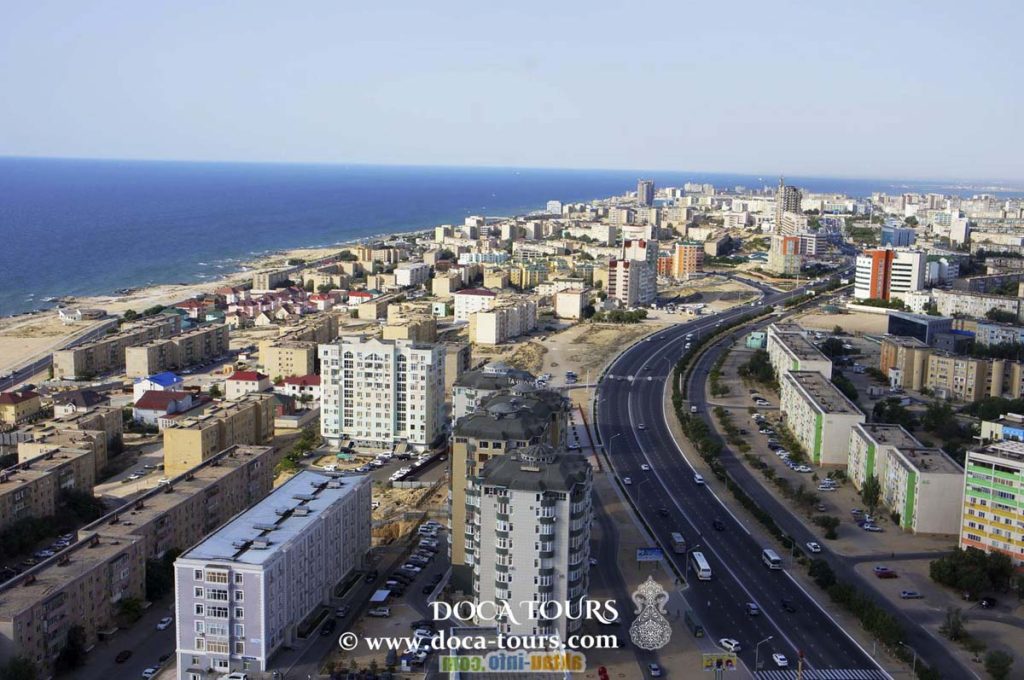
Aktau is a city in southwestern Kazakhstan, situated on the eastern shore of the Caspian Sea.
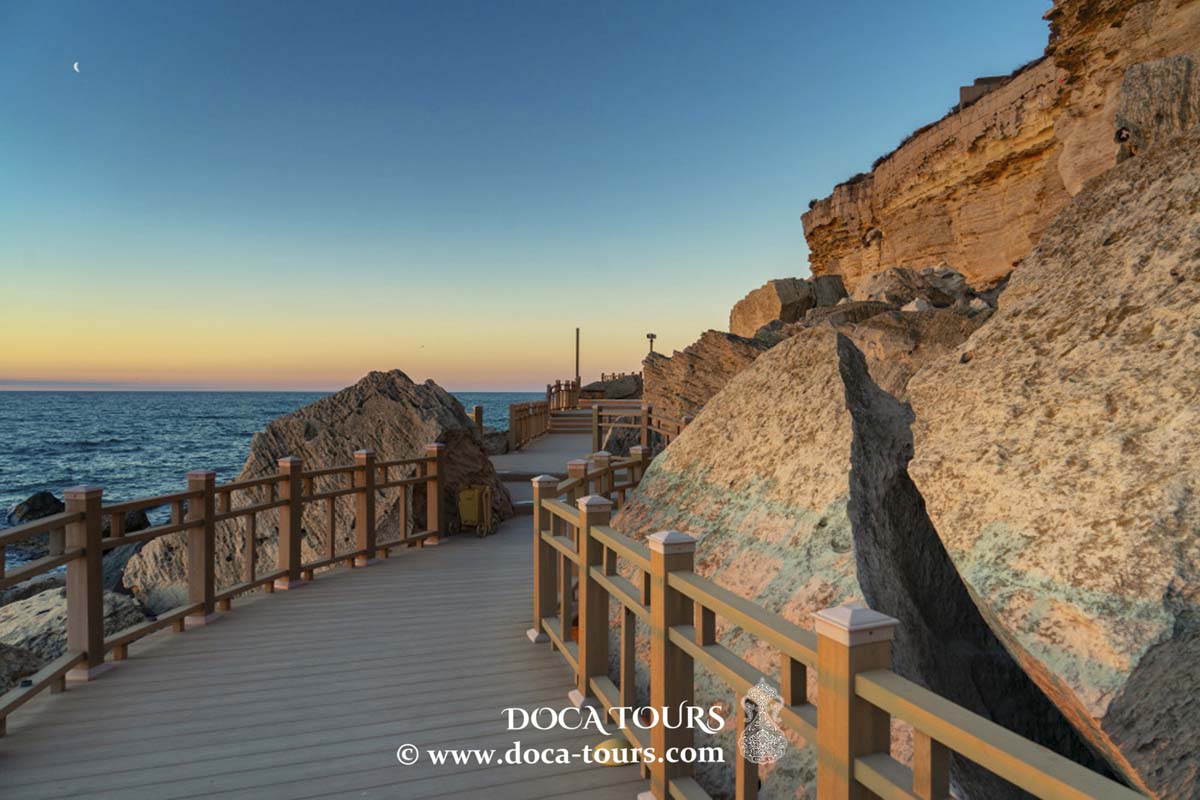
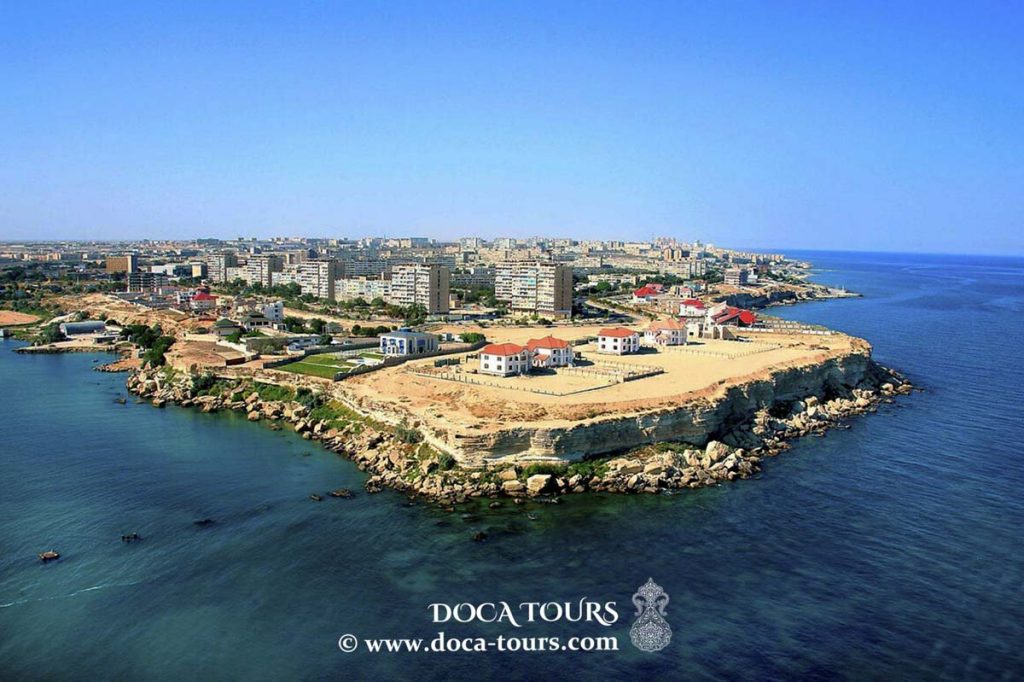
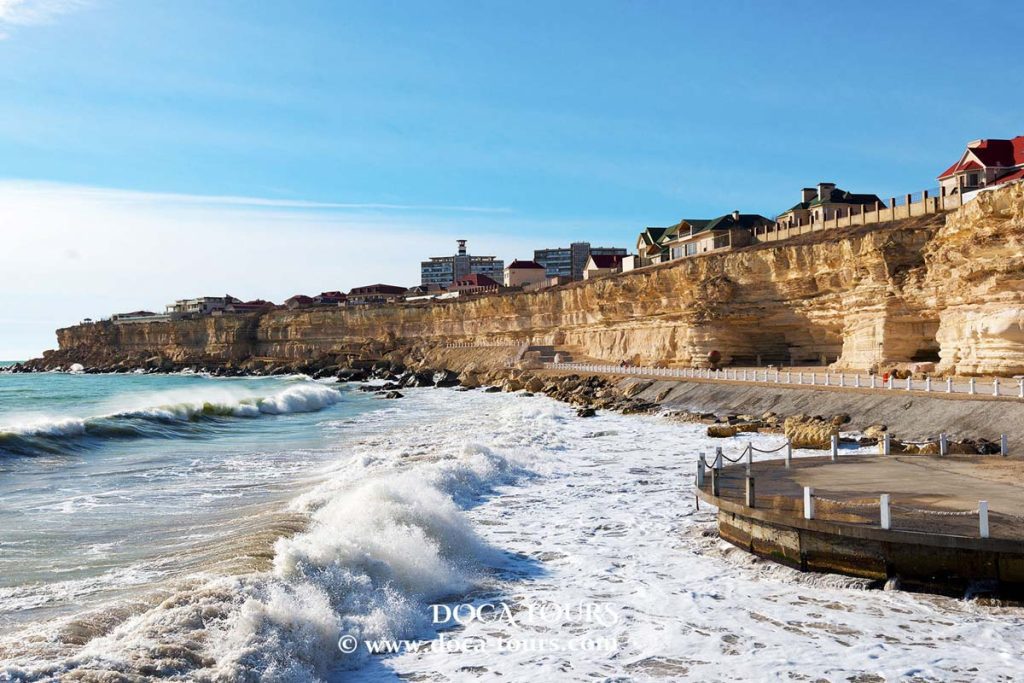
Its name, meaning "White Mountain" in Kazakh, likely refers to the cliffs that rise along the Caspian coastline. From 1964 to 1991, the city was known as Shevchenko, a name honoring the Ukrainian poet who was exiled to this region.
Located on the Mangyshlak Peninsula, Aktau serves as the capital of the Mangystau Region.
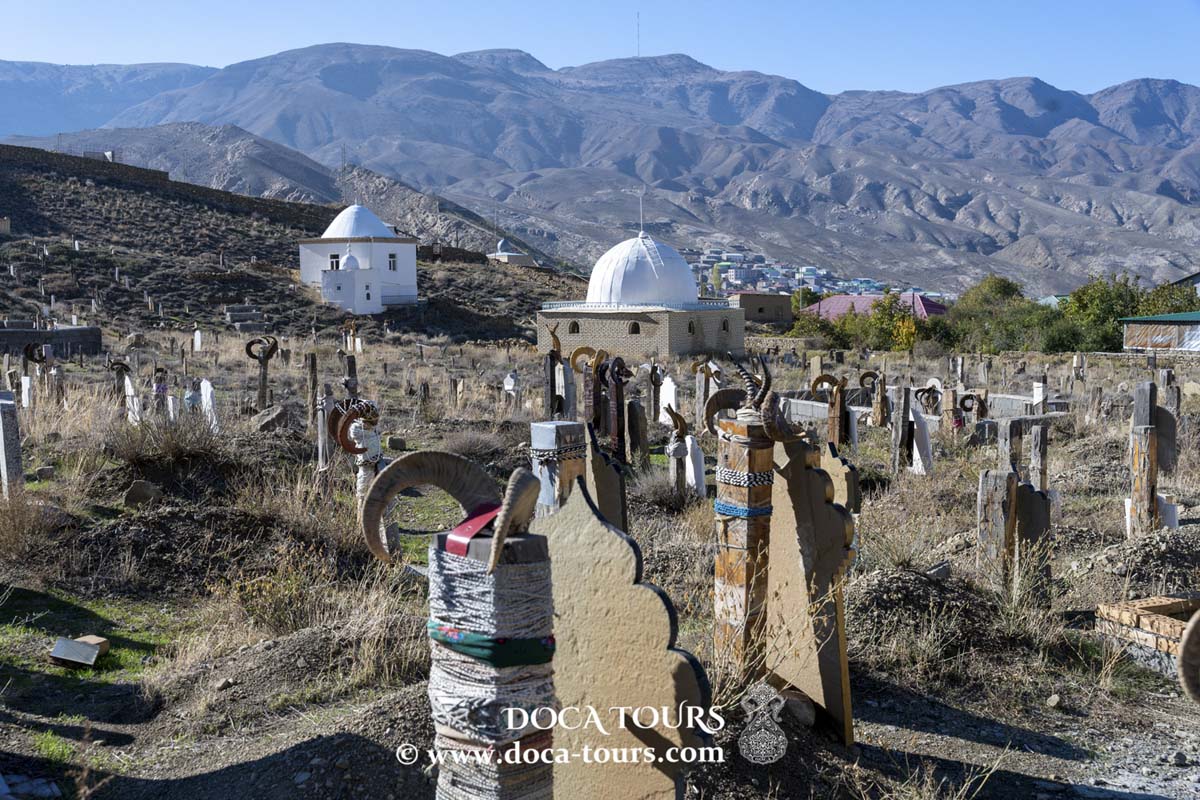
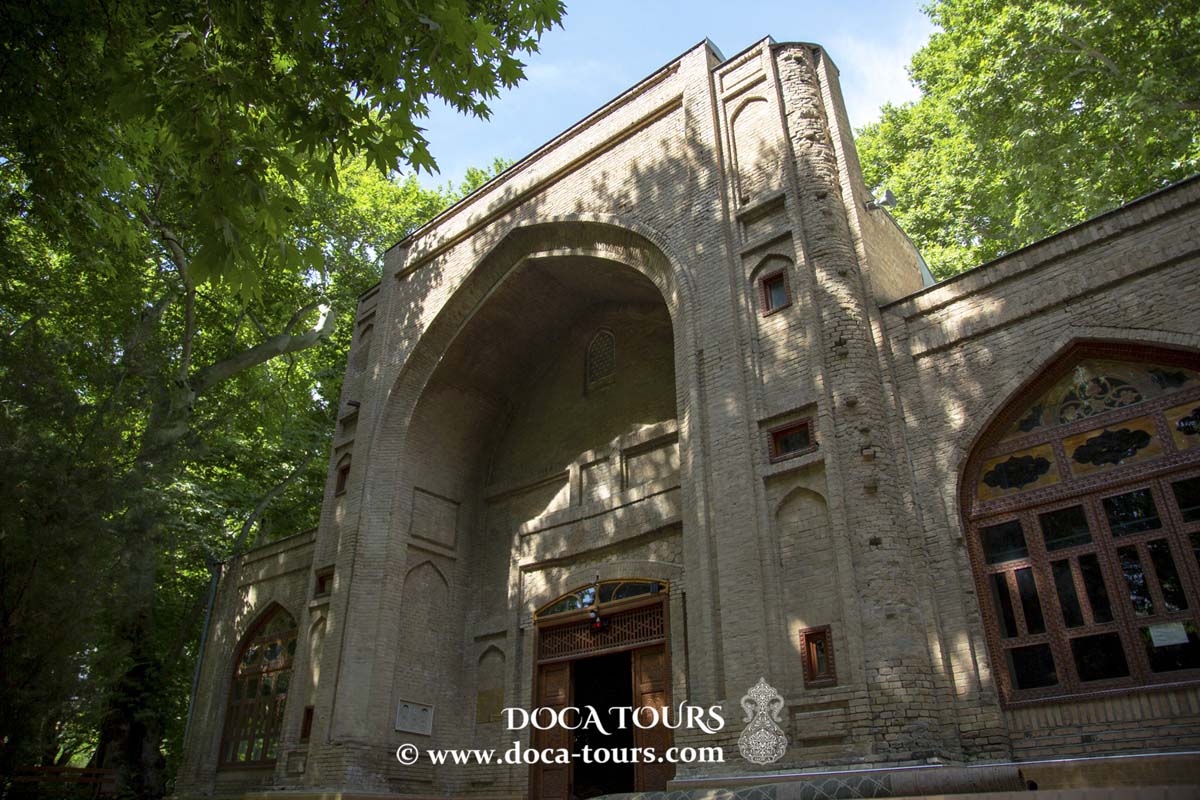
Ancient Scythian tribes once inhabited the area now known as Aktau. Archaeological discoveries in the region have uncovered remnants of old settlements and artifacts. During the era of the Northern Silk Road, this territory of modern-day Mangystau Region became a crossroads, leading to the establishment of several Sufi shrines near Aktau.
However, before the Soviet era, the region had a sparse population and no significant urban centers, likely due to the scarcity of fresh water.

In 1958, uranium prospectors settled at the site of present-day Aktau, founding the village of Melovoye, named after the bay on which it was located. After the uranium deposits were developed, the village was closed and renamed Guryev-20. In 1963, the settlement was granted city status and renamed Aktau. However, in 1964, it was given another name, Shevchenko, in honor of the Ukrainian poet Taras Shevchenko, who spent 1850–1857 in political exile in Novopetrovsk, about 100 km northwest. This Ukrainian name for the city may have been given due to the large number of Ukrainian workers who settled there. Their descendants can often still be recognized today, many of them carrying surnames ending in "-enko."
After the dissolution of the Soviet Union and Kazakhstan’s independence, the name Aktau was restored in 1991. However, the city's airport still retains the IATA code SCO.

Aktau experiences a cold desert climate, characterized by hot or warm dry summers and cold winters. The average temperature in January is −0.5°C (31.1°F), while in July, it rises to an average of 25.55°C (77.99°F). Notably, most of the city lies below sea level in the Caspian lowland, close to the lowest point in Kazakhstan and the former Soviet Union, located in the Karagiye Depression.
The city's primary industrial sector remains the extraction of hydrocarbons, making it one of the largest mining regions in the country. In addition to its strategic location as a major seaport, Aktau has attracted some of the largest players in the oil services industry:
Aktau was once home to a nuclear power plant. The BN-350 fast reactor began operations in 1973 and was shut down in 1999. The Kazakh government’s long-term plans include constructing a new nuclear power station near this site. In addition to producing plutonium, the BN-350 was used to provide electricity and desalinated water to supply the city. The current station is not considered powerful enough to meet the city's current demand for fresh water and electricity, which is why power outages are a common occurrence.
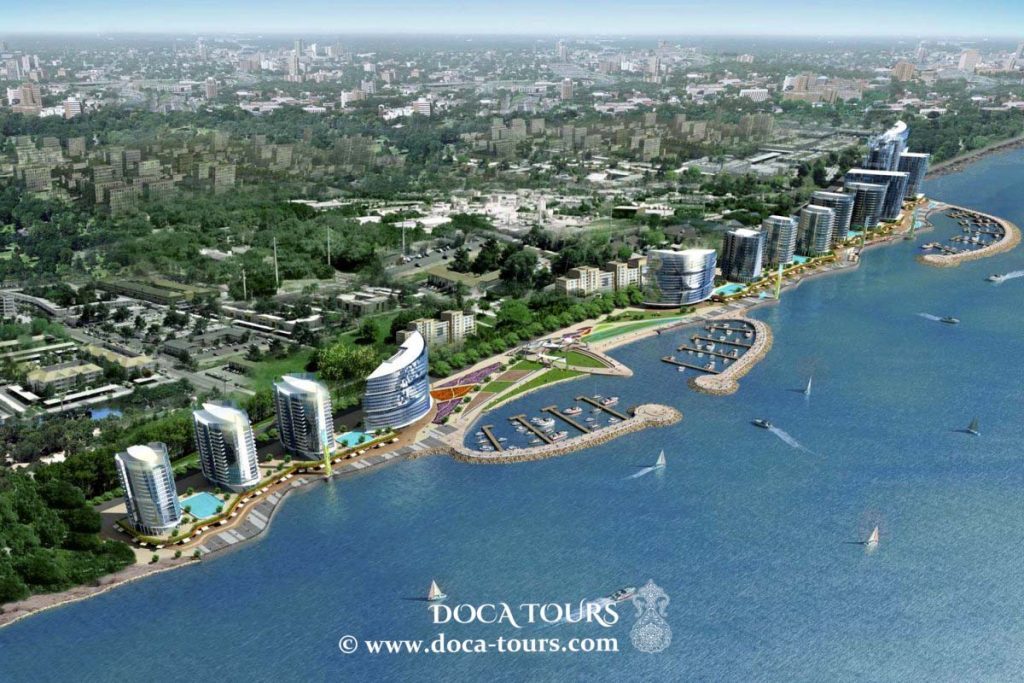
The beaches of Aktau are the city's main tourist attraction, with the highest number of visitors arriving between late May and late August, during the warmer months. During this period, the water temperature in the Caspian Sea typically reaches around 18°C (64°F). Aktau offers both rocky hills and sandy beaches along its coastline. Most tourists come from other parts of Kazakhstan. Notable hotels in the city include Aktau Hotel, Renaissance Aktau, Caspian Riviera Grand Palace, Grand Hotel Victory, Grand Nur Plaza, and Holiday Inn Aktau. In 2021, it was announced that three rare types of frost-resistant palms are being cultivated in the Aktau region as part of an experiment. This project is being carried out by the Mangystau Experimental Botanical Garden.
Other attractions in the area include:
Aktau is the home of the Caspiy Football Club. The club's home stadium is the Zhasylar Stadium, which has a seating capacity of 5,000 spectators. In 2019, the team secured second place in Kazakhstan's First Division and promptly moved up to the Kazakhstan Premier League, the top tier of football in the country.
The Chakhbagot Mosque is notable for its unique design, featuring a human palm with lotus flowers on its walls. This is unusual because Islam generally prohibits the depiction of humans or parts of their bodies.
Aktau is home to an international airport, which was built in 1996.
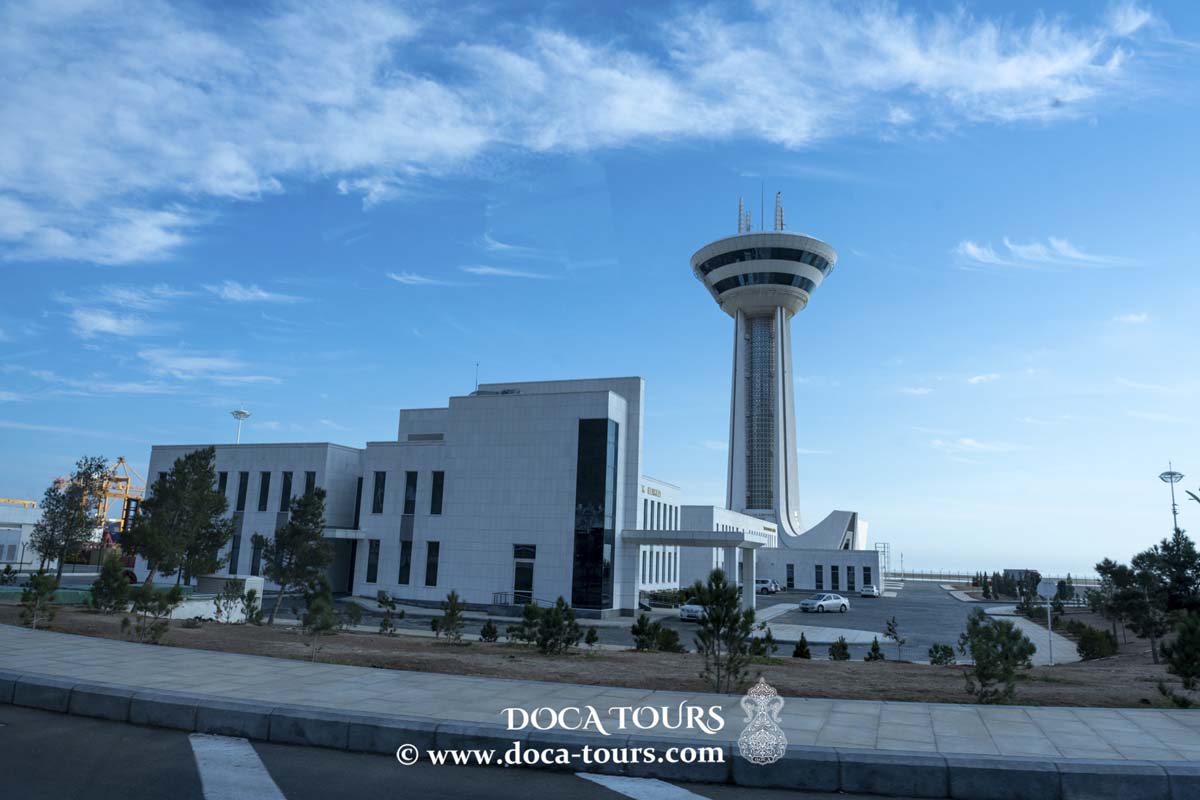
Aktau has the Aktau Port, an international seaport. Since the early 2000s, the Kazakh government has implemented a policy aimed at attracting investors and clients to the port. The focus has been on halting grain transit via the Black Sea, instead promoting routes through the Caspian Sea or Turkmenistan. In 2015, the port was expanded to handle larger volumes and a wider variety of cargo. The goal is for goods to be shipped across the Caspian Sea and then transported by rail through Azerbaijan and Georgia, reaching Turkey and beyond. This new route became possible with the opening of a railway connecting Georgia and Turkey in 2014. In late 2022, government authorities announced plans to further expand the port, aiming to improve capacity by more than 500% by 2025. The port has attracted increased interest from international companies seeking alternative routes to avoid Russia, especially following Russia's invasion of Ukraine.
The nearest railway station is the Mangistau station, located in the suburb of Mangistau, about 20 kilometers (12 miles) from the center of Aktau. The station is connected to the city center by a shuttle bus. The journey from Aktau to Astana takes approximately two days, while a trip to Almaty takes about three days.
Aktau has a bus network and taxi services available.