
























Key takeaways
- Issyk-Kul is the world's second-largest high mountain lake after Titicaca, covering 6,236 km2 at an altitude of 1,600 m (Living Lakes Network).
- Song-Kol sits at 3,016 m and is the classic base for summer yurt stays and nomad life.
- Most travelers pick a trip of 7 to 10 days; two weeks adds remote valleys and slower village time.
- June to September is the prime window, when high passes open and yurt camps run at Song-Kol.
- US, UK and EU travelers can enter visa-free for 30 days within any 60-day period as of December 31, 2025.
If you are choosing between Kyrgyzstan tours, the decision comes down to three things: which lakes and valleys you want to see, whether you prefer culture or hard adventure, and how many days you have. This guide walks through the highlights, the common trip lengths, and the best season to go, so you can pick a package and book with confidence.
Kyrgyzstan packs a lot into a small country. You can stand on the shore of a vast alpine lake in the morning and sleep in a nomad yurt at 3,000 meters the same night. For most travelers comparing operators, the real question is how to fit the mountains, the lakes and the nomad culture into one well-paced trip.
What Makes Kyrgyzstan a Unique Destination
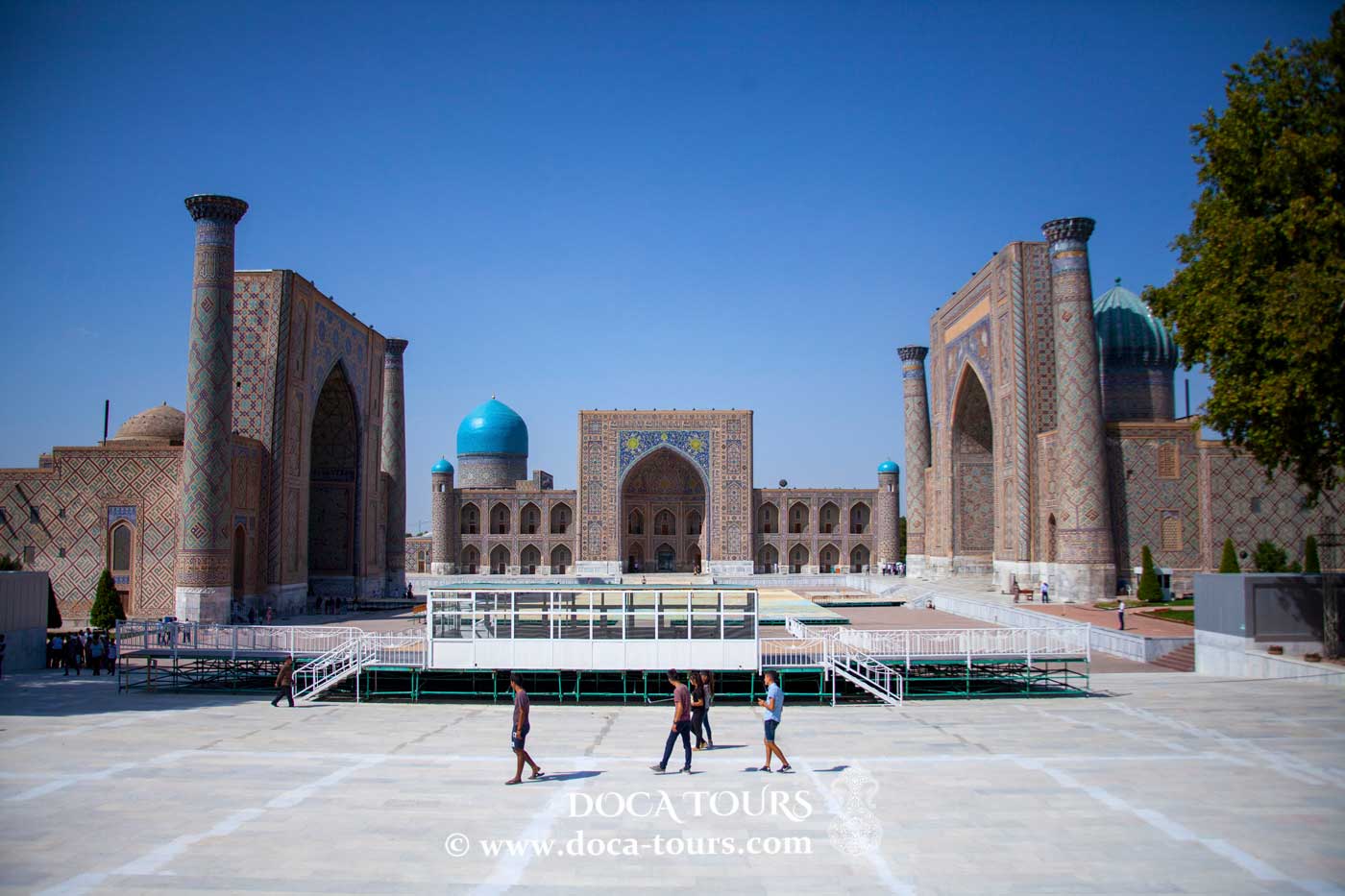
Few countries are as vertical as Kyrgyzstan. The Tian Shan range covers most of the territory, and the landscape is built around high valleys, glacier-fed rivers and alpine lakes. That geography is why a Kyrgyzstan tour feels different from the Silk Road city circuits in neighboring Uzbekistan.
The headline feature is water at altitude. Issyk-Kul is the world's second-largest high mountain lake after Lake Titicaca, with a surface area of 6,236 km2, a maximum depth of 668 m, and an altitude of 1,600 m (Living Lakes Network). It is slightly saline, so it never freezes, even with snow on the peaks around it.
The second feature is living nomad culture. Herding families still move to summer pastures, set up yurts, and graze horses on the high meadows. This is not a museum display. Travelers can stay in working yurt camps, share meals, and watch daily life at places like Song-Kol. For a closer look at these traditions, see our guide to Central Asia nomadic culture in Kyrgyzstan and Kazakhstan.
Highlights: Issyk-Kul, Song-Kol and the Tian Shan Valleys
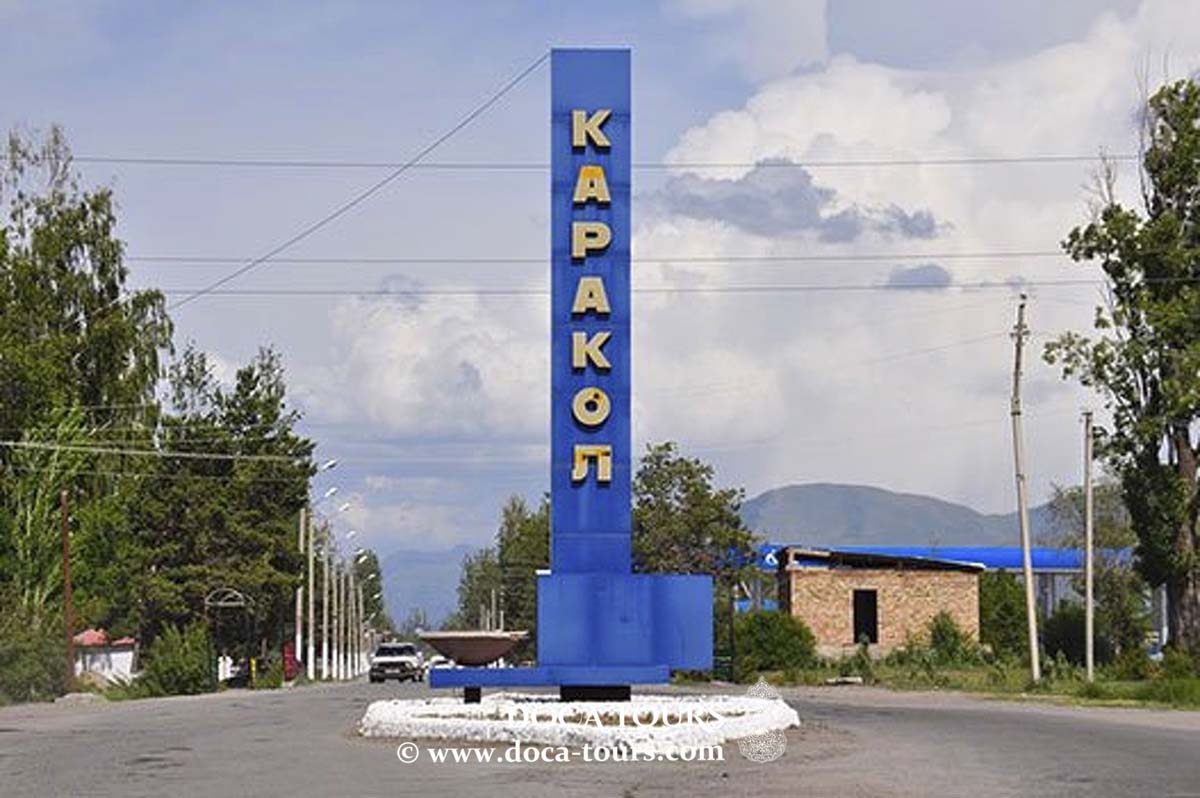
Three places anchor almost every Kyrgyzstan itinerary: Issyk-Kul, Song-Kol and the Tian Shan valleys around Karakol. Each covers a different side of the country, and together they give you lakes, mountains and nomad life in one loop.
Issyk-Kul is the warm-up and the big set piece. The lake stretches roughly 180 km end to end, and the drive along its shore links beaches, hot springs and the gateway town of Karakol. It works as a relaxed base before you head into higher country.
Song-Kol is the nomad heartland. The lake sits at 3,016 m, ringed by open pasture rather than towns, and summer yurt camps run on its shores. Nights are cold and the stars are heavy, but this is where the nomad experience is most direct: horses, herders and silence.
The Tian Shan valleys bring the mountains up close. Valleys such as Jyrgalan and the trails above Karakol open into glacier views, alpine lakes and high passes. These areas are the backbone of serious trekking, covered in our guide to trekking the Tian Shan.
Cultural and Adventure Kyrgyzstan Tours
Kyrgyzstan tours split broadly into two styles: cultural trips that center on lakes, yurts and daily nomad life, and adventure trips built around trekking and horse riding. Most packages blend the two, and the right mix depends on your group's fitness and pace.
A cultural tour keeps the walking short. You travel between Issyk-Kul, Song-Kol and Karakol by vehicle, stay in yurt camps and guesthouses, visit markets, and take gentle day walks. It suits families, older travelers and anyone who wants the scenery without long days on foot.
An adventure tour raises the effort. Multi-day treks cross high passes in the Tian Shan, and horse trips follow old herding routes across the pastures. Riding is woven into local life here, which makes a saddle one of the most authentic ways to travel across the high pastures.
Which style fits you? If your group includes mixed fitness levels, a blended trip is the safe choice. Operators like Doca Tours build itineraries that pair easy lake days with optional treks, so stronger walkers can push on while others rest.
Sample Itineraries and Trip Lengths
Most Kyrgyzstan tours run 7 to 14 days, and trip length decides how much of the country you reach. A short week covers the core lakes and one mountain valley, while two weeks opens up remote regions and slower village time.
A 7-day trip is the efficient loop. From Bishkek you reach Issyk-Kul, spend a night or two at a Song-Kol yurt camp, explore a valley near Karakol, and return. It hits the three signature landscapes without rushing every day.
A 10-day trip adds breathing room. You can fit a longer trek or horse ride, more time at Issyk-Kul, and an extra cultural stop such as the Jeti-Oguz red rock formations or Burana Tower.
A 14-day trip reaches the edges. Remote areas like Naryn, Sary-Chelek or the southern city of Osh come into range, along with deeper time in nomad camps. This is the choice for travelers who want distance from the main route and a slower rhythm.
Here is a rough guide to trip lengths:
- 5 to 6 days: Issyk-Kul and one short valley, light pace.
- 7 to 10 days: the core loop with Song-Kol, Karakol and a trek or ride.
- 12 to 14 days: remote regions, longer treks, extended yurt stays.
Best Seasons to Visit Kyrgyzstan
The prime window for Kyrgyzstan tours is June through September, when high passes are clear and the summer yurt camps are open. Outside that window, snow closes the mountain routes and the nomad camps at Song-Kol pack up for the year.
July and August are the warm, green peak. Alpine meadows are at their best, lake swimming is pleasant at Issyk-Kul, and every trek and horse route is accessible. These months are also the busiest, so book early.
June and September are quieter shoulder months. Trails are open, crowds thin, and the light is good for photography, though nights at altitude turn cold and some high camps run shorter hours. Spring and autumn suit travelers who want the scenery without peak-season numbers.
One practical note before you book. As of December 31, 2025, travelers from the US, UK, Canada, Australia and EU states can enter Kyrgyzstan visa-free for up to 30 days within any 60-day period, under Resolution No. 855. Confirm the current rule with the Kyrgyz Ministry of Foreign Affairs before you travel, since entry policies change.
Choosing Your Kyrgyzstan Trip
Start by fixing your dates to the June-September window, then pick a trip length that matches your energy: a week for the core loop, two weeks for the remote valleys. From there, decide whether you lean cultural or adventure, and look for an operator that can blend both so your whole group travels at a comfortable pace. If that sounds like your trip, compare the Kyrgyzstan itineraries Doca Tours runs and ask the team to match a route to your dates and fitness level.
Frequently asked questions
How many days do I need for a Kyrgyzstan tour?
Seven to ten days covers the core loop: Bishkek, Issyk-Kul, Song-Kol and a Tian Shan valley. Two weeks lets you add remote regions like Naryn or Sary-Chelek and spend longer with nomad families.
When is the best time to visit Kyrgyzstan?
June through September. High passes are open, alpine meadows are green, and the summer yurt camps at Song-Kol are running. July and August are warmest and busiest.
Do I need a visa for Kyrgyzstan?
Travelers from the US, UK, Canada, Australia and EU states can enter visa-free for up to 30 days within any 60-day period, effective December 31, 2025. Check current rules with the Kyrgyz Ministry of Foreign Affairs before you book.
Are Kyrgyzstan tours suitable for non-hikers?
Yes. Cultural tours focus on lakes, yurt stays, markets and short walks, while adventure tours add multi-day treks and horse rides. Most operators, including Doca Tours, mix both so you can match the pace to your group.
What are the must-see highlights?
Issyk-Kul lake, the summer yurt camps at Song-Kol, and the Tian Shan valleys such as Jyrgalan and Karakol. Together they cover the lakes, mountains and nomad culture that define the country.