
























Key takeaways
- In 2026 the US State Department rates Uzbekistan, Kazakhstan, Kyrgyzstan and Tajikistan at Level 1, the lowest risk tier, the same as most of Western Europe.
- Three of the five Stans rank inside the global top 50 for peacefulness in the 2026 Global Peace Index (Institute for Economics and Peace).
- Most real traveler problems are logistical, not violent: petty scams, altitude sickness, cash-only economies and border paperwork.
- Solo and female travelers report Central Asia as welcoming, with normal city precautions covering the vast majority of situations.
Central Asia is safe for tourists, and safer than its reputation suggests. In 2026 the US State Department places Uzbekistan, Kazakhstan, Kyrgyzstan and Tajikistan in its lowest-risk category, and violent crime against visitors is uncommon across the region. The honest answer to "is central asia safe" is that the five Stans are calm, hospitable places where the biggest challenges are usually paperwork, cash and altitude rather than danger.
That said, honest means complete. This guide covers what the data shows, what you will actually encounter on the ground, and the few places where a little caution pays off. If you are weighing a Silk Road trip, you deserve a clear picture rather than either fearmongering or empty reassurance.
Is Central Asia Safe Overall for Travelers?
By independent measures, Central Asia ranks among the more peaceful parts of the world. In the 2026 Global Peace Index, Uzbekistan placed 37th globally and Kazakhstan 44th, with Tajikistan, Kyrgyzstan and Turkmenistan all classified as having a high level of peacefulness (The Astana Times, reporting the Institute for Economics and Peace GPI 2026, June 2026).
Three of the five Stans sit inside the global top 50 for peace. That puts them ahead of many popular Western tourist destinations on the same index. Notably, the same 2026 report found Central Asia was the one world region where peacefulness improved over the year, while other regions declined.
Government advisories tell the same story. As of 2026, the US State Department rates Uzbekistan, Kazakhstan, Kyrgyzstan and Tajikistan at Level 1, "Exercise Normal Precautions," the same tier it applies to most of Western Europe. The UK Foreign Office does not advise against travel to Turkmenistan either. Advisory levels can change, so check your own government's current guidance before booking.
What does this mean in practice? For a typical cultural or Silk Road trip through the main cities and sights, you are traveling in a low-risk environment.
What Are the Common Concerns, and What Is the Reality?
Most worries about Central Asia come from its unfamiliar image, not from recorded danger to tourists. The region reads as remote and "post-Soviet" to many first-timers, yet the practical realities are closer to visiting a calm, mid-sized European country than a conflict zone.
Here is how the common fears line up against what travelers actually meet:
- Terrorism and unrest: Serious incidents affecting tourists are rare across the main travel routes. The low advisory levels reflect this.
- Violent crime: Uncommon against visitors. The more realistic risks are petty: pickpocketing in crowded bazaars or an overcharging taxi.
- Police and bureaucracy: Occasional document checks happen. Carrying your passport and staying polite resolves nearly all of them.
- Political tension: Real but localized, mainly along specific border zones rather than in tourist cities.
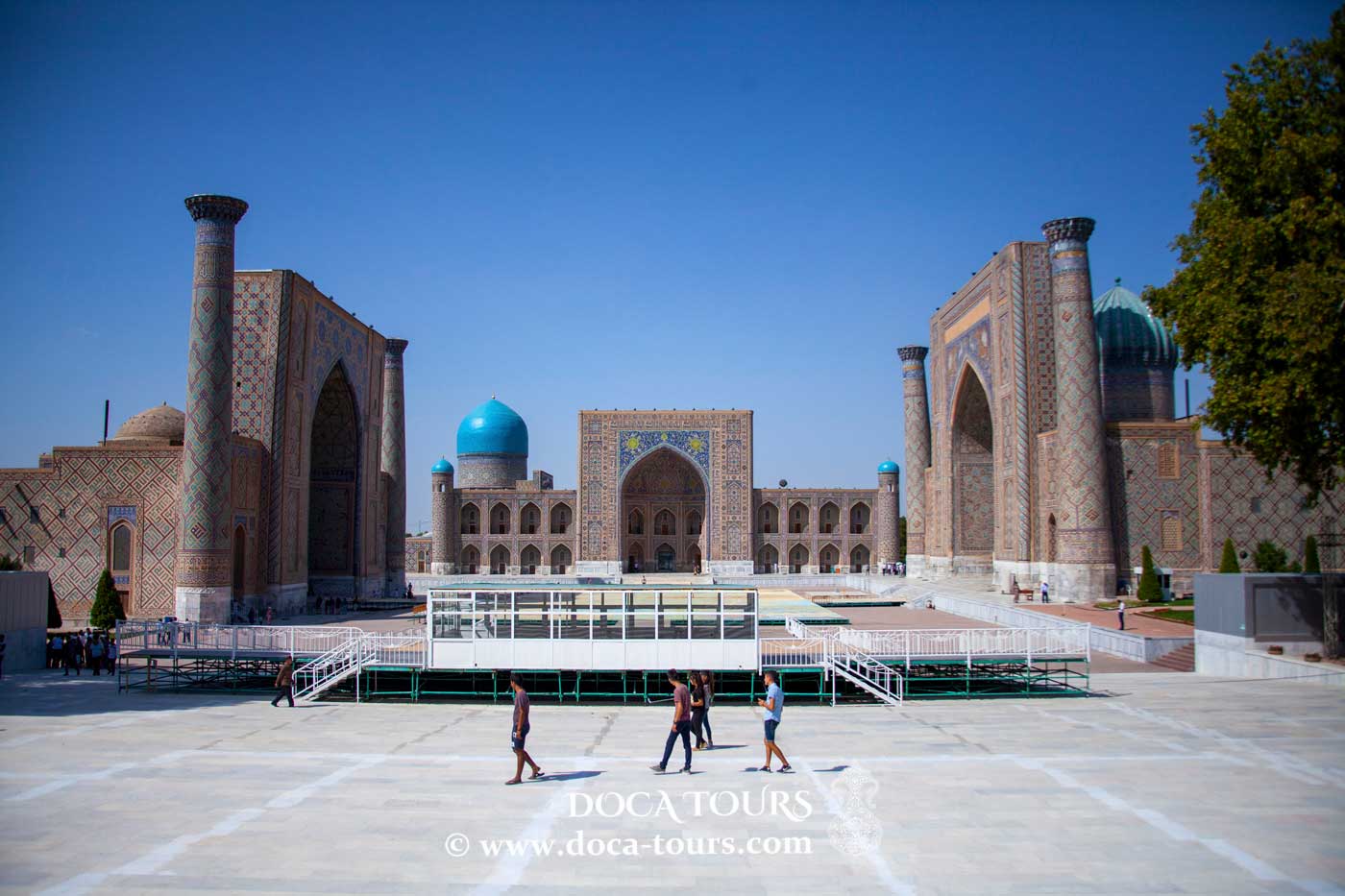
The gap between perception and reality is wide. A traveler expecting danger in Samarkand or Almaty usually finds tea, hospitality and a lot of people curious about where they are from. Local pride in welcoming guests is strong, and it shows.
For a sense of everyday life beyond the monuments, Central Asian food culture captures how much of daily life happens around a shared table, with guests treated generously.
Is Central Asia Safe for Solo and Female Travelers?
Solo travelers, including women, generally report Central Asia as welcoming and manageable. The same low advisory levels apply, and the hospitality culture means lone visitors are often looked after rather than targeted. Standard city-sense precautions cover the large majority of situations you will face.
A few practical notes make solo trips smoother. In cities, use registered taxis or ride-hailing apps rather than flagging unmarked cars, especially at night. Dress modestly at mosques, madrasahs and shrines, where a headscarf for women is often expected. Learning a handful of Russian or local phrases goes a long way, since English thins out quickly beyond the capitals and main hotels.
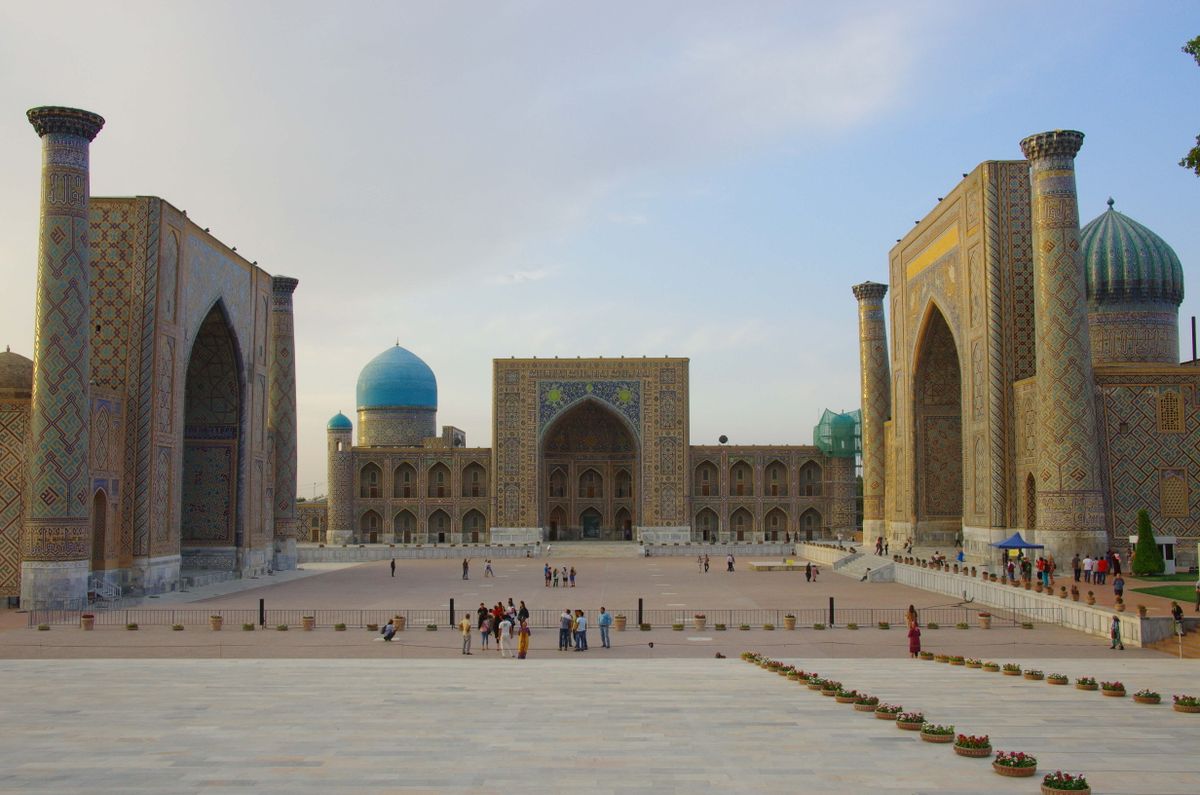
Female travelers often single out Uzbekistan and Kazakhstan as especially easy to navigate solo, thanks to good transport and busy, visible tourist areas. If you prefer company for your first trip, a small-group guided tour removes the guesswork around transport, language and night logistics.
How Do You Handle Health, Borders and Scams?
Most Central Asia trip problems are practical, and all of them are avoidable with a little preparation. The three areas worth planning for are health, border crossings and petty scams. None of these should change your decision to go, but each rewards some forethought.
On health, no exotic vaccinations are typically required for the main routes, though you should confirm routine shots and consider travel insurance. Drink bottled or filtered water, carry a basic medicine kit, and respect altitude in the mountains of Kyrgyzstan and Tajikistan. Ascend gradually and watch for headaches or nausea, which signal you are climbing too fast. Medical facilities are good in the capitals and thinner in rural areas.
Borders between the Stans are mostly straightforward for tourists, but hours and rules shift, and cash in local currency or US dollars is often essential. One zone to avoid is the Kyrgyzstan-Tajikistan border around Batken, where occasional tension has flared; standard tourist itineraries route well clear of it. The US State Department advises checking current conditions before any border move, so confirm your crossing is open and tourist-friendly before you set out. Official travel pages such as travel.state.gov publish up-to-date country advisories.
Scams, where they exist, are minor. Agree taxi fares before getting in, change money at banks or licensed exchanges rather than on the street, and keep small bills for markets. A friendly firmness handles almost every situation.
What Are the Best Practical Tips for a Worry-Free Trip?
A worry-free Central Asia trip comes down to a short list of habits that match the region's realities. None of them are burdensome, and together they remove the friction that first-timers tend to hit. Think logistics, not danger.
Keep these in your pocket:
- Carry cash. Several areas, especially Turkmenistan, run largely on cash, and card acceptance is patchy outside big hotels.
- Register where required. Some countries ask tourists to register their stay; hotels usually handle this, so keep your slips.
- Save offline maps and key phrases. Connectivity and English both drop off outside cities.
- Respect dress codes. Cover shoulders and knees at religious sites, and carry a scarf.
- Build in buffer time. Distances are large and border formalities can be slow, so do not over-pack the schedule.
- Choose a reputable operator for complex multi-country routes. Visas, permits and transport logistics across five countries reward local expertise.
That last point matters more than any single safety tip. The things that go wrong in Central Asia are rarely dramatic; they are missed connections, a closed border post, or a permit that needed filing weeks earlier. A well-run tour absorbs that complexity for you.
This is where Doca Tours fits naturally. As a Central Asia specialist running guided packages across all five countries, Doca Tours handles the visas, border paperwork, registered transport and local guides that turn a logistically fiddly region into a smooth trip. For travelers who want the Silk Road without managing every detail themselves, that support is the difference between stress and ease.
If you are ready to move from "is it safe" to "how do I plan it," start with our perfect two-week Silk Road itinerary and shape a route around the cities and landscapes you most want to see.
Frequently asked questions
Is Central Asia safe for first-time travelers?
Yes. All four countries with current US advisories sit at Level 1 in 2026, and violent crime against tourists is rare. The main adjustments are logistical, such as carrying cash and checking border rules.
Which Central Asian country is the safest?
By the 2026 Global Peace Index, Uzbekistan ranks highest at 37th globally, followed by Kazakhstan at 44th. In practice all five feel calm, and your itinerary matters more than the country you start in.
Is Central Asia safe for solo female travelers?
Most solo female travelers report feeling comfortable and welcomed. Standard precautions apply: dress modestly at religious sites, use registered taxis, and avoid walking alone in unlit areas at night.
Do I need vaccinations or special health prep for Central Asia?
No exotic vaccines are usually required, but check routine shots and discuss altitude with your doctor if you plan mountain travel. Drink bottled water and carry a basic medical kit outside major cities.
Are the borders between the Stans difficult to cross?
Most main crossings are straightforward for tourists, though hours and rules change. Avoid the Kyrgyzstan-Tajikistan Batken area, carry your passport at all times, and confirm current requirements before you travel.