
























Key takeaways
- A Silk Road adventure tour adds physical activity, such as trekking, horse riding or high passes, to the cultural sightseeing of a classic Silk Road trip.
- Kyrgyzstan and Tajikistan supply the mountains and the horses, while Uzbekistan supplies the desert nights and the great Silk Road cities.
- Most active itineraries are graded moderate and suit travelers who walk regularly; a few weeks of hill walking is enough preparation for the typical route.
- Group adventure departures lower the per-person cost of guides, 4×4 transport and permits that solo travel in remote regions would make expensive.
- The best active trips alternate hard days with rest and culture, so you arrive at Samarkand or Song-Kul with energy to spare.
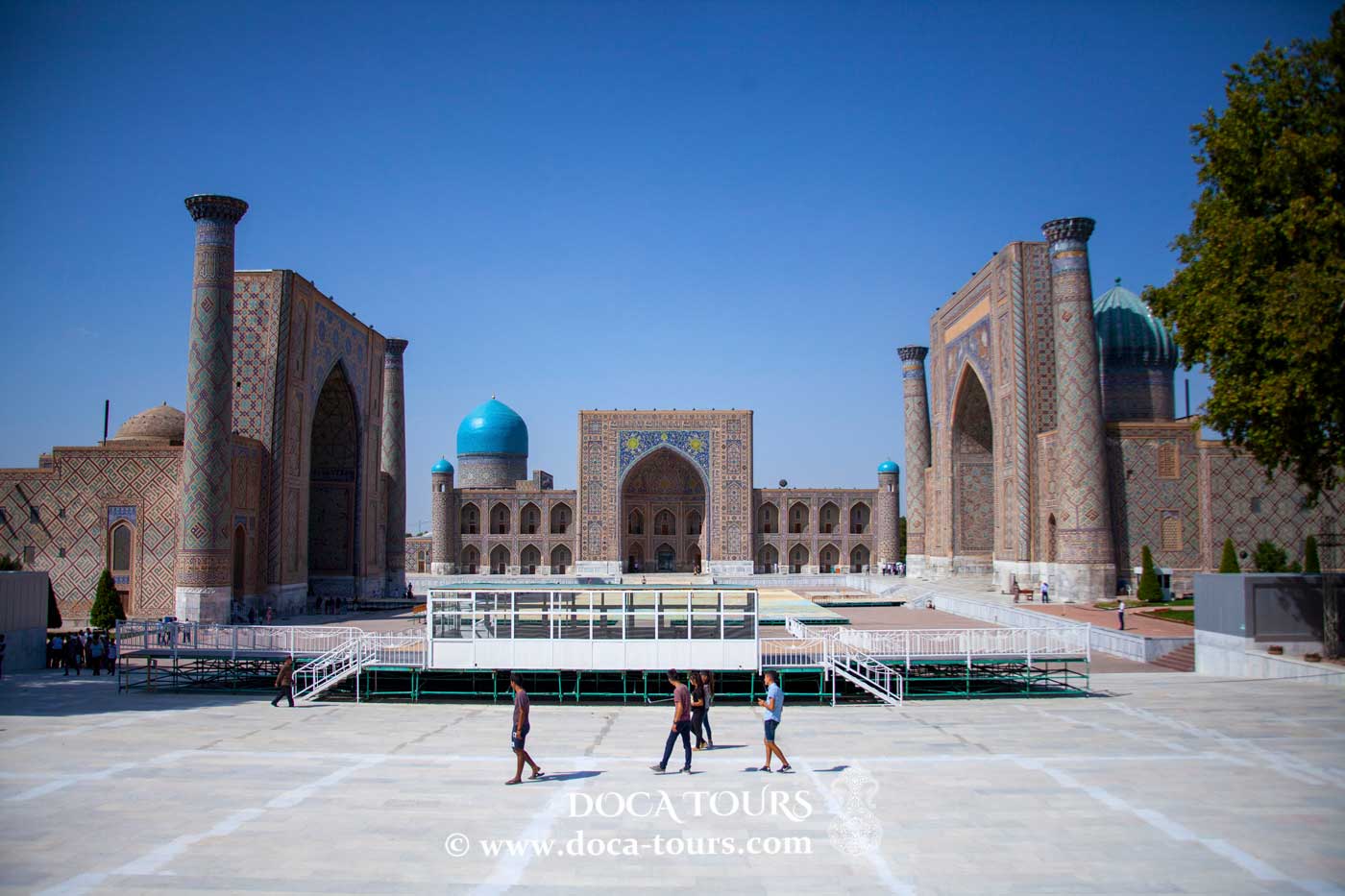
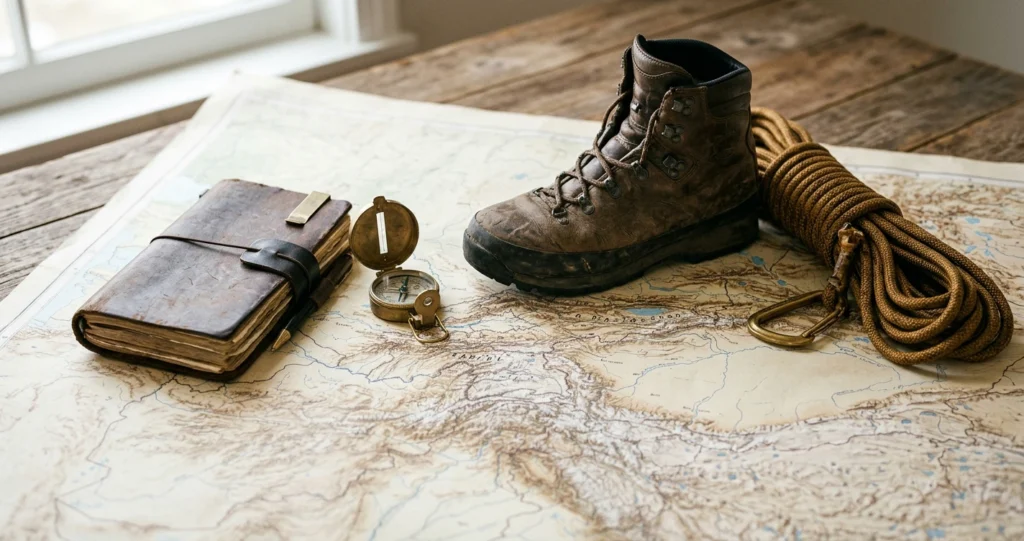
A Silk Road adventure tour keeps the great caravan cities on the itinerary and adds days on foot, in the saddle and under canvas between them. You still stand in Registan Square and walk the bazaars, but you also trek a mountain valley, ride a horse across a summer pasture and sleep in a yurt beside a lake. If you are comparing operators for an active trip across the Stans, this guide explains what the format actually involves and how group departures make it work.
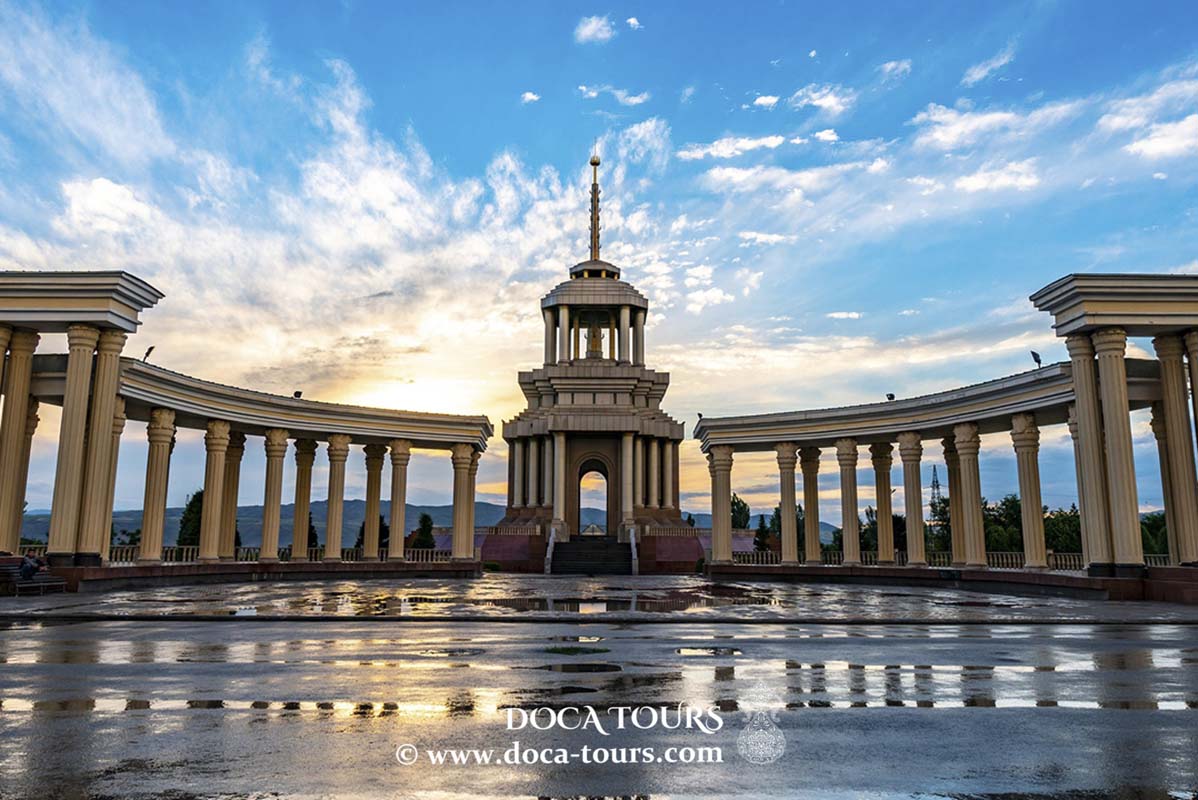
Central Asia is built for this. The region pairs five countries, Uzbekistan, Kazakhstan, Kyrgyzstan, Tajikistan and Turkmenistan, with terrain that runs from the Kyzylkum desert to some of the highest mountains in Asia. Doca Tours runs guided adventure departures that stitch these pieces into a single journey, so the hard days and the cultural days sit in the same trip.
What makes a Silk Road trip an adventure tour
The line between a classic tour and an adventure tour is physical effort. A classic Silk Road tour moves you between Khiva, Bukhara and Samarkand in comfortable vehicles, with guided walks through the monuments and evenings in hotels. An adventure tour keeps those highlights and layers active days on top: a valley trek, a pass crossing, a horse ride, a night in a tented camp.
The practical result is a different daily rhythm. On a classic trip your legs carry you around a city for a few hours. On an adventure trip you might walk for five, climb several hundred metres and finish the day somewhere with no road access. The reward is terrain and quiet that the coach routes never reach, and a sense of travelling the old roads the way traders once did.
Adventure travel has also moved well into the mainstream, so this is no longer a fringe choice. International interest in the region reflects that. Uzbekistan alone received 5.3 million foreign visitors in the first half of 2025, an increase of 48.9 percent on the same period a year earlier, according to the National Statistics Committee of Uzbekistan. More arrivals mean better trails, better guides and more frequent group departures to choose from.
Combining trekking, horse riding and desert nights
The signature of a good Silk Road adventure tour is variety within a single trip. Three activities do most of the work.
- Trekking. Day walks and short multi-day treks in the Tian Shan or Fann Mountains, graded from easy valley strolls to demanding pass crossings.
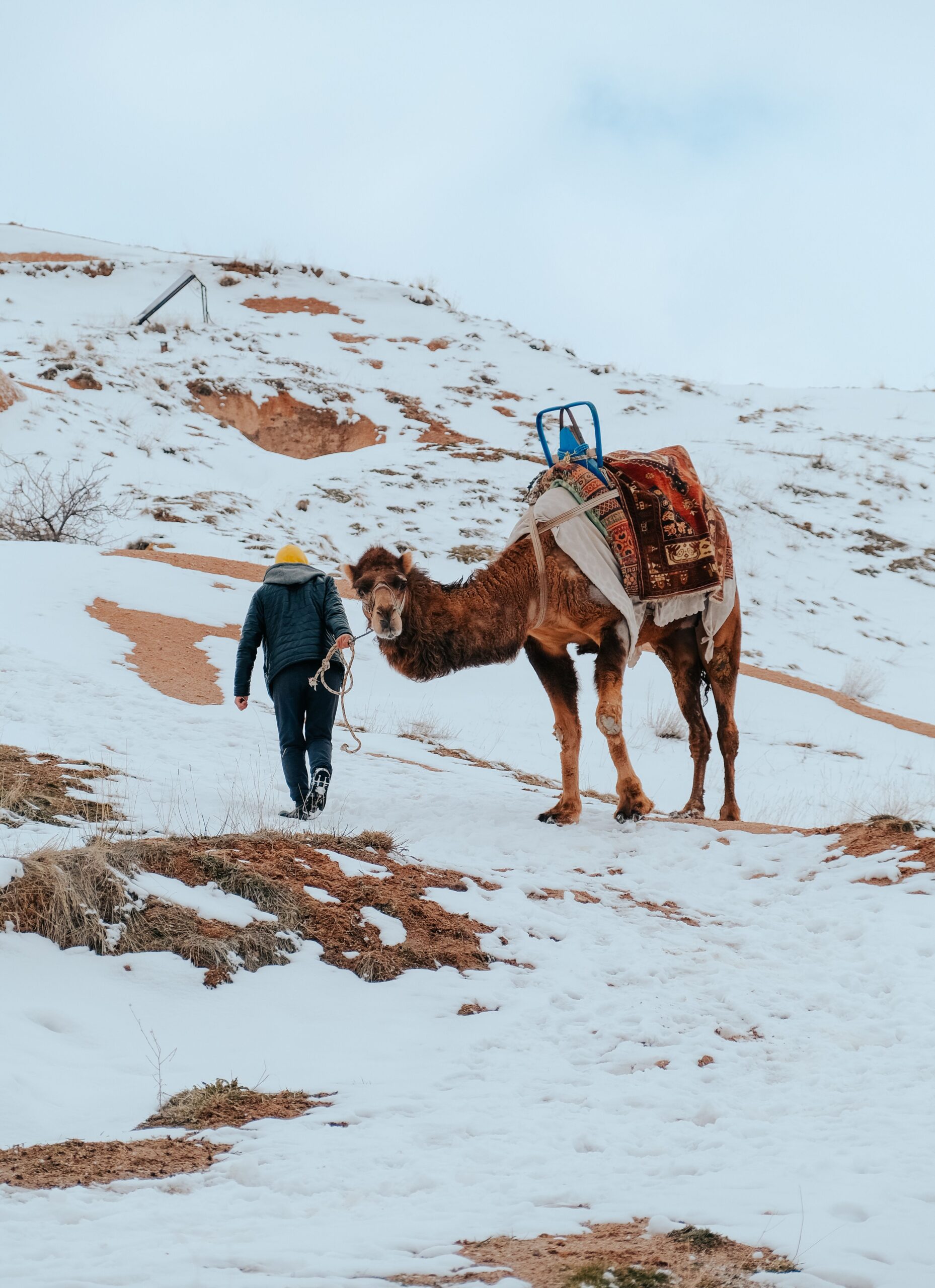
- Horse riding. Short rides across Kyrgyz summer pastures, the way nomad families still move with their herds. No riding experience is needed for the gentle routes, and guides match the horse to the rider.
- Desert nights. Camps in the Kyzylkum, often in traditional yurts, with dinner cooked over a fire and a sky with no light pollution for hundreds of kilometres.
Geography decides where each piece comes from. Kyrgyzstan and Tajikistan supply the mountains and the horses. Uzbekistan supplies the desert and the cities. A well-planned route lets you ride a Kyrgyz pasture one week and watch the sunset over a Kyzylkum yurt camp the next, with Samarkand in between.
Off-the-beaten-path routes across the Stans
The cultural Silk Road is well charted. The adventure Silk Road runs alongside it on smaller roads and older paths. Three corridors stand out.
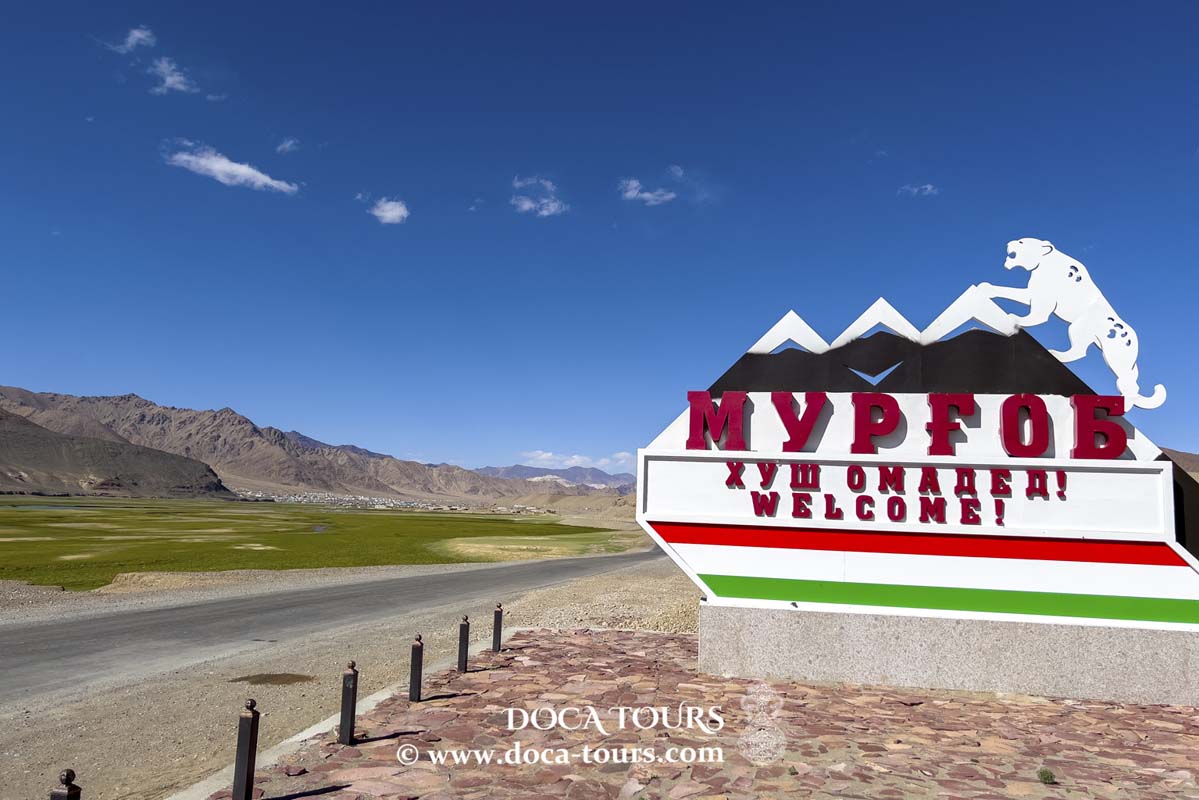
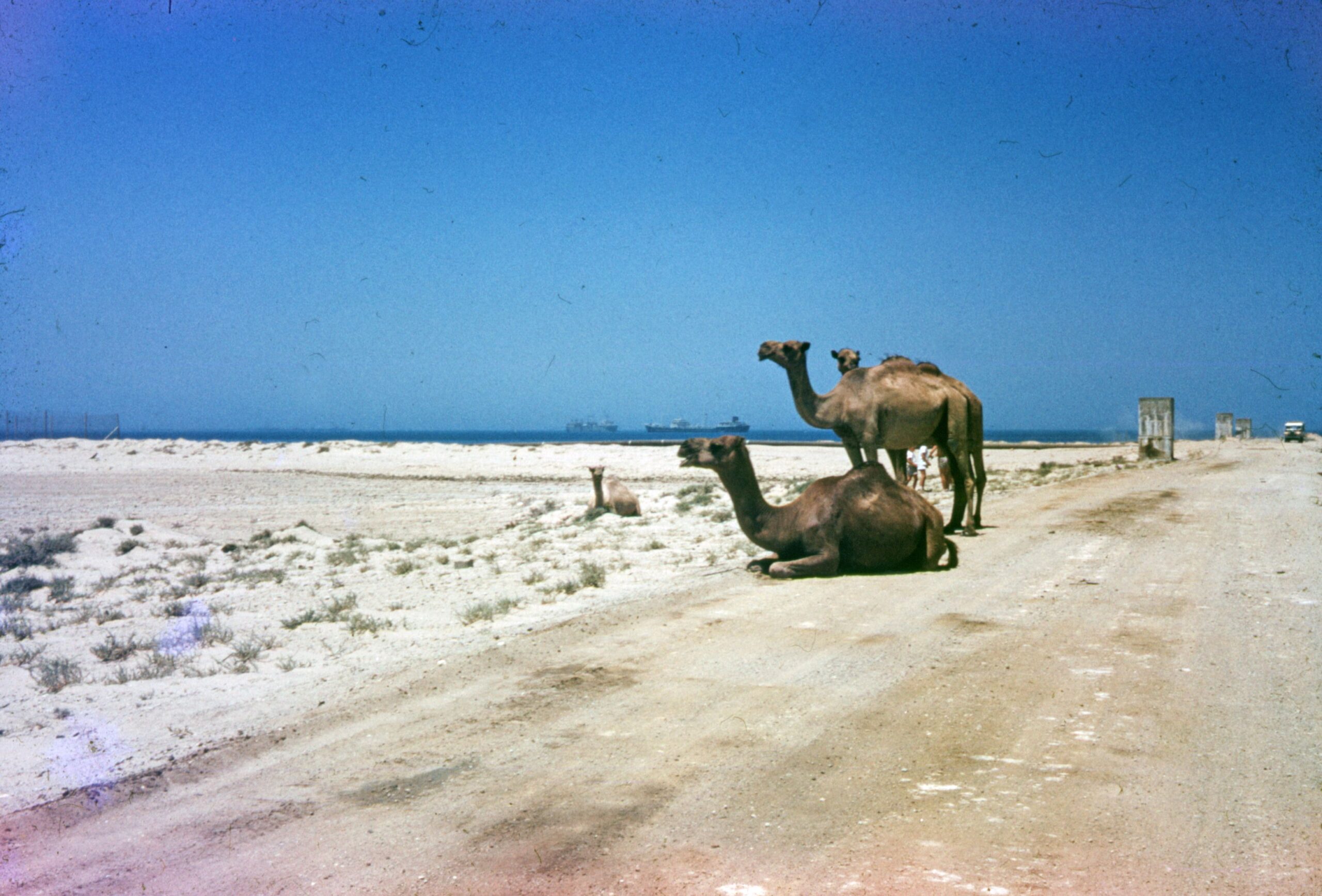
The Pamir Highway in Tajikistan is the headline route. The M41 climbs onto the Pamir plateau and reaches its high point at the Ak-Baital Pass, which sits at 4,655 metres, higher than any summit in the Alps, according to Wikipedia's entry on the pass. Driving it is a serious undertaking that needs 4×4 vehicles, permits for the Gorno-Badakhshan region and real acclimatisation, which is exactly why it belongs on a guided trip rather than a solo rental car.
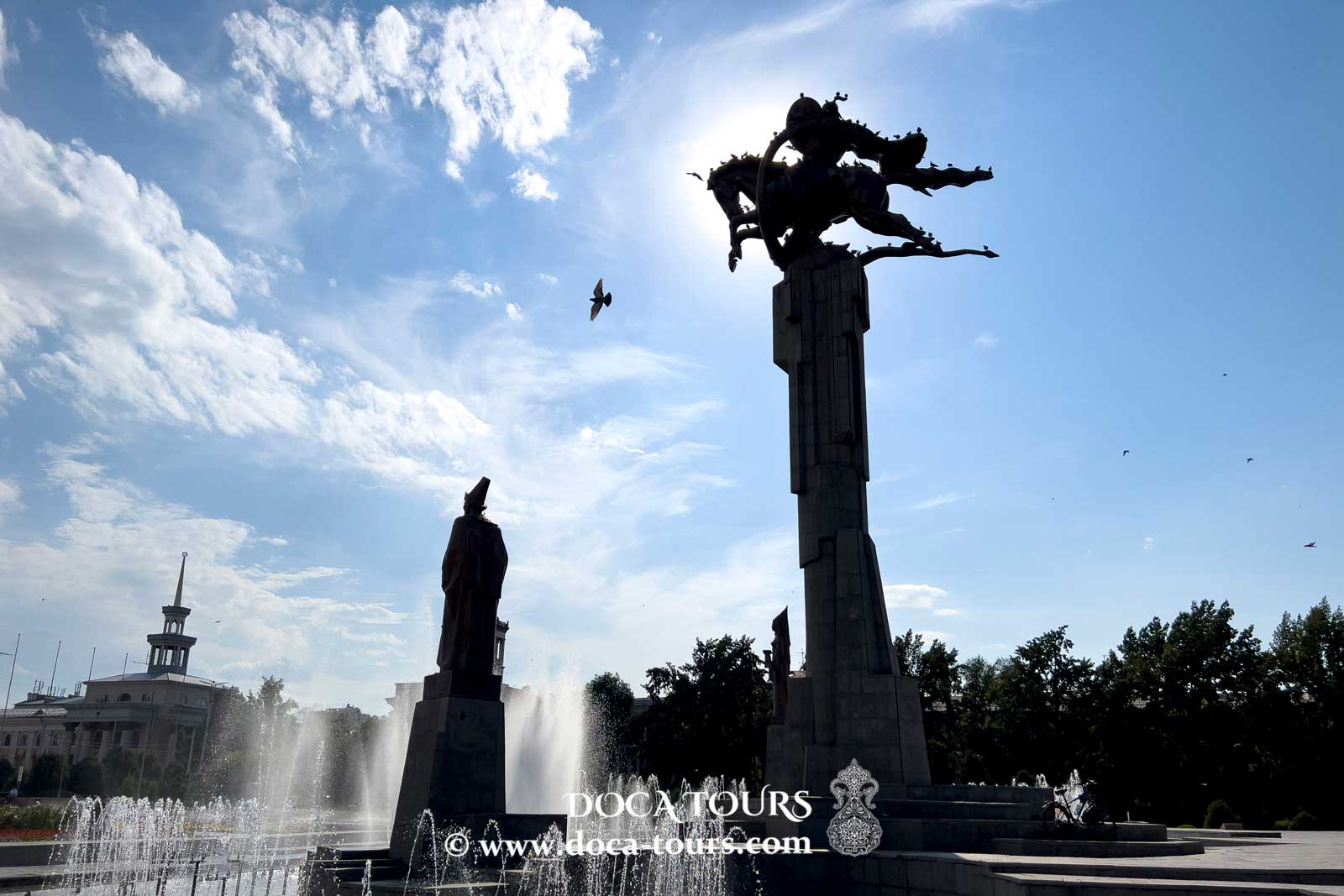
In Kyrgyzstan, the routes around Song-Kul and the Tian Shan lakes trade tarmac for horse tracks and jailoo pastures, and they combine well with the historical cities to the south for a trip that balances mountains and monuments.
In Uzbekistan, the desert approaches to Bukhara and the old fortresses of Khorezm put distance between you and the main sightseeing crowds without adding much difficulty, which makes them a good bridge between the active and cultural halves of a trip.
Fitness levels and preparation for active itineraries
Most Silk Road adventure departures are graded moderate, not expedition. That means long days on your feet rather than technical climbing. A useful self-test: if you can walk for four to six hours on uneven ground, manage a few hundred metres of ascent and handle a full day without a problem, you are ready for the typical route.
Preparation does not need to be elaborate. A few weeks of regular hill walking, some stair work and a couple of longer weekend hikes will cover the physical side. The one factor that catches people out is altitude. On high routes such as the Pamirs, the thin air matters more than raw fitness, so sensible itineraries build in acclimatisation days and climb gradually rather than racing to the top.
Pack for range. A single day can start in desert heat and end on a cold pass, so layers, broken-in boots and sun protection do more for you than any single piece of expensive kit. If you are unsure whether a route suits you, a good operator will tell you honestly before you book.
Balancing adventure days with cultural highlights
The mistake that ruins active trips is stacking every hard day in a row. A well-built itinerary alternates effort with recovery, and recovery on the Silk Road happens to be some of the finest sightseeing on earth.
A typical pattern runs like this: a trekking or riding day, then a travel-and-culture day in Bukhara or Samarkand where your legs rest while your eyes work. That rhythm keeps energy high and means you reach the headline monuments with attention to spare rather than exhausted. It also lets the trip tell a story, moving between the landscapes the traders crossed and the cities they were crossing them to reach.
The cultural days are not filler. The madrasahs of Samarkand, the covered bazaars of Bukhara and the walled city of Khiva are the reason the Silk Road has a name, and seeing them after a hard mountain day gives them extra weight. The best trips treat the balance as the point, not a compromise.
Why group adventure departures work along the Silk Road
Independent adventure travel across Central Asia is possible, but it is expensive and awkward in exactly the places that make the trip worth taking. Remote regions need permits. High routes need 4×4 vehicles and drivers who know them. Good mountain guides are not cheap to hire for one or two people.
Group departures solve this by sharing the fixed costs. The permit, the vehicle, the guide and the cook are the same price whether one traveller or twelve use them, so a group of strangers who want the same trip ends up paying a fraction of what a solo traveller would. This is the core reason Silk Road group tours dominate the active end of the market.
There is a social side too. Adventure days are more fun with people who chose the same effort you did, and evenings in a yurt camp are better shared. If a sociable format appeals, our overview of Silk Road small group tours explains how the group size changes the experience. Doca Tours runs scheduled adventure departures across all five Stans, so you can pick a fixed date, join a small group and leave the permits, vehicles and route planning to the operator.
If you are ready to act, the next step is simple: pick the countries you want and a departure window between late June and early September for the high mountain routes, then send your dates to Doca Tours and ask which graded departures still have space. That one message turns a comparison into a booked trip.
Frequently asked questions
What is the difference between a Silk Road adventure tour and a classic Silk Road tour?
A classic tour is built around city sightseeing and museums with comfortable transport between sites. An adventure tour keeps the cultural highlights but adds active days such as mountain trekking, horse riding or crossing high passes, usually with some nights in camps or yurts.
How fit do I need to be for an active Central Asia itinerary?
Most group adventure departures are graded moderate. If you can walk for four to six hours on uneven ground and climb stairs without trouble, a few weeks of regular hill walking beforehand will prepare you for the typical route.
Which countries are best for the adventure part of a Silk Road trip?
Kyrgyzstan and Tajikistan offer the mountains, high passes and horse riding, while Uzbekistan offers desert camps and the historic Silk Road cities. Many trips combine two or three countries to get both.
Why join a group adventure departure instead of traveling independently?
Groups share the cost of guides, 4×4 vehicles and remote-area permits, which makes active travel in the Pamirs or Tian Shan far more affordable. You also travel with people who want the same mix of effort and reward.
When is the best time for an active Silk Road trip?
Late June to early September is the reliable window for high mountain travel, when passes such as Ak-Baital are clear of snow. Spring and autumn suit the lower desert and city routes.