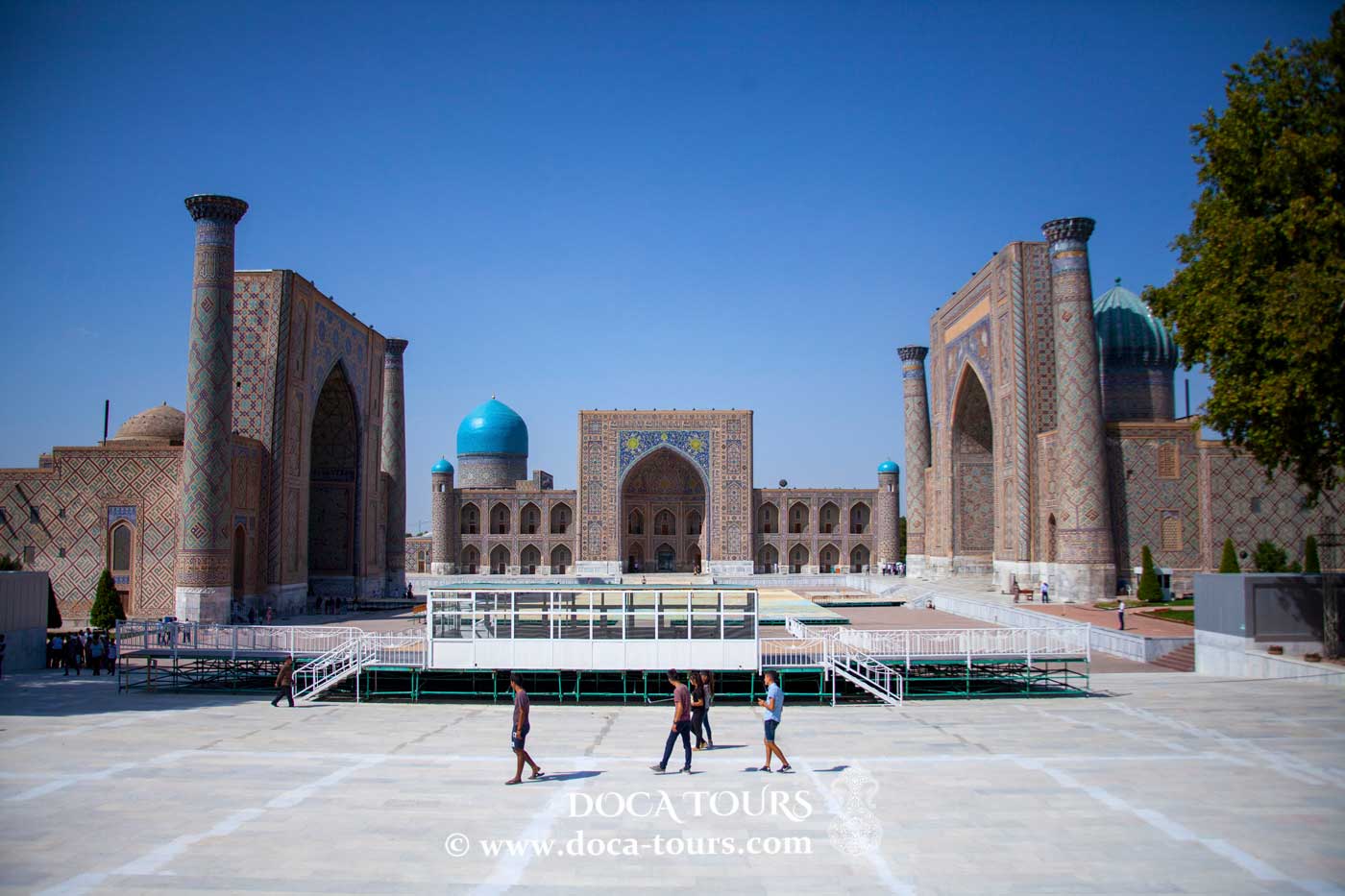
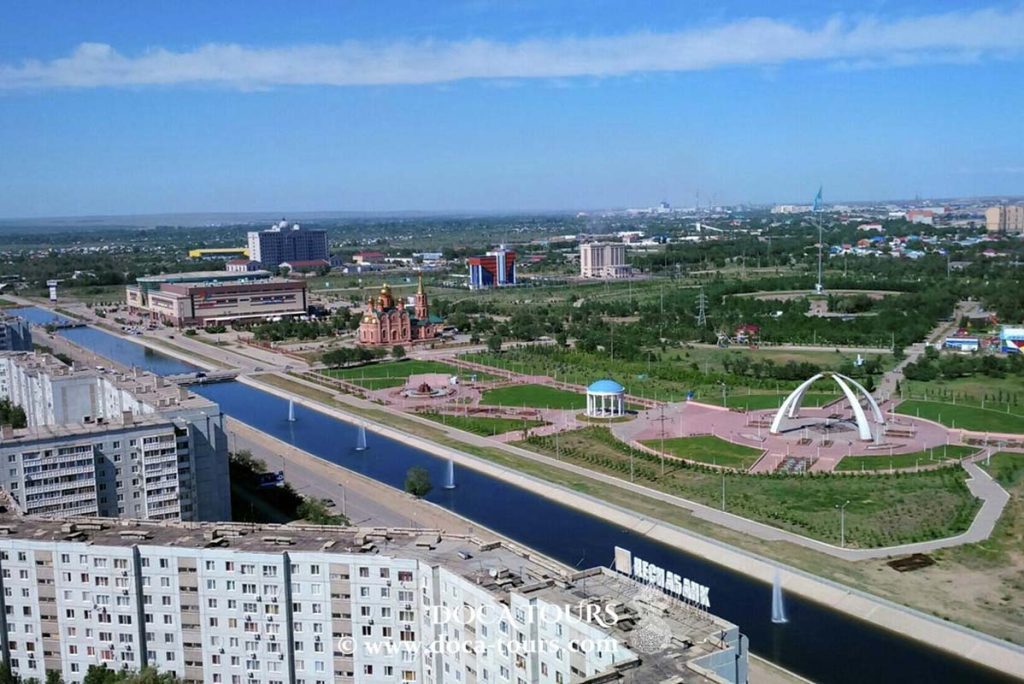
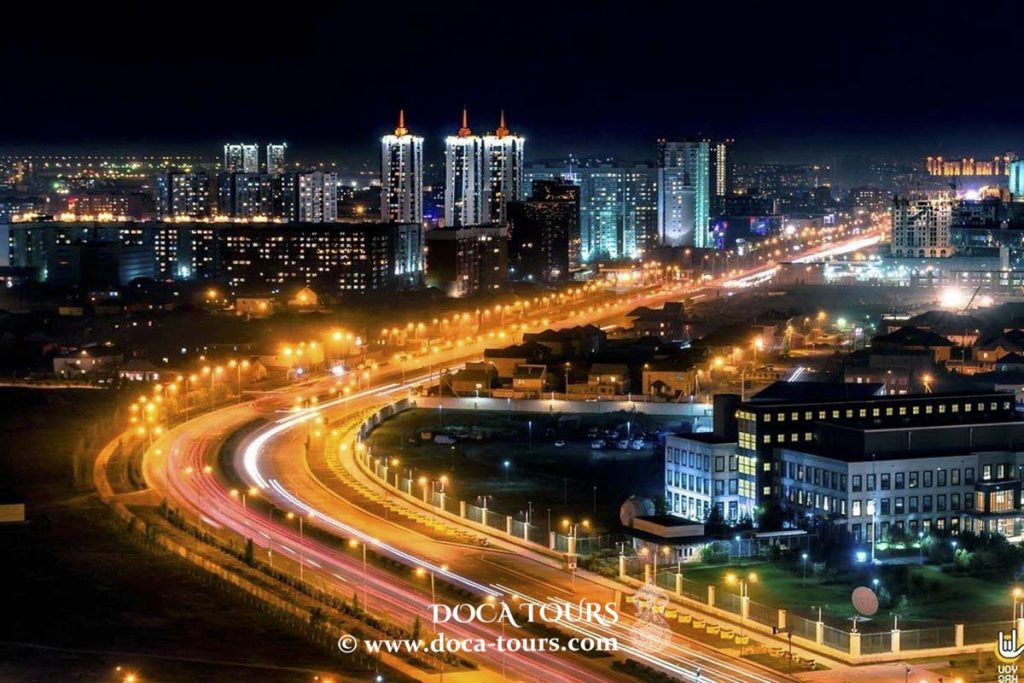
Aktobe is a major city in western Kazakhstan, located near the confluence of the Ilek and Kargala rivers. It is the administrative center of Aktobe Region and an important industrial, transport, educational, and cultural hub. The city was founded in 1869 and was known as Aktyubinsk until 1999.
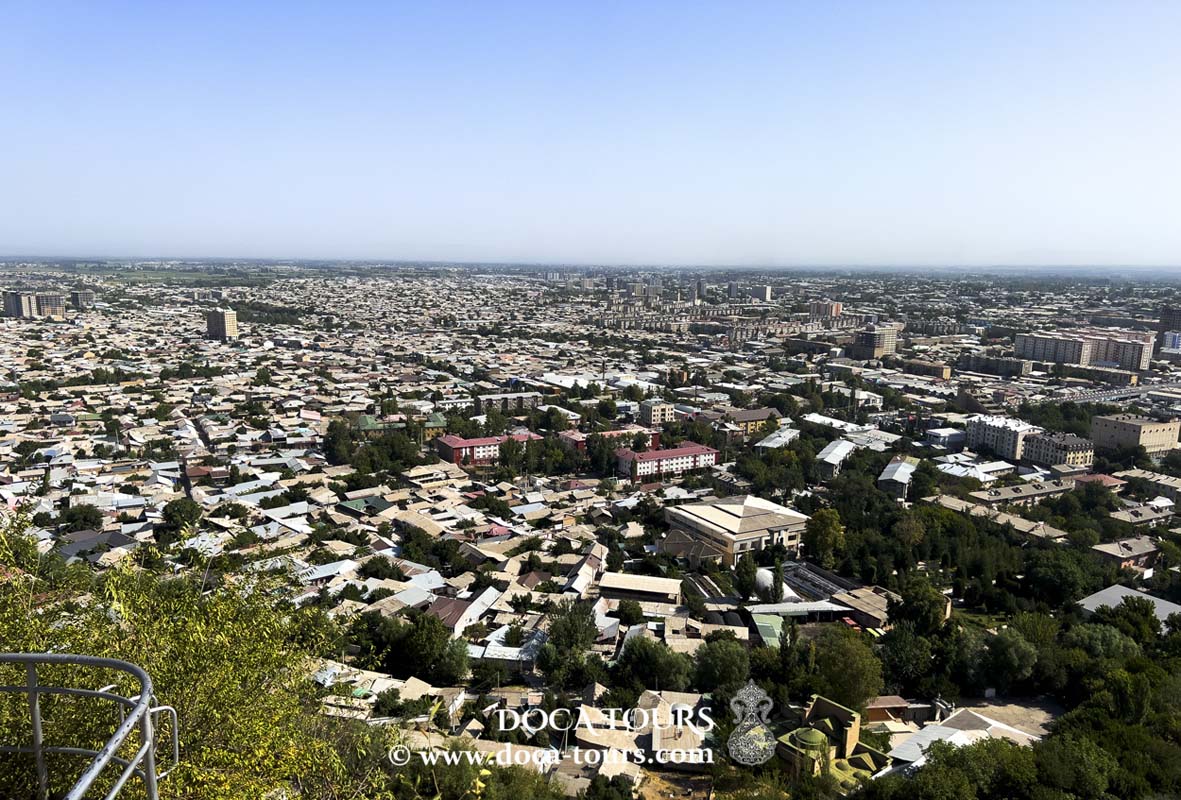
Aktobe is one of the largest cities in western Kazakhstan. According to the city's general plan, its population was approximately 584,700 at the beginning of 2025. The surrounding region is known for its expansive steppe landscapes, mineral resources, and connections between western Kazakhstan and other parts of the country.
For official information about the city, visit the Akimat of Aktobe city. For more destinations and travel ideas, explore the Kazakhstan destination guide by DOCA TOURS.

The name Aktobe comes from the Kazakh words aq, meaning “white,” and töbe, meaning “hill.” The name refers to the elevated terrain where the original settlement was established in the 19th century. The city was officially called Aktubinsk or Aktyubinsk before adopting the name Aktobe in 1999.
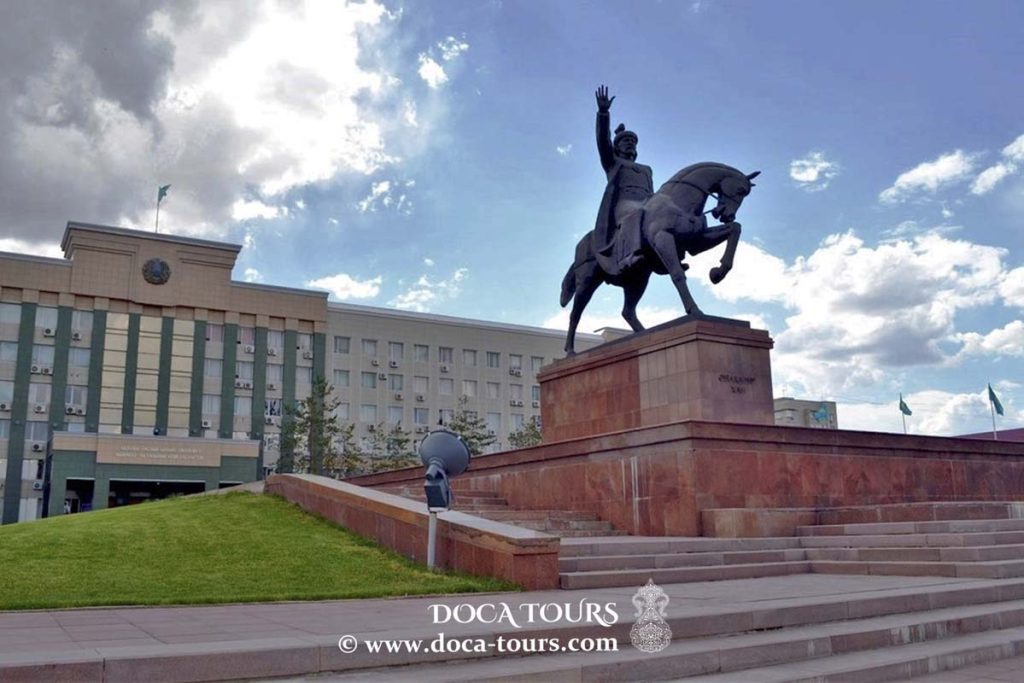
The territory of present-day Aktobe Region has been influenced by many Central Asian cultures, political powers, and migration routes. The area played a role in the history of the Kazakh Little Horde. Eset Batyr, a Kazakh military leader associated with campaigns against the Dzungars, is commemorated in the region; his mausoleum is located south of Aktobe. Abulkhair Khan (1693–1748) was also associated with this part of the Kazakh steppe.
In March 1869, a Russian military fort was established near the confluence of the Kargala and Ilek rivers along a route connecting Orenburg with the Kazakh steppe. The settlement that developed around the fort became the foundation of modern Aktobe. Over time, agricultural settlement, trade, and administrative activity contributed to the town's growth.
In 1874, the fort was expanded and streets began to develop beyond its gates. In 1891, the settlement received the status of a county town and became known as Aktubinsk. Its position along regional transport routes helped it develop into an important settlement in western Kazakhstan.

At the turn of the 19th and 20th centuries, Aktobe expanded rapidly. Historical accounts record growth in its population and the development of public facilities, including religious buildings, schools, medical services, a post office, and commercial businesses. The extension of the Trans-Aral Railway through the city in 1901 strengthened its role in regional transport and trade.
In the early 20th century, industrial activity increased, with facilities such as an electric plant and a brick factory contributing to the local economy. The city also experienced political unrest during the Russian Revolution of 1905 and the revolutionary period of 1917–1918. These events formed part of the wider political changes affecting the Russian Empire and Central Asia.
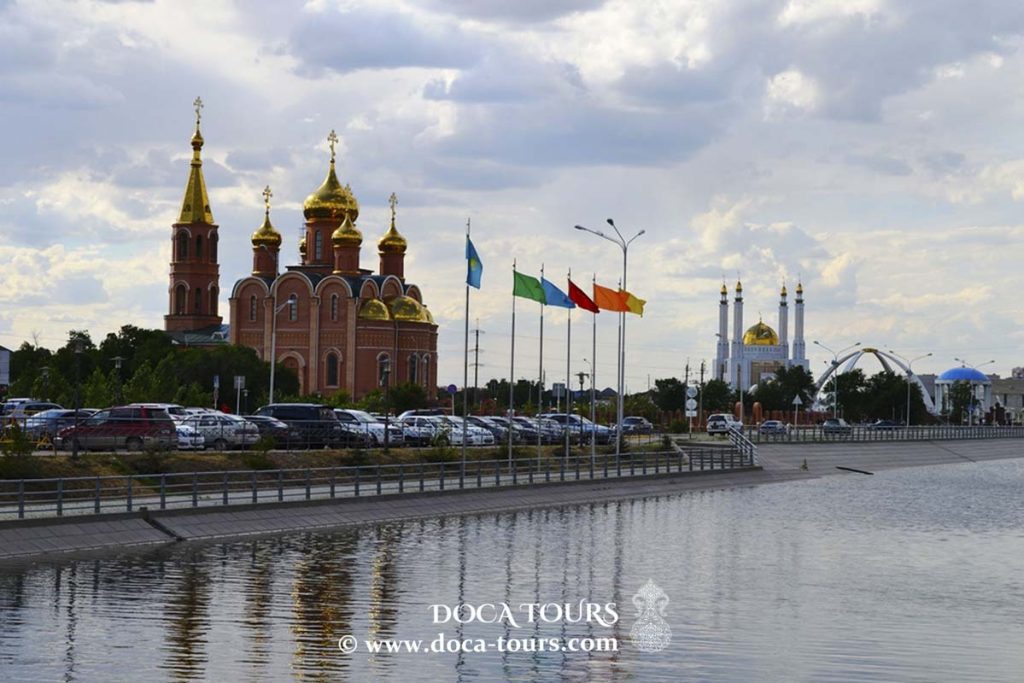
Aktobe Region is located in western Kazakhstan and is one of the country's largest regions by area. The city of Aktobe lies in the northern part of the region, near the confluence of the Kargala and Ilek rivers. It is connected by road and rail to other parts of Kazakhstan and to nearby areas of Russia.
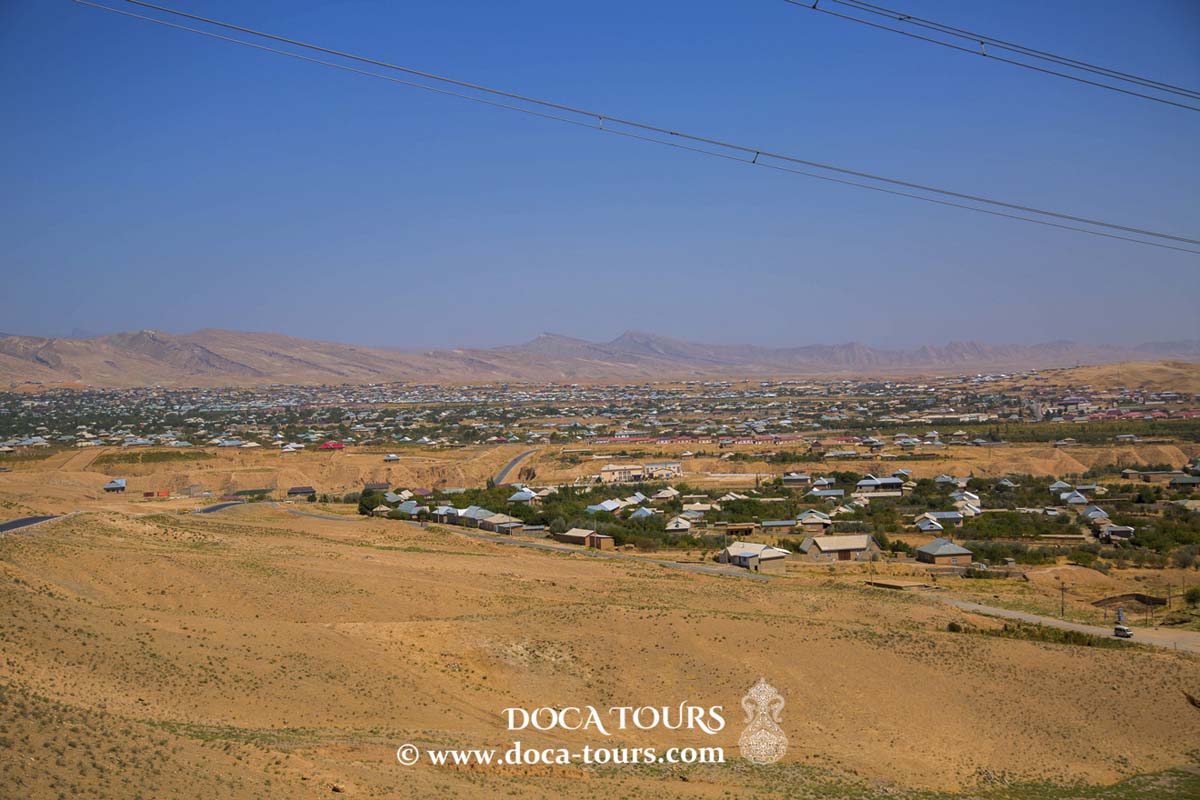
The surrounding landscape is characterized largely by open steppe and gently rolling terrain. The wider region also includes low hills, river valleys, and areas that become increasingly arid toward the south. The Emba and Ural rivers are among the important rivers of the broader region, while several reservoirs near Aktobe support local water needs and recreation.
The geography of western Kazakhstan makes Aktobe a useful point of reference for travelers interested in the country's steppe landscapes and regional history. More destinations across the country are listed in the DOCA TOURS Kazakhstan guide.
Aktobe has a strongly continental climate, with cold winters and hot summers. Seasonal temperature differences can be substantial, and winter weather may include frost, snow, and strong winds. Summers are generally warm to hot and often dry.
Spring and autumn can bring rapidly changing weather conditions. Wind is a characteristic feature of the region, particularly during transitional seasons. Visitors planning a trip should check the forecast before departure and choose clothing suitable for the season.
Precipitation is relatively limited compared with many more humid regions. The city's inland position, far from the moderating influence of oceans, contributes to its marked seasonal contrasts.
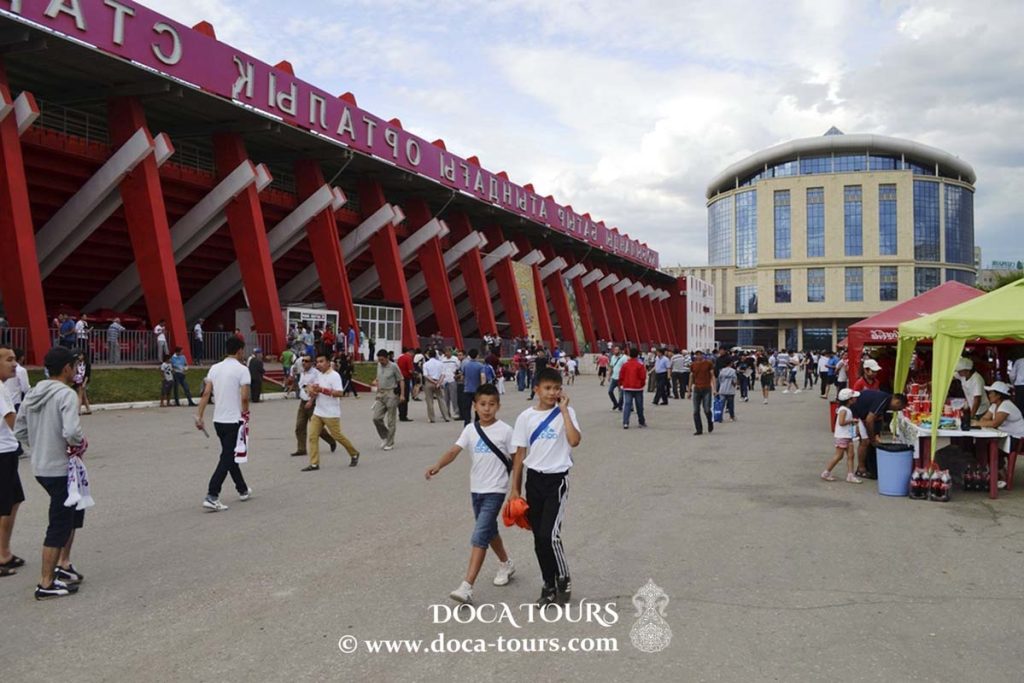
Aktobe is an important industrial center in Kazakhstan. Its economy is closely connected to the mineral resources of the wider region, particularly chromite deposits. Industrial activity includes ferroalloy production, chemical manufacturing, engineering, food processing, and other forms of manufacturing.
The development of industry accelerated during the 20th century. The Aktobe Ferroalloy Plant, which began operating in 1943, became an important enterprise in Kazakhstan's metallurgical sector. Industrial facilities have contributed to the city's employment, infrastructure, and economic development.
The city's manufacturing sector includes metallurgy, chemical production, food processing, and the production of industrial equipment. Aktobe's role as a regional center is supported by its transport links and access to resources from across western Kazakhstan.
For current regional economic and industrial information, consult the official Aktobe Region investment information portal.
Aktobe is the administrative center of a region with a diverse economy that includes manufacturing, mining, agriculture, transport, and services. The regional economy is influenced by the extraction and processing of mineral resources, as well as by oil and gas activity in western Kazakhstan.
Food production and other consumer industries also contribute to the city's economy. As in other regional centers, the service sector includes retail, education, healthcare, transport, and public administration.
Aktobe is an educational center for western Kazakhstan. Higher education institutions in the city include K. Zhubanov Aktobe Regional University and Marat Ospanov West Kazakhstan Medical University. These institutions provide education and professional training in a range of academic and technical fields.
The city also has a history of aviation education. Its military aviation school trained pilots during the Soviet period and became part of the city's educational and institutional history. Schools, colleges, and universities continue to serve students from Aktobe and surrounding districts.
Aktobe has museums and cultural institutions that document the history, traditions, and development of the city and its region. The Aktobe Regional Museum of History and Local Lore presents exhibits related to local history, archaeology, nature, and cultural heritage.
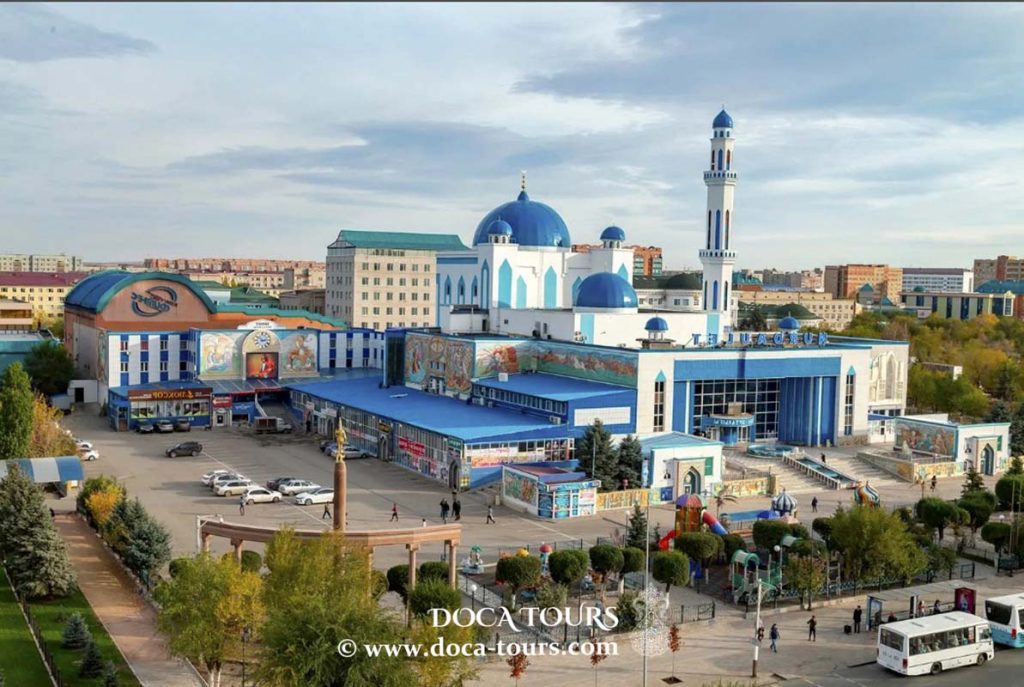
The city also commemorates Aliya Moldagulova, a Kazakh heroine of the Second World War. A memorial complex and museum dedicated to her life form part of Aktobe's commemorative landscape. Religious and cultural buildings, including Nur Gasyr Mosque, are also notable features of the city.
Visitors interested in local history can combine museum visits with walks through public spaces and central streets to learn more about Aktobe's development and contemporary life.
Aktobe has public parks and green spaces used for walking, recreation, and family activities. Pushkin Park and the First President's Park are among the city's recreational areas. Their facilities and attractions may change as parks are renovated and urban development continues.
Entertainment centers and shopping complexes provide additional indoor activities, particularly for families. Sports grounds, playgrounds, and public recreation areas contribute to the city's everyday leisure options.
When planning a visit, travelers should check current opening hours and local information for individual parks and entertainment facilities, as attractions and services can change over time.
The Aktobe Planetarium is a distinctive educational institution in the city. It has introduced generations of visitors to astronomy and space science through presentations, lectures, and planetarium shows. Its history reflects the importance of science education and public learning in Aktobe.
The planetarium's domed hall has been used to present astronomical phenomena and explain topics related to the Solar System and the wider universe. Programs and visiting arrangements may vary, so visitors should check current local information before planning a visit.
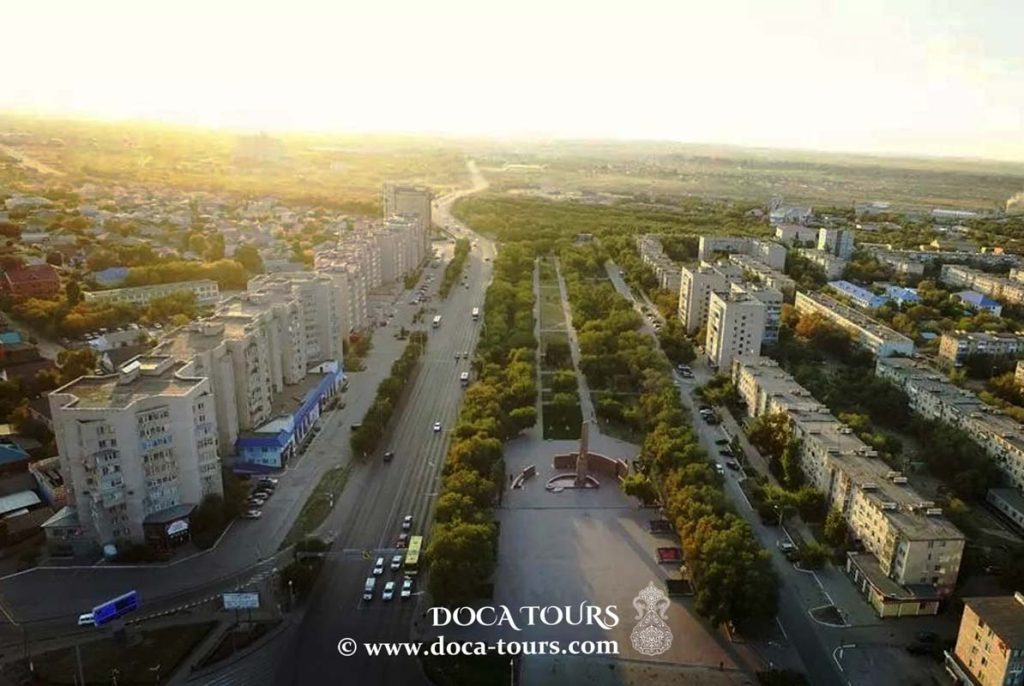
Aktobe is an important transport hub in western Kazakhstan. Railway connections link the city with destinations within Kazakhstan and with selected international routes. Domestic rail services and road connections support travel between Aktobe and other major urban centers.
Aktobe Airport serves the city and surrounding region. Flight routes and schedules can change according to the season and airline operations, so travelers should confirm current services when booking their journey.
Bus services connect Aktobe with settlements in the region and other destinations. For visitors traveling across Kazakhstan, it is advisable to compare current rail, air, and road options before choosing a route.
The wider Aktobe Region is associated with oil and gas production, as well as pipelines that connect energy-producing areas with domestic and international markets. These industries form part of the region's economic infrastructure.
Oil and gas development in western Kazakhstan has involved both domestic and international companies. Pipeline networks in the region support the transportation of crude oil and natural gas, linking production areas with refineries and broader distribution systems.
Aktobe's industrial development and regional transport links have helped establish the city as an important center in western Kazakhstan. For official regional information, consult the Akimat of Aktobe city and the Aktobe Region investment portal.
Aktobe is one of the cities listed in the Kazakhstan destination information on the DOCA TOURS website. Travelers interested in exploring the country can discover additional destinations, cultural landmarks, and travel experiences through our Kazakhstan destination page.
DOCA TOURS offers travel planning across Central Asia, including cultural and historical journeys in Kazakhstan and neighboring countries. Visit DOCA TOURS to explore available tours and destinations.