






































Key takeaways
- Uzbekistan ranks 27th out of 198 countries in CEOWORLD Magazine’s 2027 analysis, placing first among Central Asian nations and inside the “very high safety” tier.
- The ranking combines four published indicators: government travel advisories (35%), the Global Peace Index 2026 (30%), Numbeo’s mid-2026 Safety Index (20%), and UNODC intentional homicide rates (15%).
- All five Central Asian states appear in the top two tiers, with Uzbekistan in “very high safety” and Kazakhstan, Turkmenistan, Kyrgyzstan, and Tajikistan in “high safety.”
- Travel advisories carry the heaviest weight and can shift quickly, while crime perceptions and homicide rates capture different dimensions of day-to-day risk.
- Checking official advisories at booking and before departure, alongside travel insurance terms, helps travelers plan with clear expectations.
Travel Safety in Uzbekistan: 2027 Ranking, Methodology, and Practical Context
Planning a journey to Central Asia naturally raises questions about security, stability, and what conditions look like on the ground. Travel safety in Uzbekistan draws strong international attention in CEOWORLD Magazine’s 2027 assessment of 198 countries and territories, where Uzbekistan places 27th overall—the highest position in Central Asia. For visitors looking beyond headlines, understanding how these rankings are compiled and how different safety metrics behave helps put numbers into realistic perspective.

How the 2027 Safety Ranking Is Calculated
Government travel advisories (35%): Drawn from the US Department of State and the Government of Canada as read in November 2026, carrying the largest share because they are written for travelers and updated as conditions change
Global Peace Index 2026 (30%): Compiled by the Institute for Economics & Peace, capturing conflict and militarization
Numbeo mid-2026 Safety Index (20%): Based on survey perceptions of how safe residents feel from crime where they live
Intentional homicide rate (15%): Compiled by the UN Office on Drugs and Crime to measure serious violent crime
In the overall distribution, 34 countries score 80 or higher and fall into the “very high safety” group, while 24 score below 35. Singapore leads the table at 89.72, followed by Japan (88.91), Iceland (88.73), Slovenia (88.63), and Switzerland (88.47), with fewer than two points separating the top five.

Uzbekistan and Central Asia in the 2027 Assessment
Among Central Asian countries, Uzbekistan holds the top spot at 27th and is the only nation in the region placed in the “very high safety” tier. The other four countries in Central Asia—Kazakhstan, Turkmenistan, Kyrgyzstan, and Tajikistan—are grouped in the “high safety” tier.
Regional Standing and Global Comparisons
Broader comparisons in the same dataset highlight how different indicators shape outcomes worldwide. Europe accounts for 23 of the 34 countries in the top tier, and several Central European nations rank ahead of major Western European economies, including Czechia (6th), Poland (11th), Croatia (12th), and Hungary (13th). Outside Europe and East Asia, Uzbekistan (27th) and Malaysia (28th) sit just ahead of Australia (29th), Canada (34th), and Vietnam (35th), and above large Western economies such as Germany (67th), Italy (71st), the United Kingdom (76th), the United States (87th), and France (105th).
Why Advisories and Crime Data Can Diverge
The report underscores that a single composite score blends distinct risks that do not always move together. In the Gulf, low crime rates and low homicide figures—well under one per 100,000 in countries such as the UAE, Qatar, and Oman—are offset in the scoring by US Level 3 (“Reconsider travel”) advisories dated October 23, 2026, and Canadian restrictions on several states in the region, creating what CEOWORLD calls an “advisory gap.” Conversely, a low advisory tier does not always mean low violent crime: in the eastern Caribbean, Saint Kitts and Nevis, Saint Lucia, and Saint Vincent and the Grenadines carry low warning levels from Washington and Ottawa alongside 2024 homicide rates between 40.6 and 59.8 per 100,000.
Practical Tips for Travelers Heading to Uzbekistan
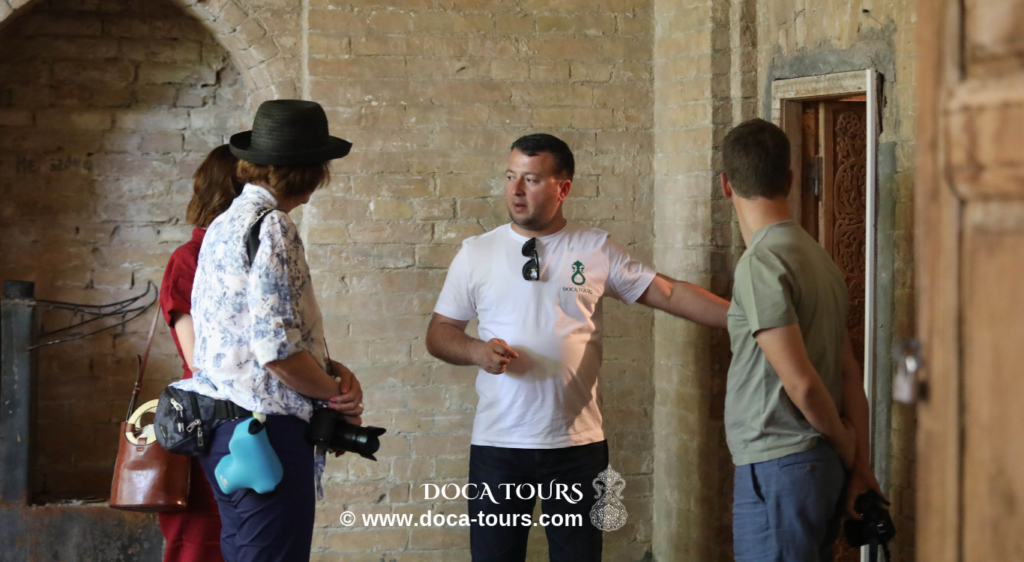
Because travel advisories carry a 35% weight and can change rapidly compared with slower-moving crime statistics, informed preparation remains essential whether you are visiting Samarkand, Tashkent, or other Silk Road stops.
Verify advisories twice: check official government travel advisories when booking your trip and again shortly before departure, since ratings can shift on short notice.
Review insurance terms: Confirm how your travel insurance policy applies if a destination is subject to heightened advisory levels.
Separate data types in planning: Look at both advisory notices and crime or peace indicators rather than relying on a single overall figure.
Plan budget and packing thoughtfully: Keep your trip logistics organized alongside guidance on Central Asia travel costs and what to pack for Central Asia.
Frequently Asked Questions (FAQ) About Travel Safety in Uzbekistan
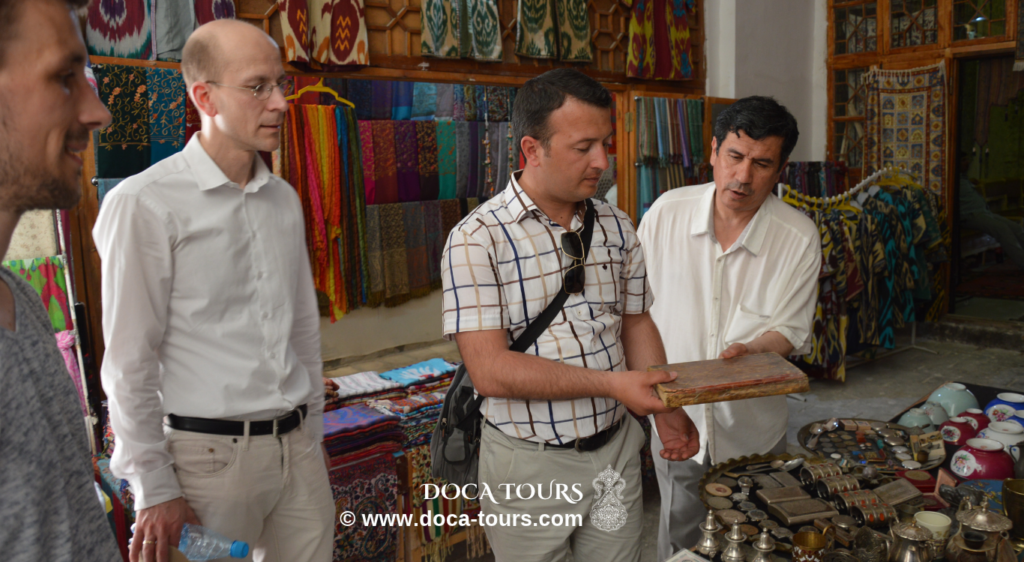
How does travel safety in Uzbekistan compare in the 2027 CEOWORLD ranking? Uzbekistan ranks 27th out of 198 countries and territories, placing highest among Central Asian nations and within the “very high safety” category.
Which factors determine a country’s score in this ranking? The score combines US and Canadian government travel advisories (35%), the 2026 Global Peace Index (30%), Numbeo’s mid-2026 Safety Index (20%), and UNODC intentional homicide rates (15%).
How do other Central Asian countries rank in the same study? Kazakhstan, Turkmenistan, Kyrgyzstan, and Tajikistan are listed in the “high safety” category, whereas Uzbekistan is placed in the “very high safety” tier.
Why should travelers check advisories both at booking and before departure? Because advisories account for 35% of the score and can change quickly, checking them at booking and again before departure helps ensure your plans and insurance coverage stay up to date.
Plan Your Private Journey: Planning a trip through Uzbekistan or across Central Asia? As a family-run Destination Management Company based in Samarkand, DOCA TOURS helps travelers organize tailored routes along the Silk Road. Get in touch with us to discuss your travel plans.