
























Key takeaways
- The best Tajikistan tours pair the high Pamir Highway with the Wakhan Valley, Iskanderkul and a day or two in Dushanbe.
- Tajik National Park, the Mountains of the Pamirs, became a UNESCO World Heritage Site in 2013 and covers more than 2.6 million hectares.
- June to September is the practical travel window; most of the Pamir route sits above 3,000 metres, so acclimatisation matters.
- A GBAO permit is required to enter the Pamir region, and Pamiri homestays are the heart of the experience.
- Tajikistan links overland with Kyrgyzstan and Uzbekistan, so many travellers combine it into one longer Central Asia trip.
Most Tajikistan tours run from June to September, cross the Pamir Highway through some of the highest road country on Earth, and require a GBAO permit for the Pamir region. You get raw mountain wilderness, Silk Road history and warm Pamiri hospitality in one trip. This guide covers the highlights, the best seasons, how to handle the altitude, and how to fit Tajikistan into a longer Central Asia journey.
Tajikistan is the wildest of the five Stans. Mountains cover the overwhelming majority of the country, and much of it sits above 3,000 metres. That geography keeps the crowds away and makes every drive feel like an expedition.
Why Tajikistan Is Central Asia's Wildest Destination
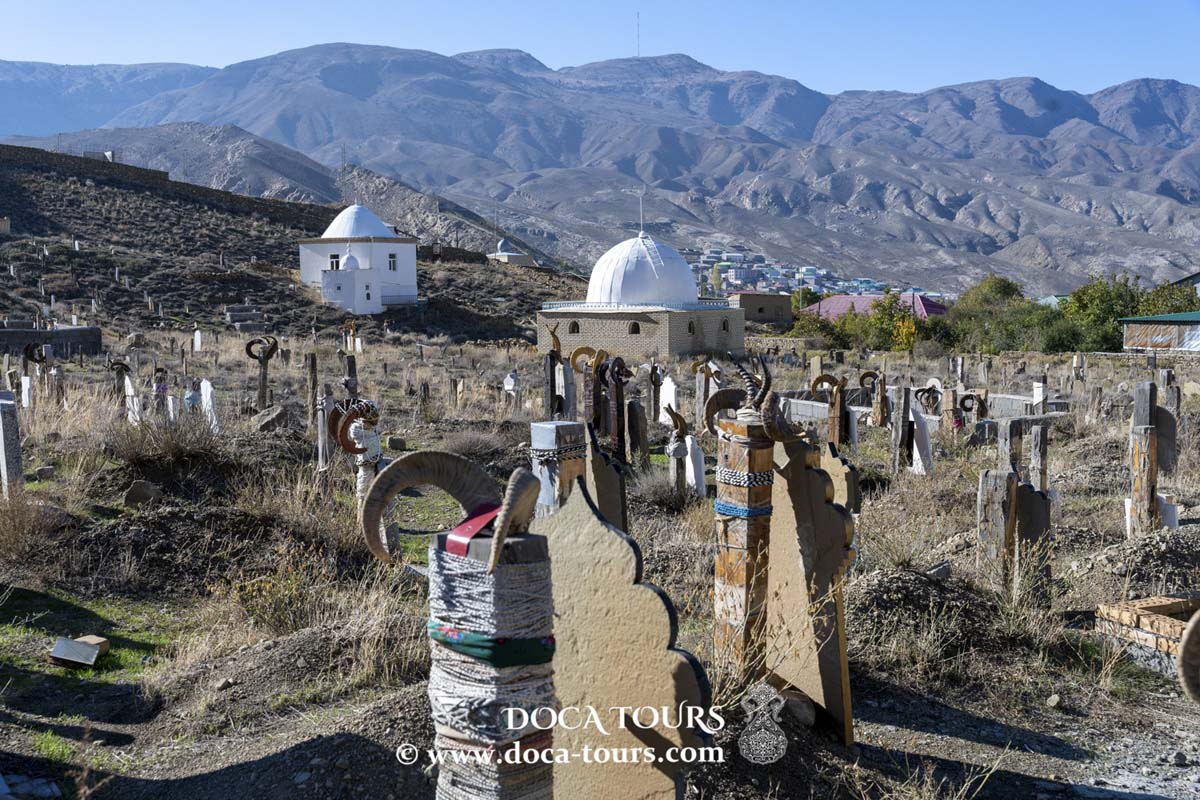
Tajikistan is the most mountainous country in Central Asia, and that single fact shapes everything about a trip here. Its showpiece, Tajik National Park, the Mountains of the Pamirs, was inscribed as a UNESCO World Heritage Site in 2013 and spans more than 2.6 million hectares of peaks, glaciers and high lakes (UNESCO World Heritage Centre). This is empty, vertical country where roads thread between summits.
The scale is hard to picture until you are in it. The park alone holds hundreds of lakes and over a thousand glaciers, including one of the longest valley glaciers outside the polar regions. Peaks here climb past 7,000 metres. For travellers, this means thin air, enormous horizons and villages that have kept their own languages and customs for centuries.
Because tourism infrastructure is light, Tajikistan rewards people who come for landscape and culture rather than comfort. If you have done the polished city circuits of Uzbekistan and want something rougher, this is the next step.
Highlights: The Pamir Highway, Wakhan Valley and Iskanderkul
The three signature experiences on most Tajikistan tours are the Pamir Highway, the Wakhan Valley and Iskanderkul lake. Together they cover high-altitude driving, Silk Road history and a classic alpine day trip, which is why strong itineraries try to include all three.
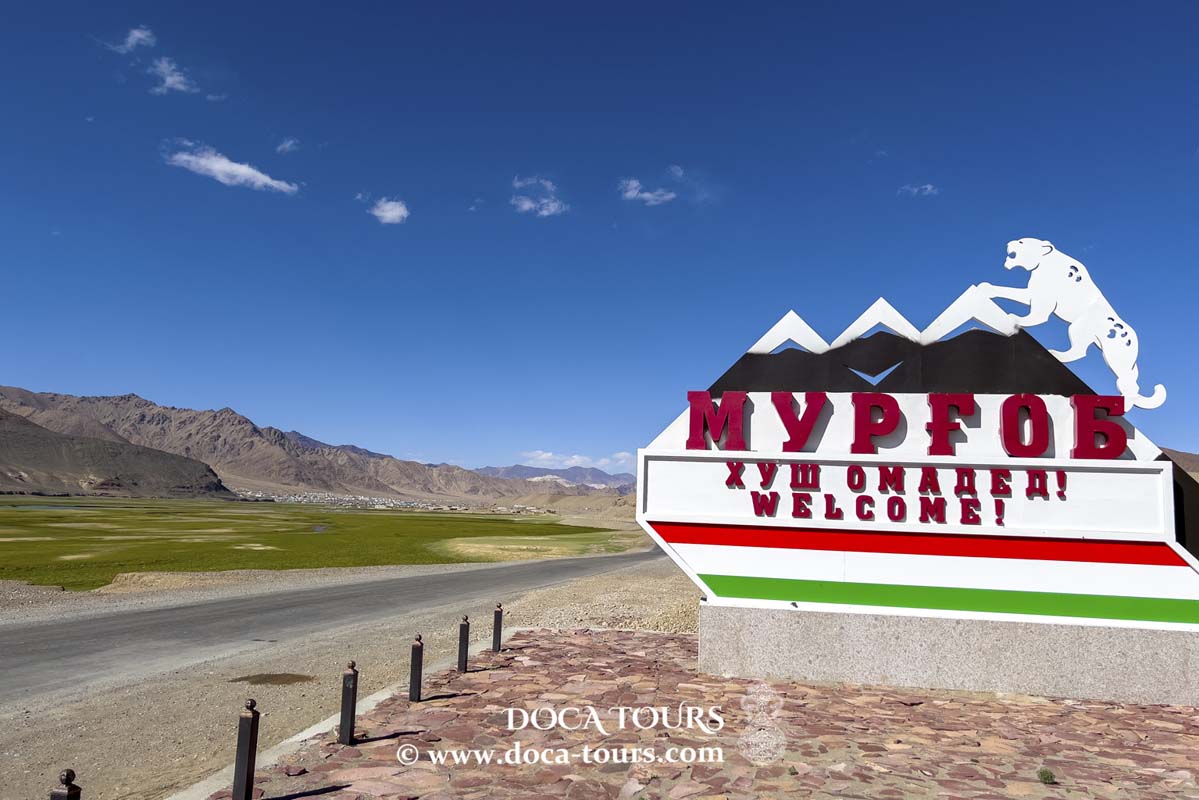
The Pamir Highway, officially the M41, is the backbone of any Pamir trip. It crosses a string of passes above 4,000 metres, topping out at the Ak-Baital Pass near 4,655 metres. The road is rough and the days are long, but the payoff is a plateau that locals call the Roof of the World.
The Wakhan Valley branches south toward the Afghan border, following the Panj River. Here you find hot springs, old fortresses and Buddhist-era ruins, with the Hindu Kush rising across the water. It is one of the richest cultural corridors on the Silk Road.
Iskanderkul sits closer to Dushanbe in the Fann Mountains. This turquoise lake, tied by legend to Alexander the Great, makes an accessible high-mountain day trip for travellers who cannot spare a week for the full Pamir loop.
Dushanbe and the Cultural Sights Along the Way
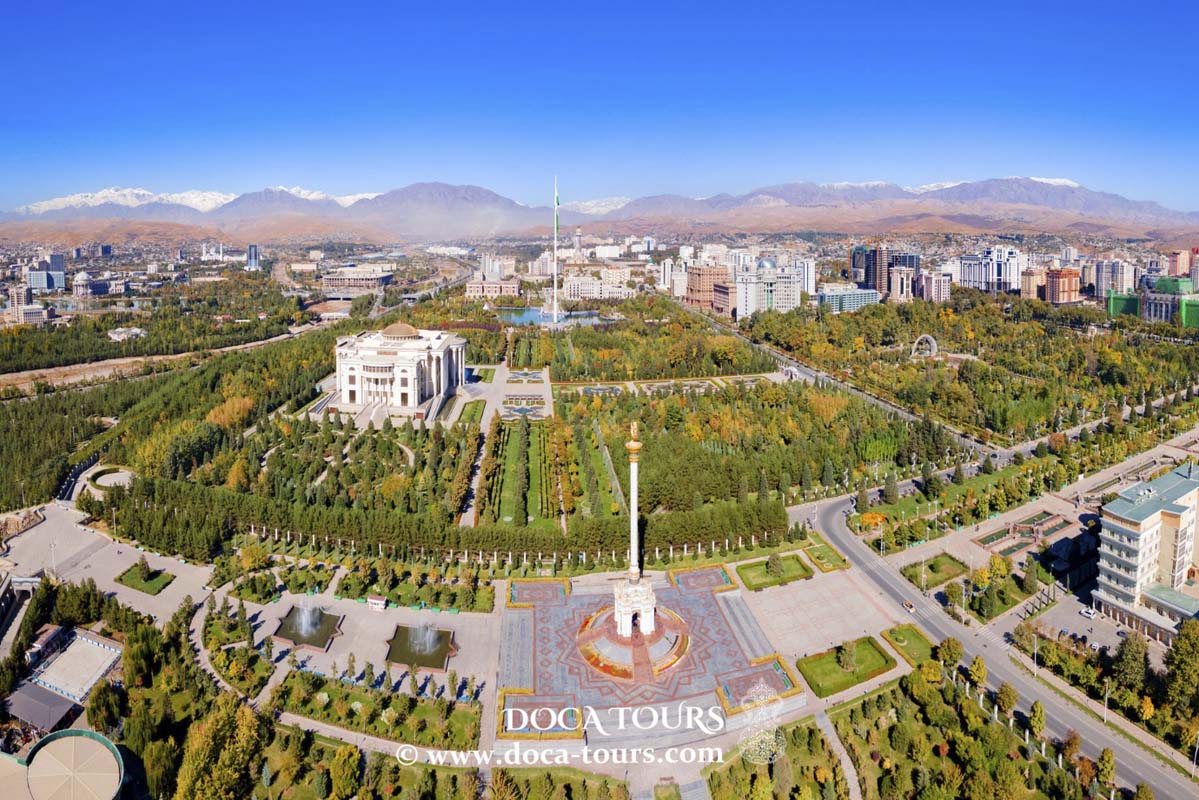
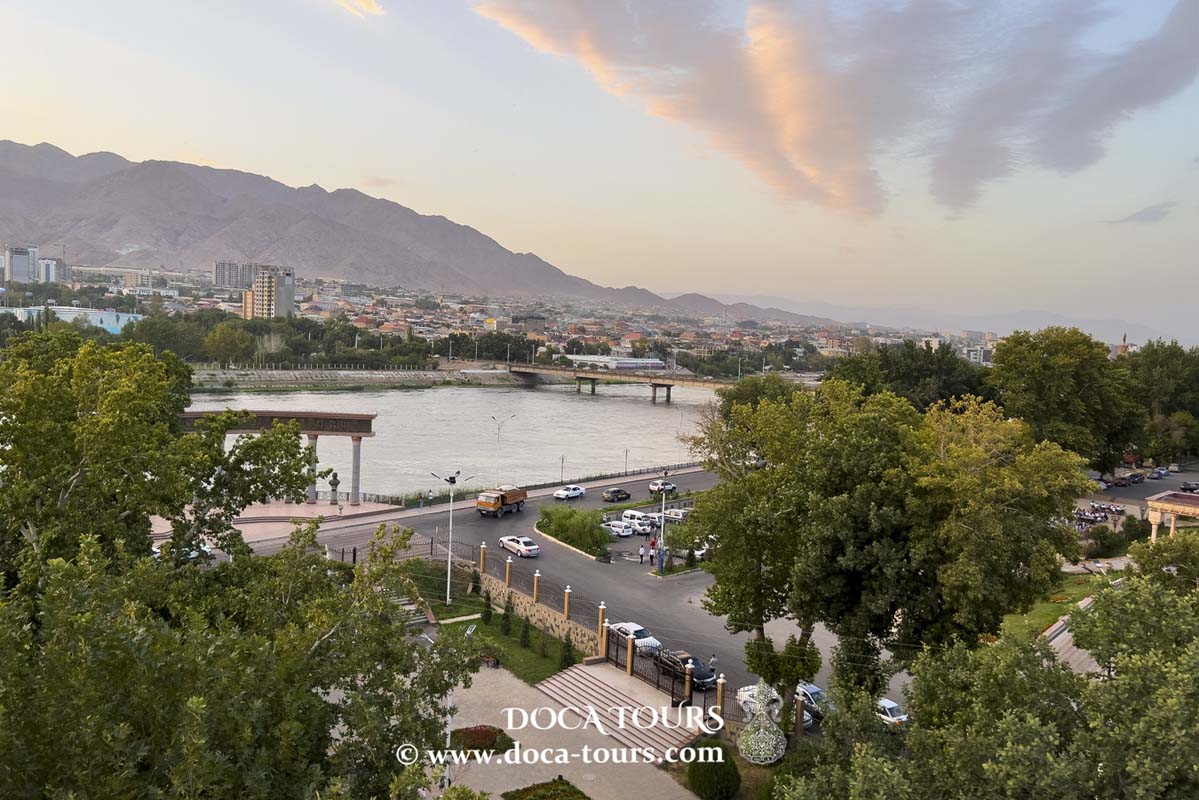
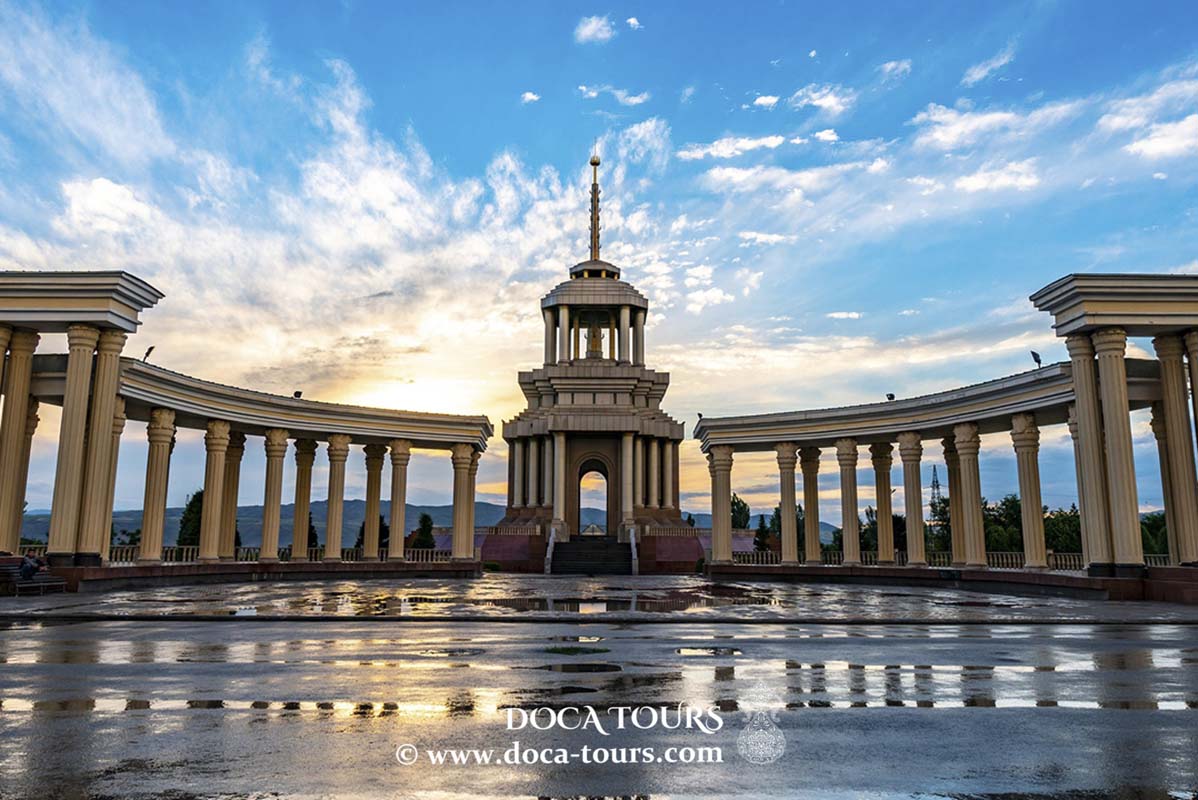
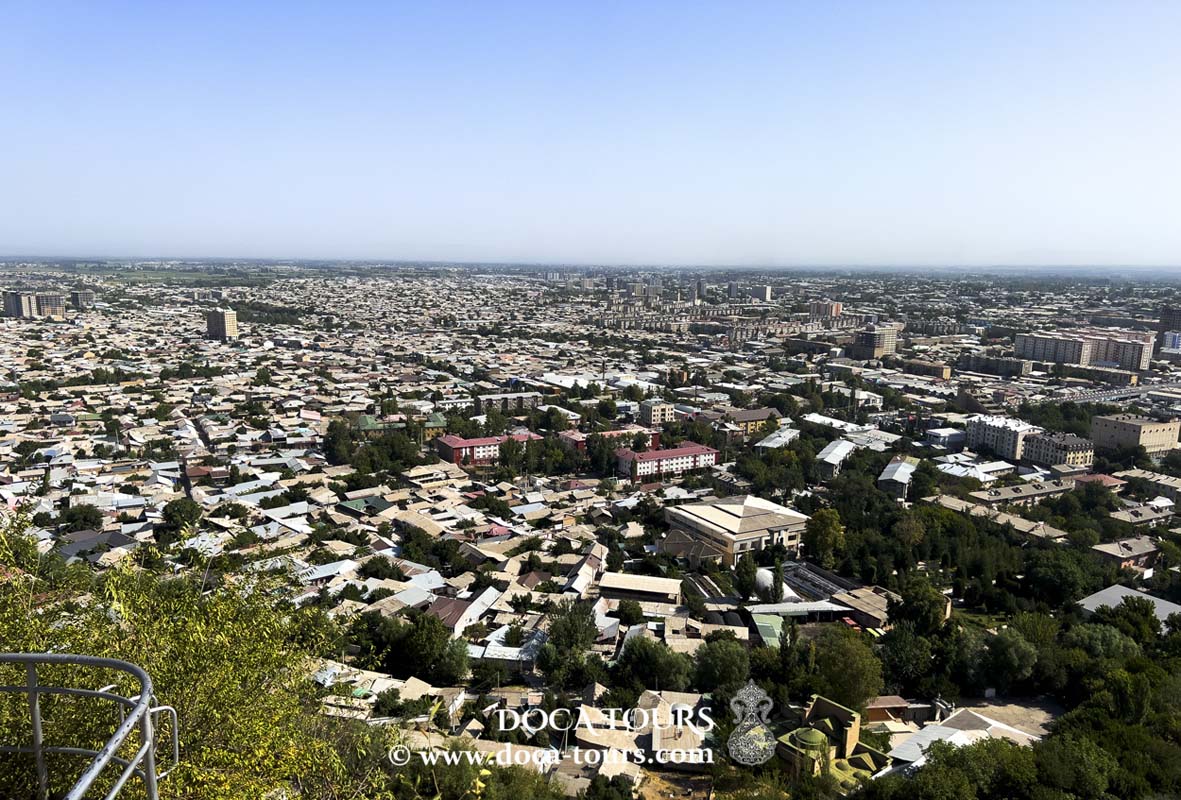
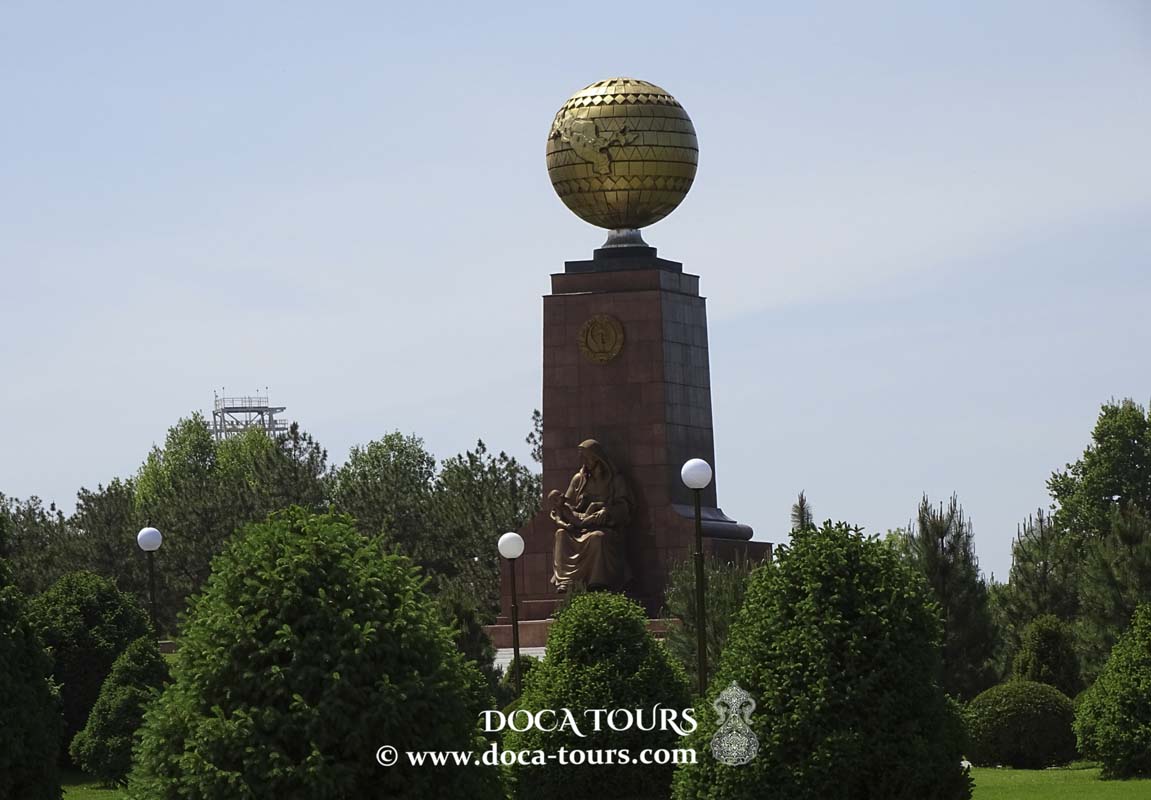
Dushanbe anchors most trips at the start or finish, and it is worth a day or two before you head into the mountains. The capital is leafy, walkable and relaxed, with wide boulevards, tea houses and one of the tallest flagpoles in the world standing over the central park.
The National Museum of Tajikistan is the key stop. Its collections trace the region from Buddhist times through the Silk Road era, and the reclining Buddha recovered from Ajina Teppe is a highlight. Rudaki Avenue and the main bazaar give you a feel for everyday city life.
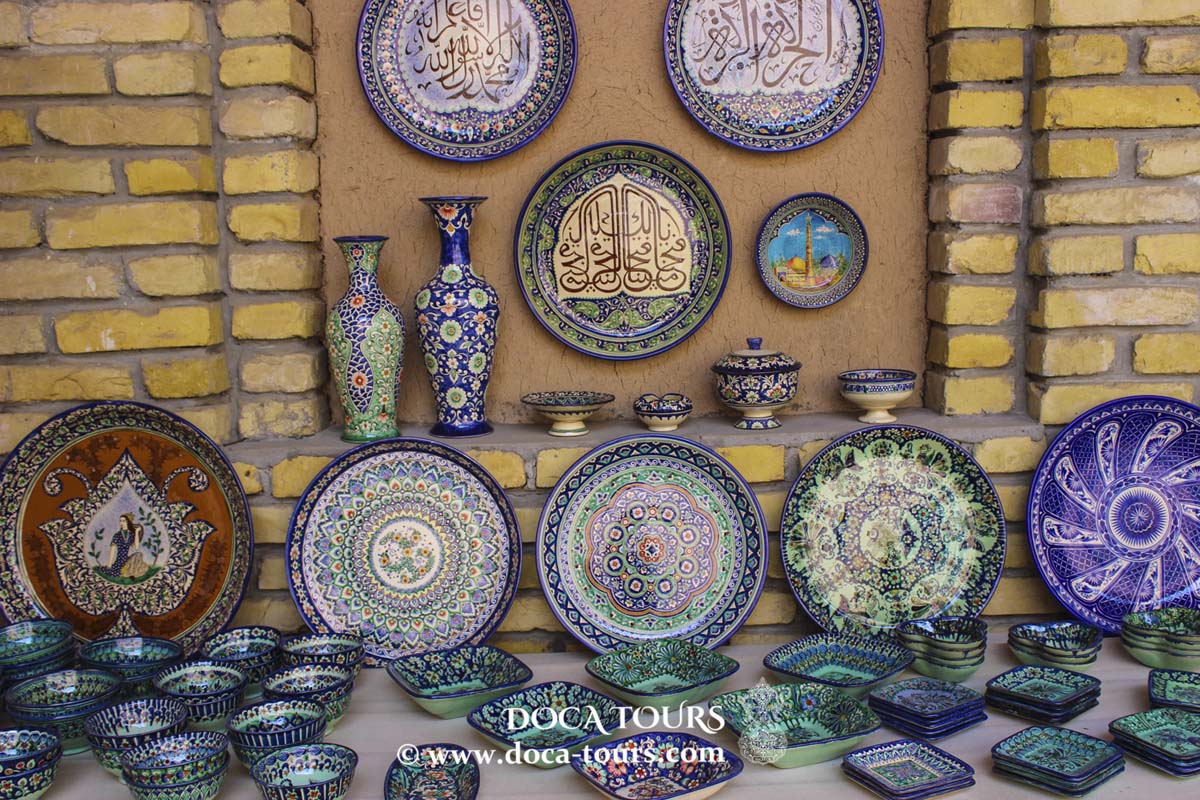
Along the routes out of the capital you pass smaller cultural sites: Hissar Fortress west of Dushanbe, roadside mausoleums, and villages where craft traditions survive. Khujand, in the north, adds a second historic city with its own citadel and lively Panjshanbe bazaar. These stops break up the driving and keep the trip from being purely about scenery.
Homestays, High Passes and Meeting Pamiri Communities
Pamiri homestays are the heart of a Tajikistan tour, not an add-on. Along the Pamir Highway there are almost no hotels, so travellers sleep in family guesthouses where meals are shared and rooms are simple. This is where the human side of the trip happens.
The Pamiri people have their own languages and a distinct branch of Islam, and their homes reflect it. The traditional Pamiri house, built around a central skylight and five pillars, carries deep symbolic meaning that hosts are usually happy to explain. A night here teaches you more than any museum.
High passes punctuate the drive between villages. Crossing them slowly, with time to stop and breathe, is part of how you acclimatise. For travellers who enjoyed the nomadic hospitality of neighbouring countries, the warmth here will feel familiar, with the added isolation of true high-mountain living.
Simple etiquette goes a long way. Bring small gifts, dress modestly, remove your shoes indoors, and accept the endless tea. Homestay income also stays in the community, so choosing this style of travel supports the villages you pass through.
Best Seasons for Tajikistan Tours and High-Altitude Travel
The practical travel window for Tajikistan tours is June to September, when the high passes are open and homestays are running. Outside that window, snow closes the Pamir routes and many guesthouses shut down. July and August are warmest and busiest; late June and early September are quieter with cooler nights.
Altitude is the main thing to plan for. Unacclimatised travellers sleeping at or above 2,450 metres are at risk of altitude illness, and the Pamir plateau sits far higher, so a gradual ascent matters more than fitness (CDC Yellow Book). Build in acclimatisation days, climb high and sleep low where you can, and drink plenty of water.
A few more preparations help. Pack warm layers for cold nights even in summer, carry cash because card payments are rare in the mountains, and expect limited mobile signal for days at a time. Talk to your doctor about altitude medication before you travel.
How Doca Tours Combines Tajikistan With Neighbouring Stans
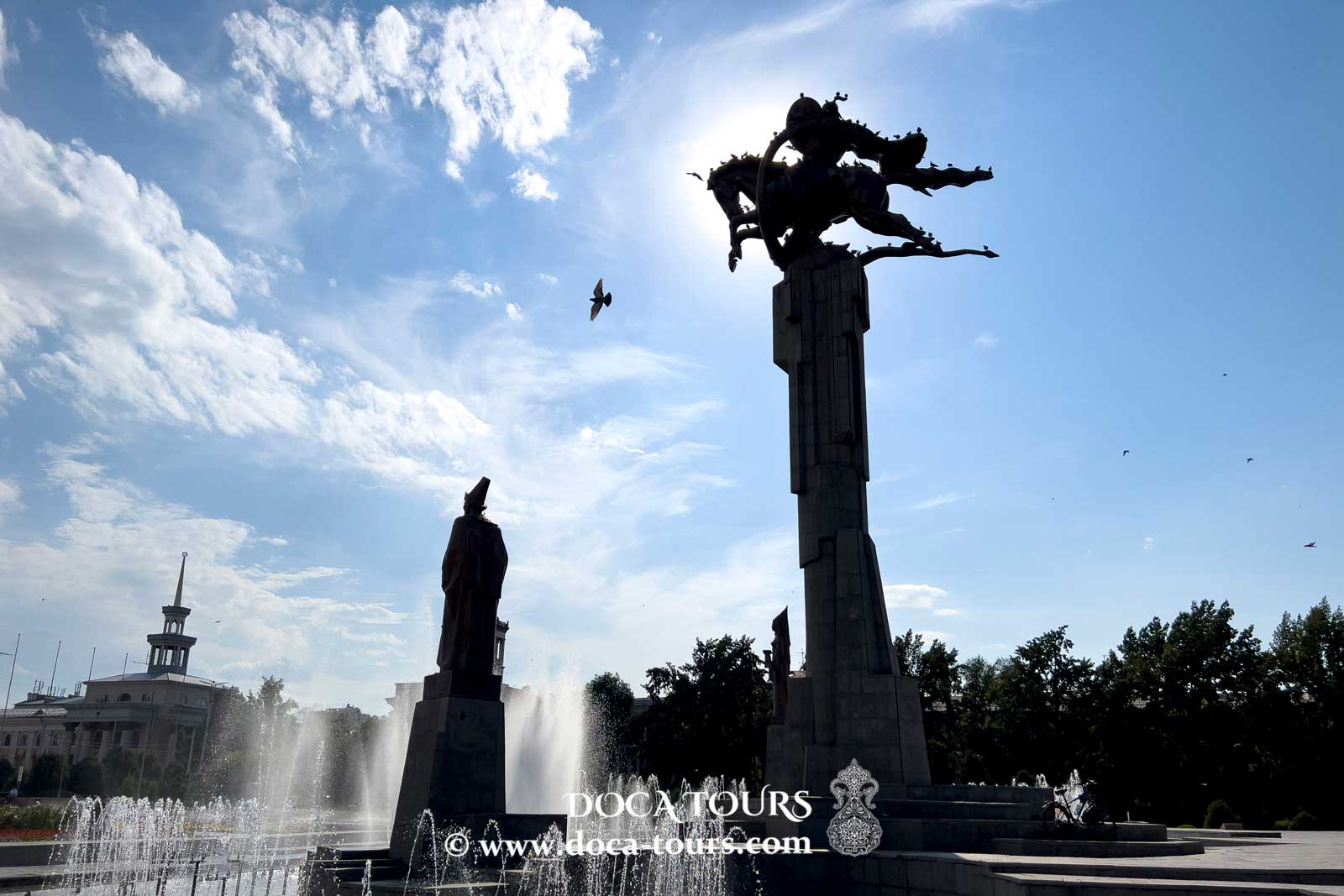
Tajikistan rarely travels alone. Its overland borders with Kyrgyzstan and Uzbekistan make it natural to fold into a longer Central Asia itinerary, and at Doca Tours we build most Tajikistan trips as part of a wider loop. The Pamir Highway itself ends at Osh in Kyrgyzstan, so an overland crossing is the obvious continuation.
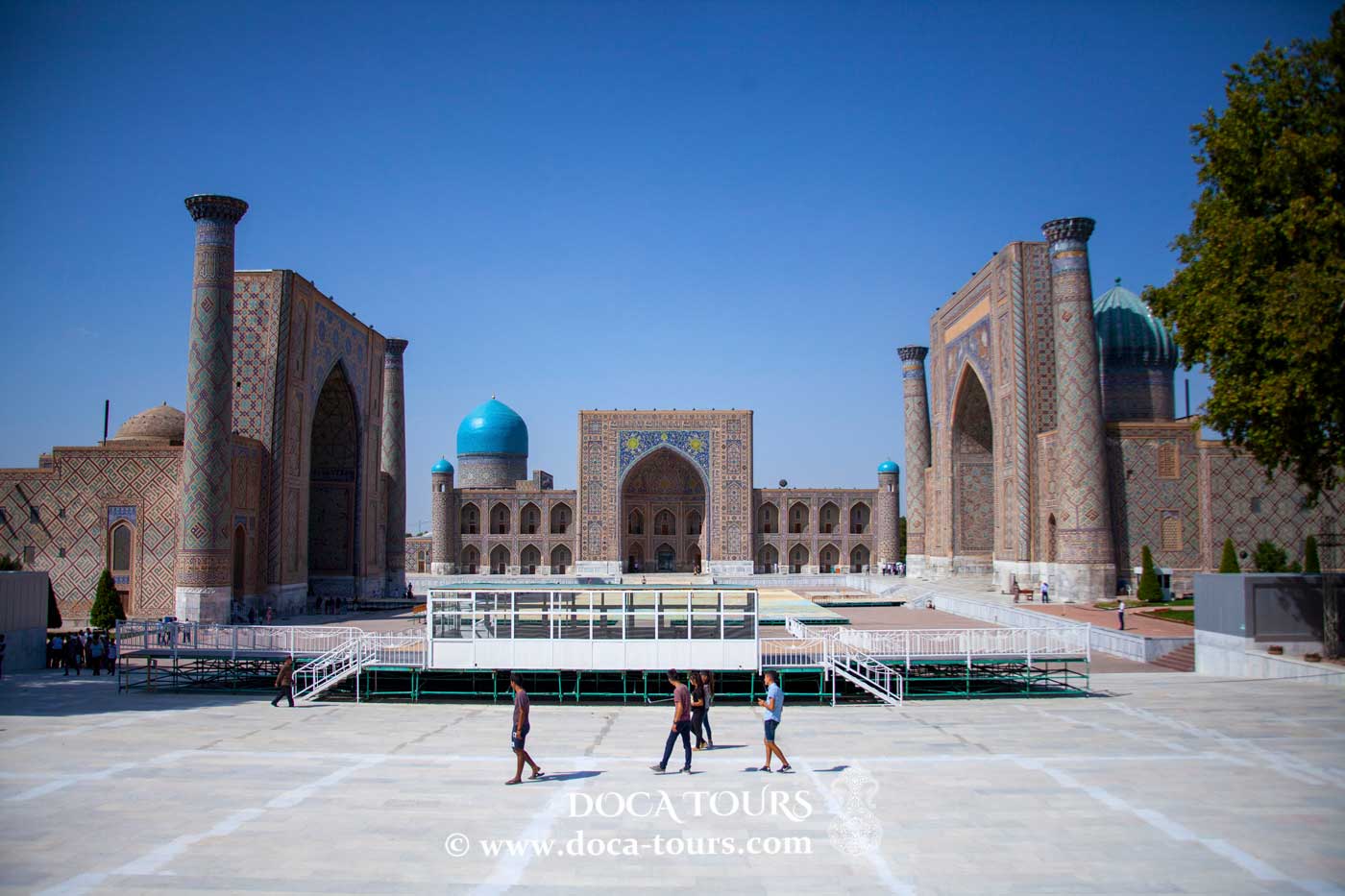
A common route runs Dushanbe to the Pamir, over to Osh, then down into Uzbekistan for Samarkand and Bukhara. That single journey strings together high mountains, nomad country and the great Silk Road cities. For the bigger picture on routing, see our overview of planning a multi-country Central Asia trip.
We handle the parts that make independent travel here hard: GBAO permits for the Pamir, reliable 4×4 transport, vetted homestays and the border logistics between countries. That leaves you free to focus on the landscape and the people.
Start by deciding how much time you have and whether the Pamir is your main goal or one chapter of a longer trip. From there, pick a season in the June to September window and reach out to Doca Tours to shape a route that fits your pace and your altitude comfort.
Frequently asked questions
Do I need a permit for the Pamir region in Tajikistan?
Yes. A GBAO (Gorno-Badakhshan) permit is required to enter the Pamir region, in addition to your Tajik visa. Most travellers arrange it with their e-visa or through their tour operator before arrival.
When is the best time to take a Tajikistan tour?
June to September. The high passes on the Pamir Highway are reliably open, homestays are running, and daytime temperatures are comfortable. July and August are the warmest and busiest months.
Is the Pamir Highway dangerous for regular travellers?
It is remote and high, not technical. The main risks are altitude and long driving days on rough roads. Travelling with an experienced driver and acclimatising gradually keeps it manageable for most fit adults.
Can I combine Tajikistan with other Central Asian countries?
Yes. Tajikistan connects overland with Kyrgyzstan through the Pamir and with Uzbekistan through the Fergana Valley and Samarkand, so it slots naturally into a wider Silk Road itinerary.
How high is the Pamir Highway?
The route crosses several passes above 4,000 metres, with the Ak-Baital Pass near 4,655 metres being the highest point. Much of the eastern Pamir plateau sits above 3,500 metres.