




























Video: https://www.youtube.com/watch?v=5SraoIyckZ4&t=2s
In the 18th century, the Bukhara Emirate was one of the most powerful states in the Muslim world and was located on the territory of modern Uzbekistan, Tajikistan and Turkmenistan. The state was ruled by emirs, who were absolute monarchs and had unlimited power. The center of the power was the palace of Emir, and the heart of the palace was the harem.
The word “harem” comes from the Arabic word “haram” and means “forbidden, sacred place”. Wives, concubines and children of the rulers lived in the harem. In ancient times, men hunted and fought tribal wars, and therefore endangered their lives. Polygamous relations saved the tribe from extinction. In the first cells of human society, the birth of as many children as possible, especially sons, played an important role, and therefore men sought to have a huge family.
Archaeological excavations indicate that the third millennium BC is the approximate date for the emergence of harems. It is generally accepted that only Islamic rulers – sultans and padishahs, had harems. However, this statement is fundamentally wrong – European kings and even Slavic princes also had harems.
The classic harem, which existed until the beginning of the last century, assumed the presence of the following components: it must certainly be closed from prying eyes, it always had its own internal rules, and there was also another obligatory attribute – an abundance of wives, concubines and eunuchs. Such harems were, for example, in Turkey, Iran, the countries of the Arabian Peninsula, as well as in the khanates and emirates of Central Asia.
The entrance to the Harem of Emir was strictly prohibited for strangers, especially for men. There is even a saying: “If the sun were a man, then even he would be forbidden to look into the harem.” Complicated etiquette, strict harem rules and complete isolation from the outside world gave rise to many rumors far from reality. Therefore, various absurdities, exaggerations, distortions, and sometimes deliberate lies, as a rule, made a fair amount of confusion to the few impartial stories about the harem.
According to Sharia law, Emirs could have 4 wives who had to practice Islam. The number of concubines was not limited, it depended on the wishes of the ruler. Concubines were women of other religions. From the age of 13, it was possible to accept girls to the harem, and it was a great honor to get there. Beautiful girls were usually sent as annual taxes by the governors of some districts. They were also looked for through special women – agents. These women negotiated with the girls’ parents that they would send their daughters to the harem. The parents, of course, agreed. Although they were not always delighted, they could not be against the emir. The future brides were first kept with the emir’s mother, and then they were brought up in a harem. They were taught the rules of etiquette, theology, the art of dance, music and conversation.
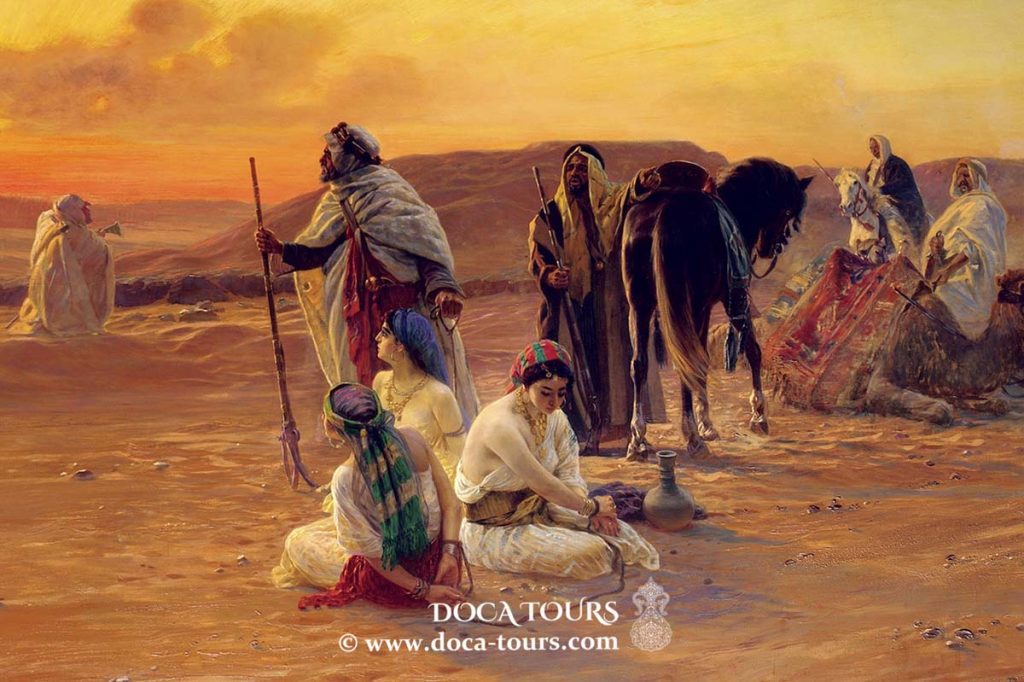
There were also real captives in the emir’s harem – slave girls who were forcibly taken away from their relatives during military campaigns from the occupied territories. They were also of different faiths, but, unlike the free residents of the emirate, they did not have freedom. They were sold in slave markets and in caravanserais – inns. It was there that the most beautiful slaves could be purchased.
Rich people rarely bought slaves on their own, they usually sent their servants and healers there, who carried out a thorough examination of the girls to exclude their infectious and chronic diseases. Young girls were valued much more expensive than those who had already been married. However, the slave girls in the palace generally did not have any power. More often they just served the wives of the emir. Slavery existed for a long time in the emirate until the second half of the 19th century.
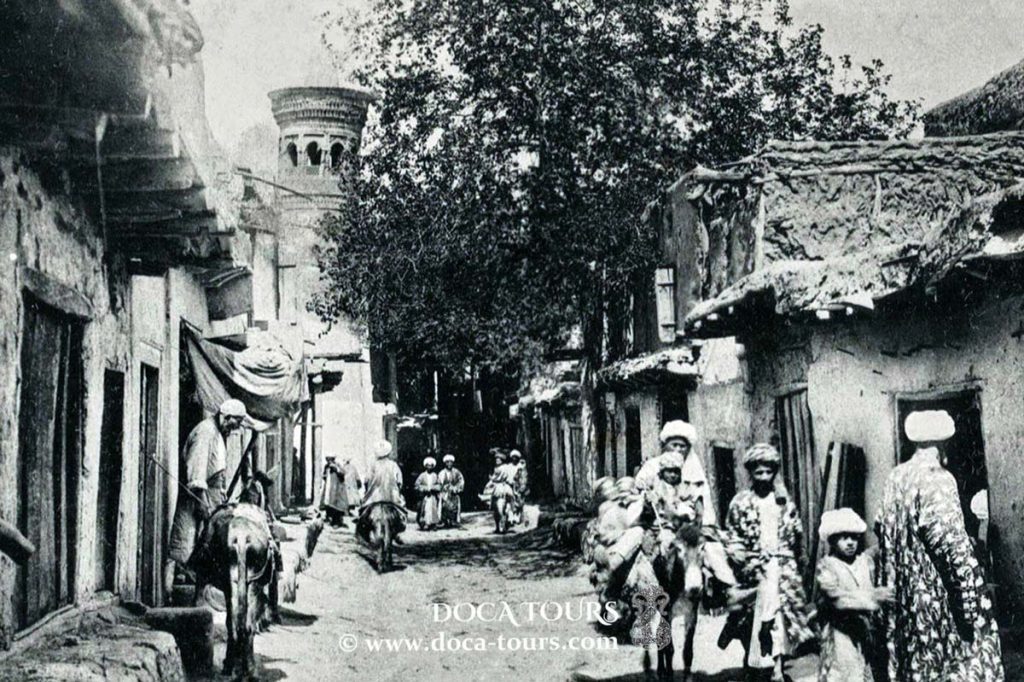
Emir could divorce any of his wife or part with his concubine if they were not nice to him. They were called “retired wives”. These women were then successfully married off to people whom the emir wanted to highlight with his attention. Bukhara nobles dreamed of marrying the emir’s concubine. Firstly, they were the most beautiful women of the Emirate, selected for the ruler among the many enslaved peoples of Asia and Europe. Secondly, they had an excellent upbringing, were taught etiquette and respectful attitude towards their husbands. Thirdly, this would be the highest grace of the Emir and the beginning of career growth in government positions.
The wives lived on the first floor of the palace, and the concubines on the second. The emir’s wives had their own servants. They lived quite well, except that they were limited only in freedom. They had no right to leave the palace without permission, and in general, they rarely went anywhere beyond the palace garden. But at the same time, they had to wear a hijab, a spacious robe and cover their face with a special material made of horsehair.
Other women had the right to enter the harem if they received permission to do so. These were usually traders in jewelry and fabrics. Most often, Jewish women were the liveliest traders in the emirate.
Sometimes women met with men, but in addition to a closed garment, women were also separated from men by a thick screen.
Musicians, singers and teachers entered the harem, but when choosing them, they preferred the blind.
Despite this reclusive lifestyle, women took great care of themselves. Naturally, in order to not lose the love of the emir and not to die from being bored.
In Bukhara, as in many other Asian states, it was customary for women to wear eyeliner, eyebrows and dye their eyelashes with kohl. At the same time, the eyebrows were combined into one, making the so-called unibrow. It was considered especially beautiful and attractive. Also, women carefully looked after their bodies – they removed all excess hairs, regularly brushed their teeth, took care of their nails.
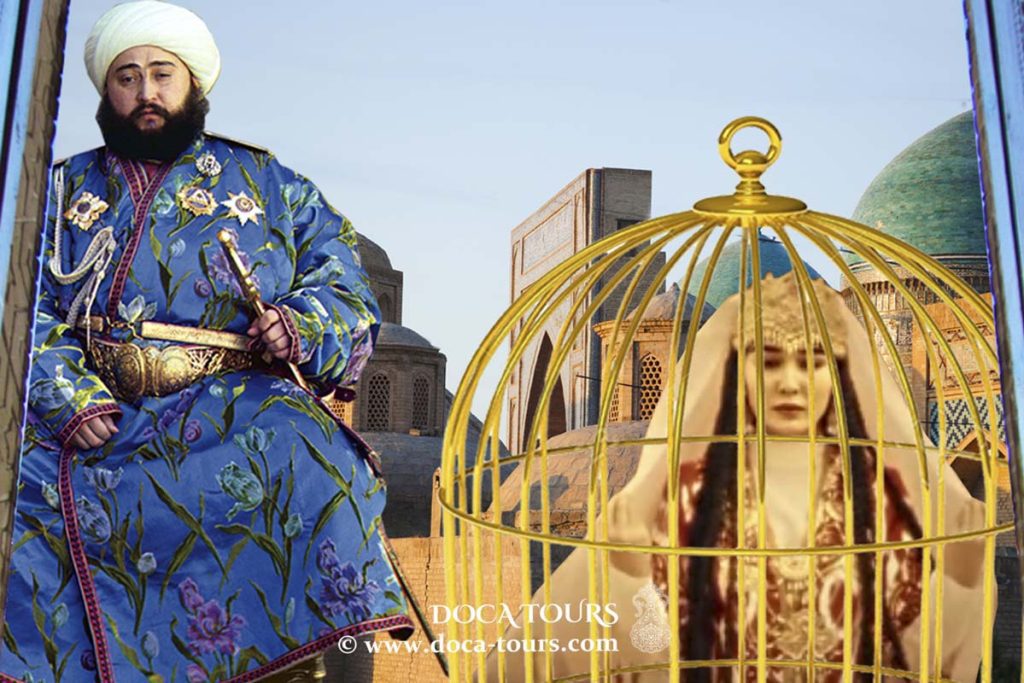
We used to think that harem is a “golden cage”, in fact – a prison. But on the other hand, women in a harem had comfortable living conditions, money, outfits, servants, and often an elementary guarantee of life and safety, depending on their harem status.
Mechanical woman for the emir
Above, we mentioned about the abolition of slavery in the Bukhara Emirate. This happened under the Emir Muzaffar. But he was remembered not only by this decision but also by some actions and desires. For example, his dream was a mechanical woman, one who would never quarrel, did not demand gifts and did not age.
The emir learned that such a woman existed from the gossip of his entourage. And those people were informed about the existence of the woman by some prisoners in the dungeon. They said that such a high-tech development allegedly exists in the West, including the Russians. The emir told his entourage to ask for one of them for him. But, of course, the existence of such a woman turned out to be a joke, a rumor spread by the Italian jokers.
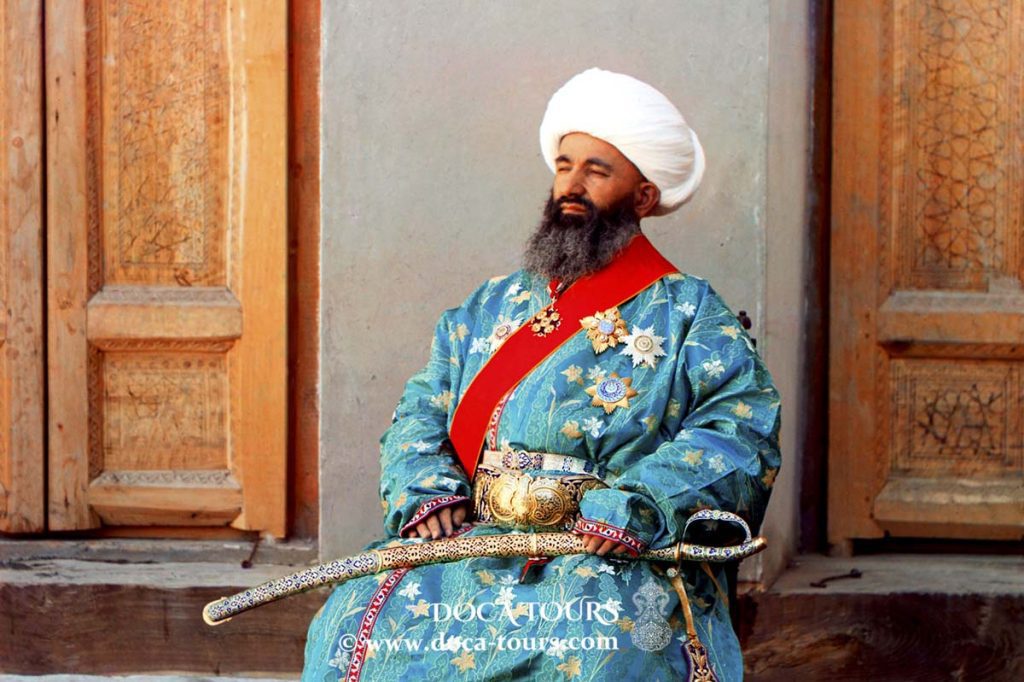
It is believed that the last harem ceased to exist at the beginning of the XX century when the Red Army seized power in the Emirate. The harem disappeared along with the decline of the reign of the last emir Said Alimkhan and the proclamation of the Bukhara People’s Soviet Republic on September 2, 1920.
People of Western countries have always sympathized with the inhabitants of the harem, comparing their life to prison or life in a golden cage. But Eastern women had a different attitude to this lifestyle: they were glad to be in the care of a wealthy man and to know that they and their children would not need anything.
Thank you very much for your attention.
Subscribe to the channel and don’t forget to like our videos.
#bukhara, #uzbekistan, #harem, #palace, #emir, #building, #architecture, #asia, #landmark, #residence, #travel, #tourism, #sitorai, #museum, #summer, #attraction, #central, #tourist, #old, #uzbek, #buxoro, #sightseeing, #history, #mohi, #xossa, #buhara, #pool, #xosa, #house, #art, #ornament, #city, #water, #royal, #vacation, #khan, #hosa, #view, #amir, #historical, #pavilion, #visit, #walk, #islam, #country, #islamic, #central asia, #panorama, #ancient, #scenic