TARAZ
- Geographical coordinates: 42°54′N 71°22′E
- Area: 187.8 km2
- Former Names: Aulie-Atab, Mirzoyan, Djambul, Janbyl
- Elevation: 610 m
- Common Languages: Kazakh, Russian
- Ethnic Groups: Kazakh, Russian, Uzbek, Tatar, Korean
- Population: 357 791 (2019)
- Nationals: Kazakhs, Russians, Azerbaijanis, Karakalpaks, Uzbeks
- Time Zone: UTC+5
- Telephone Code: +7 7262
- Postal Codes: 080000
- Vehicle Registration Code: 08
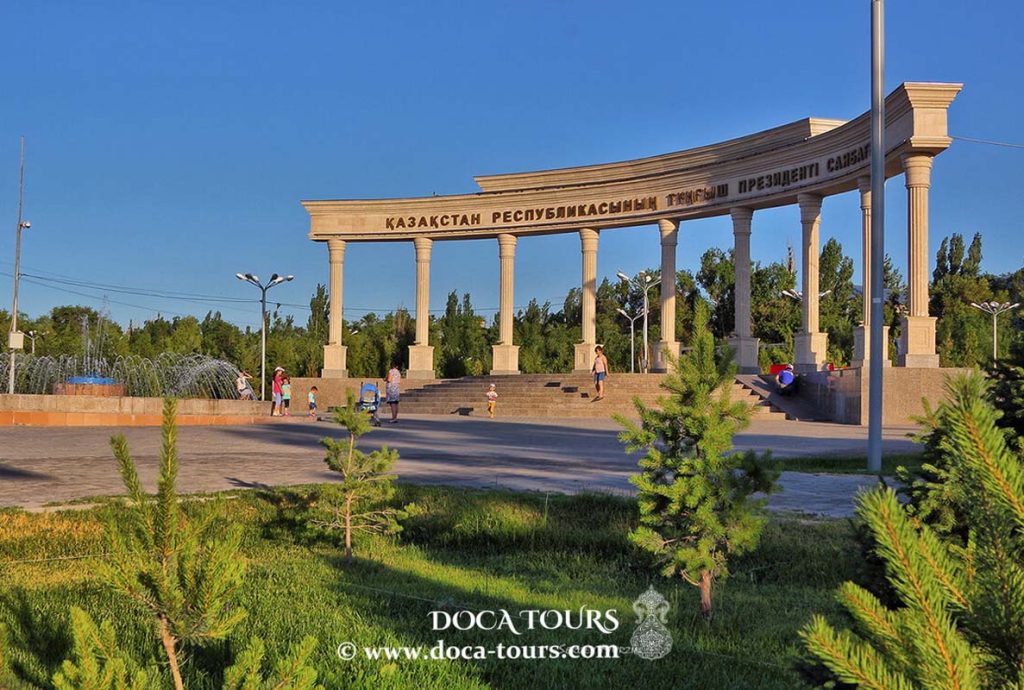
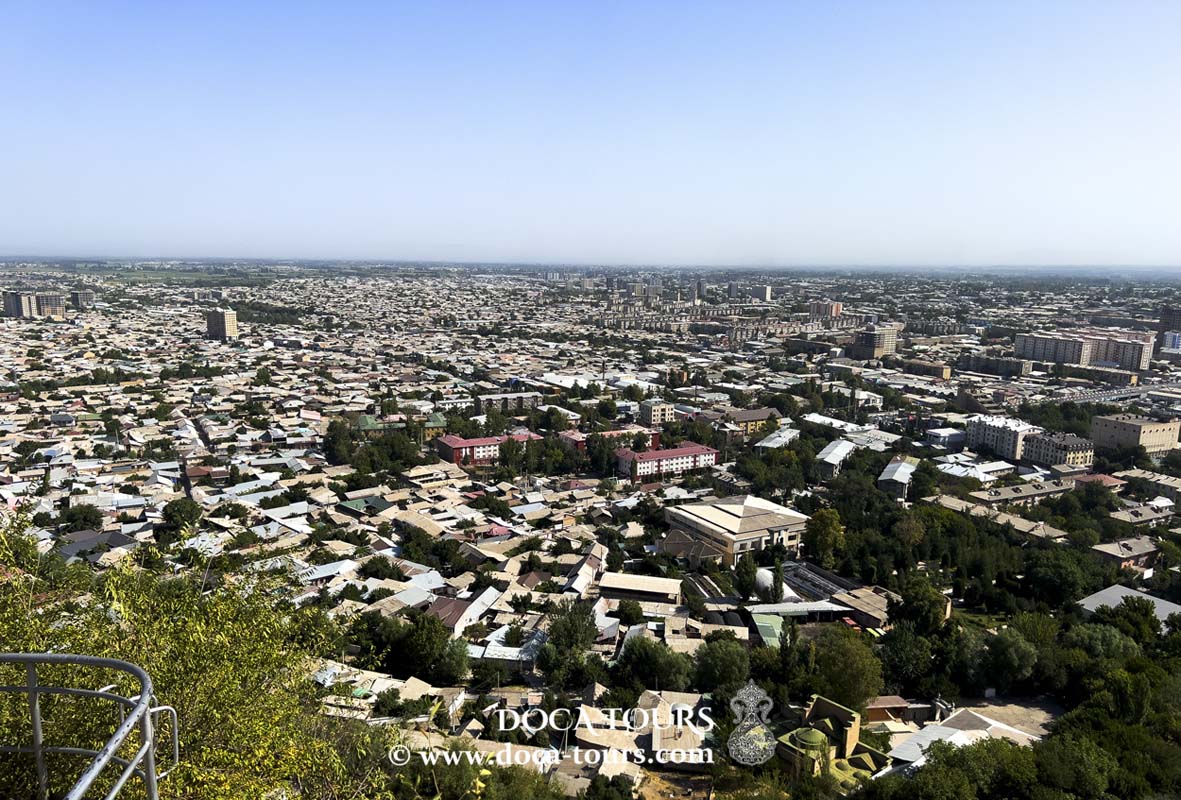
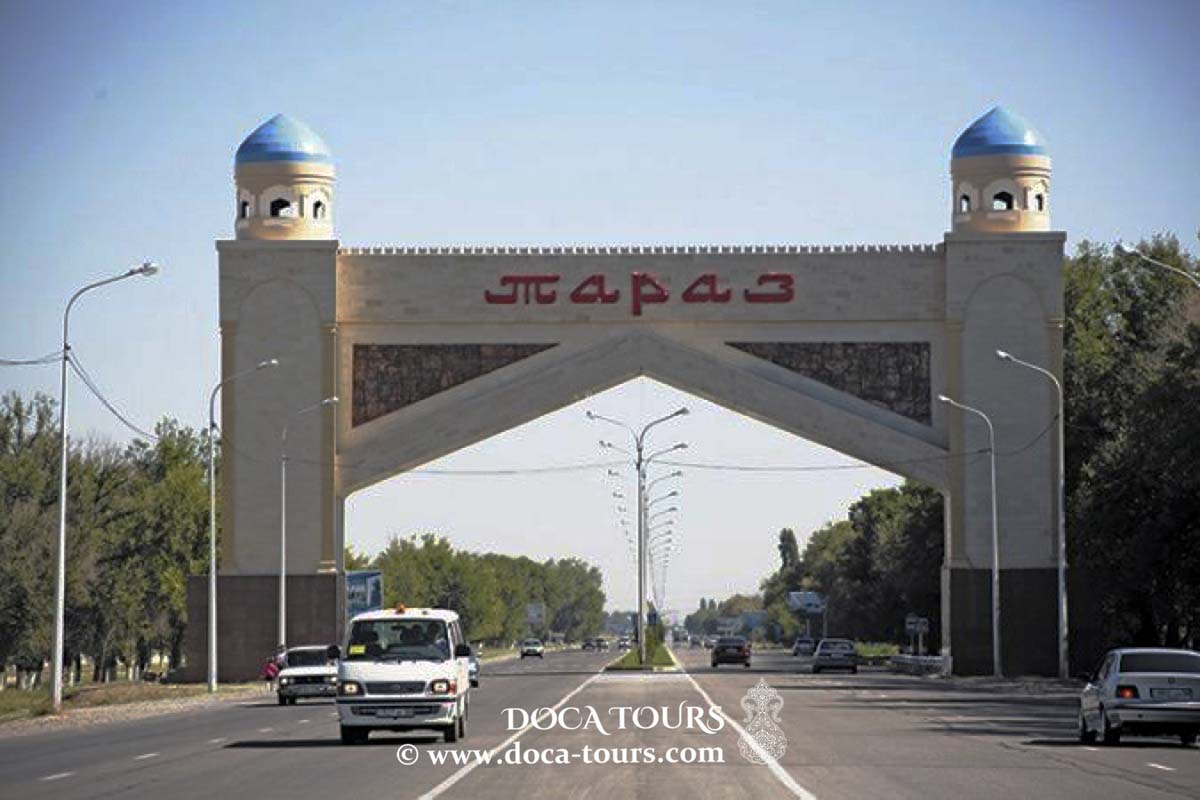
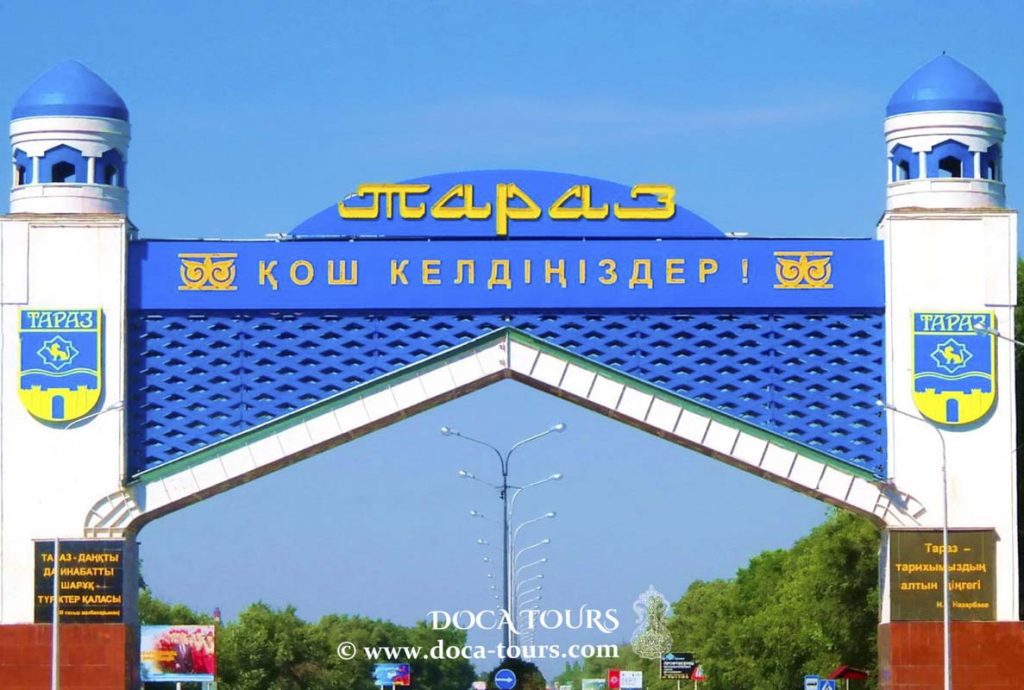
Taraz (historically known as Talas) is a city and the administrative center of the Zhambyl Region in Kazakhstan, situated on the Talas (Taraz) River in the southern part of the country near the Kyrgyzstan border. According to the 1999 census, its population was 330,100, reflecting a 9% increase compared to 1989. This growth makes it one of the fastest-growing cities in Kazakhstan, alongside Astana and Turkestan. As of April 2023, the population of Taraz stands at 428,000.

As one of Kazakhstan's oldest cities and a key settlement in Transoxiana, Taraz was established and originally inhabited by the ancient Sogdians. The city celebrated its official 2000th anniversary in 2001, a milestone recognized by UNESCO. Its origins trace back to a fortress built in the region by the Xiongnu ruler Zhizhi and the site of the Battle of Zhizhi in 36 BCE.
The city was first mentioned as "Talas" in 568 CE by Menander Protector. During the medieval period, Talas became a significant trading hub along the Silk Road. The city was later described by the Buddhist monk and traveler Xuanzang, who passed through Talas in 629 CE. He wrote:
"Traveling westward from the Thousand Springs for 140 or 150 li, we arrive at the city of Daluosi. The city spans a diameter of 8 or 9 li and was inhabited by Hu merchants (foreign traders) from various lands. The climate and local products were similar to those of Suyab."

Additionally, the Talas script, a variant of the Turkic "runic" Orkhon script, is named after the city.
Talas gained historical prominence due to the Battle of Talas in 751 CE, fought between the forces of the Chinese Tang dynasty and the Arab Abbasid Caliphate. The battle took place along the Talas River in the Talas Valley. One of its unintended outcomes was the introduction of paper-making technology to the West, following the Arabs' capture of Chinese papermakers.
History
Overview
Numerous archaeological discoveries and monuments in the foothills of the Karatau Mountains and the Talas-Assin oasis underscore the ancient settlements in the Talas River Valley. These findings support Taraz’s claim to be Kazakhstan's oldest city. The city’s history spans multiple periods, often disrupted by destruction and depopulation.
The earliest documented settlement associated with modern Taraz was the Zhizhi fortress, briefly established in the 1st century BCE. This fortification forms the basis for the city’s assertion of a 2,000-year history. The name "Taraz" (or "Talas") first appears in historical records in the 6th century CE (568 CE) and is known to have existed until its decline in the 13th century.
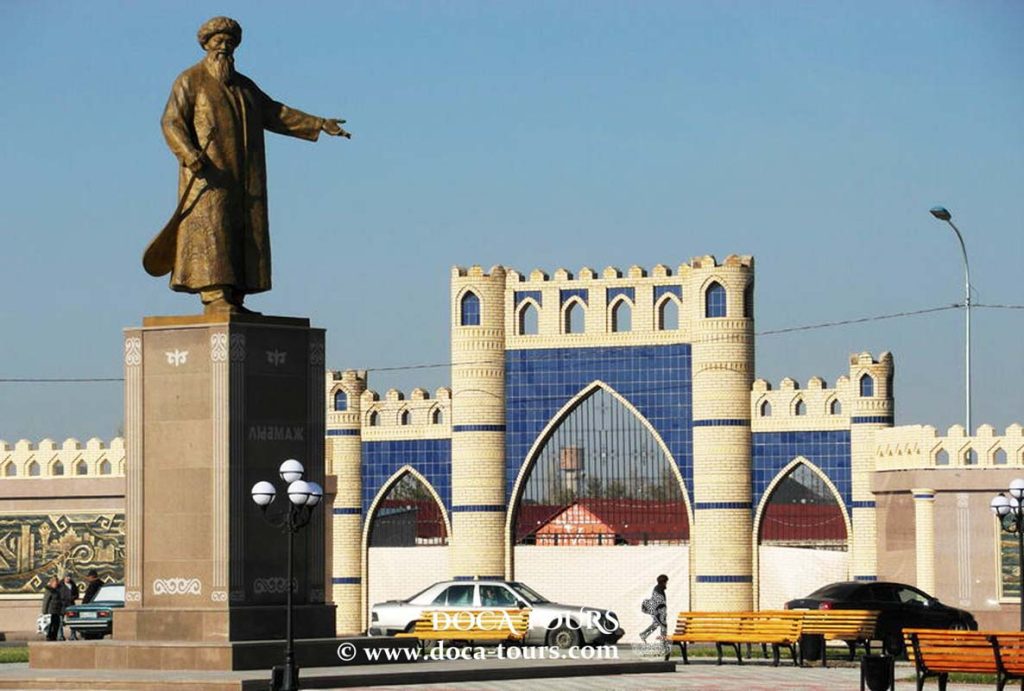
The third historical period began with the establishment of the Kokand fortress in the late 18th century. In 1864, it was renamed Aulie-Ata, derived from Uzbek words meaning "saint" and "father." In 1936, the city was renamed Mirzoyan (Russian: Мирзоя́н) in honor of Levon Mirzoyan. However, following his arrest in 1938, the city was renamed Dzhambul (Russian: Джамбу́л), honoring the Kazakh folk singer Jambyl Jabayev. In 1993, the city's name was officially updated to Jambyl/Zhambyl (Kazakh: Жамбыл), and in 1997, it was finally renamed Taraz.
The city began taking its modern shape in 1864, when Colonel Chernyayev's detachment captured the Aulie-Ata fortress and annexed it to the Russian Empire. Significant development followed with the construction of the Semirechye Railway through the city in 1917.
Russian Rule
In 1864, Aulie-Ata surrendered after a brief siege by Russian forces under General Mikhail Grigorievich Chernyayev. Shortly afterward, a line of Russian fortifications in the steppe was connected through Chimkent to the Syr Darya line, incorporating this region into the Russian Empire. A new Russian quarter was added to old Aulie-Ata, with streets lined by pyramidal poplars and new brick buildings constructed. By this time, the city was home to 2,000–3,000 families, featuring houses, shops, mansions, and modest clay houses for the poor.
Initially governed by a military administration, Aulie-Ata became the center of a district in 1867, covering much of modern Zhambyl Region in Kazakhstan and Talas Region in Kyrgyzstan. The city maintained its role as a key hub for cattle trade and livestock farming. Small industries began to emerge, including a winery. In 1876, the first European-style school was opened by a Russian priest. At that time, the city had a population of 11,700, comprising mostly Russians, Ukrainians, and a significant number of Uzbeks. Kazakhs were sparse in the area due to their nomadic lifestyle. A comprehensive description of the city in the early 20th century exists in Russian historical records.
Soviet Era
During the first two decades following the Russian Revolution and Civil War, Aulie-Ata remained a small town. In 1936, it was renamed Mirzoyan in honor of Levon Mirzoyan, an ethnic Armenian and leader of the Communist Party of Kazakhstan. However, in 1938, after Mirzoyan was executed during Stalin’s purges for opposing the mass deportation of Koreans to northern Kazakhstan, the town was renamed Jambul, after Zhambyl Zhabayev, a Kazakh akyn (folk poet).
Starting in the 1930s, Jambul, like many other locations in Kazakhstan, became a destination for a significant number of deported populations subjected to internal exile. Millions of ethnic minorities—including Volga Germans, Chechens, Ukrainians, and Koreans—as well as marginalized groups such as former kulaks, aristocrats, and families of convicted "enemies of the people," were forcibly relocated to Kazakhstan, with many settling in Jambul. During World War II, additional evacuees arrived from regions either occupied by or threatened by Nazi forces.
Despite the cessation of deportations, Jambul’s population continued to grow throughout the 1960s and 1970s, driven by a surge in industrial development. This period of rapid industrialization brought modern urban amenities to the city, transforming its landscape. Soviet-style apartment complexes and condominium-style housing, all equipped with electricity and plumbing, became common. The city also saw the development of roads, public transportation, higher education institutions, large public parks, department stores, and other hallmarks of urban life.
Jambul evolved into a diverse community with a mix of ethnic groups, the largest being Russians, followed by Kazakhs. The city’s industrial boom marked a turning point, fostering a modern urban lifestyle previously unfamiliar to its residents.
Although the chemical and construction industries formed the backbone of the city’s economy, Jambul continued to serve as an informal trade hub due to its proximity to other Central Asian republics and its relatively mobile population. The city was renowned in the region for its expansive bazaars, where farmers brought agricultural goods from across the area.
Post-Independence
Like much of Kazakhstan, Jambul faced a severe economic crisis in the early 1990s following the collapse of the Soviet Union. Many industries nearly came to a standstill. The city’s demographics also shifted dramatically, with a significant portion of its population—particularly Volga Germans, Jews, Russians, and Ukrainians—leaving. This exodus was partially offset by the migration of Kazakhs from rural areas into the city.
In early 1992, the city’s name was changed to the Kazakh spelling (Zhambyl), and in 1997, it was renamed Taraz. The economy experienced a partial recovery in the early 2000s. Taraz established sister-city relationships with Fresno, California, USA, through Sister Cities International, though the partnership has remained inactive. In 2001, Taraz also formed a sister-city relationship with Muncie, Indiana.
On November 12, 2011, a gunman described by officials as a "jihadist" killed at least eight people, including five police officers and himself, in Taraz.
Climate
Taraz experiences a cold semi-arid climate (Köppen climate classification BSk) with pronounced continental influences. The average temperature in January is −3°C (27°F), while July averages 25.5°C (77.9°F).
Sports
Taraz is home to the football team FC Taraz, which competes in the Kazakhstan Premier League. The city is also the birthplace of Bibisara Assaubayeva, a women's chess grandmaster and the 2021 Women’s World Blitz Champion.

 Additionally, the Talas script, a variant of the Turkic "runic" Orkhon script, is named after the city.
Talas gained historical prominence due to the Battle of Talas in 751 CE, fought between the forces of the Chinese Tang dynasty and the Arab Abbasid Caliphate. The battle took place along the Talas River in the Talas Valley. One of its unintended outcomes was the introduction of paper-making technology to the West, following the Arabs' capture of Chinese papermakers.
Additionally, the Talas script, a variant of the Turkic "runic" Orkhon script, is named after the city.
Talas gained historical prominence due to the Battle of Talas in 751 CE, fought between the forces of the Chinese Tang dynasty and the Arab Abbasid Caliphate. The battle took place along the Talas River in the Talas Valley. One of its unintended outcomes was the introduction of paper-making technology to the West, following the Arabs' capture of Chinese papermakers.

 The third historical period began with the establishment of the Kokand fortress in the late 18th century. In 1864, it was renamed Aulie-Ata, derived from Uzbek words meaning "saint" and "father." In 1936, the city was renamed Mirzoyan (Russian: Мирзоя́н) in honor of Levon Mirzoyan. However, following his arrest in 1938, the city was renamed Dzhambul (Russian: Джамбу́л), honoring the Kazakh folk singer Jambyl Jabayev. In 1993, the city's name was officially updated to Jambyl/Zhambyl (Kazakh: Жамбыл), and in 1997, it was finally renamed Taraz.
 The city began taking its modern shape in 1864, when Colonel Chernyayev's detachment captured the Aulie-Ata fortress and annexed it to the Russian Empire. Significant development followed with the construction of the Semirechye Railway through the city in 1917.
 Initially governed by a military administration, Aulie-Ata became the center of a district in 1867, covering much of modern Zhambyl Region in Kazakhstan and Talas Region in Kyrgyzstan. The city maintained its role as a key hub for cattle trade and livestock farming. Small industries began to emerge, including a winery. In 1876, the first European-style school was opened by a Russian priest. At that time, the city had a population of 11,700, comprising mostly Russians, Ukrainians, and a significant number of Uzbeks. Kazakhs were sparse in the area due to their nomadic lifestyle. A comprehensive description of the city in the early 20th century exists in Russian historical records.
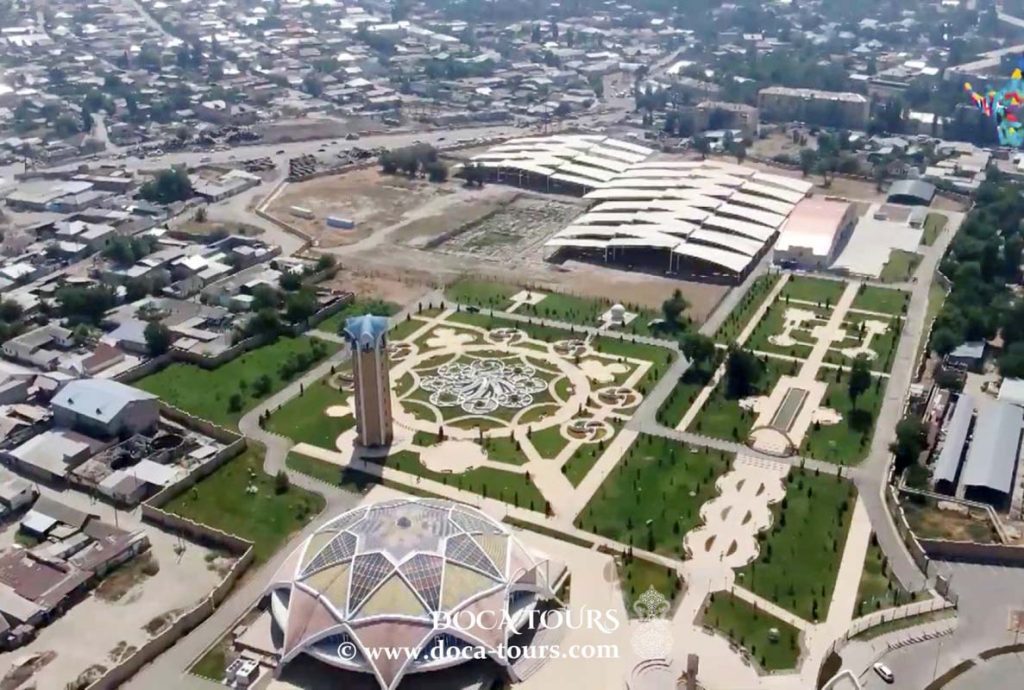 Despite the cessation of deportations, Jambul’s population continued to grow throughout the 1960s and 1970s, driven by a surge in industrial development. This period of rapid industrialization brought modern urban amenities to the city, transforming its landscape. Soviet-style apartment complexes and condominium-style housing, all equipped with electricity and plumbing, became common. The city also saw the development of roads, public transportation, higher education institutions, large public parks, department stores, and other hallmarks of urban life.
Jambul evolved into a diverse community with a mix of ethnic groups, the largest being Russians, followed by Kazakhs. The city’s industrial boom marked a turning point, fostering a modern urban lifestyle previously unfamiliar to its residents.
Despite the cessation of deportations, Jambul’s population continued to grow throughout the 1960s and 1970s, driven by a surge in industrial development. This period of rapid industrialization brought modern urban amenities to the city, transforming its landscape. Soviet-style apartment complexes and condominium-style housing, all equipped with electricity and plumbing, became common. The city also saw the development of roads, public transportation, higher education institutions, large public parks, department stores, and other hallmarks of urban life.
Jambul evolved into a diverse community with a mix of ethnic groups, the largest being Russians, followed by Kazakhs. The city’s industrial boom marked a turning point, fostering a modern urban lifestyle previously unfamiliar to its residents.
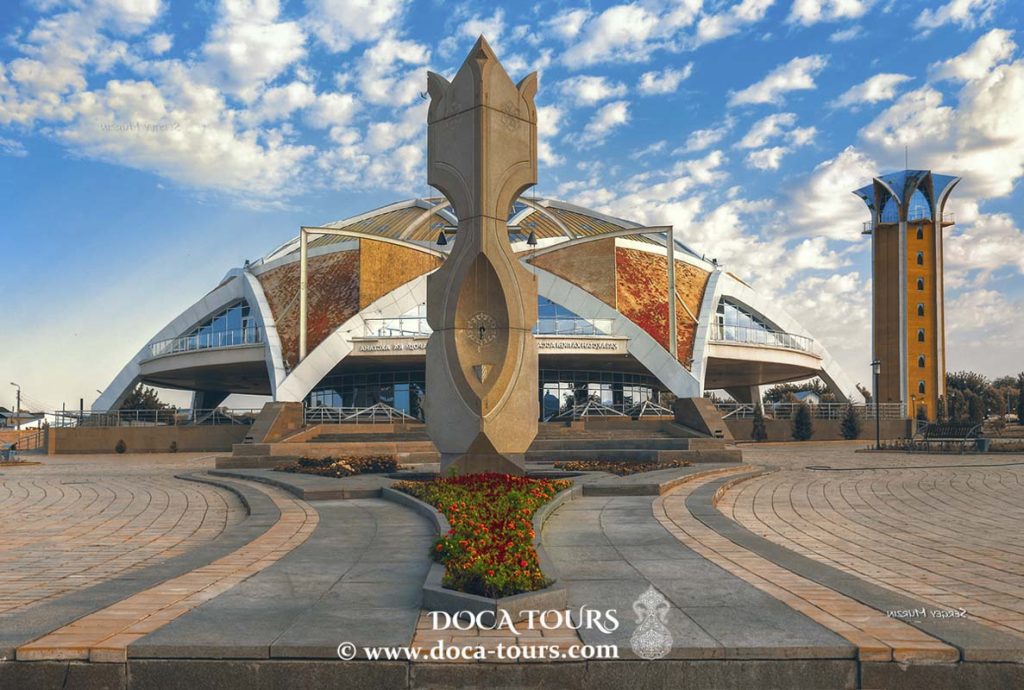 Although the chemical and construction industries formed the backbone of the city’s economy, Jambul continued to serve as an informal trade hub due to its proximity to other Central Asian republics and its relatively mobile population. The city was renowned in the region for its expansive bazaars, where farmers brought agricultural goods from across the area.