NARYN
- Geographical coordinates: 41°26′N 76°0′E
- Elevation: 2,044 m
- Common Languages: Kyrgyz, Russian
- Ethnic Groups: Kyrgyz, Dungans, Uyghurs, Uzbeks etc.
- Population: 41,988 (2023)
- Time Zone: UTC + 6
- Telephone Code: +996-3535
- Postal Codes: 722600
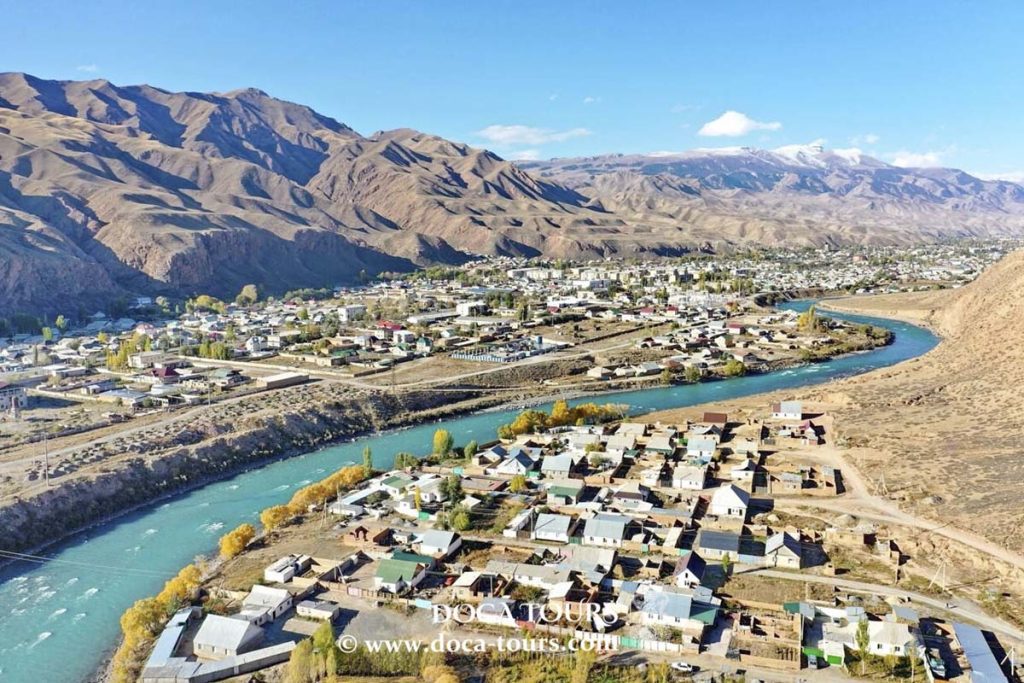
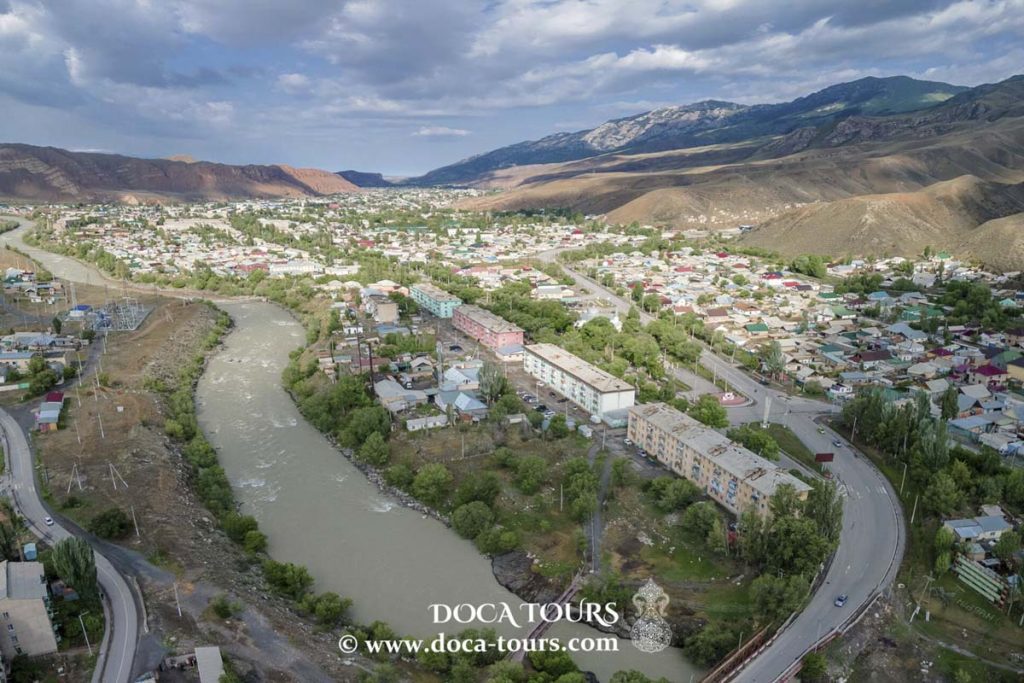
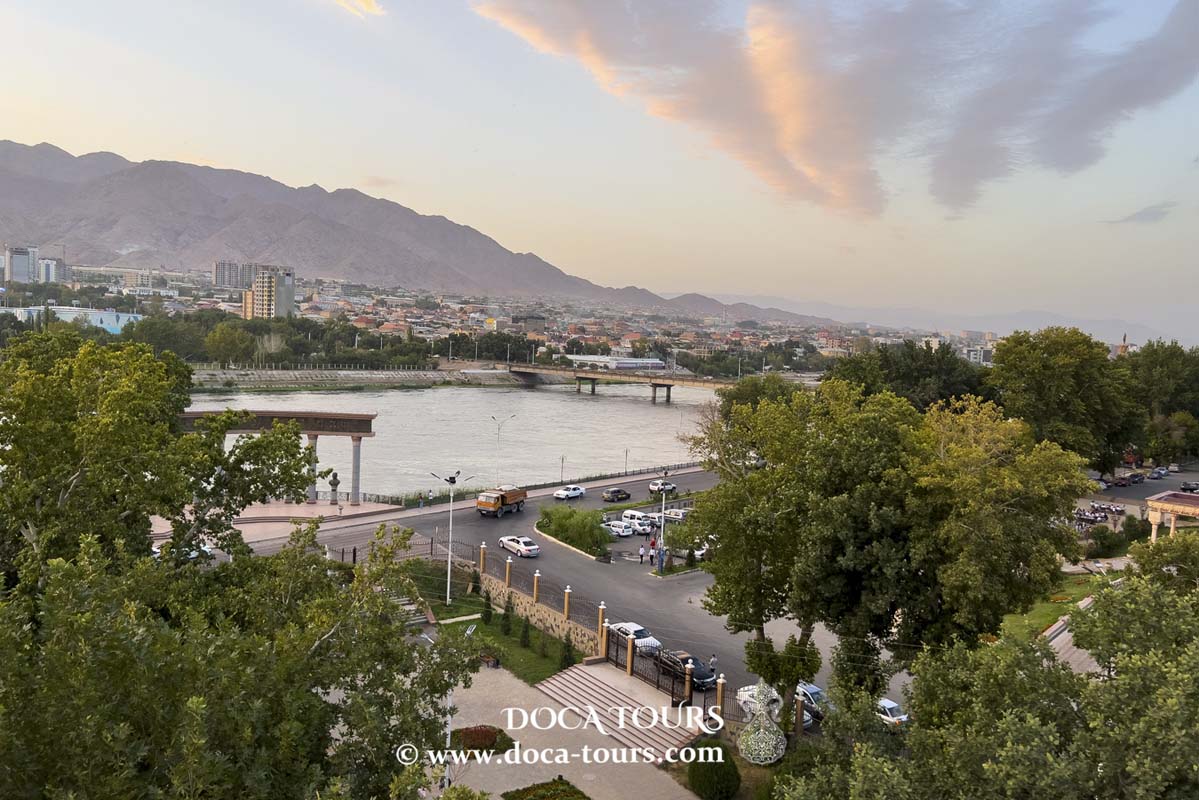
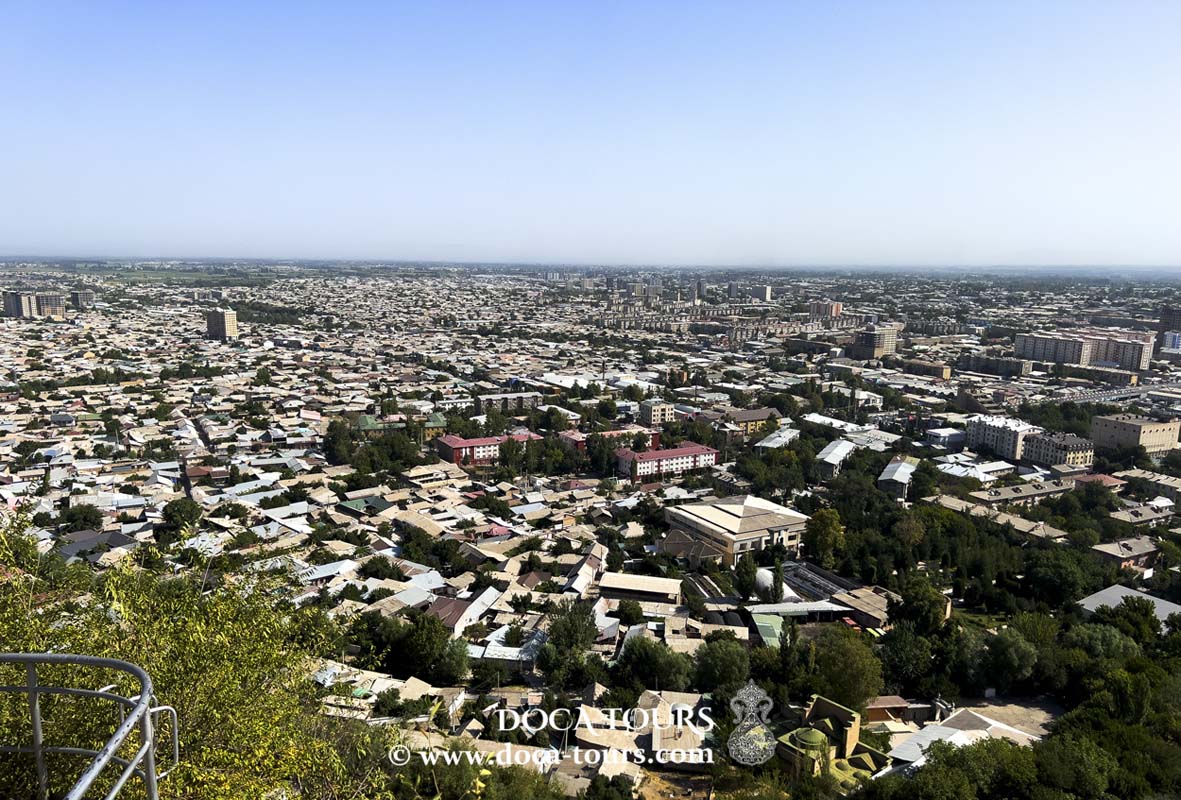
Naryn is the administrative center of Naryn Region in central Kyrgyzstan. Covering an area of 84 square kilometers (32 square miles), the city had an estimated population of 41,178 as of January 2021. Naryn was founded as a fortress along a caravan route in 1868. The city straddles both banks of the Naryn River, a key tributary of the Syr Darya, which carves a picturesque gorge through the town. While primarily a residential area, Naryn hosts two regional museums and several hotels.

Overview
A major road originating in Naryn, part of the historic Silk Road, heads south across the sparsely populated Kyrgyz highlands to the Torugart Pass and into China. This road remains the main transport link between Kyrgyzstan and China.
Naryn is home to one of three campuses of the University of Central Asia (UCA), established in 2000 by the governments of Kazakhstan, Kyrgyzstan, and Tajikistan, along with His Highness the Aga Khan. UCA is the first internationally chartered higher education institution in the world. The university operates the School of Professional and Continuing Education (SPCE) and is developing a School of Undergraduate Studies and Graduate School of Development. Undergraduate classes at the Naryn campus commenced on September 5, 2016.
History
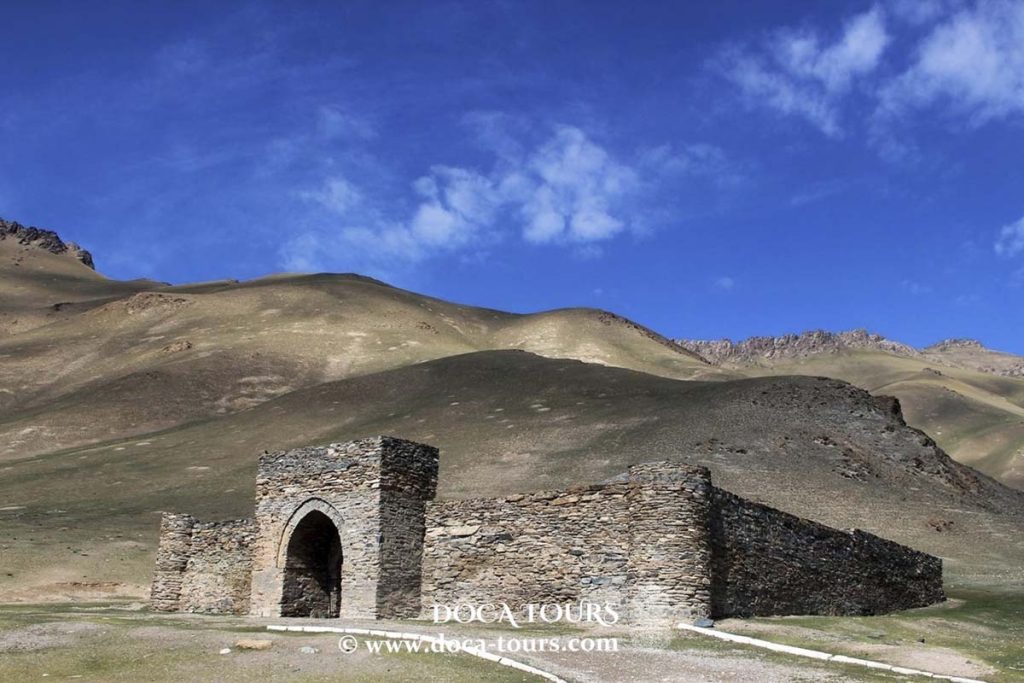
Like many other Central Asian cities, Naryn originated as a small fortification along trade routes connecting Eastern Turkestan (Kashgaria) with Central Asia. These routes required protection from bandits, and until the mid-19th century, there was no established city in the area.
With the annexation of Central Asia by the Russian Empire in 1868, a Russian garrison was stationed at Naryn Fort. This led to the creation of Naryn Settlement, marking the beginning of the city's development.
The fort maintained postal communication with the Russian consulate in Kashgaria through a permanent route to the Semirechye region.
After the October Revolution of 1917, Naryn fell under the control of the Red Army. However, in 1920, a clash occurred between Soviet forces and White Guards. Following intense battles, the city was retaken, and Soviet power was established. In 1927, Naryn became an administrative center, with Kary Januzakov appointed as the first chairman of the city executive committee for the newly created Naryn Region.
Some believe the name "Naryn" is derived from the Central Asian dish naaryn, made from finely chopped horse meat. It is possible that the region was renowned for preparing this dish, as horse meat is a national staple in Kyrgyzstan.
Today, Naryn serves as the cultural and administrative center of the Naryn Region and is part of the Naryn Free Economic Zone. It is home to the headquarters of governmental, private, and public organizations at both the city and regional levels, the consular department of Kyrgyzstan’s Ministry of Foreign Affairs, and the Torugart Customs Administration.
Geography
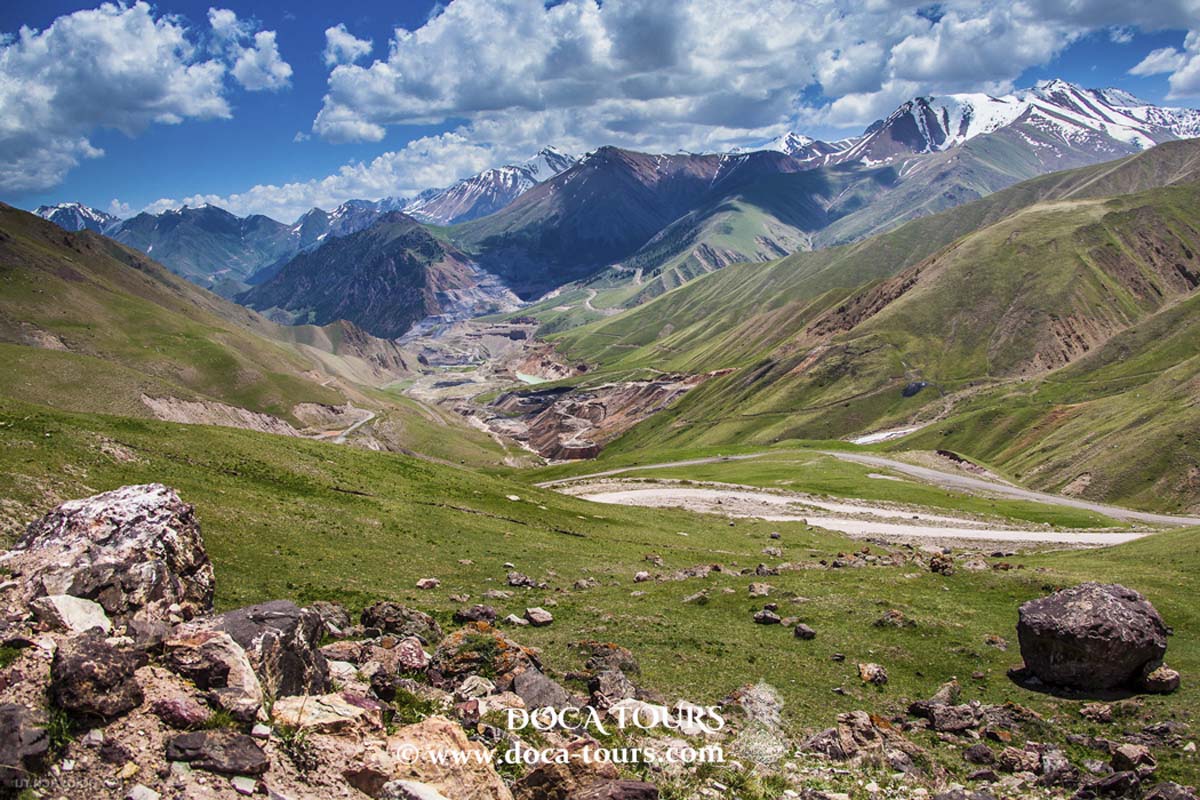
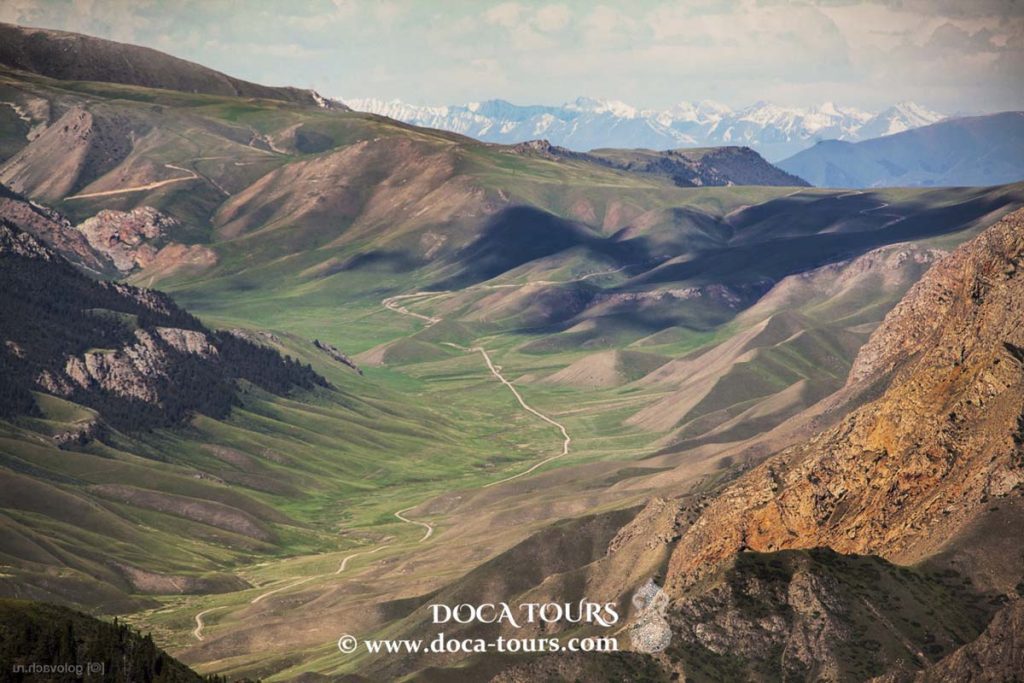
Naryn is located in the Naryn Valley at the base of the Naryn-Too Range, at an altitude of 2,000 meters above sea level. The city lies along the Naryn River and at the intersection of the Bishkek–Torugart highway.
The nearest railway station, in Balykchy on the shores of Lake Issyk-Kul, is 180 km to the north. The Torugart border crossing with China is located 186 km to the south of Naryn.
Economy
The economy of the region is primarily centered on livestock farming, including the breeding of horses, sheep, and yaks. The main products are wool and meat. Today, the area remains one of the poorest regions in the country. Mineral mines developed during the Soviet era were largely abandoned after the collapse of communism, as they were no longer economically viable.
Climate
Naryn experiences a sharply continental climate, characterized by cold, snowy winters and warm summers. The average temperature in July is +17°C, while in January, it drops to -13°C. Annual precipitation averages 281 mm.
Tourism
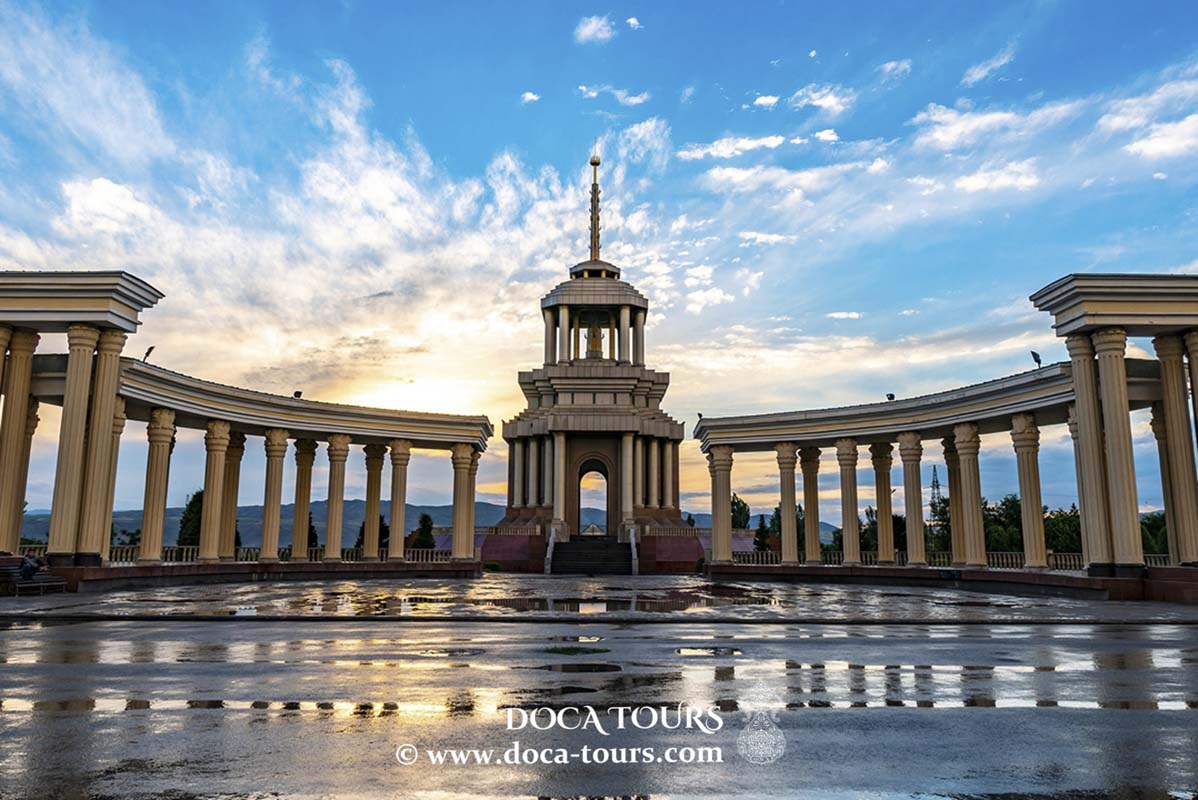
Naryn offers several cultural attractions, including a local history museum, a music and drama theater, and the National Theater Manas Rukhu.
Naryn River: The city serves as a starting point for numerous trekking routes through the Tien Shan mountains.
Rafting on the Naryn River: The river is ideal for rafting, with the season running from April to November. The difficulty level varies depending on the time of year.
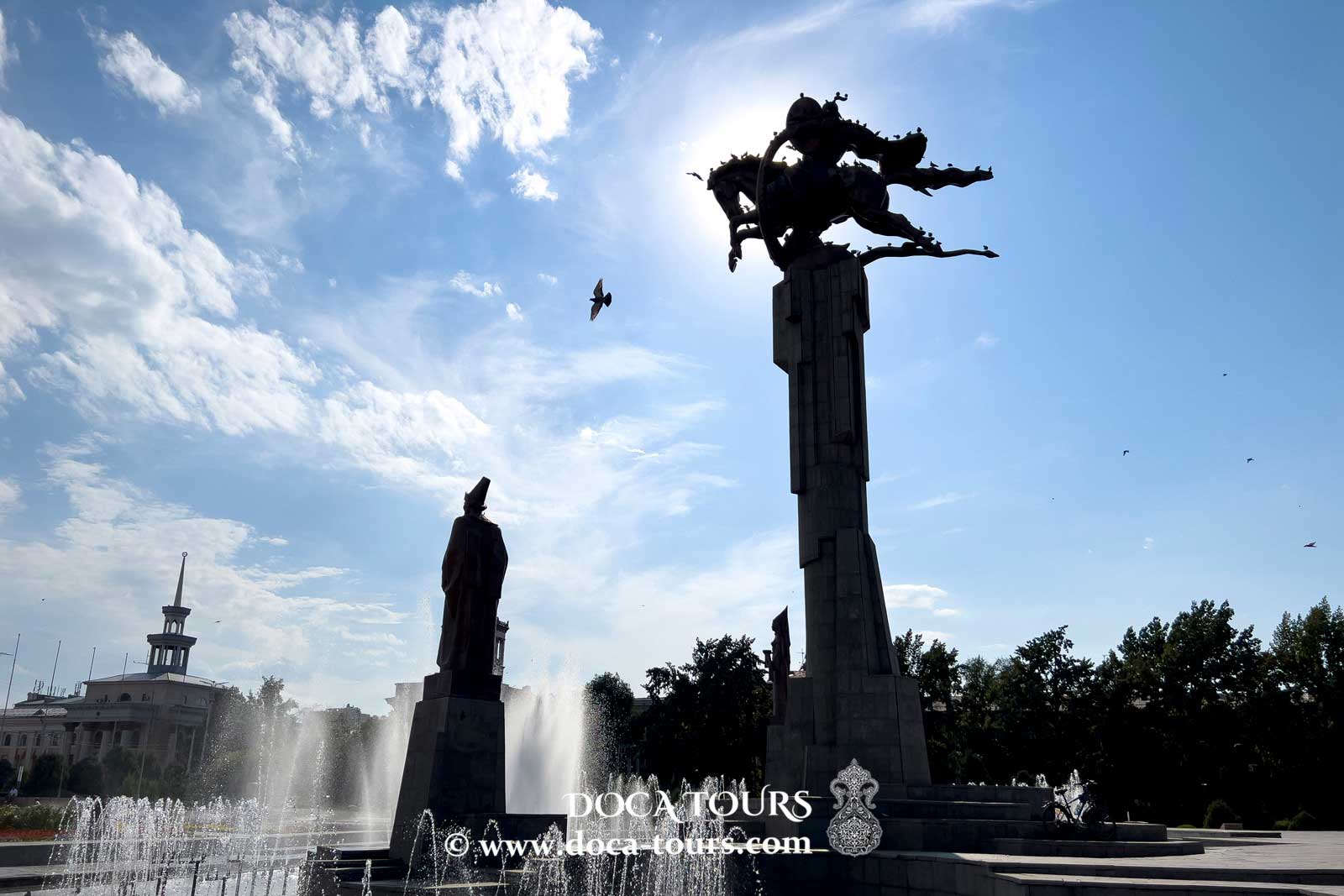
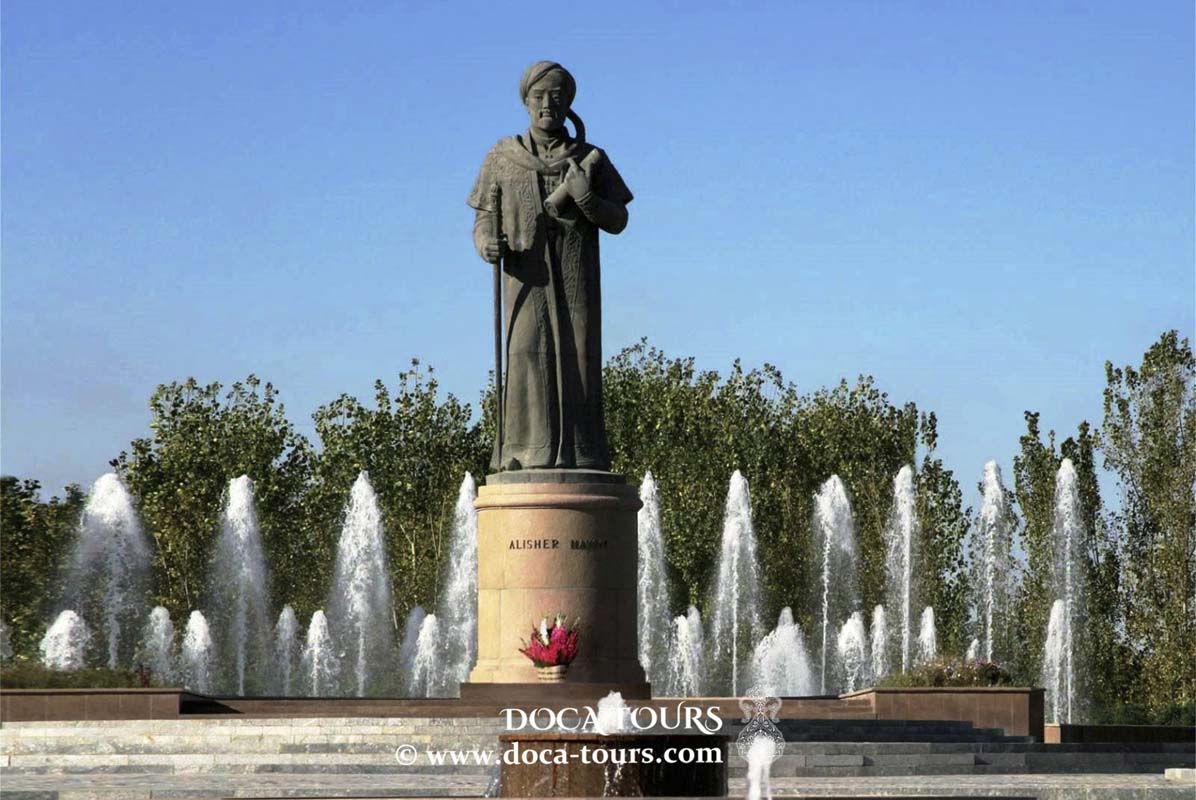
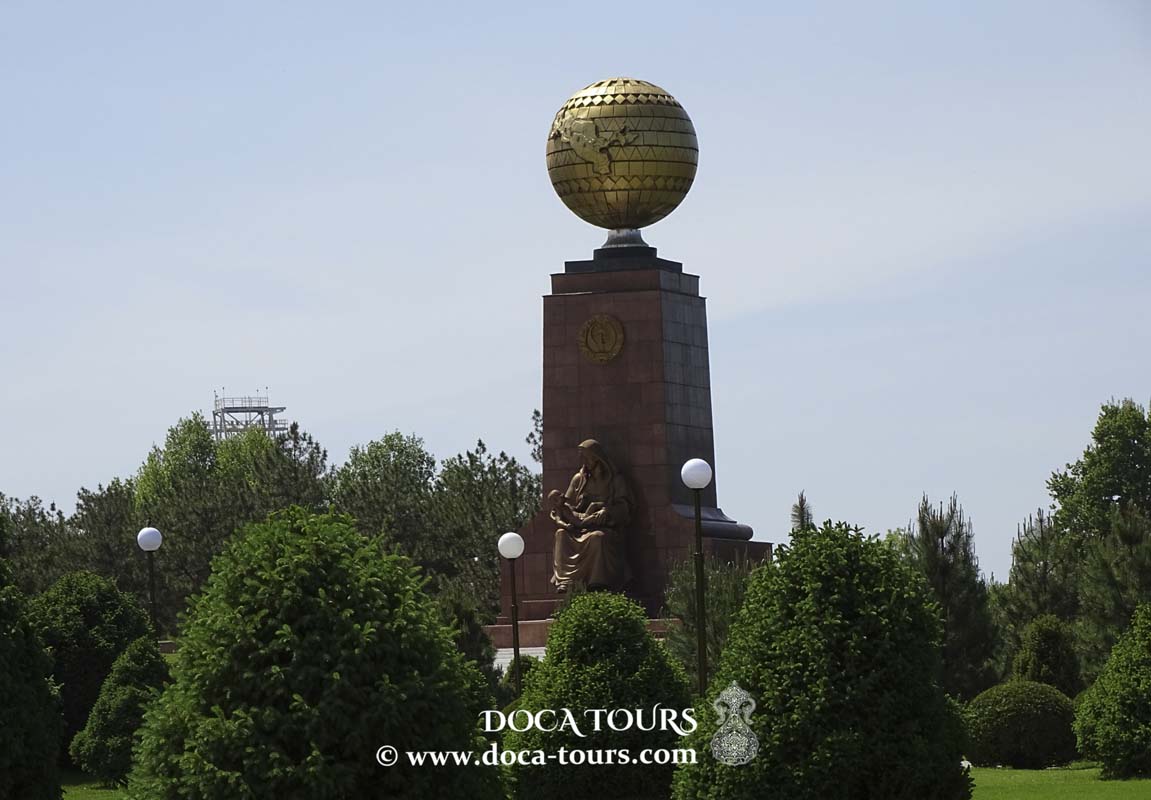
Landmarks: The city features notable landmarks, such as the statue in Naryn’s main square.
Transportation
In 1994, Naryn introduced trolleybus service, making it one of the smallest cities in the world to have a trolleybus network.
As of January 2015, daily minibuses and scheduled buses operate from the Naryn bus station to Balykchy, Bishkek, and Karakol. In August 2024, electric buses were launched in the city, operating on two routes.
Educational Institutions
- Naamatov Naryn State University
- University of Central Asia
- Naryn Medical College
- Naryn Pedagogical College
- Kyrgyz State Law Academy College


 Naryn is home to one of three campuses of the University of Central Asia (UCA), established in 2000 by the governments of Kazakhstan, Kyrgyzstan, and Tajikistan, along with His Highness the Aga Khan. UCA is the first internationally chartered higher education institution in the world. The university operates the School of Professional and Continuing Education (SPCE) and is developing a School of Undergraduate Studies and Graduate School of Development. Undergraduate classes at the Naryn campus commenced on September 5, 2016.

 With the annexation of Central Asia by the Russian Empire in 1868, a Russian garrison was stationed at Naryn Fort. This led to the creation of Naryn Settlement, marking the beginning of the city's development.
The fort maintained postal communication with the Russian consulate in Kashgaria through a permanent route to the Semirechye region.
After the October Revolution of 1917, Naryn fell under the control of the Red Army. However, in 1920, a clash occurred between Soviet forces and White Guards. Following intense battles, the city was retaken, and Soviet power was established. In 1927, Naryn became an administrative center, with Kary Januzakov appointed as the first chairman of the city executive committee for the newly created Naryn Region.
With the annexation of Central Asia by the Russian Empire in 1868, a Russian garrison was stationed at Naryn Fort. This led to the creation of Naryn Settlement, marking the beginning of the city's development.
The fort maintained postal communication with the Russian consulate in Kashgaria through a permanent route to the Semirechye region.
After the October Revolution of 1917, Naryn fell under the control of the Red Army. However, in 1920, a clash occurred between Soviet forces and White Guards. Following intense battles, the city was retaken, and Soviet power was established. In 1927, Naryn became an administrative center, with Kary Januzakov appointed as the first chairman of the city executive committee for the newly created Naryn Region.
 Some believe the name "Naryn" is derived from the Central Asian dish naaryn, made from finely chopped horse meat. It is possible that the region was renowned for preparing this dish, as horse meat is a national staple in Kyrgyzstan.
Today, Naryn serves as the cultural and administrative center of the Naryn Region and is part of the Naryn Free Economic Zone. It is home to the headquarters of governmental, private, and public organizations at both the city and regional levels, the consular department of Kyrgyzstan’s Ministry of Foreign Affairs, and the Torugart Customs Administration.
Some believe the name "Naryn" is derived from the Central Asian dish naaryn, made from finely chopped horse meat. It is possible that the region was renowned for preparing this dish, as horse meat is a national staple in Kyrgyzstan.
Today, Naryn serves as the cultural and administrative center of the Naryn Region and is part of the Naryn Free Economic Zone. It is home to the headquarters of governmental, private, and public organizations at both the city and regional levels, the consular department of Kyrgyzstan’s Ministry of Foreign Affairs, and the Torugart Customs Administration.