MARY
- Geographical coordinates: 37°36′N. 61°50′ E
- Former names: Merv (New Merv)
- Elevation: 223 m
- Official language: Turkmen
- Popular languages: Russian, Uzbek etc.
- Nationality: Turkmen, Uzbeks, Russians, etc.
- Population: 126 000 (2022)
- Time Zone: UTC+5
- Telephone Code: +993 522
- Postal Codes: 745400
- Vehicle Registration Code: MR
Mary: A City Rich in History and Culture
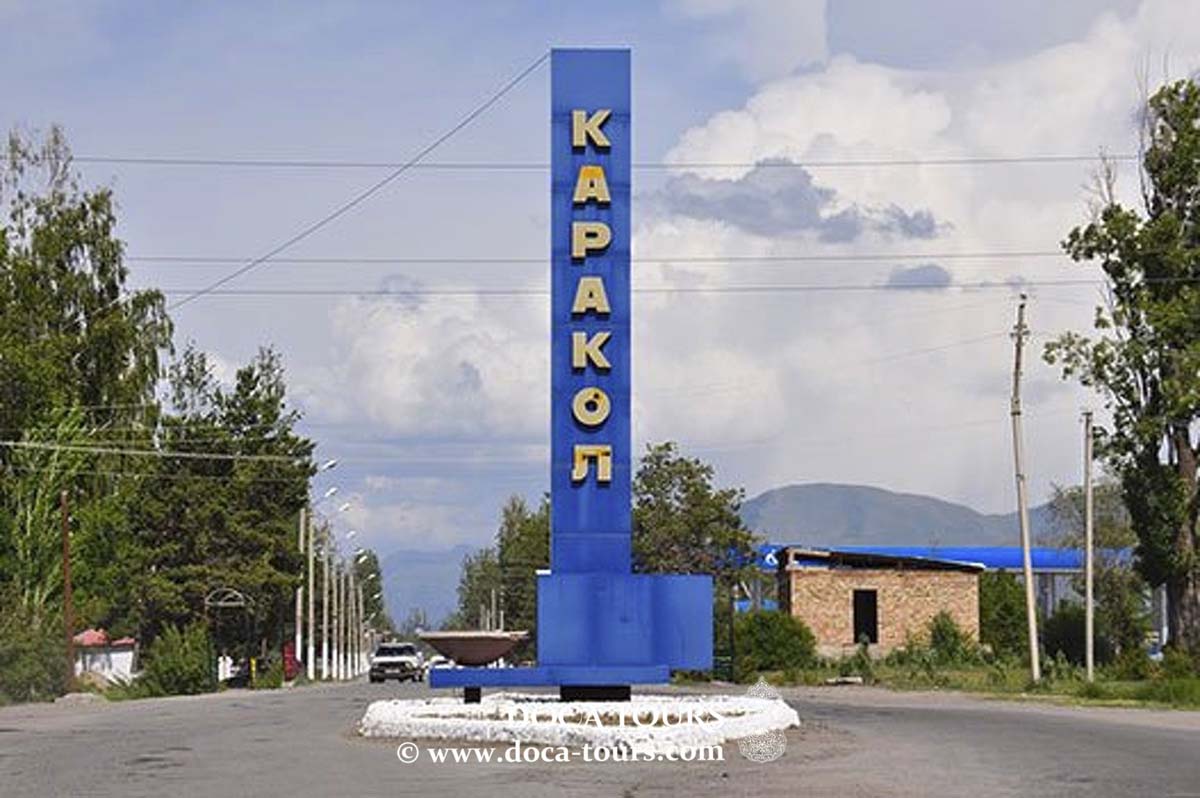
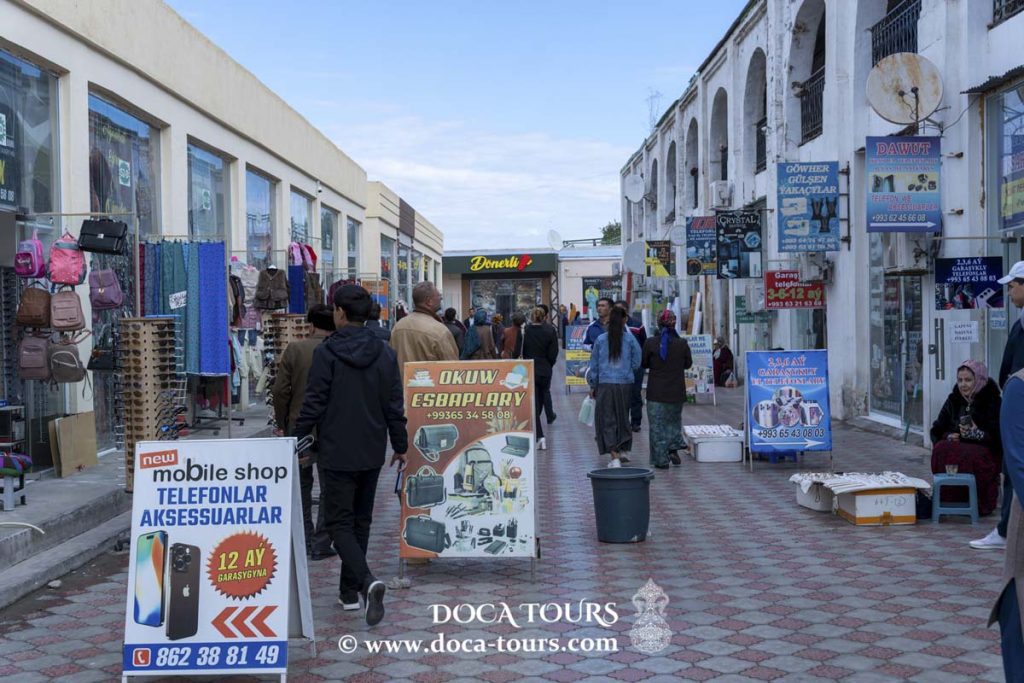
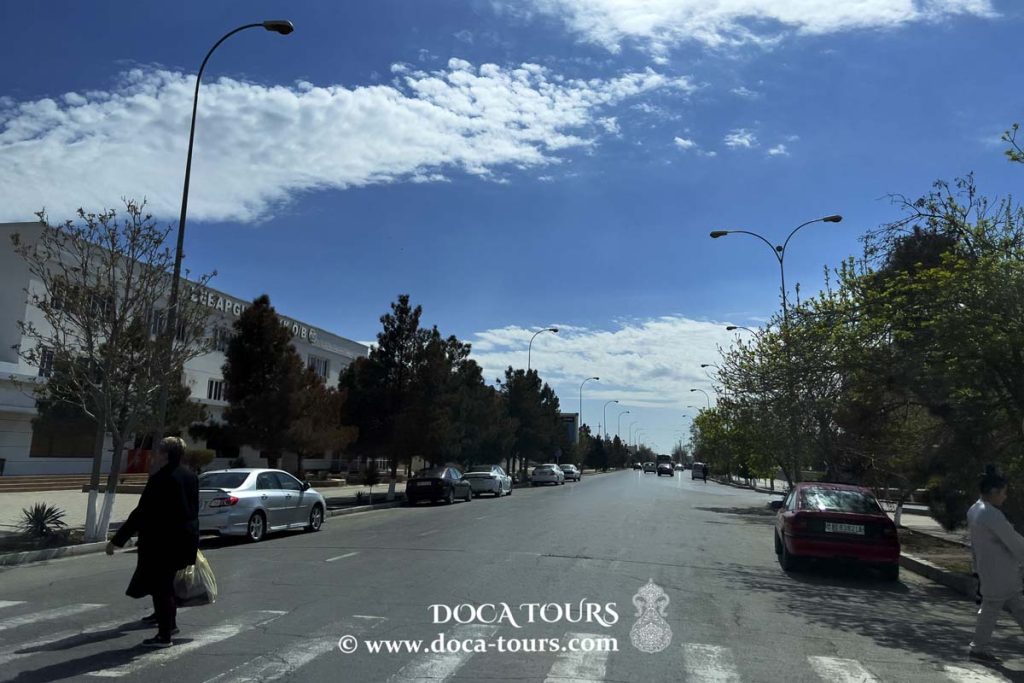
Mary (Turkmen: Mary), formerly known as Merv until 1937, is a city in southern Turkmenistan and the administrative center of Mary Province. It is named after the ancient city of Merv, one of the most important cities in Central Asia during antiquity and the Middle Ages.
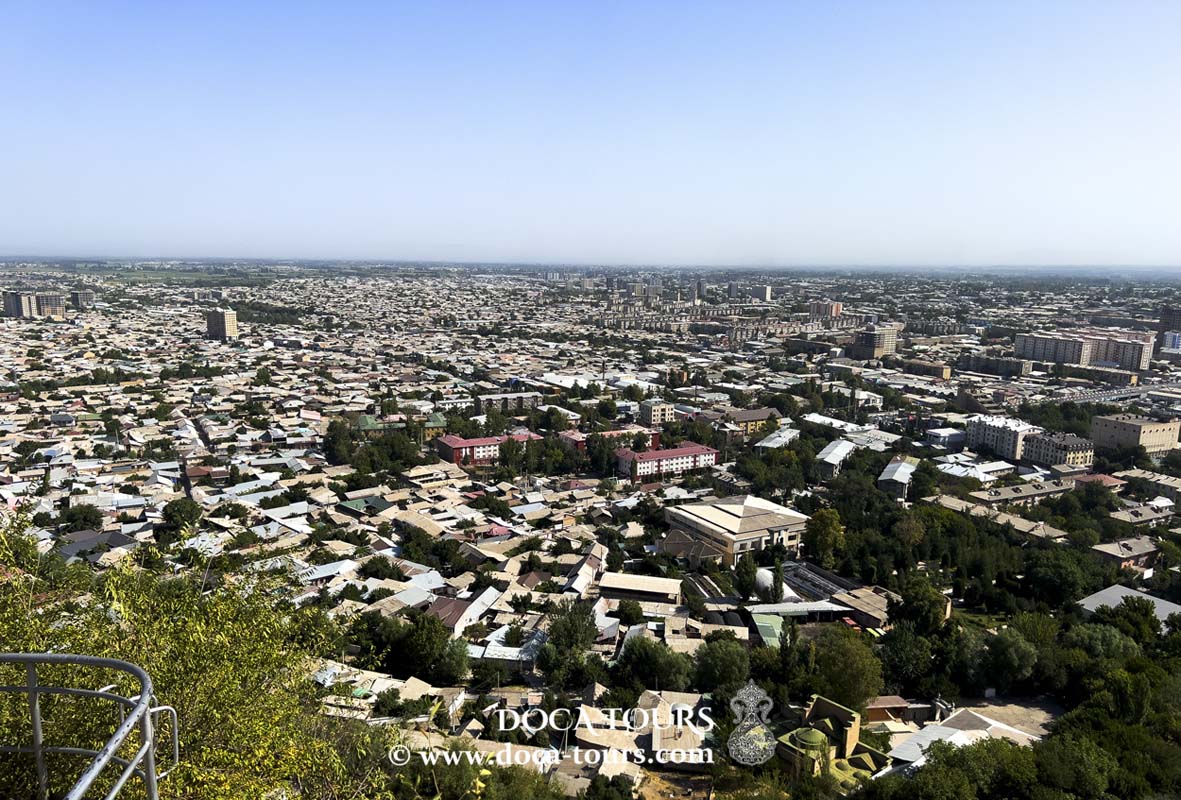
Ranked as the fourth-largest city in Turkmenistan, Mary is located in the southeastern part of the Turan Lowlands, within the fertile Murghab Oasis at the delta of the Murghab River, which originates in Afghanistan. The city is bordered to the south by the Karakum Canal and serves as a major hub for both rail and road transportation. According to the 2010 census, Mary had a population of 126,141. As of April 2021, the city was led by Mayor (Hakim) Amanmyrat Mailiyev.

Historical Background
Foundation and Early History
Mary was established in 1884 as a Russian military-administrative center on the site of a Tekke fortress, about 30 km west of the ruins of the ancient city of Merv, which dates back to the middle of the 1st millennium BCE. Known historically as Margiana or Margush, the ancient settlement was Persian-speaking for centuries before the population gradually transitioned to Turkmen in the 17th century due to migration and assimilation.
Integration into the Russian Empire
In 1884, during General Mikhail Skobelev’s Turkestan campaign, Merv and the surrounding Murghab Oasis were peacefully annexed to the Russian Empire after negotiations led by M. Alikhanov-Avarsky. Disguised as a merchant, Alikhanov convinced the elders of Merv to accept Russian rule, avoiding bloodshed. On January 25, 1884, representatives from Merv submitted a formal request to General A.V. Komarov in Ashgabat, marking the city’s incorporation into Russia. Alikhanov was subsequently appointed the first governor of Merv.
1884–1921: Under Russian Rule
Following its annexation, Merv became part of the Transcaspian Region. From February 6, 1890, it served as the center of the Merv District within the Transcaspian Region.
Soviet Era (1921–1991)
On August 7, 1921, the Transcaspian Region was renamed Turkmen Oblast, and Merv became the administrative center of the Merv District within the Turkmen Oblast of the Turkestan ASSR. On December 4, 1924, it was designated the center of the Merv District within the newly formed Turkmen SSR. In 1937, Merv was officially renamed Mary.
During this period, Mary hosted the 18th Turkmen Red Banner Mountain Cavalry Division until 1941. On November 21, 1939, it became the provincial capital of Mary Province. After a brief dissolution of the province in 1963, Mary regained its status as a provincial capital in 1970.
The Mary-2 Airfield housed the 156th Fighter-Bomber Aviation Regiment of the 34th Air Division.
Post-Independence Era
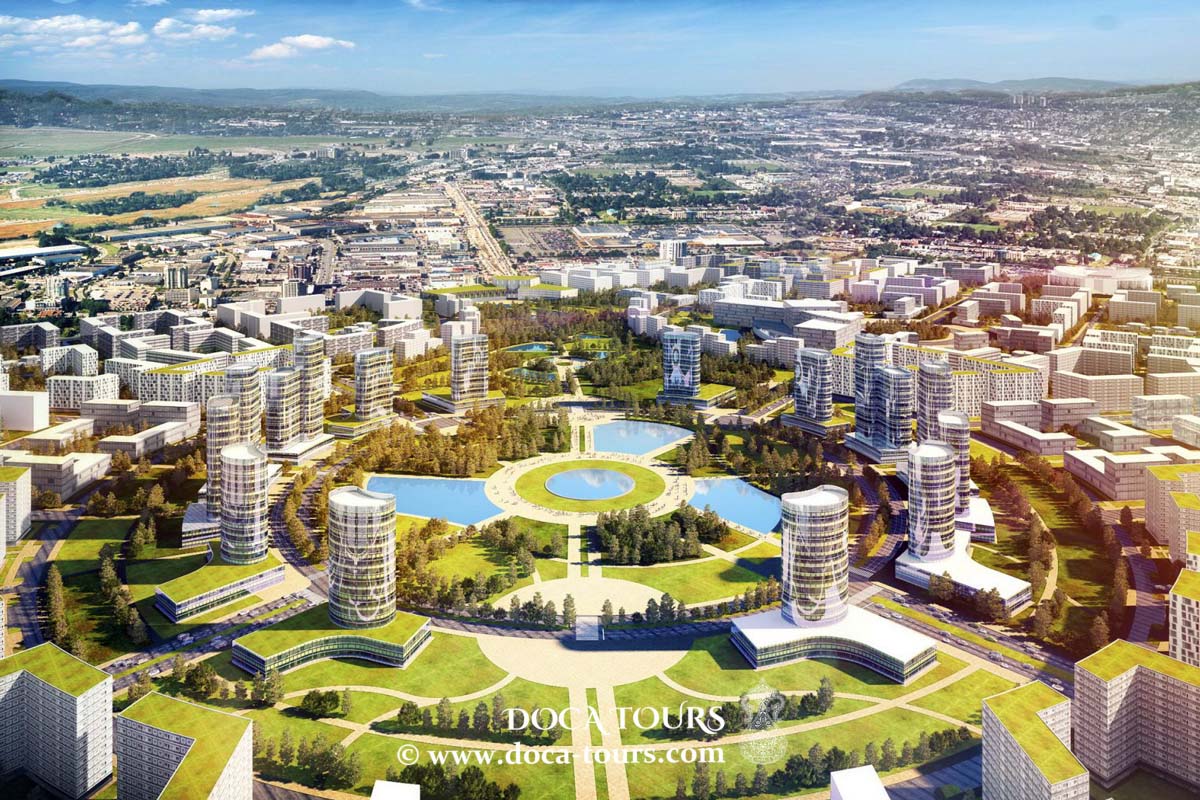
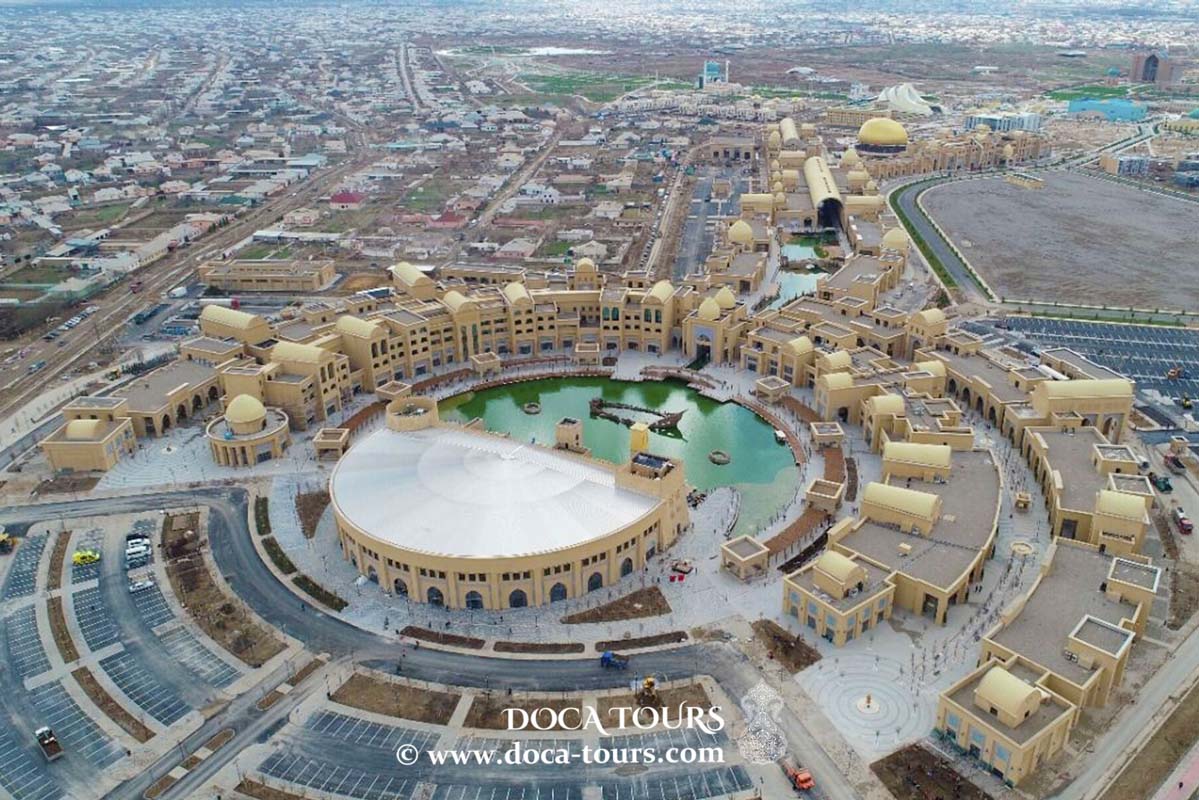
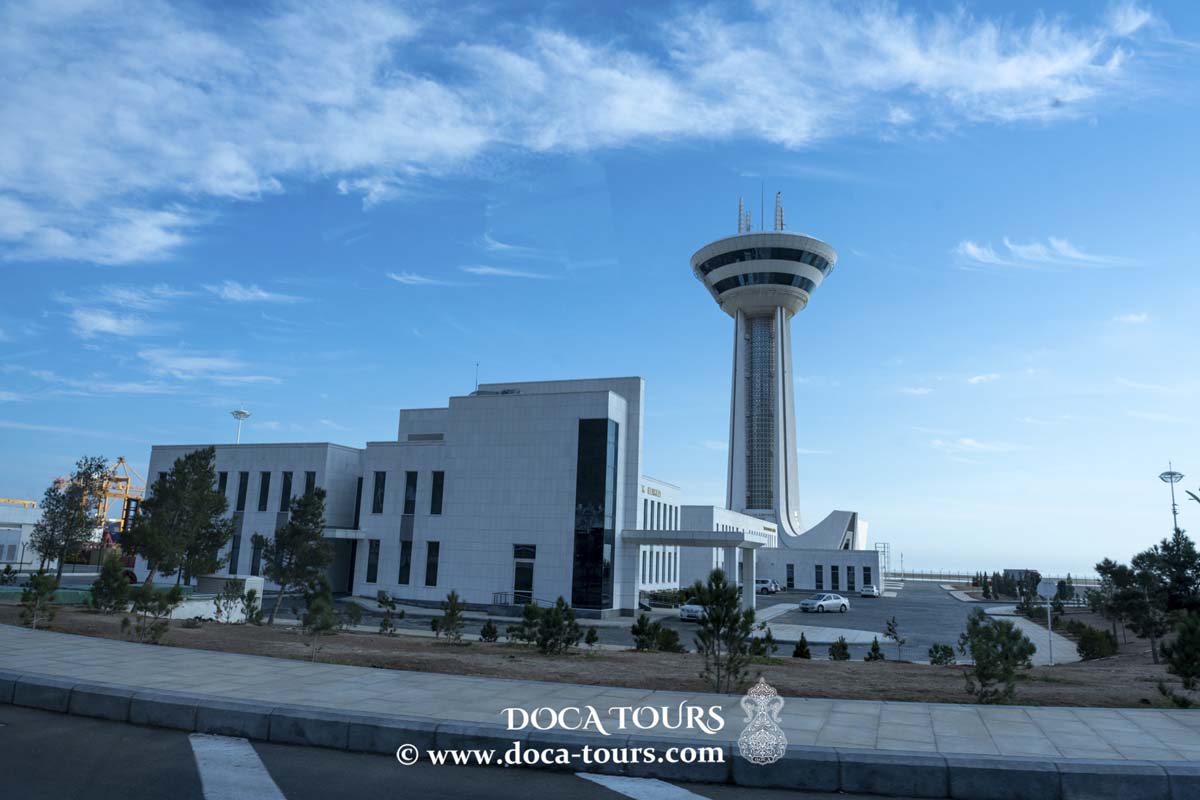
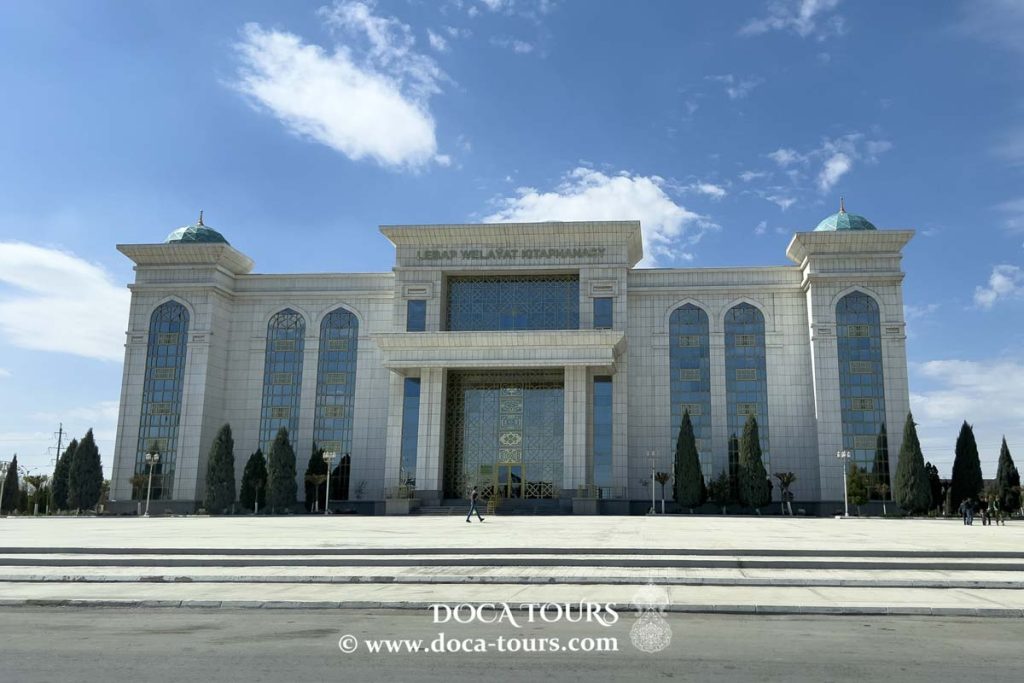
After Turkmenistan gained independence on May 18, 1992, Mary became the capital of Mary Province. The city underwent significant modernization in the 2000s, with extensive urban development and infrastructure projects. Key constructions included a new airport terminal, the Mary State Energy Institute campus, a theater, a regional library, a history museum, and various healthcare centers such as the Ene Myahri Medical Center and the Diagnostic Medical Center.
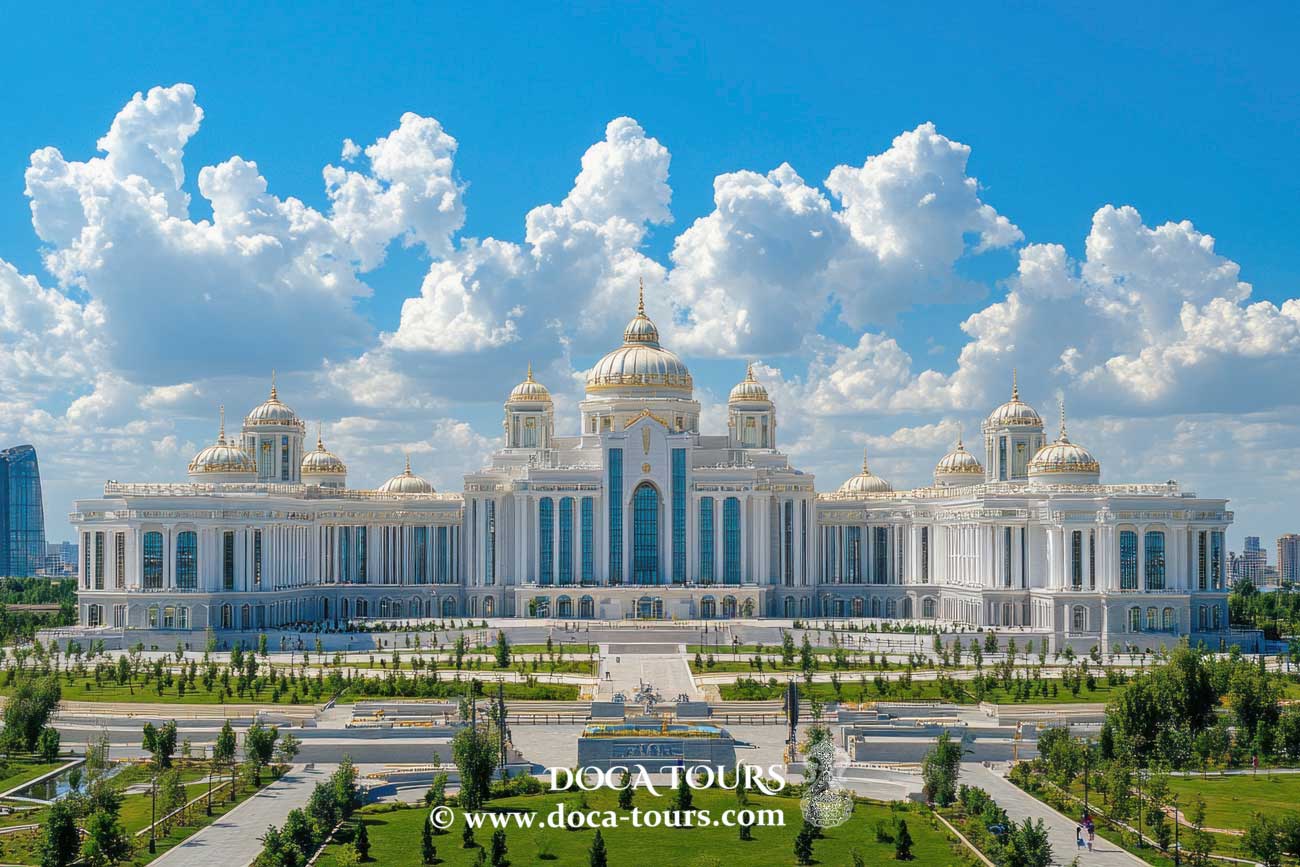
Mary also boasts major religious and cultural landmarks, including the Gurbanguly Hajji Mosque and the Ruhiyet Palace. In 2012, Mary was named the Cultural Capital of the CIS. By 2014, industrial growth included the opening of an ammonia and urea production complex, a gas-turbine power plant, and a multi-functional shopping center. In 2015, the city was recognized as the Cultural Capital of the Turkic World.
Geography and Climate
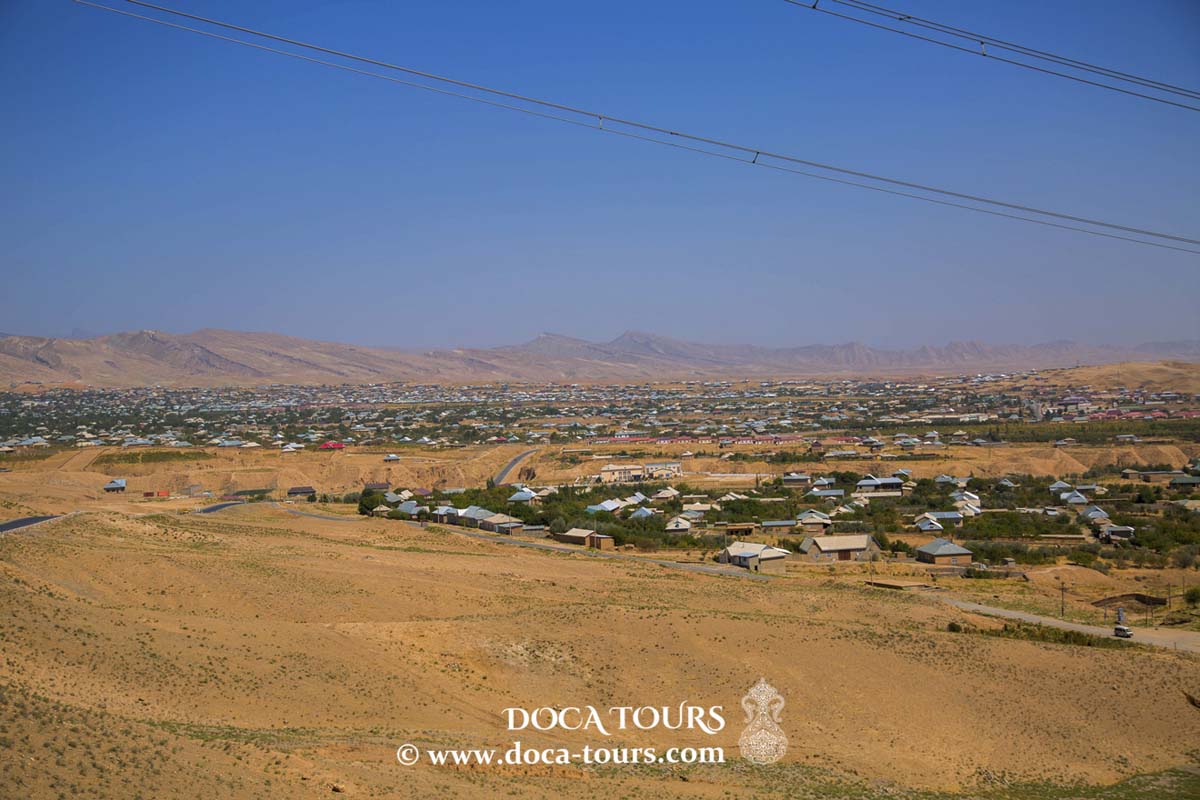
Mary is situated on the southeastern Turan Lowlands within the Murghab Oasis, surrounded by the Karakum Desert and the Karakum Canal to the south.
The city experiences a continental desert climate, characterized by dry conditions and significant temperature variations.
- Average annual temperature: +17.1°C
- January average: -2°C to +4°C
- July average: +28°C to +32°C
- Annual precipitation: 100–300 mm
- Average wind speed: 4.0 m/s
- Relative humidity: 41.8%
Mary continues to evolve as a modern city with rich historical roots, offering a unique blend of cultural heritage and economic development.
Population
As of 2017, Mary’s population was approximately 120,000. According to the 1998 census, the city had 94,000 residents. By 2005, the population grew to 100,000, and by 2017, it neared 120,000. The city’s demographic composition includes primarily Turkmens, with smaller communities of Russians, Tatars, and Armenians.
Economy
Industry
Mary is an important industrial center with several key facilities, including:
- Machine-building plant
- Auto-repair plant
- Cotton processing plant
- Leather factory
- Construction materials plant
- Turkmen Nitrogen Fertilizer Plant (TNAU)
- Sugar factory
The machine-building plant produces powerful centrifugal oil pumps, which are distributed across CIS countries and exported to over 20 other nations.
The city also houses factories specializing in wool washing, spinning and weaving, garment production, carpet weaving, confectionery, and furniture. Additionally, it is home to a brewery and a dairy plant.
Mary serves as the gas industry hub of Turkmenistan. Located 19 km from the city is the Mary Hydroelectric Power Station, the country’s largest, with a capacity of 1.25 million kW. It operates on gas from the Shatlyk field and generates over 80% of Turkmenistan's electricity.
The city also boasts a printing house.
Carpet Weaving
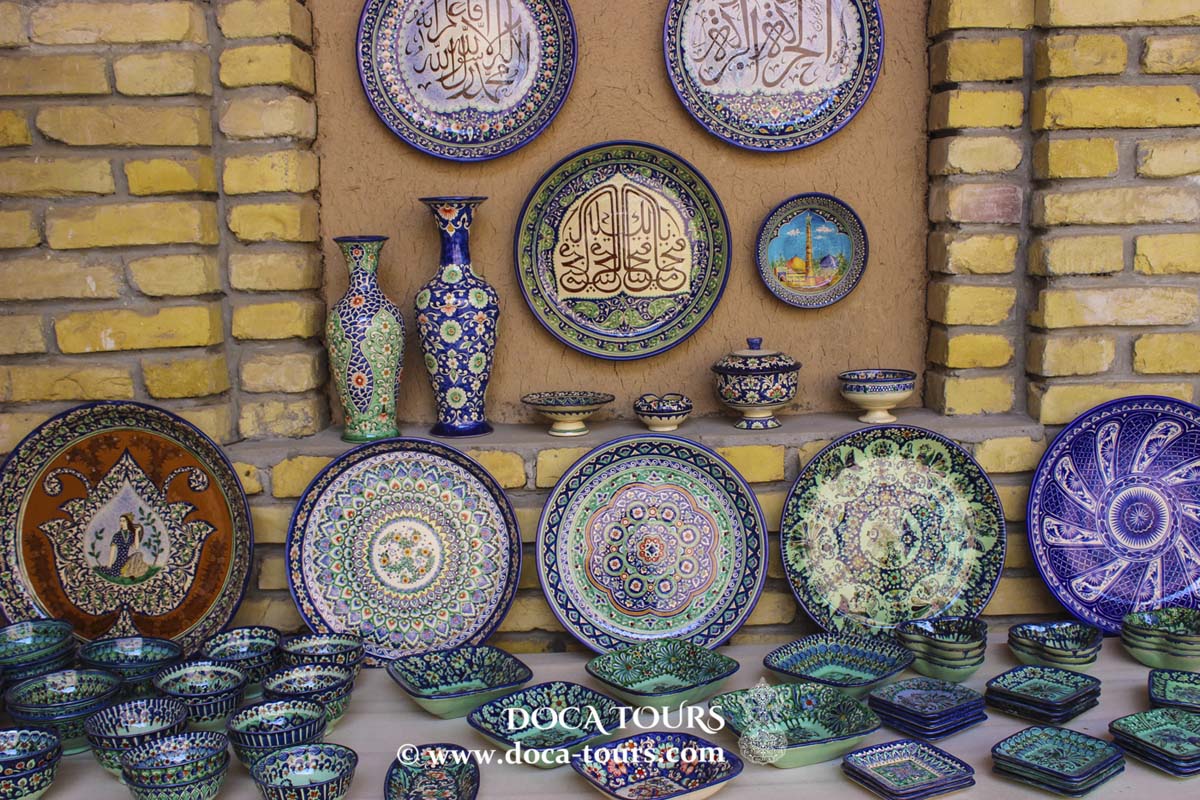
Mary is renowned for its handmade and machine-made carpets. Each type—Tekke, Salor, Yomud, and Ersari—features distinct patterns and colors. The Merv Oasis, now Mary Province, is the birthplace of the world-famous Tekke carpets, preserving the ancient traditions of Turkmen carpet weaving.
Horse Breeding
The Mary Horse Breeding Farm is known worldwide for raising the elite Akhal-Teke horses, a breed prized for its beauty and endurance.
Transportation
Mary is a major transportation hub, thanks to the Trans-Caspian Railway, constructed between 1880 and 1896 under the direction of Russian General Mikhail Annenkov. This railway connects Turkmenbashi (formerly Krasnovodsk) to Tashkent, with a branch line extending from Mary to Kushka, completed by 1900.
The city features a modern bus terminal with a capacity of 500 passengers per hour, a reconstructed railway station (2003), and a new airport capable of handling 300 passengers per hour. The airport’s 3,500-meter runway accommodates aircraft weighing up to 400 tons. Local transportation includes municipal buses, minibusses, and taxis.
Education and Culture
Mary is home to several educational institutions, including public schools, lyceums, colleges, and specialized schools such as a pedagogical college, a medical college, and an arts college. The city also hosts the Turkmen State Energy Institute.
Cultural amenities include:
- A local history museum
- The Kemine State Drama Theater
- Art and music schools
- A youth sports school
- A Palace of Culture
- Libraries and cinemas
- Healthcare
- Regional Diagnostic Center named after the first President of Turkmenistan, S.A. Niyazov
- Regional Mother and Child Health Center
Sports
Mary has a vibrant sports scene, featuring a youth sports school and the Merv Football Club, which competes in Turkmenistan’s top league. The Merv Stadium has been recognized for its outstanding organization of championship and cup matches. Additionally, the city has a Central Indoor Swimming Pool (built in 2005) and the Sport Toplumy Stadium, opened in 2009 with a capacity of 10,000 spectators.
Landmarks
Mary has numerous monuments, including tributes to Turkmen poets and educators Mollanepes, Kemine, and Makhtumkuli. Other notable landmarks include:
- Eternal Flame in honor of World War II and Afghan War heroes
- Monuments to Civil War heroes such as Pavel Poltoratsky and K. Azalov
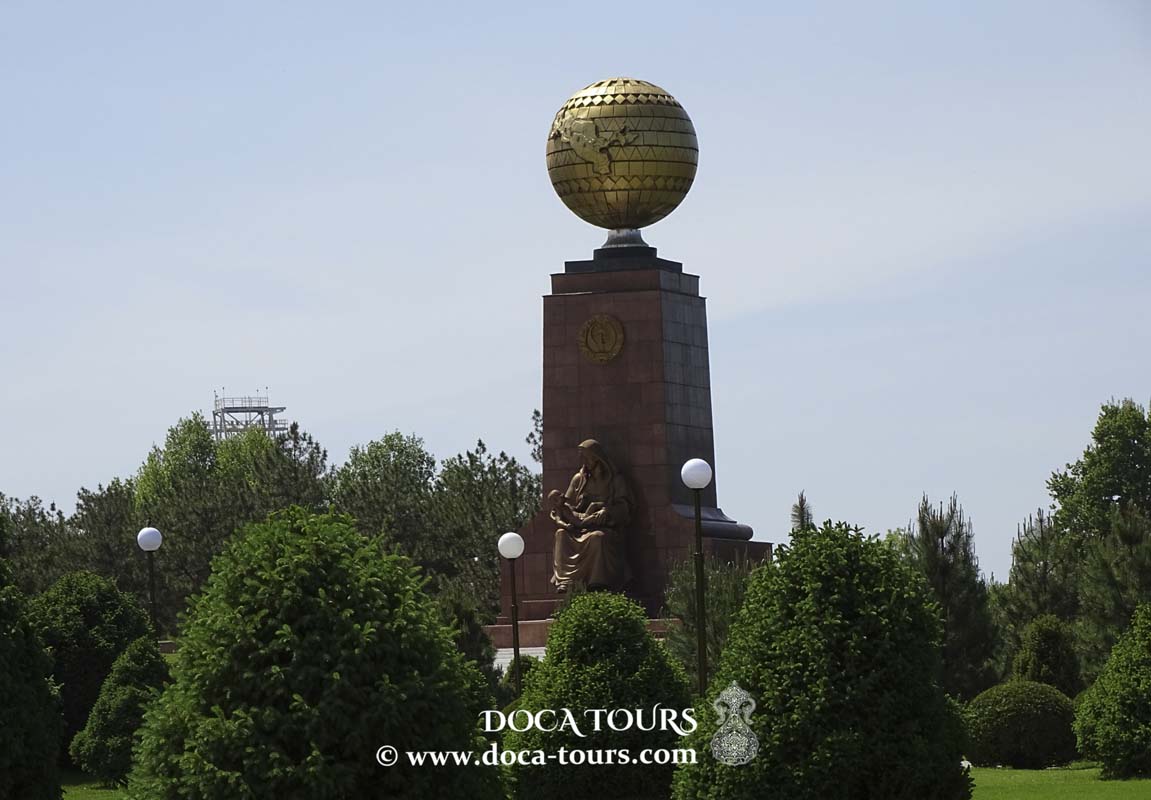
- The Motherland Monument and Eternal Glory Monument
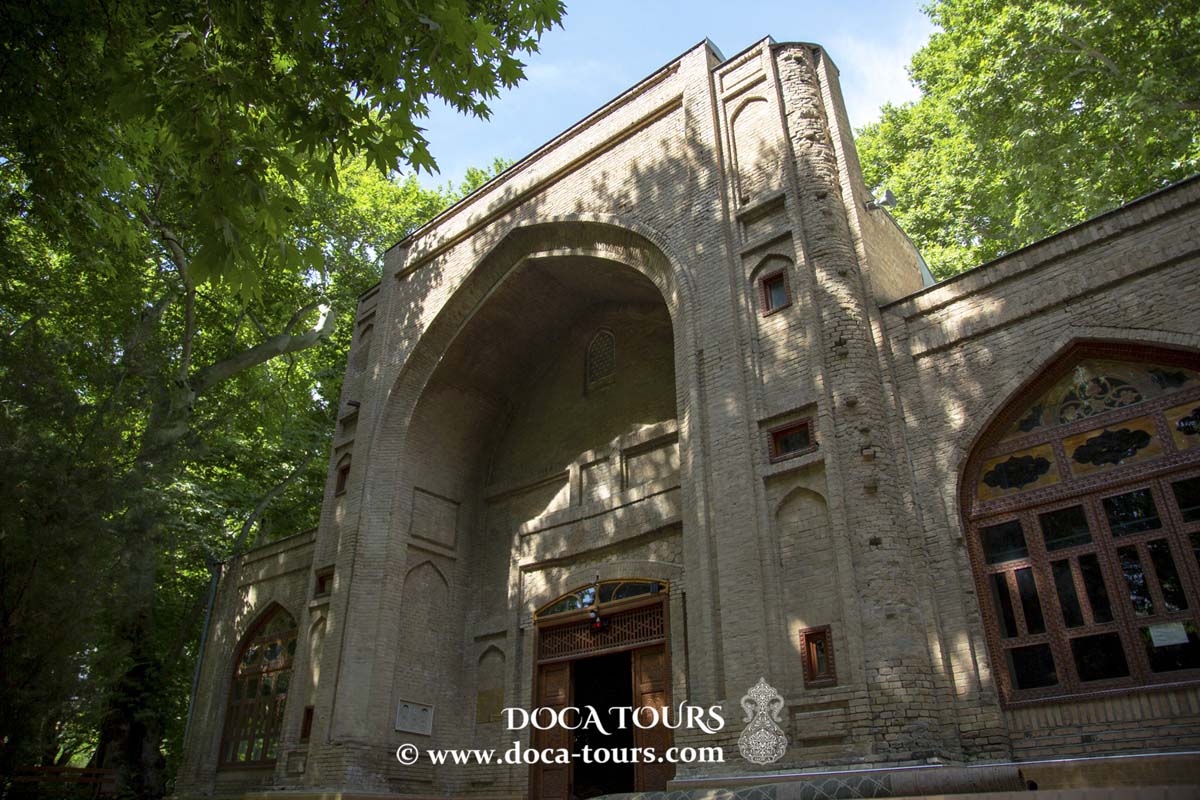
- Religious landmarks include the Church of the Intercession of the Holy Virgin, built in 1900.
Just 30 km east of Mary lies Bayram-Ali, home to ancient Merv’s archaeological and architectural treasures, such as:
- Gyaur-Kala (3rd century)
- Kyz-Kala (Great and Small)
- Sultan-Kala
- Erk-Kala Fortress
- Mausoleum of Sultan Sanjar (11th century)
- 30 km south of Mary, in the town of Talhatan, stands the Talhatan-Baba Mosque-Mausoleum (11th century).
Military Presence
During the Afghan War (1979–1989), the nearby Mary-1 and Mary-2 airfields served as bases for Soviet bombers conducting missions in Afghanistan. The city also hosted the 8th Interregional School for Sergeant Training of the KGB Border Troops, with a focus on preparing cavalry units for border patrols.
Correctional Facilities
Mary has a pretrial detention center (SIZO-5) with a capacity of 400 inmates and a strict-regime labor colony (ITK-6) that houses up to 800 prisoners.
- Twin Cities
- Istanbul, Turkey
- Jeddah, Saudi Arabia
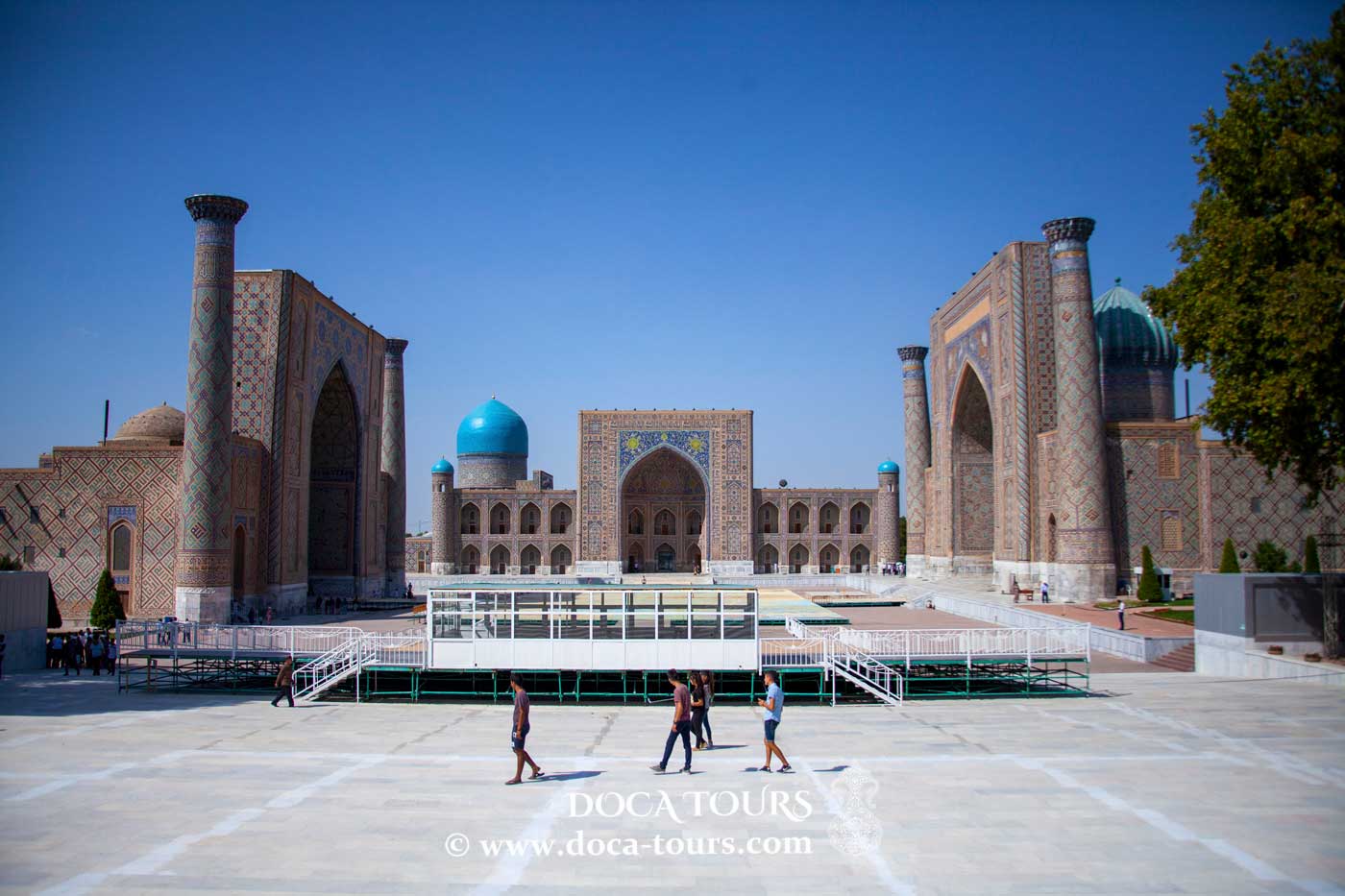
- Samarkand, Uzbekistan
- Oryol, Russia
- Xian, China



 Mary serves as the gas industry hub of Turkmenistan. Located 19 km from the city is the Mary Hydroelectric Power Station, the country’s largest, with a capacity of 1.25 million kW. It operates on gas from the Shatlyk field and generates over 80% of Turkmenistan's electricity.
The city also boasts a printing house.
Mary serves as the gas industry hub of Turkmenistan. Located 19 km from the city is the Mary Hydroelectric Power Station, the country’s largest, with a capacity of 1.25 million kW. It operates on gas from the Shatlyk field and generates over 80% of Turkmenistan's electricity.
The city also boasts a printing house.