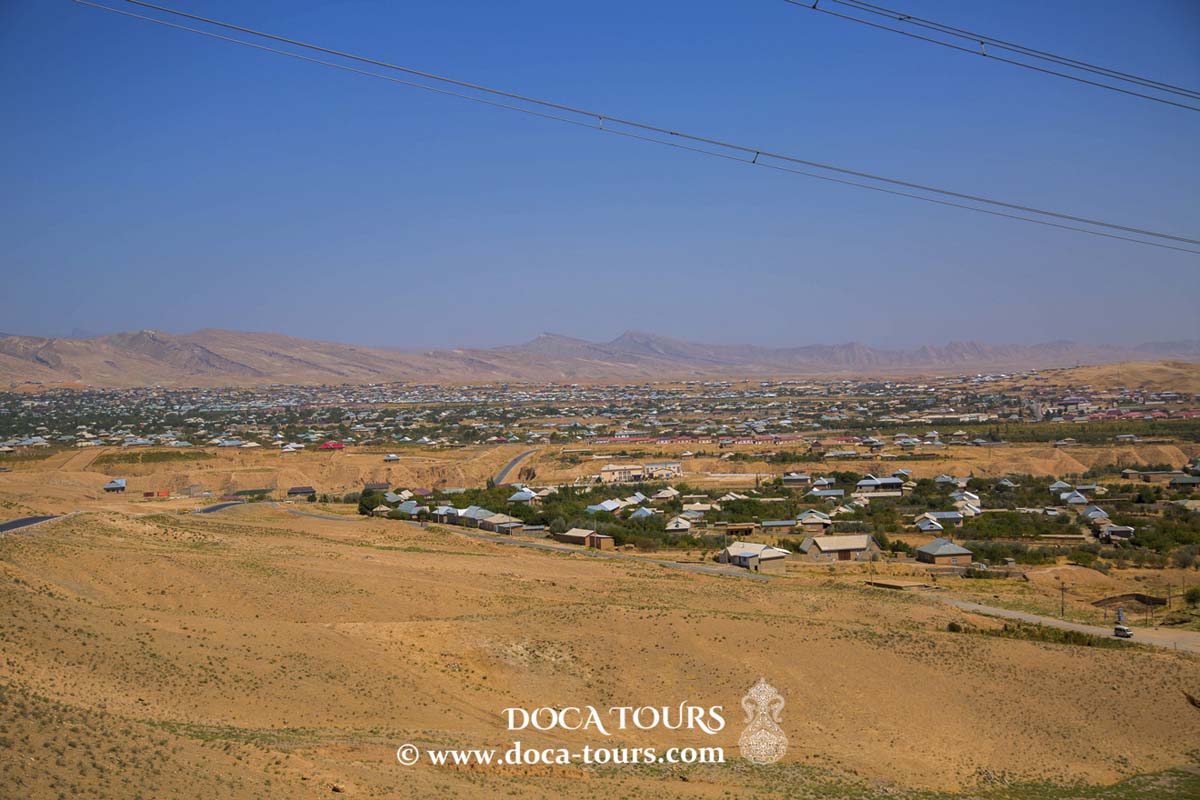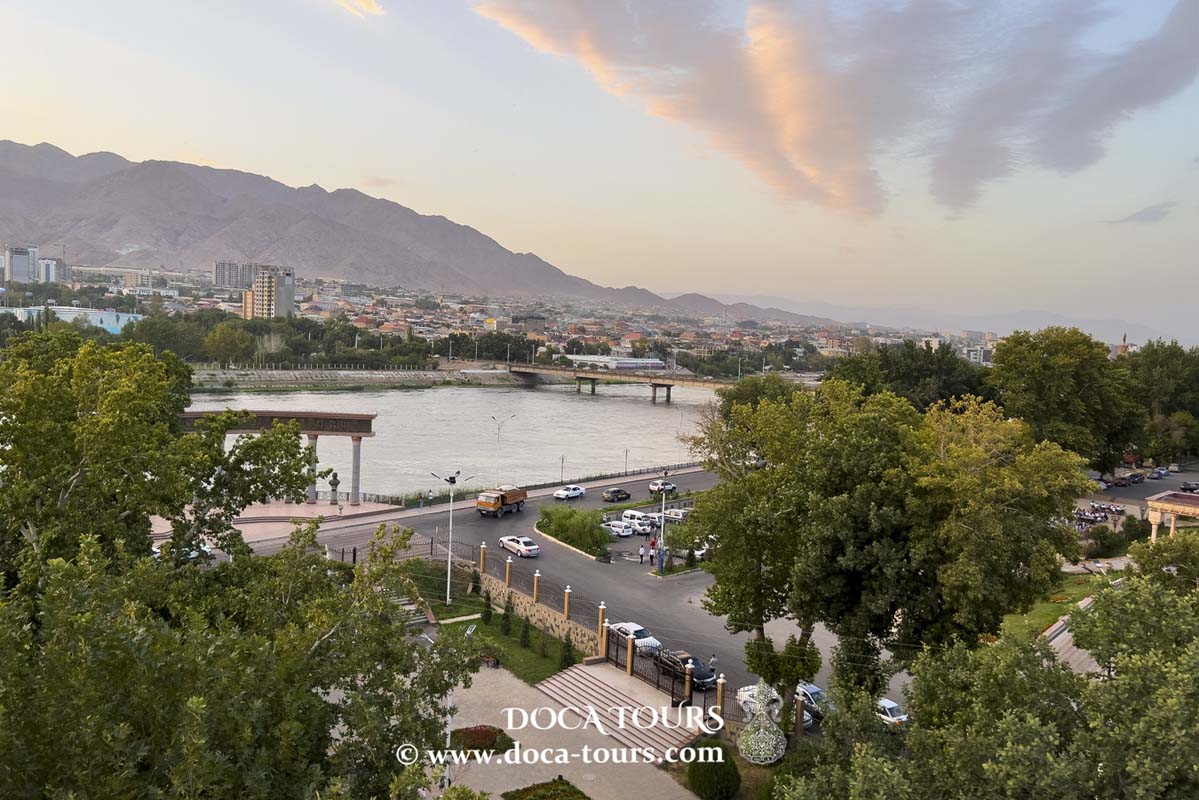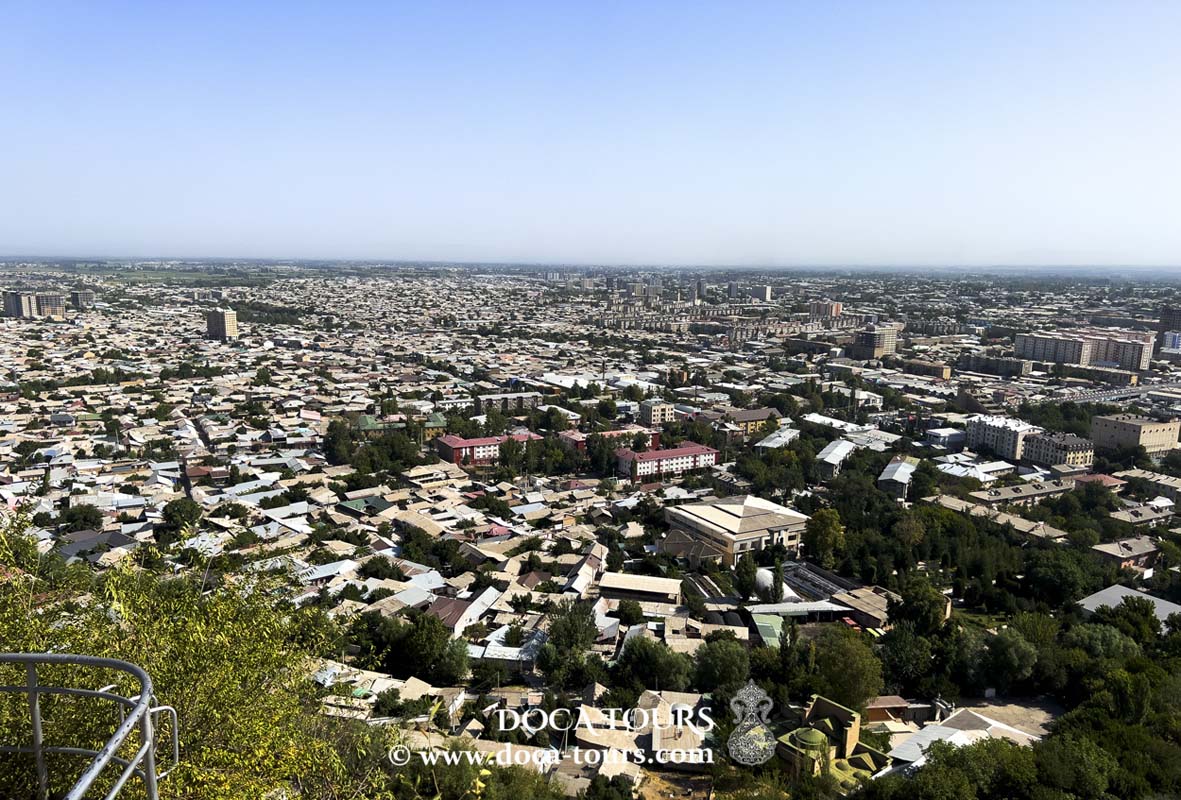
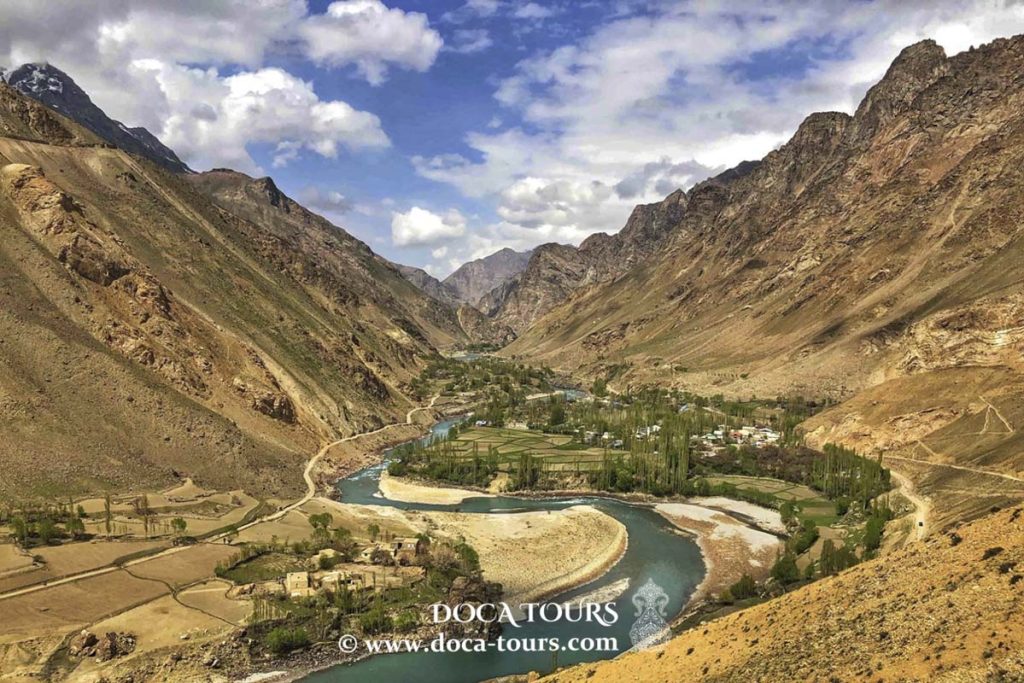
Kulob is a city in the southern part of Tajikistan, within the Khatlon Region. Positioned approximately 203 kilometers (126 miles) southeast of the capital, Dushanbe, it lies along the Yakhsu River, a right tributary of the Panj. Kulob is one of the country's major cities. The city is accessible via Kulob International Airport.
Kulob became the capital of Khuttalyan in the 16th century. Historical accounts describe it as a small fortified city with three gates: Chorsu to the north, Imam to the west, and Darb al-Haywan to the south. The city's history is connected with the political changes and ruling dynasties of Central Asia. For more historical background, see Encyclopaedia Iranica's article on Kulob.
In 1504–1505, Kulob was captured by Shaybani Khan, founder of the Uzbek Shaybanid dynasty, and became part of the Shaybanid State. After Shaybani Khan's death in 1510, control of the region changed hands. In 1584, Abdullah Khan II recaptured Kulob and incorporated it into the Bukhara state's sphere of power.
Under Nadir Muhammad Khan (1642–1645), Kulob was reassigned to Balkh, an important political center during the rule of the Uzbek Ashtarkhanid dynasty. Later, the city and its surrounding region were governed by various rulers.
In the 19th century, Kulob was repeatedly conquered by rulers of regional Uzbek khanates, including Murad Bek of Kunduz, Madali Khan of Kokand, Nasrullah Khan of Bukhara, and Muzaffar Khan.
Kulob officially gained city status in 1934 during the Soviet era.
For centuries, Kulob was an important political, trade, and cultural center of the Khatlon region. Its location helped connect the area with neighboring regions of Central Asia. Further information about the city's past is available in this historical reference on Kulob.

In the medieval period, Kulob served as the center of the Kulob Bekdom within the Bukhara Khanate. Education, craftsmanship, trade, literature, and scientific life contributed to the city's cultural development.
Between the 17th and 19th centuries, Kulob was associated with numerous poets, including Abdurahmon Khoja Nasekh, Haji Husain Kangurti, Bismil, and Shohin. Archaeological discoveries of historic structures and mausoleums reflect the region's architectural heritage.
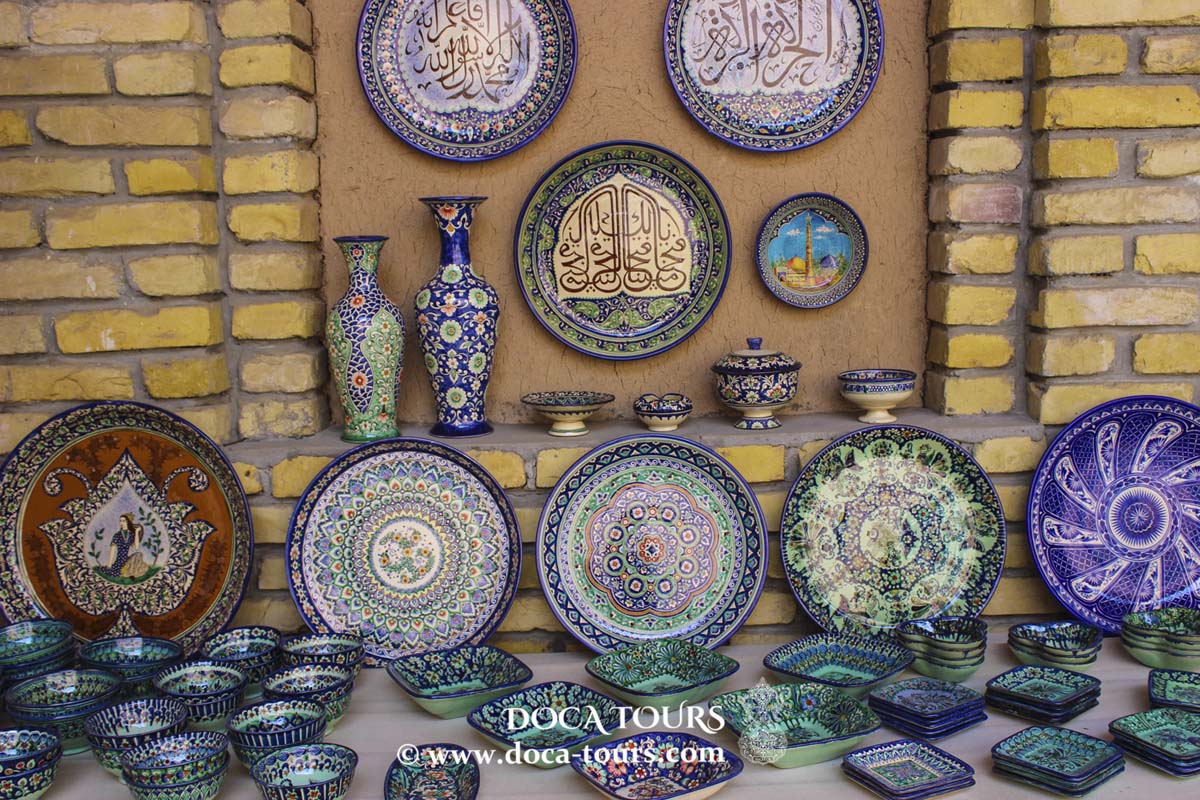
At the beginning of the 20th century, Kulob was an important city in Eastern Bukhara. Local crafts included silk weaving, jewelry making, pottery, leatherwork, carpentry, and metalworking. The city was also known for embroidery, particularly gulduzi and chakan, which feature distinctive patterns and colors.
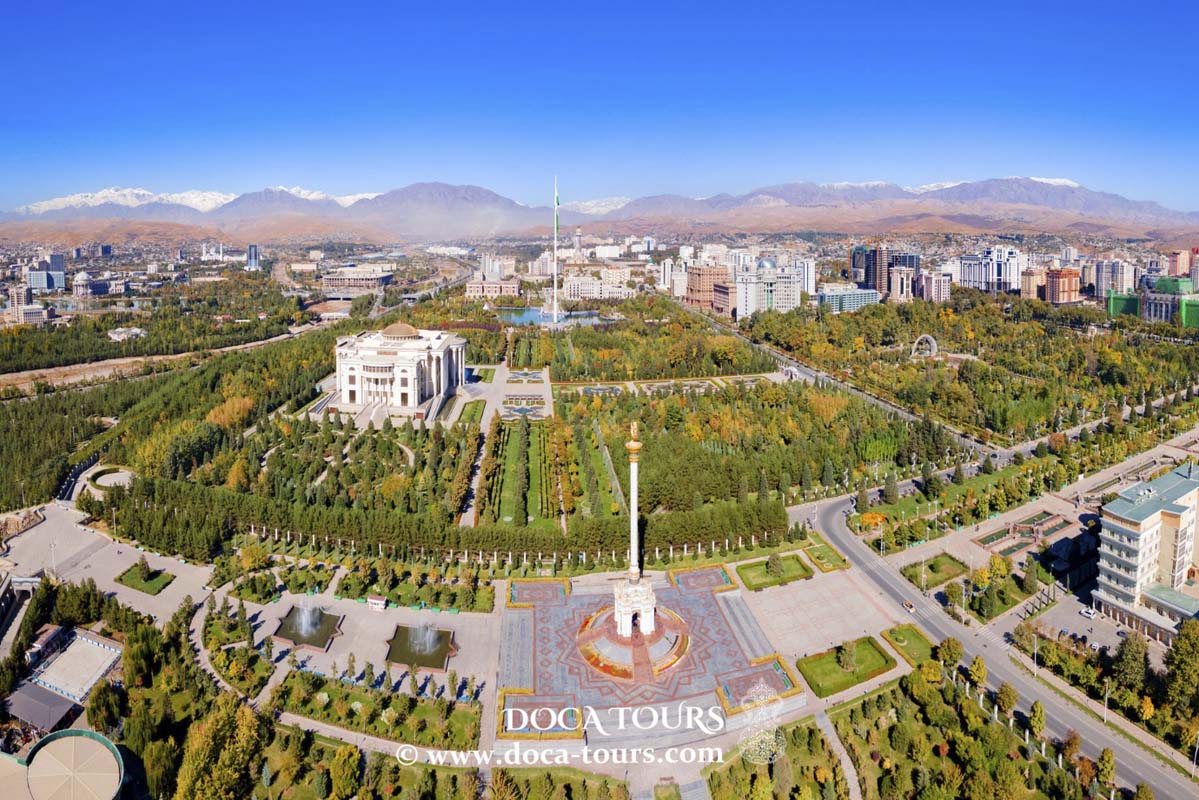
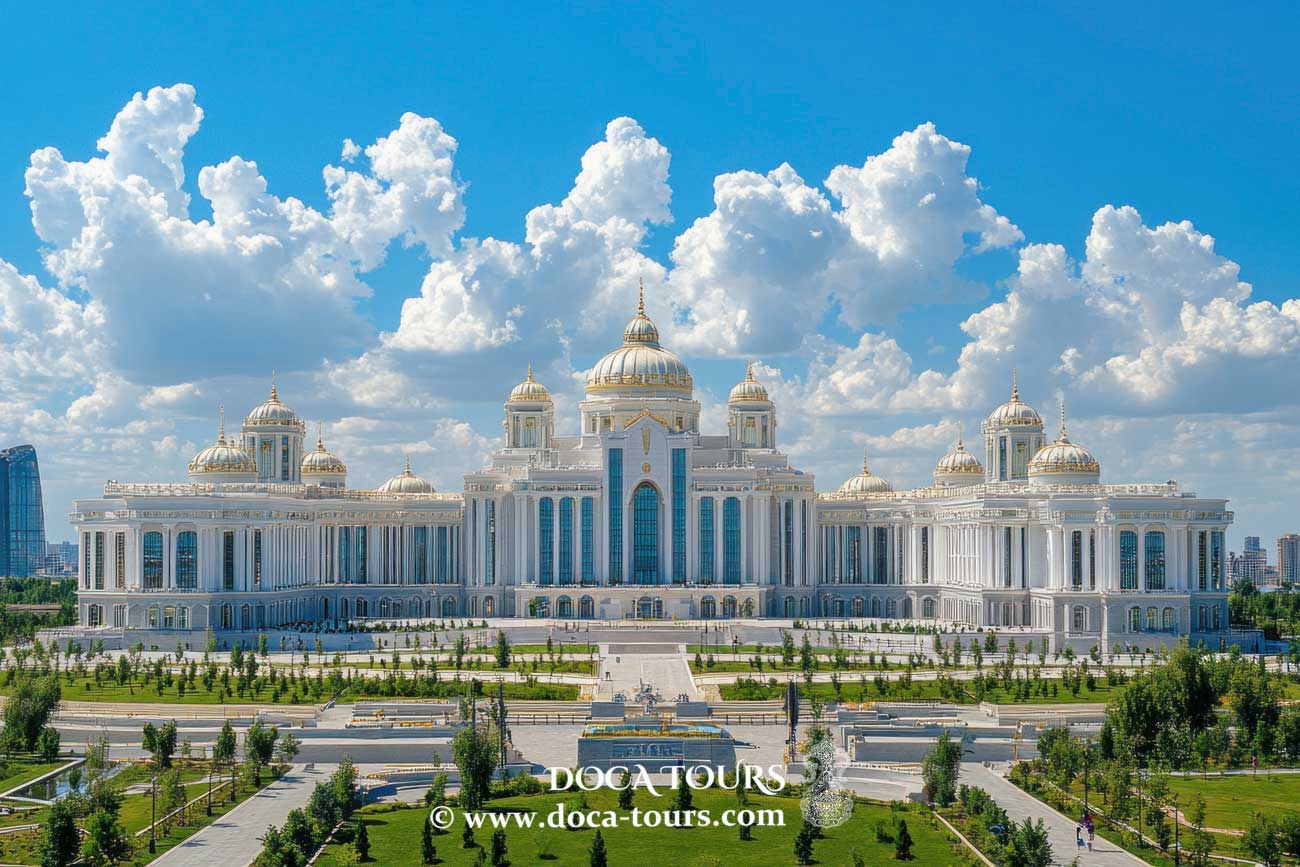
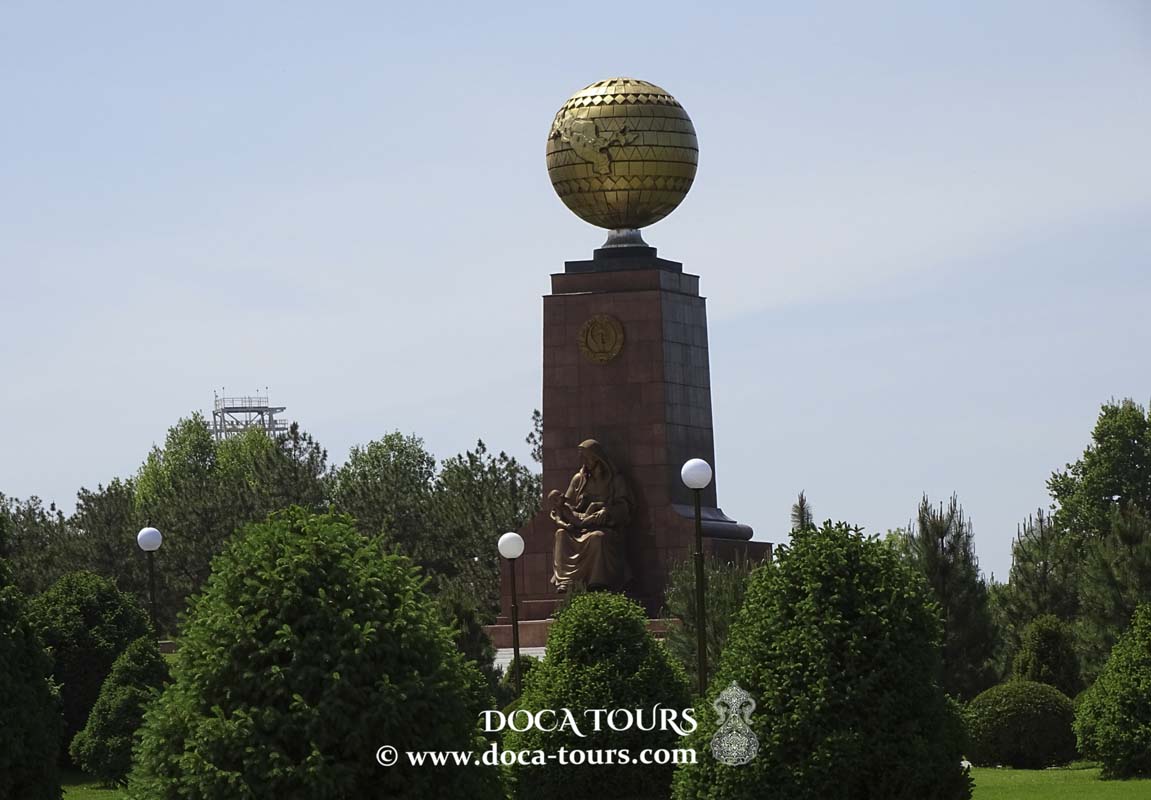
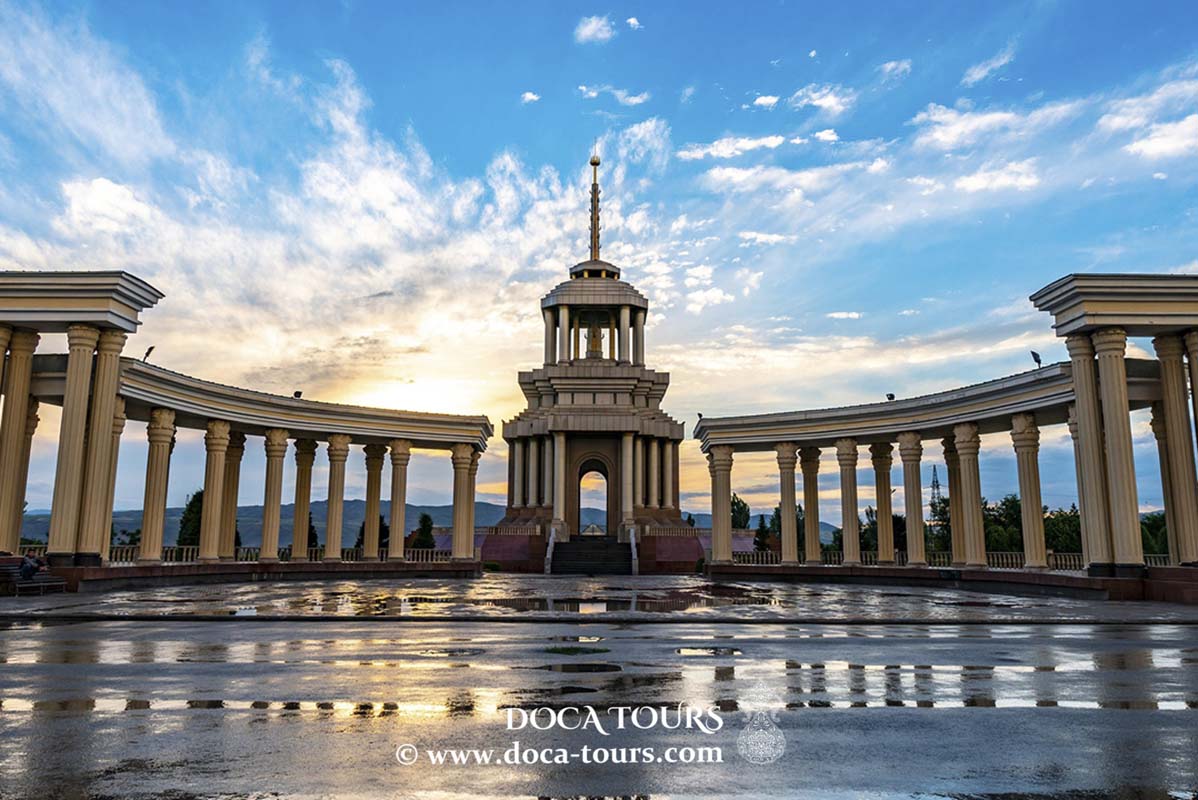
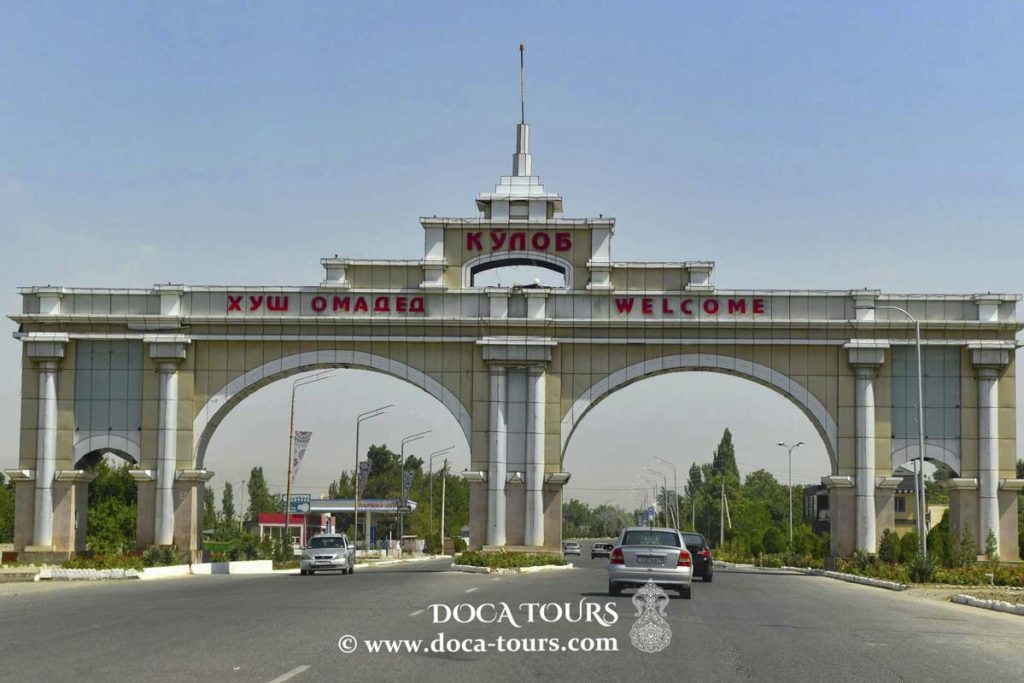
2700th Anniversary Memorial Complex: This landmark commemorates the city's long history. Read more about the anniversary monument on the official Travel to Tajikistan website.
Kulob International Airport: The airport provides air connections for travelers visiting the city. Check the official airport website for passenger information and flight updates.
Kulob previously hosted units of the Russian 201st Military Base. In 2015, units of the base were withdrawn from the city as part of a relocation.
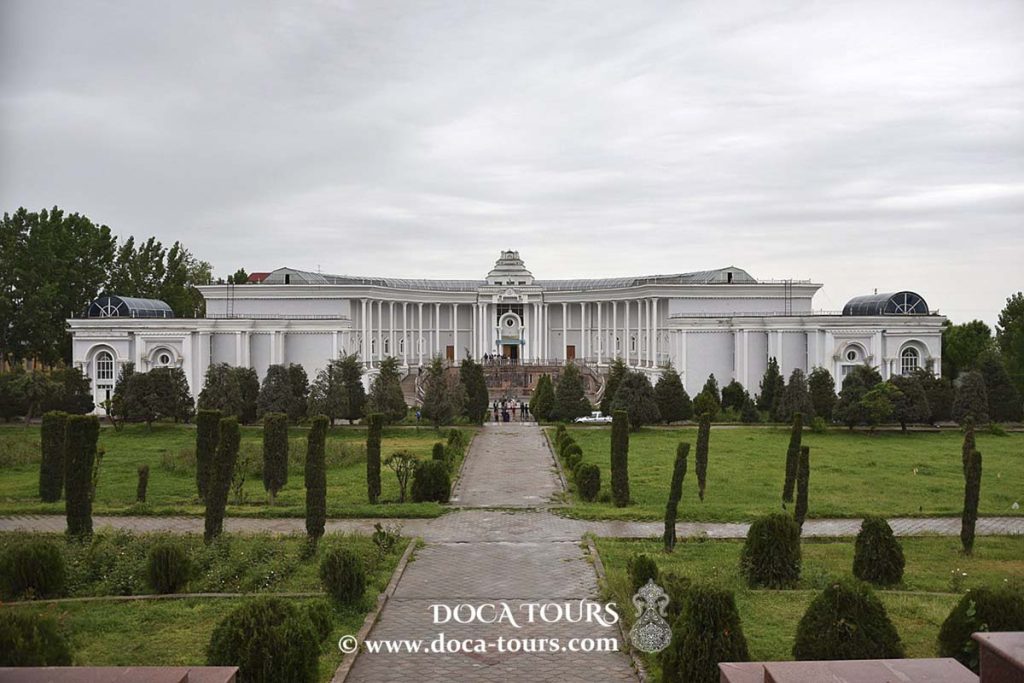
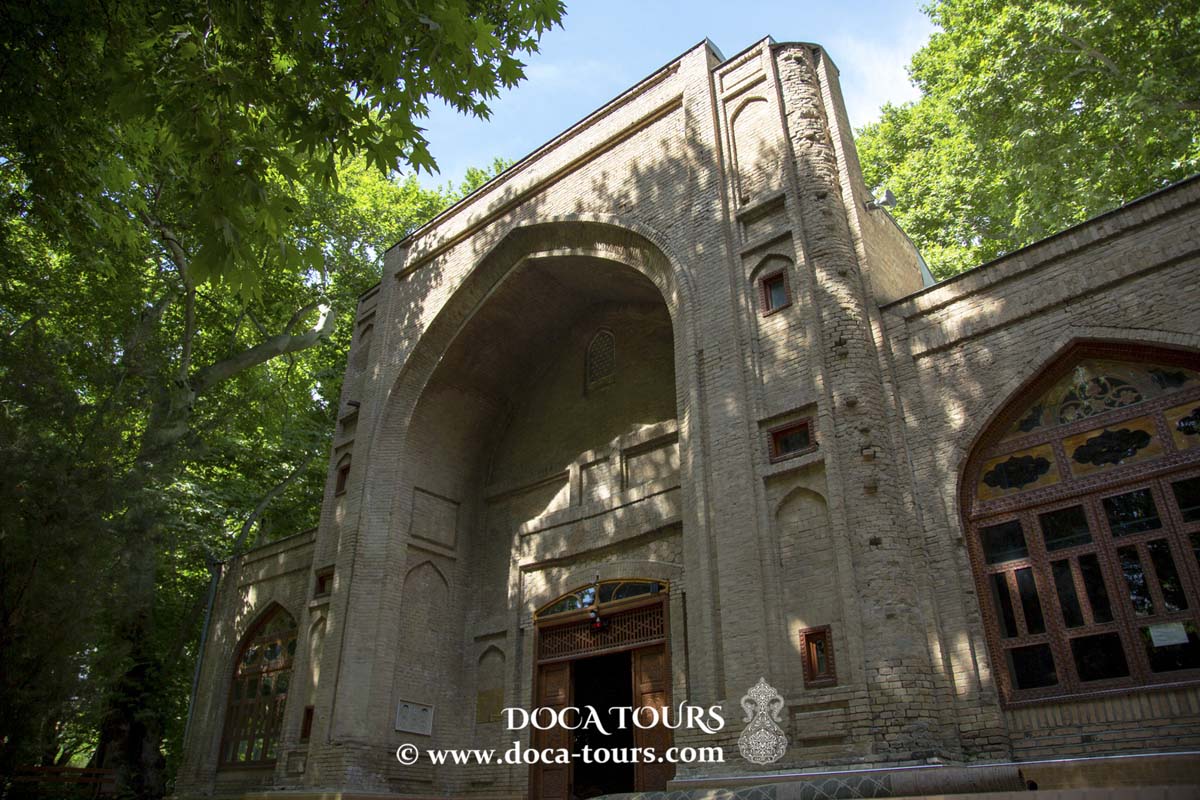
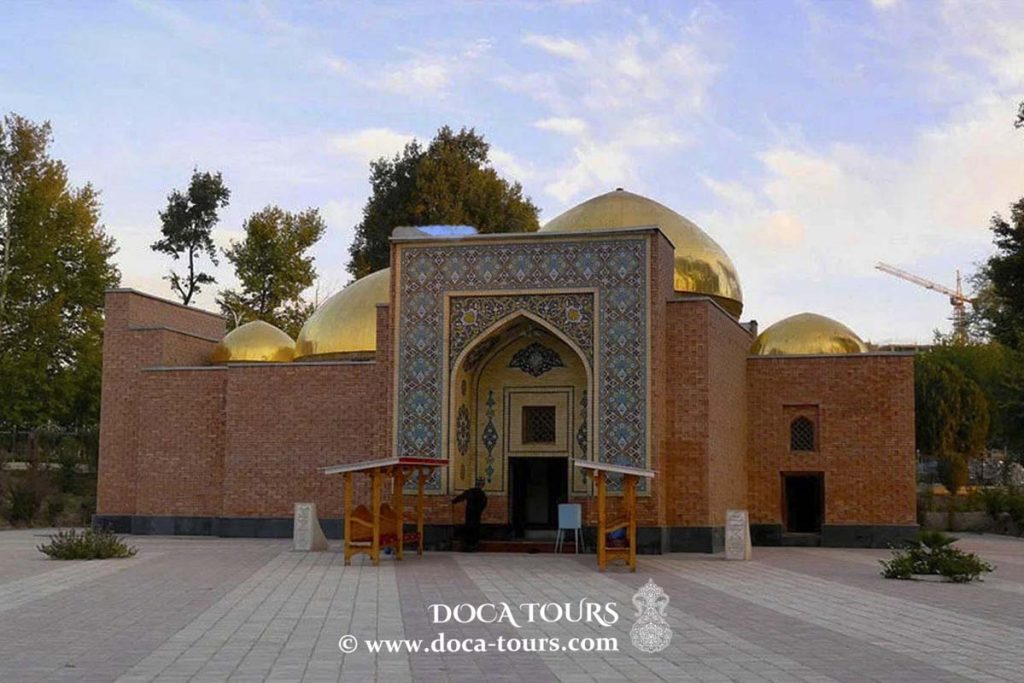
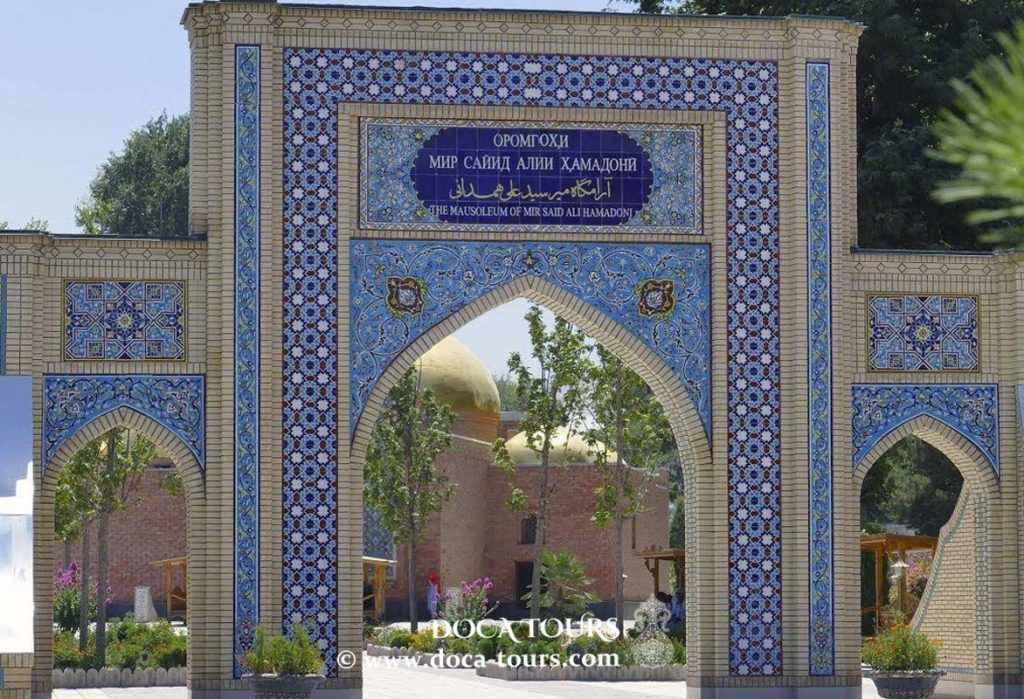
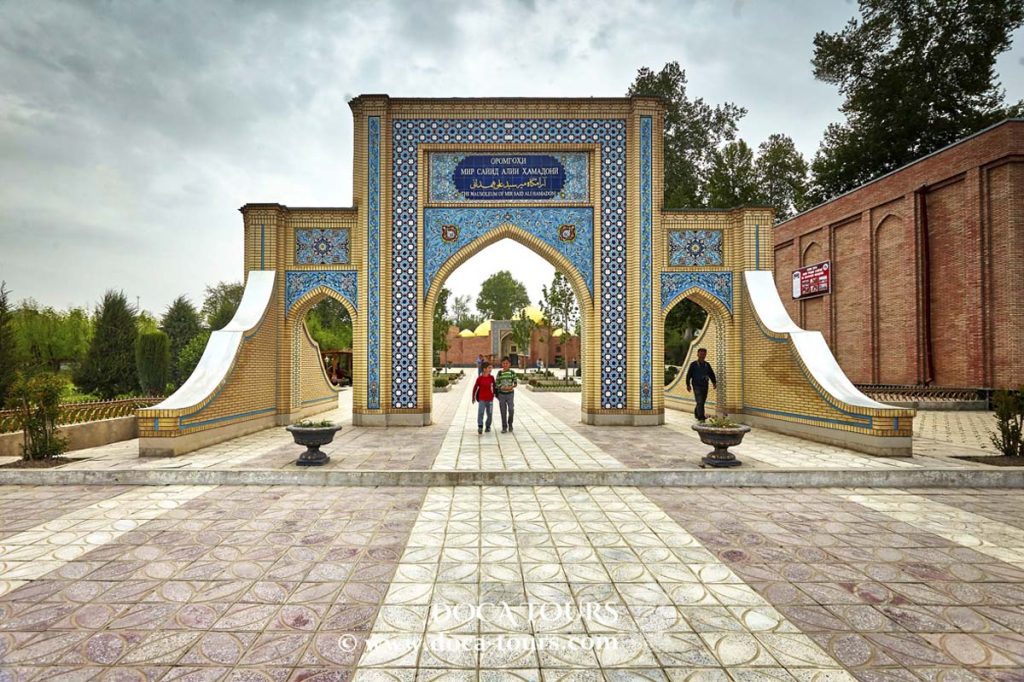
Mausoleum of Mir Sayyid Ali Hamadani: A significant historical and spiritual landmark in Kulob dedicated to the Tajik-Persian poet, philosopher, and scholar.
Historical Museum: A place to learn about the city's history and cultural heritage. Check local sources for current visitor information.
2700th Anniversary Memorial Complex: A monument commemorating Kulob's historical heritage.
For additional information about historical and cultural attractions in the region, visit the official Travel to Tajikistan historical and cultural tourism guide.
Kulob has railway connections, including a train service to Moscow. For current flight information and passenger services, visit the official Kulob International Airport website.