DUSHANBE
- Geographical coordinates: 38°32′12″ N
- Meaning in Persian: Monday
- Officially known name: Bokhtar
- Elevation: 706 m
- Official language: Tajik
- Popular languages: Russian, Uzbek etc.
- Nationals: Uzbek, Tajik, Russian, Tatar
- Population: 846 400 (as of 2019)
- Time Zone: GMT+5
- Telephone Code: +992 37
- Postal Codes: 734ХXX
- Vehicle Registration Code: 01
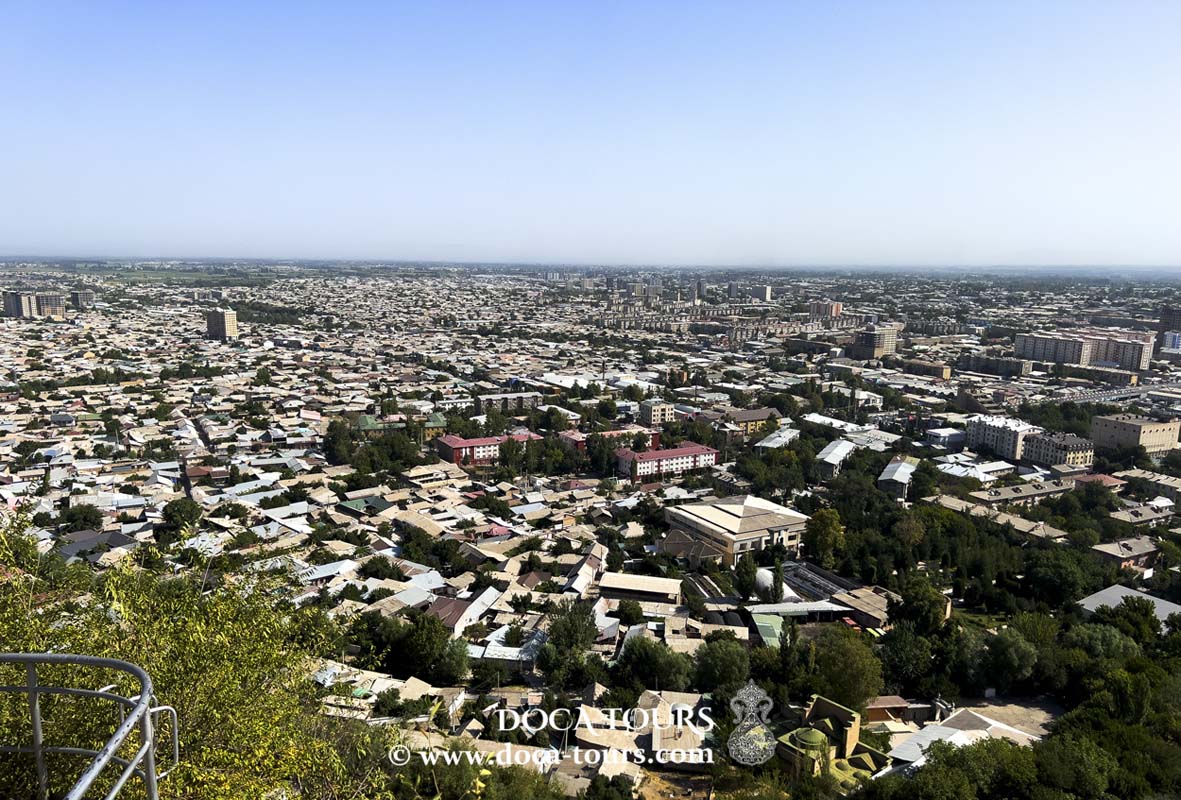
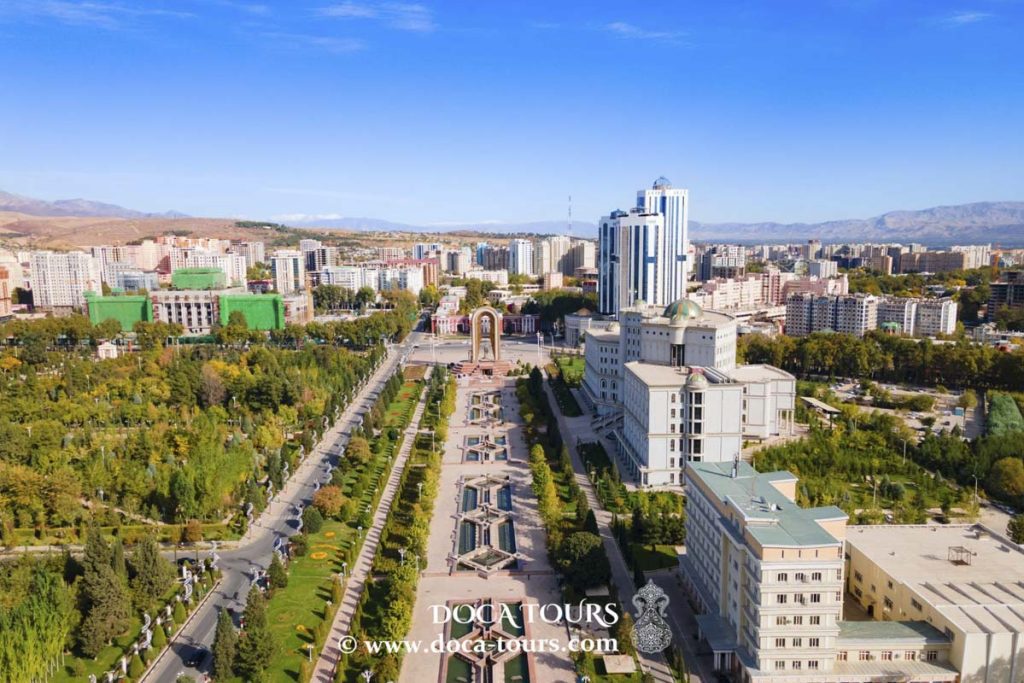
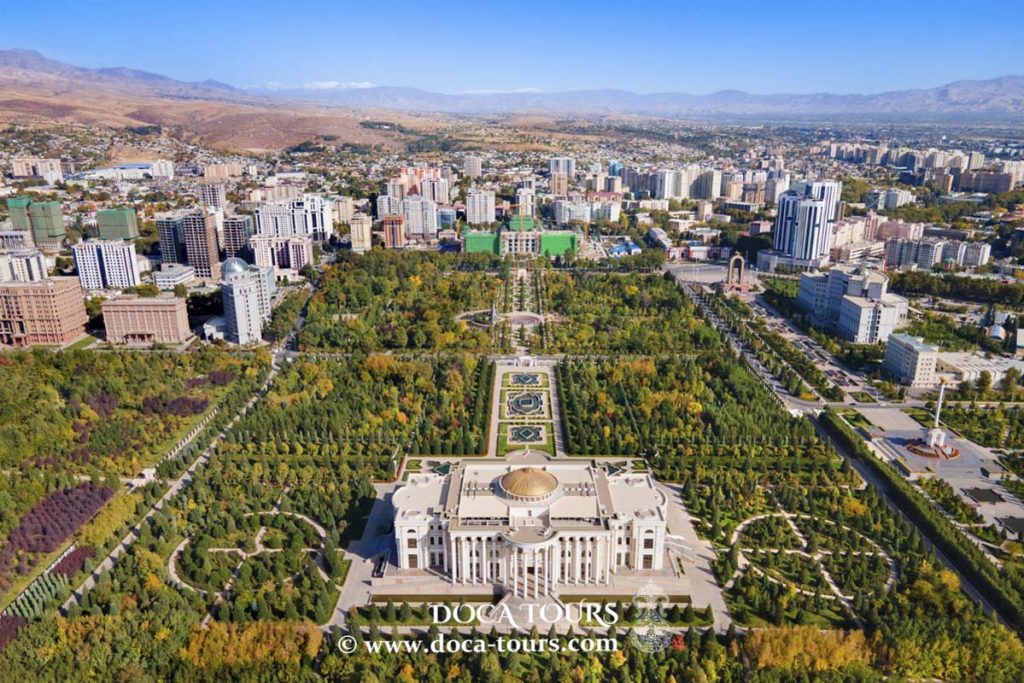
Dushanbe is the capital and largest city of Tajikistan. As of March 2024, its population was approximately 1,564,700, consisting primarily of Tajiks. Before 1929, the city was known in Russian as Dyushambe, and from 1929 to 1961, it was called Stalinabad in honor of Joseph Stalin. Dushanbe is situated in the Gissar Valley, bordered by the Gissar Range to the north and east, and the Babatag, Aktau, Rangontau, and Karatau mountains to the south. The city's elevation ranges from 750 to 930 meters (2,460 to 3,050 feet) above sea level. Dushanbe is divided into four districts: Ismaili Somoni, Avicenna, Firdavsi, and Shah Mansur.
Historical Background
The area that is now Dushanbe has been inhabited by various empires and civilizations throughout history. This includes Mousterian tool users, several Neolithic cultures, the Achaemenid Empire, Greco-Bactria, the Kushan Empire, and the Hephthalites.
During the Middle Ages, settlements such as Khulbuk and its famed palace emerged near the present-day city. From the 17th century to the early 20th century, Dushanbe evolved into a small market village, controlled at different times by the Bek of Hissar, Balkh, and eventually Bukhara, until it was annexed by the Russian Empire.

In 1922, Dushanbe was captured by Bolshevik forces, and in 1924 it was declared the capital of the Tajik Autonomous Soviet Socialist Republic. This marked the beginning of its transformation into a major city, with rapid population growth and urban development that persisted until the Tajik Civil War.
Modern Era
After the civil war, Dushanbe became the capital of an independent Tajikistan and continued to grow and modernize. Today, it is a thriving city and a hub for international conferences and events, reflecting its importance in the region.
Education and Infrastructure
Much of Dushanbe's education system originated during the Soviet era and reflects the legacy of state oversight. Today, the city’s largest university, the Tajik National University, is government-funded.
Dushanbe is served by the Dushanbe International Airport, the primary gateway to the city. Other forms of transportation include a trolleybus network established in 1955, a limited railway system, and an extensive network of roads crisscrossing the city.
Electricity in Dushanbe is primarily generated by hydroelectric power from the Nurek Dam. However, the city’s aging water supply system dates back to 1932. Tajikistan’s healthcare system is concentrated in Dushanbe, with the country’s major hospitals located in the capital.
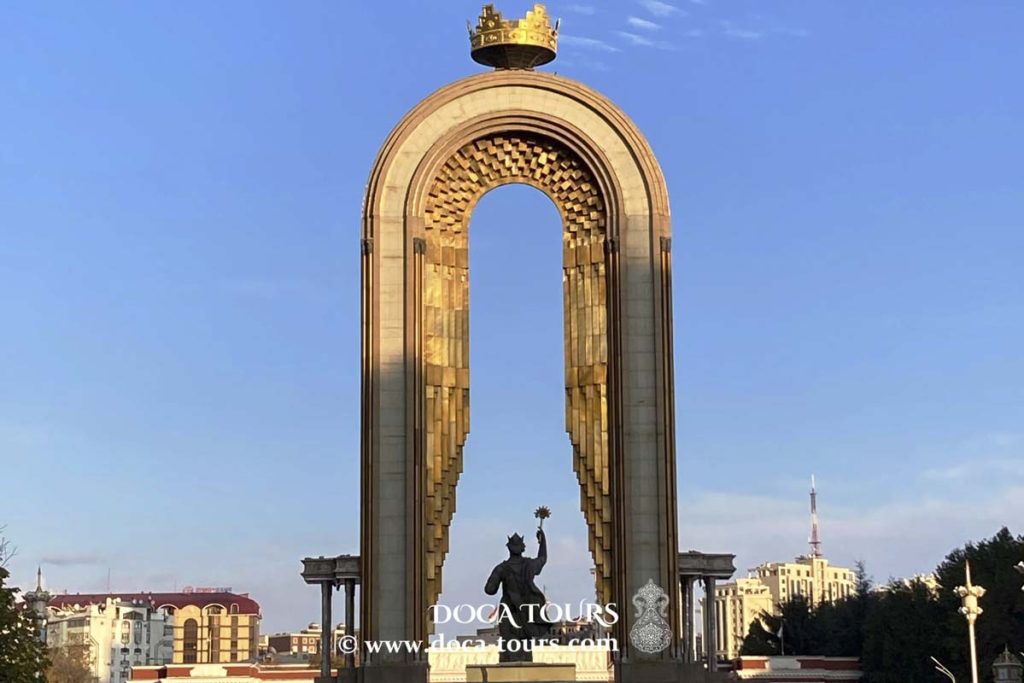
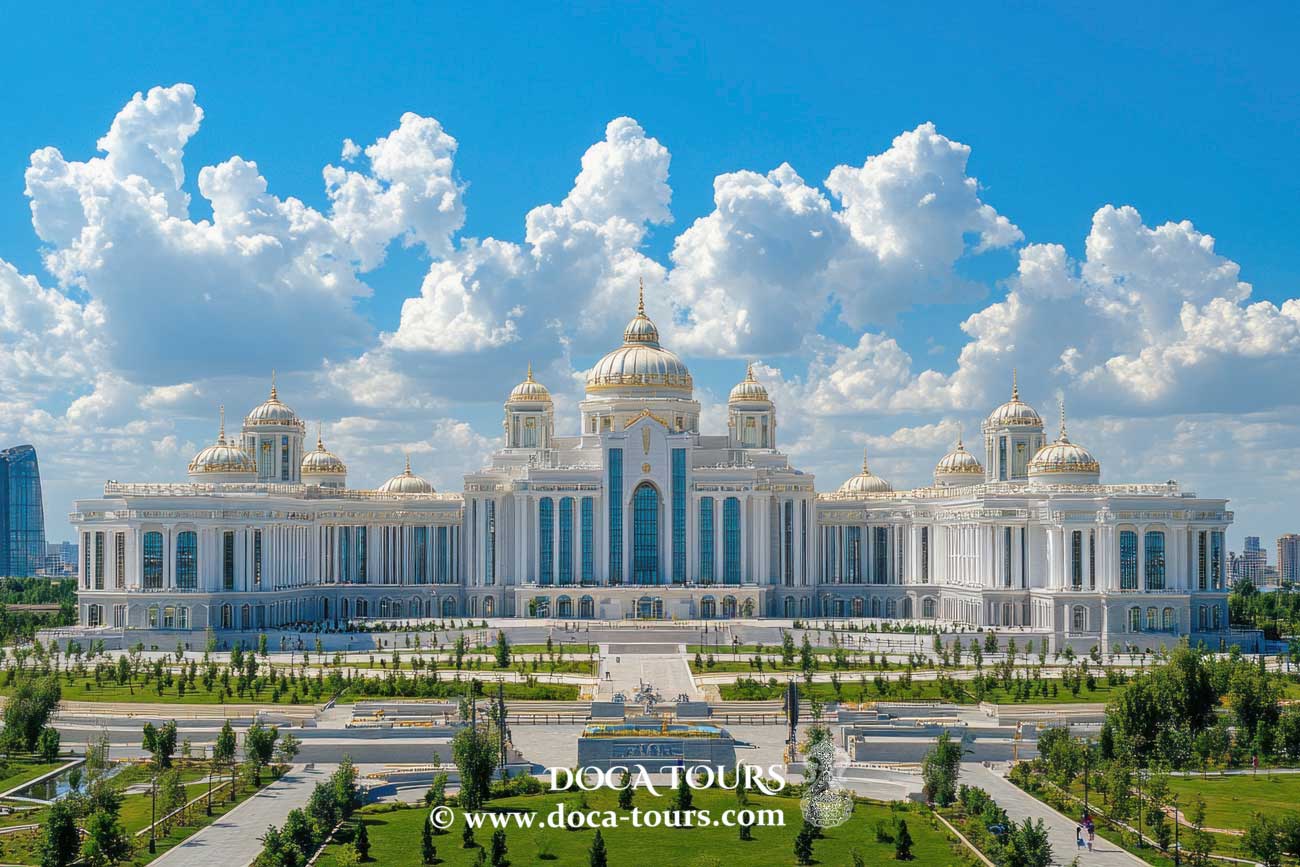
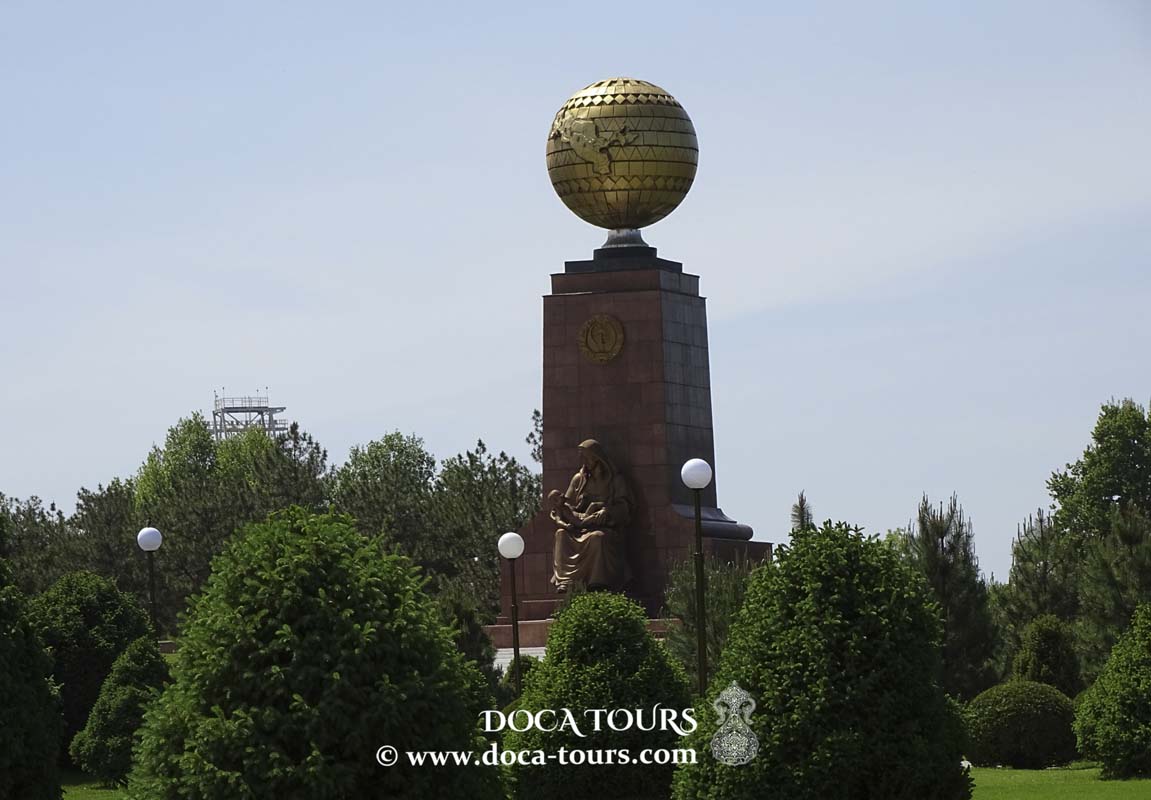
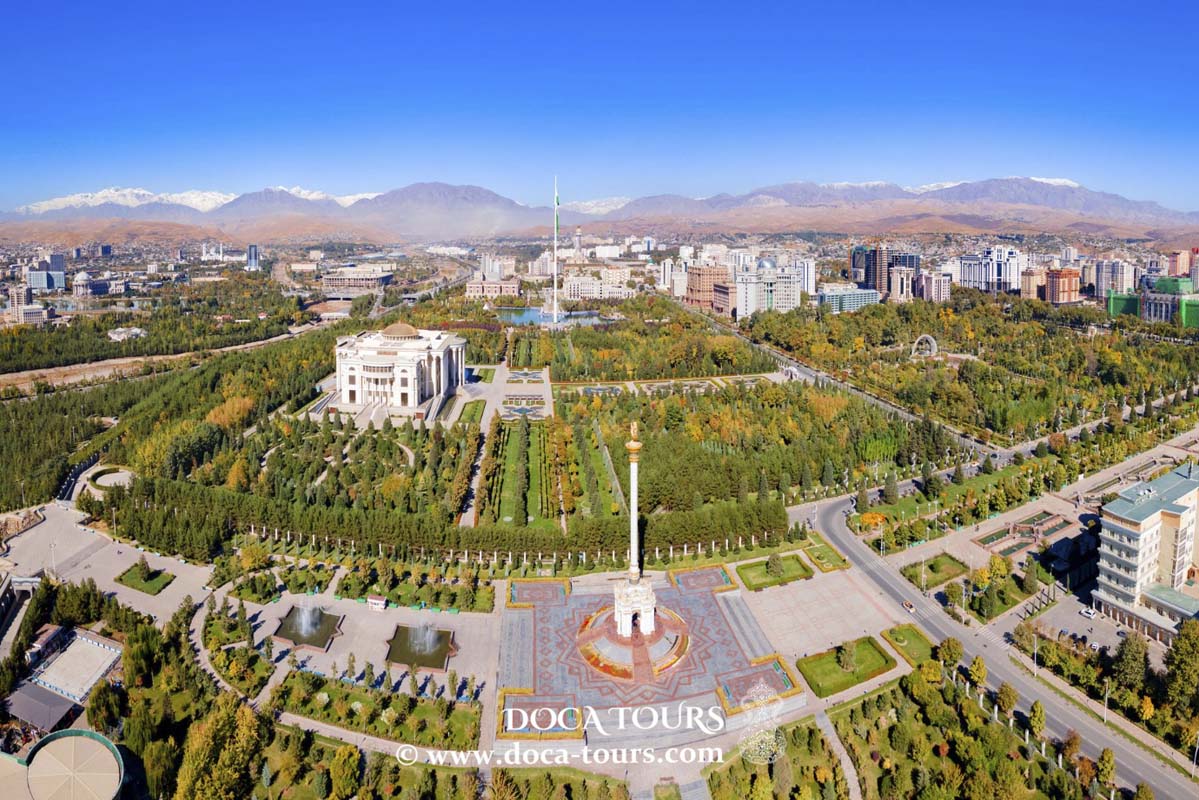
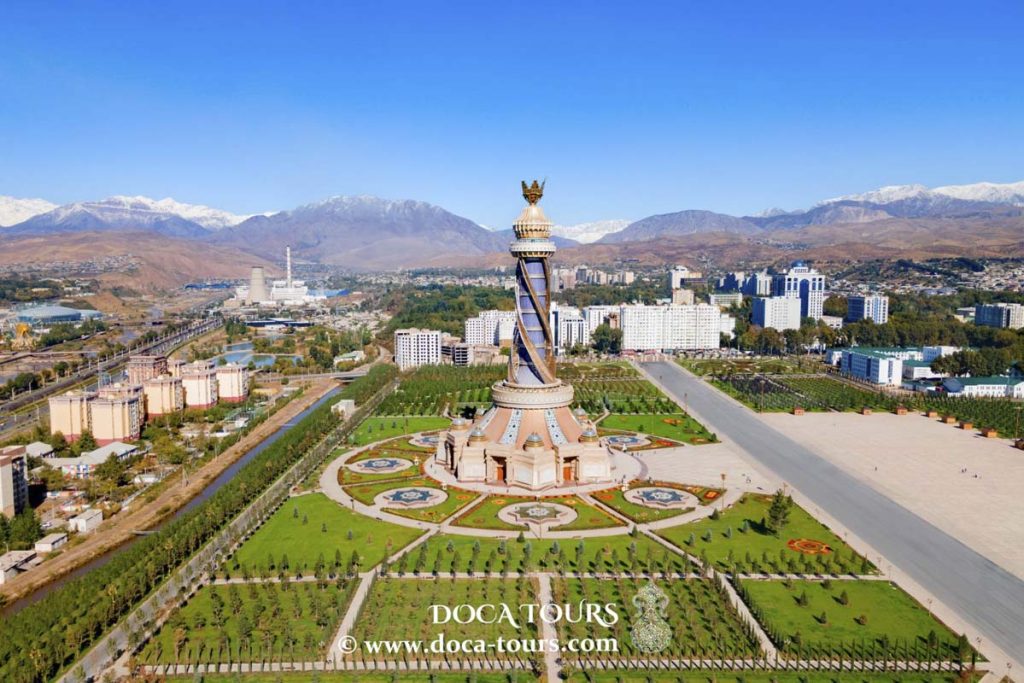
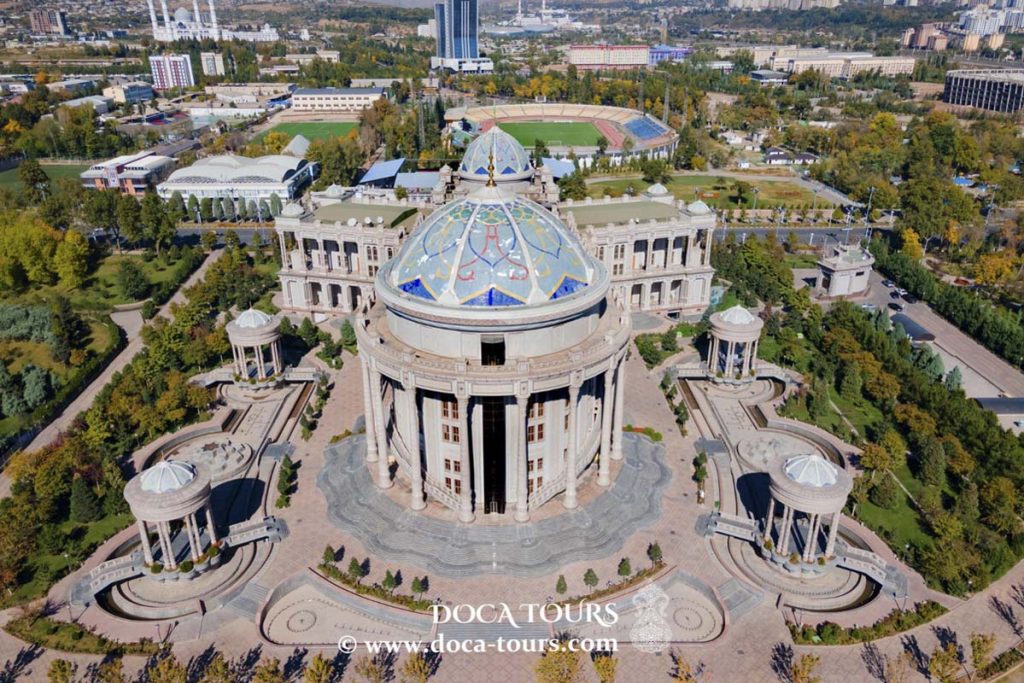
Dushanbe accounts for 20% of Tajikistan's GDP, with significant contributions from its industrial, financial, retail, and tourism sectors. The city is home to several parks and notable landmarks, including Victory Park, Rudaki Park, the National Museum of Tajikistan, the Dushanbe Flagpole, and the National Museum of Antiquities of Tajikistan.
Etymology
Dushanbe’s name originates from its historical role as the site of a large marketplace held on Mondays. The term Dushanbe-Bazar (Tajik: Душанбе Бозор) derives from Dushanbe, meaning "Monday" in Persian—literally, the "second day" (du) after Saturday (shanbe).
In late 1929, the city was renamed Stalinabad (Stalin’s city) in honor of Joseph Stalin. However, following de-Stalinization, the name reverted to Dushanbe in late 1961.
Capital of Tajikistan
Dushanbe became the capital of independent Tajikistan on September 9, 1991. Shortly after, Iran, the United States, and Russia opened embassies in the city in early 1992.
During the Tajik Civil War (1992–1997), Dushanbe was primarily under the control of the government backed by the People’s Front. However, in 1992, the capital briefly fell to the Islamist and democratic forces of the United Tajik Opposition until 8,000 government troops, supported by Russia and Uzbekistan, regained control. Much of the Russian population fled the city during the violence, while a significant number of rural Tajiks moved into the capital. By 1993, over half of the city’s Russian population had left. The factions in the civil war were largely organized along regional lines.
The conflict ended with a ceasefire on June 27, 1997, brokered under the supervision of the United Nations. The agreement guaranteed the opposition 30% of government positions, facilitating peace in the region.
Dushanbe gained internet access for the first time in 2000. In 2004, UNESCO designated the city a City of Peace. Mahmadsaid Ubaidulloev, who many believed effectively controlled the government during the civil war, became the city’s mayor in 1996. Serving for 21 years, he was the longest-serving mayor of Dushanbe until 2017. Following independence, Dushanbe's economy steadily expanded until the COVID-19 recession. In January 2017, Rustam Emomali, the son of President Emomali Rahmon, was appointed mayor—a move seen by some analysts as a step toward further political advancement.
Geography
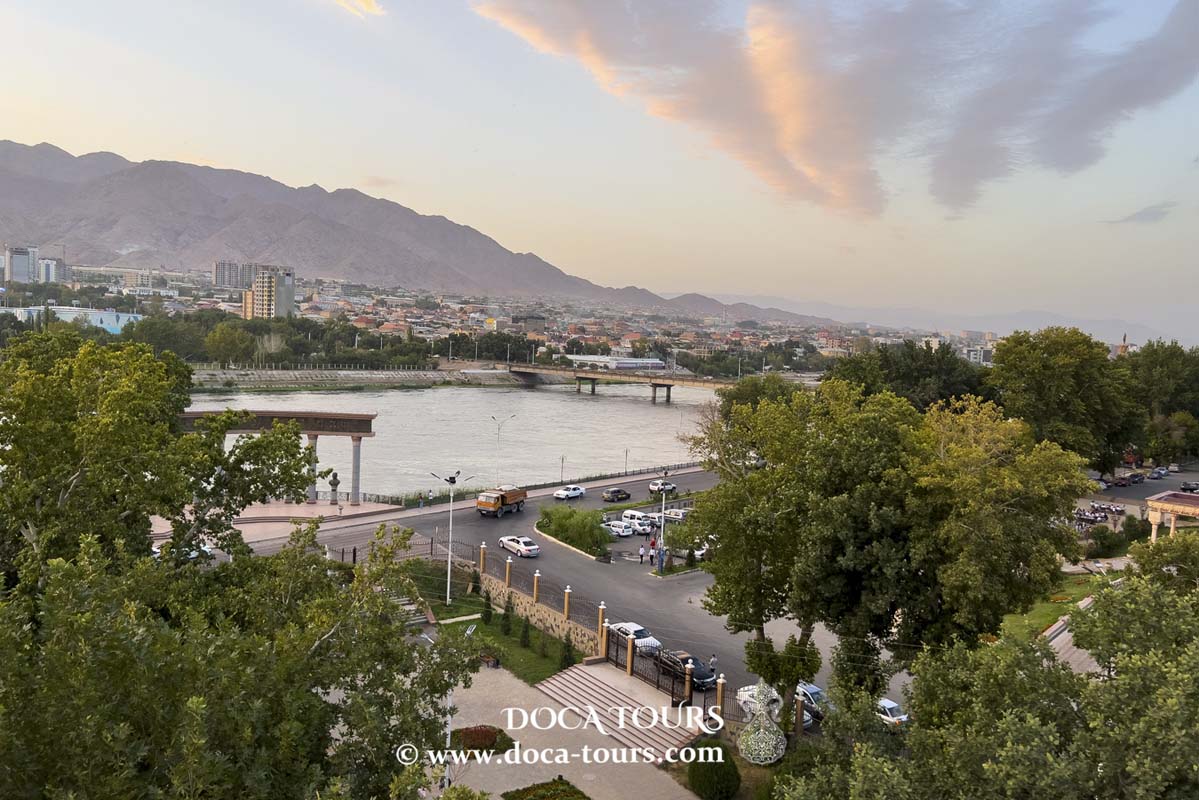
Dushanbe is located at the confluence of two rivers: the Varzob, which flows north to south, and the Kofarnihon. The city’s elevation ranges from 750 to 930 meters (2,460 to 3,050 feet) above sea level. In the southern and western parts, the altitude is closer to 750–800 meters, while in the northern and northeastern areas it rises to 900–950 meters.
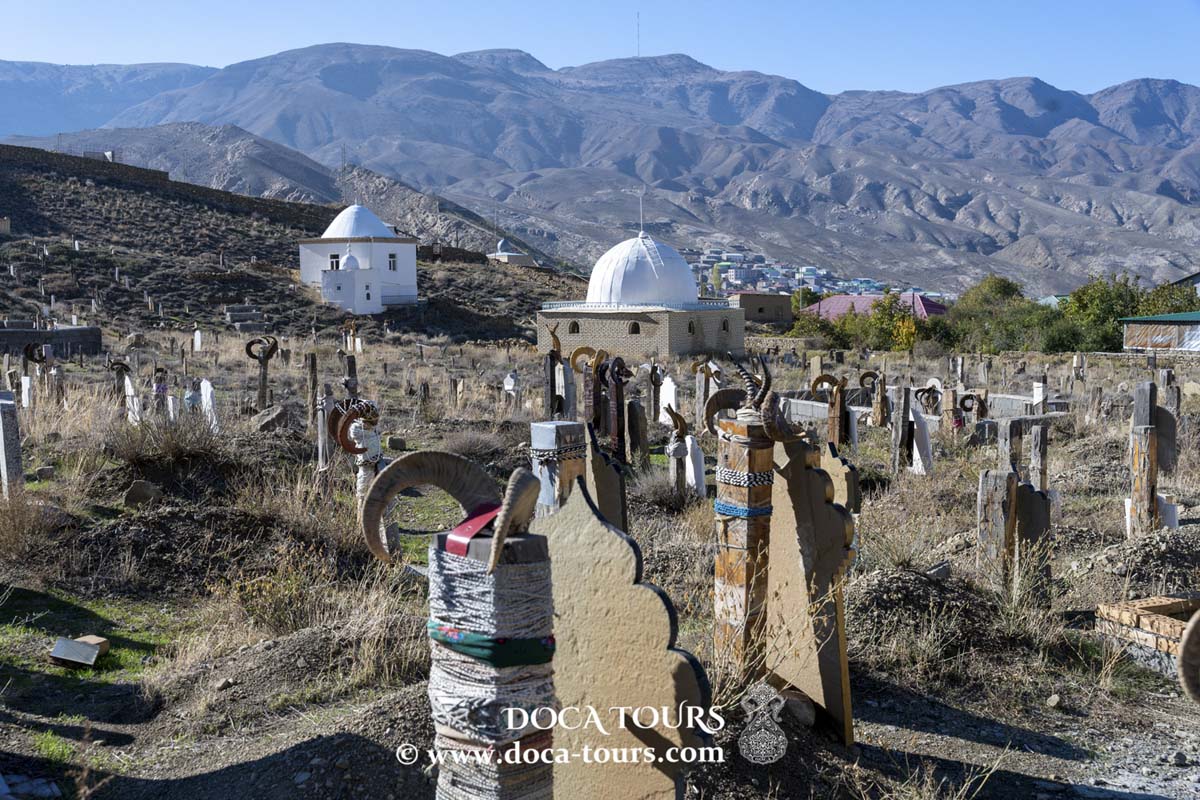
To the north and east, Dushanbe is bordered by the Gissar Range, with peaks reaching up to 4,000 meters (13,120 feet). To the south lie the Babatag, Aktau, Rangontau, and Karatau mountains, ranging in height from 1,400 to 1,700 meters (4,600 to 5,600 feet). The city sits within the Gissar Valley, forming an intermountain basin characterized by hilly terrain.
Eighty percent of Dushanbe’s buildings are concentrated within the valley, which varies in width from 18 to 100 kilometers (11 to 62 miles). Before the 1960s, most of the city was situated on the left bank of the Varzob River, but urban expansion led to significant development beyond the river in subsequent decades.
Seismic Activity
Dushanbe is situated in a region with high seismic activity, where earthquake magnitudes can potentially reach 7.5–8 on the Richter scale. Over the past century, the city has experienced numerous earthquakes with magnitudes ranging from 5 to 6, including the devastating 1949 Khait earthquake.
Climate
Dushanbe has a Mediterranean climate with some influences of a humid continental climate (Köppen: Dsa), due to its proximity to nearby glaciers and mountain ranges. Summers are hot, while winters are cold. The city experiences a more humid climate than other Central Asian capitals, with an average annual precipitation of over 500 millimeters (20 inches). This is due to moist air carried into the surrounding valley during winter and spring.
Winters are milder compared to areas north of the Gissar Range, as the mountains shield the city from the extreme cold air masses of Siberia. Snow falls on an average of 25 days per year, while cloudy days average 24 annually. However, winter precipitation primarily occurs as rain rather than snow. The surrounding mountains also protect the city from strong winds, leaving Dushanbe with consistent light breezes.
The seasons are well-defined. Winter lasts from December 7 to February 22, while spring, marked by cyclones and heavy rains, runs from February 22 to May 17. During spring, thunderstorms and hailstorms are common, with hail occurring roughly three days a year and often causing significant damage. Summer begins on May 17 and ends on August 14, featuring hot and dry weather ideal for agriculture, as rainfall dramatically decreases. The warm and dry autumn lasts from August 14 to December 7.
Flora and Fauna
Prior to the 20th century, the area around Dushanbe had some natural vegetation, such as Bukhara almond shrubs. However, the establishment of the city largely destroyed this native plant life. Efforts to introduce greenery, including a green belt and a botanical garden, have added new vegetation. Currently, more than 150 species of trees and shrubs grow in Dushanbe, though only about 15 of these are native to the area. Green spaces cover 22% of the city.
Dushanbe is home to 14 identified species of mammals, including foxes, weasels, marbled polecats, long-eared hedgehogs, five species of bats, and five species of rodents. The city also hosts 130 bird species, such as rock pigeons, doves, and turtle doves. Migratory birds are common, often passing through in autumn and summer.
There are 47 identified reptile species in the city, including geckos, snakes, lizards, and turtles. Amphibians, like the marsh frog and green toad, thrive in cleaner water bodies around the city. The rivers, lakes, and ponds within Dushanbe are home to 14 identified fish species, including Marinka, Tajik stone loach, and Turkestan catfish in the Varzob River, as well as seven species in the Kofarnihon River. Lakes and ponds host species such as carp, goldfish, mosquitofish, and striped gudgeon.
The city is also inhabited by 300 identified insect species, primarily cicadas, leafhoppers, aphids, scale insects, beetles, and butterflies. Notably, the city is home to the endemic Hissar grapevine hawkmoth. However, the number of malaria-carrying insects has been increasing. Plant health in the city is threatened by phytonematodes, with 55 identified species, the most harmful being root-knot nematodes. Rare or endangered species in Dushanbe include the radiant Tachysphex wasp, the white-bellied arrow eagle, and the European free-tailed bat.
Education
Before the Soviet invasion, education in Dushanbe was limited, primarily centered around madrasas. These religious schools taught the Quran, Persian, and Arabic, as well as subjects like geography, geometry, algebra, and other sciences. However, after the Soviet occupation, madrasas were closed.
The Soviet education system, deemed highly effective for its time, achieved nearly 100% literacy through extensive literacy campaigns and mandatory education, including the integration of girls into schools.
On February 11, 1925, the People’s Commissariat for Education of the Tajik SSR was established in Dushanbe. Higher education began to take shape in the 1930s with the founding of a teacher training institute in 1931. In 1939, the Tajik State Medical University was established in Dushanbe, followed by the relocation of the Tajik Agricultural Institute to the city in 1944. By the start of World War II, Dushanbe had 32 secondary schools and two higher education institutes.
Although the war slowed the growth of higher education, progress resumed post-war. The Tajik State University was established in 1947. Over the following decades, other institutions were founded: a Polytechnic Institute in 1956, the Institute of Physical Education in 1971, the Institute of Arts in 1973, and the Tajik State Pedagogical Institute of Russian Language and Literature in 1980, which became the Tajik State Institute of Languages in 1987. In 1990, the Tajik Technological University was established.
The Soviet education system was designed to meet economic needs. Agricultural, medical, and technical institutes were created to support the economy. Beyond these, much of the higher education system focused on teacher training colleges. However, limitations in political sciences, such as history, hindered progress in these areas. After gaining independence, universities shifted away from Soviet economic specialization, leading to the expansion of other professions, including law, business, and political science, exemplified by institutions like the Tajik University of Law, Business, and Politics.
The city’s education system suffered heavily during the civil war after independence, with the state education budget dropping from 11% to just 2%. While public funding declined, private institutions temporarily flourished in the emerging market economy, contributing to the post-independence growth of universities in Dushanbe.
Today, Dushanbe’s state institutions, such as the Tajik State Pedagogical University, enroll thousands of students. Universities like the Tajik Technical University, Tajik Agrarian University, Tajik State University of Commerce, and the Technological University of Tajikistan—some of which were founded during the Soviet era—have expanded, hosting between 5,000 and 9,000 students each. Additionally, specialized and technical schools have seen significant growth.
Education in Dushanbe
Currently, 60% of university students in Tajikistan study in Dushanbe, where the city hosts 23 universities with a total of 103,600 students, 13 colleges with 16,100 students, and 140 schools educating 180,800 students. As of 2015, Dushanbe was home to one national university, the Tajik National University, seven specialized universities, four international bilateral institutes, and 12 other institutions of higher learning. During the 2018/2019 academic year, 23 higher education institutions were operational, serving 103,600 students. Additionally, the city had 124 preschools and 140 general education schools.
The Russian-Tajik Slavic University was established in the 1990s amidst a decline in Russian-language instruction, largely due to the mass exodus of Russians during the civil war. The Islamic Institute of Tajikistan, created to counter Islamic extremism, enrolled 924 students as of 2020. An opposition-oriented University of International Relations, founded by a Tajik-American dissident, trained opposition leaders before being shut down. In 2009, under the initiative of Emomali Rahmon, the Dushanbe branch of Moscow State University (MSU) was opened. The faculty at MSU consists of 70% Russians and 30% Tajiks. Other branches of Russian universities in Dushanbe include the Moscow Institute of Steel and Alloys and the Moscow Power Engineering Institute.
The Tajik National University (TNU) is the most prestigious university in the city and the country, with over 21,000 students enrolled across a wide range of programs. TNU is considered the leading higher education institution in Tajikistan. Although directly funded by the government, it operates with slightly greater independence compared to other state universities. While this theoretically allows for academic freedom, in practice, the government continues to exert significant influence, including censoring content and controlling appointments within the university.
The education system in Dushanbe remains under substantial government control, a legacy of the Soviet era. Other notable institutions include the Tajik International Humanitarian University, Dushanbe International School, and the Institute of Tax Law, now known as the Tajik State University of Finance and Economics.
Transportation
Air Transport
On September 3, 1924, Rashid Bek Ahriev and Petr Komarov completed the first flight to the city from Bukhara aboard a Junkers F-13 aircraft. The service operated three times a week from a small airfield located on what is now Rudaki Avenue. In 1927, the second air route in the Soviet Union was established, connecting Tashkent to Samarkand via Termez and ending in Dushanbe, also using a Junkers F-13. This air route preceded the arrival of cars by two years and railways by five years. A small airport, then named Stalinabad Airport, was built, and by 1930, a high-quality airport had been constructed in the city. Regular passenger flights from the city began in 1945 using the Li-2 aircraft.
The state airline Tajikistan, now known as Tajik Air, was founded in 1949. During the 1950s and 1960s, the Civil Aviation Fleet of Tajikistan was expanded with the acquisition of new aircraft. By the 1980s, Tajikistan's Civil Aviation Administration was recognized as the most efficient in the Soviet Union.
Today, the city is served by Dushanbe International Airport, which, as of April 2015, offered regular flights to Urumqi, Kabul, Delhi, Dubai, Istanbul, Frankfurt, major cities in Russia, and other destinations in Central Asia. The headquarters of Tajik Air was located within the Dushanbe airport premises. Additionally, Somon Air, an airline launched in 2008, is headquartered in Dushanbe.
The government has planned to allocate 0.18% of Tajikistan's GDP toward aviation development, with a primary focus on infrastructure in Dushanbe. Japanese investors financed the construction of a $28 million cargo terminal at the airport, significantly enhancing its capacity.
Road System
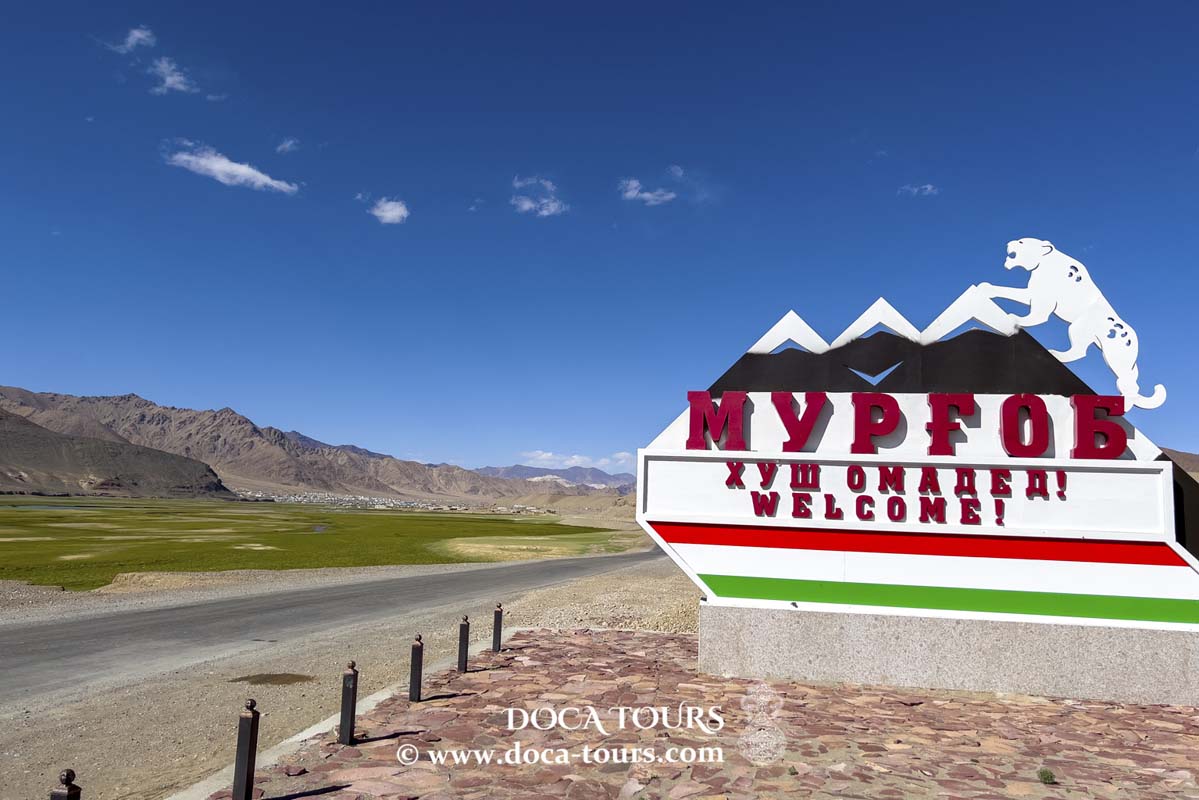
The country's first road, established in the early 19th century, led to Guzar and was initially traversed by camels. During the Soviet era, this route was transformed into a modern road. The first bus route was launched in 1930, followed by taxi services in 1937. Cars are now the primary mode of transportation throughout the country, including in Dushanbe. One of the key highways crosses the mountains from Khujand to Dushanbe via the Anzob Tunnel, built by an Iranian contractor. Another major route heads east from Dushanbe to Khorog in the Gorno-Badakhshan Autonomous Region, continuing to Murghab, where it splits into roads leading to China and Kyrgyzstan.
Numerous highway and tunnel construction projects are underway or have been recently completed (as of 2014). Notable initiatives include the rehabilitation of roads such as Dushanbe–Chanak (bordering Uzbekistan), Dushanbe–Kulma (bordering China), and Bokhtar–Nizhniy Pyandzh (bordering Afghanistan), as well as the construction of tunnels under mountain passes like Anzob, Shakhristan, Shar-Shar, and Chormazak.
Railway System
The first railway line in Dushanbe, spanning 245 kilometers (152 miles), was constructed between 1926 and 1929 and officially opened on September 10, 1929. This line connected Vahdat, Dushanbe, and Termez, eventually linking Dushanbe to Moscow. Narrow-gauge railway lines from Dushanbe to Gulpista and Kurgan-Tyube were added in 1933 and 1941. In 2002, a new railway administration modernized the system.
Today, Tajikistan's main railway network is concentrated in the southern region, connecting Dushanbe to the industrial zones of the Hissar and Vakhsh Valleys and neighboring countries such as Uzbekistan, Turkmenistan, Kazakhstan, and Russia. Tajik Railways owns and operates the system. In the early 2000s, a new railway line connecting Dushanbe, Garm, and Jirgatol was constructed to establish direct links to Russia, Kazakhstan, and Kyrgyzstan without crossing Uzbekistan, addressing modern geopolitical tensions. The government has also promoted the proposed Dushanbe–Herat and Mashhad routes.
On June 18, 2018, the first railway connecting Dushanbe with Astana, Kazakhstan's capital, was completed, passing through Uzbekistan's Karakalpakstan region. However, Tajikistan's northern railway system remains isolated from other lines, including Dushanbe's. There is also a connection between Dushanbe, Khujand, and the Uzbek city of Pakhtabad in the north.
Trolleybus System
The trolleybus system in Dushanbe began operations on April 6, 1955, when the city established its trolleybus management. The first "Trolza" trolleybus started service on May 1, 1955, running along Lenin Avenue, the city's main thoroughfare. Additional routes were introduced in 1957 and 1958, and by 1967, there were nine routes spanning a network of 49 kilometers (30 miles). However, the collapse of the Soviet Union brought challenges, including fuel shortages and widespread vandalism. One notable incident occurred at the central bus station, leading to a temporary suspension of some routes. During this period, the number of trolleybuses dropped from 250 in the late 1980s to just 45–50.
In 2004, 100 new trolleybuses were ordered, and their delivery over the following years helped restore service. In 2020, the European Bank for Reconstruction and Development allocated $8 million to repair the system. As of 2020, Dushanbe had seven trolleybus routes, serving approximately 11 million passengers annually. While trolleybuses were the dominant mode of transportation during the Soviet era, they now account for only 2% of motorized trips.
Dushanbe’s trolleybus fleet primarily consists of ZiU-9 trolleybus models:
- TrolZa-5264.01 "Stolitsa" (Nos. 1000–1003)
- ZiU-682N-016 (012) (Nos. 1004–1039, 2000–2027)
- ZiU-682N-016(018) (Nos. 1042, 1053, 1054, 1058, 1059, 1072–1083, 2038, 2046, 2051–2079)
- ZiU-682V (Nos. 1177, 2095, 2099)
- Metro System
Construction of an elevated metro system is planned to begin in 2025. The first line of the aerial metro is expected to be completed by 2040, connecting the Southern Gates to Galliston (the circus district).
Architecture
Before the Soviet invasion, Dushanbe was a collection of narrow streets lined with mudbrick buildings, none of which have survived. Development in the 1920s, shortly after the Soviet takeover, laid the foundation for the city's future growth. In the 1930s, Constructivist architecture became prominent, characterized by larger concrete structures. A group of architects led by Pyotr Vaulin played a pivotal role in shaping the city's layout. Vaulin authored a legislative act titled "On the Construction of the City of Dushanbe," which was adopted on April 27, 1927. His designs incorporated Constructivist principles, possibly inspired by his 1929 meeting with Le Corbusier in Moscow.
In 1934 and 1935, the Leningrad-based GiproGor Institute developed Dushanbe's first master plan, approved on March 3, 1938. During this period, the city center shifted to Red Square and Frunze Park, areas that hosted numerous worker demonstrations and military parades in the 1940s. Much of the city’s infrastructure and utilities were established during this decade. The architecture of the 1940s emphasized decoration and Neoclassical styles.
A new architectural era began in 1955 with the publication of "On Eliminating Excesses in Design," which marked the end of the Neoclassical period and introduced minimalist, modernist Soviet design trends to the city. Due to Dushanbe's rapid expansion, a new master plan was developed in 1966.
The city's first skyscraper, the Dushanbe Hotel, was completed in 1964. High-rise buildings became more common in the mid-1970s, despite opposition from the Tajik Institute of Seismic Construction and Seismology, which deemed them risky due to predictions of future earthquakes.
The 1980s saw a new generation of architects creating more technically sophisticated and innovative projects, with increased attention to environmental concerns. By the late 1990s, the city saw a rise in 9–12-story concrete residential buildings, with private companies dominating 75% of the housing market. Minimalist influences persisted from the 1960s through the 1990s.
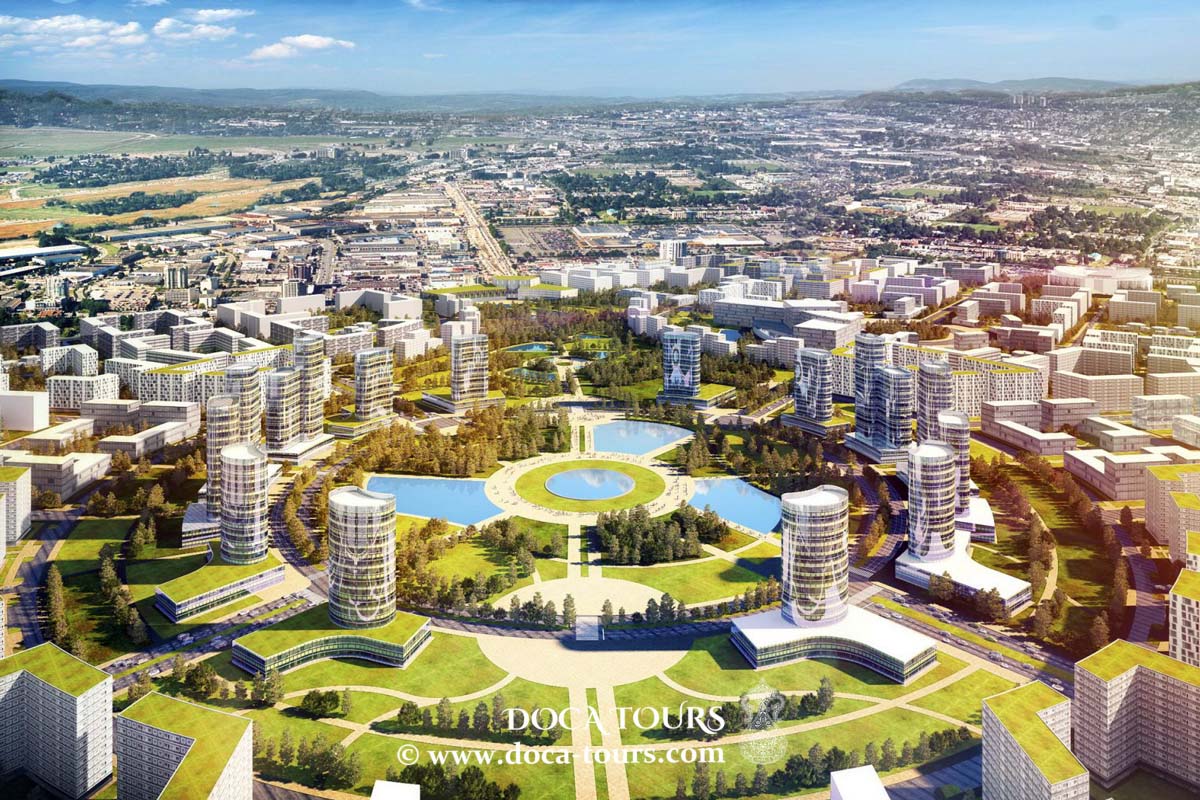
In the 21st century, new construction projects, including skyscrapers, a new parliament building, and a national museum, have reshaped the city. However, modern architectural trends have led to the demolition of many Soviet-era landmarks in the city center, such as the Central Post Office and the Mayakovsky Theater, with only 15 historically significant buildings remaining on a protected list. The city center today features wide boulevards and buildings in a Russian architectural style, while suburban areas remain relatively underdeveloped.
Healthcare
In 1925, the Dushanbe City Hospital and an ambulance service were established, followed by the opening of numerous medical facilities over the next decade. An infectious disease hospital was founded in 1939, the same year the Stalinabad Medical Institute was established. From World War II through the Tajik Civil War, the healthcare system significantly expanded with the addition of hospitals and specialized clinics.
Khodja Obi Garm Sanatorium
Dushanbe serves as the focal point of Tajikistan’s healthcare system. As of spring 2010, the city boasted 62 medical facilities, including urban polyclinics, hospitals, health centers, maternity hospitals, orphanages, and sanitary-epidemiological centers. This network included 17 hospitals, 2 orphanages, 14 urban polyclinics, 5 dental clinics, 8 sanitation and epidemiology centers, 12 urban branches, and 4 health outposts. By 2019, the number of hospitals had grown to 43. Primary healthcare services in Dushanbe are provided by 39 institutions, including urban health centers, dental clinics, and sanitation centers.
Key healthcare institutions include national specialty hospitals, urban polyclinics Nos. 1–5, the city infectious diseases hospital, the pediatric infectious diseases hospital, and departmental hospitals of the country's security ministries. Citizens are served through designated polyclinics within the city. Notable hospitals include the Mansurov Clinic, the Tajik Railways Hospital, the Shifobakhsh National Medical Center, and the Istiklol Medical Complex. The Soviet-era Khodja Obi Garm Sanatorium remains operational, offering treatments such as radon therapy. Temporary hospitals were also established during the COVID-19 pandemic.
Economy
In 2018, Dushanbe's Gross Regional Product (GRP) reached 13.8 billion somoni (approximately $1.51 billion), reflecting a growth rate of 7.3%. This accounted for 20.1% of Tajikistan's GDP. In the first half of 2020, Dushanbe's GRP represented 20.7% of the national GDP. As of 2014, the city's average salary was 1,402.67 somoni ($147.18). By 2004, over 30 commercial banks were operating in Dushanbe, cementing its status as the country's financial hub.
Dushanbe is actively engaged in international trade. In the first half of 2019, the city’s exports amounted to $8.34 million, while its total foreign trade turnover in 2018 was $398.08 million. Major export destinations included Turkey (42.8%), Iran (28.0%), Russia (10.8%), Afghanistan (7.3%), China (1.2%), Poland (1.2%), and others. Regarding imports, Russia accounted for 54.5%, followed by Kazakhstan (13.5%), China (6.8%), Italy (3.4%), Turkey (2.6%), Turkmenistan (2.5%), Ukraine (2.1%), Iran (1.4%), and the UAE (1.2%), with the remainder spread among other nations.
Industrial Development
During and after the Soviet invasion, most industries in Dushanbe focused on meeting local demand using regional resources. Key industries included meat processing, soap production, brick manufacturing, lumber milling, silk thread production, leather processing, clothing manufacturing, and electricity generation. By 1932, these industries employed 776 workers, a number that grew to 12,000 by 1938.
During World War II, the city's industrial base expanded significantly as the Soviet Union relocated industries eastward, including to Dushanbe, with a focus on light industries such as textiles and food processing. Between 1940 and 1945, industrial output increased 2.5 times. Despite comprising less than 10% of Tajikistan’s population, Dushanbe employs roughly one-third of the country’s industrial and service workforce.
From January to August 2019, the city housed 455 manufacturing enterprises, producing goods worth 1.64 billion somoni. Of this, 63.9% came from processing industries, 34.5% from electricity, water, gas, and air purification, and 1.6% from non-metallic construction materials. The sector produces over 300 types of goods, with industrial exports amounting to $1.54 million during the same period.
In 2014, the retail sector was involved in 2.6 billion somoni of transactions. In the service sector, hotels, restaurants, canteens and cafes sold services worth 296.6 million somoni. The paid services of the city in 2014 amounted to 5662.2 somoni per capita.
Hotel Tajikistan
Dushanbe is the capital of tourism of the Economic Cooperation Organization and is served by more than 40 hotels. The building of 9 modern hotels, with room for more than 1000 people, is being planned.
In 2018 and 2019, numerous initiatives, such as Dushanbe becoming a member of the World Tourism Cities Federation, different festivals, legislation promoting the city, an art gallery, and the establishment of the Year of Tourism and Folk Crafts in 2018 all served to promote the tourism industry. The Dushanbe Summer Fest, another promoted festival, is notable for its internet connectivity. Compared with the rest of the country, however, Dushanbe is a less popular tourist destination, partially due to its relatively recent founding and lack of historical significance. Museums in the city include the Tajikistan National Museum, founded in 1934, and the Gurminj Museum of Musical Instruments, which contains Pamiri and Badakshani musical instruments
Industrial Sector
The primary industrial exports from Dushanbe include cotton yarn, finished cotton fabrics, hosiery, cable products, agricultural goods, tobacco products, and trade equipment, among others. As of 2019, the industrial sector employed 20,746 workers with an average salary of 1,428.02 somoni. The city’s most developed industry is light manufacturing, supported by the country’s access to raw materials. Key companies in this sector include Nassoch, which processes significant volumes of cotton fiber; Chevar and Guliston, which specialize in clothing production; and Nafisa, known for its hosiery products.
Dushanbe also has notable companies in electrical, mechanical, and metallurgical industries. Tajiktextilmash, which produces agricultural and energy equipment, and Tajikkabel, a cable manufacturer, are well-known in these sectors. Other prominent companies include Somon-Tachkhizot, which produces electronics; Torgmash, which manufactures trade equipment; and Armature Plant, which produces iron products.
The food industry also has a strong presence in the city, with numerous wineries, dairy factories, meat-processing plants, canneries, and bakeries. Other industrial sectors in Dushanbe include construction materials (producing cement, oil, and plastics), woodworking, and printing. The city’s printing industry, which began in 1926, now accounts for 80% of Tajikistan's printing capacity.
Culture
Dushanbe’s culture, which originated during the Bukhara period, evolved significantly under Soviet rule, which established many of the city’s first cultural institutions. After gaining independence, Dushanbe’s cultural identity took on a more nationalistic direction.
Performing Arts
In the 19th century, Shashmaqom was the most prominent musical genre in Tajikistan. While Soviet authorities labeled it as "music composed for the emir" and suppressed it, the genre has since experienced a revival in popularity.
During the Soviet era, efforts were made to foster the arts in Dushanbe, which was less culturally vibrant compared to major Russian cities. Revolutionary songs like "The Marseillaise" were translated into Tajik and widely promoted. In 1938, the Tajik Philharmonic Society was founded, and it now bears the name Akasharif Juraev.
One notable composer, Sergey Artemyevich Balasanian, an Armenian, moved to Dushanbe between 1936 and 1943 to prepare the Tajik SSR for an upcoming cultural festival in Moscow. He described himself as "a composer, social music figure, folklorist, and educator." He later became the head of the Tajik Composers' Union and the artistic director of the opera theater.
During World War II, a large number of Russian and Ukrainian symphony musicians relocated to Dushanbe, further enriching its cultural scene.
The Tajik Opera and Ballet Theatre, named after Sadriddin Ayni, was the first opera house in Dushanbe, founded in 1936. The first opera staged in Tajikistan was “The Uprising of Vose”, which depicted a late 19th-century peasant revolt in Eastern Bukhara. One of the prominent opera performers was Hanifa Mavlyanova.
Another influential musician of the Soviet period was Alexander Lensky, a Moldovan who arrived in Tajikistan in 1937. He served as the artistic director of the Lahuti Theatre, the director of the Tajik Philharmonic, and the first secretary of the Union of Tajik Composers. Lensky also composed Tajikistan’s first opera along with numerous orchestral works.
The Opera Theatre Orchestra and the State Symphony Orchestra of Tajikistan, founded in 2016, continue to enrich the city’s cultural landscape. The symphony orchestra held its inaugural performance on September 9, 2016. The Tajik Opera and Ballet Theatre remains active and has been awarded the Order of Lenin. Over the years, it has staged operas on themes ranging from contemporary and historical to national, revolutionary, and heroic subjects.
The first ballet performed in Dushanbe, “Two Roses”, debuted in 1941, marking the beginning of the city’s ballet tradition. Over time, the ballet company grew, bolstered by graduates from the Leningrad Choreographic School, including renowned dancers like Malika Sabirova. The theatre underwent renovations in 2009 and continues to operate today.
The Ayni Theatre of Opera and Ballet
Drama emerged in Dushanbe during the 1920s. The first theatre, Lahuti Theatre, was built in 1929. During the 1930s, plays often centered on Soviet themes such as class struggle, opposition to the past, and gender equality. In 1935, the Tajik Musical Theatre, now the Ayni Theatre, was established. A comedy troupe was formed in 1944, and after World War II, younger performers influenced the creation of the Tajik State Youth Theatre.
Reflecting a nationalist tradition, Tajik literary classics were adapted into stage plays. During World War II, plays focused on wartime and historical themes, while productions in the 1950s shifted to broader narratives. By the 1970s and 1980s, international works, such as “Oedipus Rex”, were introduced. After independence, plays primarily focused on the devastating Tajik Civil War.
Today, notable theatres in Dushanbe include the Tajik Academic Theatre of Opera and Ballet, the State Russian Drama Theatre, the Youth Theatre, the State Experimental Theatre, and the Republican Puppet Theatre.
The Mayakovsky Theatre was Tajikistan’s oldest theatre and the last remaining Russian-language theatrical company in the country. It was demolished in 2016 as part of a large-scale government effort to remove numerous 20th-century buildings of historical and architectural significance.
Sports
In 1923, Dushanbe's sports club introduced gymnastics, equestrian sports, and athletics, with tennis making its debut in 1929. The first All-Tajik Spartakiad was held in 1934, and in 1939, Dynamo Dushanbe reached the quarterfinals of the USSR Cup. In 1950, the national football team won first place at the Central Asian Games.
Dushanbe hosted the Central Asian Games in 2003. The city’s most popular sports include sambo, wrestling, judo, karate, taekwondo, gymnastics, weightlifting, archery, shooting, boxing, football, basketball, diving, tennis, chess, buzkashi, and draughts.
Four football teams from Dushanbe compete in the Tajikistan Premier League: CSKA Pamir, Dushanbe-83, Istiqlol, and Lokomotiv-Pamir. The Pamir Stadium, built in 1939, has been a historic home for CSKA Pamir Dushanbe. A new stadium, the Dushanbe Stadium, is currently under construction and, once completed, will have a capacity of 30,000 spectators.
Radio
In 1924, a radio station was built in Dushanbe for military communication. On April 10, 1930, civilians in Tajikistan heard the first radio broadcast from Moscow. The station served as both a news source and a vehicle for Soviet propaganda. Initially, Dushanbe’s first station primarily rebroadcast programs from Moscow, gradually increasing the spread of radio throughout the country. Although development slowed during World War II, Tajikistan later gained access to more advanced and higher-quality radio stations and programming.
In 1977, local radio broadcasts became possible from Dushanbe with the construction of the Radio House in the city. In 2000, the Radio Sadoi Dushanbe station was established and remains one of four programs broadcast in the capital today.
As of August 1999, state-run radio broadcasts across the country alongside independent outlets such as Radio Asia-Plus. Other stations, including Radio Free Europe/Radio Liberty, the BBC, and Sadoi Khoroson, also broadcast in Tajik, although independent radio stations are rare.
Television
On November 7, 1959, the republic established its first television center, the Tajik TV Studio. By 1967, programs from Moscow and Tashkent were being broadcast in Tajikistan, and on November 15, 1975, color television was introduced. As of August 1999, 12–15 stations operated regularly, including Russian-language channels such as ORT, RTR, and TV-6.
Today, Dushanbe has a growing number of private television stations, with 15 operating nationwide. Despite this, seven state-run channels continue to broadcast across the country.
Twin towns – sister cities
Dushanbe is twinned with:
- Turkey Ankara, Turkey
- Turkmenistan Ashgabat, Turkmenistan
- Kazakhstan Astana, Kazakhstan
- Azerbaijan Baku, Azerbaijan
- United States Boulder, United States
- Qatar Doha, Qatar
- China Hainan, China
- Pakistan Islamabad, Pakistan
- Austria Klagenfurt, Austria
- Pakistan Lahore, Pakistan
- Zambia Lusaka, Zambia
- Afghanistan Mazar-i-Sharif, Afghanistan
- Belarus Minsk, Belarus
- Tunisia Monastir, Tunisia
- China Qingdao, China
- Germany Reutlingen, Germany
- Russia Saint Petersburg, Russia
- Yemen Sanaa, Yemen
- Iran Shiraz, Iran
- Iran Tehran, Iran
- China Ürümqi, China
- China Xiamen, China

 In 1922, Dushanbe was captured by Bolshevik forces, and in 1924 it was declared the capital of the Tajik Autonomous Soviet Socialist Republic. This marked the beginning of its transformation into a major city, with rapid population growth and urban development that persisted until the Tajik Civil War.
 Dushanbe accounts for 20% of Tajikistan's GDP, with significant contributions from its industrial, financial, retail, and tourism sectors. The city is home to several parks and notable landmarks, including Victory Park, Rudaki Park, the National Museum of Tajikistan, the Dushanbe Flagpole, and the National Museum of Antiquities of Tajikistan.
 The conflict ended with a ceasefire on June 27, 1997, brokered under the supervision of the United Nations. The agreement guaranteed the opposition 30% of government positions, facilitating peace in the region.
Dushanbe gained internet access for the first time in 2000. In 2004, UNESCO designated the city a City of Peace. Mahmadsaid Ubaidulloev, who many believed effectively controlled the government during the civil war, became the city’s mayor in 1996. Serving for 21 years, he was the longest-serving mayor of Dushanbe until 2017. Following independence, Dushanbe's economy steadily expanded until the COVID-19 recession. In January 2017, Rustam Emomali, the son of President Emomali Rahmon, was appointed mayor—a move seen by some analysts as a step toward further political advancement.
The conflict ended with a ceasefire on June 27, 1997, brokered under the supervision of the United Nations. The agreement guaranteed the opposition 30% of government positions, facilitating peace in the region.
Dushanbe gained internet access for the first time in 2000. In 2004, UNESCO designated the city a City of Peace. Mahmadsaid Ubaidulloev, who many believed effectively controlled the government during the civil war, became the city’s mayor in 1996. Serving for 21 years, he was the longest-serving mayor of Dushanbe until 2017. Following independence, Dushanbe's economy steadily expanded until the COVID-19 recession. In January 2017, Rustam Emomali, the son of President Emomali Rahmon, was appointed mayor—a move seen by some analysts as a step toward further political advancement.

 Dushanbe is home to 14 identified species of mammals, including foxes, weasels, marbled polecats, long-eared hedgehogs, five species of bats, and five species of rodents. The city also hosts 130 bird species, such as rock pigeons, doves, and turtle doves. Migratory birds are common, often passing through in autumn and summer.
There are 47 identified reptile species in the city, including geckos, snakes, lizards, and turtles. Amphibians, like the marsh frog and green toad, thrive in cleaner water bodies around the city. The rivers, lakes, and ponds within Dushanbe are home to 14 identified fish species, including Marinka, Tajik stone loach, and Turkestan catfish in the Varzob River, as well as seven species in the Kofarnihon River. Lakes and ponds host species such as carp, goldfish, mosquitofish, and striped gudgeon.
The city is also inhabited by 300 identified insect species, primarily cicadas, leafhoppers, aphids, scale insects, beetles, and butterflies. Notably, the city is home to the endemic Hissar grapevine hawkmoth. However, the number of malaria-carrying insects has been increasing. Plant health in the city is threatened by phytonematodes, with 55 identified species, the most harmful being root-knot nematodes. Rare or endangered species in Dushanbe include the radiant Tachysphex wasp, the white-bellied arrow eagle, and the European free-tailed bat.
Dushanbe is home to 14 identified species of mammals, including foxes, weasels, marbled polecats, long-eared hedgehogs, five species of bats, and five species of rodents. The city also hosts 130 bird species, such as rock pigeons, doves, and turtle doves. Migratory birds are common, often passing through in autumn and summer.
There are 47 identified reptile species in the city, including geckos, snakes, lizards, and turtles. Amphibians, like the marsh frog and green toad, thrive in cleaner water bodies around the city. The rivers, lakes, and ponds within Dushanbe are home to 14 identified fish species, including Marinka, Tajik stone loach, and Turkestan catfish in the Varzob River, as well as seven species in the Kofarnihon River. Lakes and ponds host species such as carp, goldfish, mosquitofish, and striped gudgeon.
The city is also inhabited by 300 identified insect species, primarily cicadas, leafhoppers, aphids, scale insects, beetles, and butterflies. Notably, the city is home to the endemic Hissar grapevine hawkmoth. However, the number of malaria-carrying insects has been increasing. Plant health in the city is threatened by phytonematodes, with 55 identified species, the most harmful being root-knot nematodes. Rare or endangered species in Dushanbe include the radiant Tachysphex wasp, the white-bellied arrow eagle, and the European free-tailed bat.
 The state airline Tajikistan, now known as Tajik Air, was founded in 1949. During the 1950s and 1960s, the Civil Aviation Fleet of Tajikistan was expanded with the acquisition of new aircraft. By the 1980s, Tajikistan's Civil Aviation Administration was recognized as the most efficient in the Soviet Union.
Today, the city is served by Dushanbe International Airport, which, as of April 2015, offered regular flights to Urumqi, Kabul, Delhi, Dubai, Istanbul, Frankfurt, major cities in Russia, and other destinations in Central Asia. The headquarters of Tajik Air was located within the Dushanbe airport premises. Additionally, Somon Air, an airline launched in 2008, is headquartered in Dushanbe.
The government has planned to allocate 0.18% of Tajikistan's GDP toward aviation development, with a primary focus on infrastructure in Dushanbe. Japanese investors financed the construction of a $28 million cargo terminal at the airport, significantly enhancing its capacity.
The state airline Tajikistan, now known as Tajik Air, was founded in 1949. During the 1950s and 1960s, the Civil Aviation Fleet of Tajikistan was expanded with the acquisition of new aircraft. By the 1980s, Tajikistan's Civil Aviation Administration was recognized as the most efficient in the Soviet Union.
Today, the city is served by Dushanbe International Airport, which, as of April 2015, offered regular flights to Urumqi, Kabul, Delhi, Dubai, Istanbul, Frankfurt, major cities in Russia, and other destinations in Central Asia. The headquarters of Tajik Air was located within the Dushanbe airport premises. Additionally, Somon Air, an airline launched in 2008, is headquartered in Dushanbe.
The government has planned to allocate 0.18% of Tajikistan's GDP toward aviation development, with a primary focus on infrastructure in Dushanbe. Japanese investors financed the construction of a $28 million cargo terminal at the airport, significantly enhancing its capacity.