
























Key takeaways
- A full Silk Road tour threads together Uzbekistan, Kazakhstan, Kyrgyzstan, Tajikistan and Turkmenistan, though most first trips focus on Uzbekistan's Registan, Bukhara and Khiva.
- Central Asia's travel sector grew 17.7% in 2025, the fastest of any world region tracked by the WTTC, so popular departures fill early.
- Group departures cost less and add social energy; private tours give you flexible pacing and are worth it for families, photographers and slower travelers.
- Plan 8 to 10 days for Uzbekistan alone, and 14 to 18 days for a multi-country route that adds Kyrgyzstan's mountains or Turkmenistan's desert.
A Silk Road tour links the great caravan cities of Central Asia into one overland journey, and the right trip depends on how much time you have and how deep you want to go. Most travelers start in Uzbekistan, where Samarkand, Bukhara and Khiva sit within a few hours of each other, then decide whether to extend into Kazakhstan, Kyrgyzstan, Tajikistan or Turkmenistan. This guide walks through what these tours cover, the classic routes, and how to choose between group and private travel.
The region is having a moment. In 2025, Central Asia's travel and tourism sector grew 17.7%, the highest rate of any world region tracked by the World Travel and Tourism Council (Times of Central Asia, August 2026). Popular departures now fill months ahead, so knowing what you want before you book matters more than it used to.
What Does a Modern Silk Road Tour Cover?
A modern Silk Road tour covers the historic trade corridor that runs through all five Stans, though few itineraries attempt the whole thing at once. In 2025, tourism contributed $20.1 billion to Central Asia's economy, about 4.3% of regional GDP, as visitor spending climbed 26.4% (Times of Central Asia, August 2026). That growth has sharpened the quality of guides, hotels and transport across the region.
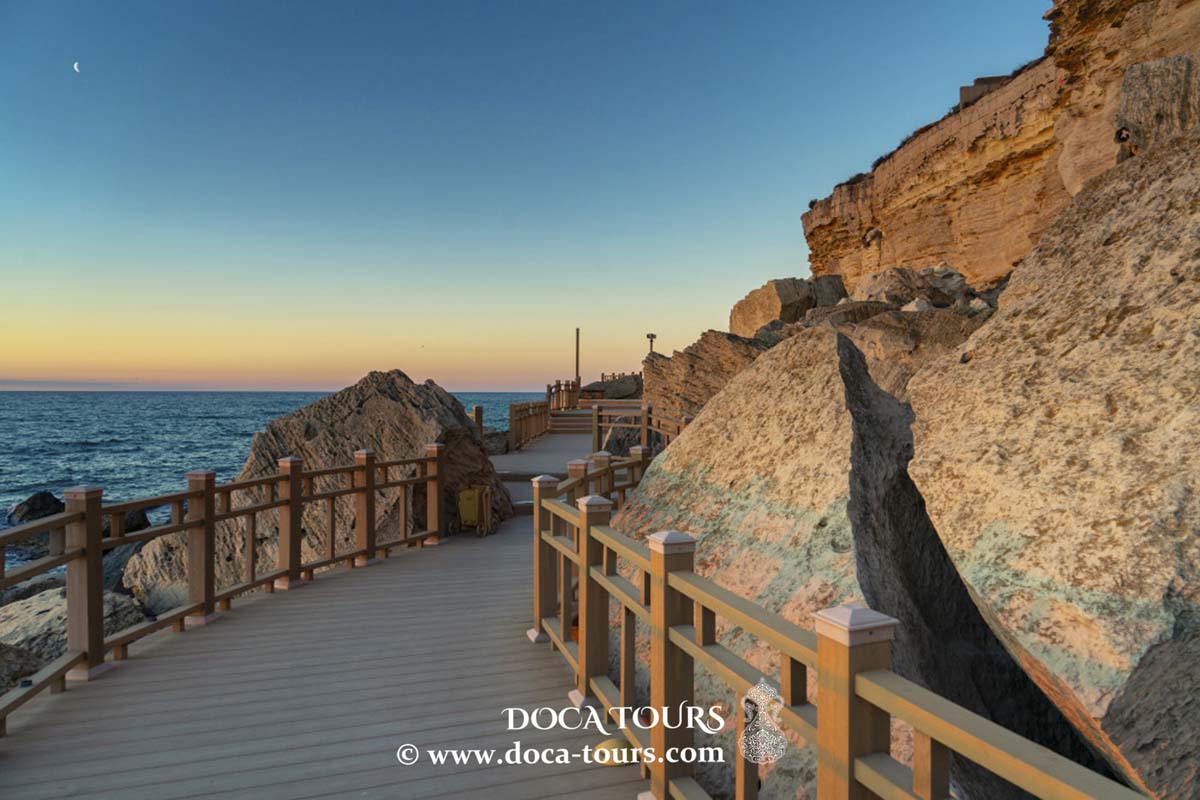
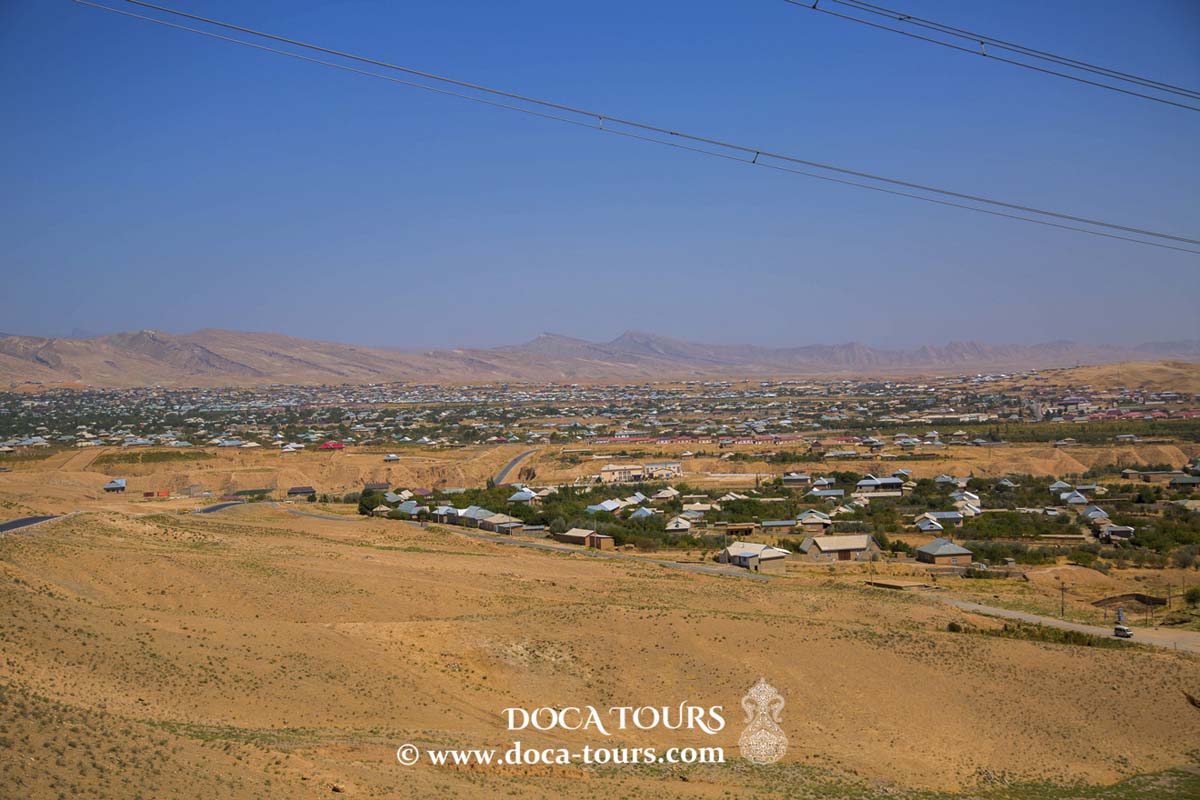
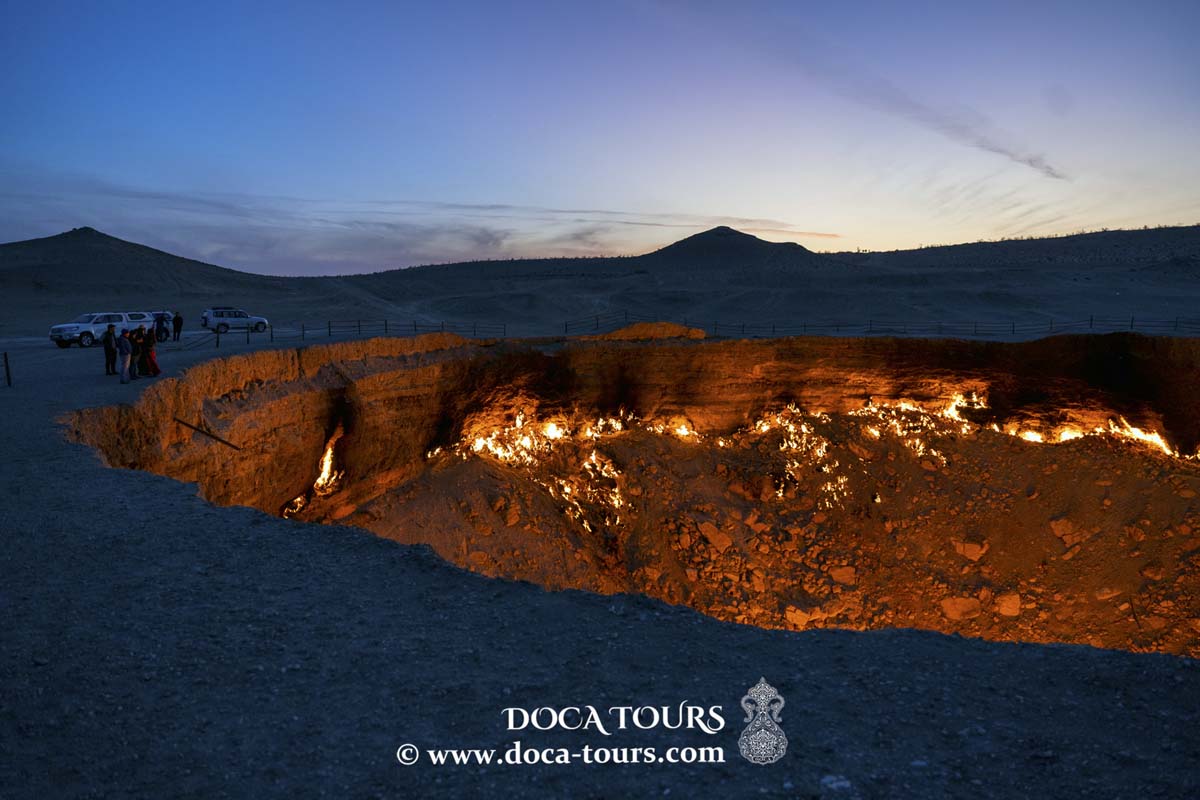
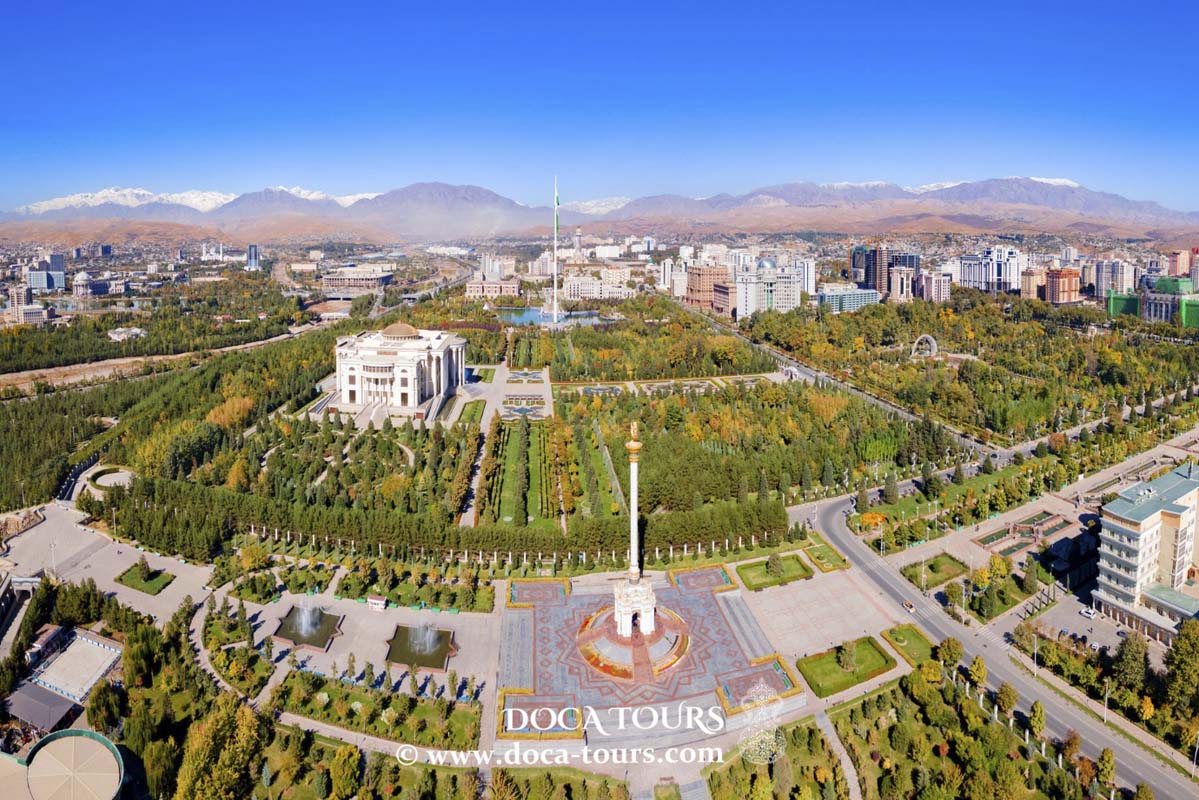
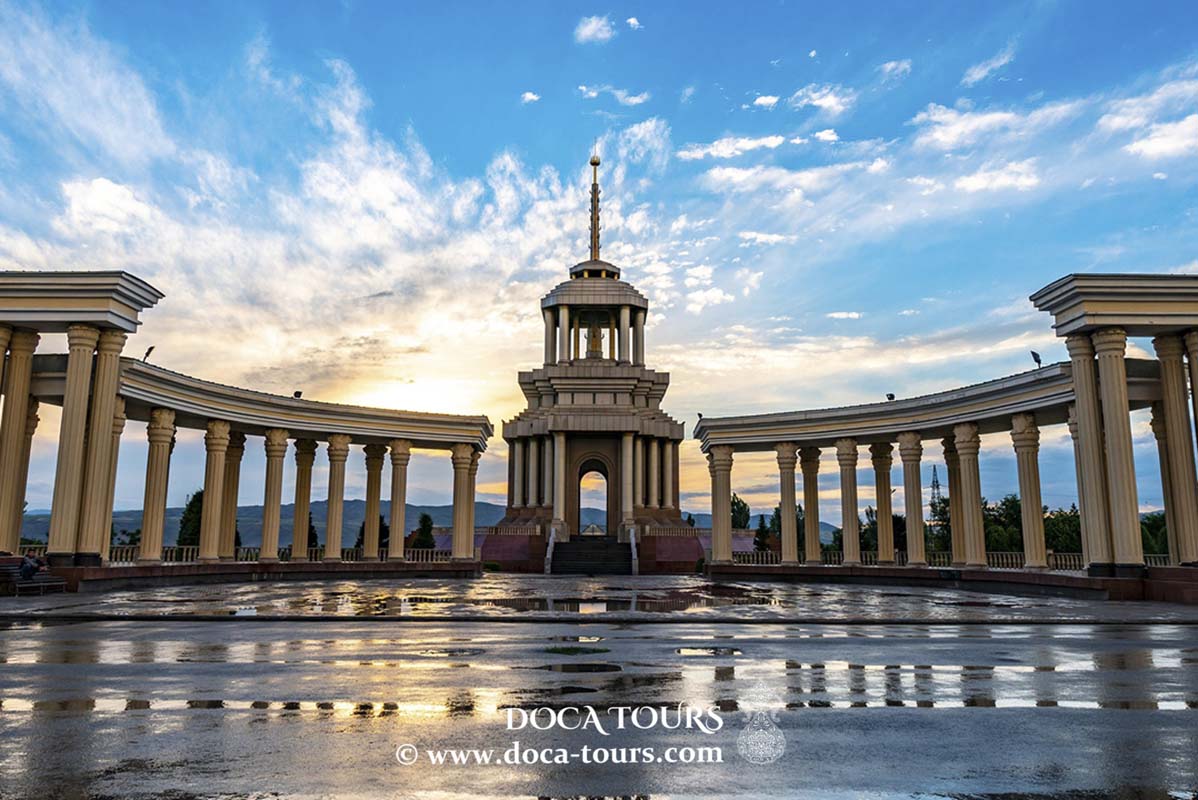
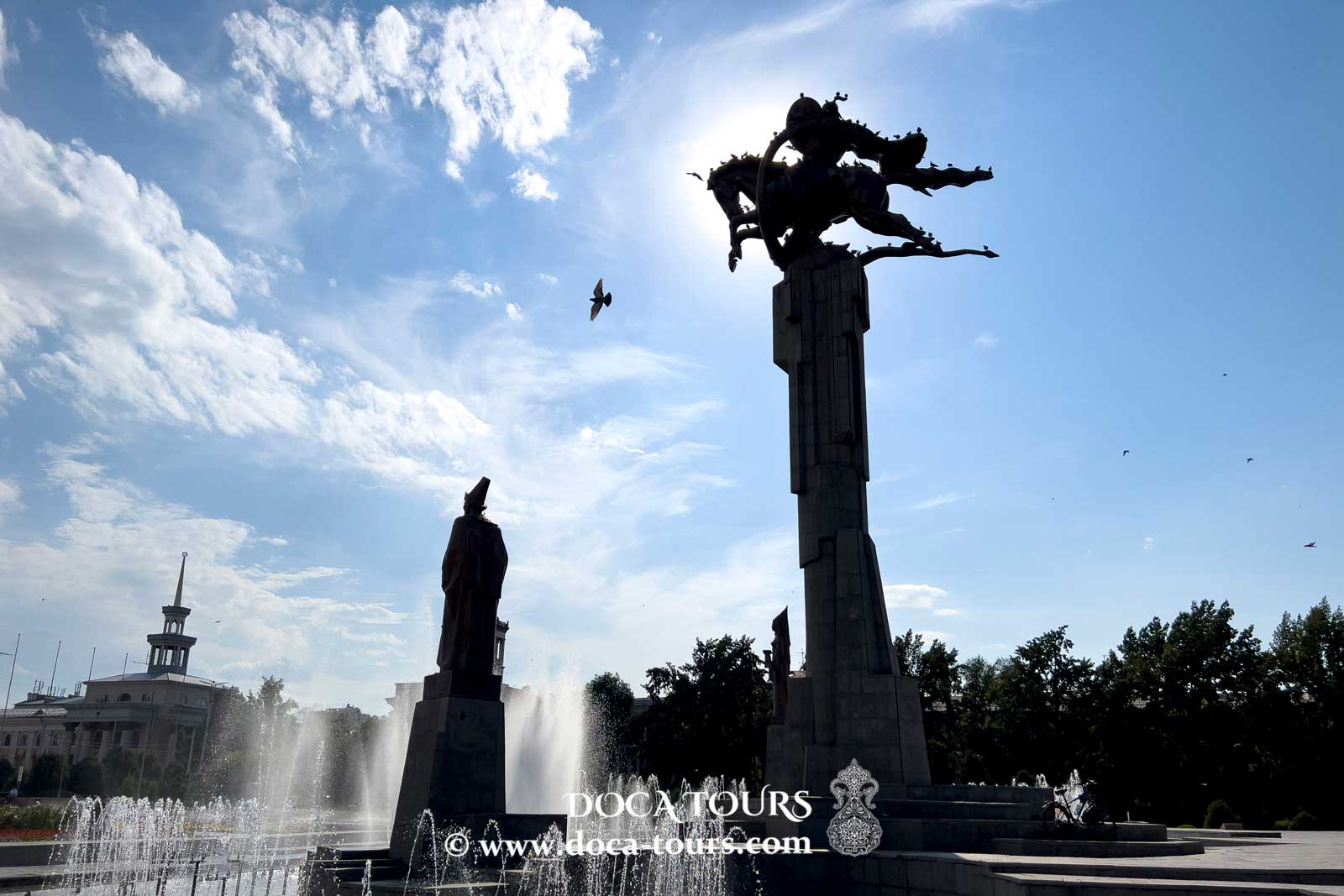
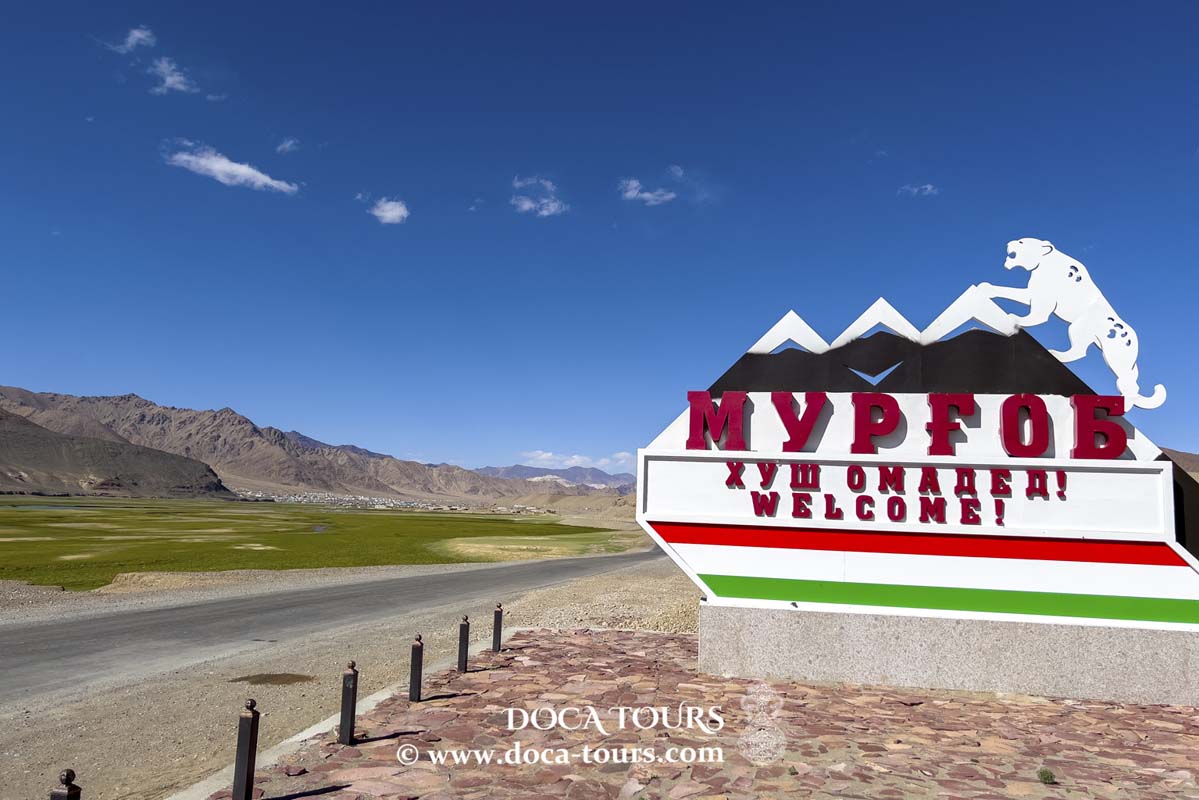
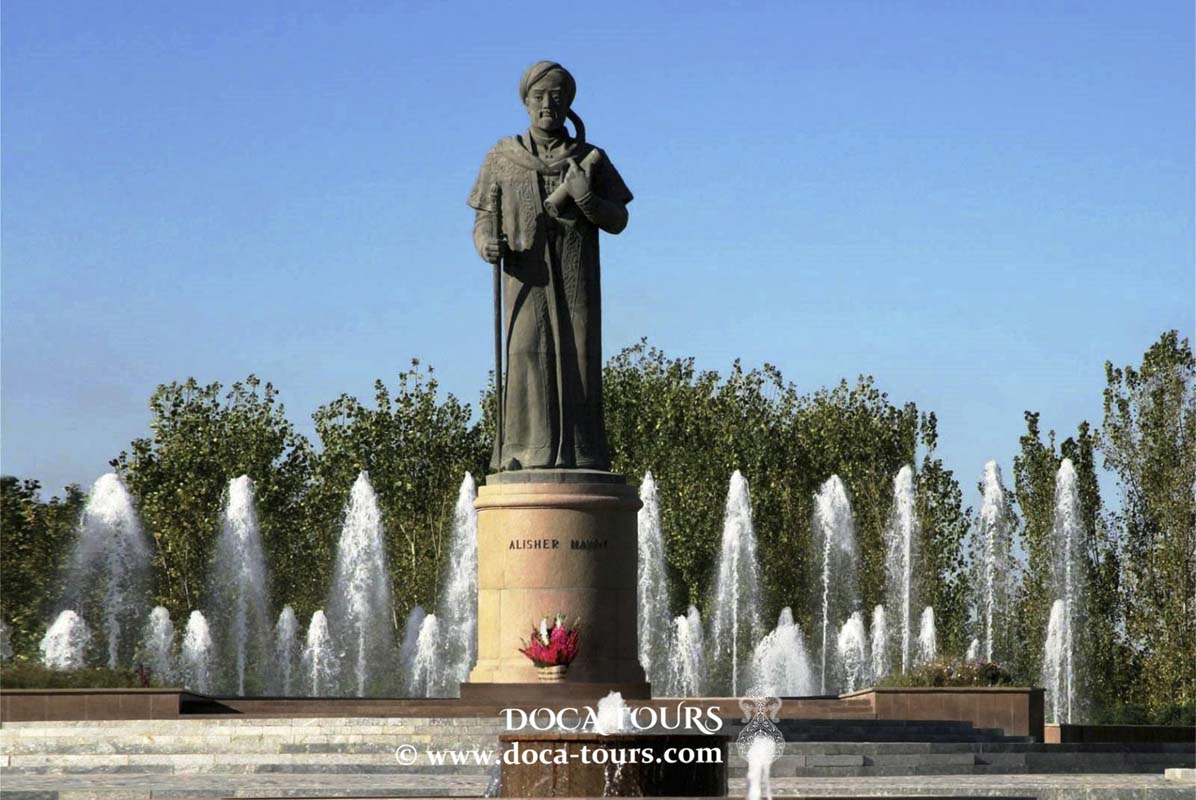
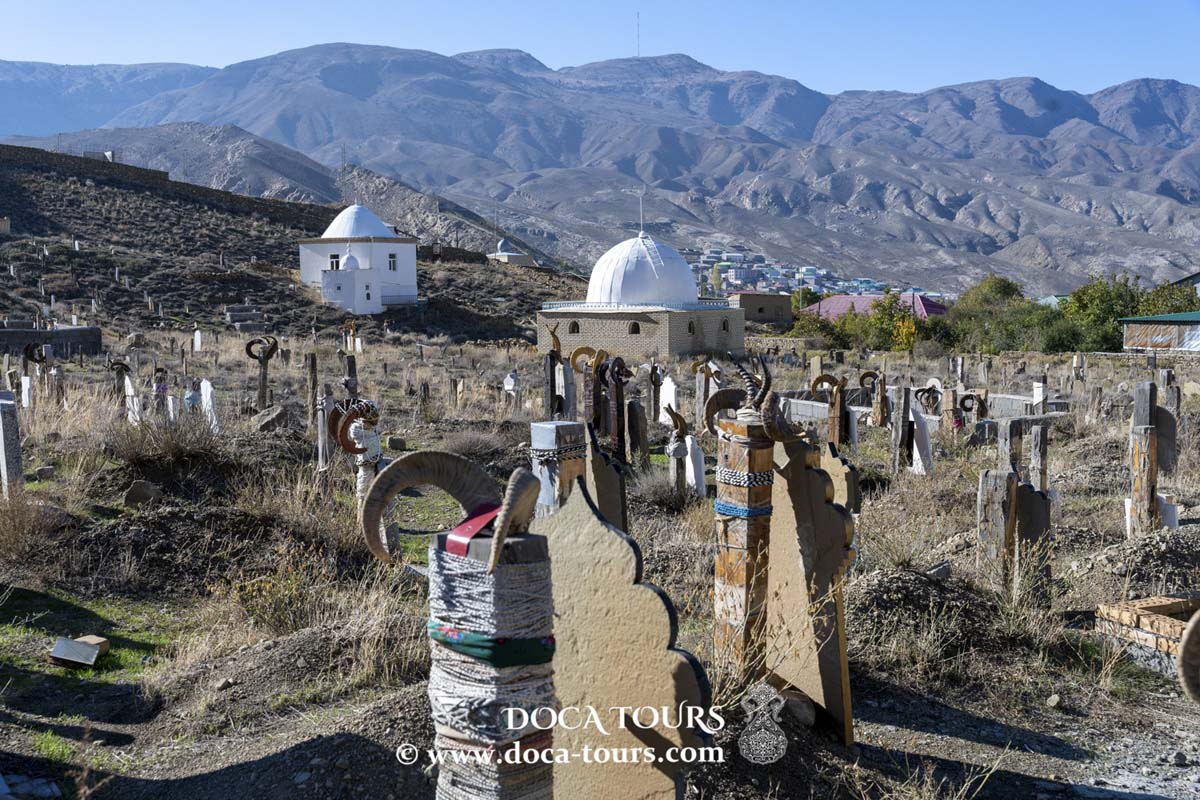
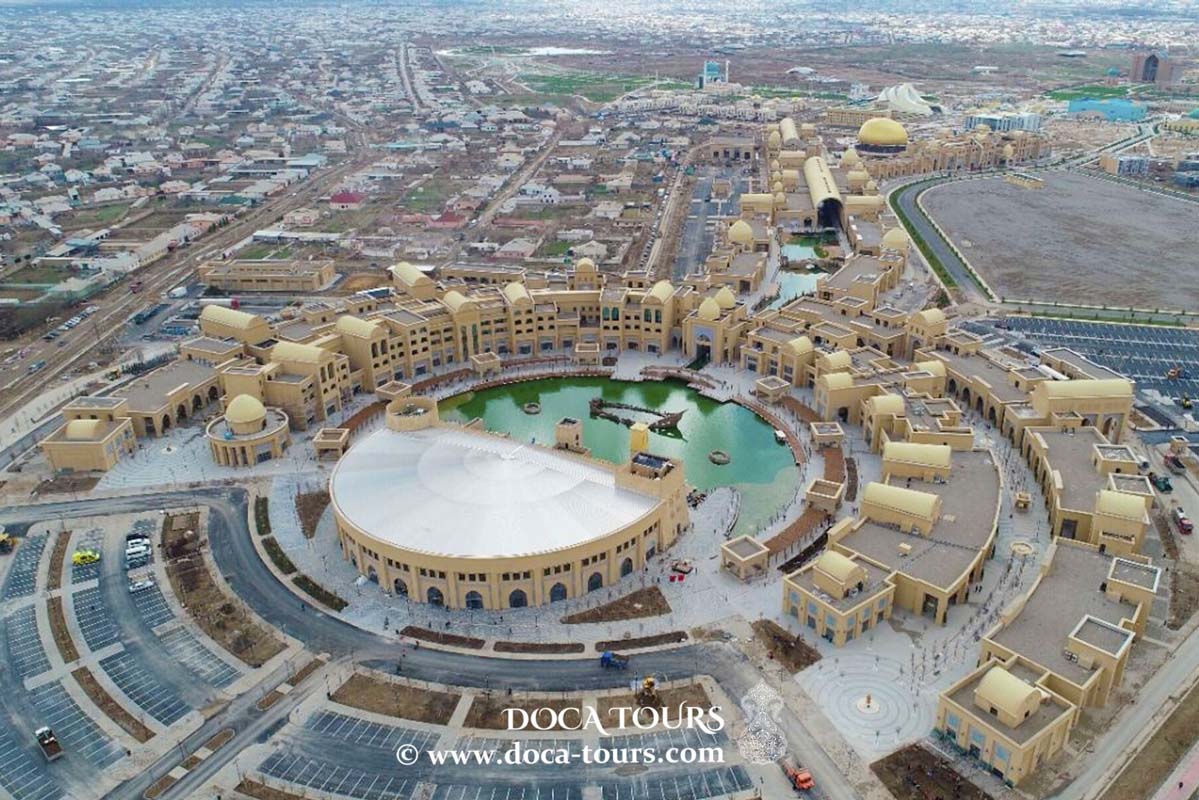
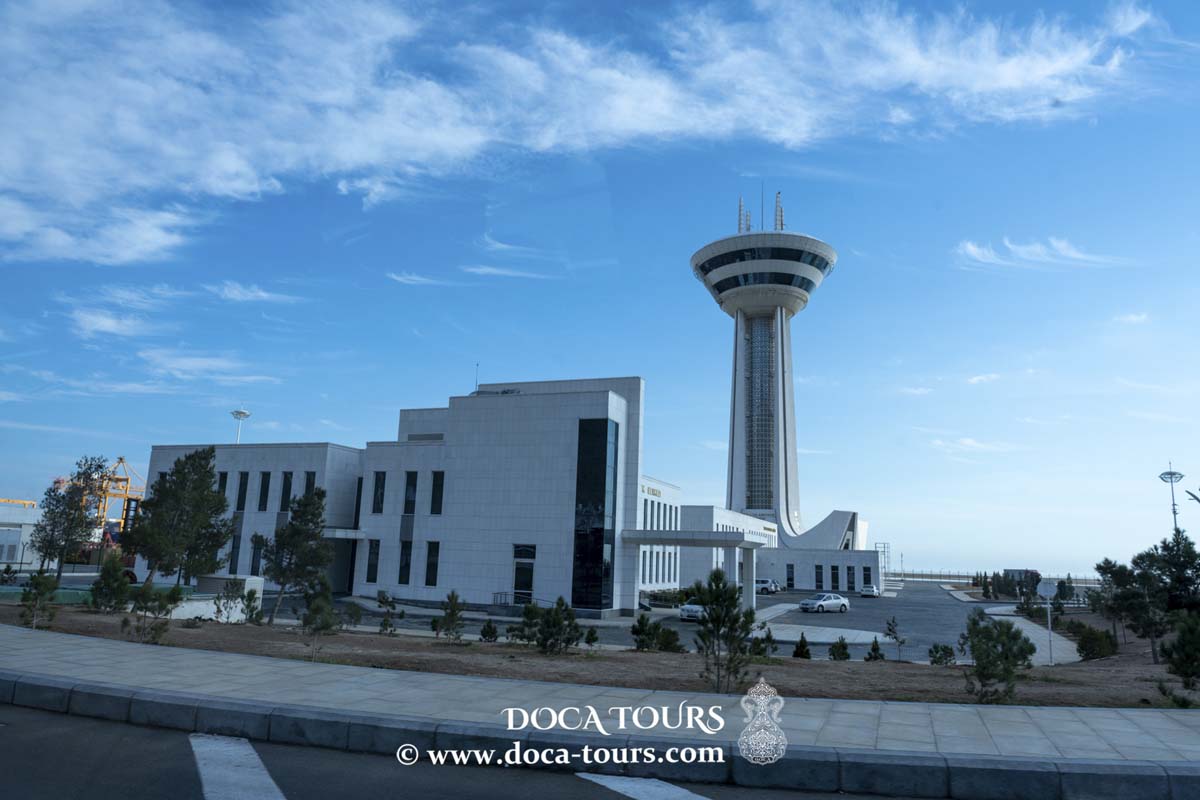
Each country brings something distinct. Uzbekistan holds the densest concentration of blue-domed madrasas and bazaars. Kazakhstan offers steppe, modern Almaty and canyon country. Kyrgyzstan is the mountain and nomad heartland, with alpine lakes and yurt stays. Tajikistan guards the dramatic Pamir Highway. Turkmenistan keeps its desert mysteries, from ancient Merv to the burning Darvaza gas crater.
The cultural spine of the route is old and recognized. UNESCO inscribed the Silk Roads Chang'an-Tianshan Corridor as a World Heritage Site in 2014, covering 33 component sites across China, Kazakhstan and Kyrgyzstan along roughly 5,000 km of historic road (UNESCO World Heritage Centre). Walking these sites is the closest most of us get to standing inside the medieval trade network.
If you are weighing a single country against a wider loop, our guide to planning a multi-country Central Asia trip breaks down the trade-offs in detail.
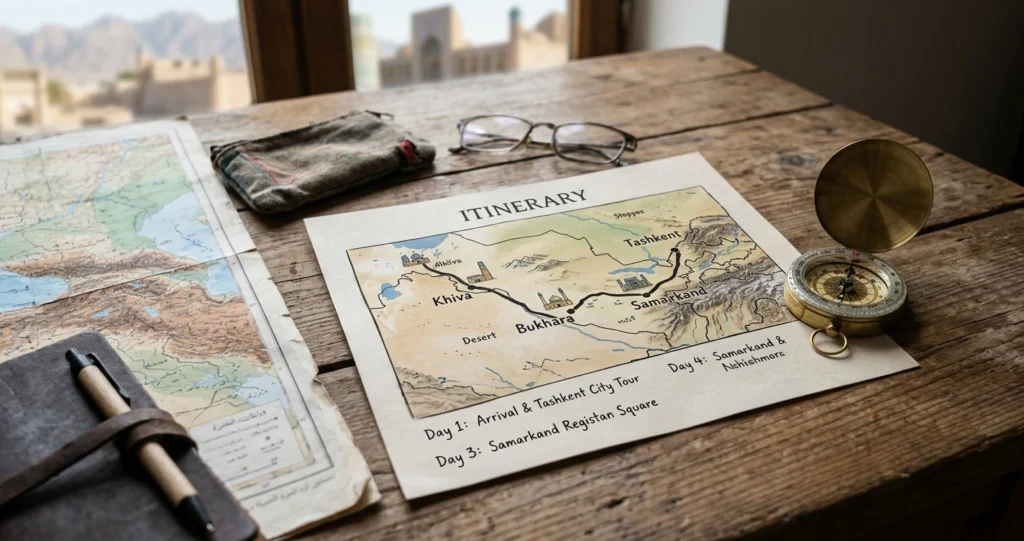
The Classic Route: Samarkand, Bukhara and Khiva
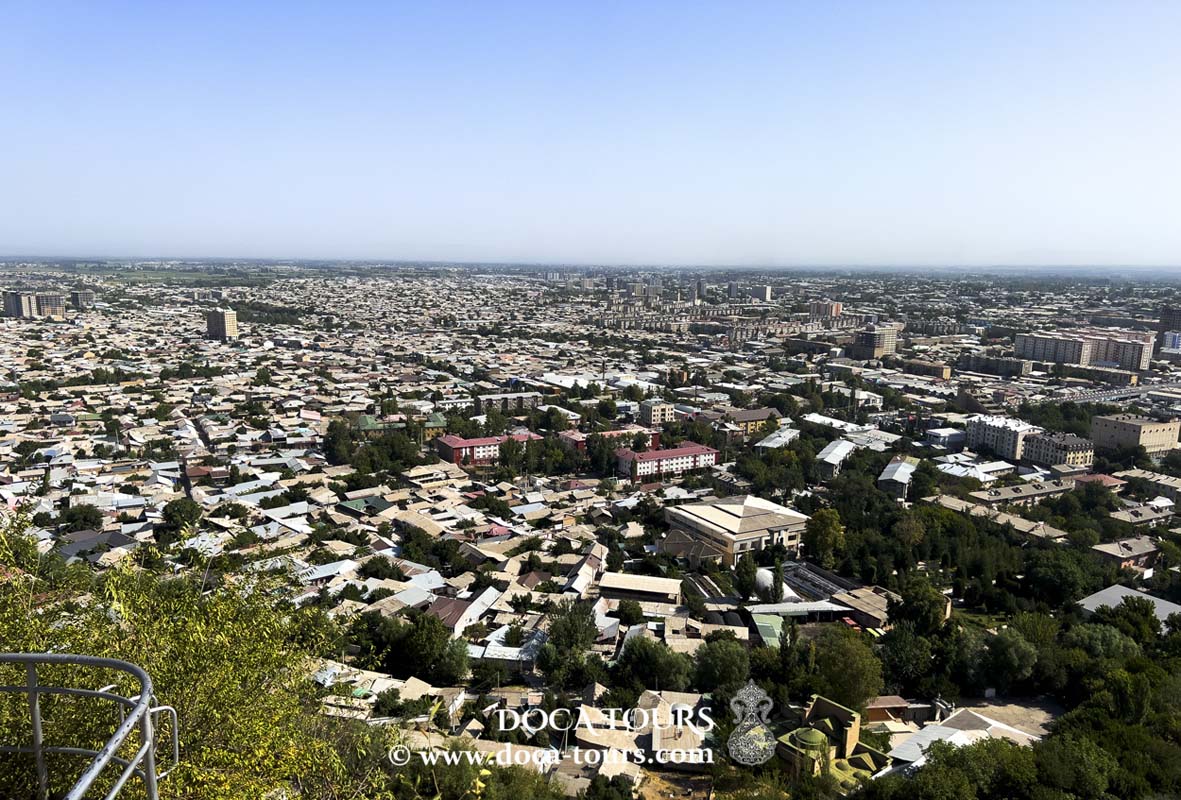
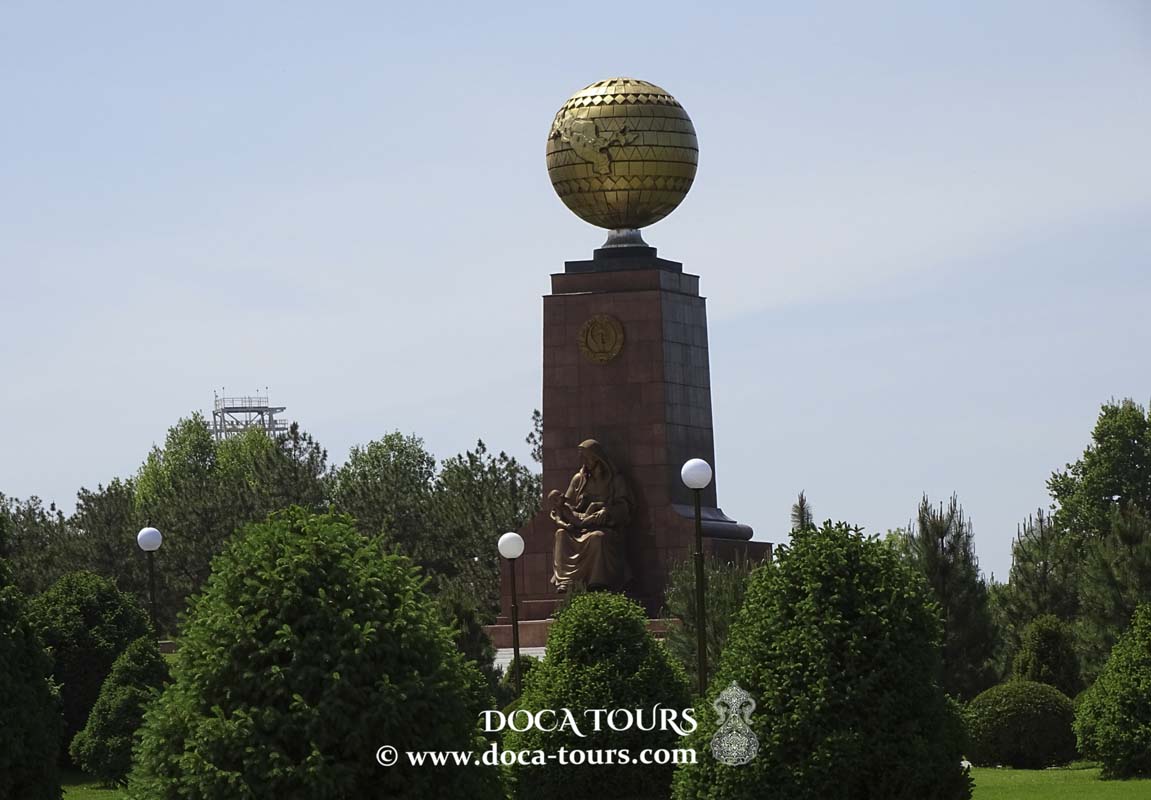
The classic Silk Road route connects Samarkand, Bukhara and Khiva, the three Uzbek cities that draw most first-time visitors. Uzbekistan welcomed 11.7 million foreign arrivals in 2025, up nearly 47% on the prior year (Kun.uz, January 2026). That surge reflects how central these three cities have become to any Silk Road journey.
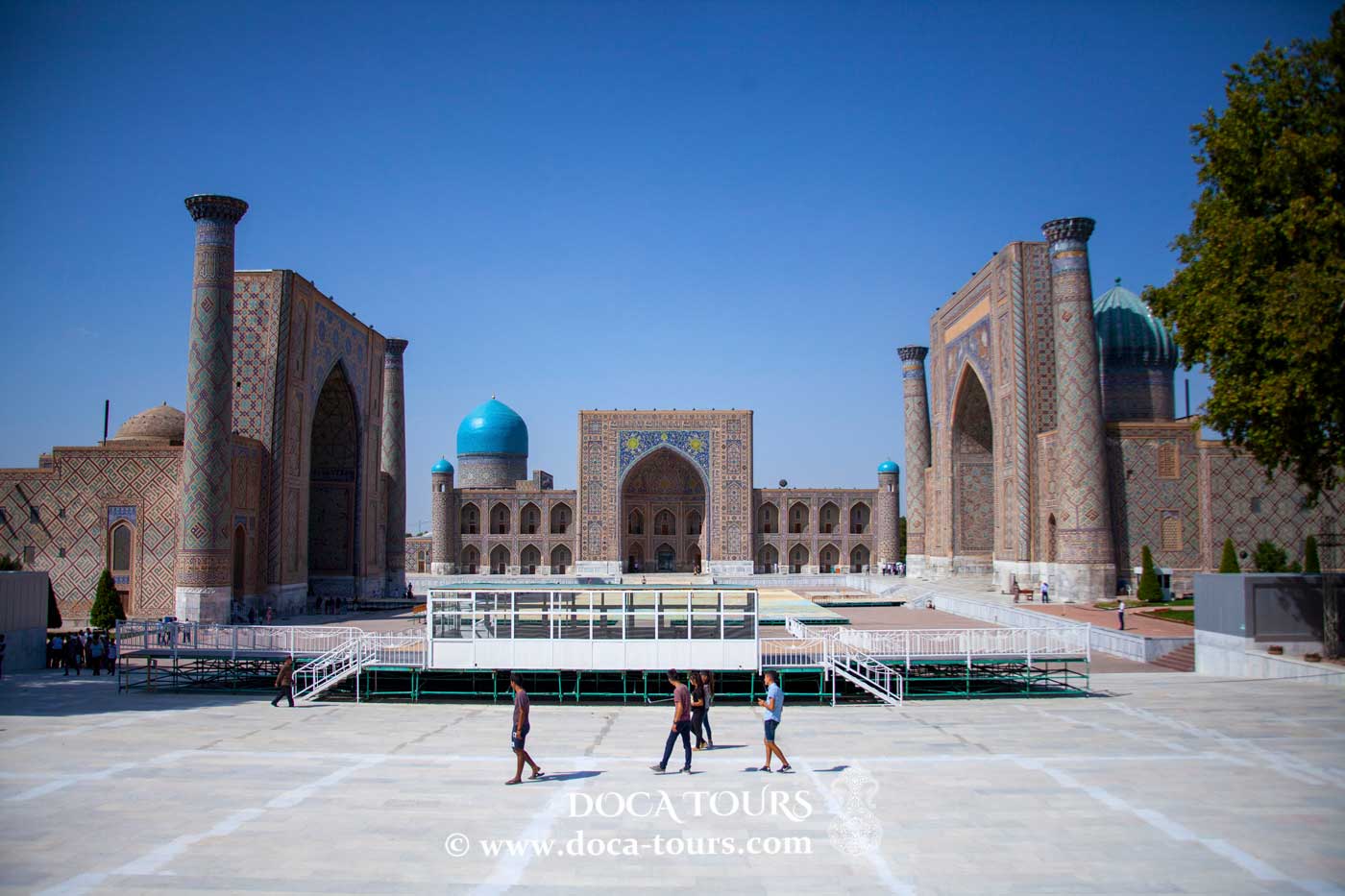
Samarkand anchors the route. Its Registan Square, three facing madrasas covered in turquoise tilework, is the image most people carry home. A fast train links it to Tashkent and Bukhara, which keeps travel days short.
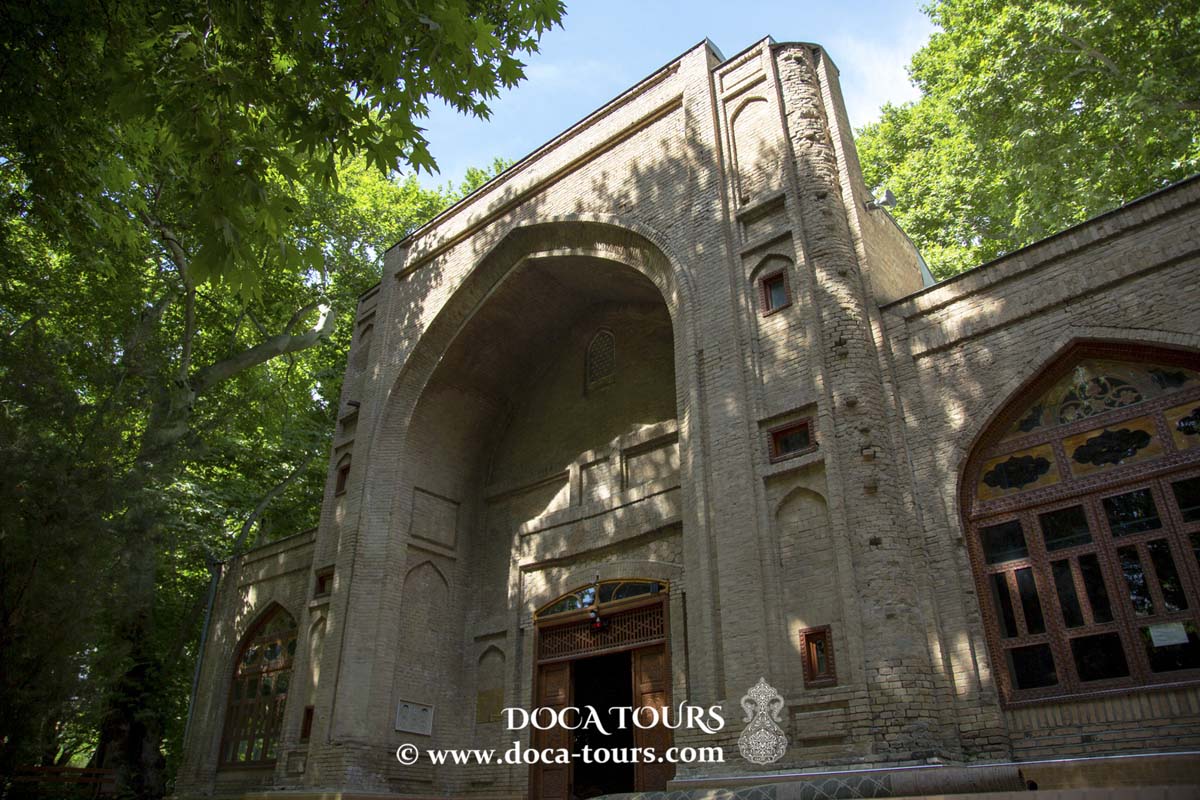
Bukhara feels older and quieter, a living medieval center where trading domes, minarets and caravanserais still stand close together. Khiva, further west, is a walled desert city so compact you can walk its lanes in an afternoon.
Most tours run this trio west to east or east to west, often by a mix of high-speed rail and road, with Tashkent as the usual arrival point.
Group or Private: Which Departure Suits You?
The choice between group and private comes down to budget, pace and who you are traveling with. Group tours spread fixed costs across more people, so they usually cost less per traveler and add a built-in social circle. Private tours put the schedule in your hands, which is worth the premium for families, photographers and anyone who tires of a fixed clock.
Group departures work well for solo travelers and couples who enjoy shared meals and new friendships on the road. You follow a set itinerary with a fixed start date, and the guiding, transport and hotels are arranged for the whole party.
Private tours flex around your interests. Want an extra morning at the Registan for better light, or a slower lunch in a Bukhara courtyard? A private guide and driver make that simple. The style suits honeymooners, multigenerational families and travelers with specific access needs.
Doca Tours runs both formats across the region, so you can match the trip to your group rather than squeezing your group into a fixed trip. If you lean toward tailoring every day, a private Silk Road itinerary gives you the most room to shape the route.
Trip Lengths, Pacing and Must-See Highlights
The right length depends on how many countries you add and how fast you like to move. For Uzbekistan alone, 8 to 10 days covers Tashkent, Samarkand, Bukhara and Khiva at a comfortable pace. Add a second country and you want 14 to 18 days, since border crossings and transfers eat into sightseeing time.
A rushed Silk Road trip is a common regret. Cramming five countries into ten days leaves you staring out of vehicle windows instead of wandering bazaars. Build in rest days, especially if you cross time zones to reach the region.
Pacing also shifts with the landscape. City-focused Uzbekistan days are easy on the body. Add Kyrgyzstan and you trade pavement for mountain roads, lake shores and yurt camps. The Pamir Highway in Tajikistan and the deserts of Turkmenistan demand even more buffer time.
Season matters too. Spring and autumn bring mild days and clear light, ideal for both photography and long walks. Summer turns the desert cities fierce, while winter is cold, quiet and cheap.
How Doca Tours Designs Guided Silk Road Itineraries
Doca Tours builds guided Silk Road itineraries around local knowledge rather than a generic template. As a Central Asia specialist operating across all five Stans, the team arranges the licensed guides, ground transport, train tickets and hotels so travelers deal with one operator rather than five national systems.
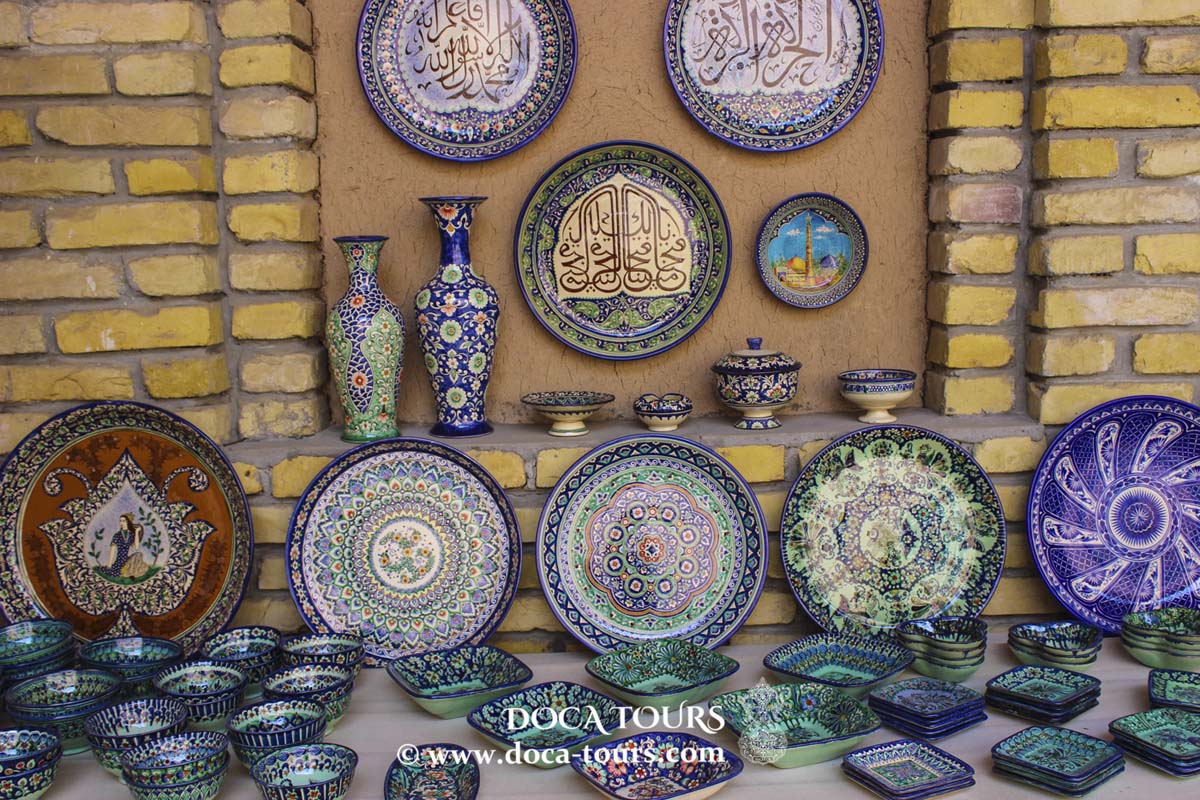
The design starts with your priorities. A history-minded traveler gets more time among Samarkand's monuments and Bukhara's old quarter. An outdoor-minded group gets mountain days in Kyrgyzstan or a desert night under the stars in the Kyzylkum. Each itinerary balances headline sites with slower, local moments, from a family-run teahouse to a craft workshop.
Logistics across borders are the hardest part of a multi-country trip, and getting them wrong costs whole days. Having a single operator coordinate the Uzbekistan to Kazakhstan or Uzbekistan to Kyrgyzstan handoffs keeps the journey moving. Travelers who want help comparing options can start with our overview of how to pick the perfect Silk Road trip.
Ready to shape your own route? Tell Doca Tours how many days you have and which landscapes pull at you, and the team will map a Silk Road journey that fits the time you actually have rather than the trip a brochure wants to sell.
Frequently asked questions
How long should a Silk Road tour be?
Allow 8 to 10 days for Uzbekistan's main cities, or 14 to 18 days for a multi-country route adding Kyrgyzstan, Kazakhstan, Tajikistan or Turkmenistan. Shorter trips mean long days and rushed stops.
Which countries do Silk Road tours cover?
Most tours center on Uzbekistan, home to Samarkand, Bukhara and Khiva. Broader itineraries add Kazakhstan, Kyrgyzstan, Tajikistan and Turkmenistan for mountains, steppe and desert landscapes.
Is a group or private Silk Road tour better?
Group tours cost less and suit solo travelers who want company. Private tours give you control over pacing and stops, which helps families, photographers and anyone who prefers slower days.
When is the best time to travel the Silk Road?
Spring (April to early June) and autumn (September to October) offer mild weather and clear skies. Summer gets very hot in the desert cities, while winter is quiet and cold but uncrowded.
Do I need visas for a Silk Road trip across the Stans?
Many nationalities now enter Uzbekistan, Kazakhstan and Kyrgyzstan visa-free or with an e-visa. Turkmenistan remains the strictest and usually requires a visa with supporting documents. Check current rules before booking.