
























Key takeaways
- Kyrgyzstan is roughly 94% mountainous, which makes it the natural trekking hub of Central Asia (National Investment Agency of the Kyrgyz Republic).
- Ala-Kol is the country's signature high alpine trek; Song-Kol suits gentler, high-pasture walking by the lake.
- July to September is the reliable trekking window, when high passes are clear of snow and yurt camps are open.
- Guided tours handle permits, transfers, horses and altitude pacing, which matters on routes with few trail markers and patchy phone signal.
- Build at least one acclimatisation day into any itinerary that crosses a high mountain pass.
The strongest Kyrgyzstan hiking tours center on three names: Ala-Kol for high alpine drama, Song-Kol for nomadic pasture walking, and Jyrgalan for quiet forested valleys. If you are comparing operators, the decision comes down to how much altitude you want, how many days you have, and whether you prefer tent camps or yurts.
This guide covers the top trekking routes, honest difficulty ratings, what guided tours include versus self-guided logistics, and how to plan gear, altitude and season. Doca Tours runs guided departures on all three routes, so the advice below reflects what we actually brief travellers on before they fly in.
Why Kyrgyzstan Is Central Asia's Trekking Capital
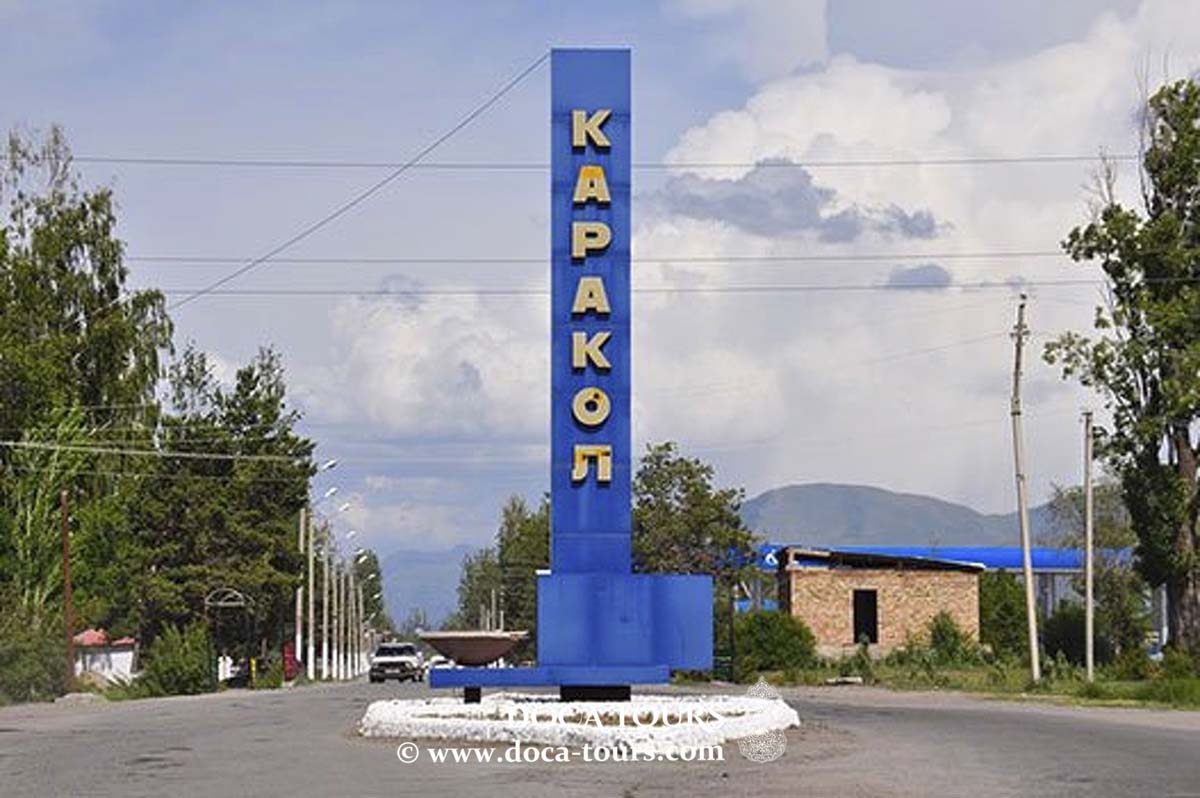
Roughly 94% of Kyrgyzstan's territory is mountainous, which is why it draws more serious hikers than any of its neighbours (National Investment Agency of the Kyrgyz Republic). The Tian Shan and Pamir ranges deliver glaciated peaks, turquoise lakes and summer pastures within a few hours of Bishkek or Karakol.
The country's highest peaks climb past 7,000 m, and its celebrated alpine lakes sit high in the ranges. That vertical range means a single trip can mix gentle valley days with a lung-testing pass.
Tourism has climbed sharply too. Kyrgyzstan drew around 10 million tourist arrivals in 2025, part of a wider Central Asian travel boom (Times of Central Asia, 2026). More visitors mean more departures, better trail infrastructure and more yurt camps open through the season.
Nomadic culture is part of the appeal. On many routes you walk between working summer pastures and sleep in family-run yurts, a living tradition shared across Kyrgyzstan and neighbouring Kazakhstan.
Top Trekking Routes for Kyrgyzstan Hiking Tours
Three routes dominate serious itineraries: Ala-Kol, Song-Kol and Jyrgalan. Each suits a different hiker, from altitude chasers to first-timers who want scenery without a brutal pass.
Ala-Kol: The Signature Alpine Trek
Ala-Kol lake sits high in the Tian Shan, and the classic loop from Karakol crosses a steep alpine pass before dropping to the hot springs at Altyn-Arashan. It usually runs 3 days. Expect steep scree, a startling blue lake and genuine altitude. This is the route most people picture when they think of Kyrgyzstan trekking tours, and it is the hardest of the three.
Fitness matters here. You climb through pine forest, then alpine meadow, then bare rock, gaining serious elevation across the trek. The reward is a lake colour that photographs almost unreal.
Song-Kol: High Pasture and Yurts
Song-Kol lake lies on a vast grassy plateau ringed by gentle hills, lower than Ala-Kol but still high country. The walking is moderate, the gradients forgiving, and the draw is the setting: herders bring flocks up for summer, and yurt camps dot the shore. It is the best choice if you want altitude scenery without a punishing climb.
Many travellers pair a Song-Kol approach with a lakeside stay. Our detailed account of yurt stays at Song-Kol Lake covers what a night in a nomad camp is actually like.
Jyrgalan: Quiet Valleys for Fewer Crowds
Jyrgalan, east of Karakol, is a former mining village turned trekking hub. Its trails run through spruce forest, flower meadows and rolling ridgelines, generally at lower altitude than Ala-Kol. Day hikes and multi-day loops both start here, and you share the path with far fewer people. It suits hikers who want solitude and a gentler profile.
How Hard Are These Treks, and How Fit Do I Need to Be?
Difficulty spans from moderate to demanding, and your choice of route decides it more than your raw fitness. Song-Kol and most Jyrgalan day hikes suit fit beginners, while Ala-Kol expects sustained climbing at altitude. None of the three requires technical climbing or ropes in summer.
Here is a practical read on each:
- Song-Kol approaches: moderate. Several hours of walking per day on manageable gradients. Good for first multi-day treks.
- Jyrgalan day and short multi-day routes: moderate, with flexible distances. You can scale days up or down.
- Ala-Kol: demanding. Long days, a steep high pass, and real altitude. Train with hill walking and back-to-back long days before you go.
The honest filter is simple: can you walk 6 to 8 hours on consecutive days with a daypack? If yes, Song-Kol and Jyrgalan are well within reach, and Ala-Kol becomes a stretch goal. First-timers to the wider region should weigh an easier route before committing to a high pass.
Guided or Self-Guided? The Logistics That Decide It
Guided tours win on remote Kyrgyz routes because trails are often unmarked, weather shifts fast, and phone signal drops out for long stretches. Self-guided trekking is possible on well-trodden sections, but it puts navigation, permits, transport and emergencies on you.
A guided Kyrgyzstan trekking tour typically handles:
- Airport and trailhead transfers, which are long and hard to arrange solo.
- Border-zone or protected-area permits where required.
- Pack horses or porters, plus camp cooking on multi-day routes.
- A guide who paces acclimatisation and reads mountain weather.
- Yurt-camp or homestay bookings that are hard to secure remotely.
Self-guided works best if you stick to popular, well-marked segments, speak some Russian or Kyrgyz, and carry offline maps and a satellite messenger. On a pass like Ala-Kol, where a sudden snow squall can erase the trail, the margin for error is thin. Doca Tours runs small-group guided departures on Ala-Kol, Song-Kol and Jyrgalan precisely to absorb that logistical load, so you focus on the walking.
Gear, Altitude and Season: Planning Your Trek
The planning essentials are three: pack for fast weather swings, respect the altitude, and trek in the right window. Get these right and the rest of the trip tends to fall into place.
Season
July to September is the reliable trekking window. High passes are clear of snow, yurt camps are open, and days are long. June and early October can work on lower trails but carry a genuine snow risk up high. Shoulder weeks reward flexibility and punish tight schedules.
Altitude
With high alpine lakes and steep passes, altitude is the factor most hikers underestimate. Build in at least one acclimatisation day before crossing a high pass. Ascend gradually, hydrate hard, and tell your guide early if you feel headaches or nausea. Descending is the cure, so never push upward through worsening symptoms.
Gear
Layering beats bulk. The core kit:
- Waterproof shell jacket and warm mid-layer, since valley heat and ridge cold can swap within an hour.
- Broken-in hiking boots with ankle support for scree.
- Warm sleeping bag rated well below the overnight lows you expect at altitude.
- Sun protection: high-SPF cream, sunglasses and a brimmed hat at altitude.
- Water purification and a refillable bottle.
Build the list around your trek's altitude and dates, and pack for rain, sun and cold in the same day.
Choosing Your Route and Booking
If you want one clear recommendation: pick Song-Kol or Jyrgalan for a first Kyrgyz trek, and save Ala-Kol for when you are confident at altitude and on steep ground. Match the route to your fitness honestly, lock in a July to September date, and give yourself an acclimatisation buffer.
The concrete next step is to shortlist two routes, check your passport's current entry terms, then compare guided departures that include transfers, permits and yurt or camp nights. A guided tour removes the logistical friction on Kyrgyzstan's remote trails, and it is the simplest way to turn a shortlist into a confirmed trek.
Frequently asked questions
When is the best time for hiking tours in Kyrgyzstan?
July to September is the prime window. High passes like Ala-Kol are clear of snow, yurt camps at Song-Kol are open, and days are long. June and early October are possible on lower trails but carry a real risk of snow up high.
How difficult are Kyrgyzstan trekking tours?
They range widely. Song-Kol approaches are moderate day walks suitable for most fit beginners. Ala-Kol involves a steep high pass and long days, so it rewards hikers comfortable with sustained ascent and altitude.
Do I need a guide to trek in Kyrgyzstan?
No, but one helps. Trails are often unmarked, weather turns fast, and phone signal is patchy. A guided tour arranges permits, transport, horses and acclimatisation pacing, which removes most of the logistical risk on remote routes.
What altitude will I reach on these treks?
Ala-Kol is the highest of the three, crossing a steep alpine pass, with Song-Kol a little lower on its plateau and Jyrgalan lower still. Plan at least one acclimatisation day before crossing any high pass to reduce altitude sickness risk.
Do I need a visa to go trekking in Kyrgyzstan?
Many nationalities enter Kyrgyzstan visa-free for short stays, but rules vary by passport. Check current requirements before booking, since entry terms and permit needs for border-zone treks can change year to year.