
























Key takeaways
- Kyrgyzstan is overwhelmingly mountainous: 85 percent of its territory sits above 1,500 metres, which puts trekking, alpine lakes and high passes within easy reach.
- The three signature stops are Song-Kol for yurt stays, Issyk-Kul for shoreline and culture, and Ala-Kul for a demanding glacial-lake trek.
- Match the itinerary to your fitness: horseback and yurt circuits suit most travellers, while the Ala-Kul pass needs real stamina.
- The reliable season runs July to September, when high pastures are open and lake temperatures are comfortable.
A Kyrgyzstan adventure tour gives you high alpine lakes, multi-day treks and nights in a nomad's yurt, usually inside a single two-week trip. If you want mountains without crowds, a working herding culture you can actually stay inside, and lakes that sit above 3,000 metres, this is the Central Asian country to book.
Kyrgyzstan rewards travellers who like effort. The roads are rough, the passes are high, and the payoff is scenery most people never see. This guide walks through why it works as an adventure destination, what trekking, horseback riding and yurt stays involve, the lakes and ranges worth your days, how to judge difficulty, and when to go.
Why Kyrgyzstan Is Central Asia's Top Adventure Destination
Kyrgyzstan is mostly vertical. About 85 percent of the country lies above 1,500 metres, and roughly 42 percent sits above 3,000 metres (UNDP). That single fact explains the appeal: wherever you go, mountains are the backdrop, and the terrain pushes you toward trekking rather than sightseeing from a bus.
The Tian Shan range dominates the country. Its highest point, Peak Pobeda, rises to well over 7,000 metres and ranks among the hardest high peaks in the region. You do not need to climb it to feel the scale. Even a moderate day hike puts you among glaciers, turquoise lakes and summer pastures.
Culture is the second draw. Semi-nomadic herding is still a living practice here, carried on by working families rather than staged for visitors. Families move livestock to high meadows, called jailoo, each summer and set up yurt camps that travellers can join. Few places let you combine serious mountain scenery with this kind of direct cultural contact.
Access has also improved. Visa-free entry for many nationalities and a growing network of community-based tourism make independent and guided trips practical. For travellers weighing the wider region, our guide to choosing a Central Asia tour package sets Kyrgyzstan alongside its neighbours.
What Trekking, Horseback Riding and Yurt Stays Involve
These three activities form the core of almost every Kyrgyzstan adventure tour, and they often overlap on the same route. Understanding what each one asks of you helps you pick a trip you will actually enjoy rather than endure.
Trekking here means multi-day walks between valleys and over passes, frequently above 3,000 metres. Trails are often unmarked, so route-finding and a guide matter. Days run four to seven hours of walking, with camps or yurts at the end. The air is thin, so distances feel longer than the map suggests.
Horseback riding is the traditional way to cross Kyrgyz terrain, and it is open to beginners on gentler circuits. A horse carries you and your gear over ground that would be slow on foot. Many Song-Kol trips use horses for exactly this reason, letting you reach remote pastures without a punishing hike.
Yurt stays turn an active day into a cultural one. You sleep in a round felt tent, eat with the host family, and wake up surrounded by grazing livestock. Facilities are basic and nights get cold at altitude, but the experience is the point. It is the closest most visitors come to the herding life that still shapes the country.
A guided operator like Doca Tours bundles these together, arranging the horses, the yurt camps and the transport on dirt roads so you focus on the walking and the views.
Highlights: Song-Kol, Issyk-Kul, Ala-Kul and Tian Shan
Four names anchor most Kyrgyzstan adventure tours, and each offers a different flavour of the country. A strong itinerary usually links at least two of them so you get both the gentle and the demanding sides of the mountains.
Song-Kol is the yurt-stay heartland. This high alpine lake sits above 3,000 metres on a treeless plateau ringed by summer pastures. Herders bring their animals and their yurts here in warm months, and the lakeside camps are the classic place to spend a night or two with a nomad family. Access is by horse, hike or 4×4 over a high pass.
Issyk-Kul is the counterpoint: a vast, warm, saline lake that never freezes, ringed by snow peaks. Sitting at around 1,600 metres, it is lower and milder, with beaches, hot springs and petroglyph sites on its shores. It makes a natural rest point between harder trekking days and a cultural stop in its own right.
Ala-Kul is the trophy for walkers. The glacial lake glows an intense turquoise and sits above 3,500 metres, reached by a tough multi-day trek from the Karakol valley that crosses a pass close to 3,900 metres. It is the single most rewarding hard trek in the country for many visitors.
The Tian Shan range frames all of this. The Western Tien-Shan was inscribed as a UNESCO World Heritage Site in 2016 for its biodiversity, and the broader range holds the glaciers and 7,000-metre peaks that feed these lakes. Even if you never set foot on a glacier, the range defines every view.
Difficulty Levels and How to Pick the Right Itinerary
Choose your itinerary by honest fitness, not ambition. Kyrgyzstan routes span gentle horseback circuits that most active travellers can manage up to high-pass treks that demand real stamina and acclimatisation. Picking the wrong level is the fastest way to spoil a trip.
Easy to moderate trips centre on Song-Kol and Issyk-Kul. Think short hikes, horseback riding on rolling pastures, and yurt nights, with vehicles covering the long transfers. These suit first-time adventure travellers, families with teenagers and anyone who wants scenery without a daily slog.
Challenging trips add the Ala-Kul trek or similar multi-day routes. You carry a daypack, walk four to seven hours over passes near 3,900 metres, and camp or stay in basic shelters. Prior hiking experience and a few weeks of cardio training beforehand make a real difference.
Expedition-level objectives, such as the high Tian Shan peaks, are a separate category for experienced mountaineers only. Most travellers never need them.
A practical approach is to combine levels in one trip: start easy at Issyk-Kul to acclimatise, build up through Song-Kol, then tackle Ala-Kul if you are ready. A guided operator can tune the route to your group, and Doca Tours builds itineraries around the fitness and interests you tell them up front rather than a fixed template.
What to Pack and When to Go
Pack for four seasons in one day and travel between July and September. Mountain weather swings fast, and even summer nights at 3,000 metres drop near freezing, so layering is non-negotiable regardless of when you visit.
The reliable window is July to early September. High pastures are open, the yurt camps are running, passes are clear of snow, and Issyk-Kul is warm enough to swim. June and late September are quieter and cheaper but colder at altitude, with some risk of snow on high passes. Winter is for ski touring specialists only.
For packing, prioritise:
- Warm layers: a fleece or down jacket, thermal base layers and a hat, even in July.
- Waterproof shell for sudden rain and wind on passes.
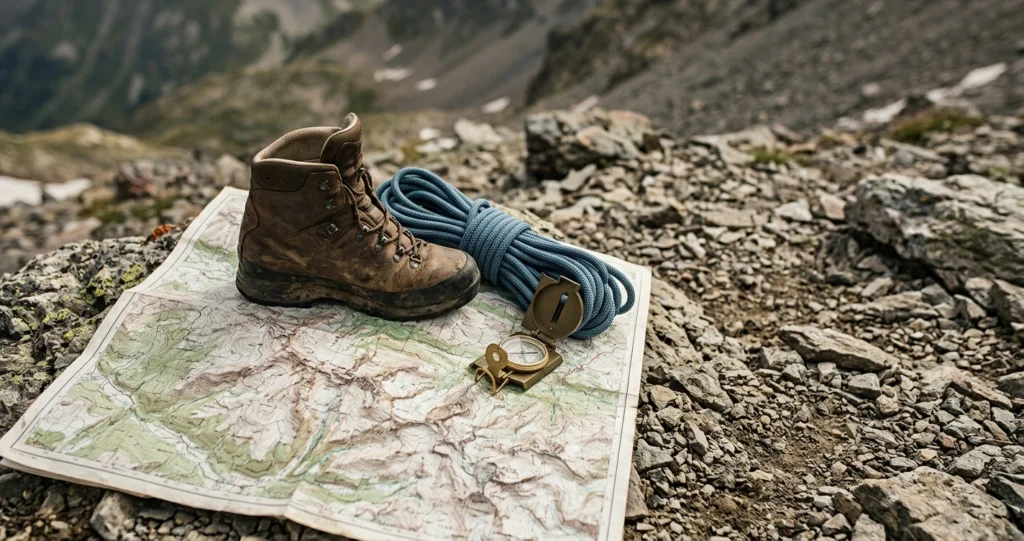
- Broken-in hiking boots with ankle support for rocky, unmarked trails.
- Sun protection: high-SPF cream, sunglasses and lip balm, since UV is intense at altitude.
- A warm sleeping bag if you camp, plus a liner for yurt nights.
- A basic first-aid kit and any personal medication, as pharmacies are scarce in the mountains.
Timing a Central Asian trip can get complicated if you combine countries. Our season-by-season guide to visiting the region helps if Kyrgyzstan is one leg of a longer journey.
Booking a Guided Kyrgyzstan Adventure With Doca Tours
A guided tour is the simplest way to turn Kyrgyzstan's logistics into a smooth trip. The country rewards travellers who go deep into the mountains, and that is exactly where self-planning gets hard: permits, rough-road transport, yurt camp bookings and route-finding at altitude all take local knowledge.
Doca Tours runs guided adventure packages across Kyrgyzstan and the wider region, pairing experienced local guides with the horses, drivers and yurt-camp hosts who make a mountain itinerary work. Because the routes are built around your group's fitness and interests, you can blend an easy Issyk-Kul start with a Song-Kol yurt stay and a harder Ala-Kul trek in one trip.
If you are weaving Kyrgyzstan into a broader Silk Road journey, it pairs naturally with a cultural leg next door. Travellers often add the cities of Uzbekistan, and our overview of what to expect on a guided Uzbekistan tour shows how the two countries complement each other.
Your next step is simple: decide roughly how many days you have and how hard you want to walk, then send those two details to Doca Tours and ask for a draft Kyrgyzstan itinerary built around them. That one message turns a vague plan into a trip you can actually book.
Frequently asked questions
How fit do I need to be for a Kyrgyzstan adventure tour?
It depends on the route. Horseback circuits and yurt stays at Song-Kol suit most reasonably active travellers. The Ala-Kul trek crosses a pass near 3,900 metres and needs good stamina and prior hiking experience.
When is the best time to visit Kyrgyzstan for trekking?
July to early September is the prime window. High pastures are open, mountain passes are clear of snow, and Issyk-Kul is warm enough for swimming. June and late September are quieter but colder at altitude.
Do I need a guide to trek in Kyrgyzstan?
You can trek some routes independently, but a guided tour handles permits, transport on rough roads, yurt camp bookings and route-finding at altitude. For Song-Kol and Ala-Kul, a guide also smooths the cultural side of homestays.
What is a yurt stay actually like?
You sleep in a felt tent on thick mattresses and quilts, share meals cooked by the host family, and have basic facilities. Nights at 3,000 metres get cold, so warm layers matter even in summer.