


























Best Time to Visit Uzbekistan
What is the best time to visit Uzbekistan? For most travelers, the ideal months are April, May, September, and October, when the weather is comfortable for exploring Uzbekistan’s historic cities, including Samarkand, Bukhara, Khiva, and Tashkent. Spring brings mild temperatures, blooming orchards, lively bazaars, and cultural celebrations, while autumn offers warm days, clear skies, and abundant seasonal produce.
However, the best time to visit Uzbekistan depends on what you want to experience. Summer is particularly suitable for hiking and mountain travel, while winter offers quieter Silk Road cities, fewer visitors, and opportunities for skiing near Tashkent. Desert journeys and yurt camps are especially enjoyable in April–May and September–October.
In this guide, we explain when to visit Uzbekistan month by month, what the weather is like in each season, and the best time to travel depending on whether you are interested in Silk Road sightseeing, desert adventures, hiking, festivals, food, or winter sports.
Spring transforms Uzbekistan into one of the most enjoyable times of the year for travel. Around 21 March, Navruz marks the arrival of spring, bringing celebrations, traditional food, colorful markets and a lively atmosphere across the country. As the season progresses, orchards begin to bloom and temperatures become ideal for long days exploring the historic cities and monuments.
Autumn offers a completely different but equally attractive experience. September and October are particularly pleasant for sightseeing, with comfortable daytime temperatures, clear skies and markets filled with grapes, melons, pomegranates and other seasonal produce. The warm autumn light also creates beautiful conditions for photography, especially around the architectural treasures of Samarkand, Bukhara and Khiva.
However, there is no single best time to visit Uzbekistan for everyone. Summer can be an excellent choice for travelers interested in the mountains, hiking and outdoor activities, while winter brings fewer visitors to the Silk Road cities and offers opportunities for skiing in the mountains near Tashkent.
In short, April, May, September and October are generally the best months to visit Uzbekistan for a classic sightseeing journey, but the ideal season ultimately depends on what you want to see and experience.
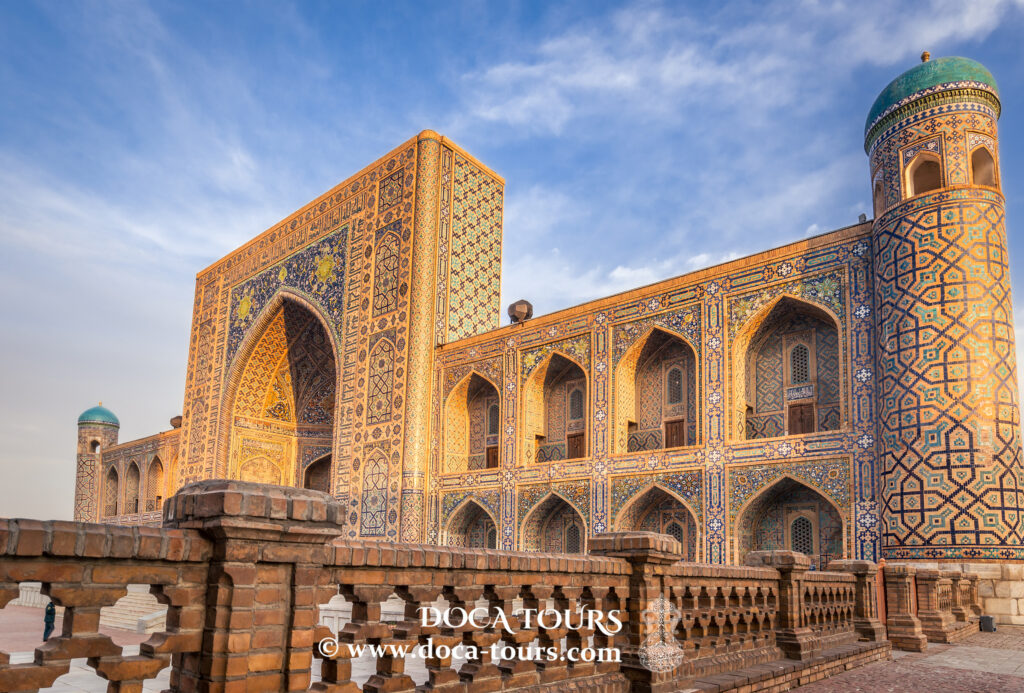
Best time to visit Uzbekistan by season
Uzbekistan is a place that can be visited any time of the year. Each season brings a feeling. The country has a climate with four seasons from bright and green spring views to hot and dry summers, golden and beautiful autumn scenes and cold and quiet winters.
For visitors spring and autumn are the times to go to Uzbekistan especially when looking to see the historic Silk Road cities like Samarkand, Bukhara and Khiva. These times usually offer the conditions for walking seeing things and moving from one place to another.
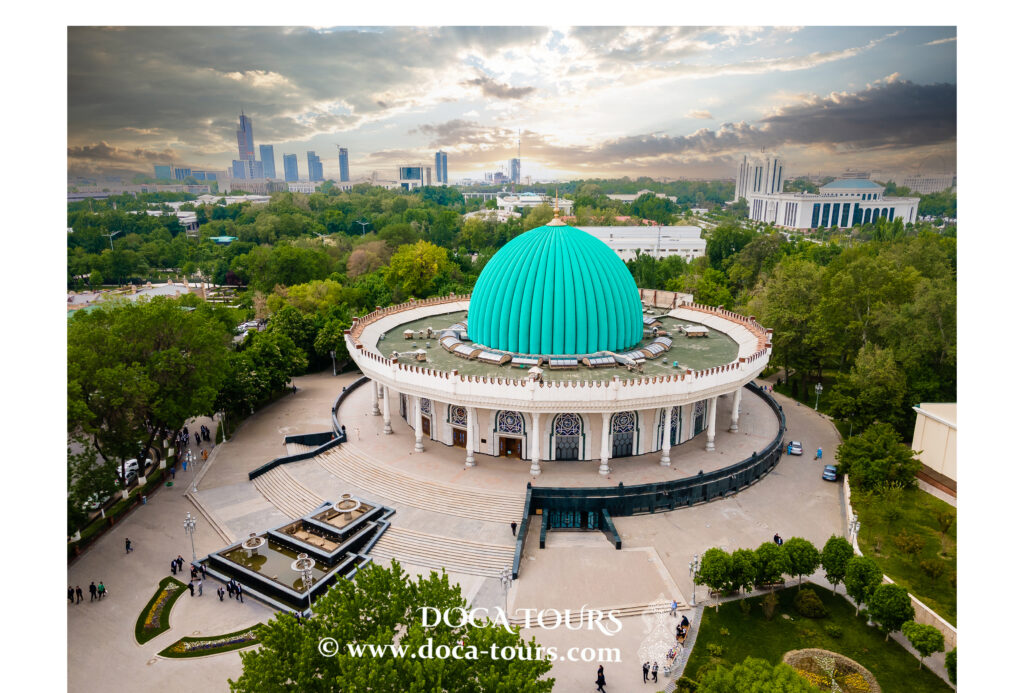
Visiting Uzbekistan in Spring
There is no one time for every person. The best choice depends on what you want to do. Spring is good for areas, cultural events and being outside. Summer is better for people who can change their plans because of the heat and for those who like the mountains. Autumn has weather with harvests, colorful markets and great chances for taking pictures. Winter brings a quieter and more Uzbekistan well as chances to enjoy snow and mountain activities.
Going to Uzbekistan in Spring
Spring is one of the times to travel in Uzbekistan. After the winter the countrys nature starts to green fruit trees bloom and life comes back to the streets, gardens and villages.
The weather is usually nice for visiting places so it is possible to spend a time looking at buildings without the strong heat of summer. This is especially helpful in cities like Samarkand, Bukhara and Khiva where a lot of the experiences about walking around monuments, courtyards, markets and old neighborhoods.
Spring is also a time to mix the Silk Road cities with the countryside and the mountains. The rural areas become greener orchards bloom and the mountains near Tashkent offer conditions for trips.
One of the events of spring is Navruz, the traditional festival for the start of spring. In Uzbekistan the festival is connected to food, music, dancing, public events and family time. For people who want to see Uzbek culture of just looking at old buildings this time can be very rewarding.
Spring is especially good for:
First-time visitors
Silk Road tours
Families
Photography
Cultural experiences
Walking tours
Nature trips
People who like weather
The main problem is that spring is one of the times for tourists from other countries. So people should be ready for people in hotels, on trains. With guides compared to other times of the year.
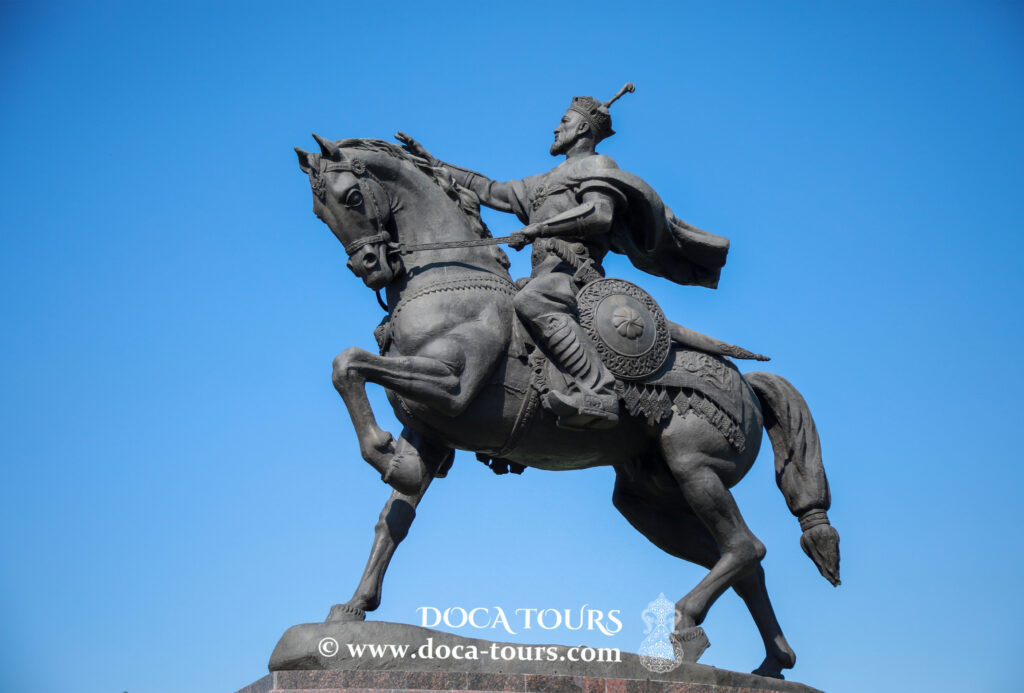
Visiting Uzbekistan in Summer
Summer brings a completely different travel experience.
The lowland cities and desert regions can become extremely hot, with strong sunshine and very little humidity. For travellers accustomed to cooler climates, the heat can be challenging, particularly when walking through large historic sites with limited shade.
However, summer should not automatically be considered a bad time to visit Uzbekistan.
The key is to adapt the rhythm of the journey.
Sightseeing is best organised during the cooler parts of the day, with major outdoor monuments visited early or later in the afternoon. The hottest hours can be used for lunch, rest, museums, traditional tea houses or time at the hotel.
This approach can make summer travel much more comfortable.
Summer also provides an excellent opportunity to discover a side of Uzbekistan that many visitors overlook: the mountains.
The mountain areas around Tashkent offer cooler air, hiking trails, scenic valleys, lakes and opportunities for outdoor activities. The contrast between the hot plains and the mountain environment allows travellers to create a much more varied itinerary.
Summer is particularly suitable for:
- Mountain hiking
- Nature and adventure travel
- Outdoor activities
- Travellers accustomed to hot climates
- Flexible itineraries
- Visitors who want to combine cities with mountain regions
For travellers whose main goal is to spend entire days walking through Samarkand, Bukhara and Khiva, however, summer is less comfortable than spring or autumn.
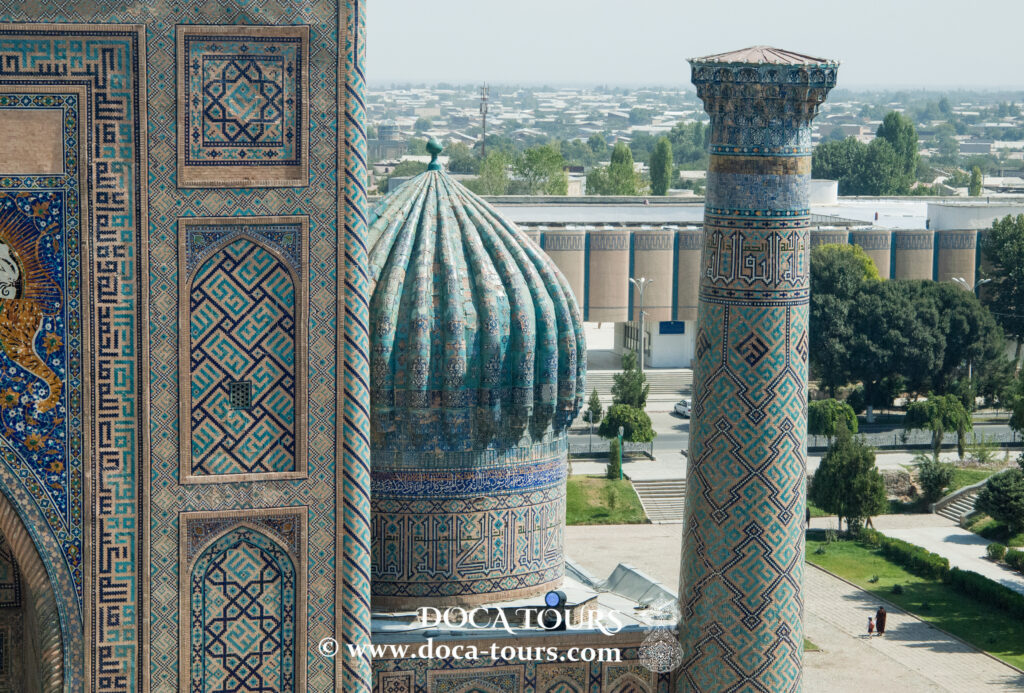
Visiting Uzbekistan in Autumn
For many travellers, autumn is the best season to visit Uzbekistan.
The intense summer heat gradually disappears, creating much more comfortable conditions for walking and sightseeing. The historic cities become particularly pleasant, while the countryside develops a warm, golden character.
Autumn is also an excellent season for experiencing Uzbekistan through its food and markets.
The country’s agricultural regions produce a wide variety of fruits, and local bazaars become especially colourful. Grapes, pomegranates, melons, apples and other seasonal produce are an important part of the autumn landscape.
This makes autumn an excellent period for travellers who want to experience more than architecture.
A journey through Uzbekistan during this season can combine monumental Silk Road cities with markets, traditional food, rural landscapes, craft workshops and village experiences.
The cooler evenings are also ideal for walking through historic centres after sunset, when the temperature becomes more comfortable and the monuments take on a different atmosphere.
Autumn is particularly well suited to:
- First-time visitors
- Classic Silk Road journeys
- Photography
- Families
- Food and market experiences
- Walking tours
- Cultural travel
- Rural excursions
- Travellers who prefer comfortable temperatures
Another advantage is the balance between weather and outdoor activities. Travellers can comfortably combine the major cities with destinations such as the mountains, desert areas, lakes and rural regions.
If you want a straightforward answer to the question “When is the best time to visit Uzbekistan?” autumn is one of the strongest answers.
Visiting Uzbekistan in Winter
Winter is the season most often overlooked by international travellers, but that is exactly what makes it interesting.
The historic cities become significantly quieter, allowing visitors to experience places such as Samarkand, Bukhara and Khiva without the crowds associated with the main tourist seasons.
Winter changes the atmosphere of these cities.
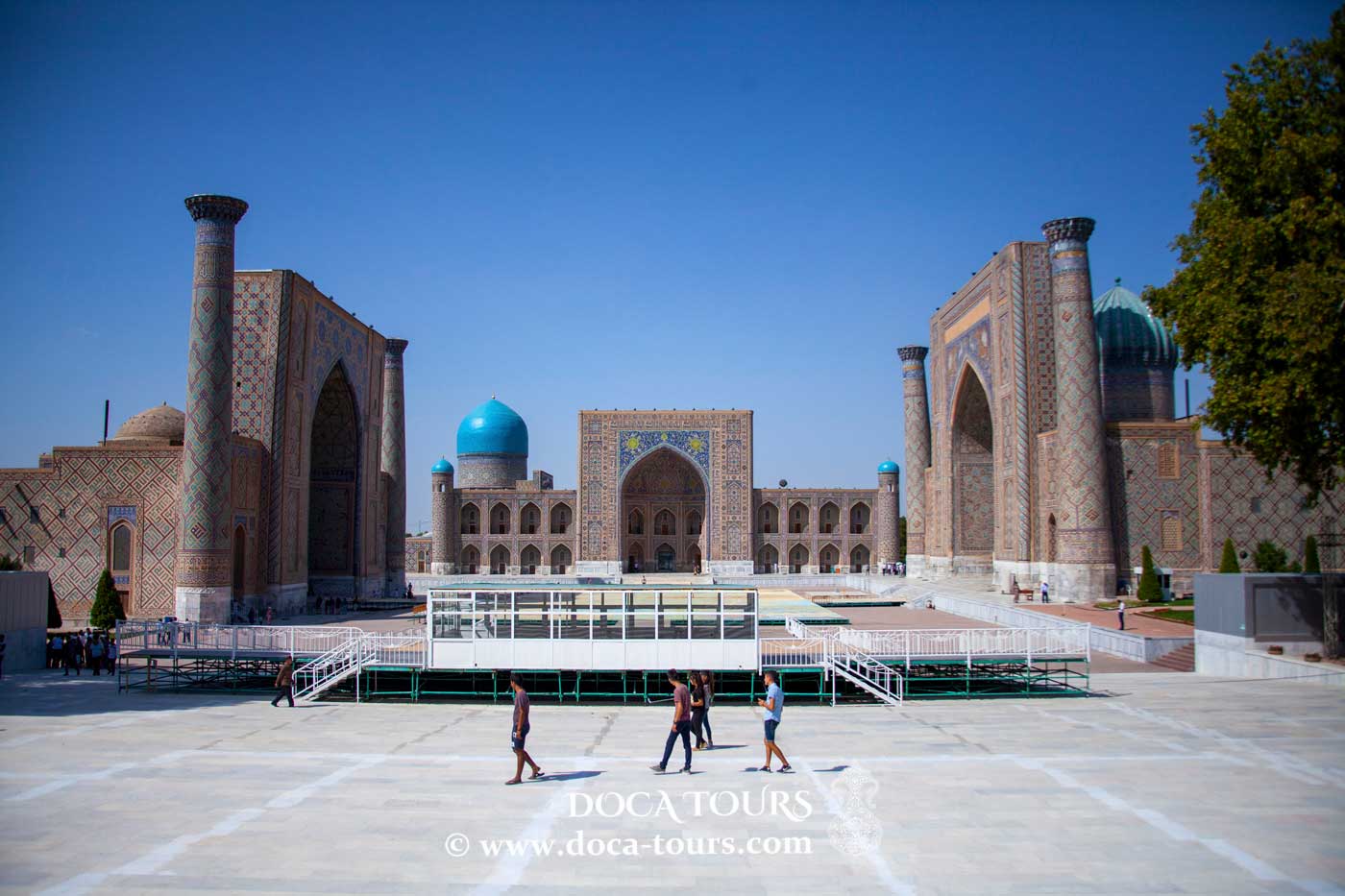
The architecture becomes the focus, the pace of travel slows down and the streets feel more local. A cold morning around Registan Square or a quiet walk through Bukhara’s historic centre can provide a completely different experience from visiting during the busy season.
Snow is possible in parts of Uzbekistan, while the mountain regions receive much more snow and become important destinations for winter sports.
The mountain areas around Tashkent offer opportunities for skiing, snowboarding and other winter activities when conditions are suitable.
Winter is particularly suitable for:
- Travellers who dislike crowds
- Architecture and history enthusiasts
- Photography
- Museums and cultural experiences
- Winter sports
- Mountain travel
- Slow travel
- Visitors looking for a different side of Uzbekistan
The obvious disadvantage is the cold. Anyone travelling during winter should be prepared for low temperatures and changing weather conditions, especially when combining city sightseeing with mountain excursions.
But for travellers who are properly prepared, winter can reveal an Uzbekistan that relatively few international visitors experience.
Uzbekistan: Best Time to Visit Month-by-Month
Uzbekistan can be visited throughout the year, but weather conditions, landscapes and travel experiences change considerably from month to month. The table below provides a quick month-by-month overview to help you choose the best time for your Uzbekistan trip, whether you are planning a Silk Road tour, a mountain adventure, a desert journey or a cultural holiday.
| Month | Weather | What to Expect | Best For |
|---|---|---|---|
| January Winter | Cold and generally dry, with possible snow. | The quietest period for visiting Uzbekistan’s historic cities. Mountain areas offer winter landscapes and snow activities. | Skiing, winter photography, museums, architecture and quiet travel. |
| February Winter | Cold, with winter conditions continuing across the country. | Historic cities remain peaceful, while mountain resorts can still offer good conditions for snow and winter sports. | Skiing, winter landscapes, photography and travellers avoiding crowds. |
| March Spring | Mild but changeable, with a gradual transition from winter to spring. | Orchards begin to blossom and the countryside becomes greener. Navruz brings traditional celebrations and cultural events. | Navruz, cultural experiences, photography and early spring travel. |
| April Spring | Warm, mild and generally comfortable for outdoor activities. | One of the best periods for exploring Samarkand, Bukhara and Khiva on foot. Spring landscapes are particularly attractive. | Silk Road tours, sightseeing, families, photography and nature trips. |
| May Spring | Warm and bright, with long daylight hours. | Excellent conditions for combining historic cities with mountains, villages, lakes and countryside. Travel demand is generally high. | Classic Uzbekistan tours, families, hiking, nature and photography. |
| June Summer | Hot in the lowlands, with increasingly high temperatures. | City sightseeing is best planned for mornings and late afternoons. Mountain regions provide a cooler alternative. | Mountain hiking, nature, outdoor activities and summer travel. |
| July Summer | Very hot and dry, particularly in lowland and southern regions. | Midday sightseeing can be demanding. Early mornings, late afternoons and mountain areas are more comfortable. | Mountain trips, experienced summer travellers and flexible itineraries. |
| August Summer | Peak summer heat, especially across the plains and desert regions. | The hottest conditions of the year make long daytime sightseeing challenging. Mountain destinations offer a cooler escape. | Mountains, nature travel and travellers comfortable with high heat. |
| September Autumn | Warm, with temperatures becoming increasingly comfortable. | The autumn travel season begins. Historic cities become ideal for walking, while markets fill with seasonal fruit and produce. | Silk Road tours, photography, food, markets and countryside trips. |
| October Autumn | Mild, comfortable and generally well suited to outdoor sightseeing. | One of the best all-round periods for Uzbekistan. Comfortable conditions make long days of sightseeing and travelling easy. | First-time visitors, classic tours, photography, families and walking. |
| November Autumn | Cooler, with a gradual transition towards winter. | Tourist numbers decrease and historic cities become quieter. Conditions are well suited to cultural and architectural travel. | Quiet travel, photography, history, architecture and museums. |
| December Winter | Cold, with possible snow and increasingly wintry conditions. | Historic cities are peaceful, while mountain areas begin their winter season. Tashkent has a festive atmosphere around New Year. | Winter travel, skiing, photography, quiet cities and festive trips. |
Frequently Asked Questions About the Best Time to Visit Uzbekistan
Practical answers to help you plan the best time for your Uzbekistan trip.
Yes. Uzbekistan has significant regional differences. Tashkent and the mountain areas can have very different conditions from the dry plains around Bukhara and Khiva, while desert and higher-altitude destinations have their own weather patterns. When planning a multi-region journey, it is better to consider the conditions at each destination rather than rely on one general forecast.
Temperature differences between morning, afternoon and evening can be noticeable, particularly during spring and autumn. Dressing in layers is therefore useful when travelling through Uzbekistan. During the warmer season, the difference is especially important when planning outdoor sightseeing.
Occasional rain can occur, particularly during the transitional seasons, but it normally does not prevent a sightseeing day. A flexible itinerary, comfortable walking shoes and a light waterproof layer are usually enough.
If your travel dates are fixed, booking in advance is recommended, especially for high-speed trains, popular boutique hotels and private guides. Planning ahead gives you a wider choice of departure times and accommodation.
Yes. Long journeys to desert areas, mountain villages and remote destinations are generally more comfortable during moderate weather. Summer heat can make long drives through dry regions more demanding, while winter conditions should be considered for some mountain routes.
Yes. One of Uzbekistan’s greatest advantages is the variety of its landscapes. A classic Silk Road itinerary can be combined with mountain excursions, desert landscapes, yurt stays, lakes and rural villages. The ideal combination depends on the season and the amount of time available.
Start with the places and experiences that matter most to you, then choose the travel period that works best for the complete route. A traveller focusing on the Silk Road cities has different priorities from someone combining them with mountains, the Aral Sea or a desert yurt camp.
One common mistake is planning the entire journey around the weather of one city. Uzbekistan covers a large territory, and conditions can vary considerably between cities, mountains, deserts and remote regions. A well-planned itinerary takes the complete route and activities into account.