























Igor Savitsky: The Visionary Who Saved Forbidden Art in the Heart of the Desert
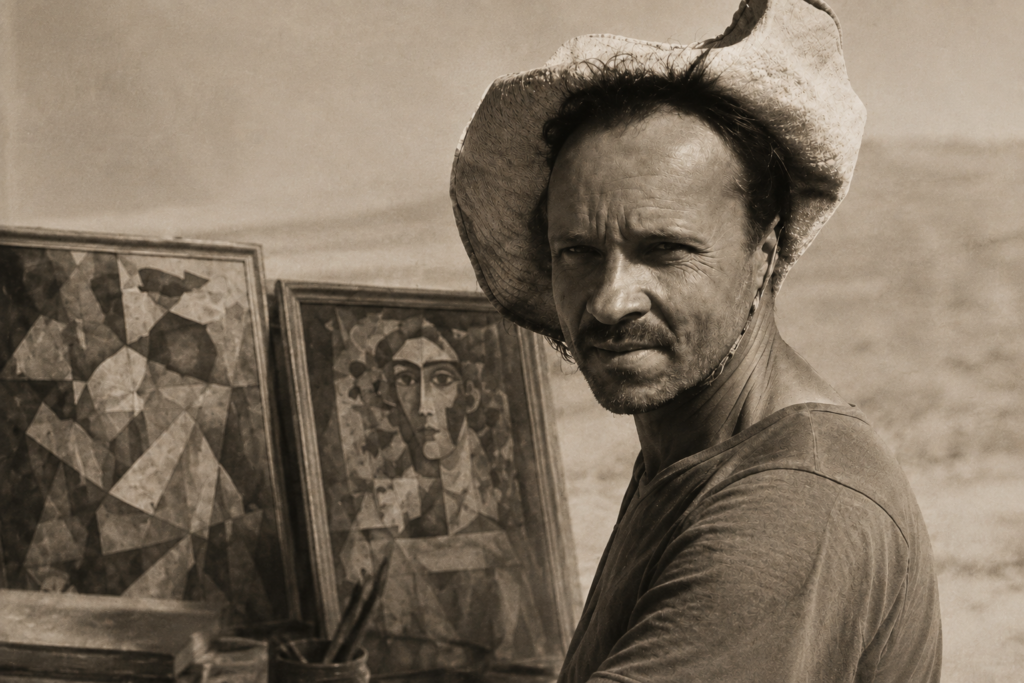
Igor Savitsky (1915–1984) was far more than a painter, archaeologist and art collector. He was a visionary whose extraordinary determination preserved an entire generation of artists that political repression sought to erase from history. At a time when thousands of avant-garde paintings were banned, confiscated or destroyed during the Soviet era, Savitsky dedicated his life to rescuing these forgotten masterpieces and protecting the cultural heritage of Central Asia. His remarkable work transformed the remote city of Nukus into one of the world’s most unexpected centers of modern art.
Today, Igor Savitsky is celebrated as one of the twentieth century’s greatest cultural visionaries. The museum that bears his name houses more than 90,000 paintings, archaeological discoveries and ethnographic treasures, including one of the world’s finest collections of Russian and Central Asian avant-garde art. Often called “The Louvre of the Desert,” it stands as a lasting testament to his courage, perseverance and unwavering belief that art should never disappear because of politics.
More than four decades after his death, Savitsky’s legacy continues to inspire historians, museum curators, artists and travelers from around the globe. His story is not only about preserving paintings—it is about defending creativity, protecting cultural identity and proving that a single individual can change the course of art history forever.
Early Life
Igor Vitalyevich Savitsky was born on 4 August 1915 in Kyiv into an educated family. His father was a lawyer of Polish and Jewish ancestry, while his maternal grandfather, Timofey Florinsky, was a renowned Slavic scholar and professor at Kyiv University.
Following the Russian Revolution, his family moved to Moscow. Determined to fit into the new Soviet society, Savitsky first trained as an electrician while secretly nurturing his artistic talent. He took private drawing lessons before studying at the Moscow Polygraphic Institute, the Moscow Art School, and later at the Institute for the Advanced Studies of Artists, where he trained under Lev Kramarenko. During these years he traveled extensively through Crimea, Ukraine and the Caucasus, developing both his artistic technique and his fascination with different cultures.
The Journey That Changed Everything
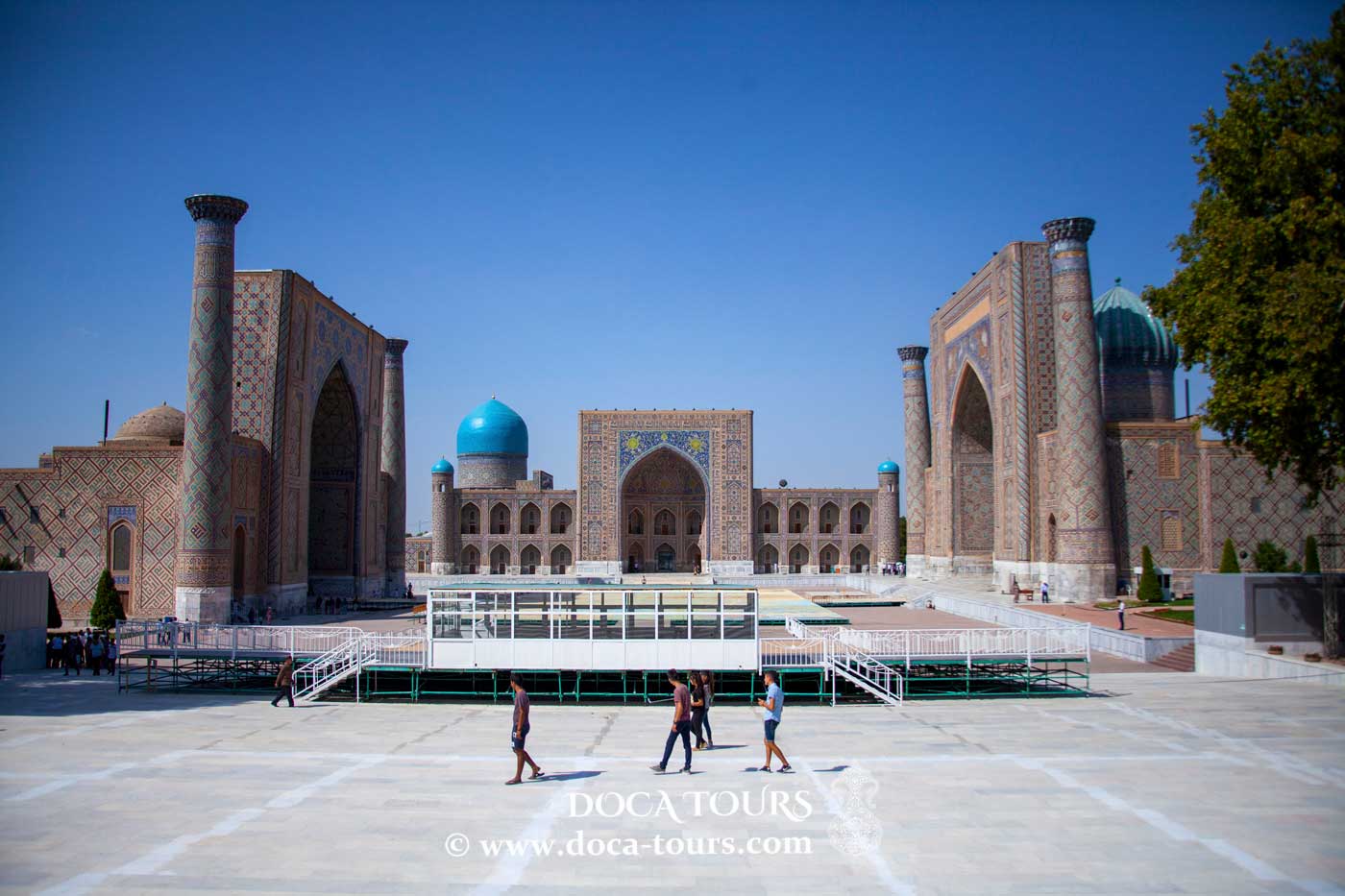
In 1942, during World War II, Savitsky visited Samarkand after his institute was evacuated to Central Asia. The rich architecture, vibrant traditions and unique artistic heritage of the region left a lasting impression on him.
His life changed forever in 1950, when he joined the famous Khorezm Archaeological and Ethnographic Expedition led by archaeologist Sergey Tolstov. The expedition introduced him to the deserts of Karakalpakstan, the ancient civilization of Khorezm, and the extraordinary culture of the Karakalpak people.
Captivated by the region, Savitsky decided to remain in Nukus, where he spent most of the rest of his life.
Preserving the Heritage of Karakalpakstan
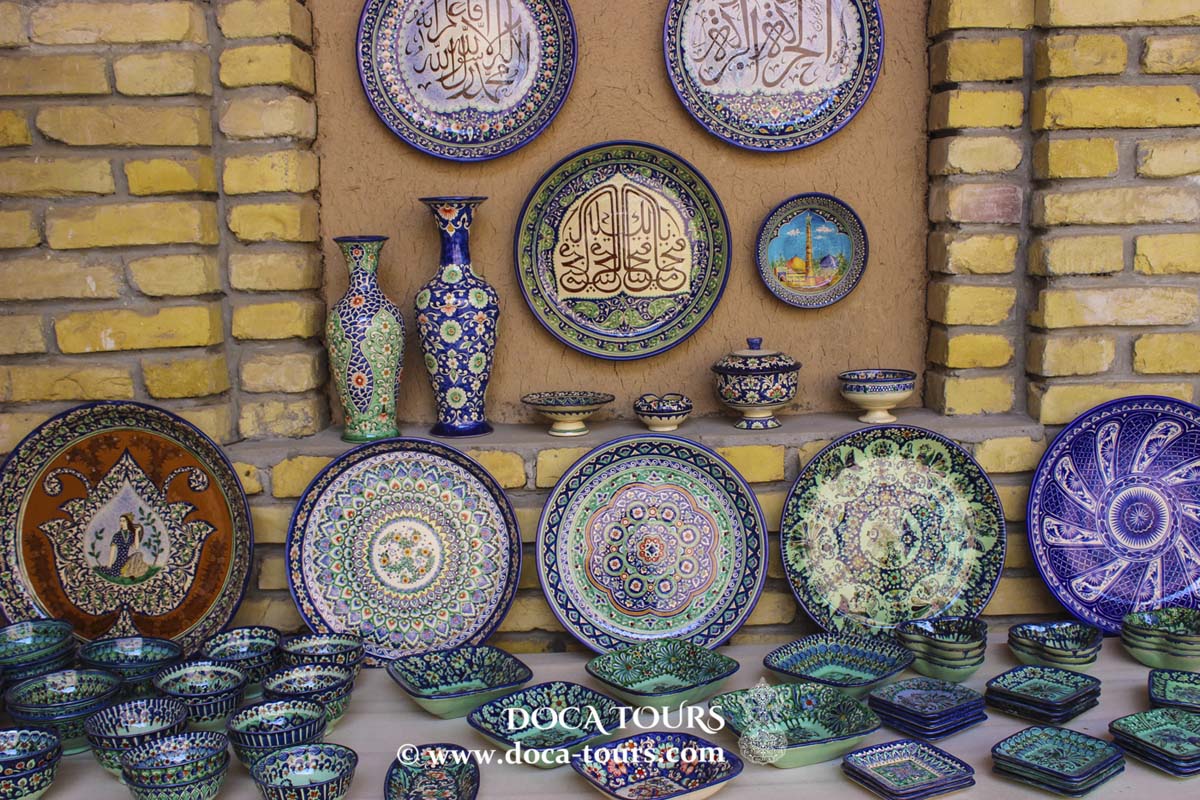
During the 1950s, Savitsky travelled across remote villages throughout Karakalpakstan, collecting traditional carpets, embroidered textiles, jewelry, clothing, ceramics, wood carvings, coins and household objects.
At a time when many local families considered these items outdated and worthless, Savitsky recognized them as priceless cultural treasures. Locals often referred to him as “the garbage man” because he searched through discarded belongings, rescuing historical artifacts before they were lost forever.
His work preserved an enormous part of Karakalpak cultural heritage that would otherwise have disappeared.
The Birth of the Savitsky Museum
After years of collecting ethnographic material, Savitsky persuaded Soviet authorities that Karakalpakstan deserved its own museum.
His dream became reality in 1966, when the State Museum of Arts of Karakalpakstan officially opened in Nukus, and Savitsky became its founding director.
From that moment until his death, he devoted every day to expanding the museum’s collections.
Saving Forbidden Art During the Soviet Era
Igor Savitsky’s most extraordinary achievement was not simply collecting paintings—it was preserving an artistic legacy that was on the verge of disappearing forever.
During the Soviet Union, particularly under Joseph Stalin and in the decades that followed, artistic expression was placed under strict ideological control. Beginning in the 1930s, Socialist Realism became the only officially accepted artistic style. Every painting, sculpture and public artwork was expected to celebrate the ideals of communism, glorify workers, factories and collective farms, and portray Soviet society as prosperous and harmonious.
Artists who experimented with abstraction, symbolism, expressionism or other modernist movements were increasingly viewed with suspicion. Many lost their right to exhibit, some were expelled from artistic unions, others were arrested, imprisoned in Gulag labor camps or forced into internal exile. Entire careers disappeared from official history, while countless paintings were hidden in attics, basements, private apartments or destroyed altogether.
Savitsky understood that this was not simply the disappearance of individual artists—it was the systematic erasure of an entire chapter of twentieth-century cultural history.
Rather than accepting this loss, he quietly began searching across the Soviet Union for forgotten masterpieces. He travelled thousands of kilometres by train, often visiting elderly painters, widows, descendants and private collectors. In many cases he discovered artworks that had remained untouched for decades because their owners feared persecution or believed nobody would ever appreciate them again.
Working with extremely limited financial resources, Savitsky displayed remarkable ingenuity. He persuaded local authorities to allocate modest museum funds, negotiated directly with families and artists, and gradually transported paintings to Nukus, one of the Soviet Union’s most remote cities. Ironically, the museum’s isolation became its greatest protection. Located far from Moscow and Leningrad, the collection attracted little attention from central cultural authorities, allowing many works to survive that might otherwise have been confiscated.
His efforts required exceptional courage. Collecting works by politically undesirable artists exposed him to accusations of promoting “bourgeois” or “anti-Soviet” culture. At any moment, the authorities could have ended his work or dismantled the museum. Yet Savitsky remained remarkably persistent, convinced that future generations deserved the opportunity to see these forgotten masterpieces.
Today, historians widely acknowledge that without his determination, a significant part of Russian and Central Asian avant-garde art would almost certainly have been lost forever.
Building One of the World’s Most Remarkable Art Collections
Over more than three decades, Igor Savitsky assembled a collection unlike any other in Central Asia.
What began as an ethnographic project gradually evolved into one of the world’s most significant repositories of twentieth-century art. Instead of concentrating solely on famous names, Savitsky sought to preserve artistic diversity. His collection embraced painters working in Cubism, Expressionism, Constructivism, Symbolism, Futurism and other modern movements that had flourished before Socialist Realism became official policy.
Many of these artists had lived or worked in Central Asia during the turbulent years following the Russian Revolution. Inspired by the region’s vibrant colours, Islamic architecture, desert landscapes and traditional culture, they developed a distinctive visual language that combined European modernism with centuries-old Eastern artistic traditions.
This fusion gave birth to what is often described as the Turkestan Avant-Garde, one of the most original yet least known movements of twentieth-century art.
Among the artists represented in the museum are:
- Alexander Volkov
- Ural Tansykbayev
- Nikolai Karakhan
- Viktor Ufimtsev
- Robert Falk
- Mikhail Kurzin
- Lyubov Popova
- Kliment Redko
- Solomon Nikritin
- Ivan Kudryashov
- Vera Pestel
- Georgiy Echeistov
- Vera Mukhina
- Members of the Amaravella Group
Each artist contributed a unique vision, ranging from bold geometric abstraction and vibrant colour compositions to deeply emotional portraits and experimental landscapes.
Together, these works tell a story that extends far beyond artistic innovation—they reflect the dramatic political and social transformations of the twentieth century.
Further Reading
To explore Igor Savitsky’s extraordinary legacy in greater depth, the following resources provide authoritative information about his life, the museum he founded, and the remarkable story behind one of the world’s greatest collections of Russian and Central Asian avant-garde art.
The Desert of Forbidden Art
This award-winning documentary tells the remarkable story of how Igor Savitsky rescued thousands of banned Soviet masterpieces and created the legendary museum in Nukus.
More Than an Avant-Garde Museum
Although internationally celebrated for its extraordinary avant-garde paintings, the Savitsky Museum is far more than an art gallery.
Today, the museum preserves over 90,000 objects, making it one of the largest and most important museum collections in Central Asia. Its holdings document thousands of years of history, offering visitors a comprehensive journey through the cultural development of the region.
The museum’s collections include:
- Russian Avant-Garde masterpieces
- The unique Turkestan and Uzbek Avant-Garde schools
- Soviet-era paintings, including outstanding examples of Socialist Realism
- Contemporary Uzbek and Karakalpak art
- Ancient Khorezm archaeological discoveries
- Bronze Age and medieval artifacts
- Traditional Karakalpak jewelry crafted from silver and coral
- Handwoven carpets and felt textiles
- National costumes and ceremonial clothing
- Embroidered suzani textiles
- Wood carvings and architectural decorations
- Ceramics and pottery
- Coins from ancient civilizations
- Historical manuscripts
- Sculptures
- Household objects illustrating everyday nomadic life
- One of the world’s finest collections of Karakalpak ethnographic heritage
The museum is traditionally organized into five principal departments:
- Russian Avant-Garde Art
- Uzbek and Turkestan Avant-Garde
- Contemporary Karakalpak Fine Arts
- Karakalpak Folk Art and Ethnography
- Archaeology of Ancient Khorezm
Together, these collections illustrate not only the evolution of artistic expression but also the history, beliefs, craftsmanship and daily life of the peoples who inhabited the lower Amu Darya region for thousands of years.
Unlike many museums that focus exclusively on paintings, the Savitsky Museum presents an integrated cultural narrative, where archaeology, ethnography and fine art complement one another. Visitors leave with a deeper understanding of both the artistic revolution of the twentieth century and the ancient civilizations that flourished long before it.
Everything You Need to Know
Where is the Savitsky Museum located?
The museum is located in Nukus, the capital of the Republic of Karakalpakstan in western Uzbekistan, and is considered one of the country’s most remarkable cultural attractions.
How many works are preserved in the museum?
Today the museum preserves more than 90,000 paintings, sculptures, archaeological discoveries, manuscripts, traditional jewelry, textiles and ethnographic artifacts spanning thousands of years of Central Asian history.
Why is it called “The Louvre of the Desert”?
Because of the exceptional quality of its collections and its unexpected location in the deserts of Karakalpakstan, many art historians compare the Savitsky Museum to the Louvre in Paris.
Why is the Savitsky Collection so extraordinary?
The collection combines Russian and Turkestan avant-garde masterpieces with archaeological discoveries and Karakalpak ethnographic treasures. Many works survived only because Igor Savitsky rescued them from censorship, confiscation and destruction.
How long should I spend visiting the museum?
Most visitors spend between three and four hours exploring the galleries, while art enthusiasts often dedicate an entire day to discovering the museum’s exceptional collections.
Can I visit the museum as part of a guided tour?
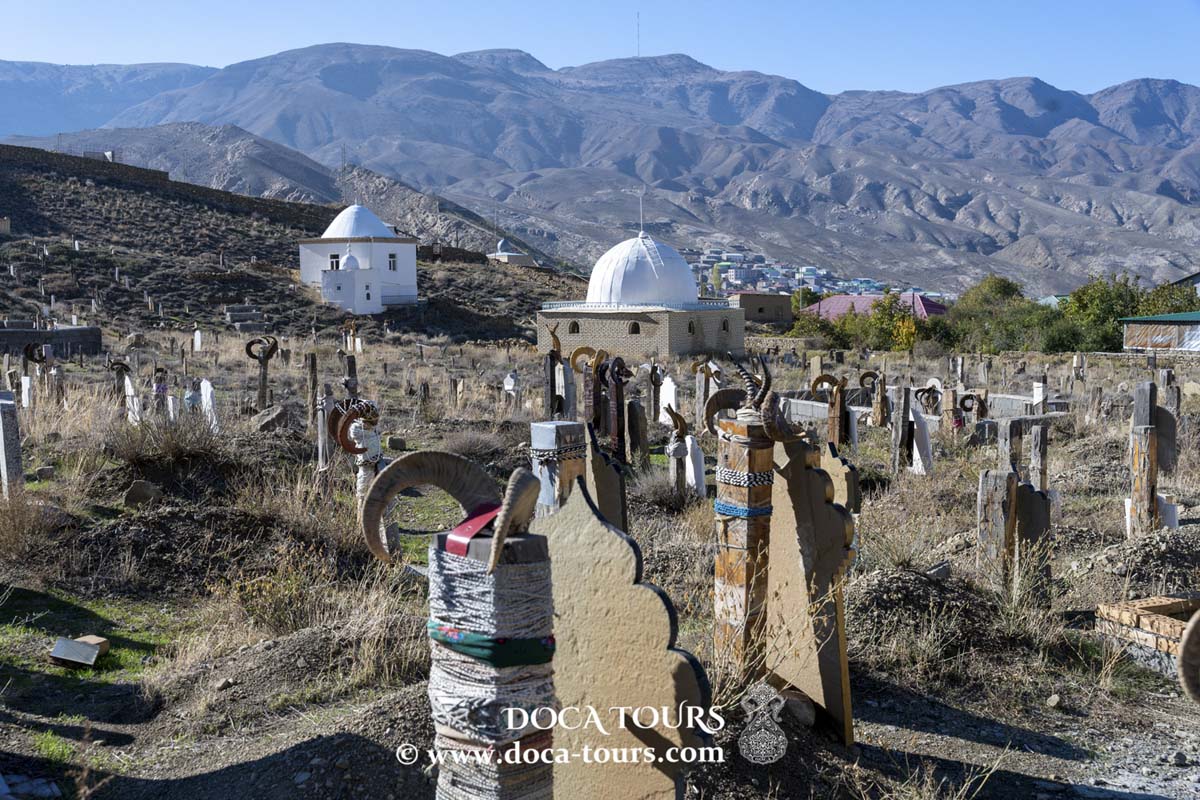
Yes. The Savitsky Museum is often included in cultural tours of Karakalpakstan together with Mizdakhan, Gyaur-Kala Fortress and other remarkable historical sites in western Uzbekistan.
From a Hidden Museum to a Global Cultural Treasure
For much of the twentieth century, the Savitsky Museum remained one of the world’s most extraordinary hidden treasures. Tucked away in the remote deserts of Karakalpakstan, far from the major cultural capitals of Europe and Russia, its remarkable collection grew quietly behind closed doors. While celebrated museums in Paris, London and New York attracted international attention, thousands of priceless masterpieces were being preserved in the unlikely setting of Nukus.
Only after the collapse of the Soviet Union did the international art community begin to recognize the extraordinary importance of Igor Savitsky’s lifelong mission. As researchers, museum curators and historians gained access to the collection, the museum quickly earned worldwide recognition for safeguarding one of the finest collections of Russian and Central Asian avant-garde art ever assembled.
Today, the Savitsky Museum is regarded not only as one of Uzbekistan’s greatest cultural institutions but also as one of the most remarkable museum discoveries of the twentieth century. It stands as a powerful reminder that dedication, vision and courage can preserve an entire chapter of human creativity.
Inspired by Igor Savitsky’s Legacy?
If you would like to experience the remarkable world of Igor Savitsky in person, visit the legendary Savitsky Museum, explore the ancient fortresses of Khorezm, discover the sacred necropolis of Mizdakhan, and uncover the fascinating history of Karakalpakstan on our carefully designed private journey.