


























Video: https://www.youtube.com/watch?v=2-DR7wRWVH4&t=28s
Greetings from our channel to all of you. We would like to share with you today the history of the legendary Genghis Khan. Now that we are settled in, let’s get started.
Khan Genghis. This military commander made a terrible impact on both world history and the history of Central Asia. Temujin was said to have had a blood clot in his palm at birth. Proclaimed as Genghis Khan, he established the greatest empire in human history, the Great Mongol Empire, spanning from the Pacific to Eastern Europe. Historical accounts describe Genghis Khan as being tall, with blond hair, cat eyes, and a beard. Combining European and Asian genes accounts for Khan’s distinct appearance.
Approximately eight percent of Asian men today may trace their ancestry back to Genghis Khan. According to genetic tests, eight percent of Asian men have Y chromosomes that carry Genghis Khan DNA. due to the fact that Genghis Khan had a high number of daughters and several thousand women in his harem.
Genghis Khan ravaged most of Central Asia during his conquest and dispersed the ashes of major, advanced cities. In certain campaigns, the khan murdered the whole population, leaving no one, not even women and children. Scientists’ findings indicate that around fourty million people died as a result of Genghis Khan. History claims that after the Persians severed the heads of the Mongol envoys, Genghis Khan massacred ninety percent of the Persian populace. Sources claim that until in one thousand nine hundred, the population of Iran, formerly known as Persia, did not recover to pre-Mongol levels.
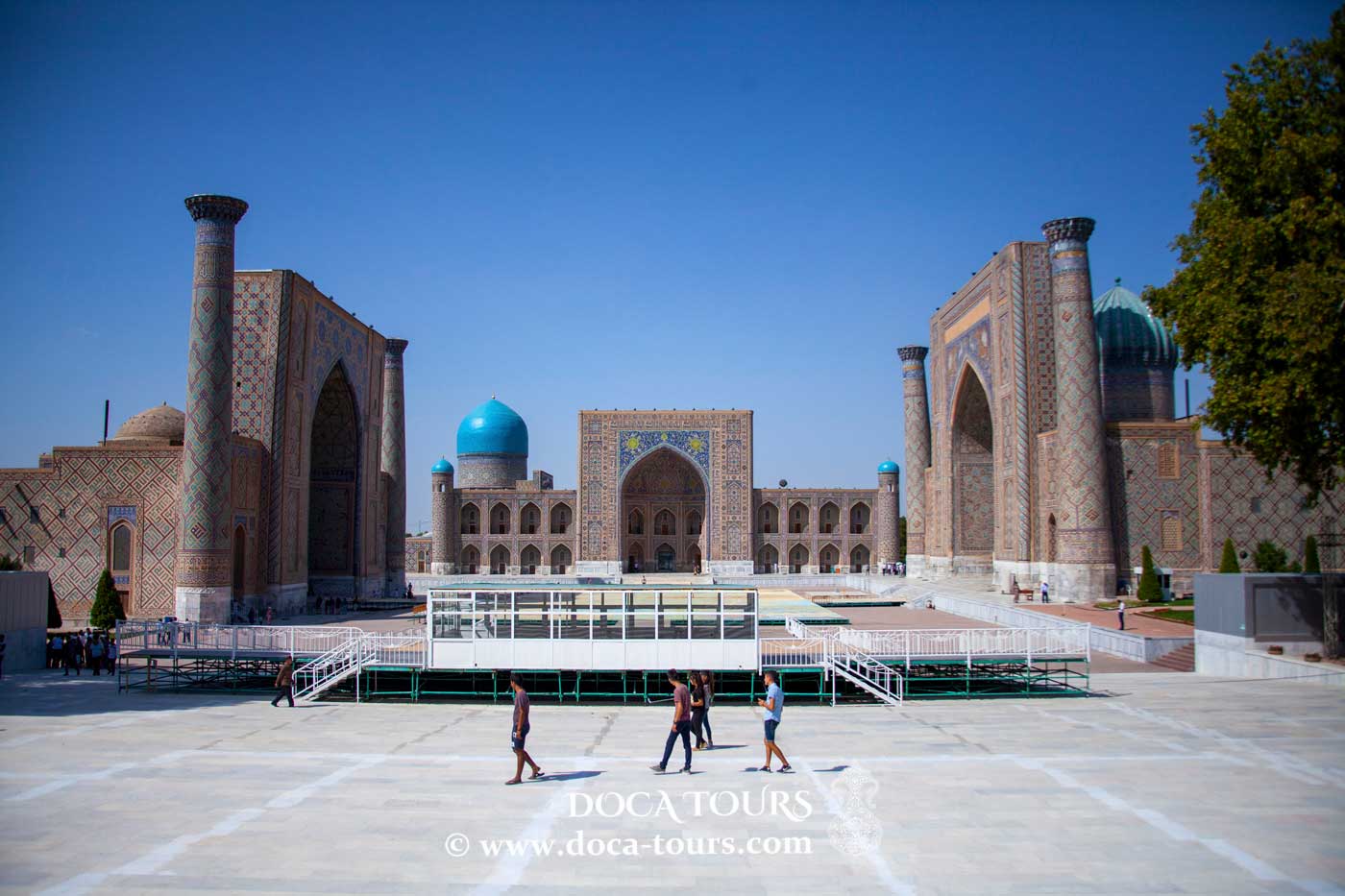
The Otrar catastrophe of one thousand two hundred and eighteen served as the justification for Genghis Khan’s invasion of Kazakhstan and Central Asia. Genghis Khan’s commerce convoy was looted that year on Cairo Khan’s orders. The Mongol Khan is supposed to have invaded Maverannahr as a result of Khorezmshah’s killing of trade emissaries and Genghis Khan’s looting of a caravan carrying expensive commodities. However, these incidents were really just the Khan’s pretext. Genghis Khan studied Central Asia thoroughly before launching his war there. He gained knowledge of Central Asian geography as well as the political and economic circumstances of the region’s inhabitants through trading contacts. He took over Otrar, Khujand, Bukhara, Samarkand, and Khorezm first. Chagatai Khan ruled over Central Asia as part of his vast empire, which his four sons had inherited. The politics, economy, and social life of Central Asia were drastically altered by the Chagatai dynasty, who ruled until the end in the seventeenth century.
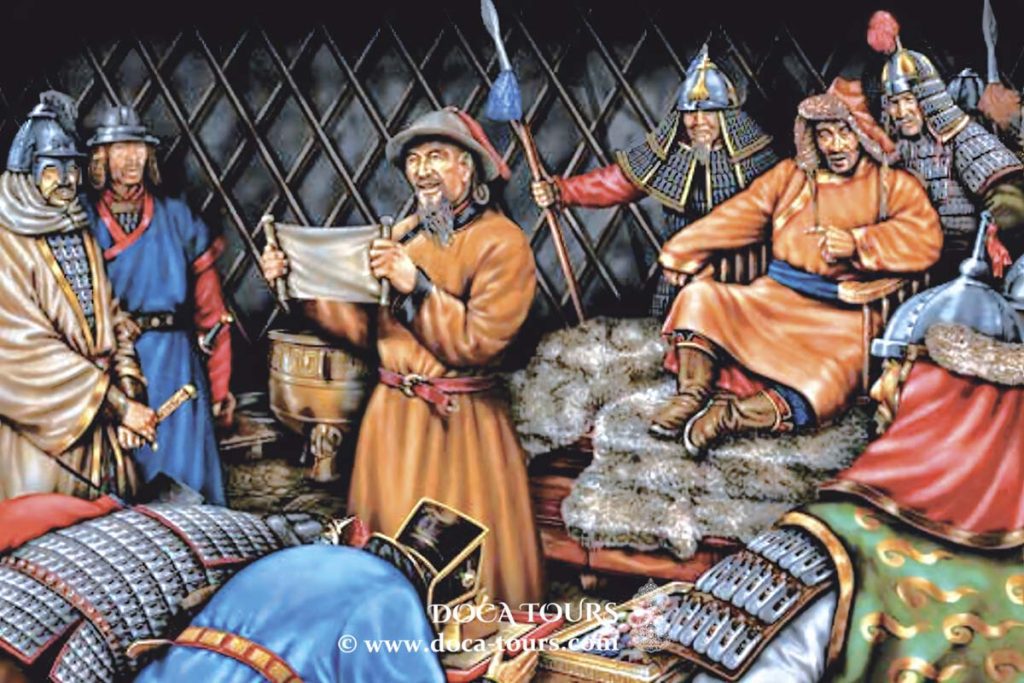
One of the initial effects of the Mongol invasion, according to Professor Petrushevsky’s research, was a dramatic drop in the populations of the countries the Mongols invaded. Iran and Central Asia’s agricultural economies will then experience a severe decline. The invasion of Central Asian regions by nomadic peoples was another impact of the Mongols. Cattle breeding will become more nomadic as arable land becomes less available. It came to the point where entire cities vanished and were replaced by cattle meadows.
Historians claim that Genghis Khan devastated Central Asian cities, which were centers of knowledge and culture, to the point where it would take at least one hundred and fifty years for them to recover. And a new phase of growth didn’t start until Amir Timur established a centralized government.
Bloodshed, invasions, love, and retaliation abound in the life tale of Genghis Khan, the great Mongol hero and the founder of the largest empire in human history that rocked the whole planet. This is the past. However, after the great conqueror passed away, stories, rumors, and conjectures concerning him surfaced. Why is the grave of Genghis Khan still undiscovered? For what reason did the commander wish to conceal the location of his grave? What resulted in the death?
Legend has it that following his death, Genghis Khan gave the order to have his final resting site kept a secret. Sickened soldiers carried the commander’s lifeless body and executed any witnesses who happened to come across them. Thousands of horses were thrown onto Genghis Khan’s grave after his burial to ensure that no remnants would survive. The traveler Marco Polo’s writings and Mongolian chronicles both claim that special warriors slaughtered every slave that was used to make Genghis Khan’s casket. These same warriors met their end and were put to death. Anyone who learnt of Genghis Khan’s death was not left alive, since the stretcher with the khan’s body was transported through the Gobi Desert to the predetermined location.
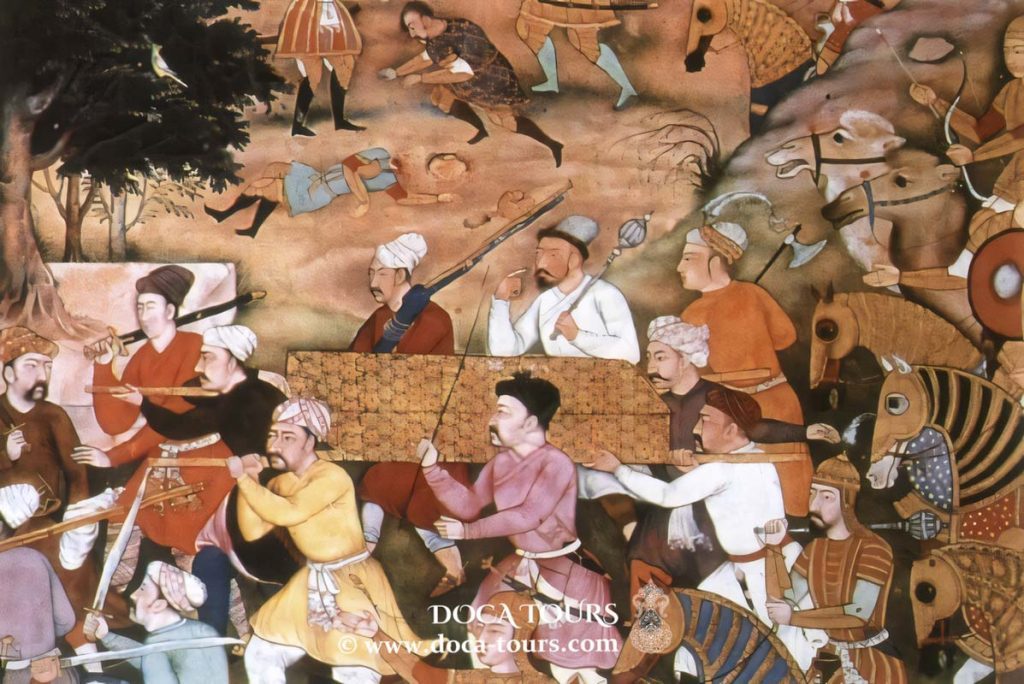
Eight hundred years have gone, yet no one has located Genghis Khan’s tomb. International expeditions have searched for the tomb using information from historical documents, local landscape studies, and even satellite imagery. Genghis Khan’s last resting place was located using satellite imagery provided by National Geographic. but with no outcome. Although foreign experts typically conducted these searches, the Mongols themselves do not want the khan’s tomb to be located. Why? This is due to a number of factors. Genghis Khan continues to be the embodiment of Mongol might, and the Mongols maintain the utmost regard for their magnificent forefathers.
The inhabitants of Mongolia honor long-standing customs. Going against the Great Khan’s final wishes is what it means to open his grave. Many people think that if Genghis Khan’s tomb is found and uncovered, a catastrophic battle will break out. One instance cited is the outbreak of the Second World War following the unveiling of Amir Temur’s burial in Samarkand.
Why did wandering tribes take such care to mark their graves? The truth is that it was customary for the indigenous tribes to demolish an enemy’s grave. It was once thought that a deceased person’s soul might return to this world and reincarnate in his or her descendants. Naturally, that is, assuming the deceased person’s bones are all still in one piece. For this reason, they forbade the vandalism of tombs. Some shamans gathered all of their teeth, hair, and nails and left them in the grave with themselves in order to return to this world after death.
Naturally, the khans were not merely buried; rather, weapons, valuables, and other ceremonial artifacts were interred with them in accordance with old custom. It’s thought that valuables transported from all throughout the realm can also be found in Genghis Khan’s grave. Maybe this is one of the explanations for why the enigmatic tomb has drawn curiosity from outsiders. This would be a find of global importance for archaeologists. Apart from the final wishes of the Great Khan, common hindrances also impede the search. Mongolia is a vast and underdeveloped land. It’s not easy to find an ancient burial in these regions. The Director of the University of Ulaanbaatar’s (Mongol capital) Department of Archaeology is Dr. Dimajava Erdenebaatar. He took part in the first combined Japanese-Mongolian hunt for the fabled tomb. It was agreed to launch the hunt at Genghis Khan’s birthplace, the Khentii region. Around that time in one thousand nine hundred and ninetieth year, Mongolia underwent a democratic revolution, and the expedition’s work was halted by the new administration. The expert participated in the two thousand and first year excavations of a two thousand-year-old cemetery in central Mongolia, which is home to a dynasty of the nomadic Xiongnu tribe. The Xiongnu tribe is thought to be the Mongols’ original predecessor, according to the scientist.

It is reasonable to suppose that the Mongols followed comparable burial customs. The Xiongnu rulers were interred in underground rooms at a depth of more than twenty meters, with a stone square covering the surface. Over the course of ten summers, scientists excavated the first burial. In the event that Genghis Khan was interred in accordance with Xiongnu customs, his burial would be impossible to locate without precise knowledge. Because all it takes to conceal one of these graves is to clear the stones off its surface. Furthermore, it is hard to locate the underground hall across Mongolia’s boundless steppes if it is concealed at a depth of twenty meters.
One tale states that Genghis Khan was buried one hundred sixty kilometers from Ulaanbaatar, near the Burkhan Khaldun Mountains. For the Mongols, this peak is holy. Genghis Khan swore to return to this location after hiding from the enemy on top of this mountain in his youth. On the existence of a grave here, scientists, however, cannot agree. Scientists use historical texts to determine the location of Genghis Khan’s burial. Numerous myths claim that hundreds of horsemen passed over Genghis Khan’s grave, indicating that it was likely a valley or desert rather than a mountain summit.
According to sources, Genghis Khan launched another military expedition, defeated the opposition, and nearly lived to witness total victory despite his critical illness. He was close to seventy years old. August twenty fifth, one thousand two hundred and twenty seven, was Khan’s death date. The khan led the army like he was a young man, holding his horse firmly, and no one expected him to die. The manner in which Genghis Khan passed away is unknown. Furthermore, there is no information available regarding his injuries or death during the conflict. Genghis Khan’s body was returned to Mongolia upon his demise. According to one account, the khan’s remains were interred in the area that is now the Khentii district, close to the Onon River, where he was born.
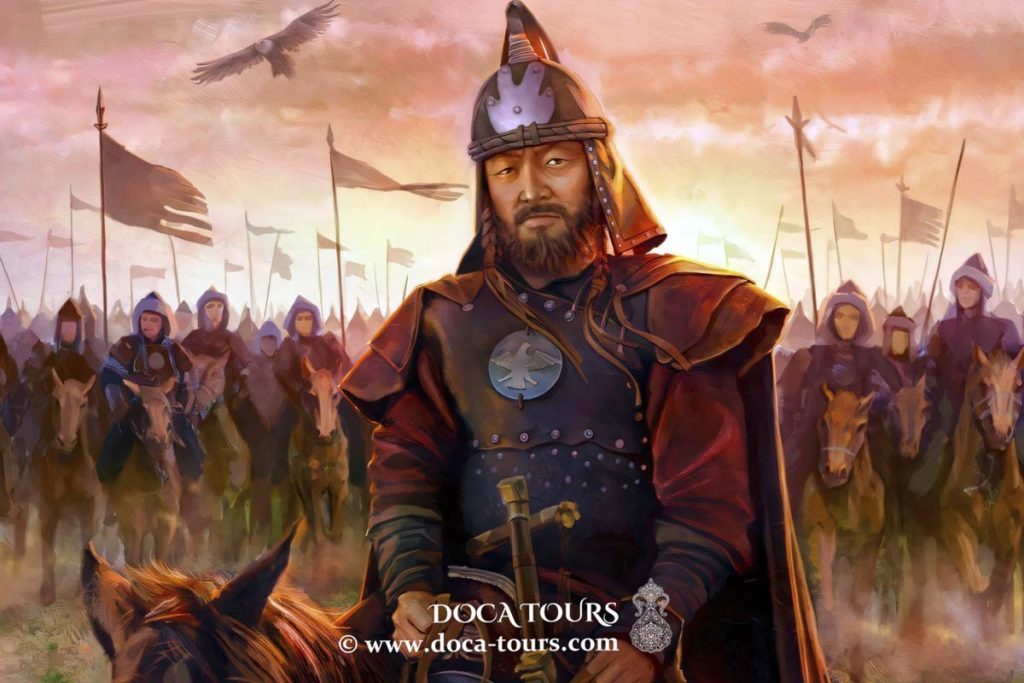
To ensure that no one would find the burial, the riverbed was placed over it. According to historian Rashididdin, the Mongol khan’s final resting place might have been in the Burkhan-Khaldun Mountains because these areas were off-limits to outsiders, and those who attempted to enter without authorization faced execution. He describes how, one day, while hunting near the Onon River, Genghis Khan became interested in the slope that was visible from this location. The khan experiences profound mental calm and happiness. After that, he says to everyone nearby, “This location is appropriate for my grave. Recall and make a note of it.”
The head of Urumqi’s historical museum and expedition member, Professor Tsang Hu, asserts that the famed commander’s grave should be searched in China, in the foothills of the Altai Mountains close to the boundary between Mongolia and China.
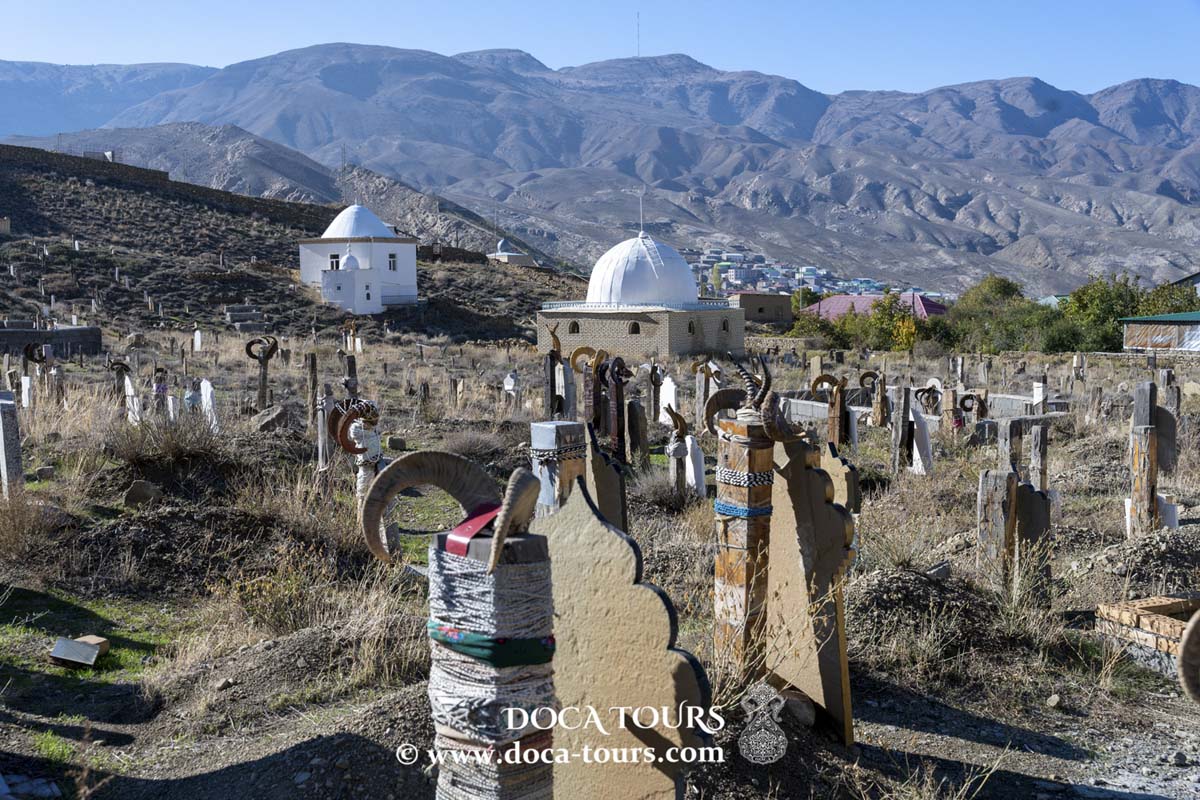
Historians link Mongolian cultural traditions to the burial of Genghis Khan, which is kept strictly secret. The Great Mongolian Empire was visited by missionaries who provided a detailed account of these customs. It was the Mongols’ belief that one could not tamper with the “journey of the deceased.” For this reason, they kept the dead’s graves hidden from view. This explains why so few Mongol tombs were discovered on Russian territory following the invasion. The Mongols carried their deceased ancestors into the desert for several hundred kilometers.
The site was carefully leveled after the burial, and trees and bushes were immediately planted. In order to ensure that no one disturbs his eternal sleep, the great leader Genghis Khan also gave the order to keep his grave a strictly secret. One thing is certain: many people are still haunted by the urge to locate the burial of the Mongolian commander who rocked the globe.
I appreciate your time and consideration. Stay still; we have a ton of fascinating films on famous historical people, breathtaking locations, and fascinating Central Asian landmarks up ahead. Remember to like and subscribe to our channel; doing so will enable us to grow it.
THE SECRET LOCATION OF GENGHIS KHAN’S TOMB HAS BEEN SOLVED?
WHERE IS THE GRAVE OF GENGHIS KHAN?
Join us on an incredible journey as we dive into the mystery surrounding the search for the tomb of Genghis Khan! This gripping video explores the historical significance of Genghis Khan, the legendary Mongol ruler, and the theories that have emerged about his final resting place.
Discover the intriguing clues and archaeological finds that have been uncovered over the years, as well as the challenges that explorers and adventurers face in their quest to find this elusive site. We’ll look at the role ancient texts, local legends, and modern technology play in solving this ancient mystery.
Whether you’re a history buff, an archaeology enthusiast, or simply curious about one of history’s most fascinating figures, this video is packed with insights and revelations you won’t want to miss.
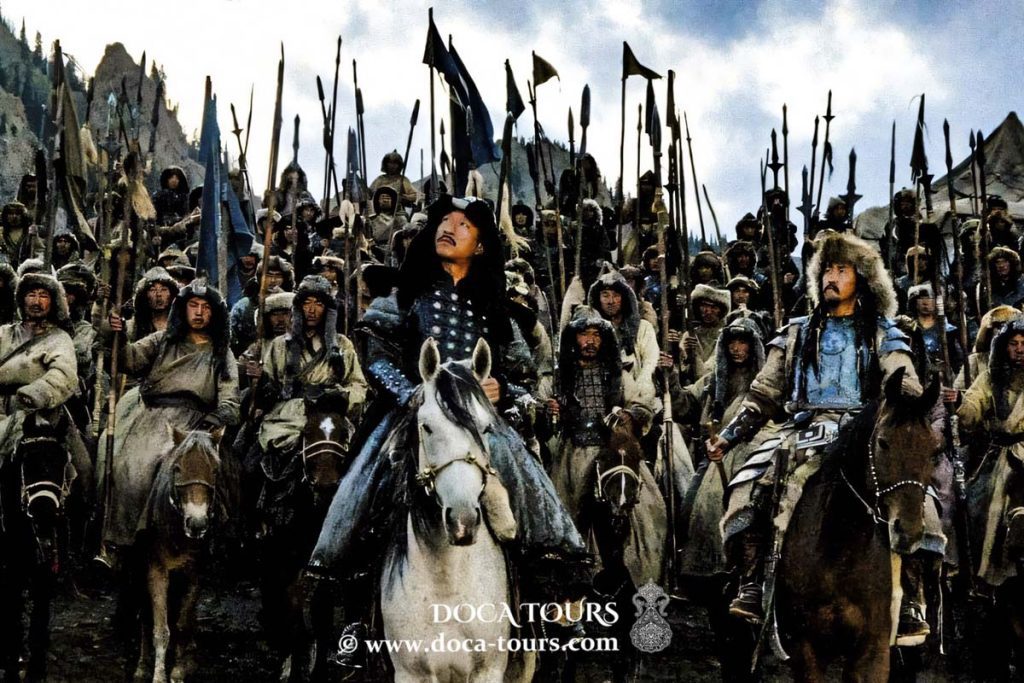
Thank you very much for your attention.
Subscribe to the channel and don’t forget to like our videos.
#mongolia, #architecture, #architecture, #construction, #building, #history, #medical history, #construction, #prehistory, #construction, #steppe, #building, #asia, #palace, #temple, #place of worship, #temple, #faith, #emperor, #cenotaph, #china, #king, #inner mongolia, #celestial empire, #chinggis khan, #chingiz khan, #religion, #worship, #worship, #porcelain, #middle kingdom, #nei mengu, #tourism, #grave, #mausoleum, #tomb, #holiest, #holy, #shrine, #tomb, #sacred, #meadow, #throw, #shamanism, #grassland, #desert, #abandon, #leave