
























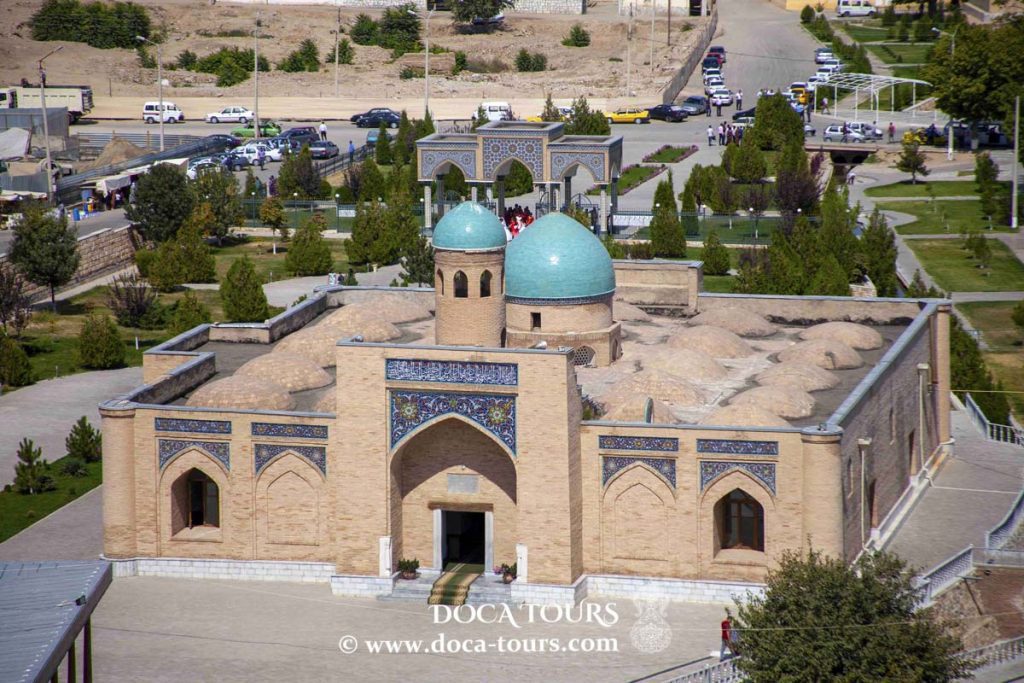
Video: https://www.youtube.com/watch?v=_kVLPyJsGmU
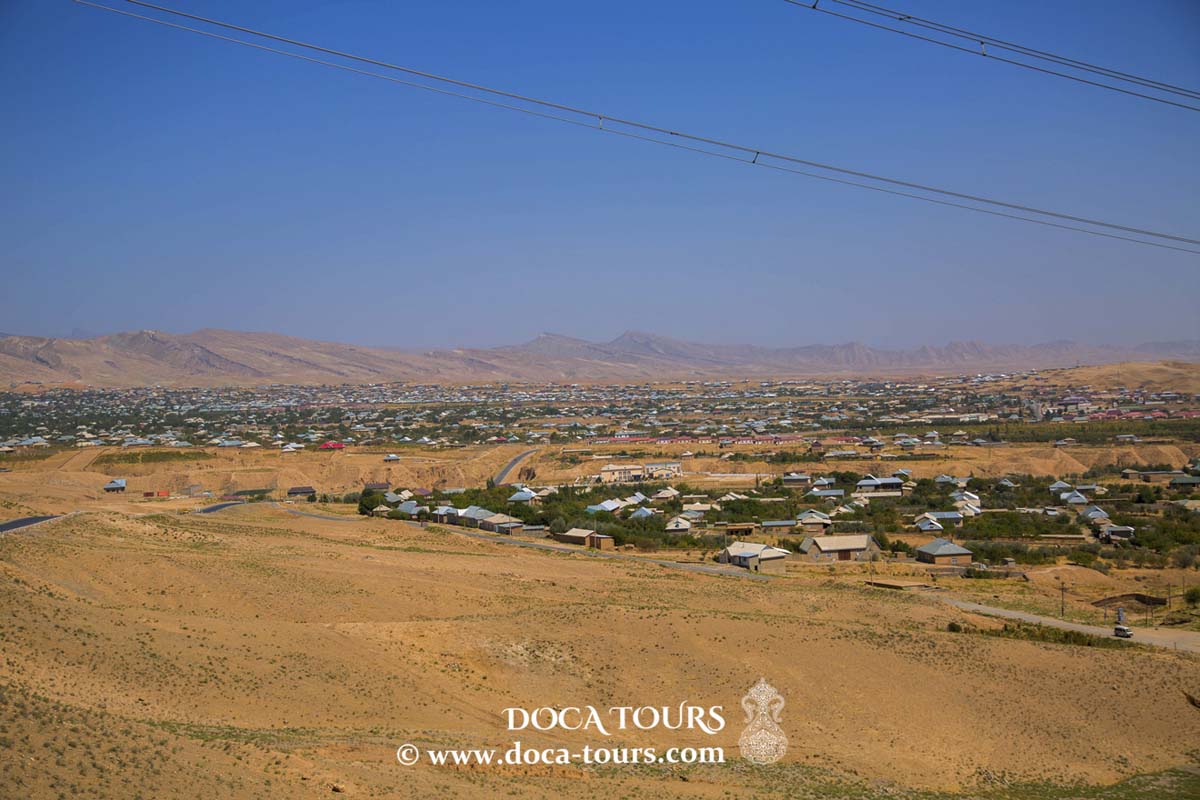
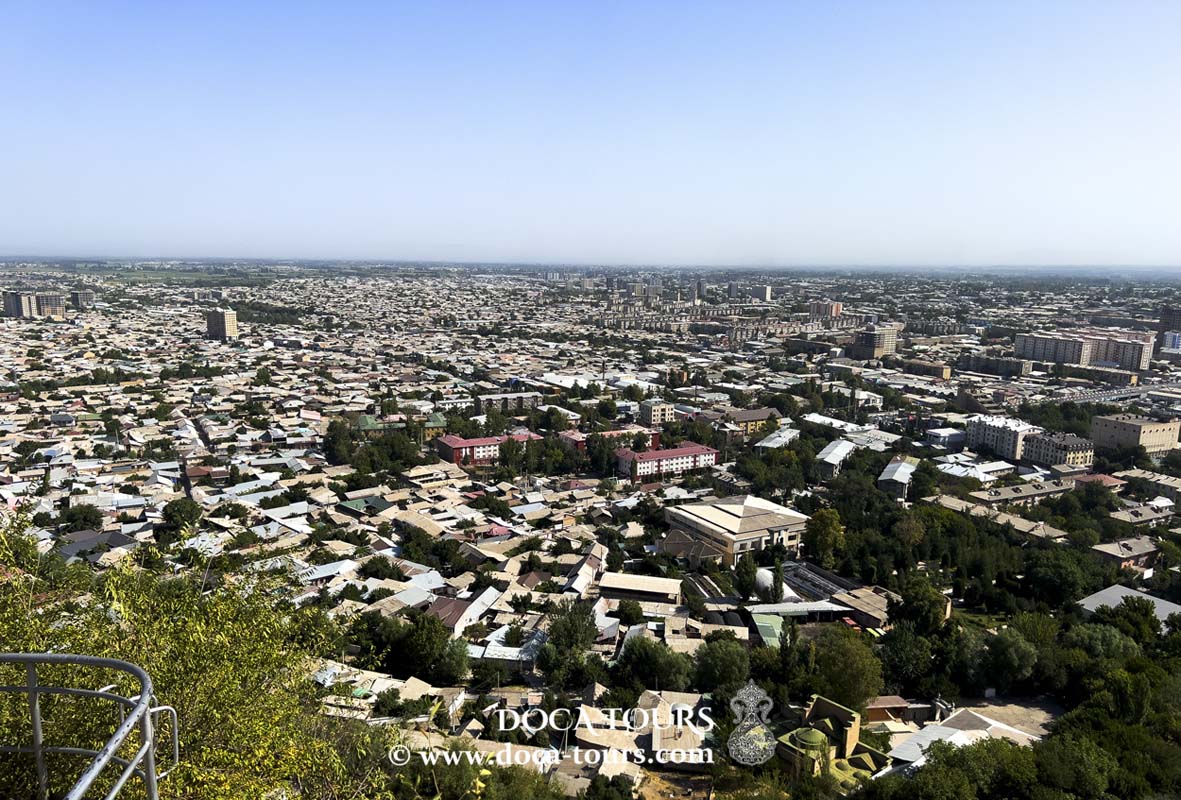
Two hundred kilometers west of Samarkand there is the ancient town of Nurata. It is located in Navoi region and is about fifty kilometers from the regional center of the same name.
Nurata received the status of town only in 1976, before that it was considered as an urban village, and even earlier a kishlak.
Today the population of Nurata is about 90,000 people.
At first glance, the town is unremarkable, but there is a holy place called Chashma, which has a history of thousands of years.
It is believed that the town was founded by Alexander the Great himself, who ordered the construction of a fortress called Nur. Archaeological research has proven that the fortress was indeed built by the Greeks during the campaigns of Alexander the Great in the East, that is, in the 4th century BC.
Until now you can see the ruins of this fortress, which, despite its vulnerability against precipitation, natural phenomena and other factors, still retains the form of thick walls and strong towers. Also here you can still clearly see the typical raw bricks of the Greeks, which were then used in construction in a standard format.
Whether Alexander the Great personally visited this fortress is hard to say today.
Later, in the middle Ages, the historian Narshakhi describes Nurata as a village within Bukhara. He mentions that this area had a Friday mosque and a large number of pilgrimage sites.
As the place was located in a foothill area, it had an important strategic and logistical significance.
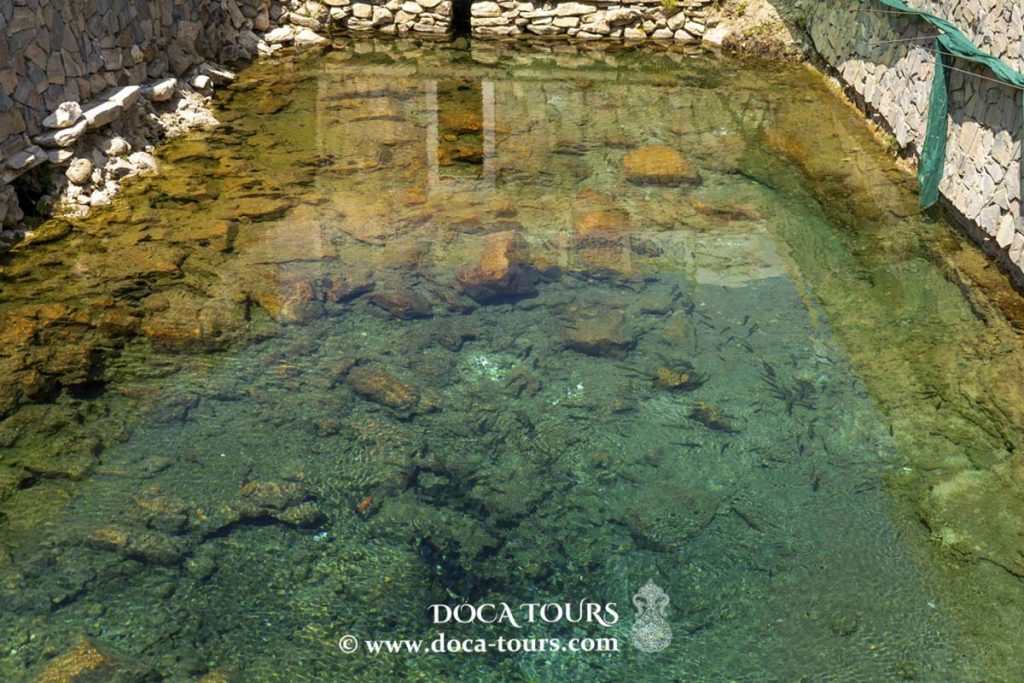
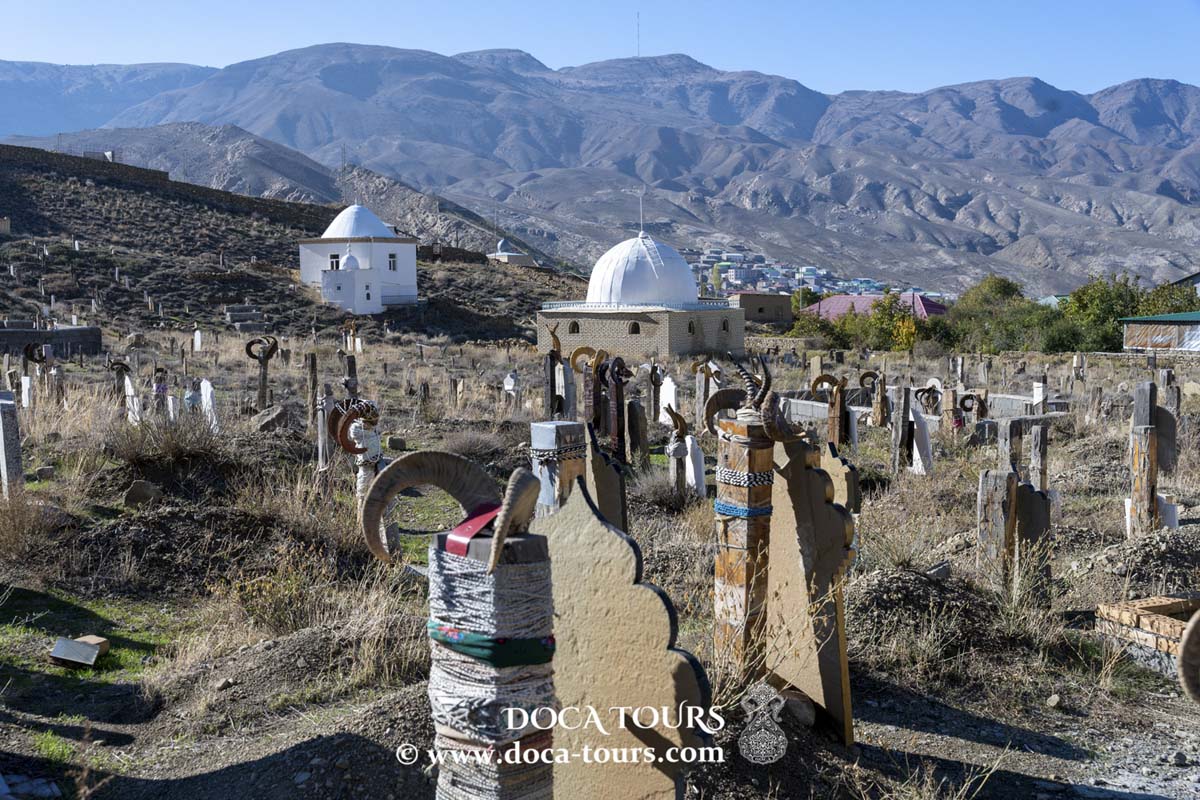
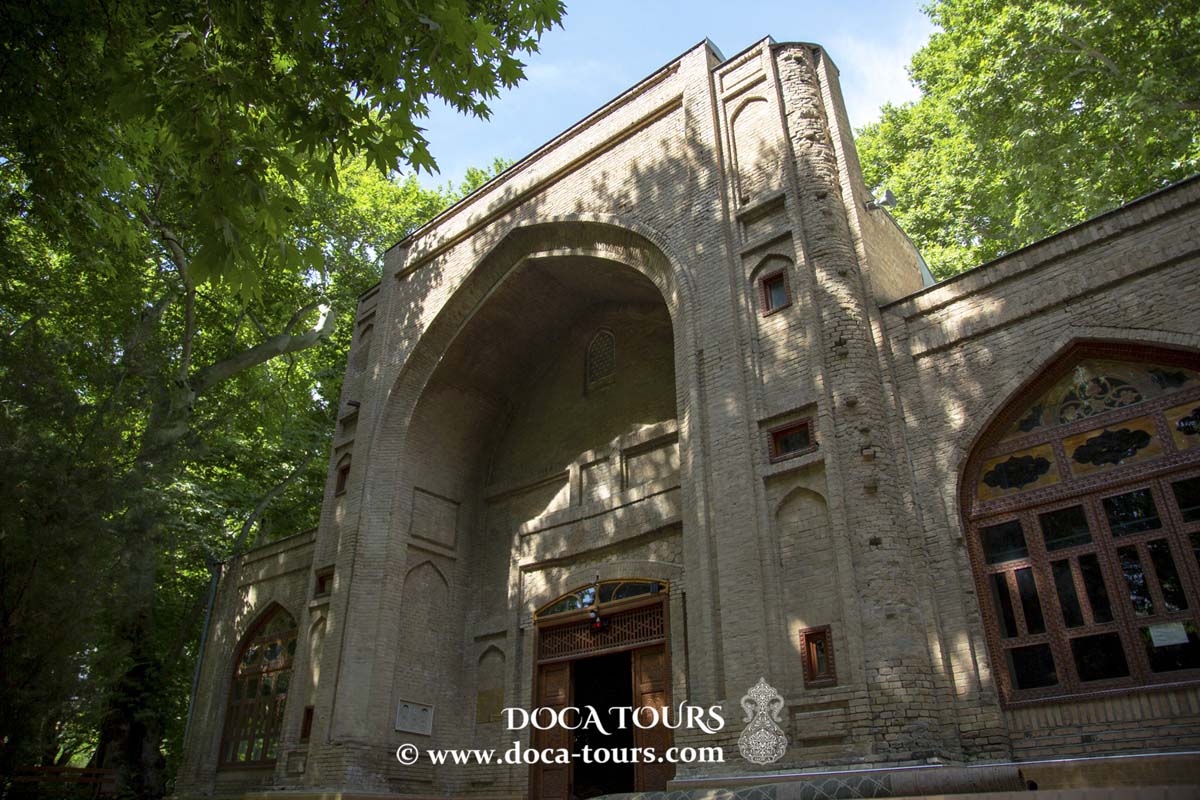
Beginning in the 16th century, the city became part of the Bukhara Khanate. It was at this time in the 16-17 centuries at the foot of the Greek fortress appeared complex Chashma, where were built mosques, mausoleums and other Islamic places of worship. For example, the mosque Chil-stun was first built in the 10th century and rebuilt several times until the 16th century. The mosque did have an iwan with 40 columns, which is where the name came from. Also, an important structure in the area is the mausoleum of Saint Nur-ota, which in Uzbek translates as “holy father”. His real name is Sheikh Abul Hasan Nuri. According to legend, this man was a companion of the Prophet Muhammad and the first to spread Islam in this area. There were other versions of the burial in the Chashma complex. In ancient times, it was even said that Alexander the Great himself was buried here.
In general, if you analyze the etymology, the word itself is remarkable: Nur. From Uzbek and Tajik, it is translated as Ray or Light. They say that 40,000 years ago a meteorite fell here and thus illuminated the area. And it was from the impact of the meteorite appeared holy spring.
The spring has been here since time immemorial and is considered sacred. Water is life. In history, you can see that all the great civilizations and cities have always appeared near the water. This is also the case here. This spring supplied the area with really potable water and not for nothing was it considered sacred. It is because of the water that pilgrims have been reaching out here for centuries. Many of them believe sacredly that the water is really healing and cures any disease. All you need for that is faith.
The water here never freezes. And at any time of the year in the crystal clear water, you can see whole flocks of marinas. These are predatory fish of the carp family (lat. Schizothorax). The locals also consider these fish sacred. No one ever catches them. Eating these fish is also strictly forbidden. The old-timers say that if one eats a Marinka from a holy spring, one will either die or fall ill with leprosy. But there is also a scientific justification for this prohibition. These fish have delicious fatty meat, but it can be eaten only after removing the roe, gills and black film of the peritoneum because especially in the spring they contain poisonous substances. It is logical to assume that in ancient times, people were dying of poisoning from the poison of pickle fish and in connection with this, there was such a Taboo.
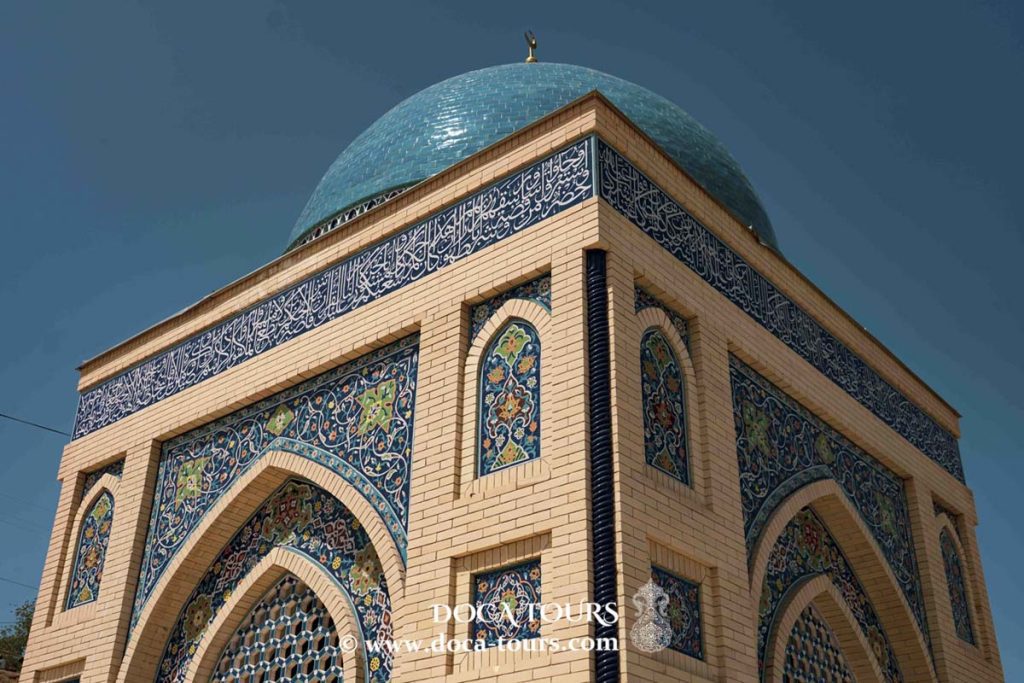
Sometimes you can see how the locals or staff of the complex Chashma feed the fish with grass or bread. It is a very interesting spectacle.
And finally, I would like to mention that during a visit to the complex Chashma worth climbing to the ruins of an ancient fortress. There awaits you a magnificent view of the mountains on one side and the Kyzylkum desert on the other.
Thank you very much for your attention.
Subscribe to the channel and don’t forget to like our videos.
#summer, #landscape, #uzbekistan, #sky, #travel, #asia, #blue, #ancient, #nurata, #nature, #view, #day, #outdoor, #ruins, #sunny, #rock, #east, #monument, #cloud, #autumn, #antique, #wall, #mountain, #desert, #landmark, #beautiful, #hiking, #tourism, #background, #nur, #brick, #central, #valley, #spring, #alexander the great, #natural, #fortification, #red, #fortress, #hill, #town, #stone, #fort, #people, #architecture, #beauty, #culture, #mud, #beige, #clay #doca_tours #docatours_russia_ #centralasia #discoverorientalcentralasia #oybekostanov @mr.ostanov_photographer #tours #travel #travelphotography #photography #travelgram #instagood #instatravel #wanderlust #adventure #trip #Asia #Uzbekistan #Nurata #bukhara #Chashma #Samarkand