
























Video: https://www.youtube.com/watch?v=z74NZTWxt4c&t=3s
This 4K Walking Tour takes us to the fairytale fortress Hisor in Tajikistan.
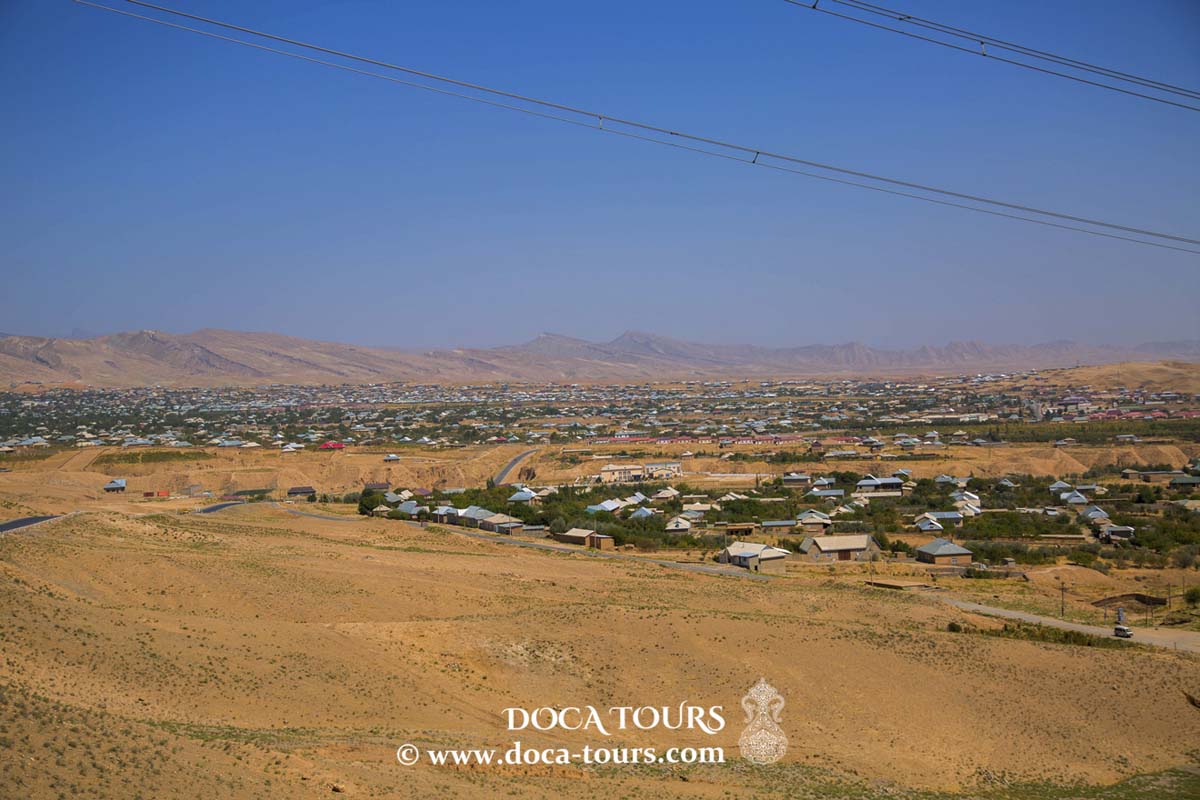
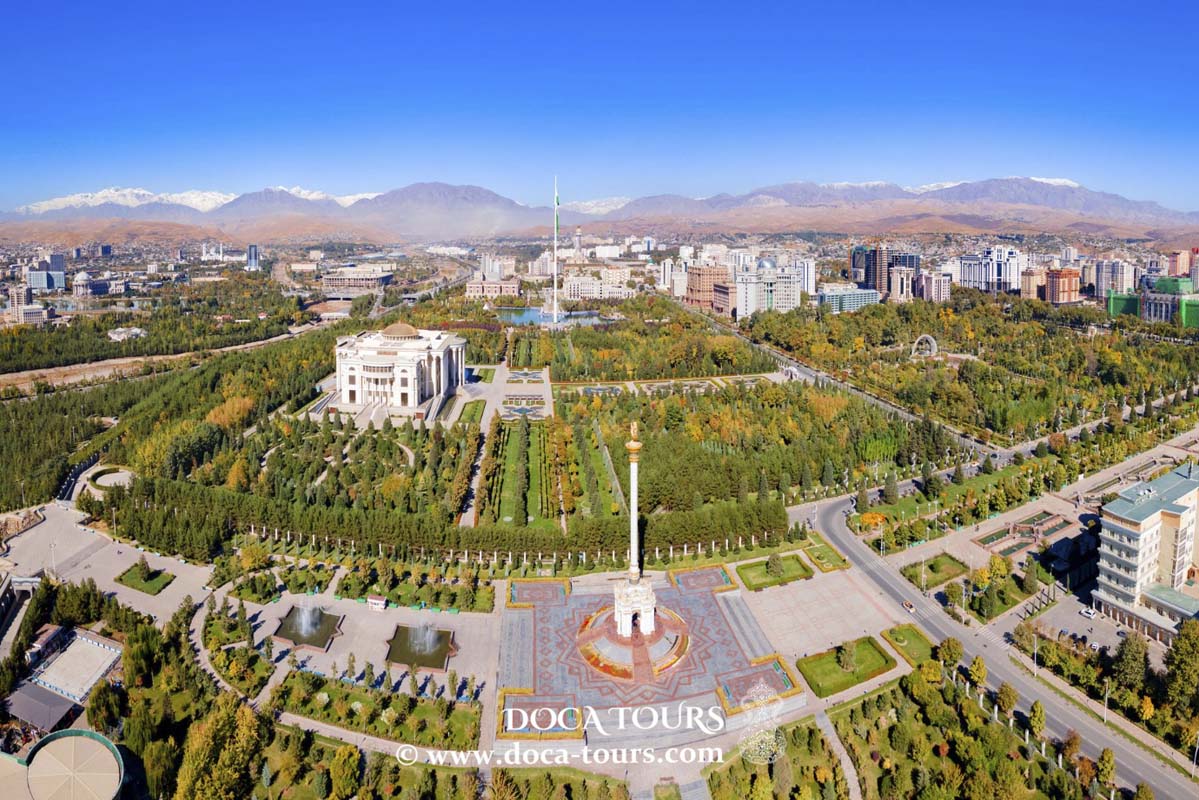
The Hisor (Gissar, Khissor, Khisor) stronghold is situated in the middle of the Hisor Valley, the greenest and densestly inhabited region of the nation, 26 kilometers from Dushanbe, the nation’s capital. The Hisor Range to the north, the Gazimalik Mountains to the south, and the Babatag Mountains to the southwest encircle the city on all sides.
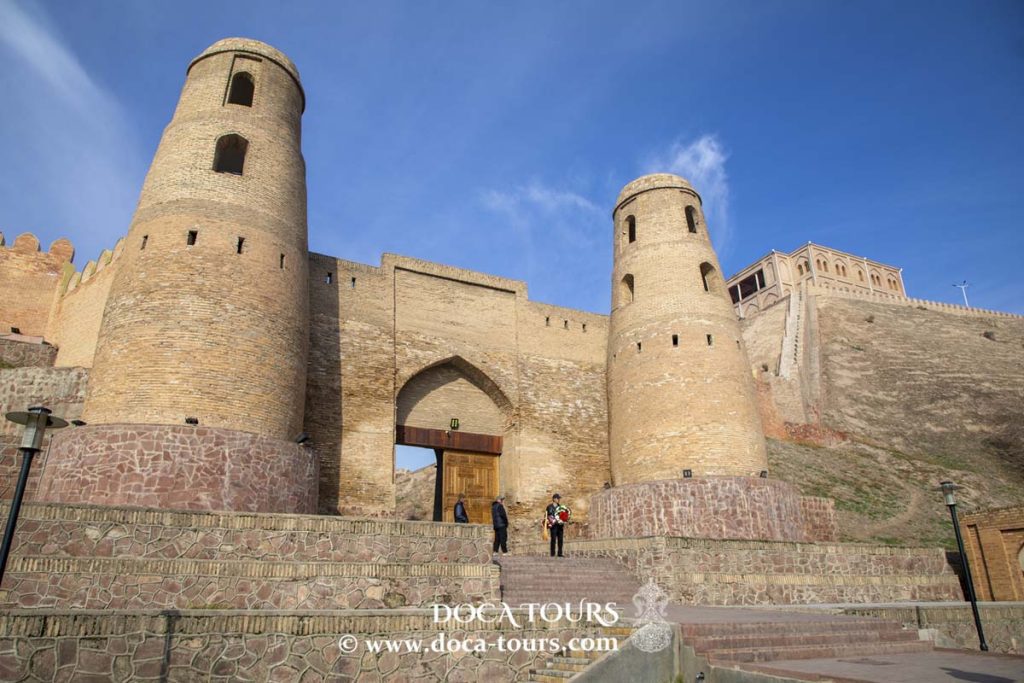
For almost two millennia, people have been aware of the Hisor stronghold. As the home of the Hisor bek, the Bukhara emir’s governor, the fortress—as they would say today—served as a significant administrative and political hub in prehistoric Tajikistan. Magnificent stone gates were constructed at the stronghold around the 16th century. Guards stood watch over the stronghold, which had one-meter-thick walls with cannon and rifle apertures. Inside were a garden and a swimming pool.
The main entrance was reached by grand staircases and terraces coated with masonry. The castle and its structures have not fared well against time. There are merely outlines and fragments where there should be meter-high walls with apertures for rifles and cannons. There are no steps with terraces since the palace structure has not been restored.
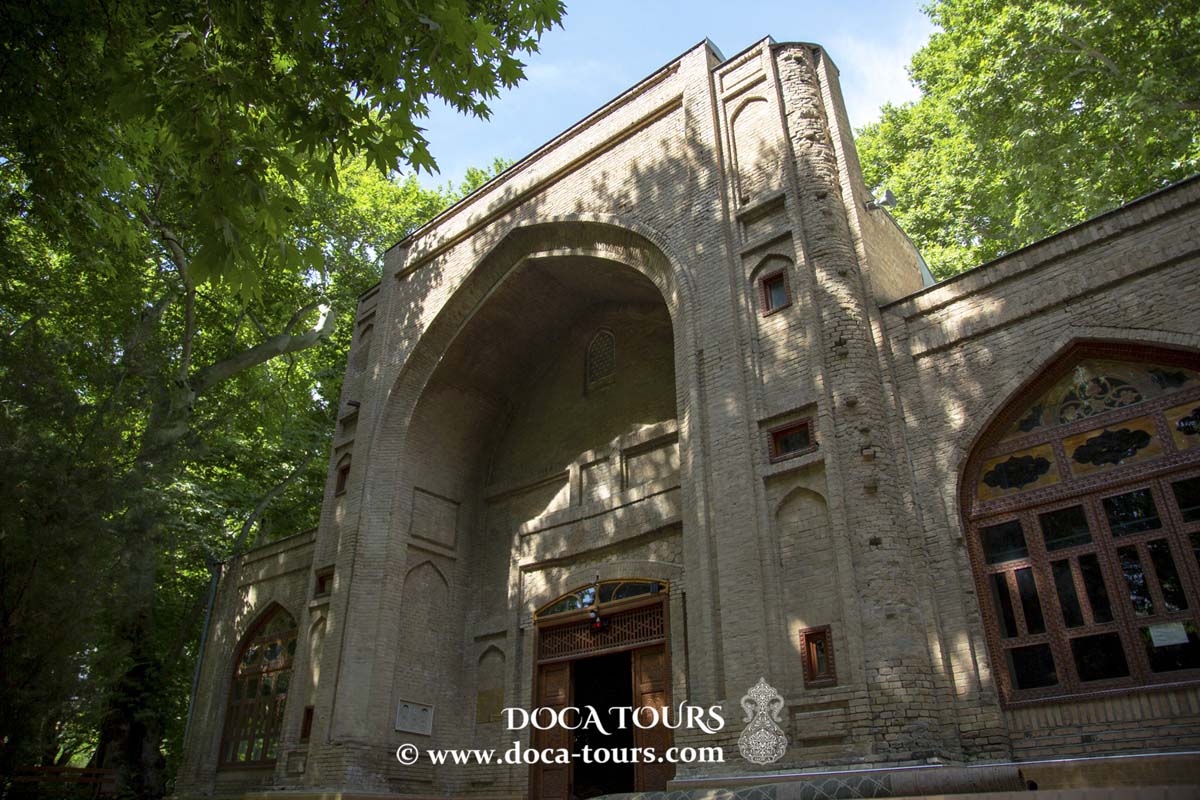
The old madrasah (medrasah-kitchen) from the 16th and 17th centuries, which has a wide courtyard and a portal dome with hudjras (cells) and a library room inside, is one of the best-preserved buildings. Another is the new madrasah (madrasah-nav) from the 17th and 18th centuries, which is the only building whose two-story façade has survived.
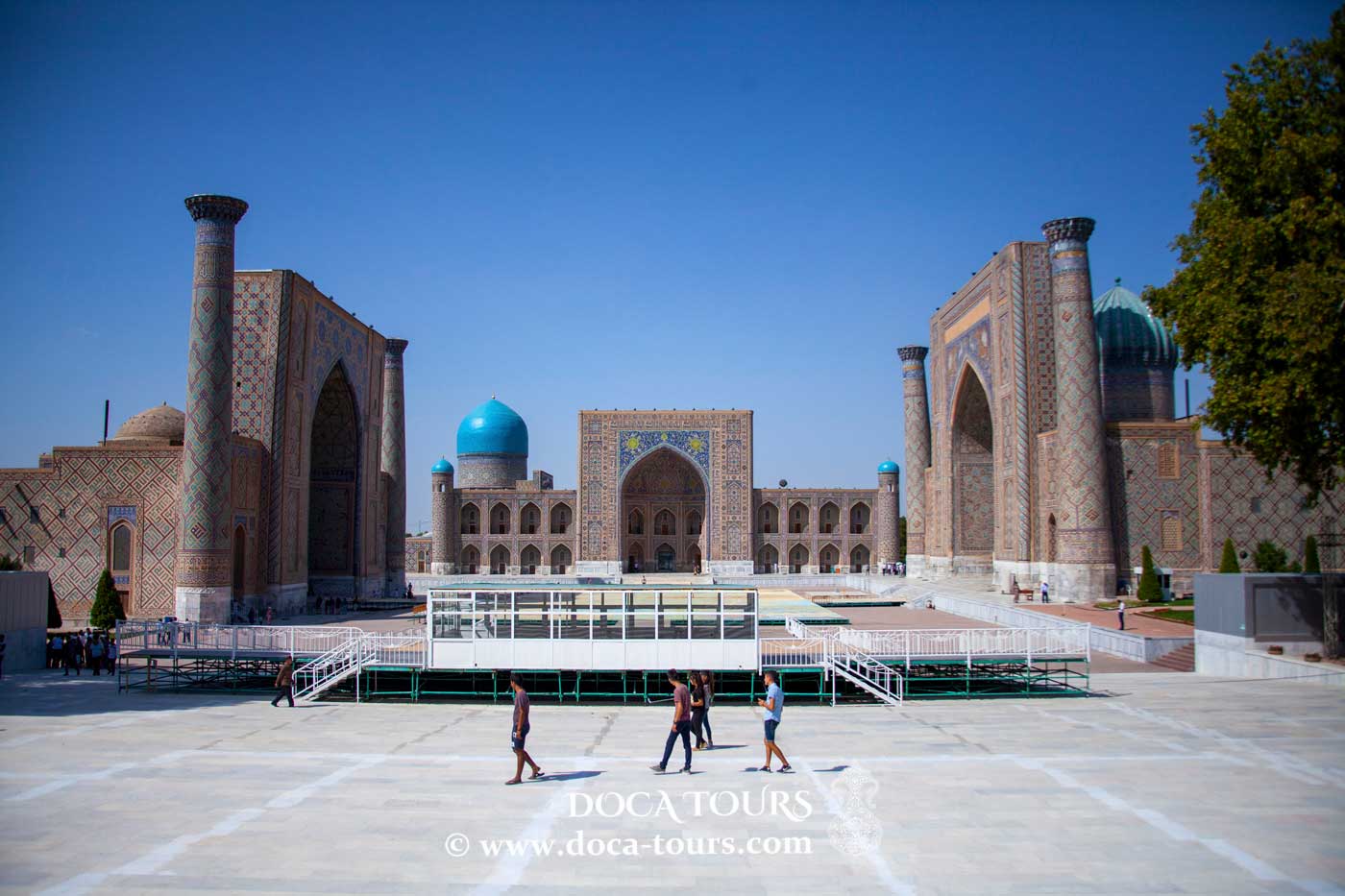
Following that, all of the buildings—which together comprise an architectural ensemble that bears some resemblance to the ensembles of Bukhara and Samarkand—were restored, and as a result, they now roughly resemble their original appearance to tourists. A hundred to one hundred and fifty pupils studied in the madrasah kitchen during the start of the twentieth century. The madrasah ceased to provide classes in 1921.
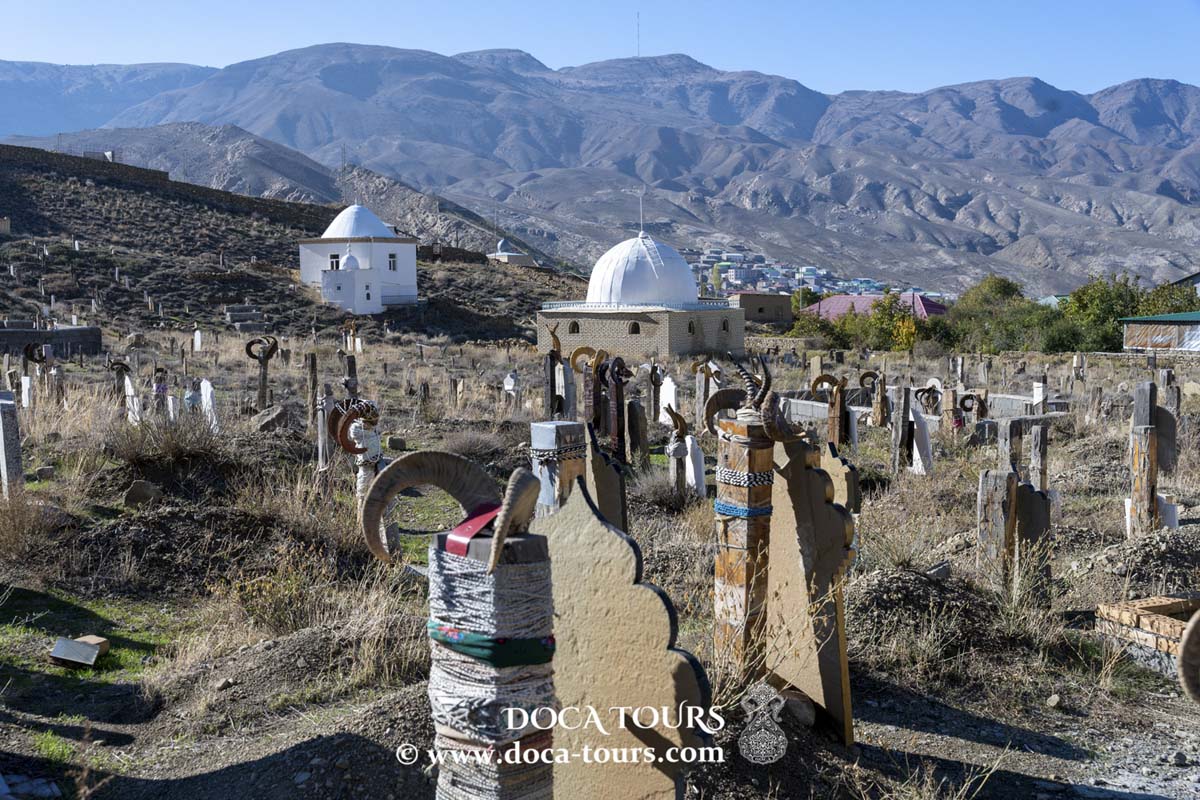
The 16th- and 17th-century tomb of Makhdumi Azam is located south of the ancient madrasah. Translated as “The Greatest Master,” Makhdumi Azam is more of a title or moniker than a name. It’s intriguing that this term is shared by other structures throughout Central Asia that are connected to different real-life individuals, nations, or religious leaders. Though there are already several theories and variations on this subject, researchers have not yet determined precisely who is interred in the Hisor Mausoleum.
One other noteworthy landmark in the area is the Sangin mosque, which dates back to the 12th and 16th centuries and is named after the word “stone.” The mosque gets its name from the fact that half of its walls are composed of stone. One of the structure’s distinctive features is the four resonators located at the level of the dome construction. They resemble bottomless pottery jugs and are implanted into the brickwork’s thickness.

The purpose of the resonators was to enhance the internal acoustics of the space used for preaching and prayers.
The “Khishtin” caravanserai (hotel, inn) is another structure within the complex, meaning “Brick.”
Two enormous, roughly 500–700-year-old plane trees stand close to the stronghold.
Thank you very much for your attention.

Subscribe to the channel and don’t forget to like our videos.
#tajikistan, #architecture, #tourism, #fort, #ancient, #travel, #landscape, #building, #old, #fortress, #history, #brick, #asia, #outdoor, #castle, #gissar, #culture, #hissar, #hisor, #tower, #mountains, #pamir, #central, #palace, #view, #scenic, #oasis, #medieval, #stone, #heritage, #middle, #wall, #famous, #destinations, #silk road, #islam, #exterior, #ethnicity, #journey, #oriental, #alay, #historic, #dushanbe, #village, #column, #holiday, #dome, #traditional, #tourist, #antique