
























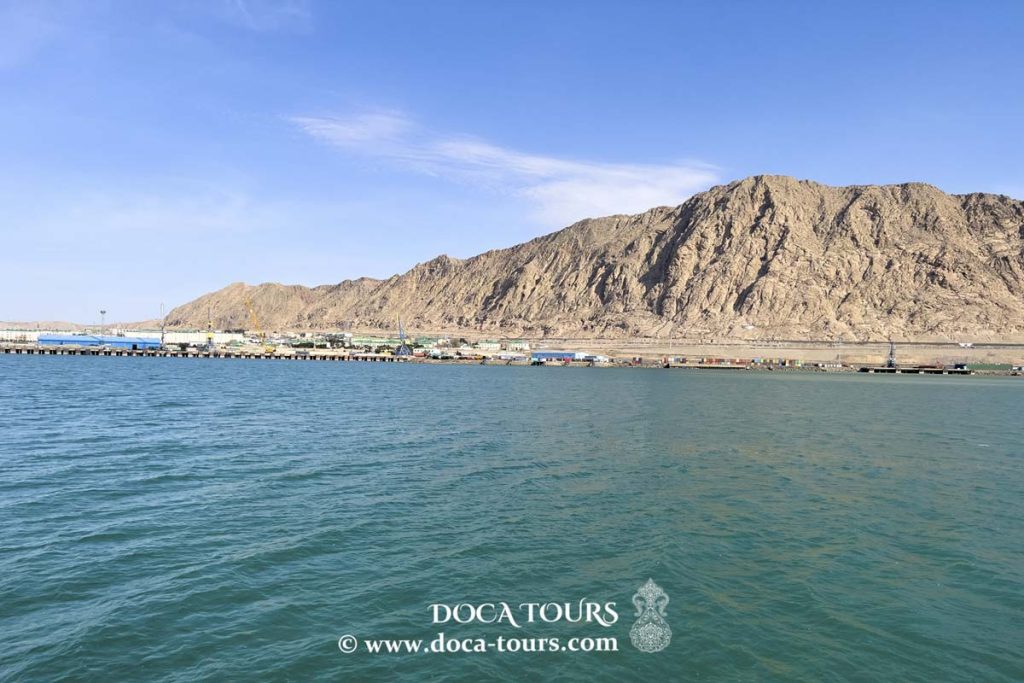
Video: https://www.youtube.com/watch?v=a4uu_Hj_8o4
Turkmenistan evokes an involuntary association with one of the greatest deserts in the world, the Karakum Desert. And indeed, the territory of the republic is arid. However, nature wanted to arrange it in such a way that, along with deserts, there were also significant expanses of water on Turkmen territory.
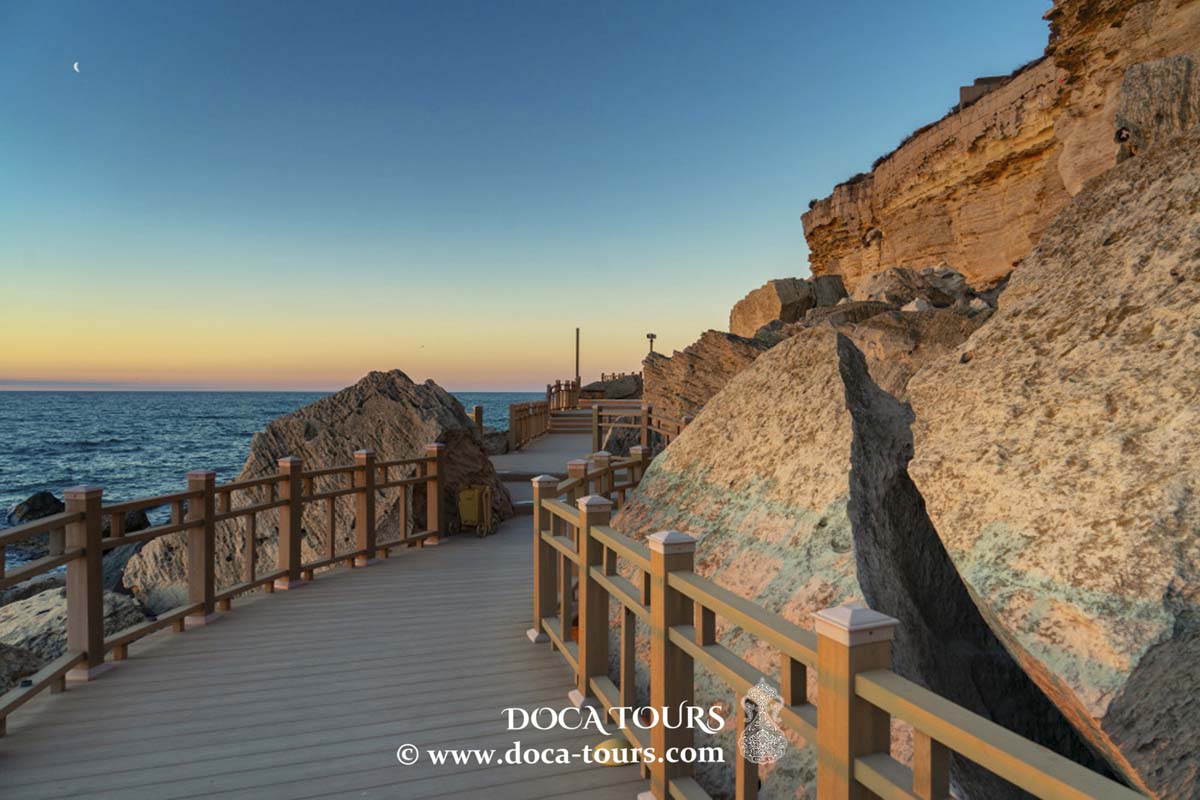
The entire western border of Turkmenistan is the shore of the Caspian Sea, a unique body of water and the largest lake in the world. It is so big that no one calls it anything other than the sea.
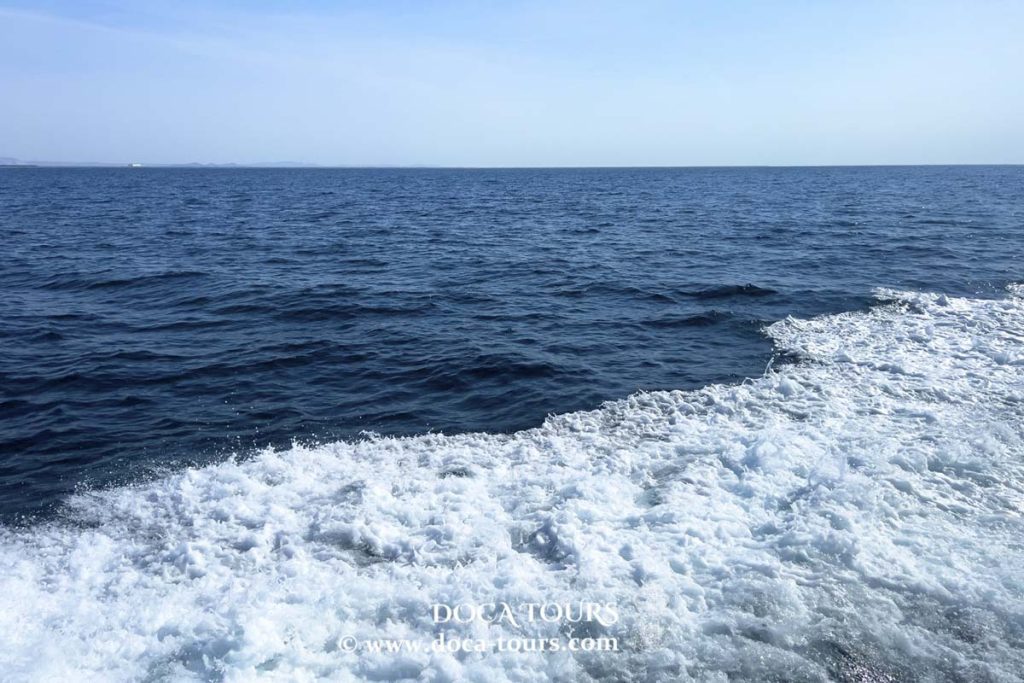
Turkmen Bay is a vast, ice-free bay in the eastern part of the Caspian Sea, forming part of the coastline of Turkmenistan.
From north to south, it stretches for 80–90 km, and from west to east, about 80 km. The total water area reaches about 1600 km2. In the north, it is limited by the Cheleken Peninsula from Turkmenbashi Bay; in the west, it is separated from the Caspian Sea by the sandy island of Ogurchinsky. It is connected to the Caspian Sea in the south as well as in the west through the Cheleken-Ogurchinsky Strait. The coastline in the eastern part of the bay is indented and subject to seasonal, annual, and secular fluctuations, tied to fluctuations in the level of the Caspian Sea.
“Water is life,” say the Turkmens, whose history is in many ways a story of struggle for water sources in a hot and arid climate. However, water is not only a chemical compound that a person needs for daily consumption. Water is the habitat of many living organisms. And aquatic organisms, primarily fish, have always been one of the main sources of human food.
Fishing traditions in Turkmenistan go back to prehistoric times. Archaeological excavations of layers dating back to the Bronze Age have revealed details of fishing gear. Tribes of ancient Turkmens roamed along the Caspian coast, finding generous sources of food in the waters of the ancient Khazar (as the Caspian Sea was previously called).

Time has changed fishing gear and techniques, but fishing has always been a necessary activity for humans.
The Caspian Basin and the Caspian Sea form a unique ecosystem that has no communication with the World Ocean, with the exception of the Volga River and transport canals. The fauna of the Caspian Sea is special and consists of several endemic species that live exclusively in this territory.
The Caspian Sea is home to many different species and subspecies of fish. In terms of the number of species, herring, carp, and goby predominate. The Caspian ichthyofauna also includes fish of freshwater origin: sturgeon and carp. There are seven different species and subspecies of sturgeon in the Caspian Sea; the most famous are beluga, stellate sturgeon, Russian sturgeon, thorn, and sterlet.
The main fishing reservoir is the Caspian Sea, in which the main volumes of Caspian sprat are concentrated, which is the main fishing object of the state enterprise “Balkanbalyk.” Fishing for sprat in the waters of Turkmenistan is carried out using electric networks. In the summer, there are few adult sprat in Turkmen waters; mainly juveniles that have not reached commercial size stay here.
Thank you very much for your attention.
Subscribe to the channel and don’t forget to like our videos.
#sea, #travel, #nature, #water, #tourism, #beach, #summer, #sky, #coast, #landscape, #caspian sea, #beautiful, #caspian, #outdoor, #shore, #vacation, #blue, #ocean, #coastline, #horizon, #scenic, #seascape, #wave, #background, #view, #sand, #rock, #sun, #lake, #sunny, #holiday, #map, #kazakhstan, #land, #trip, #world, #dagestan, #scenery, #resort, #geography, #environment, #calm, #earth, #paradise, #stone, #beauty, #orange, #relax, #nobody, #cloud