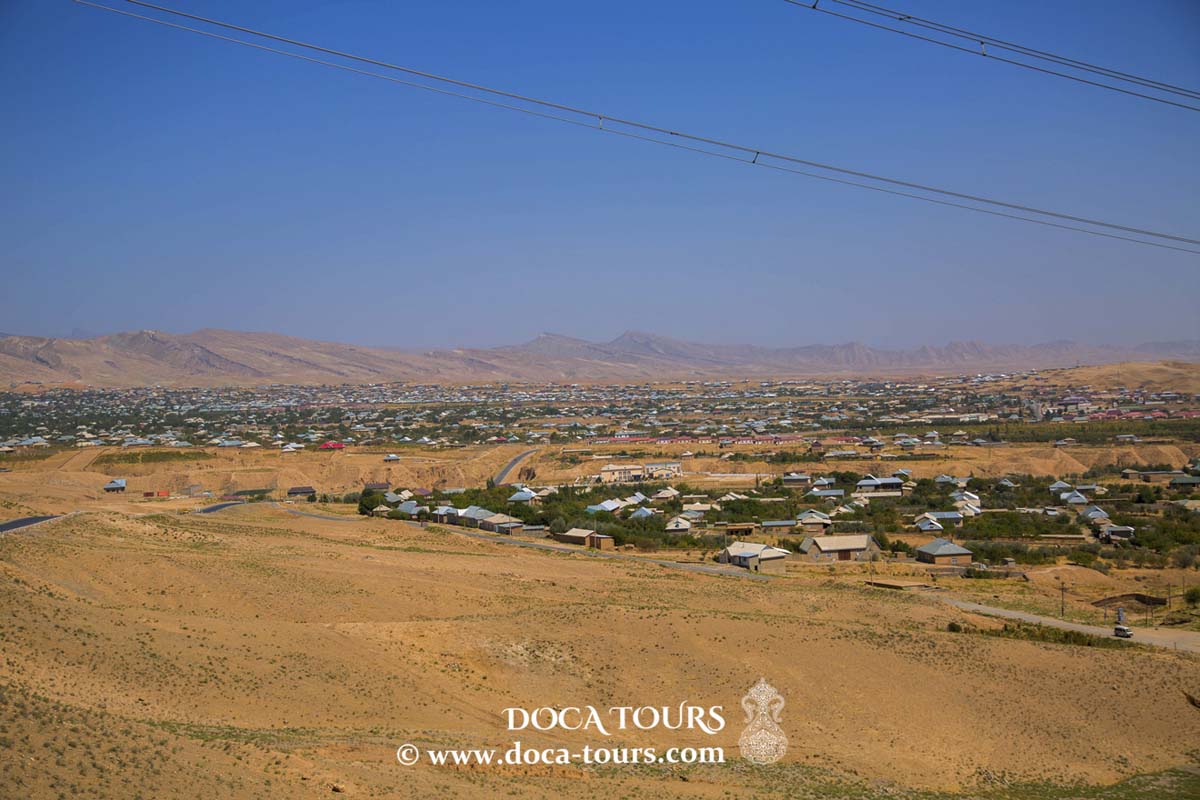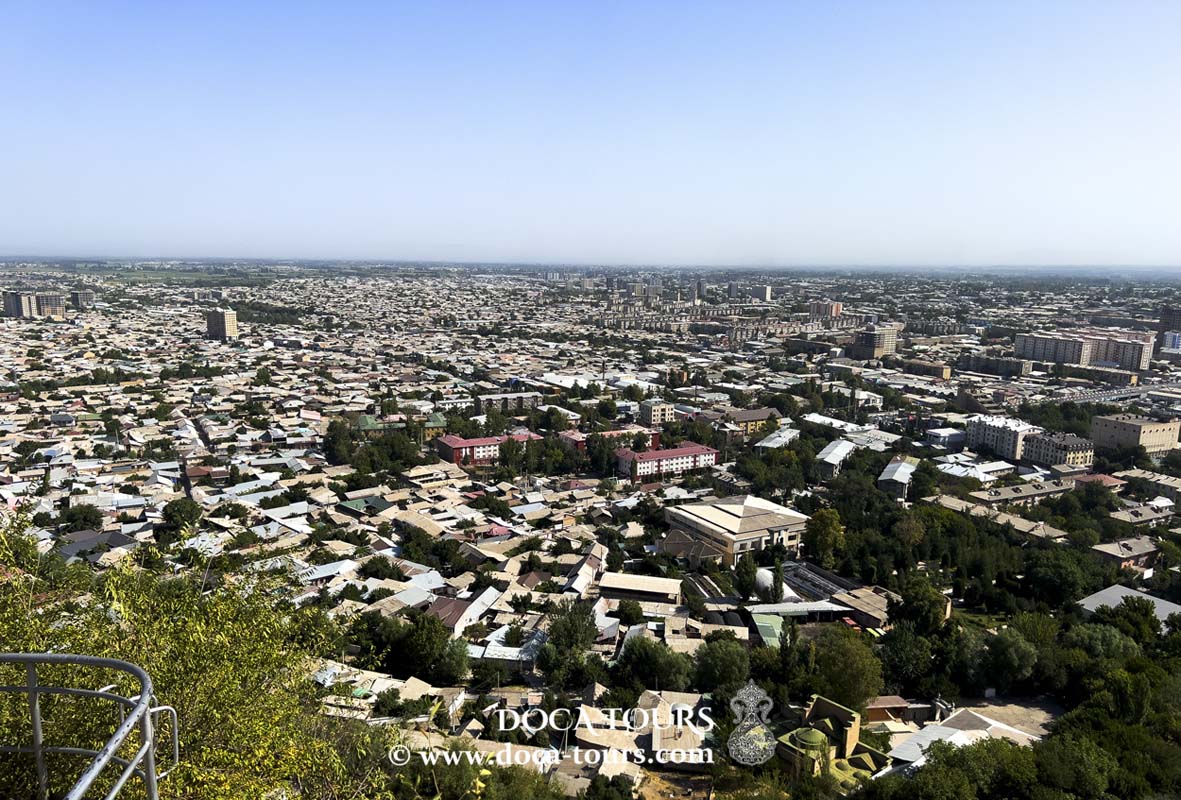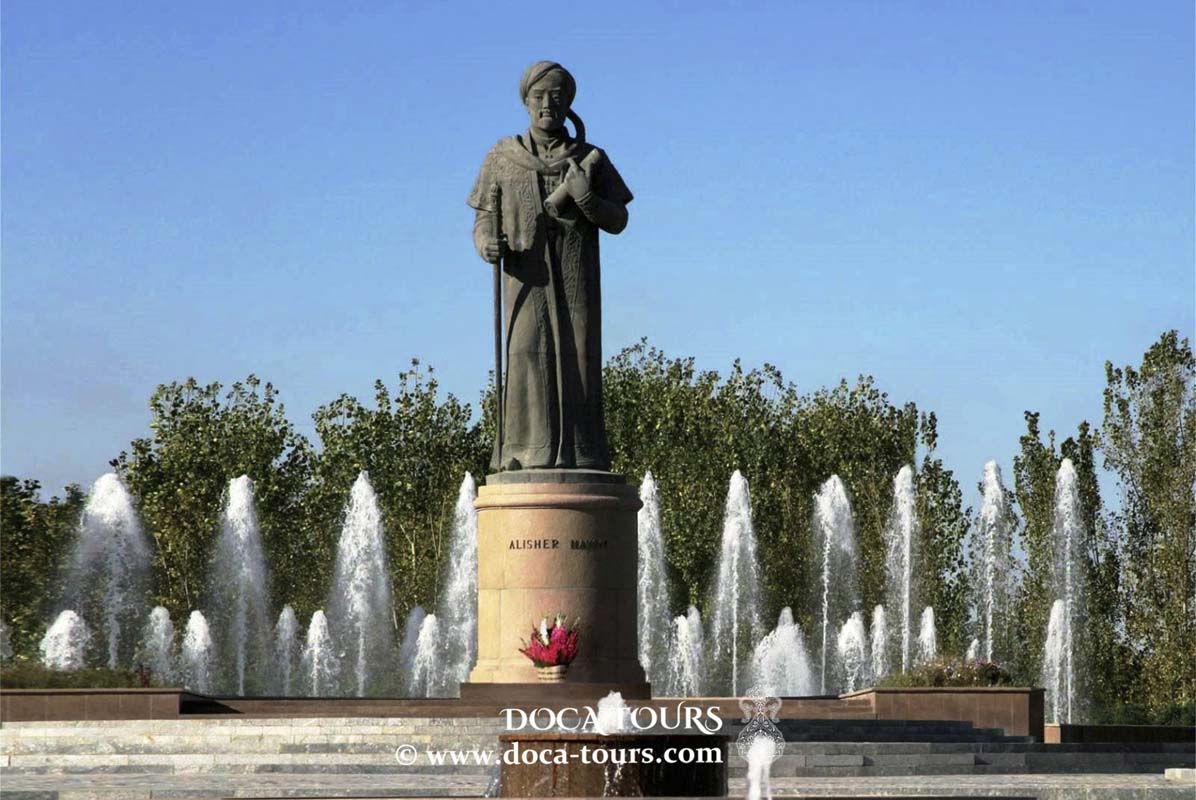
Navoiy (/nævɑːˈiː/ na-vah-EE; Uzbek: [næʋɔˈij]) is the administrative capital of the Navoiy Region, situated in central Uzbekistan. It is classified as a district-level city that includes the nearby urban-type settlement of Tinchlik. The city is located at 40° 5' 4"N latitude and 65° 22' 45"E longitude, at an elevation of 382 meters. Named in honor of the renowned Uzbek poet and philosopher Alisher Navoiy, the city had a population of 161,300 as of 2024.

Navoiy was established in 1958 during the Soviet era as part of the Bukhara Region. The city was created as a hub for mining industries, focusing on the extraction of rare earth elements, uranium, and precious metals. Its origins lie in the construction of a mining and metallurgical plant near the village of Karmana, which served as the foundation for the new city.
Named after Alisher Navoiy, the city was designed in the 1960s following a detailed master plan by architects from the VNIIPIET Institute in Leningrad, operating under the USSR Ministry of Atomic Energy. These architects were awarded the USSR State Prize in 1969 for their innovative design, which was also recognized internationally. The lead builder, Z. P. Zarapetyan, earned the title of Honored Builder of the Uzbek SSR for his contributions.
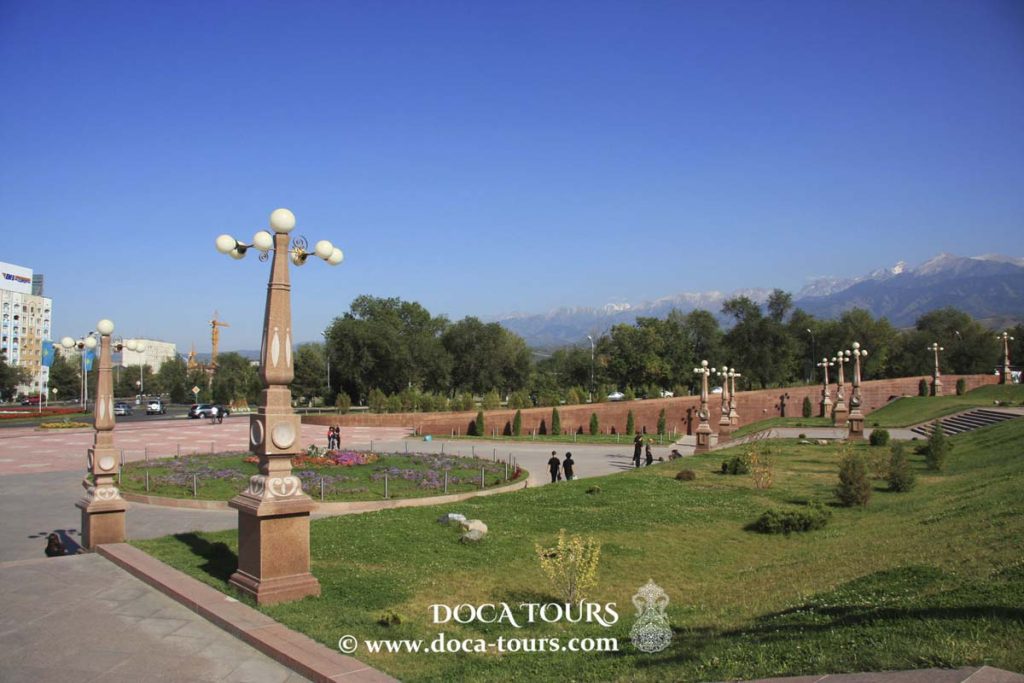
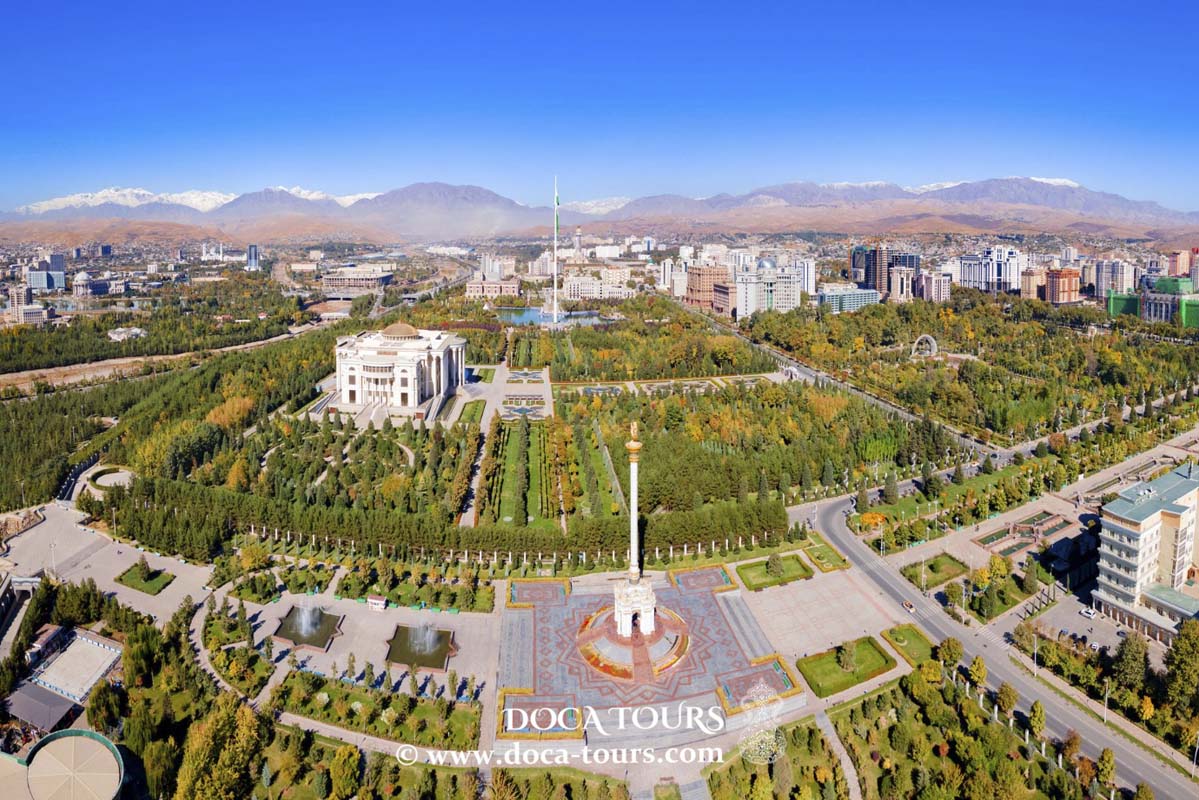
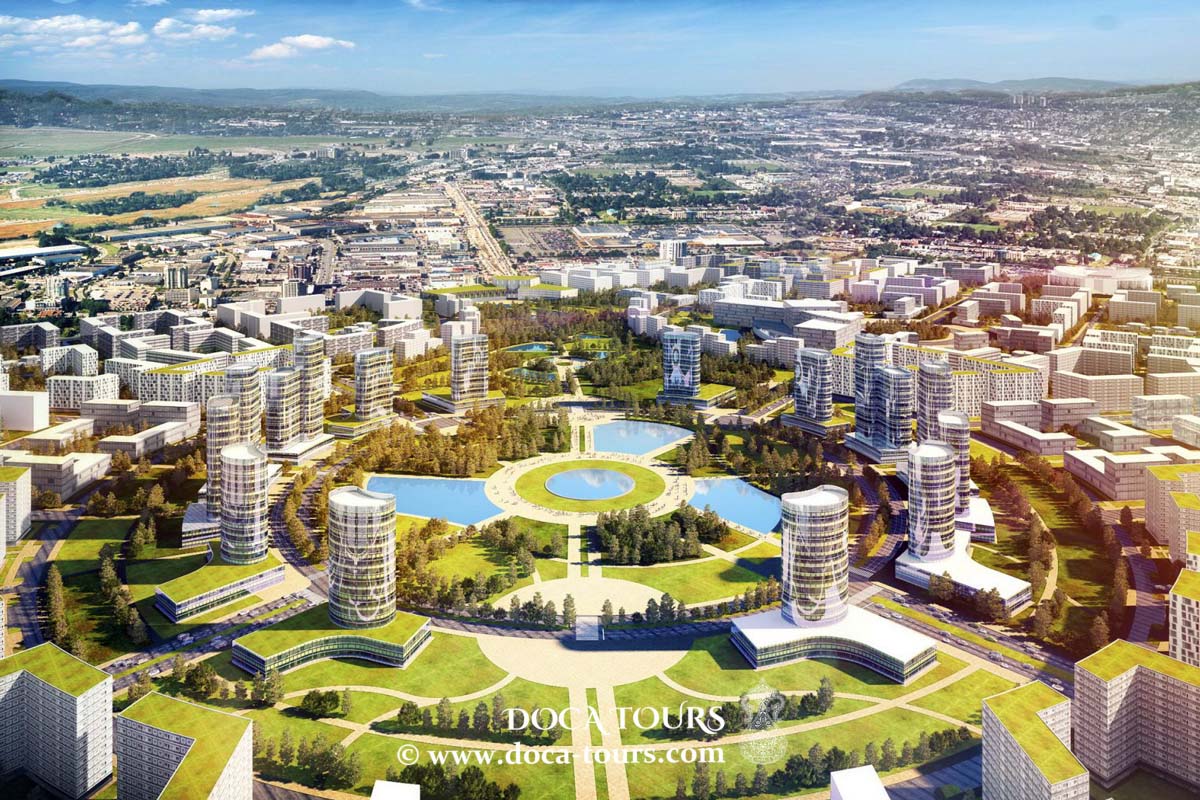
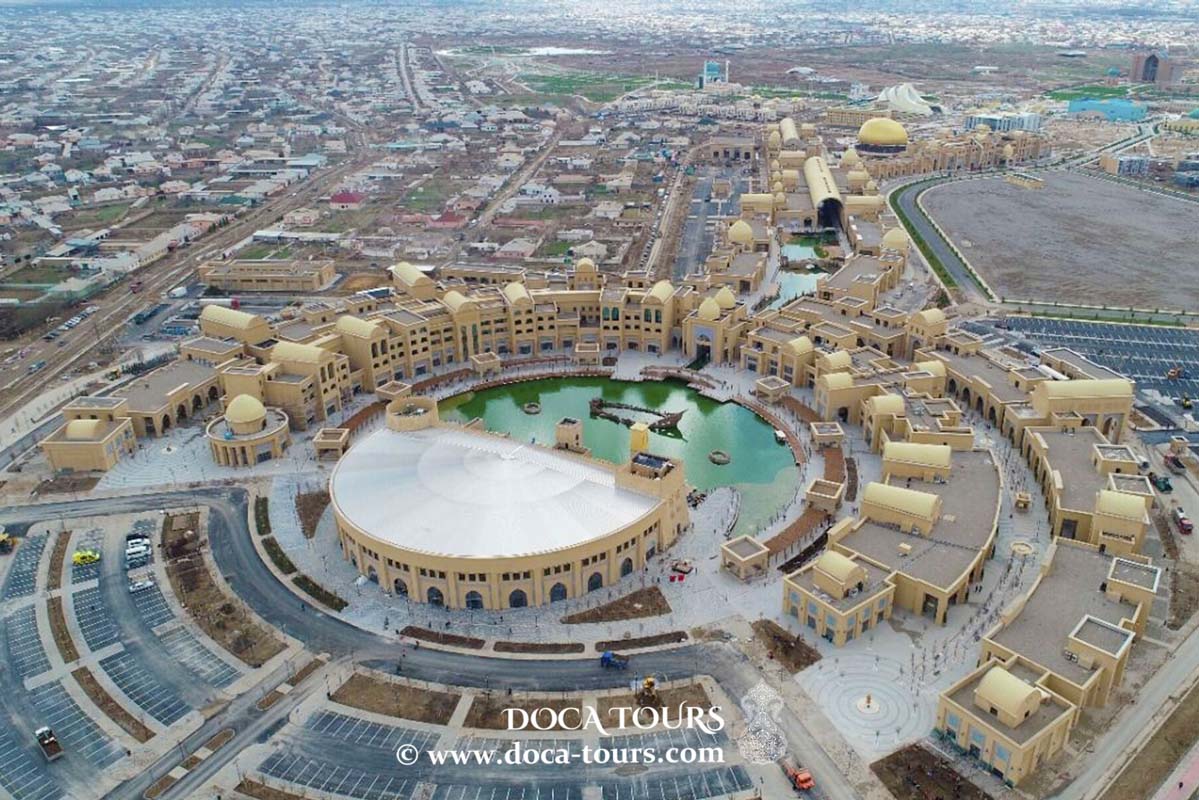
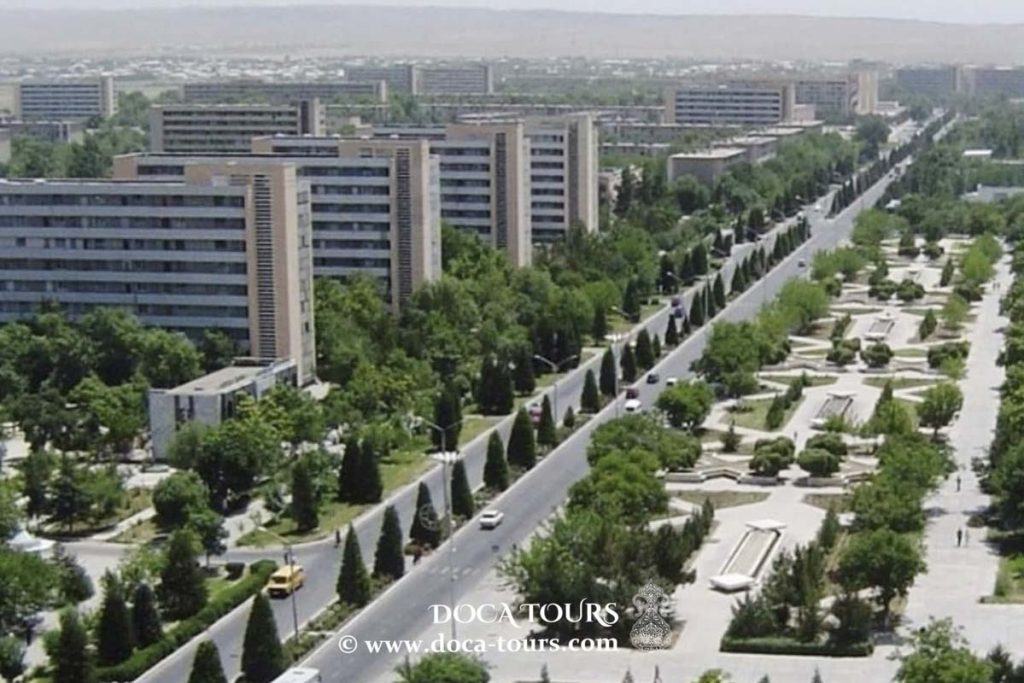
The city's unique layout is characterized by sectional and gallery-style housing, ample green spaces, small architectural elements, fountains, and pools, creating an aesthetically distinct urban environment. The planned area spans 8 kilometers north to south between Karmana and a small village near the railway station of the same name.
Navoiy is located in the Zarafshan River valley, in the southern part of the Navoiy Region, 360 km southwest of Tashkent. It lies 140 km from Samarkand and approximately 100 km from Bukhara.
The Zarafshan River flows just north of the city, while the Nurata Mountains stretch beyond the river, about 10 km from the city outskirts.
Navoiy experiences a dry, sharply continental climate with distinct seasonal variations. Summer temperatures can soar to +54°C, while winters see lows of -18°C, though extreme cold is infrequent. The low humidity makes both high and low temperatures more tolerable.
Winter: The cold season, characterized by average daily temperatures below 0°C, spans from late November to mid-March. While nighttime frosts can drop as low as -12°C to -18°C for brief periods, frequent thaws raise temperatures to between -5°C and +12°C.
Summer: Starting in March or April, temperatures quickly climb, often exceeding 45°C during June and July. These extreme highs occur for 30-40 days during the summer season.
Transitional Seasons: Spring and autumn are short, with rapid temperature shifts.
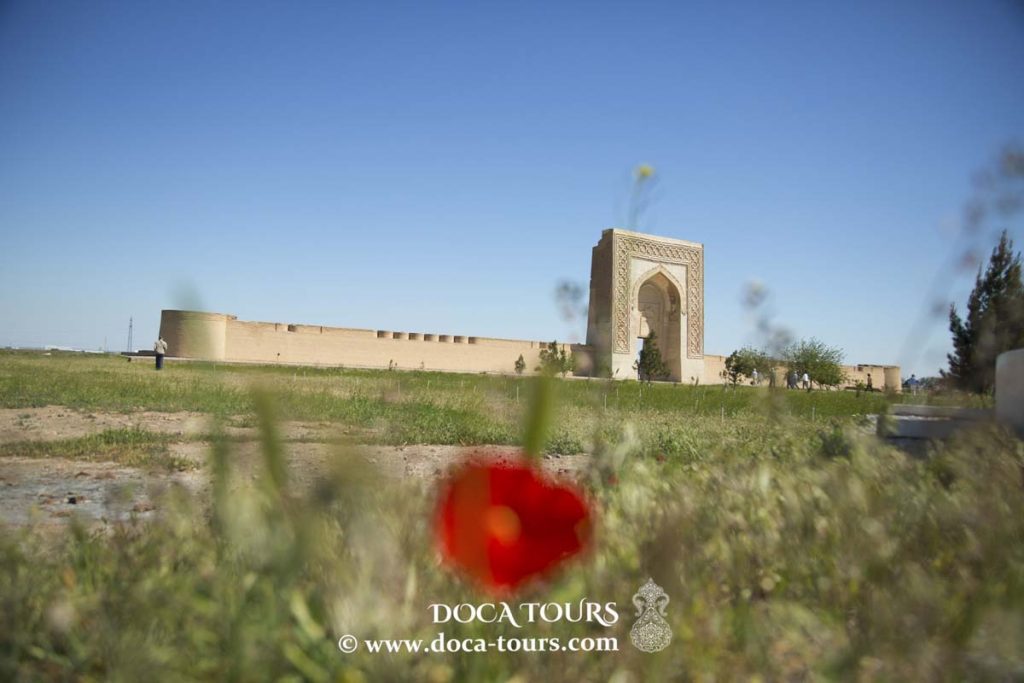
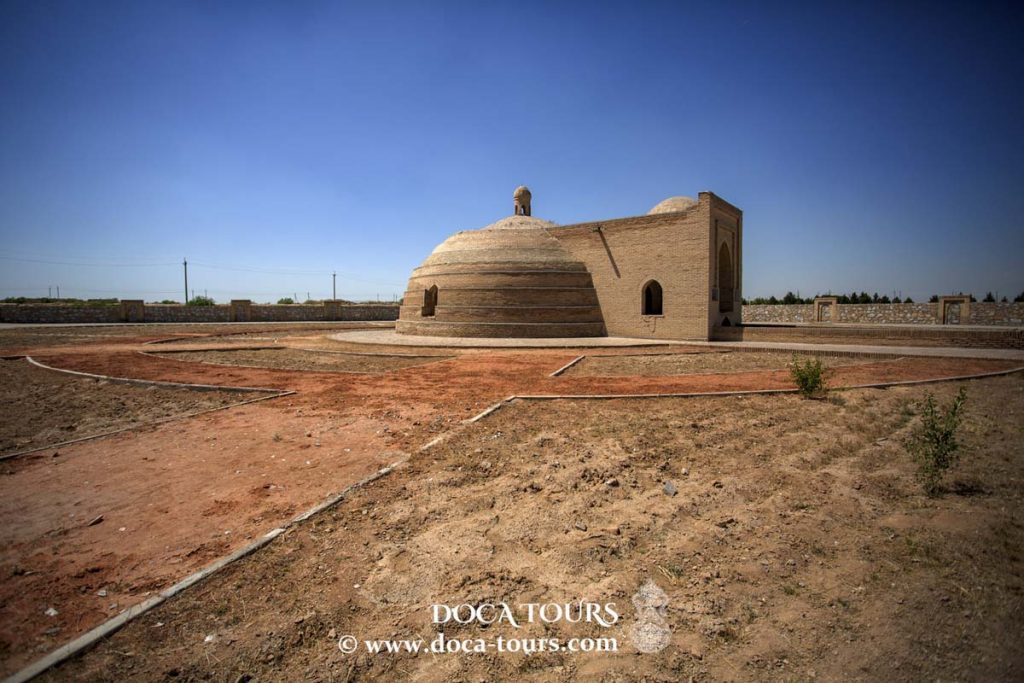
Constructed in the 11th century by Karakhanid ruler Abu’l Hasan Shams al-Mulk Nasr, the Rabati Malik Caravanserai served as a fortified haven for Silk Road merchants, their animals, and goods. This historic site, currently on UNESCO’s Tentative List for World Heritage status, was accompanied by the Sardoba Malik, a domed reservoir that provided water to the caravanserai. Although much of Rabati Malik was damaged in a 1968 earthquake, the 12-meter-high portal, adorned with terracotta carvings, including eight-pointed stars and Arabic calligraphy, remains partially restored alongside the reservoir dome.
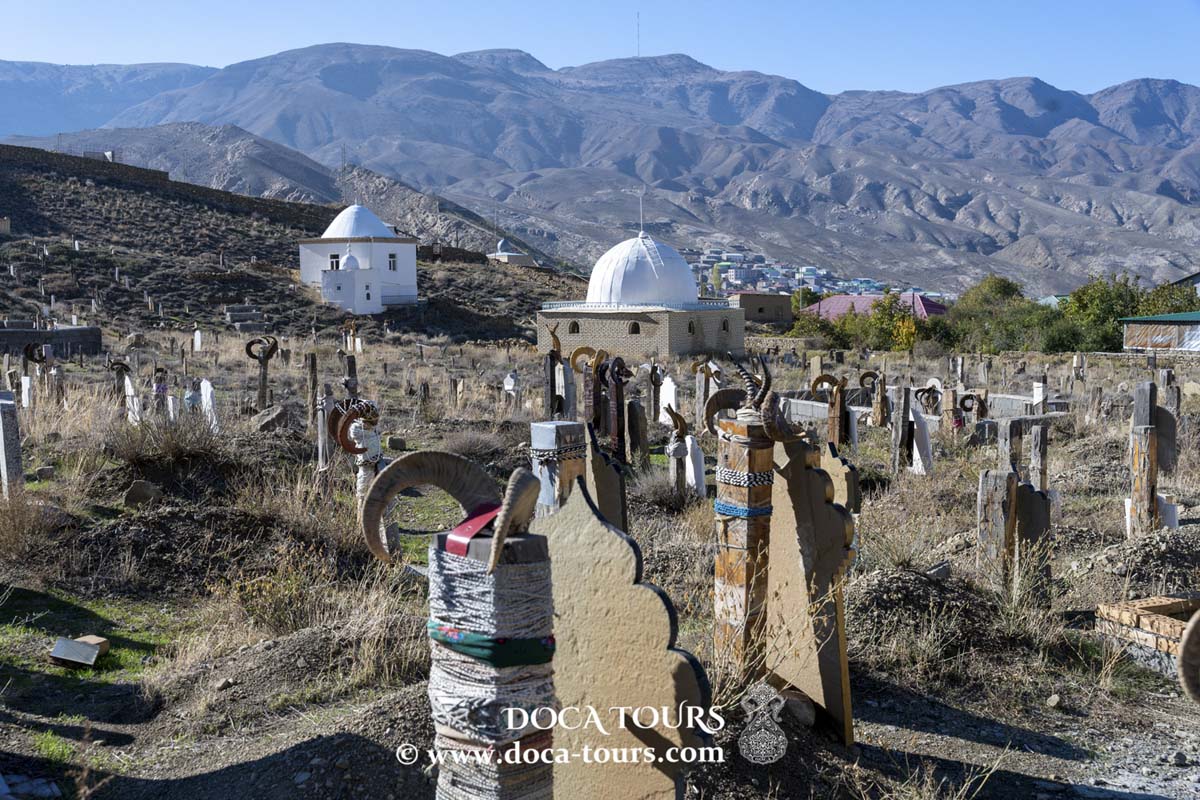
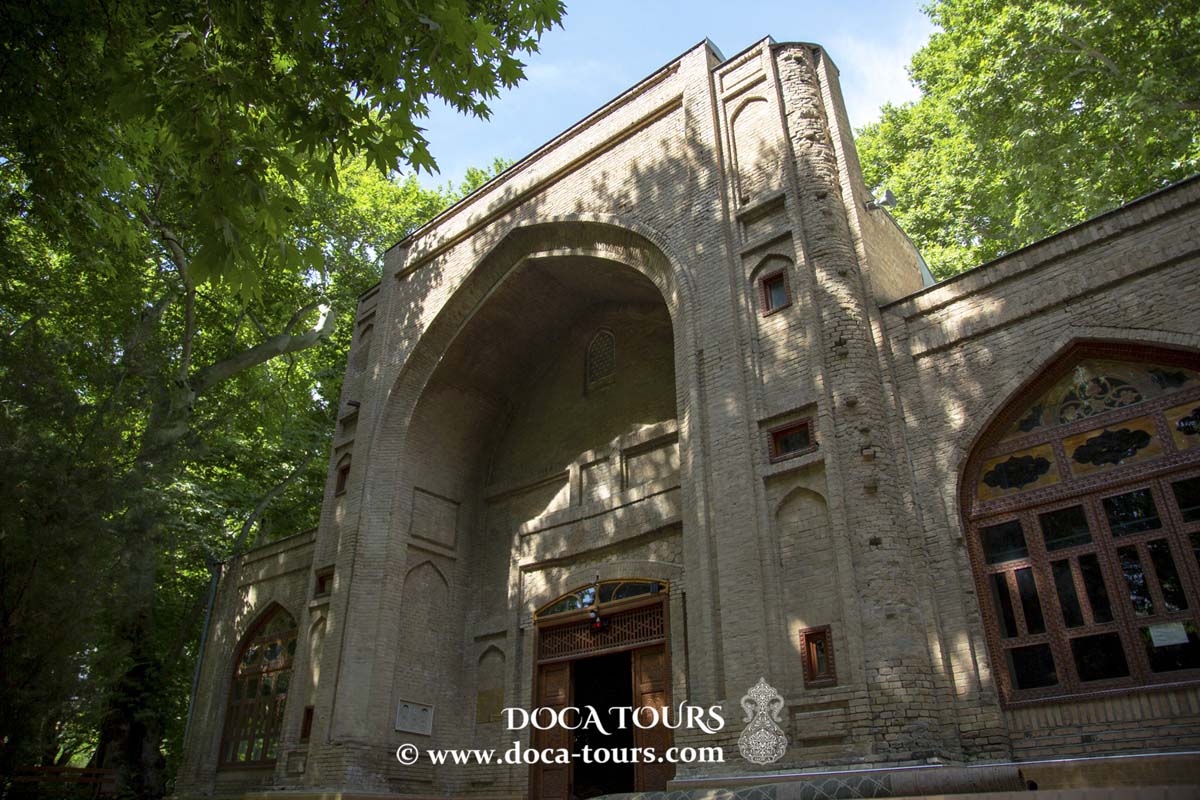
This simple mud-brick mausoleum is the burial site of the 14th-century theologian Mavlono Orif Deggaroniy, the mentor of Khoja Bahauddin Naqshbandi. The site is an important pilgrimage destination for followers of Naqshbandi Sufism.
Dating back to the 11th century, this brick mausoleum is a significant architectural prototype with design elements reminiscent of the Samanid Mausoleum in Bukhara. Its portal features Kufic calligraphy made from raised bricks, and the saint’s grave is topped with a marble covering. Like Rabati Malik, it is also listed on UNESCO’s Tentative World Heritage Site roster.
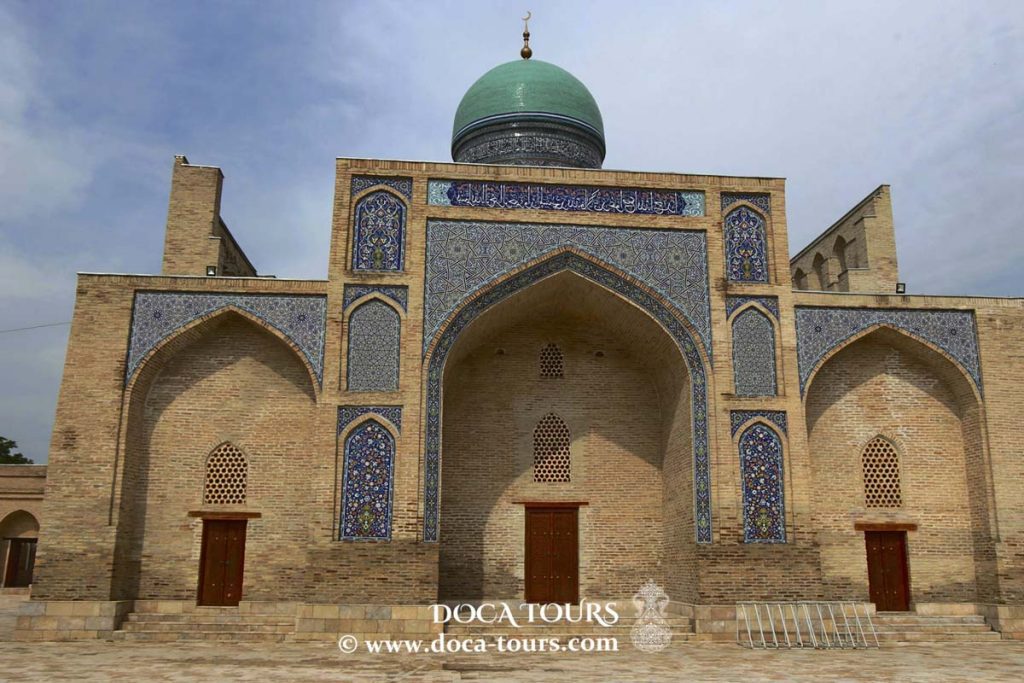
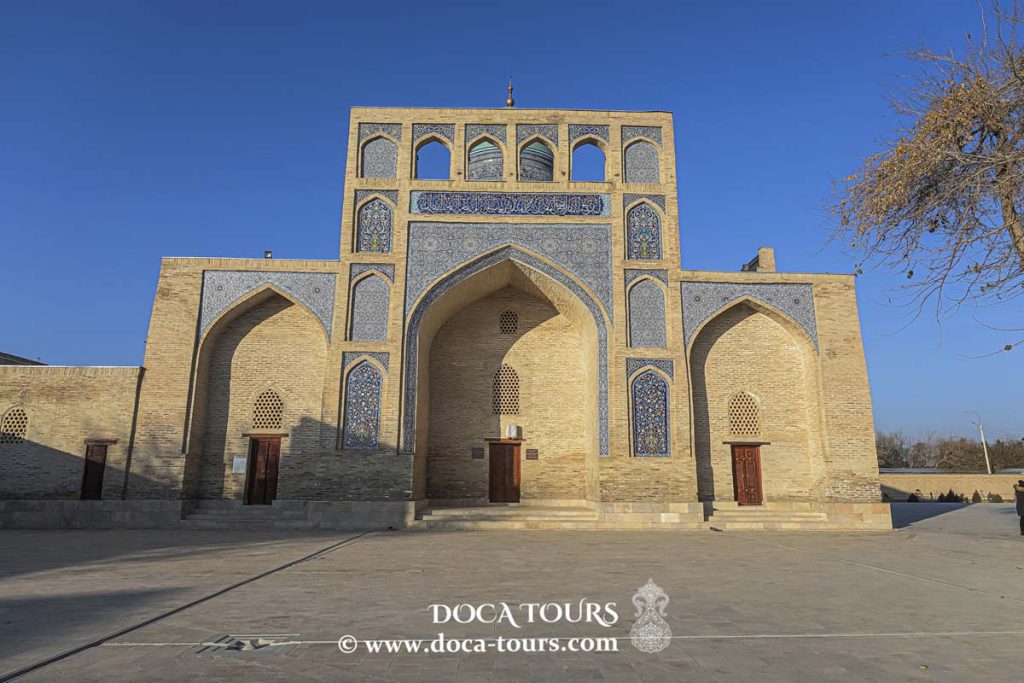
Built in the 16th century by Abdulla Khan, Emir of Bukhara, this complex served as a khanagha, or hostel for wandering Sufi mystics. The mosque within the complex, now Navoiy's main mosque, features a turquoise dome and exquisite majolica tiles on its exterior, while its interior is decorated with intricate geometric blue patterns. The mosque is open to visitors.
This is the first and only Seventh-day Adventist church in Navoiy. Constructed between 1996 and 2001, it adds a modern element to the city’s religious diversity.
The city’s bustling central market is a massive, partially covered space divided into areas for fresh produce, dried goods, bread, pastries, and meat. It serves as a vibrant hub of local commerce.
Navoiy Region is rich in natural gas, precious metals, and raw materials for construction. It hosts major industrial enterprises, including the Navoi and Zarafshan Gold Mining and Metallurgical Complexes, which are known for producing some of the purest gold globally. Another significant enterprise is NavoiyAzot, Uzbekistan’s largest producer of mineral fertilizers.
The Navoi Free Industrial Economic Zone, located near Navoiy International Airport, was established to attract foreign investment under favorable economic conditions. The FIEZ will operate for 30 years and offers businesses various tax and customs exemptions based on the amount of direct investment:
Over $30 million: Tax exemption for 15 years, with a 50% reduction in taxes for the next 10 years.
Businesses in the FIEZ are also exempt from customs duties on imported equipment and raw materials for export-oriented production and benefit from simplified procedures for foreign nationals, including work permits and residency. The zone’s administration, overseen by an Administrative Council, may contract an international company to manage operations. Additionally, a development fund has been proposed to support infrastructure.
Currently, 13 joint ventures operate in the FIEZ, manufacturing products such as car components, ADSL modems, LED lamps, cosmetics, diapers, and more.
As of 2024, Navoiy has a population of 161,243 residents. Uzbeks constitute the majority at 88.7%, followed by Kazakhs (3.6%), Karakalpaks (2.3%), Russians (1.6%), Tajiks (1.4%), Tatars (0.6%), and others (1.88%). Despite demographic shifts following the collapse of the USSR, which led to significant emigration to Russia and other countries, the Uzbek population has grown significantly, further solidifying their majority presence in the city.
Navoiy remains one of the few Uzbek cities where Russians and Russian speakers make up over 1.6% of the total population.

Navoiy is a prominent industrial hub in Uzbekistan, hosting several large-scale manufacturing and energy enterprises, primarily located in the industrial zone 2 km west of the city’s residential areas. Key facilities include:
These industries form the backbone of the city’s economy and contribute significantly to the national economy.
Navoiy serves as the educational hub of the Navoiy Region, offering a variety of academic institutions, including:
Additionally, the city is home to multiple colleges, academic lyceums, secondary schools, and preschools, making it a key center for educational development in the region.

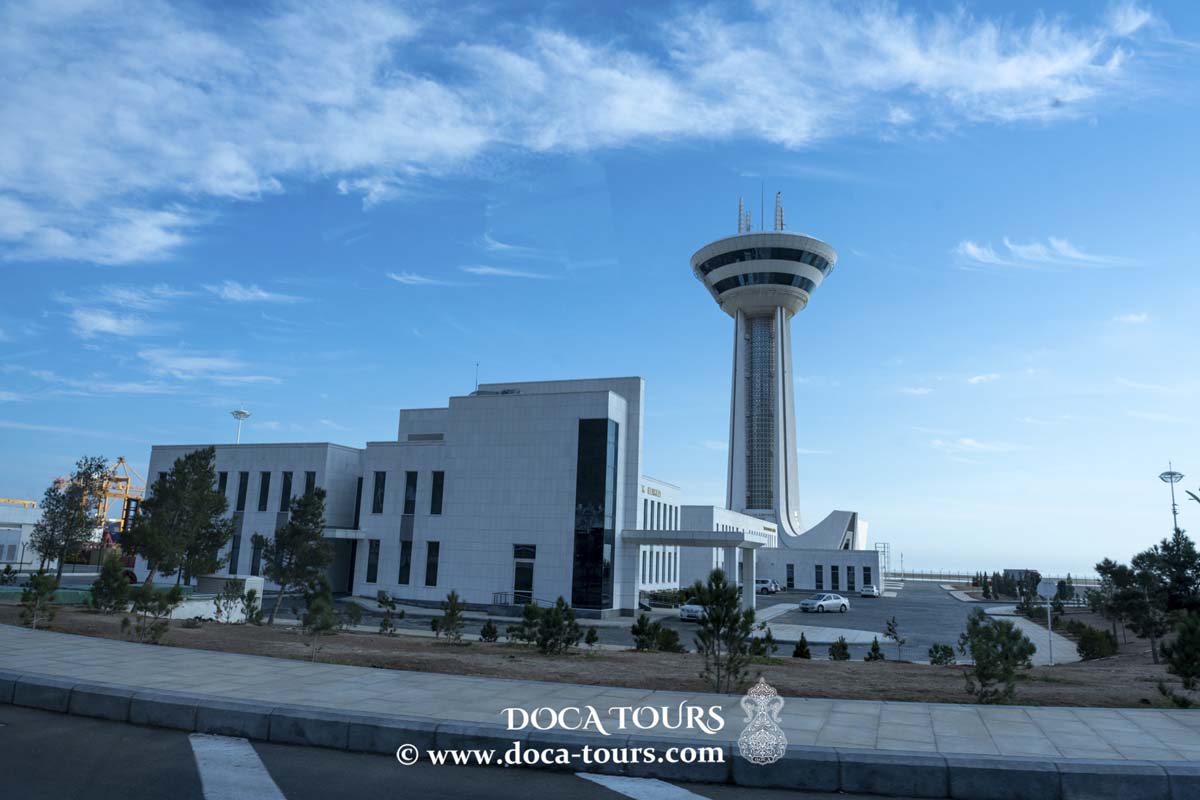
Navoiy boasts a well-developed transportation network, strategically positioned to facilitate trade and connectivity. The city lies just 800 meters from the E-40 highway and 1.8 km from the cargo terminal of Navoiy International Airport. It is also linked to international railway routes connecting Europe (via Russia), South Asia (via China), and the Middle East and Gulf countries (via Iran). Essential utilities such as water and gas distribution centers are located 800 meters from the industrial zone, while an electrical station is 8 km away, ensuring efficient infrastructure for both residents and industries.