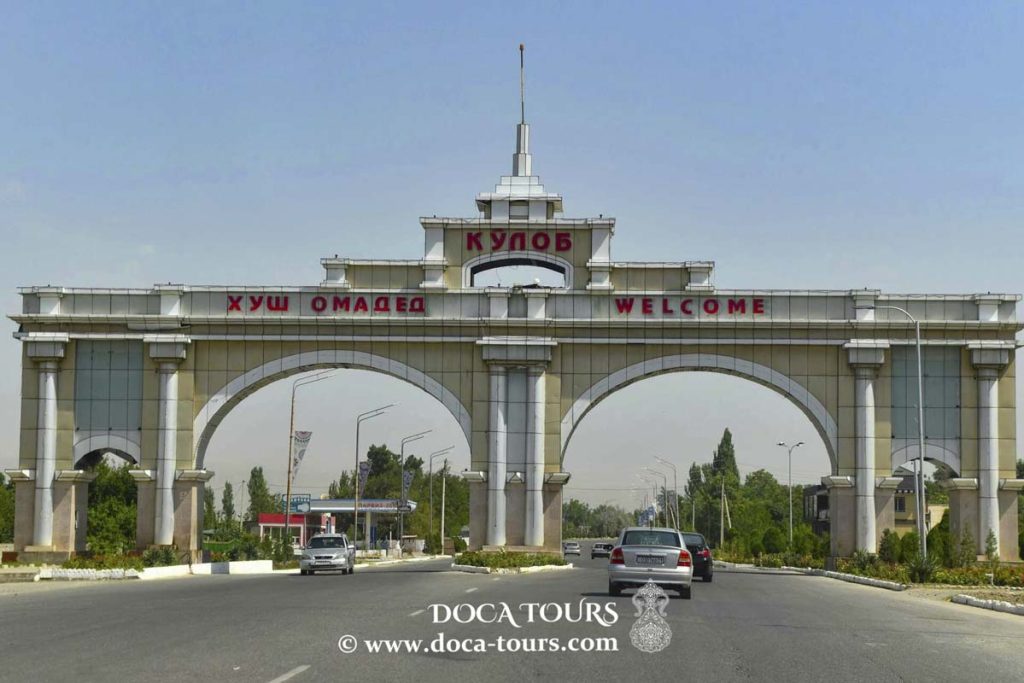
KULOB
- Geographical coordinates: 37°54′33″N 69°46′55″E
- Former name: Khutal
- Elevation: 580 m
- Official language: Tajik
- Popular languages: Russian, Uzbek etc.
- Nationals: Tajik, Uzbek, Russian
- Population: 105 500 (as of 2019)
- Time Zone: UTC+5
- Telephone Code: +992 33
- Postal Codes: 735ХXX
- Vehicle Registration Code: 03
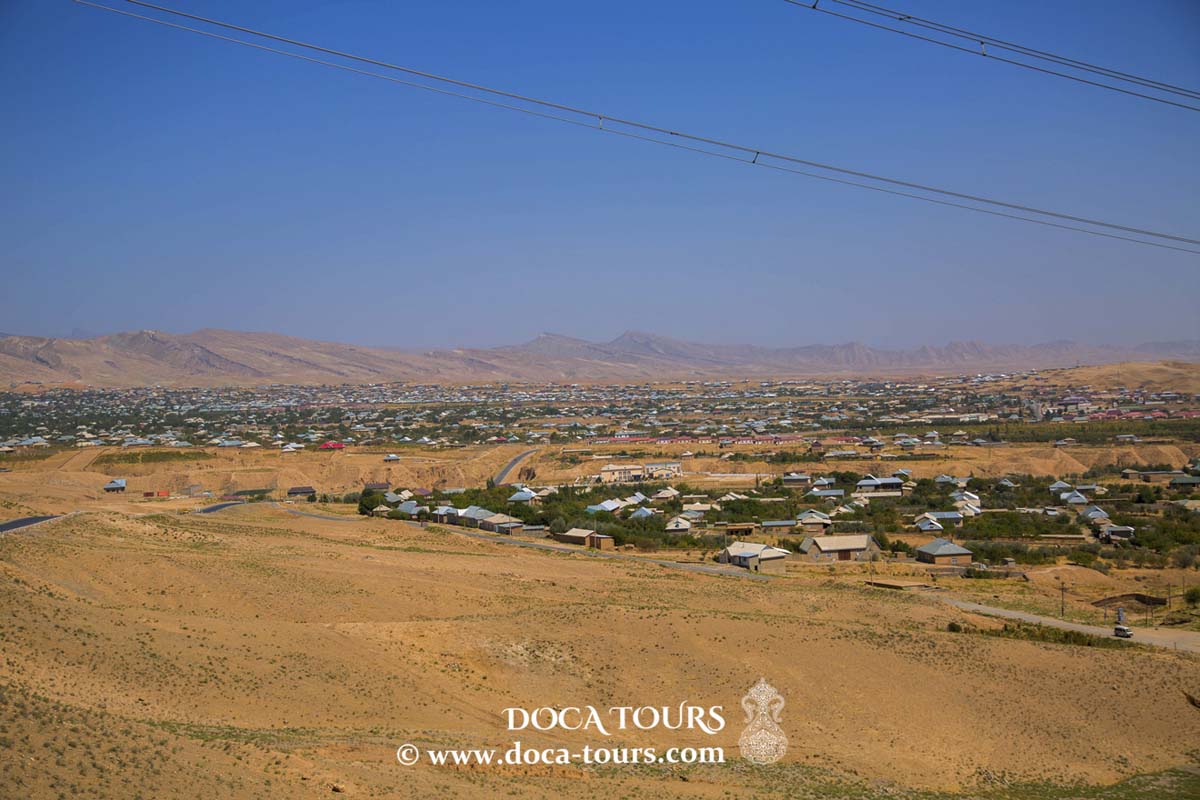
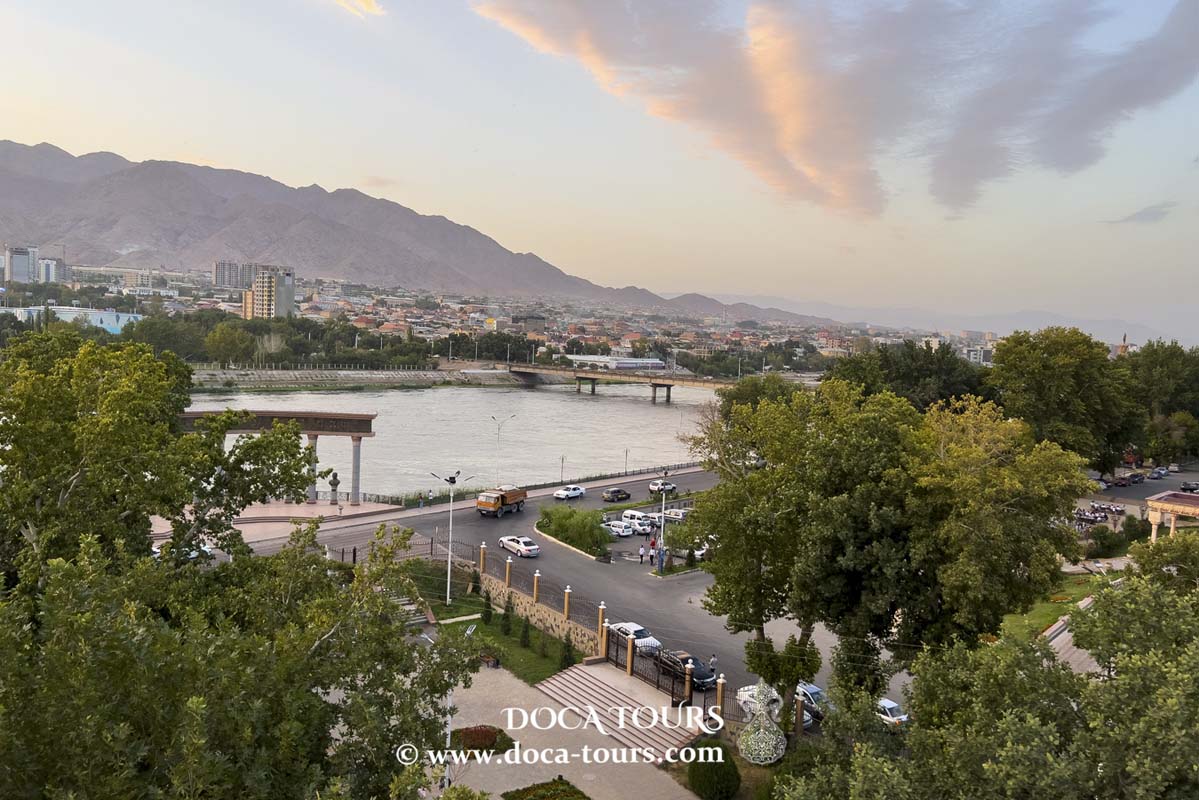
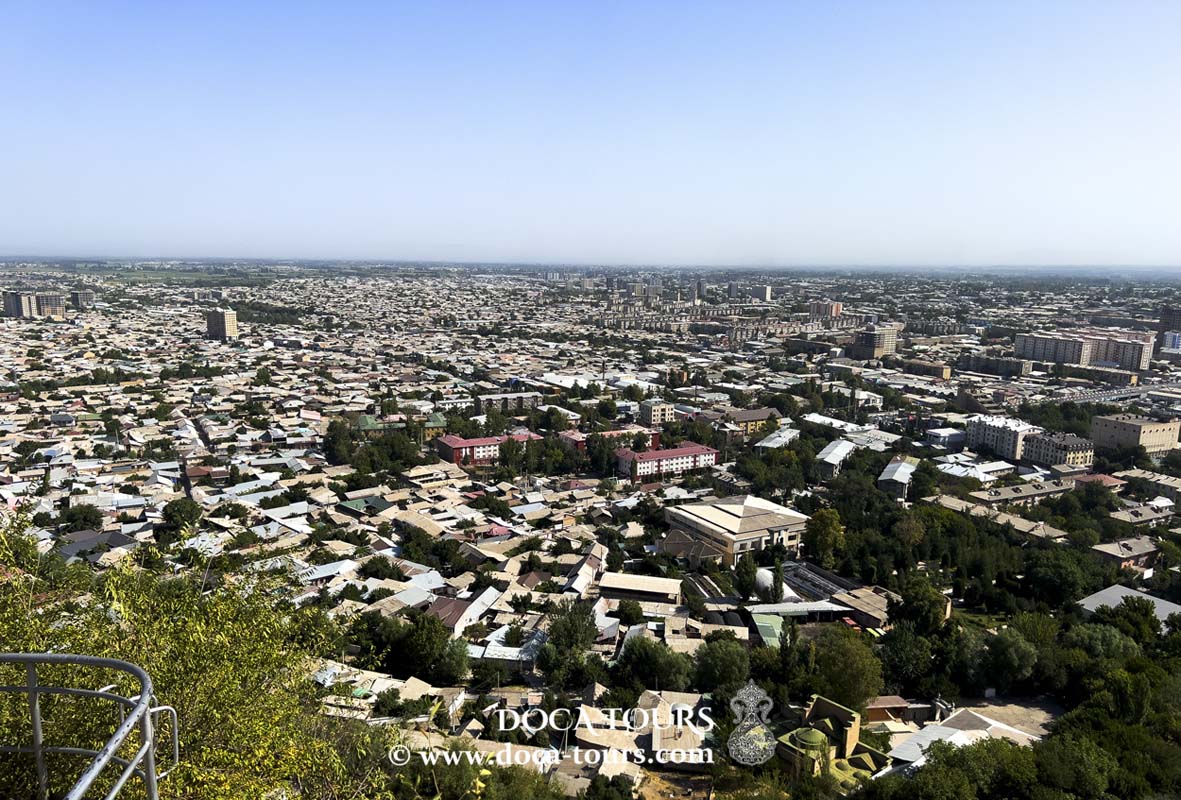
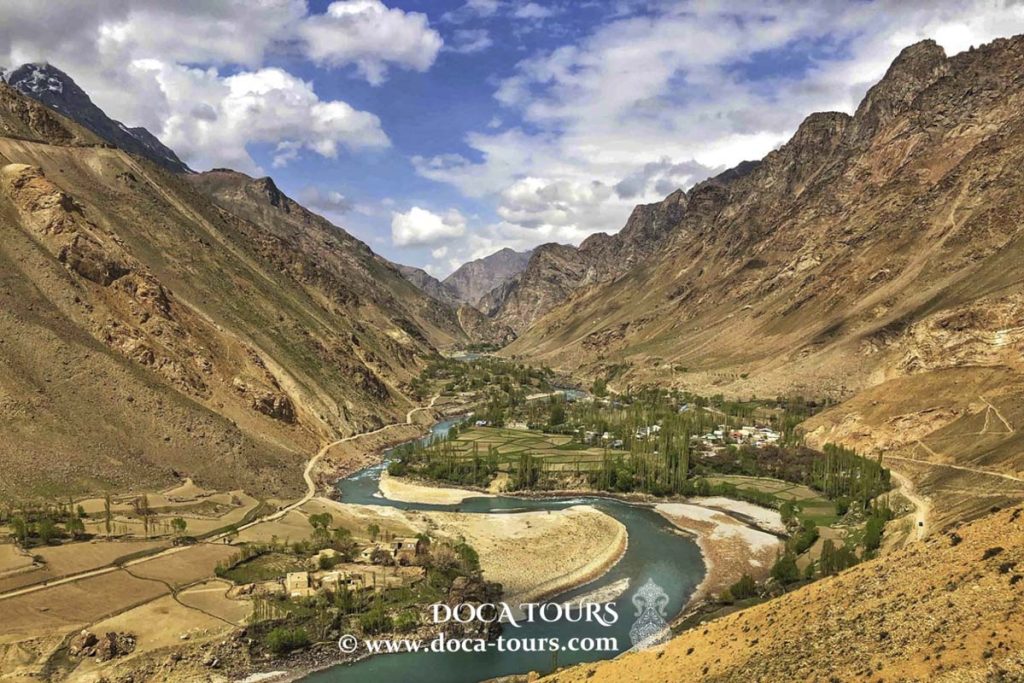
Kulob, also known as Khatlon, is a city situated in the southern part of Tajikistan, within the Khatlon Region. Positioned approximately 203 kilometers (126 miles) southeast of the capital, Dushanbe, it lies along the Yakhsu River, a right tributary of the Panj. Kulob ranks among the largest cities in the country, with an estimated population of 106,300 within the city limits and 214,700 including surrounding communities as of 2020. The city is accessible via Kulob Airport.

History
Kulob, established as the new capital of Khuttalyan in the 16th century, was described in the Abdullah-nameh as a small city fortified with a stronghold featuring three gates: Chorsu to the north, Imam to the west, and Darb al-Haywan to the south. The city was protected by mountains to the east.
In 1504–1505, Kulob was captured by Shaybani Khan, the founder of the Uzbek Shaybanid dynasty, and became part of the Shaybanid State. After Shaybani Khan’s death in 1510, power shifted to the descendants of Timurid Sultan Wais Mirza, also known as Khan Mirza. Shahrokh Mirza, the grandson of Suleiman Shah, governed Kulob until 1584, when it was recaptured by Abdullah Khan II of the Shaybanid dynasty and incorporated into the state’s capital in Bukhara.
Under Nadir Muhammad Khan (1642–1645), Kulob was reassigned to Balkh, the second political center during the rule of the Uzbek Ashtarkhanid dynasty. Successive governors included Nadir Muhammad Khan’s sons—Abdulaziz Sultan, Khosrow Sultan, and Bahram Sultan. Later, during the reign of Ubaidullah Khan II (1702–1711), Buri Biy of the Uzbek Katagan clan, a nephew of Mahmud Katagan, administered the region.
In the 19th century, Kulob was repeatedly conquered by rulers of various Uzbek khanates: Murad Bek of Kunduz, Madali Khan of Kokand (1822–1842), Nasrullah Khan of Bukhara (1827–1860), and Muzaffar Khan (1860–1886).
Kulob officially gained city status in 1934 during the Soviet era.
For centuries, Kulob was a vital political, trade, and cultural center of the vast Khatlon region. Located along one of the branches of the Great Silk Road, it maintained strong economic and cultural connections with countries of both the East and the West.
In the medieval period, Kulob served as the center of the Kulob Bekdom within the Bukhara Khanate. It was an important hub of education, hosting numerous maktabs (primary schools) and madrasas (higher educational institutions).
Craftsmanship and trade flourished in the city, and literary and scientific circles were highly active. Between the 17th and 19th centuries, Kulob was home to 40 poets, including notable figures such as Abdurahmon Khoja Nasekh, Haji Husain Kangurti, Bismil, and Shohin. Archaeological finds of structures and mausoleums highlight the city’s advanced architectural development.
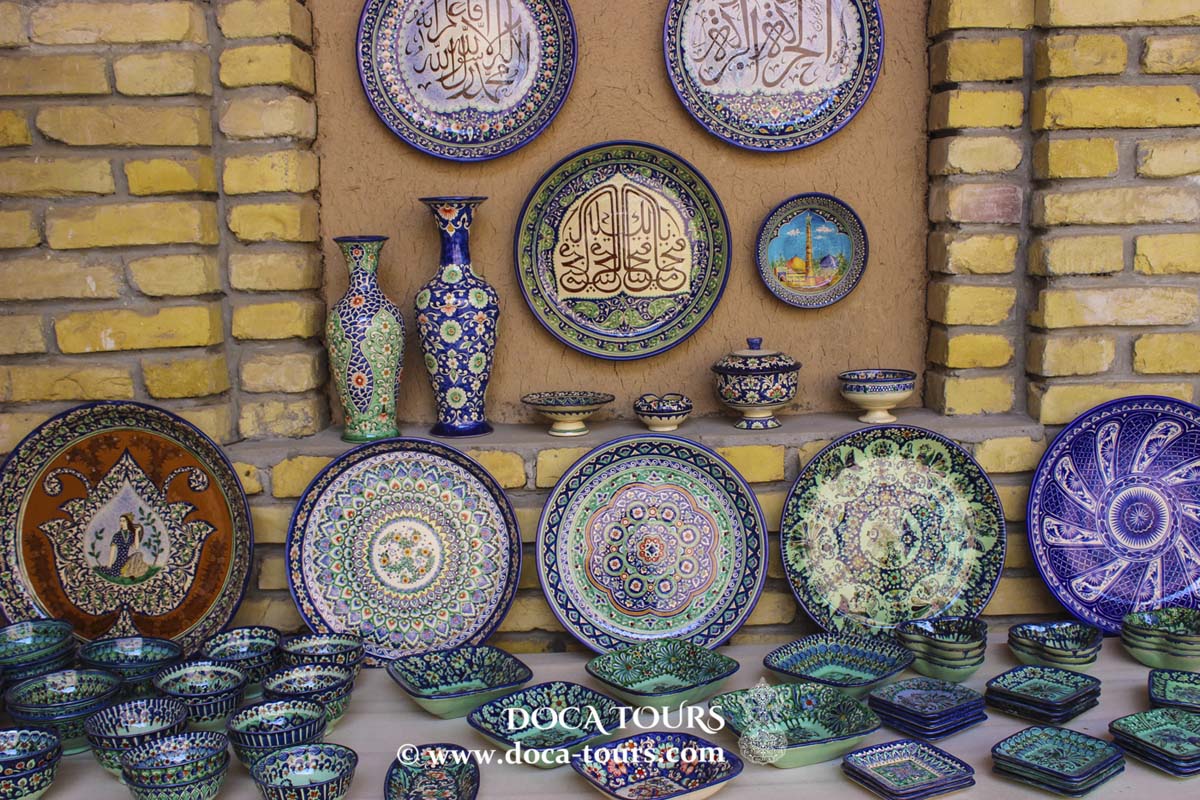
At the beginning of the 20th century, Kulob was the largest city in Eastern Bukhara, with 20 neighborhoods. Various crafts, such as silk weaving (producing high-quality fabrics like brocade, alochi, kurtachi, and suzani), jewelry making, pottery, leatherwork, carpentry, and metalworking (including knives, horse gear, and weapons), were highly developed. The city was also known for its embroidery, particularly gulduzi and chakan, recognized for their unique patterns and colors.
Modern Features
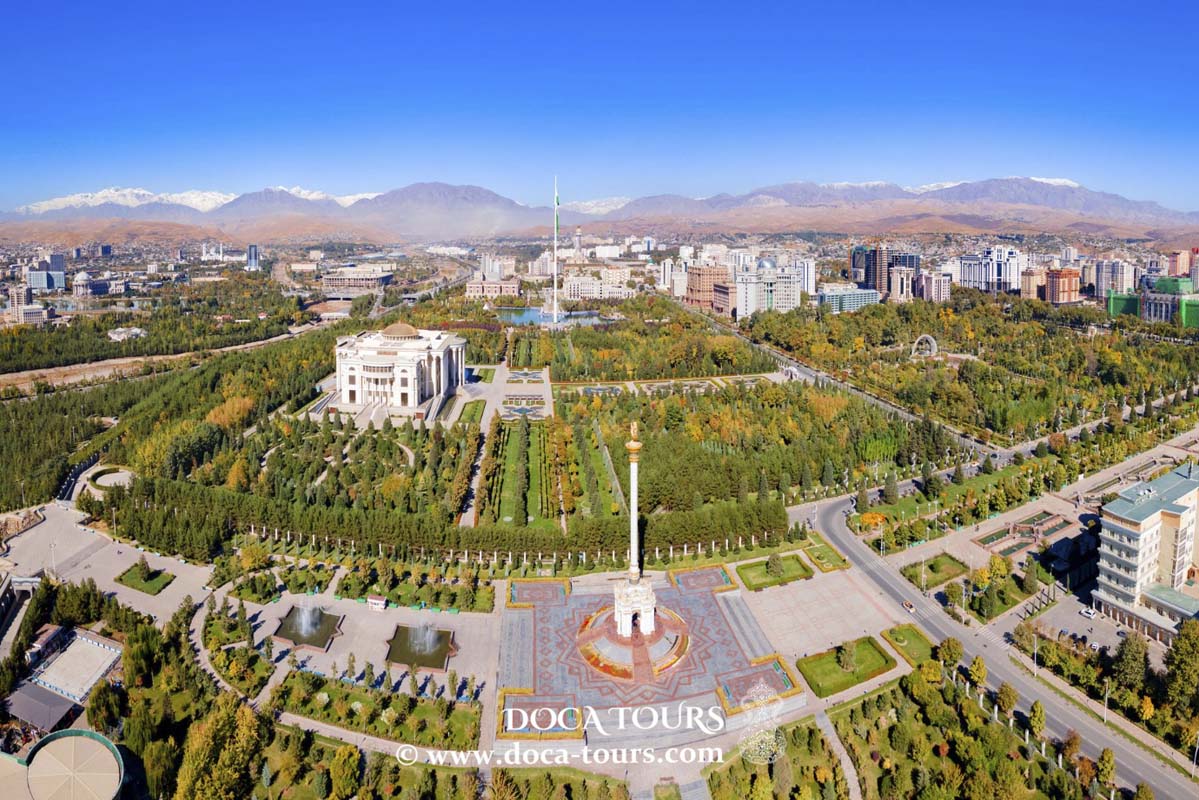
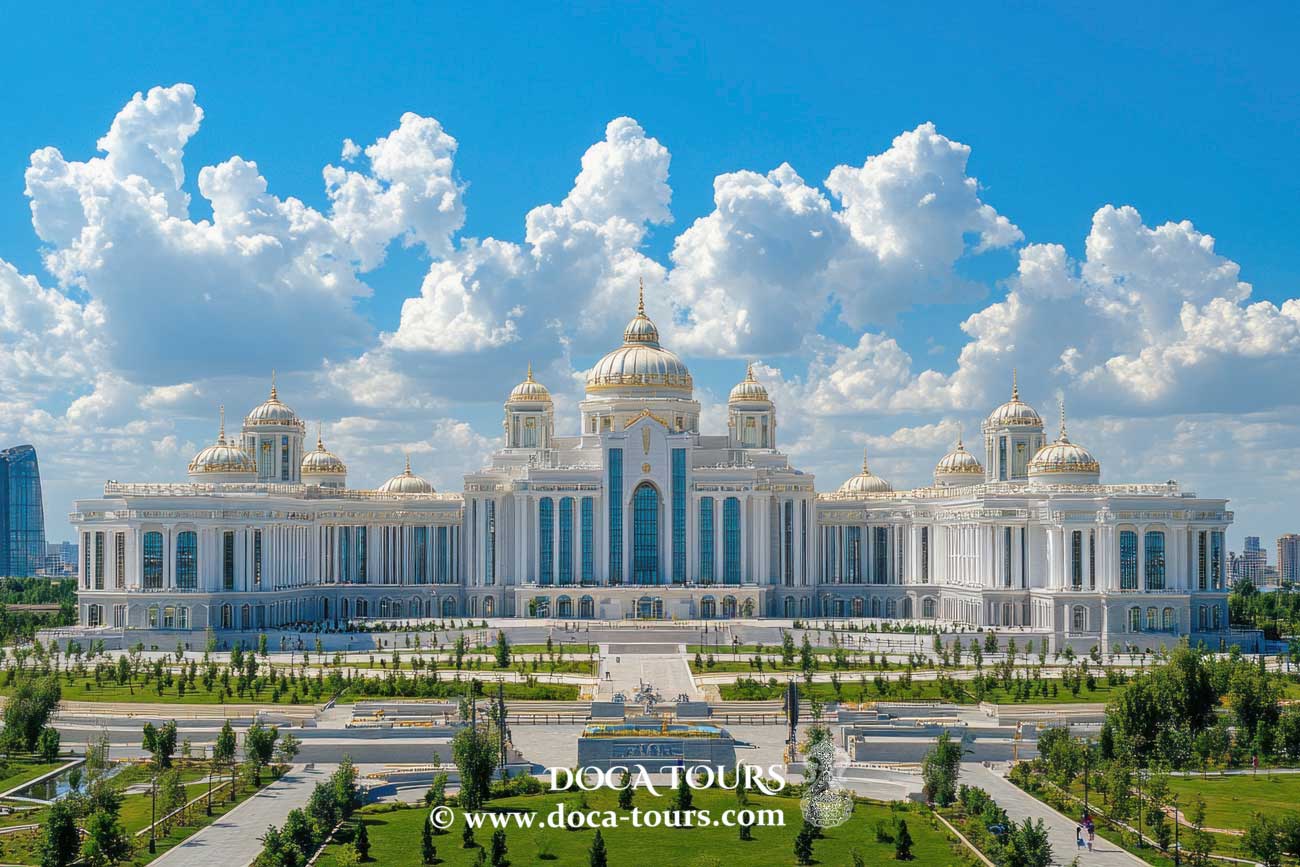
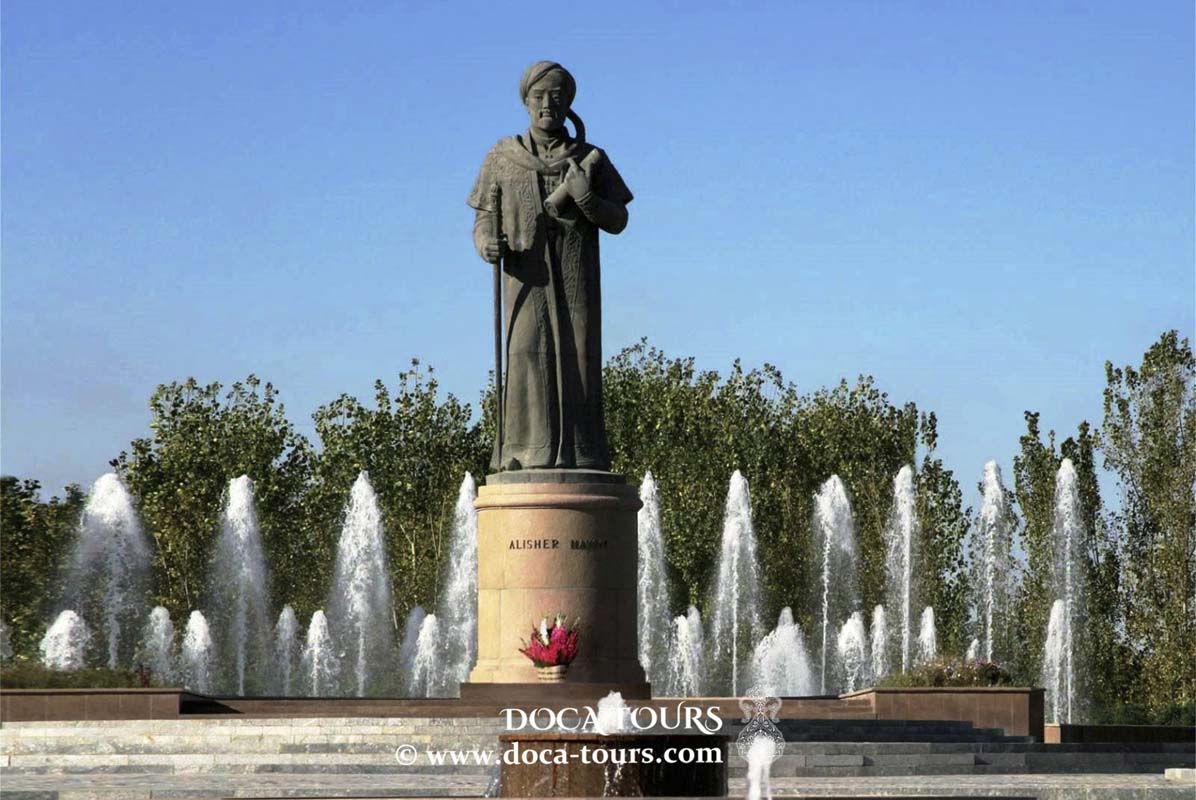
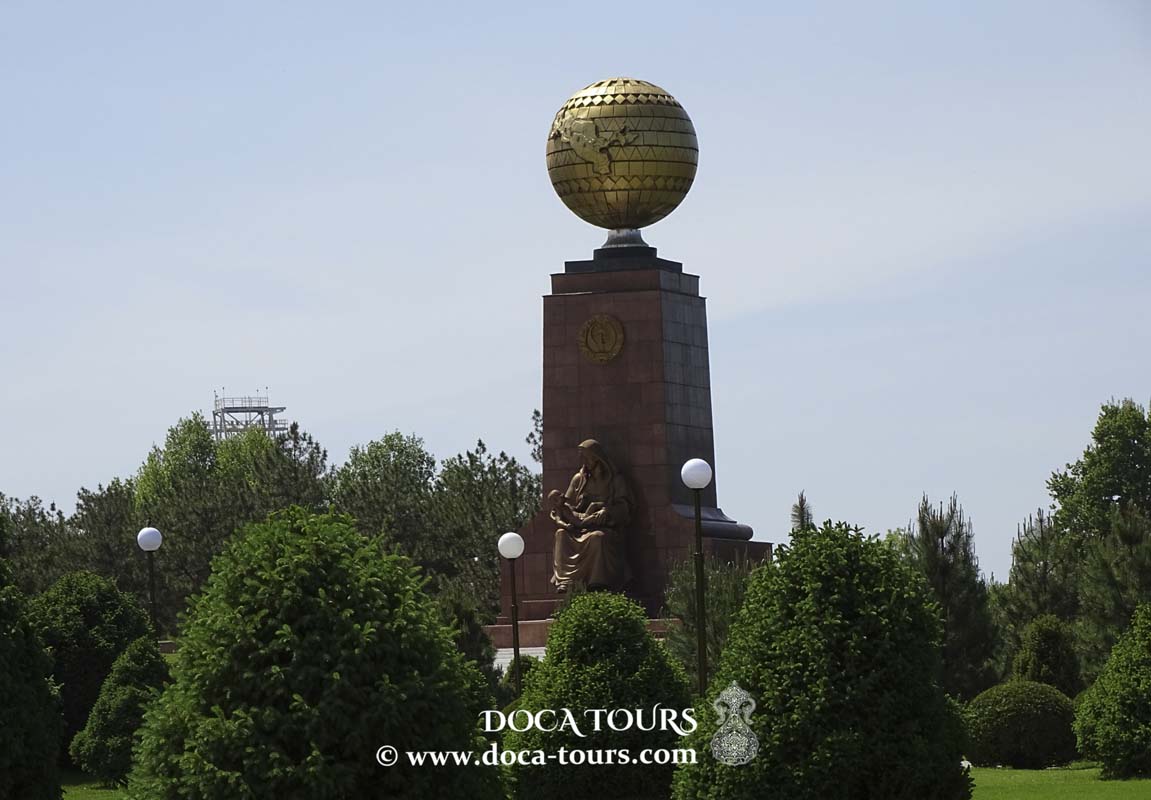
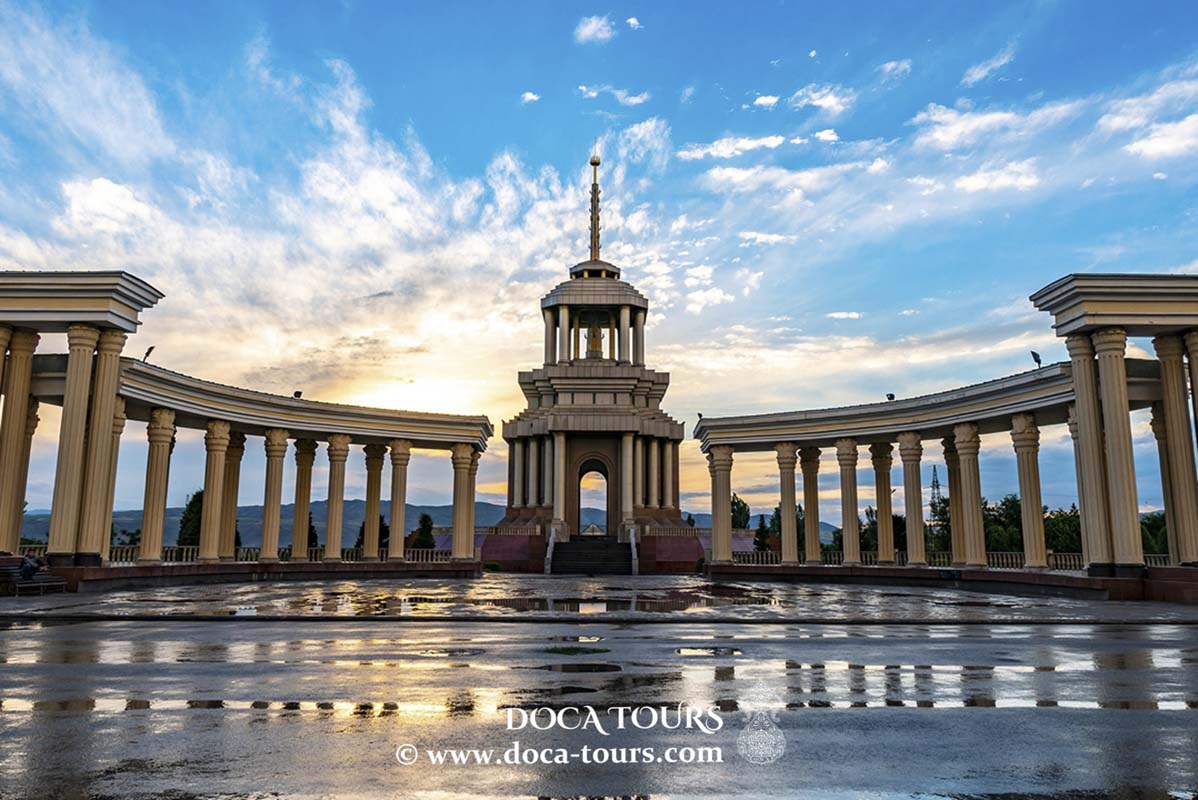
2700th Anniversary Memorial Complex: Located on the city’s central square, this landmark celebrates Kulob’s ancient history.
Kulob International Airport: Provides modern transportation links to the city.
Military Presence
Kulob was home to the 149th Guards Motorized Rifle Regiment of the 201st Russian Military Base, known as the Częstochowa Red Banner Order of the Red Star Regiment. It also hosted the 859th Separate Guards Motorized Rifle Battalion, the 729th Separate Guards Self-Propelled Artillery Division, the 30th Separate Medical Company, and various support units.
Additionally, the Momirak military training ground, used by Russian forces, was located near Kulob. However, in 2015, as part of a strategic relocation, units of the 201st Military Base were withdrawn from the city.
Attractions
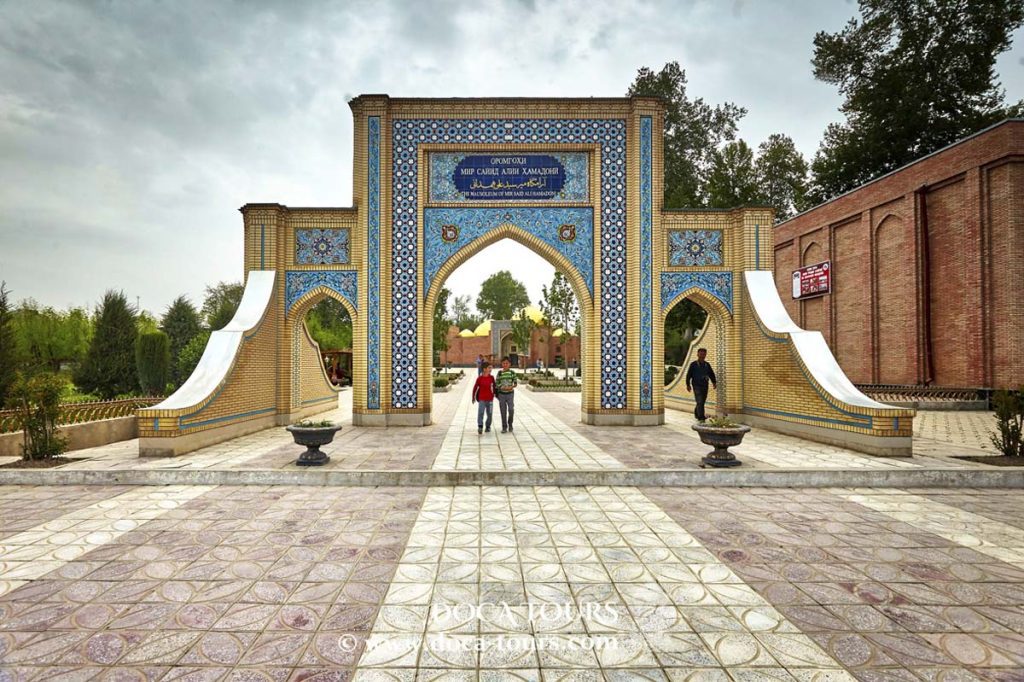
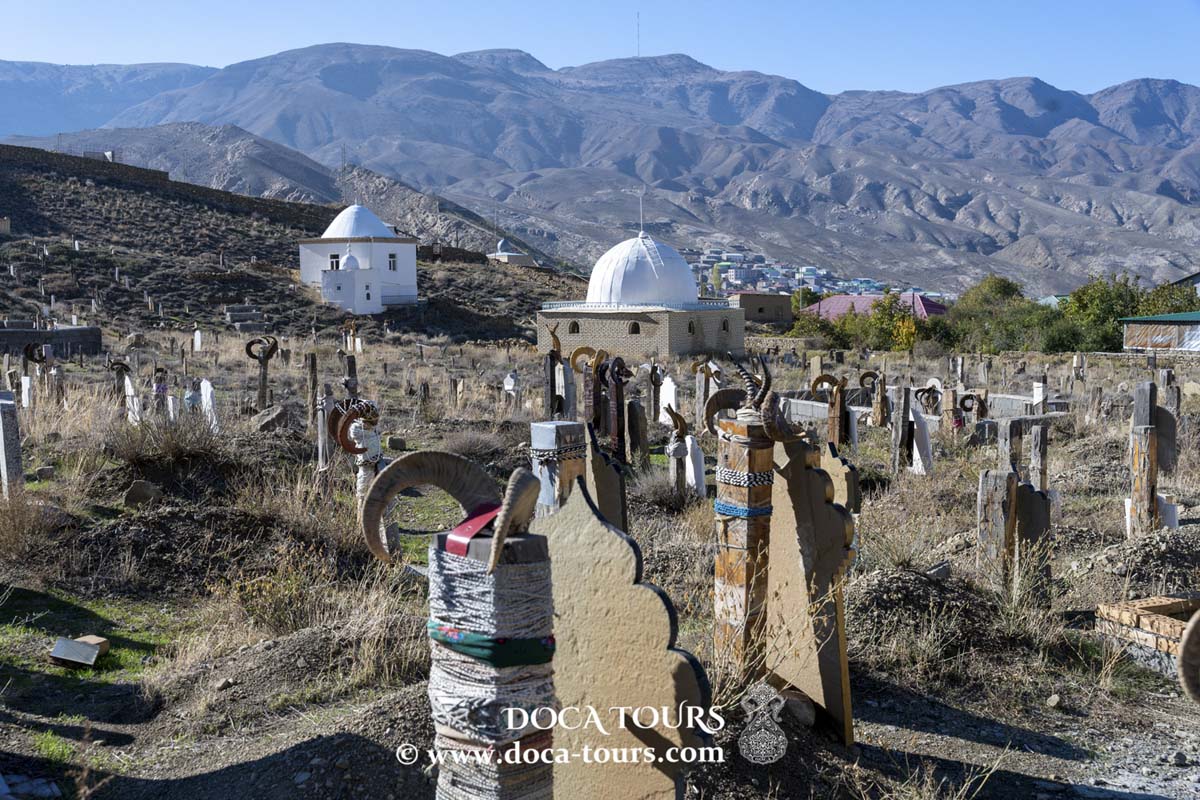
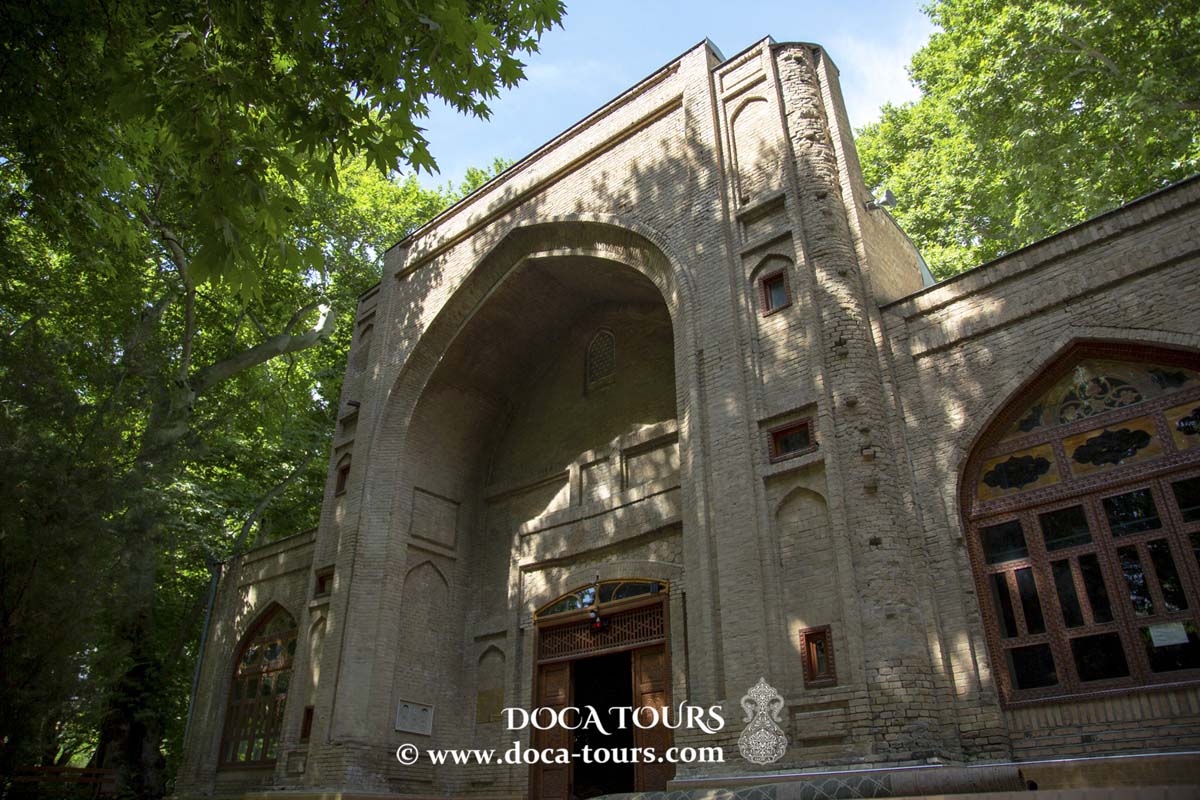
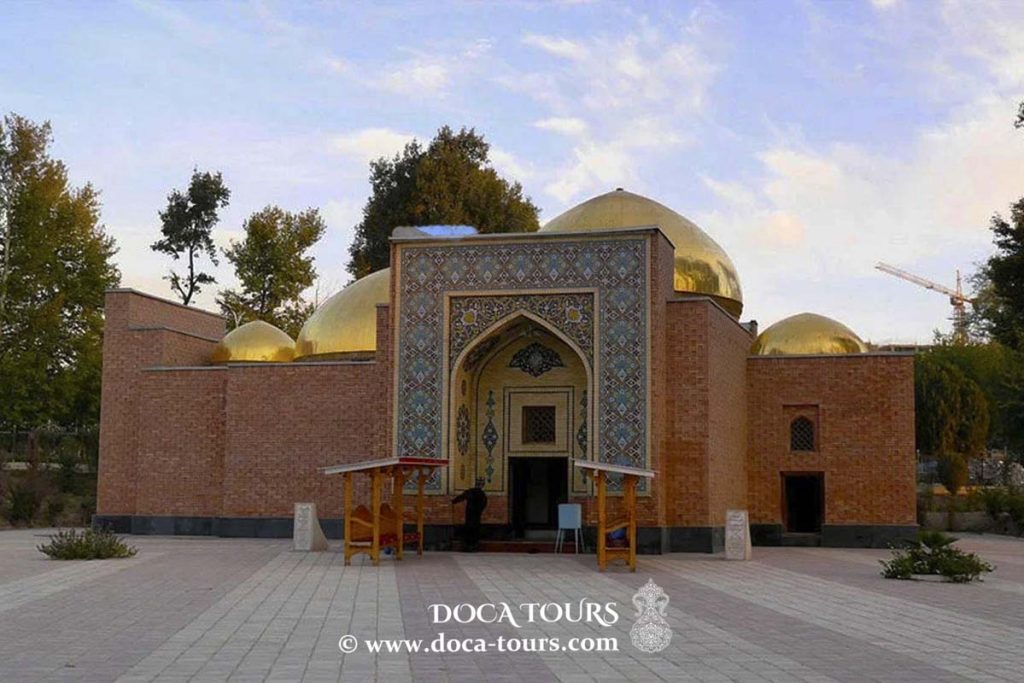
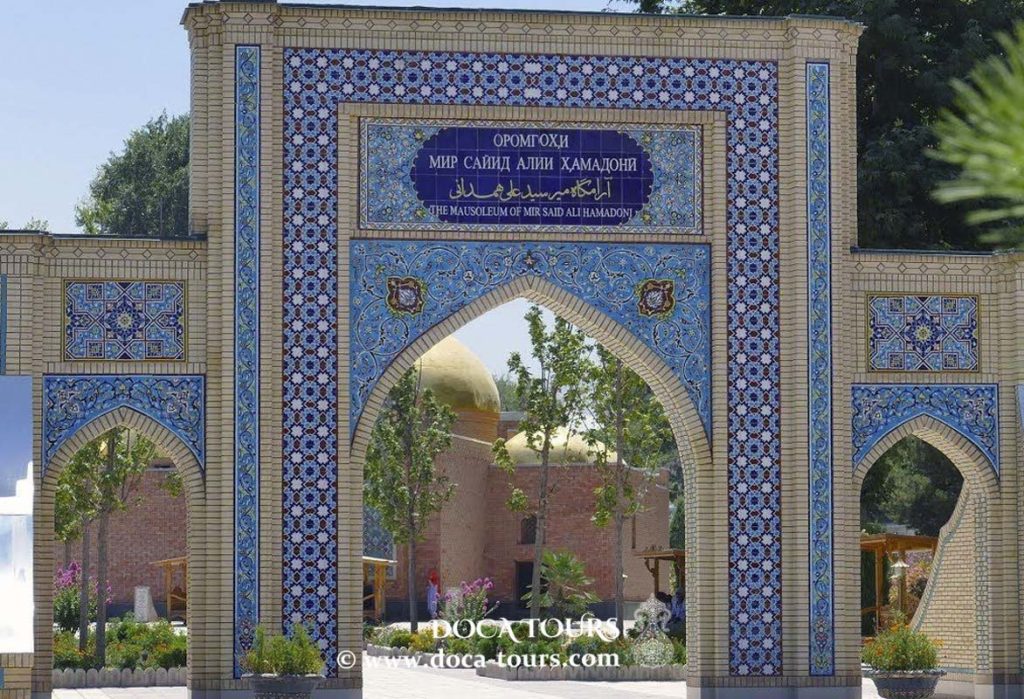
Mausoleum of Mir Sayyid Ali Hamadani: A significant historical and spiritual landmark.
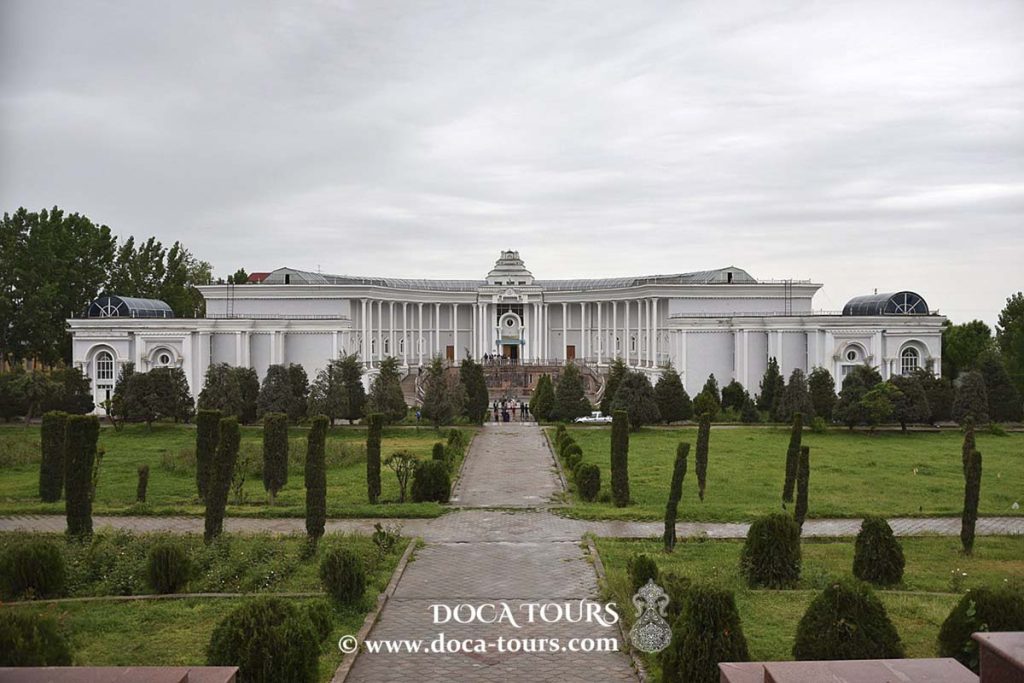
Historical Museum: Showcasing the rich history and culture of Kulob.
"2700th Anniversary of Kulob" Memorial Complex: A monument commemorating the city's ancient heritage.
Transportation
Kulob is connected by a railway line, with a weekly train service running between Kulob and Moscow.
The Kulob International Airport offers daily regular flights to and from Moscow, ensuring convenient air travel.
Education
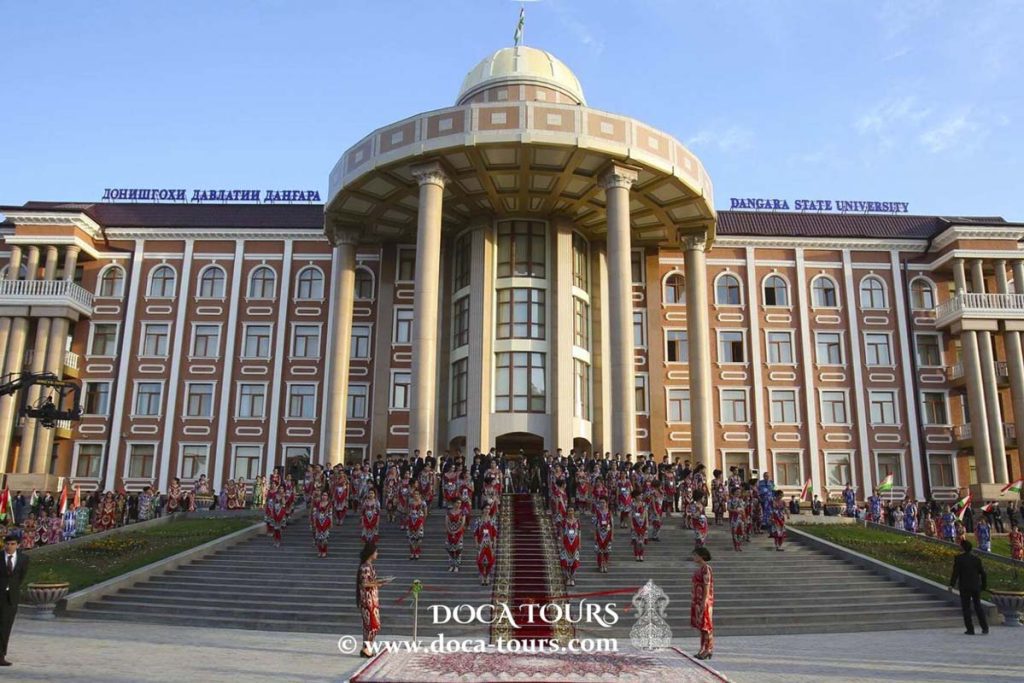
- Kulob State University
- Technological Institute
- Medical College
- Pedagogical College
- Vocational Construction Lyceum
- K.Kurbona College of Arts
Sister Cities
- Hamadan, Iran
- Konya, Turkey

 Under Nadir Muhammad Khan (1642–1645), Kulob was reassigned to Balkh, the second political center during the rule of the Uzbek Ashtarkhanid dynasty. Successive governors included Nadir Muhammad Khan’s sons—Abdulaziz Sultan, Khosrow Sultan, and Bahram Sultan. Later, during the reign of Ubaidullah Khan II (1702–1711), Buri Biy of the Uzbek Katagan clan, a nephew of Mahmud Katagan, administered the region.
In the 19th century, Kulob was repeatedly conquered by rulers of various Uzbek khanates: Murad Bek of Kunduz, Madali Khan of Kokand (1822–1842), Nasrullah Khan of Bukhara (1827–1860), and Muzaffar Khan (1860–1886).
Under Nadir Muhammad Khan (1642–1645), Kulob was reassigned to Balkh, the second political center during the rule of the Uzbek Ashtarkhanid dynasty. Successive governors included Nadir Muhammad Khan’s sons—Abdulaziz Sultan, Khosrow Sultan, and Bahram Sultan. Later, during the reign of Ubaidullah Khan II (1702–1711), Buri Biy of the Uzbek Katagan clan, a nephew of Mahmud Katagan, administered the region.
In the 19th century, Kulob was repeatedly conquered by rulers of various Uzbek khanates: Murad Bek of Kunduz, Madali Khan of Kokand (1822–1842), Nasrullah Khan of Bukhara (1827–1860), and Muzaffar Khan (1860–1886).
 Kulob officially gained city status in 1934 during the Soviet era.
For centuries, Kulob was a vital political, trade, and cultural center of the vast Khatlon region. Located along one of the branches of the Great Silk Road, it maintained strong economic and cultural connections with countries of both the East and the West.
Kulob officially gained city status in 1934 during the Soviet era.
For centuries, Kulob was a vital political, trade, and cultural center of the vast Khatlon region. Located along one of the branches of the Great Silk Road, it maintained strong economic and cultural connections with countries of both the East and the West.
 In the medieval period, Kulob served as the center of the Kulob Bekdom within the Bukhara Khanate. It was an important hub of education, hosting numerous maktabs (primary schools) and madrasas (higher educational institutions).
Craftsmanship and trade flourished in the city, and literary and scientific circles were highly active. Between the 17th and 19th centuries, Kulob was home to 40 poets, including notable figures such as Abdurahmon Khoja Nasekh, Haji Husain Kangurti, Bismil, and Shohin. Archaeological finds of structures and mausoleums highlight the city’s advanced architectural development.
In the medieval period, Kulob served as the center of the Kulob Bekdom within the Bukhara Khanate. It was an important hub of education, hosting numerous maktabs (primary schools) and madrasas (higher educational institutions).
Craftsmanship and trade flourished in the city, and literary and scientific circles were highly active. Between the 17th and 19th centuries, Kulob was home to 40 poets, including notable figures such as Abdurahmon Khoja Nasekh, Haji Husain Kangurti, Bismil, and Shohin. Archaeological finds of structures and mausoleums highlight the city’s advanced architectural development.
 At the beginning of the 20th century, Kulob was the largest city in Eastern Bukhara, with 20 neighborhoods. Various crafts, such as silk weaving (producing high-quality fabrics like brocade, alochi, kurtachi, and suzani), jewelry making, pottery, leatherwork, carpentry, and metalworking (including knives, horse gear, and weapons), were highly developed. The city was also known for its embroidery, particularly gulduzi and chakan, recognized for their unique patterns and colors.