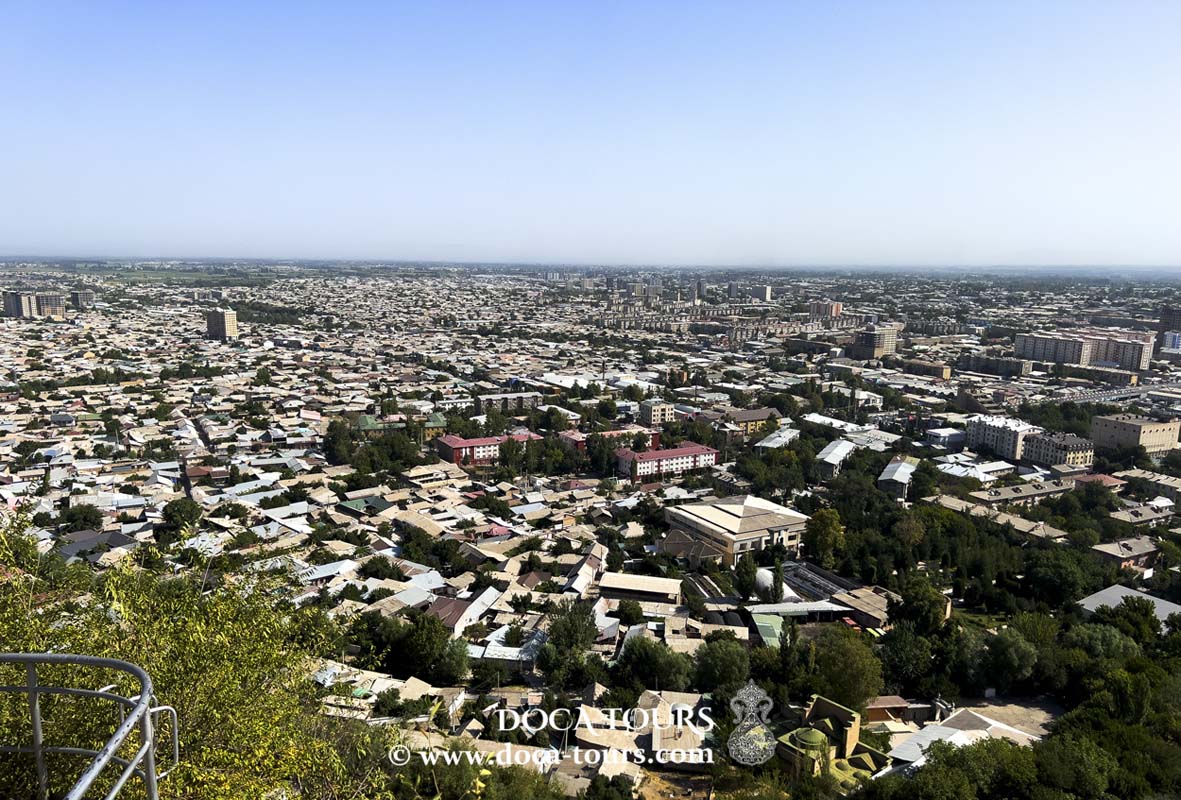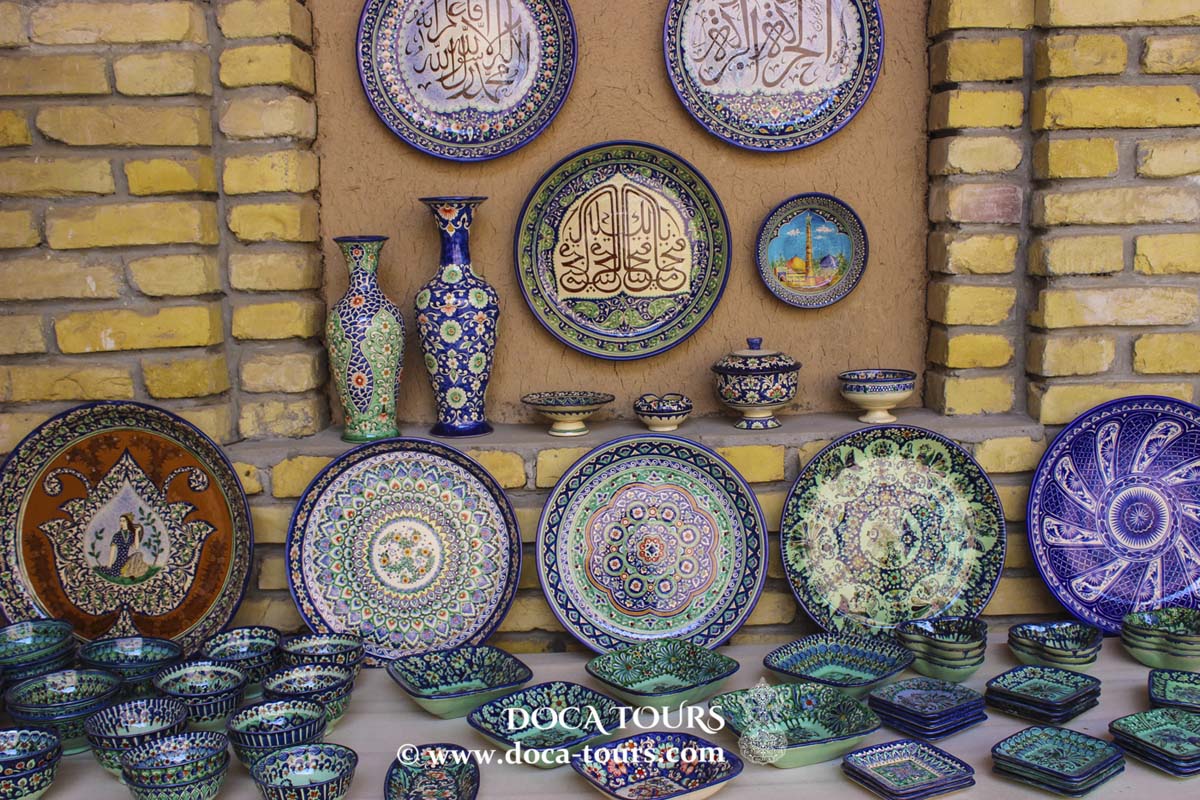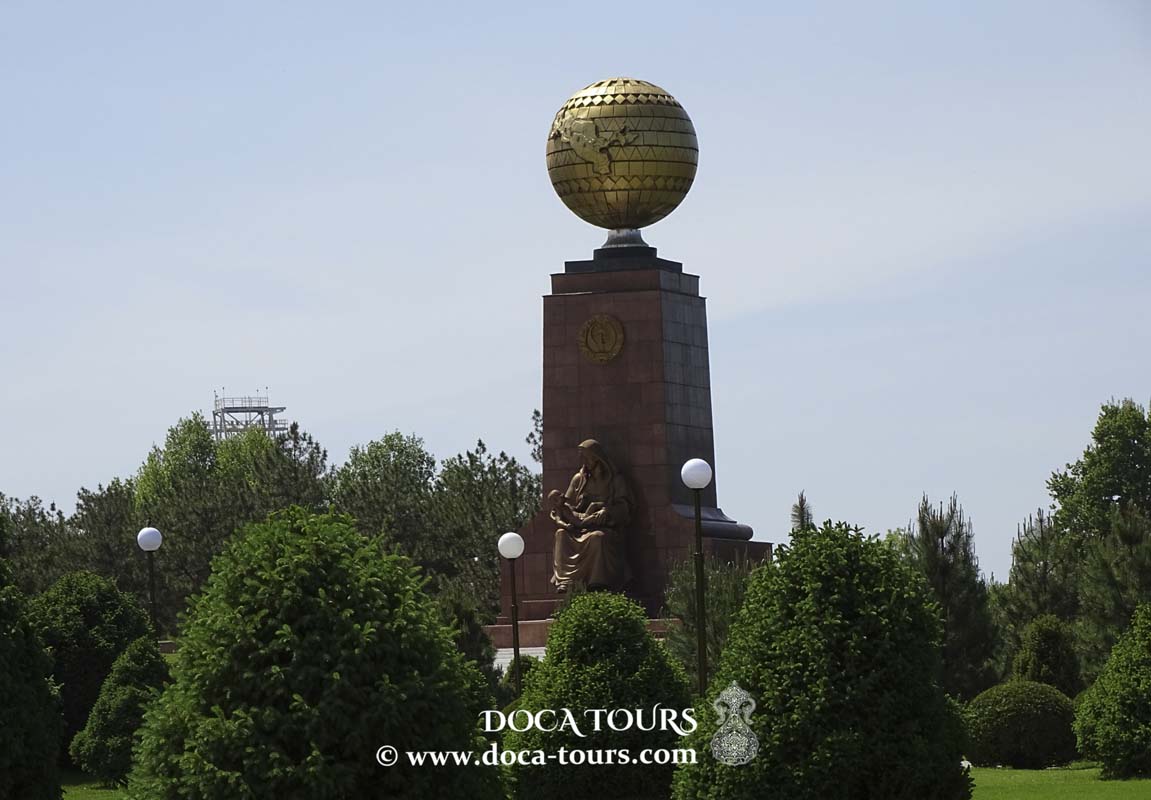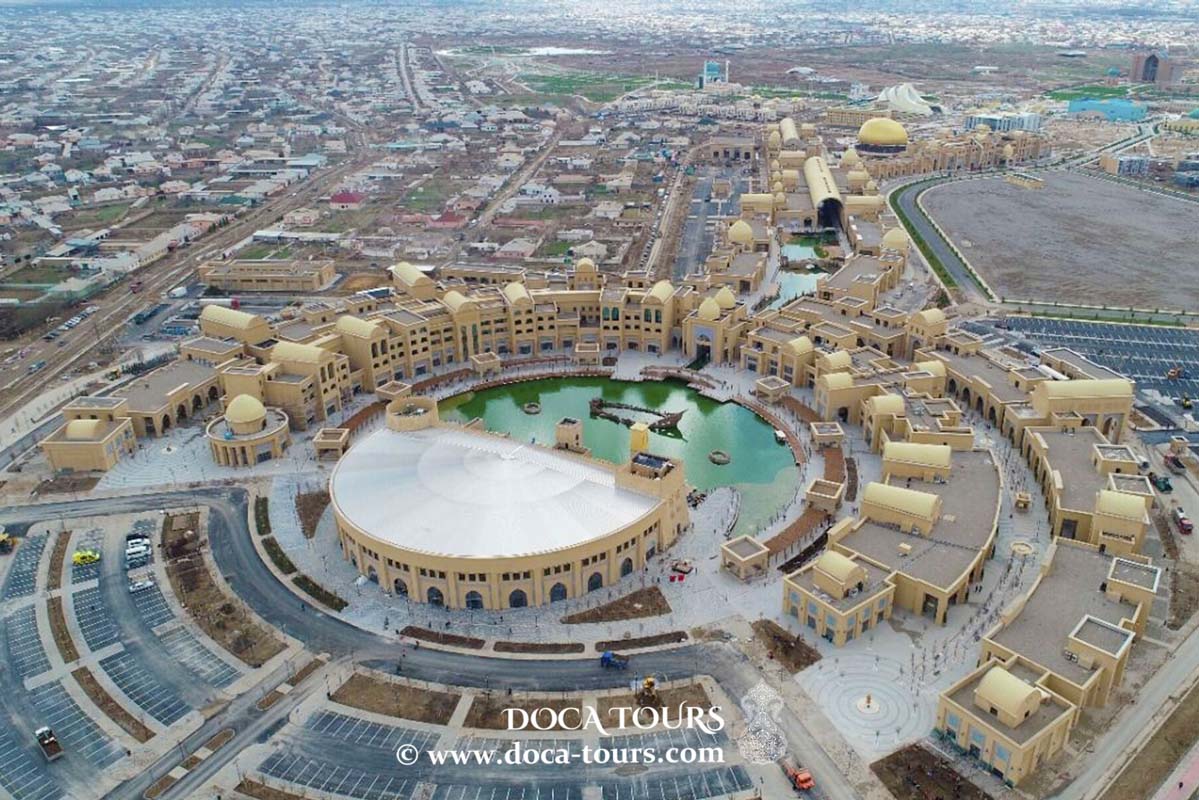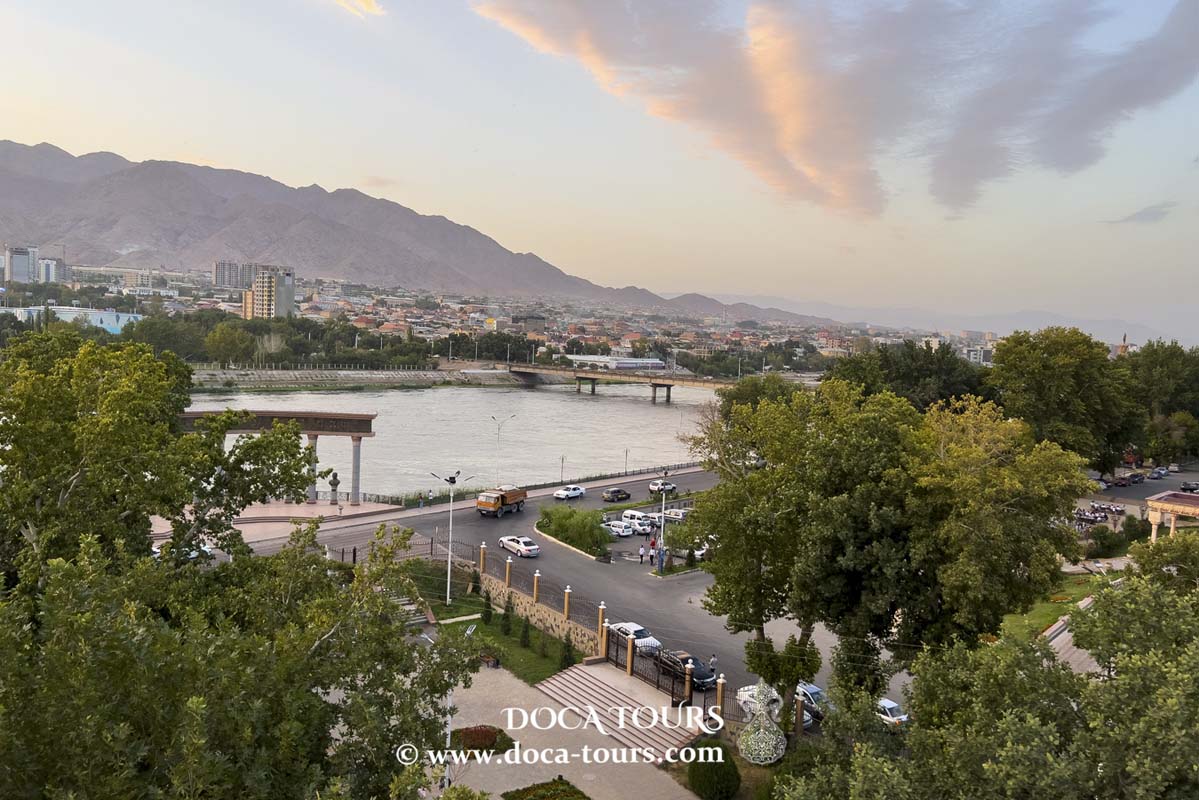
Khujand, sometimes spelled Khodjent, and formerly known as Leninabad from 1936 to 1991, is the second-largest city in Tajikistan and the capital of the northernmost Sughd Province.
One of the oldest cities in Central Asia, Khujand was founded around 2,500 years ago during the Achaemenid Empire. Located on the Syr Darya River at the entrance to the Fergana Valley, it became a key city along the ancient Silk Road. In 329 BCE, Alexander the Great captured the city and renamed it Alexandria Eschate. Throughout its history, Khujand was part of several empires, including the Umayyad Caliphate (8th century), the Mongol Empire (13th century), and the Russian Empire (19th century). Today, its population is primarily ethnic Tajiks, and it lies near the modern borders of Uzbekistan and Kyrgyzstan.

Khujand is believed to have been the site of Cyropolis (Κυρούπολις), founded by King Cyrus the Great during his final campaign against the Massagetae shortly before his death. Later, Alexander the Great established his farthest Greek settlement near Cyropolis in 329 BCE and named it Alexandria Eschate, or "Alexandria the Furthest." This city served as a bastion for Greek settlers against the nomadic Scythian tribes north of the Syr Darya. According to the Roman historian Curtius, Alexandria Eschate maintained its Hellenistic culture until 30 BCE. The city became a critical hub on the northern Silk Road and a cultural center, producing several renowned poets and scholars.

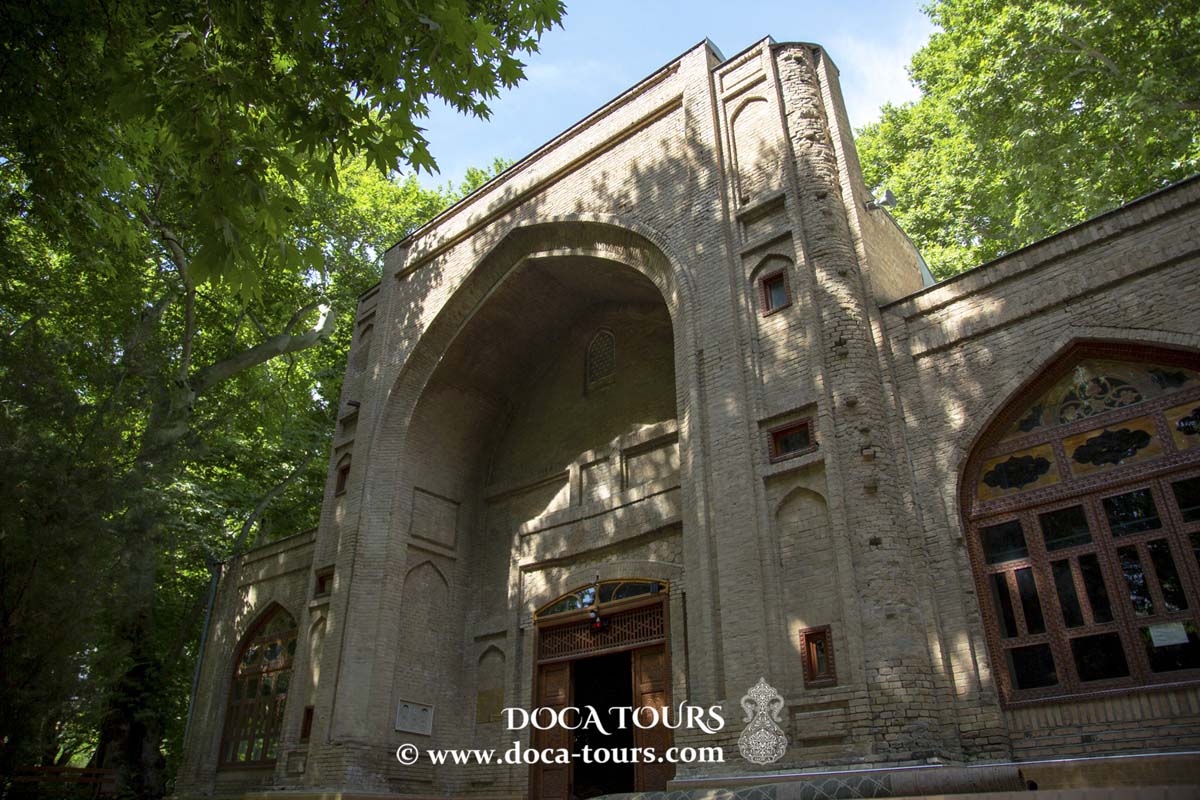
Khujand retains historical landmarks, such as the Mausoleum of Sheikh Muslihiddin, the Jami Masjidi Yami Mosque, and the Khujand Fortress, originally constructed over 2,500 years ago. These sites, along with other monuments from the 16th to 17th centuries, highlight the city's rich history.
In 1866, as most of Central Asia came under Russian control, Khujand was incorporated into the Russian Empire as part of the Governor-Generalship of Turkestan. The city experienced unrest during the 1916 anti-conscription protests, which escalated into violent clashes between locals and Russian soldiers.
In the early Soviet period, Khujand was part of the Turkestan ASSR, established in 1918. When the Turkestan ASSR was dissolved in 1924 during the national delimitation process, Khujand became part of the Uzbek SSR. In 1929, the Tajik ASSR was elevated to the Tajik SSR, and Khujand, along with its surrounding ethnically Tajik-populated region, was transferred from the Uzbek SSR to the Tajik SSR.

On January 10, 1936, the city was renamed Leninabad, a name it retained until the collapse of the Soviet Union in 1991.
During the Soviet period, Leninabad became the second-largest city in the Tajik SSR. Despite its more historically urban and economically significant location in the Fergana Valley, the city was often viewed as more advanced and cosmopolitan than the newly designated capital, Dushanbe (formerly Stalinabad). The latter grew from a small town of 6,000 in 1926 to over 200,000 by the mid-20th century, largely due to Soviet development efforts.
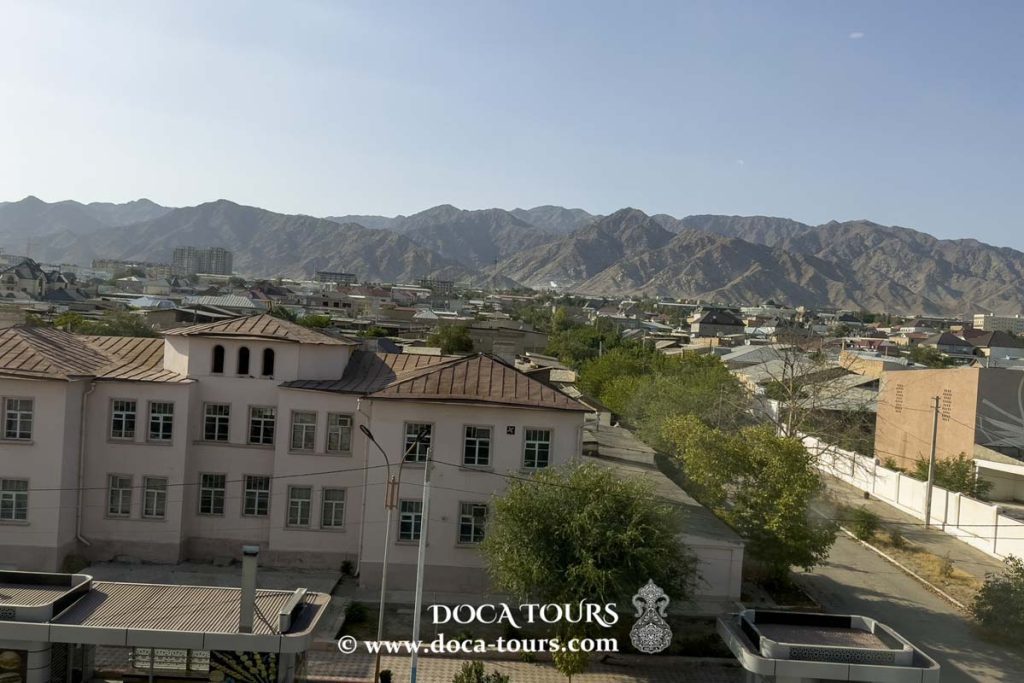
In 1992, following the dissolution of the Soviet Union and Tajikistan's declaration of independence, the city reclaimed its original name, Khujand. It remains the second-largest city in the country.
In 1996, the city witnessed the Ashurov protests, during which citizens demanded the resignation of President Emomali Rahmon. These public demonstrations were followed by a prison protest involving inmates serving long sentences for minor offenses and enduring poor living conditions. The unrest escalated into the Khujand prison riot, resulting in the deaths of between 24 and 150 prisoners.

In the early 2000s, many Khujand residents faced limited access to clean water, with the available supply often unsafe for drinking without boiling. To address this, in 2004, the Swiss State Secretariat for Economic Affairs and the European Bank for Reconstruction and Development launched a joint initiative. The project provided 32,000 water meters and improved access to clean water. Residents began paying for their water services, enabling Khujand’s municipal water company to fund ongoing repairs and upgrades. By 2017, the project had reached its third phase and was considered one of the most successful water access initiatives in Central Asia. Its model was subsequently implemented in Kyrgyz cities like Osh, Jalal-Abad, Kara-Balta, and Talas, with plans to extend it to the capital, Bishkek.

On September 3, 2010, a suicide bombing carried out by the militant group Jamaat Ansarullah, linked to Al-Qaeda, struck the city, claiming four lives.
In April 2017, Pastor Bahrom Holmatov was arrested during a raid on the Protestant church “Sunmin Sunbogym” in Khujand. He was accused of disturbing the peace and comfort of nearby residents through loud singing and sentenced to three years in prison.
Khujand International Airport offers regular flights to Dushanbe and several Russian cities. Additionally, there is a railway connection between Khujand and Samarkand in Uzbekistan, continuing onward to Dushanbe. The city is accessible by road from Penjikent in the Zeravshan Valley and Dushanbe via the Anzob Tunnel.
The 5-kilometer Anzob Tunnel, located 80 km northwest of Dushanbe and constructed with Iranian assistance, serves as a key transit route between Dushanbe and Tashkent, the capital of Uzbekistan. Previously, especially during winter, the lack of direct transport links between northern and southern Tajikistan often disrupted commercial activities in the region.
Khujand is home to several educational institutions, including Khujand State University, Tajik State University of Law, Business, and Politics, the Polytechnic Institute of Tajik Technical University, and Khujand Medical College, alongside two-year technical colleges. Secondary education is state-funded, except for private institutions, while higher education in universities and colleges is subsidized by the Tajik Ministry of Education.

Khujand's population primarily consists of ethnic Tajiks. According to the 2010 census, Tajiks make up 84% of the population, followed by Uzbeks at 14%, Russians at 0.4%, and others at 1.6%. The city predominantly practices Sunni Islam. As of 2019, the city's population was reported at 181,600, while the Khujand metropolitan area had a population of 931,900.
The city hosts the Sughd Historical Museum, located within the Khujand Fortress, which features around 1,200 exhibits, most of which are open to the public. The Mausoleum of Sheikh Muslihiddin stands on the main square, opposite the Panjshanbe Bazaar (Bōzori Panjshanbe, meaning "Thursday Market" in Persian), one of the largest covered markets in Central Asia.

Khujand has a temperate semi-arid climate, characterized by cold, snowy winters and hot, dry summers. Precipitation is minimal, primarily occurring in winter and autumn.